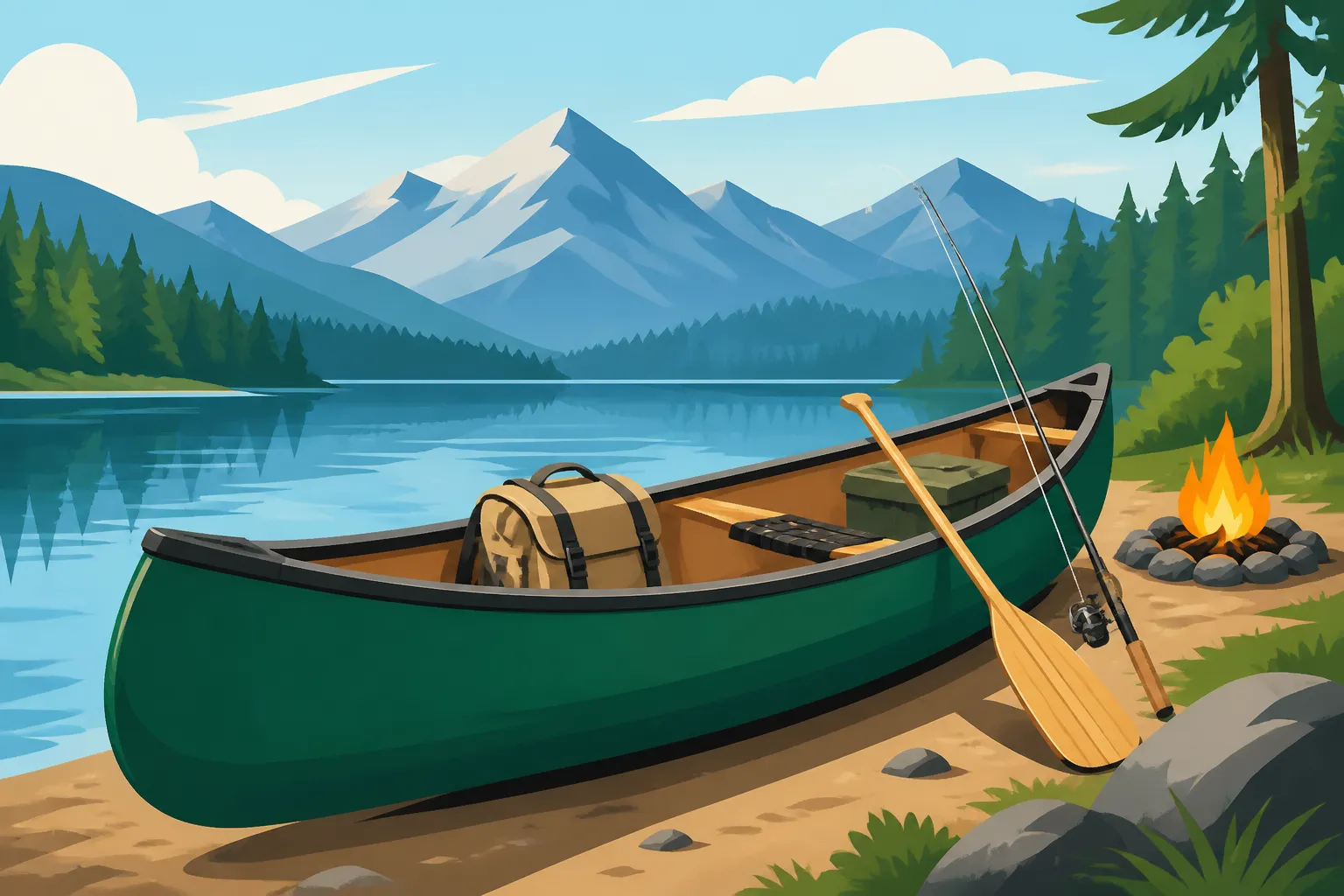
Best canoe for a multi-day paddle trip
The dream of a multi-day paddle trip through New Hampshire's stunning lakes and winding rivers is one many of us share. There’s nothing quite like the freedom of packing up your gear, setting off into the tranquil waters, and knowing that your floating vessel is your home for the next few days. But that dream can quickly turn into a logistical nightmare if you don't have the right canoe. Choosing the best canoe for such an adventure involves balancing capacity, durability, maneuverability, and comfort, and it's a decision that can make or break your trip. This guide will walk you through everything you need to consider to pick the perfect canoe for your next extended paddle and fishing excursion in the Granite State.
Understanding Your Multi-Day Trip Needs
Before you even begin to look at specific canoe models, it’s absolutely crucial to sit down and honestly assess the nature of the multi-day trip you're planning. New Hampshire offers such a diverse range of waterways, from vast, deep lakes to meandering, shallow rivers and even some challenging quickwater sections. Your ideal canoe will depend heavily on these factors, as well as who you're bringing along and how much gear you anticipate needing. Skimping on this planning stage can lead to a canoe that's either too cumbersome, too unstable, or simply not up to the task, leaving you frustrated instead of refreshed.
Trip Duration and Water Type
A quick overnight trip to a nearby pond with minimal gear is a completely different beast than a week-long expedition down a winding river with portages and varied conditions. If you're planning a shorter, calmer trip on a lake like Squam or a smaller, gentle river, a slightly less robust or smaller capacity canoe might suffice. These trips often involve less gear and fewer extreme conditions, making versatility or even a dedicated solo canoe a viable option.
However, if your vision includes several days of paddling across larger lakes like Lake Winnipesaukee Fishing Guide or navigating sections of the Merrimack River, which can have varying currents and even some minor rapids, you'll need a canoe that prioritizes stability, tracking, and durability. Larger, more stable canoes with good secondary stability are essential when you're loaded down with multiple days' worth of supplies and exposed to wind-driven waves. Rivers with more twists and turns or potential quickwater sections will benefit from a canoe with a bit more maneuverability, even if it sacrifices a tiny bit of straight-line tracking.
Gear Capacity and Portaging
Ah, the eternal struggle of the multi-day paddler: how much is enough, and how much is too much? When you're heading out for several days, you're not just bringing a small daypack. You're bringing tents, sleeping bags, cooking gear, enough food and water for everyone, a first-aid kit, extra clothing for all weather conditions, and, of course, your essential fishing rods and tackle. All of this adds up, and it needs a place to go that keeps it dry and secure.
A canoe's gear capacity is measured not just in how much weight it can theoretically hold, but how much usable space it provides to pack everything safely below the gunwales and maintain good trim. Overloaded canoes are unstable and a nightmare to paddle. Think about how many dry bags you’ll need (you can find a fantastic selection of sizes and brands on Amazon or at Bass Pro Shops) and if they will comfortably fit without impeding your paddle stroke.
Then there's the dreaded P-word: portaging. Many multi-day trips in New Hampshire, especially on river systems or when moving between different bodies of water, will involve carrying your canoe and all its gear over land. If your canoe is a heavy aluminum behemoth designed for maximum capacity but weighs 90 pounds empty, those portages will quickly sap your energy and enthusiasm. Composites like Kevlar or carbon fiber are incredibly lightweight and can make portaging a breeze, but they come with a higher price tag and might require a bit more careful handling on rocky terrain. You'll need to strike a balance between ample capacity for your gear and a manageable weight for carrying it overland, especially if you're doing a lot of kayak fishing techniques for New Hampshire lakes.
Number of Paddlers and Experience Level
Your crew size plays a huge role in canoe selection. Are you a lone wolf, seeking solitude on the water? A solo canoe is your best friend, designed specifically for one paddler to efficiently move through the water. They are lighter, more nimble, and offer an unparalleled sense of connection to the water. However, they naturally have less capacity than a tandem canoe, so you'll need to be a minimalist packer for multi-day trips.
For two paddlers, a tandem canoe is the obvious choice. Most multi-day tripping canoes are built for two. However, consider if you might occasionally want to paddle tandem with a child, or if you plan to bring a furry friend along. Some larger tandem canoes can accommodate a third smaller person or a dog comfortably, provided the weight capacity isn't exceeded. If you often paddle with three people, or two adults and significant gear, a 17-foot or 18-foot expedition-style tandem canoe might be ideal.
Your experience level also matters. A complete novice might appreciate a wider, more stable canoe that feels incredibly secure on the water, even if it's a bit slower. Experienced paddlers, especially those with good bracing strokes and balance, might prefer a narrower, faster canoe that tracks better and requires less effort over long distances, even if it feels a little "tippier" initially. Secondary stability—how stable the canoe feels when heeled over or hit by a wave—is often more important for loaded canoes and experienced paddlers.
Key Canoe Features for Extended Trips
Once you've nailed down the specifics of your planned adventure, it's time to dive into the technical aspects of canoe design. These features directly impact how the canoe performs, how much abuse it can take, and how comfortable your multi-day journey will be. Don't gloss over these details; they are the difference between a joyful paddle and a grueling slog.
Material Matters: Weight and Durability
The material a canoe is made from is arguably the most impactful decision you'll make, directly affecting its weight, durability, and cost. Each material has its own set of pros and cons, especially when it comes to the rigors of a multi-day trip in New Hampshire.
- Aluminum: These are the workhorses of the canoe world.
- Pros: Incredibly durable and low maintenance. You can drag them over rocks, bump into stumps, and generally abuse them without too much worry. They're often the most affordable upfront. If you're doing rough river trips with many rocky encounters, an aluminum canoe can take a beating.
- Cons: They are heavy, making portaging a chore. They can be noisy, especially when equipment shifts around or paddles hit the gunwales, which isn't ideal for stealthy fishing. They also conduct temperature, meaning they can be scorching hot in the sun and freezing cold in chilly weather. This might not be the best choice if you plan on accessing remote New Hampshire wild trout waters regulations that require significant carries.
- Royalex/T-Formex: Royalex was a popular composite material known for its excellent balance of durability and lighter weight. While Royalex is no longer produced, T-Formex is its modern equivalent, offering similar properties.
- Pros: Much lighter than aluminum, making portaging significantly easier. They have a bit of flex, which helps them absorb impacts from rocks without denting or cracking like fiberglass. They're quieter than aluminum and don't conduct temperature as much. This makes them a fantastic choice for mixed-terrain trips, where you might encounter both calm waters and some shallow, rocky river sections.
- Cons: They are generally more expensive than aluminum. While very durable, they can still be damaged, and repairs might be more complex than patching aluminum.
- Composite (Fiberglass, Kevlar, Carbon Fiber): These are the high-performance, lightweight champions.
- Pros: They are by far the lightest canoes available, making them absolutely heavenly for portaging. They are rigid, which translates to excellent paddling efficiency and tracking, allowing you to cover more distance with less effort. If your multi-day trip involves long stretches of flat water or numerous portages, a Kevlar or carbon fiber canoe is a game-changer. They track beautifully on big lakes like Winnipesaukee.
- Cons: They are the most expensive option. While strong, they can be more susceptible to impact damage (cracking or spider-webbing) on sharp rocks compared to aluminum or T-Formex. Repairs can be more involved, though often achievable with a bit of fiberglass patch kit know-how. This material is best for paddlers who are careful with their gear and prioritize speed and ease of transport.
| Canoe Material | Typical Weight (16-17 ft tandem) | Durability & Impact Resistance | Portability (Empty) | Cost (Relative) | Best For |
|---|---|---|---|---|---|
| Aluminum | Heavy (75-90 lbs+) | Excellent | Difficult | Low | Rental fleets, very rocky rivers, budget-conscious, minimal portaging |
| Royalex/T-Formex | Mid-range (55-75 lbs) | Very Good | Moderate | Mid-High | Mixed conditions, frequent portaging, good all-around performance |
| Fiberglass | Mid-light (50-65 lbs) | Good | Moderate-Easy | Mid-High | Lake trips, some river paddling, good value for weight |
| Kevlar/Carbon | Very Light (40-55 lbs) | Good (more brittle than T-Formex) | Easy | High | Long distances, frequent portaging, prioritizing speed and efficiency |
Stability and Tracking
These two characteristics are often at odds but are both vital for a successful multi-day trip.
- Stability: Canoes have two types of stability:
- Initial Stability: How stable the canoe feels when you first step into it or when it's sitting flat on the water. A wider, flatter bottom hull will have high initial stability. This is great for beginners or for activities like fishing where you might be casting or moving around slightly.
- Secondary Stability: How stable the canoe feels when it's heeled over to one side, like when hit by a wave or when you lean into a turn. This is crucial for loaded canoes, as a heavily loaded boat will sit deeper and act differently than an empty one. A canoe with a more rounded or shallow arch hull often has better secondary stability, even if it feels a little "tippier" initially. For multi-day trips with significant gear, strong secondary stability gives you peace of mind on open water or in choppy conditions. You don't want your best fishing rods for New Hampshire lakes ending up at the bottom!
- Tracking: This refers to how well the canoe holds a straight line with minimal effort. A canoe that tracks well requires less correctional paddling, which saves energy over many miles.
- Longer canoes with straighter keels and less "rocker" (the curvature of the hull from bow to stern) tend to track better.
- Maneuverability, on the other hand, is the ease with which a canoe can turn. Canoes with more rocker are more maneuverable but don't track as well.
- For multi-day lake trips, excellent tracking is often paramount. For river trips with tight bends and obstacles, a balance between tracking and maneuverability is key.
Storage and Comfort
Beyond the basic performance, don't overlook the practicalities of storage and comfort. After all, you'll be spending many hours and days in this boat.
- Storage: Ample, well-designed storage is non-negotiable. Look for canoes with a high volume, meaning deep hulls that can swallow a lot of gear. Tie-down points (thwarts, grab handles, d-rings) are essential for securing dry bags, coolers, and other equipment, preventing them from shifting or falling out if you hit rough water or capsize. Some canoes even offer integrated dry compartments, though these are less common in traditional open canoes. Consider how easily you can access frequently used items without disrupting your entire setup.
- Comfort: The seats are your throne for days on end. Traditional cane or webbed seats are common and comfortable for many, allowing good airflow. Some canoes offer contoured plastic seats or even adjustable sliding bow seats, which can be a huge bonus for trim adjustment. Padding for your back and seat can be added, but ensure the basic seating is ergonomic enough for prolonged paddling. If you're going to be out for days, an uncomfortable seat can quickly ruin the experience. Also, think about how the canoe is outfitted for fishing – are there easy places to add rod holders or a small anchor system?
Top Canoe Types for New Hampshire Multi-Day Adventures
Now that we understand the critical features, let's look at the types of canoes best suited for multi-day expeditions in the varied landscapes of New Hampshire. Each type has its niche, optimized for different conditions and paddling styles.
Expedition/Tripping Canoes
These are the quintessential multi-day workhorses, built to carry heavy loads efficiently over long distances. If your dream trip involves crossing large lakes, extended river paddles, or carrying enough gear for a family for a week, this is likely your best bet.
Expedition canoes are typically long (17 to 18.5 feet), wide, and have a deep hull, providing maximum cargo capacity and excellent stability when loaded. They often feature minimal rocker and a relatively straight keel line, which means they excel at tracking in a straight line, reducing the effort needed to maintain course across open water. This characteristic is particularly valuable when paddling into a headwind or dealing with mild chop on a big lake. While their length makes them a bit less nimble in tight turns than shorter river canoes, the efficiency gained over long distances is well worth it. They are often constructed from durable, yet relatively lightweight composites like Kevlar or T-Formex to make portaging manageable despite their size. Imagine paddling across Lake Winnipesaukee, fully loaded for a week, and feeling the canoe glide effortlessly, cutting through the water with minimal resistance – that's the sweet spot for an expedition canoe.
River Canoes (or River Trippers)
If your multi-day trip involves primarily river systems, especially those with numerous bends, potential obstacles, and some quickwater or small rapids, a dedicated river canoe or river tripping canoe will serve you better. New Hampshire has many rivers, such as the Pemigewasset and sections of the Connecticut River, that offer exciting multi-day opportunities.
These canoes tend to be shorter than expedition models (often 15 to 17 feet) and feature more rocker in their hull design. This increased rocker lifts the bow and stern out of the water, allowing the canoe to pivot and turn much more easily. While this might slightly compromise straight-line tracking on open flatwater, the enhanced maneuverability is a huge advantage when navigating swift currents, avoiding submerged rocks, or making quick turns around bends. River canoes are also often built from highly durable materials like aluminum or T-Formex, designed to withstand impacts from rocks and other river hazards without catastrophic damage. They might have a bit less initial stability than a wide lake canoe, but their secondary stability is usually excellent, allowing them to handle dynamic river conditions. If you're planning on fishing a lot of these river systems, you'll appreciate the ability to quickly adjust your position with minimal effort. You'll want to be familiar with New Hampshire Boating Laws for Anglers for any river section you plan to tackle.
Solo Canoes (for the independent adventurer)
For the intrepid soul seeking true solitude and a minimalist approach to multi-day paddling, a solo canoe is an outstanding choice. These canoes are specifically designed for one paddler, often incorporating sophisticated hull shapes that offer excellent efficiency and surprising speed.
Solo canoes are much lighter and shorter than their tandem counterparts, making them incredibly easy to portage, even for a single person. They are perfect for accessing remote ponds or New Hampshire free fishing days for 2026 events that might require significant carries or navigating smaller, winding streams where a tandem canoe would be too cumbersome. While their capacity is less than a tandem, modern solo tripping canoes can still hold enough gear for several days, provided you pack strategically and efficiently. Some have open designs, allowing for easy access to gear, while others might have smaller decks or storage areas. There are various hull designs, from symmetric boats that paddle well in either direction to asymmetric designs that are faster and more efficient when paddled from a specific seat. If your idea of a multi-day trip is a quiet, self-sufficient exploration of hidden coves and untouched fishing spots, a solo canoe offers an unparalleled connection to the water and the environment.
Essential Considerations Beyond the Canoe
Choosing the right canoe is just the beginning. To truly enjoy a multi-day paddle trip in New Hampshire, you need to ensure you have the right supporting gear and a solid understanding of safety protocols and responsible paddling practices. These elements are not mere accessories; they are fundamental to a safe, comfortable, and memorable adventure.
Paddles and PFDs
You can have the most expensive, high-performance canoe in the world, but without good paddles and properly fitted Personal Flotation Devices (PFDs), your trip will be miserable at best, dangerous at worst.
- Paddles: Don't underestimate the importance of a comfortable, efficient paddle. For multi-day trips, you'll be making tens of thousands of strokes. A paddle that's too heavy, too short, or too long will lead to fatigue and soreness. Wood paddles offer a traditional feel and good flex, while aluminum or fiberglass paddles are durable and often more affordable. Carbon fiber paddles are incredibly lightweight and stiff, making them highly efficient but also more expensive. Ensure your paddle is the correct length for your height and your canoe's depth – generally, when standing, the grip should reach between your chin and forehead when the blade is on the ground. It's also a smart practice to bring a spare paddle, especially on longer or more remote trips, which can be easily stowed with your other gear from Bass Pro Shops.
- PFDs (Life Jackets): This is non-negotiable. Every person in the canoe must have a properly fitting PFD. For multi-day trips, comfort is key, as you'll be wearing it for extended periods. Look for PFDs designed for paddling, which often have thinner backs to prevent riding up against high-backed seats. They should fit snugly but not restrict movement, and all buckles and zippers should be in good working order. Always check Life Jacket Requirements for New Hampshire Boaters to ensure compliance, especially if children are part of your paddling crew.
Navigation and Safety Gear
Getting lost or encountering an emergency far from civilization is a serious concern on a multi-day trip. Being prepared with the right navigation and safety gear is paramount.
- Navigation: A good old-fashioned map and compass are your primary navigation tools, even if you rely on GPS or a smartphone app. Batteries die, and electronics fail. Laminate your maps to protect them from water. A dedicated GPS unit or a reliable mapping app on your phone (with downloaded offline maps) can offer precise location data. Always carry backup power banks for your electronic devices.
- Safety Gear: Beyond PFDs, a well-stocked first-aid kit is essential. Include items for blisters, cuts, insect bites, and any personal medications. A canoe repair kit (duct tape, marine epoxy, patch material specific to your canoe) can be a trip-saver. Carry a whistle to signal for help, and a durable knife. For more remote trips, consider a satellite messenger or personal locator beacon for emergency communication where cell service is non-existent. A small trowel for burying human waste, and hand sanitizer are also critical for hygiene and Leave No Trace principles.
Packing Strategies and Leave No Trace
How you pack your canoe and how you interact with the environment will profoundly impact your trip and the wilderness you travel through.
- Packing Strategies: The key to a stable and efficient canoe is proper weight distribution. Heavy items should be placed low in the boat, centered side-to-side, and distributed evenly fore-to-aft to maintain good trim. Use dry bags of various sizes (readily available on Amazon) to protect all your gear from water. Smaller dry bags for clothing, sleeping bags, and electronics, and larger ones for bulkier items. Pack essential items you'll need during the day (snacks, water, sunscreen, rain gear) in easily accessible smaller dry bags or containers. Secure everything to the canoe using tie-down points; a capsized canoe with unsecured gear quickly becomes a recovery nightmare.
- Leave No Trace: Multi-day trips often mean camping in undeveloped areas. Always adhere to Leave No Trace principles. This means packing out everything you pack in, including all trash and food scraps. Minimize campfire impact, dispose of human waste properly (well away from water sources), and avoid disturbing wildlife or natural features. New Hampshire's natural beauty is a privilege to experience, and it's our responsibility to preserve it for future generations of anglers and paddlers. Understanding New Hampshire Fishing Regulations Explained and where you can and cannot camp is also vital.
Choosing the right canoe for your multi-day paddle trip in New Hampshire, combined with thoughtful preparation and responsible practices, will unlock unforgettable adventures on the water.
Disclaimer
This article is for general informational purposes only and does not constitute professional advice. Laws, prices and regulations vary by location and change over time. Consult a qualified professional for guidance on your specific situation.