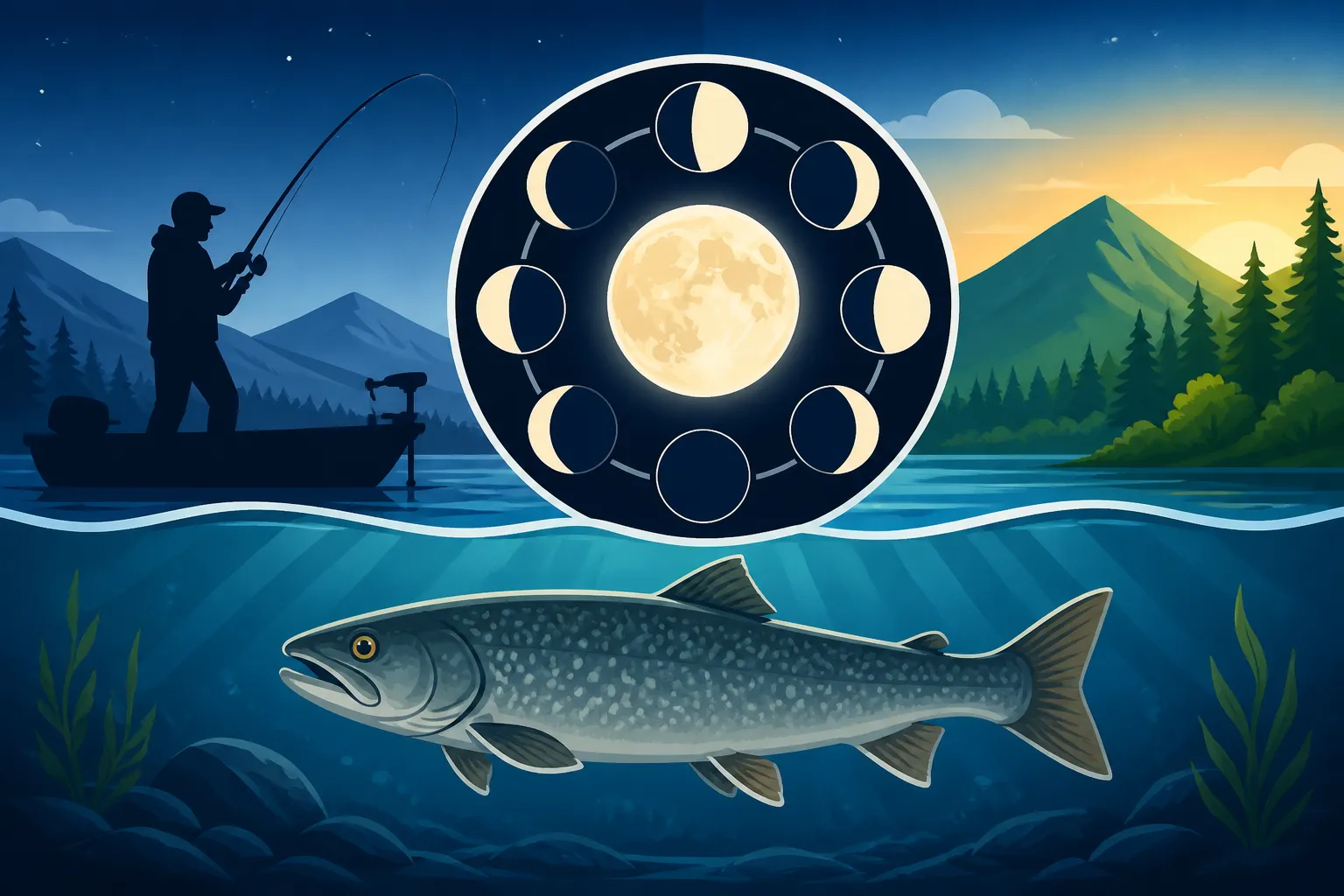
Best moon phase for lake trout fishing
If you're anything like me, you've probably spent countless hours on the water, fishing your heart out, only to wonder if there's some secret sauce you're missing. We've all heard the whispers at the bait shop or read online forums speculating about how the moon affects fishing, especially for elusive species like New Hampshire lake trout. It’s a common frustration, feeling like you’re doing everything right but still coming up short, and wondering if the celestial dance above is playing a role. This guide is here to cut through the folklore and dive into how lunar cycles might influence lake trout behavior, helping you strategize your next trip on our beautiful Granite State lakes.
Understanding the Lunar Cycle and Its Influence on Lake Trout
The moon has fascinated anglers for generations, with theories ranging from tides to light levels impacting fish activity. For lake trout, deep dwellers for much of the year, the connection isn't always obvious, but it's worth exploring if we want to gain every possible edge.
The Science (or Lack Thereof) Behind Moon Phase Fishing
Let's be real, when it comes to freshwater fishing, the direct, powerful tidal effects that coastal anglers experience simply aren't at play. While the moon's gravitational pull does affect all bodies of water, the influence on an inland lake like Winnipesaukee is so minimal that it's unlikely to directly trigger a feeding frenzy. Instead, for freshwater species like lake trout, the moon's influence is more often attributed to two main factors: light levels and, to a lesser extent, subtle barometric pressure changes that might be linked to lunar positions.
Many experienced anglers swear by moon phase charts, claiming that fish are more active during certain phases or specific "major" and "minor" feeding times predicted by lunar tables. However, scientific studies often struggle to find consistent, direct correlations for freshwater species. It's largely anecdotal, a blend of tradition, observation, and perhaps a touch of confirmation bias. But that doesn't mean we should dismiss it entirely! Anglers are observant creatures, and if enough people notice a trend, even if it's not perfectly scientific, there might be something to it. For deep-dwelling Lake Trout Fishing in New Hampshire, any subtle influence that helps us understand their mysterious movements is worth considering.
How Light Levels Impact Lake Trout Behavior
This is where the moon's influence starts to make more intuitive sense for lake trout. Lake trout, especially in clearer lakes, are often visually oriented predators, but they tend to prefer lower light conditions to feed actively, particularly when shallower. They're built for deep, cold, dark water. The ambient light penetrating the water column, even at significant depths, can play a role in their comfort and feeding patterns.
Think about it:
- Full Moon Nights: With a bright full moon overhead, the surface of a New Hampshire lake can be surprisingly well-lit, and some of that light penetrates the water. This increased nocturnal illumination could make lake trout more active in shallower water at night, much like nocturnal predators who use moonlight to hunt. Conversely, during the day of a full moon, the extended period of brighter conditions might push them deeper, seeking the familiar dimness they prefer.
- New Moon Nights: A new moon brings maximum darkness. For lake trout, this could mean they are less active at night if they rely on some ambient light to hunt, or it could make them more comfortable moving into shallower, darker areas during daylight hours, feeling less exposed. The extreme darkness could also spur activity for truly nocturnal feeders who prefer absolute stealth.
The key takeaway here is that while the gravitational pull might be negligible, the varying light intensity throughout the lunar cycle offers a plausible, indirect mechanism for affecting how and when lake trout position themselves and feed.
Deconstructing the Major Moon Phases for Lake Trout Anglers
Understanding the general principles is one thing, but how do we apply this to actual fishing trips on New Hampshire's lakes? Let's break down each major moon phase and consider how it might influence your lake trout strategy.
The Full Moon: Bright Nights and Deep Water Strategies
The full moon is perhaps the most talked-about moon phase among anglers. The nights are brilliantly lit, and many believe this can create a nocturnal feeding window for fish that are usually more active during the day.
- Potential Lake Trout Behavior: During a full moon, you might find lake trout behaving a bit differently. Some speculate that the bright nights could encourage them to feed more aggressively at night in shallower waters, taking advantage of the increased visibility to hunt baitfish like Rainbow Smelt as Forage Fish in New Hampshire Lakes. However, for the majority of the daylight hours during a full moon, the sustained brightness and deeper light penetration might push them even deeper into their comfort zone, seeking out the darkest, coldest pockets of the lake. They might be less inclined to rise to suspended bait or lures during peak daylight hours.
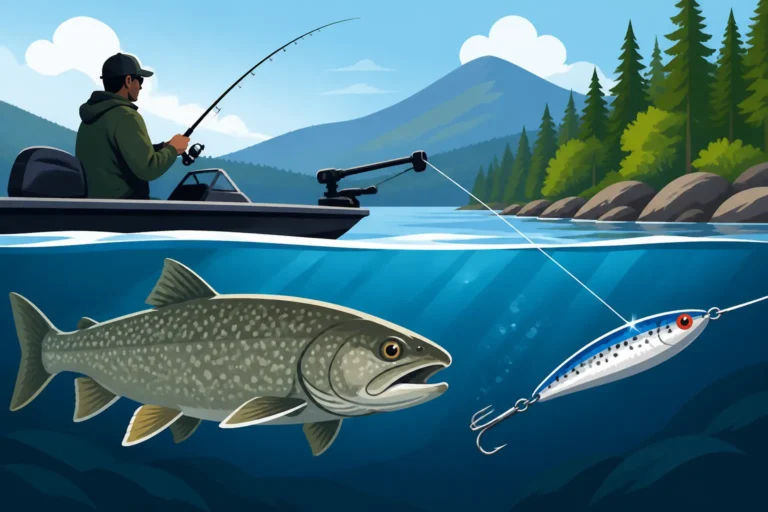
- Strategic Adjustments: If you're out on a lake like Lake Winnipesaukee Fishing Guide during a full moon cycle, consider altering your schedule slightly. Early morning, just as the moon is setting and the sun is rising, or late evening, as the moon begins to rise, could be prime times. These transitional low-light periods often trigger feeding. During the brightest parts of the day, focus your efforts on deeper structure. Think long lines and heavy weights, or using a downrigger to present your bait or lure right in front of their faces. You might also find success using more subtle, natural baitfish imitations during the day, rather than flashy presentations, to avoid spooking light-sensitive fish.
The New Moon: Darkness and Subtle Movements
The new moon is the opposite end of the spectrum: truly dark nights, with minimal to no ambient light from the moon. This profound darkness can have its own unique effects on lake trout.
- Potential Lake Trout Behavior: With the darkest nights, lake trout might be less active nocturnally if they rely on some moonlight for hunting. Conversely, the lack of moonlight might make them feel more secure moving shallower during daylight hours, especially in low-light conditions like overcast skies or dawn/dusk, since they're not contending with an overly bright night/day cycle. The extreme dark conditions could also favor very active feeding for fish that hunt purely by scent or lateral line in absolute blackness. This is especially relevant if you're engaging in Ice Fishing in New Hampshire, where the lack of light penetration through the ice adds another layer to the darkness.
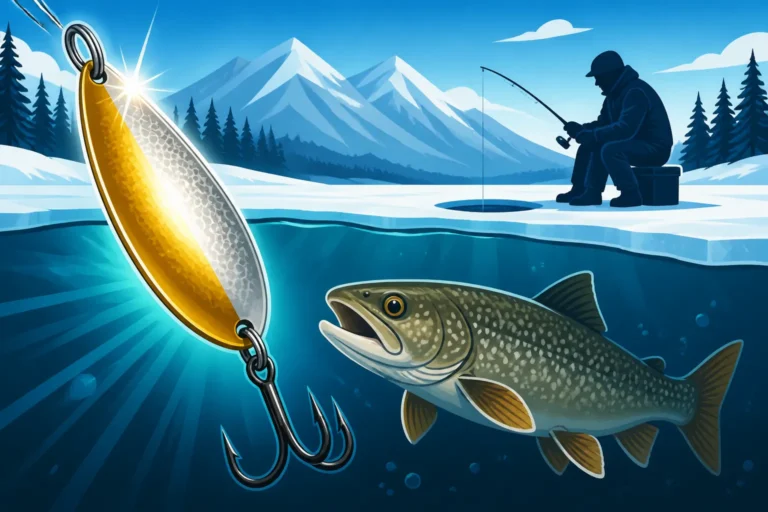
- Strategic Adjustments: During a new moon, focus on those critical low-light periods of dawn and dusk. You might also find lake trout more receptive to lures that provide strong vibration or scent, rather than relying purely on visual appeal, especially if fishing deep. For ice fishing, glow-in-the-dark jigs and lures that can be "charged" with a flashlight before dropping them down can be very effective in attracting attention in the profound darkness of deep water under ice. Explore areas with good cover or abrupt depth changes where lake trout can ambush prey without feeling exposed.
Quarter Moons: Transitional Periods and Steady Bites
The first and third quarter moons (also known as half moons) represent transitional periods where the moon's illumination is moderate – either increasing towards full or decreasing towards new.
- Potential Lake Trout Behavior: Many anglers consider these quarter moon phases, particularly the days leading up to and immediately following them, to be excellent for consistent fishing. The light conditions are less extreme than full or new moons, which might lead to more predictable and less sporadic feeding patterns for lake trout. There's enough light to aid visual hunters but not so much as to make them overly shy.
- Strategic Adjustments: During quarter moon phases, many anglers report steady, reliable bites during traditional peak fishing times (dawn, dusk, and midday during favorable weather). This is a good time to stick to proven Trolling Techniques for New Hampshire Lake Trout or jigging patterns that have worked for you in the past. Don't feel the need to drastically alter your approach; focus on presenting your offerings in known lake trout holding areas at the appropriate depths. It's often during these phases that the other factors like weather, bait presence, and water temperature become even more dominant in dictating success.
Practical Application: Combining Moon Phases with Other Factors
While moon phases can offer an interesting lens through which to view lake trout behavior, it's crucial to remember that they are just one piece of a much larger, dynamic puzzle.
Beyond the Moon: Weather, Forage, and Water Temperature
Let's be honest, a bright, sunny full moon day with a high-pressure system rolling in is probably going to be tougher than an overcast new moon day with stable weather. The moon might nudge fish one way or another, but weather conditions, especially sudden changes in barometric pressure, can have a far more profound and immediate impact on lake trout activity.
- Weather Fronts: Approaching cold fronts or storms often trigger a pre-front feeding frenzy, regardless of the moon phase. Post-front conditions, with clear skies and high pressure, typically make fishing tougher.
- Forage Availability: If the lake trout's primary food source, like schools of smelt, are concentrated in a particular area, the lakers will be there, moon phase or not. Locating baitfish is often a more critical step than checking the lunar calendar. You can often find great deals on fish finders suitable for pinpointing bait schools on Amazon.
- Water Temperature: This is perhaps the single most critical factor for lake trout. They are coldwater fish, preferring specific thermal bands. As such, knowing the Best water temperature for lake trout fishing and finding those zones in the water column is paramount. During the summer, they'll seek out deeper, cooler water, and that's where you'll find them, regardless of what the moon is doing. Understanding the New Hampshire Fishing Seasons by Month and the Best Time of Year to Fish in New Hampshire for lake trout will always give you a significant advantage.
So, while the moon phase can offer a hypothesis, always cross-reference it with the immediate weather forecast, water temperature charts, and any available information on baitfish movements.
Gear and Techniques for Moon-Phase-Influenced Fishing
Considering the moon phase might subtly shift your gear and technique choices, especially regarding visibility.
- Lure Selection: On bright full moon days, especially if targeting shallower lake trout during low light, you might opt for lures with more natural patterns or subtle flashes. During new moon darkness, or for deep water fishing, glow-in-the-dark lures or those with rattles can become more effective at attracting attention. You can find a wide array of specialized lures and baits on Amazon that cater to various light conditions, from glow-in-the-dark options for deep water to natural baitfish imitations.
- Trolling Depth and Speed: Pay close attention to your Trolling Techniques for New Hampshire Lake Trout and adjust your depth and speed. On bright days, you might need to troll deeper to reach those light-shy fish. The effectiveness of your Best Trolling Gear for New Hampshire Lake Trout setup becomes even more pronounced when trying to reach specific depths.
- Jigging and Bait Fishing: If you're jigging or still fishing with bait, consider using slightly heavier jigs to get down faster in bright conditions, or adding scent attractants to your bait on darker new moon days to appeal to senses other than sight.
Local Knowledge and Experimentation in New Hampshire Waters
Ultimately, the best "moon phase" advice often comes from experience on specific bodies of water. What holds true for the broad, deep expanses of Lake Winnipesaukee might be different for a smaller, shallower lake trout pond with different characteristics.
- Keep a Logbook: The single best thing you can do is keep a detailed fishing log. Record the date, time, weather conditions, water temperature, moon phase, specific location, and what you caught (or didn't catch!). Over time, you'll start to see patterns emerge that are specific to your fishing spots in New Hampshire. A simple notebook or a dedicated fishing logbook found on Amazon can be invaluable.
- Talk to Locals: There's no substitute for local knowledge. Chat with bait shop owners, guides, and fellow anglers you meet on the ramps. They often have generations of accumulated wisdom about how fish behave in their specific waters. They might have observed patterns for how New Hampshire Lake Trout Ice Fishing Season Dates or open water seasons correlate with lunar cycles.
- Be Flexible: Don't get so hung up on a moon phase prediction that you ignore what the fish are telling you on any given day. If the moon says they should be deep, but your fish finder is marking them shallower, adapt! The fish rarely read the calendar.
Common Misconceptions and the Angler's Mindset
It's easy to fall into traps when seeking answers to complex fishing questions. Let's tackle a couple of common pitfalls.
The "Silver Bullet" Fallacy
One of the biggest misconceptions about moon phases, or any single factor in fishing, is that it's a "silver bullet"—a guaranteed secret to success. This simply isn't true. Fishing is an intricate dance between many variables: water temperature, dissolved oxygen, forage availability, depth, structure, pressure, weather, time of day, angler skill, and yes, even subtle celestial influences.
Believing that the moon phase alone will make or break your trip can lead to frustration if you don't catch anything, or an inflated sense of certainty when you do. For lake trout, which are already challenging and often deep-dwelling, relying solely on a moon phase chart without considering other critical elements is almost certainly a recipe for disappointment. Instead, view the moon phase as another valuable piece of data in your overall fishing strategy, a subtle current in the vast ocean of factors.
Trusting Your Instincts and Adapting
The most successful anglers in New Hampshire aren't those who blindly follow a chart, but those who trust their instincts, observe their surroundings, and adapt their approach in real-time. The moon phase can be a great starting point for developing a hypothesis: "Okay, it's a full moon, so maybe they'll be deeper during the day." But then, you go out, look at your sonar, watch for baitfish, consider the immediate weather, and let the conditions guide your next move.
If you find that lake trout are indeed biting well during a particular moon phase on your favorite lake, keep note of it! Your personal observations, tailored to the specific New Hampshire waters you fish, will always be more valuable than generic guidelines. So, use the moon as a guide, but always be ready to pivot, experiment, and learn from every cast. The thrill of How to Catch Lake Trout in New Hampshire often comes from cracking the code on a given day, not from a predetermined formula.
| Moon Phase | Potential Lake Trout Behavior | Recommended Strategy Adjustments |
|---|---|---|
| New Moon | Darkest nights. Might make daytime shallower moves more comfortable, or deep-water nocturnal feeding if they rely on non-visual cues. | Focus on dawn/dusk. Use scent or vibration lures. Consider glow-in-the-dark jigs for deep or ice fishing. Target areas with cover. |
| First Quarter | Moderate light, increasing towards full. Potentially more consistent, predictable feeding patterns. | Stick to proven techniques. Fish traditional peak times (dawn, dusk, midday). Prioritize finding baitfish and optimal water temps. |
| Full Moon | Brightest nights. May encourage nocturnal shallow feeding. Daytime fishing might mean deeper fish due to sustained brightness. | Focus on early morning/late evening. Fish deeper structure during midday. Use more subtle, natural lures. Consider slower retrieves. |
| Third Quarter | Moderate light, decreasing towards new. Similar to First Quarter, often consistent feeding as conditions become less extreme. | Similar to First Quarter. Consistent trolling. Monitor weather and water conditions closely as they become primary drivers. |
Disclaimer
This article is for general informational purposes only and does not constitute professional advice. Laws, prices and regulations vary by location and change over time. Consult a qualified professional for guidance on your specific situation.