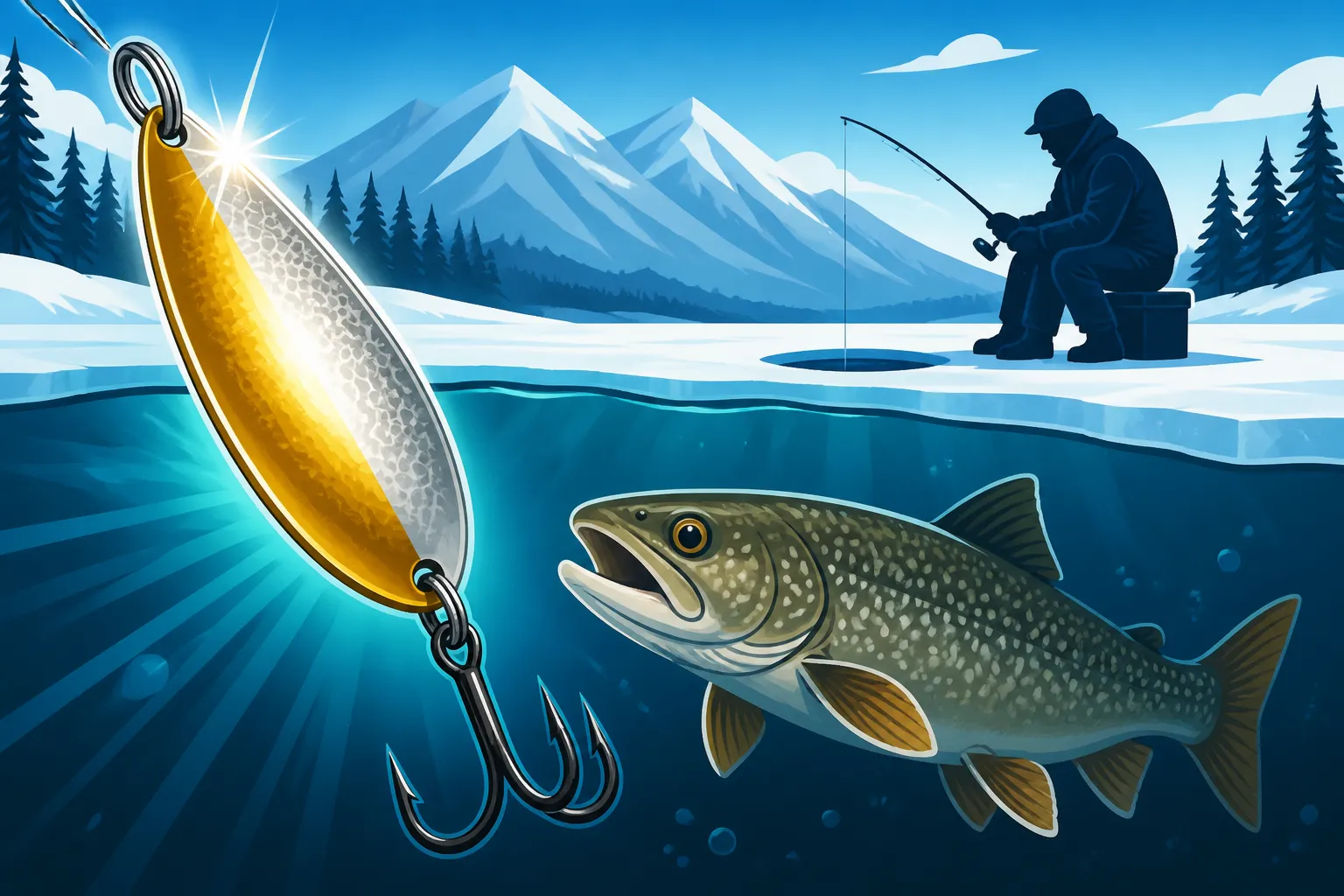
Best jigging spoon for winter lake trout
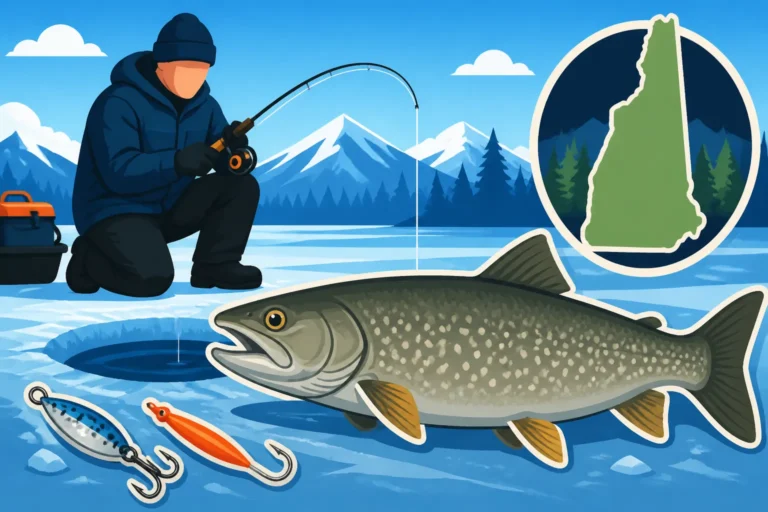
If you've ever stood on the hard water of a frozen New Hampshire lake, battling the biting wind and the silent depths below, you know the singular challenge of enticing a winter lake trout. These magnificent fish can be notoriously finicky, lurking in the cold, clear water, and often requiring just the right presentation to tempt them. Choosing the best jigging spoon for these elusive beauties isn't just about picking something shiny; it's about understanding their winter habits and giving them exactly what they can't resist. This guide will dive deep into the world of jigging spoons, helping you select the perfect one to bring those impressive lake trout through the ice.
Understanding Lake Trout Behavior Under Ice
Winter lake trout fishing in New Hampshire is a game of strategy, patience, and often, a little bit of magic. But that magic usually boils down to understanding what these fish are doing beneath that thick layer of ice. They're not as active as they are in the warmer months, but they still need to eat, and they follow predictable patterns.
The Deep Freeze and Lake Trout Metabolism
When the lakes freeze over in New Hampshire, everything slows down, including the lake trout. Their metabolism drops significantly in the cold water, meaning they don't need to feed as frequently or expend as much energy chasing down prey. This is why you often hear anglers talk about "finesse" techniques during ice fishing season. A subtle, enticing presentation can be far more effective than an aggressive, erratic one that might scare off a sluggish laker. They're looking for an easy meal, something that doesn't require a lot of effort to catch.
Think about it from their perspective. They're conserving energy in the frigid depths of lakes like Winnipesaukee or Newfound. A spoon that flashes too erratically or zips by too quickly might be ignored. Instead, they respond to baits that mimic a struggling or easy-to-catch baitfish, perhaps one that's been stunned by the cold or is just slow-moving. This often means a slower, more deliberate jigging motion, allowing the spoon to flutter and fall naturally through the water column, giving the fish ample time to inspect it. Knowing New Hampshire Lake Trout Ice Fishing Season Dates is key, as their behavior can vary slightly throughout the winter.
Locating Lake Trout in Winter Structure
Even though they're lethargic, lake trout still relate to structure, especially during the winter. They might not be aggressively patrolling vast expanses, but they'll position themselves along drop-offs, humps, underwater points, and deep basins where baitfish are likely to congregate. In New Hampshire's deep, clear lakes, these structures provide both ambush points and thermal stability. Look for areas where the lake bottom changes dramatically, or where submerged features offer cover.
Using your electronics is absolutely crucial here. A good fish finder will help you pinpoint these structures and, more importantly, mark individual fish or schools of bait. Without a solid understanding of where the fish are holding, even the best jigging spoon in the world won't do you much good. They often suspend at specific depths, sometimes just off the bottom, sometimes mid-water, following the available forage. Understanding this vertical positioning is just as important as the horizontal location, and a keen eye on your sonar screen can tell you exactly where to present your spoon. For more on this, check out our guide on Best Fish Finders for New Hampshire Lakes.
Key Characteristics of a Great Jigging Spoon for Lake Trout
When you're out on the ice in New Hampshire, facing the challenge of winter lake trout, the right jigging spoon can make all the difference. It's not just about a pretty shine; it's about how that spoon behaves in the water, how it looks to a hungry laker, and how effectively it helps you present your offering.
Size, Weight, and Profile for Deep Water
Lake trout in New Hampshire's deep lakes, especially popular spots like Squam Lake or Sunapee Lake, often hold in significant depths, sometimes 50 feet or more. This means your spoon needs to be able to get down there quickly and efficiently. Heavy spoons, typically in the 1/2 oz to 1 oz range, are excellent for this. They cut through the water column with minimal resistance, ensuring you spend more time fishing and less time waiting for your bait to sink. Lighter spoons might be good for shallower panfish, but for lake trout, you need some heft.
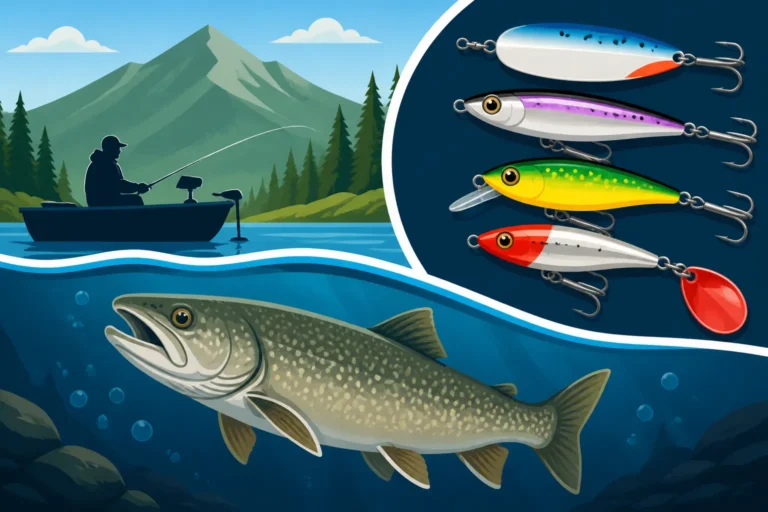
The profile of the spoon also matters. Many effective lake trout jigging spoons have a slender, elongated profile that mimics smelt or other common forage fish found in New Hampshire waters. These shapes allow for a natural flutter on the fall, which is incredibly appealing to a lake trout that's eyeing an easy meal. Conversely, some wider, shorter spoons might offer a more erratic, darting action when jigged aggressively, which can trigger strikes from more active fish. You'll find a wide variety of these options available on platforms like Amazon, offering everything from classic designs to newer, more specialized shapes.
Color and Finish: Matching the Forage and Water Clarity
Color choice is always a hot topic in fishing, and for winter lake trout, it's no different. The general rule of thumb is to "match the hatch," or in this case, match the forage. In many New Hampshire lakes, lake trout primarily feed on smelt. Therefore, colors and finishes that imitate smelt are often incredibly effective. Silver, chrome, white, blue, and pearl finishes with a bit of flash are prime choices. These mimic the natural shimmer of a smelt or other baitfish in the clear, cold water.
However, water clarity and light conditions also play a huge role. On bright, sunny days with clear ice, more natural, subdued colors might be better. But on overcast days, or in slightly stained water (though most deep lake trout waters are clear), brighter, more fluorescent colors like chartreuse, orange, or even glow-in-the-dark options can really stand out. It's always a good idea to have a range of colors in your tackle box. Sometimes, a subtle change in color can be the key to turning a slow day into a successful one. Experimentation is your friend when it comes to color selection, and you'll find plenty of variety when browsing for options on Amazon or at local tackle shops. Understanding What lake trout eat in New Hampshire lakes will further guide your color choices.
Top Jigging Spoon Types and How to Fish Them
When you're out on the ice, trying to coax a bite from a deep-dwelling lake trout in New Hampshire, having the right arsenal of jigging spoons and knowing how to use them is paramount. Different spoons offer different actions, and understanding these nuances can be the key to unlocking a successful day.
Classic Flutter Spoons for a Lifelike Action
Flutter spoons are arguably one of the most popular and effective types of jigging spoons for lake trout, and for good reason. These spoons are typically thin and elongated, designed to have a wide, erratic flutter as they fall through the water column. This action perfectly mimics a dying or injured baitfish, making it an irresistible target for a predatory lake trout. Think of it as a wounded smelt slowly sinking – a prime meal for a lethargic laker. Brands like Swedish Pimple or Kastmaster are classics that many New Hampshire anglers swear by.
To fish a flutter spoon effectively, use a subtle lift-and-drop retrieve. A gentle lift of the rod tip (anywhere from 6 inches to a couple of feet, depending on how aggressive you want the action) followed by a controlled slack line fall allows the spoon to truly "flutter" on its way down. Many strikes occur on the fall, so pay close attention to your line for any slight twitch or hesitation. Letting it pause briefly at the bottom before lifting again can also trigger bites. These spoons are versatile and can be effective in a wide range of depths, making them a staple for How to Catch Lake Trout in New Hampshire.
Heavy Metal Spoons for Aggressive Presentations
Sometimes, the lake trout are a bit more active, or you need to get down to extreme depths quickly. That's where heavy metal spoons come into their own. These spoons are generally thicker and denser, often made of lead or other heavy alloys. Their primary advantage is their fast sink rate and ability to maintain a straight profile, even in strong currents or when jigging in very deep water. While they might not have the wide flutter of a classic spoon, they offer a sharp, darting action when jigged aggressively.
Heavy metal spoons are excellent when you're marking fish that appear more active on your sonar, or when you need to punch through a school of smaller baitfish to reach the bigger lakers below. The retrieve for these spoons can be more pronounced: a sharper, more energetic lift, allowing the spoon to dart upwards before falling directly back down. This creates a distinct "thump" that can call in fish from a distance. Often, adding a small piece of sucker meat, a shiner head, or even a plastic trailer to the treble hook can enhance their appeal, adding scent and a bit more visual interest.
Specialty Spoons with Unique Features
Beyond the classics, there's a world of specialty jigging spoons that offer unique features to trigger bites from even the most stubborn lake trout. These can include spoons with embedded rattles, glow-in-the-dark paints, or even those designed with specific hydrodynamic properties to create highly unusual actions. For example, some spoons might have a curved body that creates a wider, more erratic side-to-side wobble on the fall, mimicking a confused baitfish. Others are designed to spin or helicopter on the drop, sending out flashes from all angles.
These specialty spoons are great for those days when the traditional offerings aren't cutting it. A rattle can be particularly effective in low light conditions or stained water, providing an auditory cue that can attract fish. Glow spoons are, of course, a must-have for low light, deep water, or night fishing scenarios. Don't be afraid to experiment with these unique offerings. Many anglers find hidden gems on Amazon or specialty tackle sites that become their secret weapon. Keep an eye out for innovative designs that promise something different, as that "something different" might be exactly what the lake trout are looking for on a tough day. For an overall look at what to bring, check out Best Ice Fishing Gear for New Hampshire.
Jigging Techniques to Entice Winter Lake Trout
Having the right jigging spoon is only half the battle; knowing how to work it to entice a strike is the other, equally important, piece of the puzzle. Winter lake trout can be particular, and a nuanced approach to your jigging technique can make all the difference on a cold New Hampshire day.
The Lift and Drop: Mastering the Basic Jig
The "lift and drop" is the fundamental technique for jigging spoons, and mastering its variations is essential for winter lake trout. The basic idea is to lift your rod, causing the spoon to dart upwards, then allow it to fall freely on a controlled slack line. It's during this fall that the spoon performs its natural action – fluttering, wobbling, or spiraling – and often, it's during this moment that a lake trout will strike. They see the upward movement as an escape attempt and the fall as an opportunity to ambush.
Varying the height and speed of your lift is crucial. Sometimes a short, sharp twitch of only 6-12 inches is all it takes, mimicking a small baitfish trying to escape. Other times, a longer, sweeping lift of several feet, followed by a slower, controlled fall, can be more effective, covering more of the water column and giving the spoon a broader, more enticing flutter. Pay close attention to your line on the drop; often, a subtle "tick," a slight slackening, or an unexpected halt in the fall indicates a fish has taken the bait. This technique is a cornerstone of Best Techniques for Ice Fishing Lake Trout.
Dead Sticking and the Art of Patience
While jigging implies movement, "dead sticking" is a critical component of winter lake trout fishing that often pairs perfectly with jigging spoons. This technique involves presenting a spoon with minimal to no movement, essentially letting it hang motionless at a specific depth for an extended period. Lake trout, especially when lethargic, will often approach a jigging spoon cautiously. If it's constantly moving, they might get spooked or simply not feel compelled to strike. A dead-sticked spoon, however, gives them all the time in the world to investigate and commit.
To dead stick effectively, position your spoon at a depth where you've marked fish on your electronics. Often, you might have one rod actively jigging and another set up on a dead stick holder, with a different spoon or bait. Many anglers will attach a small piece of bait, like a minnow head or a strip of sucker meat, to the treble hook of their dead-sticked spoon to add scent and natural appeal. The key is patience. Sometimes, a laker will just casually mouth the bait, so a sensitive rod tip and constant vigilance are necessary. The lack of movement can sometimes be the most alluring presentation for a truly hesitant fish.
Incorporating Electronics for Optimal Success
In modern ice fishing for lake trout, electronics are not just a luxury; they are almost a necessity. A good flasher or graph sonar will show you your jigging spoon in real-time, allowing you to see its depth, how it's moving, and, most importantly, how fish are reacting to it. This immediate feedback is invaluable for fine-tuning your jigging technique. You'll be able to see fish approaching your spoon, chasing it, or even turning away.
If you see a fish rising quickly towards your spoon, you might want to give it an upward jig to simulate an escaping baitfish. If a fish is suspended beneath your spoon but showing no interest, you might try lowering the spoon slowly to them, or "dropping" it right on their nose to elicit a reaction strike. The sonar also helps you identify the exact depth at which fish are holding, preventing you from fishing in unproductive water. When paired with knowledge of prime Best Ice Fishing Lakes in New Hampshire, your electronics become your eyes into the underwater world, giving you an unparalleled advantage in the pursuit of winter lake trout.
| Spoon Type | Key Action | Ideal Depth Range | Lake Trout Aggressiveness | Best Use Case |
|---|---|---|---|---|
| Flutter Spoon | Wide, erratic, slow fall | All depths | Moderate to Finicky | Mimics dying baitfish, good for subtle strikes |
| Heavy Metal Spoon | Fast sink, sharp darting, direct fall | Deep (>50 ft) | Aggressive to Moderate | Quick retrieves, active fish, deep water |
| Rattling Spoon | Flutter/Dart with added sound vibration | All depths, murky/low light | Moderate to Finicky | Attracts fish from distance, low visibility |
| Glow Spoon | Emits light, flutter/dart action | Deep, low light, night fishing | Moderate to Finicky | Draws attention in dark conditions |
Disclaimer
This article is for general informational purposes only and does not constitute professional advice. Laws, prices and regulations vary by location and change over time. Consult a qualified professional for guidance on your specific situation.