Best technique for largemouth bass in farm ponds
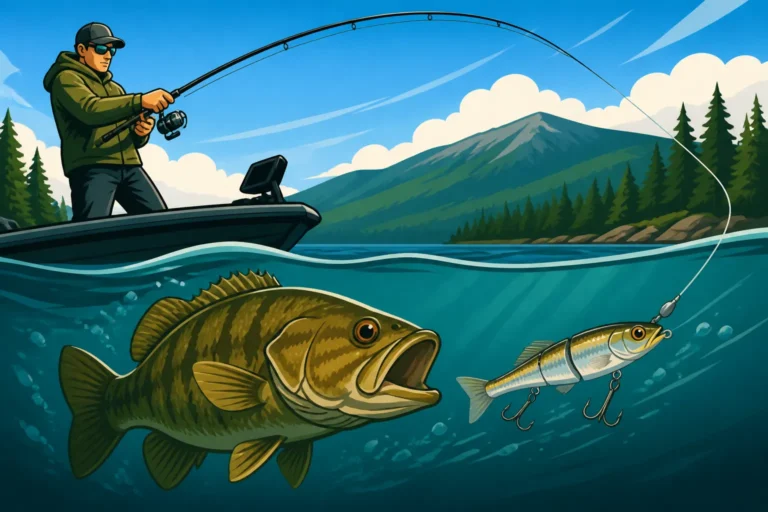
There's nothing quite like the charm of a quiet New Hampshire farm pond, often hidden from the hustle and bustle, holding untold fishing secrets. Many anglers, myself included, have looked at these smaller bodies of water and thought, "How hard can it be?" Only to find those largemouth bass can be surprisingly elusive, even in their confined aquatic homes. They're often pressured, wary, and have learned a trick or two. But don't you worry, because this guide is all about peeling back the layers to reveal the best techniques for consistently catching those smart largemouth in farm ponds, turning your next outing into a triumph.
Understanding the Unique World of Farm Pond Largemouth Bass
Farm ponds are a special kind of fishery, offering both distinct advantages and unique challenges compared to our grander lakes and rivers. If you want to consistently hook into largemouth, you first need to understand the environment you’re fishing and how these particular bass operate within it.
The Small-Water Advantage and Challenge
One of the biggest advantages of a farm pond is its size. Often, they're not widely known or heavily fished, especially if they're on private land or a lesser-known public parcel. This can mean less pressure from other anglers, which sounds fantastic, right? However, don't mistake "less pressure" for "dumb fish." Because the bass live in a smaller, more confined world, they are incredibly sensitive to vibrations, shadows, and unnatural presentations. A noisy approach or a splashy cast can put every bass in the pond on high alert for quite a while.
Think of it this way: in a massive lake, a startled bass can swim off for hundreds of yards and find new cover. In a small farm pond, their escape routes are limited, making them incredibly cautious. They've likely seen every lure and heard every noise multiple times. This requires a much more subtle, deliberate, and often stealthy approach. You might find a single big bass that rules the pond, or a population of smaller, aggressive fish. Understanding the pond's typical population structure can help you choose your techniques. Many ponds also have a limited forage base compared to a large lake, which means bass might be more opportunistic or keyed in on specific prey like frogs, minnows, or even crayfish.
Reading the Pond: Structure and Cover are Key
Just because a pond is small doesn't mean it lacks complexity. In fact, every little detail in a farm pond can be a major bass magnet. Largemouth bass are ambush predators, and they absolutely thrive on structure and cover. Your job, as the angler, is to become a detective and identify these prime hiding spots. Look for obvious features like fallen trees, old stumps, or overhanging bushes that create shade. Lily pad fields are quintessential bass territory, offering both shade and a hunting ground for frogs and other prey.
Don't forget man-made structures either. An old dock, a culvert pipe, or even a sunken boat or discarded tire can become a major hotspot. Pay attention to subtle changes in depth; a sudden drop-off, a small hump, or a submerged creek channel can act as a highway or feeding station for bass. Even a patch of darker water could indicate deeper water or thicker vegetation below. The edges where different types of cover meet – say, where lily pads transition to open water, or a weed line meets a rocky bank – are often incredibly productive. Remember, in a farm pond, fish often relate to the most prominent feature available, so scouting carefully before you even make your first cast can drastically improve your odds.
Essential Gear for Farm Pond Bass Success
You don't need a boatload of expensive, specialized gear to catch largemouth in farm ponds. In fact, simplicity and versatility often win the day. The key is choosing tackle that allows for precise presentations and can handle the varied cover often found in these smaller, more intimate waters.
Rods, Reels, and Lines: Keeping it Balanced
For farm ponds, a medium to medium-heavy power spinning or baitcasting rod, typically in the 6'6" to 7'6" range, will serve you well. A faster action tip will give you the sensitivity to detect subtle bites and the backbone to set the hook. If you're tackling dense lily pads or heavy brush, a slightly heavier rod might be justified, but generally, you want something that offers a good balance of finesse and power. I often find a versatile 7-foot medium-heavy fast action rod handles almost everything a farm pond throws at me. Many great options can be found on Amazon, offering good quality without breaking the bank.
For reels, a 2500-series spinning reel or a baitcaster with a smooth drag system and good casting accuracy is ideal. Spooling up with the right line is crucial. For open water and lighter presentations, a 8-12 lb fluorocarbon line offers low visibility and good sensitivity. If you're constantly battling thick weeds or submerged timber, consider a 20-30 lb braided line, which has incredible strength and no stretch, making it easier to pull fish out of heavy cover. You can always tie a fluorocarbon leader to your braid for stealth if the water is clear. Having a good, sharp pair of fishing pliers is essential for cutting line and unhooking fish. You can learn more about general gear choices in our guide to Best Rods for New Hampshire Lakes and how to keep it organized in a Best Tackle Box Setup for New Hampshire Anglers.
Lure Selection: Matching the Hatch (or the Weedline)
Your lure selection for farm ponds should focus on versatility and, often, weedless presentations. Because these ponds often have a lot of vegetation and snags, having lures that can navigate these obstacles without getting hung up is paramount.
Here are some go-to categories:
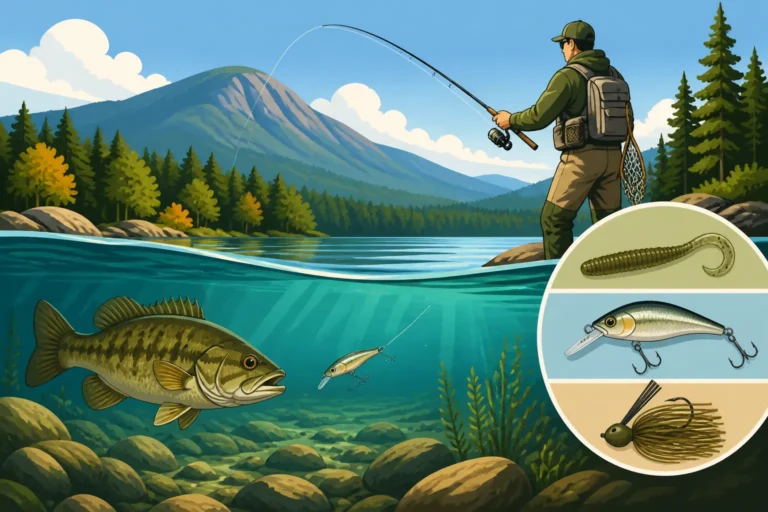
- Soft Plastics: These are arguably the most effective and versatile lures for farm ponds. Senkos, plastic worms, creature baits (like crawfish or beaver imitations), and small swimbaits can all be rigged weedless. Colors like green pumpkin, junebug, and black/blue are consistent producers. Their subtle action is perfect for wary pond bass.
- Topwater Lures: When bass are active near the surface, there’s nothing more exciting than a topwater bite! Frogs, poppers, and buzzbaits excel around lily pads, emergent weeds, and shallow flats, especially during low light conditions.
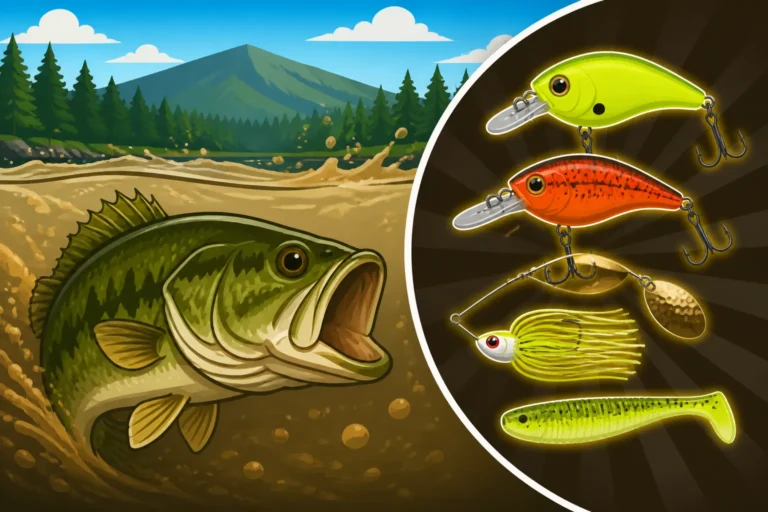
- Spinnerbaits and Jigs: For covering water or fishing around submerged wood, a small spinnerbait (1/4 to 3/8 oz) with a single or double blade can be deadly. Bass jigs, especially those with weed guards, can be pitched into tight cover.
- Small Crankbaits: Shallow-diving crankbaits that imitate baitfish or crawfish can be excellent for exploring hard-bottom areas or points, deflecting off cover to trigger reaction strikes.
You might even find some crossover with gear for panfish, as discussed in Best Tackle for Panfish, given the often smaller size of farm pond bass. Remember, you don't need to carry a giant tackle box; a small, well-stocked one with a variety of these proven lures will cover most scenarios you'll encounter.
Top Techniques for Enticing Farm Pond Largemouth
Once you have your gear ready, it's time to talk tactics. Farm pond bass fishing often requires a blend of patience, precision, and understanding how to work your lures in tight, cover-rich environments.
Soft Plastics: The Subtle Approach
Soft plastics are your secret weapon in farm ponds, especially when the bass are finicky or heavily pressured. Their natural look and subtle action can tempt even the wariest fish.
- Wacky Rigging: This simple setup involves hooking a soft plastic stickbait (like a Senko) directly through its middle. With no weight, it flutters enticingly on the fall. Cast it near docks, submerged timber, or weed edges, let it sink on a slack line, and then give it a gentle twitch or two before another pause. The slow, seductive fall is often irresistible. This works wonders in clear water or when bass are suspended near cover.
- Texas Rigging: When you need to get into heavier cover without snagging, the Texas rig is your best friend. Thread a worm or creature bait onto a worm hook, burying the hook point back into the plastic to make it weedless. Add a small bullet weight (1/8 to 1/4 oz) to the line above the hook, allowing it to slide. This setup is perfect for punching through lily pads, fishing brush piles, or dragging along the bottom. Work it slowly, feeling for bumps and taps as you go.
- Carolina Rigging: While often associated with larger lakes, a scaled-down Carolina rig can be effective in larger farm ponds, especially when trying to find fish on subtle breaks or points. This involves a weight (often an egg sinker), a bead, a swivel, and a longer leader (2-4 feet) tied to a hook with a soft plastic. It allows your bait to float freely above the bottom, enticing bass that might be looking up.
The beauty of soft plastics is their adaptability. You can vary your retrieve from dead-sticking to subtle hops, making them incredibly effective for pinpointing bass that are holding tight to cover.
Topwater Action: When the Bass Look Up
There’s an undeniable thrill to a topwater strike, and farm ponds, with their abundant surface cover, often provide prime opportunities for this exciting technique. The key is timing and presentation.
- Frogs: Soft plastic frogs, often rigged with a double hook for weedless action, are phenomenal for fishing over matted vegetation, lily pads, or thick emergent weeds. Cast your frog right onto the thick stuff and slowly "walk" it across the surface with short twitches of your rod tip. When a bass blows up on it, resist the urge to set the hook immediately! Wait until you feel the weight of the fish, then set it hard. This is a common mistake that leads to missed fish.
- Poppers and Chuggers: These lures have a cupped face that "chugs" or "pops" water when retrieved, creating a commotion that mimics a struggling baitfish or insect. They work best around open water edges, sparse cover, or alongside docks. A "pop-pop-pause" retrieve is often deadly.
- Buzzbaits: For a more aggressive surface presentation, a buzzbait creates a loud, gurgling commotion as its propeller churns the water. These are great for covering water quickly, especially along weed lines, shallow flats, or around submerged timber. They're particularly effective during low-light conditions like dawn and dusk. Night fishing for bass in New Hampshire can also be incredibly productive with topwater lures, as bass become more confident under the cover of darkness.
The best times for topwater action are typically early mornings, late evenings, or on overcast days when bass feel more comfortable feeding closer to the surface.
Moving Baits: Covering Water Effectively
While subtle presentations are often key, sometimes you need to cover ground and trigger aggressive reaction strikes, especially when fish are actively feeding or you're trying to locate them.
- Spinnerbaits: These versatile lures are excellent for searching out active bass along weed lines, through sparse cover, or around submerged brush piles. Their flashing blades and vibrating skirt create a lot of attraction. Experiment with different blade combinations (Colorado for thump, Willowleaf for flash) and colors. A steady retrieve, or a stop-and-go retrieve that allows the bait to flutter on the fall, can be incredibly effective. They're also great for fishing in slightly stained water where their vibration helps fish find them.
- Small Crankbaits: Shallow-diving crankbaits (those that run 2-6 feet deep) can be invaluable for fishing around hard bottom, rocky banks, or subtle depth changes. Cast them out and retrieve them with an erratic action, varying your speed and occasionally twitching the rod. The goal is to make the lure deflect off any cover it encounters, mimicking a fleeing baitfish and often triggering a reaction bite. Choose natural baitfish patterns for clear water and brighter, more contrasty colors for stained conditions.
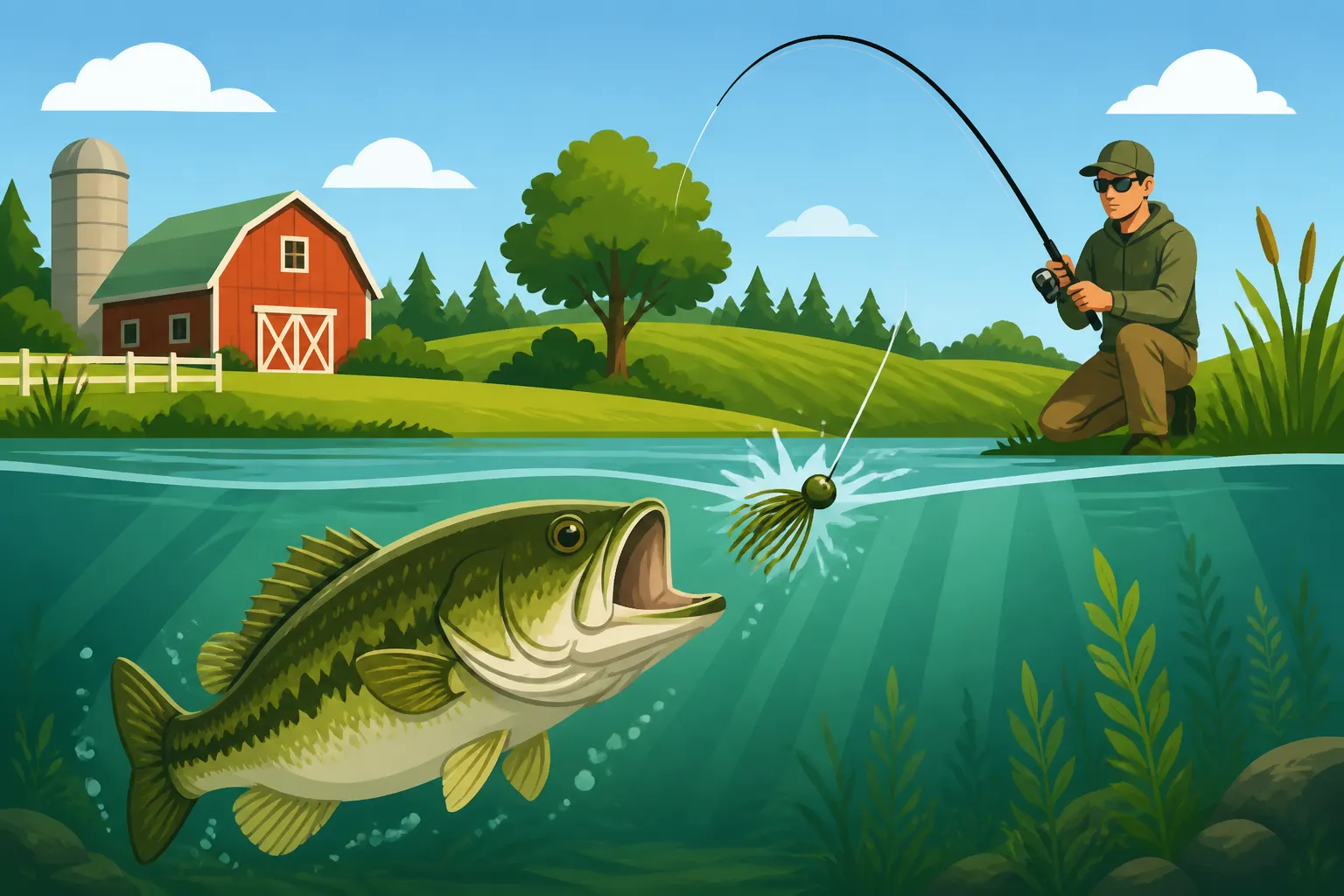
- Swim Jigs: A swim jig, which is essentially a jig with a skirt and a soft plastic trailer (like a grub or small swimbait), is a fantastic hybrid. It offers the weedless properties of a jig but can be retrieved like a spinnerbait or crankbait. Work it around weed edges, through sparse cover, or along the bottom with a steady retrieve, occasionally twitching the rod to make the trailer kick.
Here's a quick reference table for different lure types and their optimal applications in farm ponds:
| Lure Type | Best Conditions | Target Areas | Retrieve Style |
|---|---|---|---|
| Wacky Rig Senko | Clear water, calm, pressured fish | Docks, submerged timber, sparse weed edges | Slow fall, subtle twitch, long pauses |
| Topwater Frog | Heavy lily pads, matted weeds, low light | Dense vegetation, shallow flats | Walk-the-dog, short hops, stop-and-go |
| Spinnerbait | Windy days, stained water, active fish | Weed lines, brush piles, shallow banks | Steady retrieve, stop-and-go, occasional rip |
| Small Crankbait | Open water, rock piles, drop-offs | Transition areas, hard bottom, docks | Erratic retrieve, deflection off cover |
| Texas Rig Worm | Heavy cover, brush piles, dense weeds | Submerged timber, thick vegetation, laydowns | Slow drag, hops, subtle shakes |
| Buzzbait | Low light, active fish, shallow water | Weed lines, open flats, along shore | Steady, medium-fast retrieve, immediately after cast |
Seasonal Wisdom and Tactical Adjustments
New Hampshire's seasons dramatically influence largemouth bass behavior, even in a small farm pond. Being aware of these shifts and adjusting your tactics accordingly will greatly increase your success. Our comprehensive Best Time of Year to Fish in New Hampshire guide offers even more insights into seasonal patterns.
Spring and Fall: Prime Time Tactics
These are often the most productive seasons for farm pond largemouth.
- Spring: As the ice melts and water temperatures begin to rise (typically into the 50s and 60s Fahrenheit), bass move into shallower areas. They're looking for warmer water, food after a long winter, and eventually, suitable spawning grounds. Focus on the northernmost banks (which get the most sun) and shallow, protected coves. Look for visible spawning beds (circular, cleared-out depressions on the bottom) – remember to fish responsibly around these areas, releasing fish quickly and gently. Spinnerbaits, shallow crankbaits, and soft plastic jigs can be very effective as bass cruise for food. For specific information on when fish are active, consult the New Hampshire Fishing Seasons by Month.
- Fall: As water temperatures begin to drop again, bass go on a feeding frenzy, trying to fatten up before winter. They'll be aggressive and often found near baitfish schools. Concentrate on deeper weed lines, points, and transition areas where they can ambush prey. Spinnerbaits, crankbaits, and jigging spoons can all be very effective during this period. The fish are often still shallow enough to be easily targeted, but they're packing on the pounds, so don't be afraid to throw slightly larger baits.
Summer and Winter Challenges
Summer and winter present their own sets of challenges in farm ponds.
- Summer: When the scorching New Hampshire summer heat sets in, water temperatures can rise dramatically, especially in shallower farm ponds. Bass will seek refuge in deeper, cooler water, or burrow into the thickest, shadiest cover they can find – think dense lily pad mats, thick submerged grass, or deep under docks and fallen trees. Your best bet is to fish during low-light hours (early morning, late evening, or even at night) when bass move out to feed. During the day, you'll need to employ tactics like "punching" or "flipping" heavy Texas-rigged creature baits or jigs through thick vegetation to get to the fish hiding underneath. Slow, precise presentations are key. Sometimes, a severe Cold Front Fishing Tactics for New Hampshire Bass might be needed.
- Winter: Once the pond freezes over, largemouth bass become incredibly lethargic. While ice fishing in New Hampshire is popular for species like perch or pickerel, bass are much harder to entice. If you're targeting them through the ice (and it's legal and safe to do so), extremely slow presentations with tiny jigs or dead-sticked live bait in deeper holes will be your only real chance. Most anglers choose to target other species during this time, letting the bass conserve their energy.
Stealth and Presentation: Crucial in Small Waters
Finally, perhaps the most critical aspect of farm pond bass fishing is your approach. In these smaller, more confined environments, bass are acutely aware of their surroundings.
- Minimize Noise and Movement: Avoid stomping on the bank, talking loudly, or making sudden movements that could cast a shadow over the water. Bass will feel the vibrations and see your silhouette. Approach your fishing spots slowly and deliberately. If you're fishing from a kayak or a small boat (which is excellent for farm ponds), use your paddle or trolling motor subtly. Learn more about quiet navigation in our Best Kayaks for New Hampshire Fishing guide.
- Long Casts and Accuracy: The further you can cast, the less likely you are to spook the fish. Practice making long, accurate casts that land your lure softly near the target cover. A gentle "plop" is far better than a loud "sploosh."
- Vary Your Retrieve: Don't get stuck in a rut. If one retrieve isn't working, change it up. Speed up, slow down, add pauses, twitch your rod – bass will often react differently on any given day. Sometimes, it's just about finding that one trigger.
- Observe and Adapt: Pay attention to what the fish are telling you. Are they biting aggressively or just nipping? Are they hitting on the fall, or only when you're retrieving? Are they in the thickest cover or patrolling the edges? Adjust your lure choice, presentation, and retrieve speed based on their feedback. Remember, every pond is unique, and what worked last week might not work today, especially after a storm or a sudden change in weather. While you're focusing on farm ponds, checking out resources like Best Largemouth Bass Lakes in New Hampshire can still provide valuable insights into general largemouth behavior.
By mastering these techniques and understanding the nuances of farm pond environments, you'll be well on your way to becoming a skilled farm pond bass angler in New Hampshire, ready to unlock the potential of these often-overlooked gems.
Disclaimer
This article is for general informational purposes only and does not constitute professional advice. Laws, prices and regulations vary by location and change over time. Consult a qualified professional for guidance on your specific situation.