Best water temperature for smallmouth bass fishing
Ever find yourself on a beautiful New Hampshire lake, casting your heart out for smallmouth bass, only to come up empty? It's a common frustration, and often, the key lies not just in your lure choice or technique, but in understanding one crucial factor: water temperature. This guide will dive deep into how water temperature dictates smallmouth bass behavior, helping you unlock more successful fishing trips in the Granite State.
The Thermostat of Smallmouth Bass: Why Temperature is Key
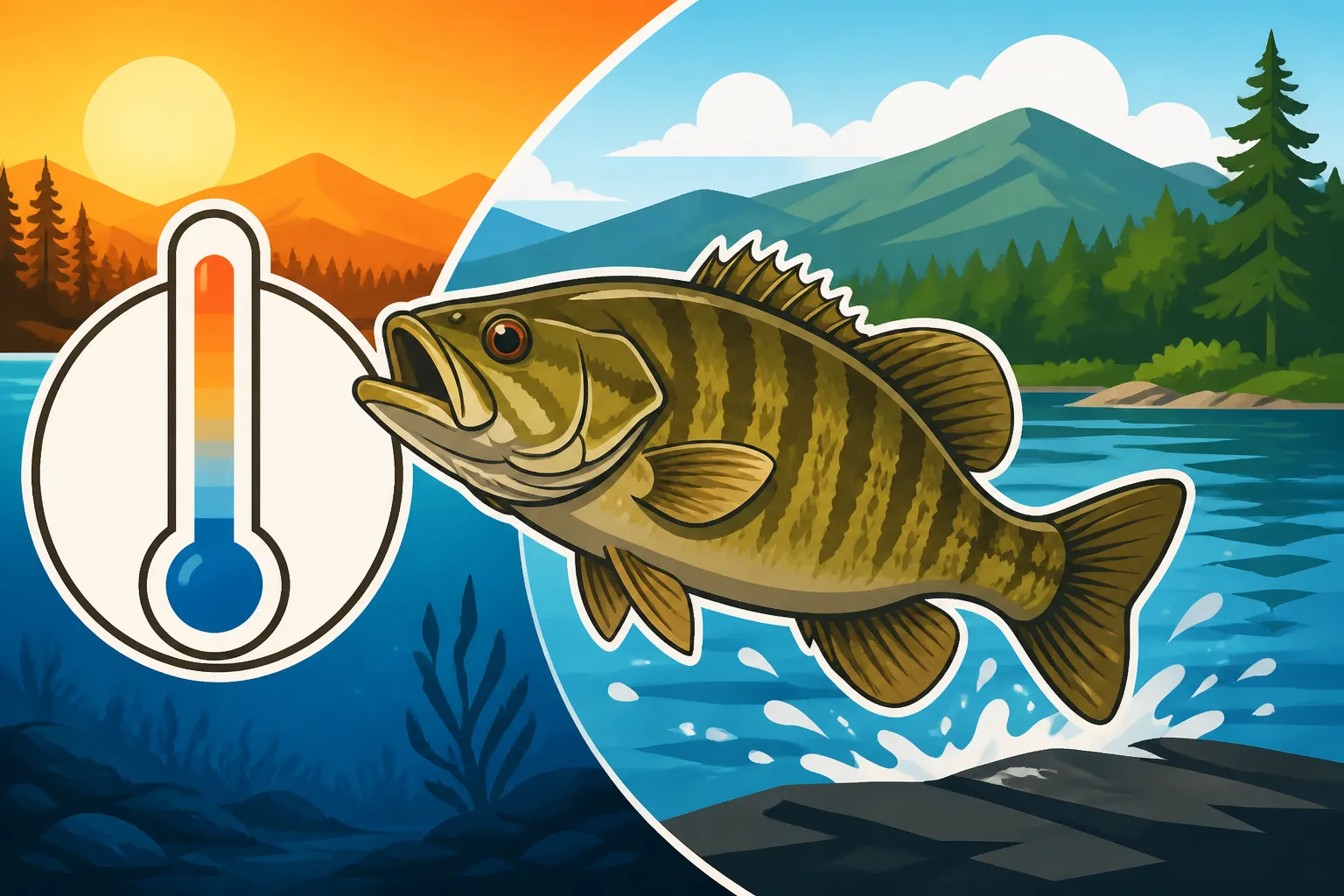
Smallmouth bass, those feisty, hard-fighting inhabitants of many New Hampshire lakes and rivers, are cold-blooded creatures. This means their body temperature is directly tied to the temperature of the water around them. Unlike warm-blooded animals, they can't regulate their internal temperature, so every aspect of their lives – from metabolism and digestion to spawning and feeding – is profoundly influenced by water temperature. Ignoring this vital environmental cue is like trying to navigate without a compass; you might get lucky, but consistent success will elude you.
Optimal Feeding Ranges for Aggressive Smallmouth
Smallmouth bass thrive in specific temperature windows where their metabolism is revved up, making them more active and aggressively feeding. Generally, the sweet spot for smallmouth activity in New Hampshire waters falls between 55°F and 70°F. Within this range, their digestive systems work efficiently, and they have the energy to chase down prey. Think of it like us humans enjoying a comfortable day outdoors – not too hot, not too cold, just right for maximum energy and activity.
When water temperatures are within this prime zone, smallmouth will often be found shallower, actively patrolling rocky points, submerged humps, and weed lines, making them excellent targets for a variety of presentations. This is when you can really experience those explosive topwater strikes or strong pulls on a crankbait. You’ll notice fish are more willing to chase a fast-moving lure or commit to a slower presentation without much hesitation.
Understanding Temperature Tolerance and Stress
While smallmouth prefer that comfortable 55-70°F range, they can survive in much colder and somewhat warmer waters, though their behavior will drastically change. Below 45-50°F, smallmouth become lethargic. Their metabolism slows down to conserve energy, and they’ll move much less, often congregating in deeper, more stable water where temperatures fluctuate less. They might still feed, but it will be opportunistic and require a much slower, more precise presentation.
Conversely, when water temperatures climb above 75°F, smallmouth begin to experience stress. Higher water temperatures hold less dissolved oxygen, and prolonged exposure can be detrimental to their health. In these conditions, they’ll seek out cooler, deeper water, often near the thermocline (the layer where water temperature changes rapidly with depth), or areas with springs, current, or shade. Their feeding will become less frequent and more precise, typically in shorter windows during cooler parts of the day, like dawn or dusk. Understanding these stress points is crucial not only for catching fish but also for practicing responsible catch and release, especially during warmer months.
Decoding Smallmouth Behavior Across New Hampshire's Seasons
New Hampshire's distinct four seasons mean that water temperatures are constantly fluctuating, and with them, smallmouth bass behavior. Successfully targeting these fish requires an intimate understanding of how they adapt to these yearly cycles.
Early Spring Post-Ice Out Transitions
When the ice finally melts off New Hampshire lakes like Winnipesaukee or Squam Lake, anglers are often eager to hit the water. However, the water is still very cold, typically in the low 40s to low 50s Fahrenheit. During this period, smallmouth are lethargic and often still holding in deeper wintering areas. As the sun warms the shallower, dark-bottomed coves and rocky flats, these areas will warm up first, attracting baitfish and, subsequently, the smallmouth.
The key here is patience and precision. Fish will slowly start moving shallower to absorb the sun's warmth, but they won't be actively chasing fast-moving lures. Focus on slow presentations near these warming zones. Think about those first sunny days after a long winter; even we want to bask in the warmth! These fish are no different, seeking out the warmest available water, often near drop-offs that allow for quick retreats to deeper water if conditions change. This is a great time to study the various New Hampshire Fishing Seasons by Month.
Pre-Spawn and Spawning Periods: The Golden Window
As water temperatures steadily climb into the mid-50s to low 60s Fahrenheit, smallmouth bass enter their pre-spawn phase, a truly exciting time for anglers. During pre-spawn, their metabolism is kicking into high gear, and they're feeding aggressively to build energy reserves for the rigors of spawning. This is often when you'll find some of the heaviest smallmouth of the year. They'll be moving from deeper staging areas to shallower, rocky flats, points, and humps where they intend to spawn.
The actual spawning typically occurs when water temperatures are consistently between 60°F and 68°F. Males move into shallower, protected areas, often with gravel or rocky bottoms, to fan out nests. Females visit the nests to lay eggs, and then the males guard the eggs and fry. During this sensitive period, smallmouth can be very aggressive in defending their nests, but it's crucial to practice ethical angling. Many New Hampshire anglers choose to follow New Hampshire Bass Catch-and-Release Season, Explained guidelines to protect these valuable fish during their reproductive cycle. Targeting actively spawning fish can disrupt their breeding, so many anglers opt to focus on pre-spawn fish or post-spawn females moving to deeper water.
Summer Thermoclines and Deep Water Retreats
New Hampshire summers can bring intense heat, and as lake surface temperatures soar into the 70s and even 80s Fahrenheit, smallmouth bass will seek refuge. These fish, especially the larger ones, don't tolerate high temperatures well due to lower dissolved oxygen levels. They'll retreat to cooler, deeper parts of the lake, often orienting themselves along the thermocline – the depth at which the water temperature changes most rapidly. This thermal layer provides the ideal balance of cooler temperatures and sufficient oxygen.
During summer, smallmouth might hold on deep structure like offshore humps, rock piles, and submerged timber. They may also relate to deep weed edges or areas with underwater springs that introduce cooler water. You’ll find them feeding opportunistically, often during low-light conditions at dawn, dusk, or even at night. For anglers, this means adjusting tactics to target deeper presentations. This period is a good time to reconsider your approach to How to Catch Smallmouth Bass in New Hampshire Lakes.
Fall Feeding Frenzy: Fueling for Winter
As autumn arrives and New Hampshire's vibrant foliage takes over, water temperatures begin to drop from the summer highs, moving back into that ideal 55-70°F range. This triggers another intense feeding period for smallmouth bass. They know winter is coming, and they need to pack on fat reserves. This fall feeding frenzy can be one of the most exciting times to fish, as smallmouth become incredibly aggressive.
They'll often move back to shallower areas to gorge on baitfish that are also schooling up before winter. Rocky points, main lake humps, and even shorelines with deeper access can hold massive schools of actively feeding smallmouth. As temperatures continue to drop into the 40s, they'll eventually migrate to their deep wintering holes, often in protected basins or areas with consistent current in rivers. This late fall period is an excellent opportunity for anglers to connect with some truly memorable fish.
Essential Tools and Techniques for Tracking Water Temperature
Knowing that water temperature is important is one thing; actually measuring and using that information on the water is another. Modern angling offers several tools to help you stay ahead of the curve.
The Reliable Water Thermometer
The most straightforward and accurate way to check water temperature is with a simple thermometer. There are many options available, from handheld models you can dip into the water to those integrated into boat electronics. A good quality waterproof thermometer, easily clipped to your vest or tackle box, can be found on Amazon for a reasonable price. Make it a habit to take temperature readings in different parts of the water body – in shallow coves, on main lake points, and in deeper channels.
Pay close attention to subtle differences. Even a few degrees can dictate where smallmouth are holding. For instance, in early spring, a sunny, shallow cove might be 55°F, while the main lake is still a chilly 48°F. Those extra degrees are precisely where the smallmouth will be concentrated. Record your findings in a logbook; over time, you'll develop a deeper understanding of how specific New Hampshire waters respond to changing weather.
Utilizing Sonar and Temperature Sensors
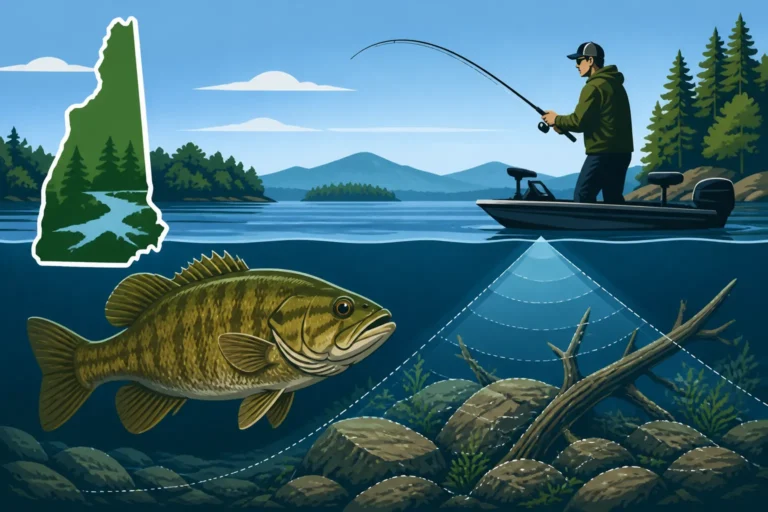
Many modern fish finders and chartplotters come equipped with temperature sensors built into the transducer. This provides real-time surface water temperature readings, and some advanced units can even give you a temperature profile of the water column, helping you identify that crucial thermocline during summer. For anglers with boats on larger bodies of water like Lake Winnipesaukee, this technology is invaluable for pinpointing where fish are holding vertically.
Beyond just a number, pay attention to the display on your fish finder. Changes in baitfish presence, suspended fish, or changes in bottom composition often correlate with temperature breaks. If your unit has side imaging or down imaging, you can use these to scan for subtle temperature-driven transitions, such as cooler water flowing in from an inlet or spring. This is particularly useful when you're trying to figure out How deep to troll for salmon at Winnipesaukee but also applies to bass relating to specific temperature layers.
Observing Environmental Cues and Microclimates
Sometimes, you don't even need a gadget to tell you what the water temperature is doing. Environmental cues can be incredibly telling. For instance, areas with incoming stream flow will often be cooler in summer or warmer in winter. Shaded banks, especially those with steep rock faces, will retain cooler water longer in the morning or throughout a hot day. Overhanging trees or deep bluffs create shadows that can offer a few degrees of relief.
Conversely, dark-bottomed coves or shallow flats exposed to direct sunlight will absorb heat much faster. Look for subtle signs of baitfish activity; if schools of bait are congregating in a specific area, chances are predator fish like smallmouth won't be far behind, and their location is often temperature-driven. Even the presence of certain aquatic vegetation can hint at temperature, as different plants thrive in different thermal conditions. Learning to read these subtle cues gives you an edge, even without a high-tech fish finder.
Matching Your Tactics to the Water Temperature
Once you understand the preferred temperature ranges of smallmouth bass and how to measure them, the next step is adjusting your fishing strategy accordingly. Your lure selection, presentation, and even the depth you target will change drastically with just a few degrees.
Cold Water Tactics: Slow and Subtle
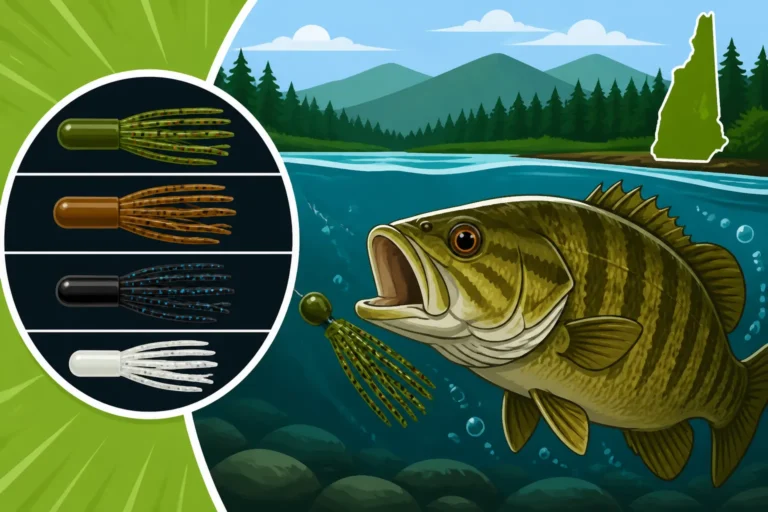
When water temperatures are below 50-55°F, smallmouth are often sluggish and won't chase fast-moving baits. Your approach needs to be slow, subtle, and right in their face. Finesse techniques shine in cold water. Small jigs, tube baits, and blade baits worked painstakingly slow along the bottom or near deep structure are highly effective. These baits imitate easy meals that don't require much energy to pursue. Consider fishing a grub on a jig head or a drop shot rig, barely twitching it.
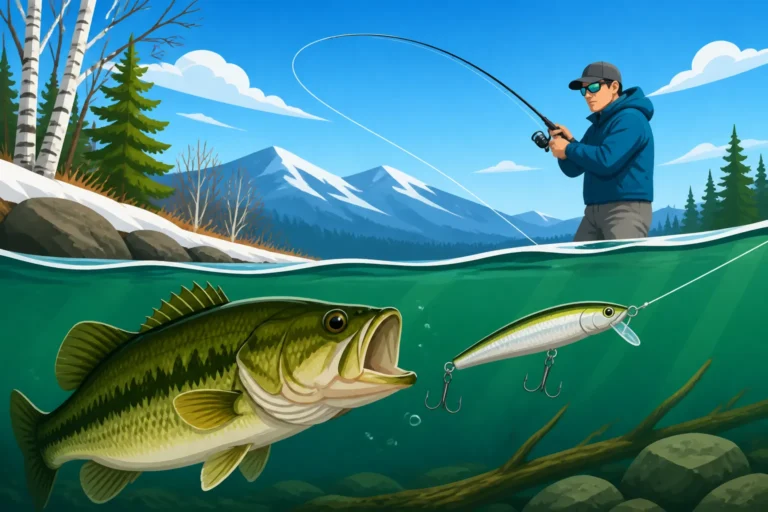
Think about the fish's metabolic rate; they're conserving energy. A twitchbait or jerkbait can be deadly in the 45-55°F range, but you need to pause it for extended periods – sometimes 10-20 seconds – allowing the lure to suspend tantalizingly in their strike zone. Color choice might lean towards more natural or subtle hues, but don't be afraid to experiment with brighter "attractor" colors, especially if the water has some stain. Finding good Best Spinning Rods for Smallmouth Bass and pairing them with light line is crucial for feeling those subtle cold-water bites.
Optimal Water Strategies: Aggressive and Versatile
When water temperatures hit that prime 55-70°F range, smallmouth bass are at their most active and aggressive. This is the time to employ a wide range of tactics and often faster, more erratic presentations. Crankbaits, spinnerbaits, jerkbaits, and swimbaits become incredibly effective as fish are willing to chase. Topwater fishing can be phenomenal in the mornings and evenings when fish are actively feeding near the surface. You can find many excellent options for these lures on Amazon.
Focus your efforts on transition areas: rocky points, humps, shoals, and breaklines where smallmouth will patrol for baitfish. In lakes like Newfound Lake, known for its clear waters, consider using fluorocarbon line for a less visible presentation. Vary your retrieve speeds and experiment with different lure sizes and colors until you find what triggers bites. This is truly the golden window for smallmouth fishing, offering the most exciting and consistent action. For specific lure ideas, check out the guide on Best Crankbaits for New Hampshire Smallmouth Bass.
Hot Water Adjustments: Deep and Precise
As mentioned, when surface temperatures climb above 75°F, smallmouth will retreat to deeper, cooler water. This means your tactics need to go deep as well. Drop-shot rigs, Carolina rigs, and deep-diving crankbaits are excellent choices for targeting fish holding near the thermocline or deep structure. Jigging spoons can also be effective when fish are schooled up on offshore humps. Look for areas with deeper water access, like the main lake basin or deep river channels.
Patience is key in hot water. Bites might be less frequent, and fish may be less aggressive. Focus on precise presentations, keeping your bait in the strike zone for as long as possible. Pay close attention to your fish finder to locate schools of baitfish and the bass relating to them. Often, fishing during low-light hours – early morning, late evening, or even night fishing – can yield better results as surface temperatures cool slightly. Don't forget that using a Best Kayak for Winnipesaukee can allow you to quietly access some of these deeper, less pressured spots.
| Water Temp Range (°F) | Smallmouth Activity Level | Common Locations & Behavior | Recommended Lures/Techniques |
|---|---|---|---|
| Below 45 | Very Lethargic | Deep holes, slow current. Fish are grouped up. | Finesse jigs (1/8 oz), blade baits, soft plastics on shaky heads. Very slow retrieves. |
| 45-55 | Slow to Moderate | Transition zones (deep to shallow), rocky slopes, main lake points. | Jerkbaits (long pauses), hair jigs, tube baits, Ned rigs. Slow to moderate retrieves. |
| 55-65 | Pre-Spawn/Spawning | Shallower flats, rocky banks, gravel bottoms. Aggressive feeding. | Crankbaits, swimbaits, tube baits, spinnerbaits, topwater (early morning/late evening). |
| 65-75 | Highly Active | Structure (humps, points, submerged timber), weed lines, open water chasing bait. | Topwater, spinnerbaits, jerkbaits, soft plastic worms, jigs, drop shot. Versatile retrieves. |
| Above 75 | Seeking Cool Refuge | Deeper thermocline, springs, shade. Less active, opportunistic feeding. | Deep diving crankbaits, drop shot, Carolina rigs, heavy jigs. Finesse, slow presentations. |
Disclaimer
The information provided in this guide is for general informational purposes only. Fishing regulations and conditions in New Hampshire can change frequently. Always consult the latest New Hampshire Fish and Game Department regulations before heading out on the water. Stay safe and respect our natural resources.