Are There Muskellunge in New Hampshire?
It's a question that often sparks a flicker of excitement in the eyes of any angler exploring the vast waters of the Granite State: could a true freshwater giant, the elusive muskellunge, be lurking in New Hampshire's lakes and rivers? Many folks wonder if these legendary fish, known for their immense size and challenging fight, have ever found a home here. This comprehensive guide will dive deep into whether muskellunge are present in New Hampshire, addressing the official stance, exploring similar species, and explaining why you likely won't find these toothy predators on your next local fishing trip.
Understanding the Mighty Muskie
The muskellunge, often shortened to "muskie," holds a near-mythical status among freshwater anglers. It's not just a fish; it's a quest, a lifelong pursuit for many. The sheer size and predatory nature of these fish make them an apex predator in the waters they inhabit.
What Exactly is a Muskellunge?
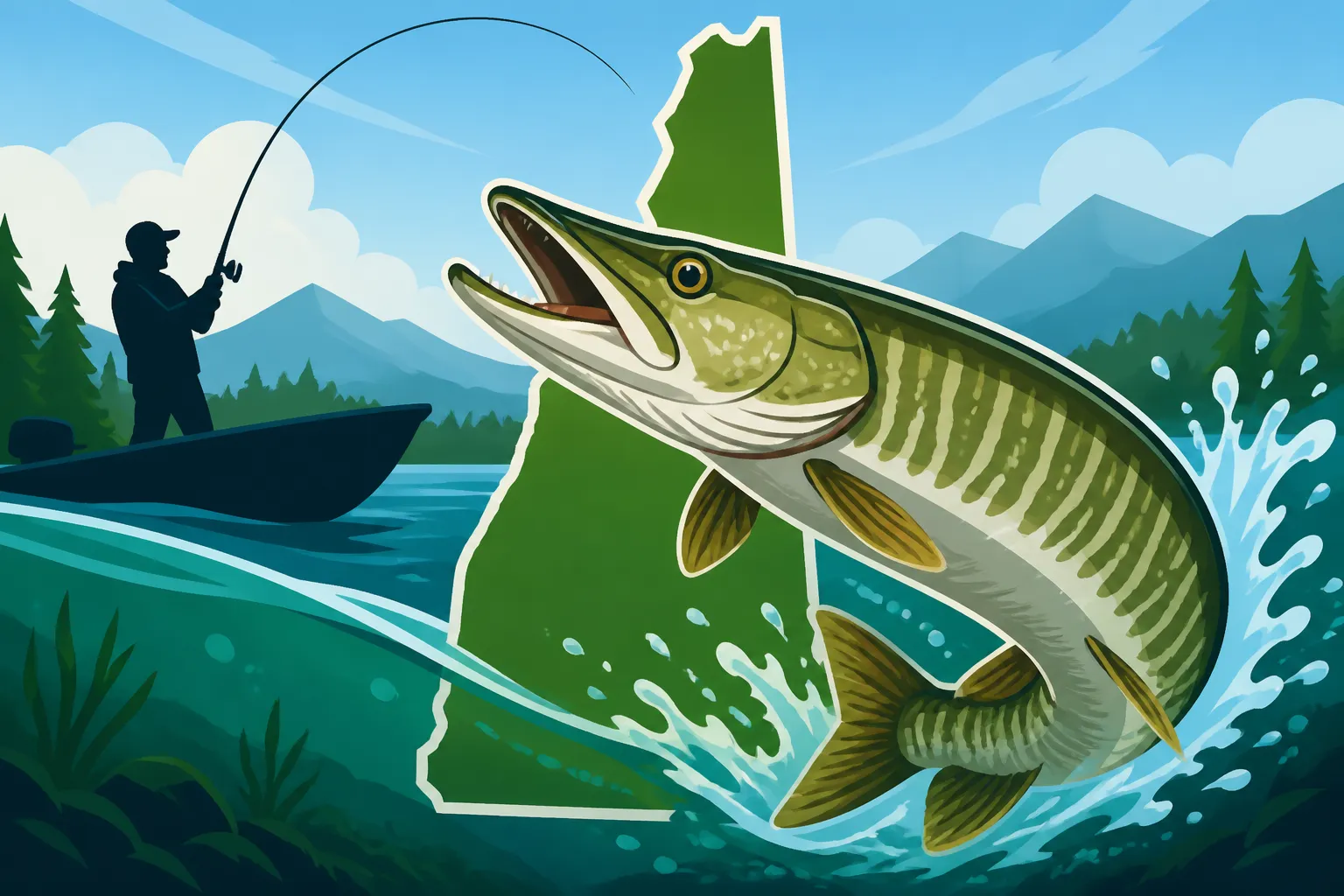
Imagine a fish that looks like a torpedo with teeth, covered in spots or bars, and capable of growing to impressive lengths, often exceeding 50 inches and weighing over 50 pounds. That's a muskie. They belong to the pike family (Esocidae) and are closely related to northern pike and chain pickerel, but they stand apart with their distinct markings and colossal size potential. They have a long, cylindrical body, a duckbill-shaped mouth packed with razor-sharp teeth, and a powerful tail that allows them to explode out of cover to ambush prey. Their scales are typically lighter with darker spots or bars, but this can vary. Catching one is often considered the "fish of 10,000 casts" due to their notorious elusiveness, making the pursuit even more thrilling for dedicated anglers.
Natural Habitat and Range
Muskellunge are native to North America, primarily found in the Great Lakes region, the Saint Lawrence River, and extending into parts of the Mississippi River basin. Their natural range includes states like Wisconsin, Minnesota, Michigan, New York, and Pennsylvania, as well as parts of Canada. They prefer cool, clear waters, often seeking out areas with abundant aquatic vegetation, submerged timber, and rocky structures that provide ambush points for their hunting strategy. They are solitary creatures, highly territorial, and require large expanses of suitable habitat to thrive and grow to their impressive sizes. Their presence is often an indicator of a healthy, mature ecosystem capable of supporting large predatory fish.
The Verdict: Muskellunge in New Hampshire Waters
So, with all that said, let's cut to the chase: are muskellunge found in New Hampshire? The simple, and perhaps disappointing, answer for muskie enthusiasts is generally no.
Official Stance from NH Fish and Game
The New Hampshire Fish and Game Department has a very clear stance on muskellunge: they are not a native or established species in the state's waters. While you might occasionally hear a rumor or see a blurry photo circulating online, these instances are almost always a misidentification or an isolated, unconfirmed report. The department actively manages and monitors the state's fisheries, focusing on native species and those that have been successfully introduced and established without detrimental ecological impact. Their stocking programs and management efforts do not include muskellunge.
This isn't to say it's impossible for an individual fish to appear. Sometimes, a fish might be illegally introduced by an unknowing or irresponsible angler, or, very rarely, a fish could migrate from an adjacent state through a shared waterway, though the chances are incredibly slim for a muskie to naturally establish itself this way in New Hampshire's ecosystem. However, these are extremely uncommon events and do not indicate an established population. For definitive regulations and species information, always consult the official New Hampshire Freshwater Fishing Digest PDF available through NH Fish and Game.
Distinguishing Muskies from Similar Species
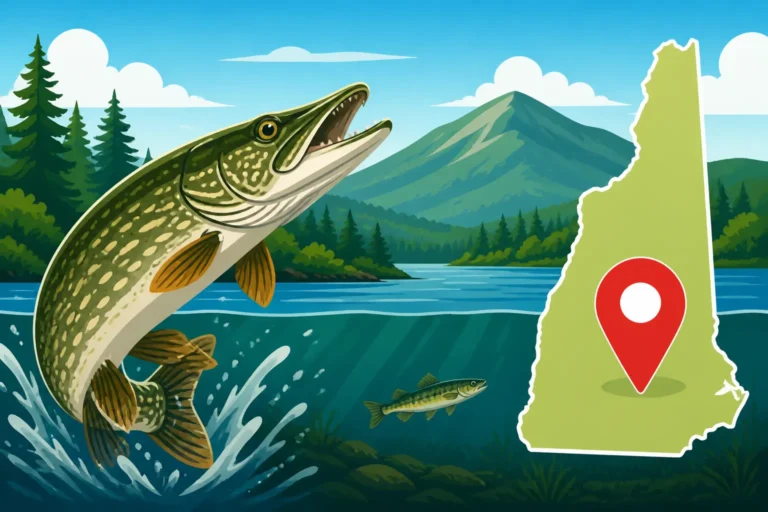
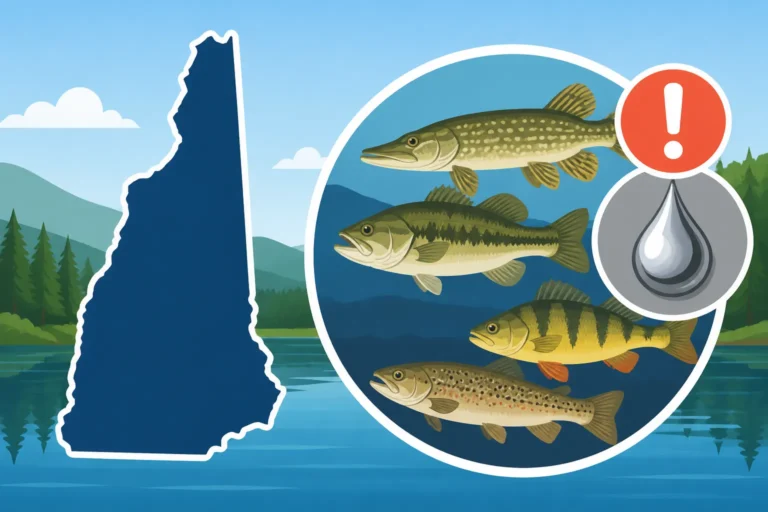
A major reason for the confusion around muskies in New Hampshire is the presence of other species that bear a resemblance, particularly to the untrained eye. It's easy to get excited and mistake a large northern pike or chain pickerel for a muskie. Knowing the key differences can help you identify your catch accurately and avoid spreading misinformation.
Let's break down the primary distinctions:
| Feature | Muskellunge | Northern Pike | Chain Pickerel |
|---|---|---|---|
| Markings | Dark spots or bars on a lighter body | Light spots on a darker body | Distinct chain-like or reticulated pattern |
| Scales on Cheek | Upper half only | Entire cheek covered | Entire cheek covered |
| Scales on Gill Cover | Upper half only | Entire gill cover covered | Entire gill cover covered |
| Pores on Underside of Jaw | 6-9 pores per side | 5 pores per side | 4 pores per side |
| Average Size | Often exceeds 30 inches, can reach 50+ inches | Typically 20-30 inches, rarely over 40 inches | Usually 15-20 inches, rarely over 24 inches |
| Snout Shape | Generally more elongated, "duck-bill" | Broader, more rounded "duck-bill" | More pointed, elongated snout |
| Tail Fin | Often more deeply forked | Moderately forked | Moderately forked |
As you can see, the scale patterns on the cheek and gill cover, along with the number of pores on the underside of the jaw, are the most reliable indicators. A large Chain Pickerel Fishing in New Hampshire or a Northern Pike Waters in New Hampshire can certainly give an angler a thrill, and their size can be surprising, leading to misidentification. If you’re ever unsure, take a clear photo (if possible, with a ruler or common object for scale, but always prioritize the fish's safety and quick release if it's not a legal harvest) and compare it against a reliable fish identification guide. You can find excellent ones on sites like Amazon or through the New Hampshire Fish and Game website.
Why Aren't Muskellunge Stocked in New Hampshire?
Given the excitement muskies generate, you might wonder why the New Hampshire Fish and Game Department doesn't consider introducing them, especially if neighboring states have successful muskie fisheries. The decision to stock any non-native species is a complex one, involving extensive ecological research and careful consideration of long-term impacts.
Ecological Concerns and Balance
New Hampshire's aquatic ecosystems are finely balanced, supporting a diverse array of native fish, insects, and plant life. Introducing a large, voracious apex predator like the muskellunge could have unforeseen and potentially devastating consequences.
- Impact on Native Forage Fish: Muskies have enormous appetites and primarily feed on other fish. While they might target common species like Rainbow Smelt as Forage Fish in New Hampshire Lakes and various panfish, their presence could put undue pressure on populations of important native species that are already part of the food web for existing predators like lake trout, landlocked salmon, and bass.
- Competition with Native Predators: Muskies would compete directly for food and habitat with established native predators like lake trout and even large bass. This competition could lead to declines in native populations, disrupting the natural balance and potentially affecting other parts of the ecosystem.
- Disease Transmission: Any fish introduced from an outside source carries the risk of bringing diseases or parasites that native fish populations may not have immunity to. This is a significant concern for fisheries managers.
- Habitat Suitability: Not all water bodies are suitable for muskies. They require large, complex habitats with specific temperature ranges and prey availability. Introducing them into unsuitable waters would not only be unsuccessful but could also lead to fish welfare issues.
For these reasons, the cautious approach is almost always the best approach when it comes to introducing non-native species. The potential for disruption to New Hampshire's unique and valuable fisheries far outweighs the novelty of having muskies. In fact, Fish and Game is very active in managing and educating the public about Invasive Fish Species in New Hampshire Waters, and any unauthorized introductions are considered illegal and harmful.
Focus on Native and Established Fisheries
New Hampshire Fish and Game dedicates its resources to managing and enhancing the fisheries that are already thriving and well-suited to the state's waters. This includes a robust program for Trout Fishing in New Hampshire, managing populations of Smallmouth Bass Fishing in New Hampshire and Largemouth Bass Fishing in New Hampshire, and maintaining trophy fisheries for species like Lake Trout Fishing in New Hampshire and Landlocked Salmon Fishing in New Hampshire.
The goal is to ensure sustainable and healthy fisheries that provide excellent angling opportunities while preserving the ecological integrity of the state's lakes, rivers, and ponds. By focusing on these established species, the department can better understand their needs, manage their populations effectively, and ensure long-term fishing success for residents and visitors alike. This includes detailed work on New Hampshire Trout Stocking and Fishing Rules and monitoring existing game fish populations to ensure they remain robust and healthy.
Opportunities for Muskie Fishing Nearby
While you won't be casting for muskies in Lake Winnipesaukee, that doesn't mean your dream of landing one of these freshwater giants is out of reach! Many dedicated muskie anglers are accustomed to traveling to pursue their passion, and New Hampshire is conveniently located near states with excellent muskie fisheries.
Neighboring States with Muskie Populations
If you're determined to tangle with a muskie, you'll need to look west and south. Here are a couple of prime examples:
- New York: Home to some of the most renowned muskie fisheries in the Northeast. The St. Lawrence River, Niagara River, and several lakes in the western part of the state are famous for producing trophy muskies. New York has both native and stocked populations.
- Pennsylvania: Offers muskie opportunities in many of its larger rivers and reservoirs, particularly in the western and central regions. The Allegheny River and Kinzua Dam are just a couple of well-known spots.
These states have dedicated management programs for muskellunge, including stocking efforts, specific regulations, and robust research to maintain healthy populations. Always remember that regulations, seasons, and license requirements will be different in these states, so thorough research is paramount before you plan your trip.
Planning a Muskie Trip Beyond NH Borders
Venturing out of state for a muskie adventure requires careful planning, but it's incredibly rewarding. Here's a quick checklist to get you started:
- Research the Destination: Identify specific lakes or rivers known for muskie fishing in your chosen state. Look for fishing reports, forums, and local guides.
- Understand Regulations: This is critical! Each state has its own specific rules regarding muskie fishing, including minimum size limits (which are often quite large for muskies), bag limits (usually one fish or catch and release only), and season dates. You'll need to purchase an out-of-state fishing license for that specific state. You can often find information on their state's Fish and Wildlife website, just like you would for the New Hampshire nonresident fishing license cost 2026 if you were coming here.
- Gear Up: Muskie fishing requires specialized heavy-duty gear. Think strong rods, large reels, heavy braided line, steel or fluorocarbon leaders, and oversized lures like bucktails, crankbaits, and glide baits. While you can find a lot of general fishing gear on Amazon, for specific muskie tackle, you might want to visit specialized tackle shops in the areas you plan to fish or reputable online muskie tackle suppliers.
- Consider a Guide: Especially for your first muskie trip, hiring a local guide can significantly increase your chances of success. They know the water, the fish's habits, and the best techniques.
- Practice Proper Handling: Muskies are big, powerful fish with lots of teeth. Learn how to properly handle them for safe release, including using large landing nets, long-nosed pliers, and jaw spreaders. Their conservation depends on careful handling.
Remember, the challenge of muskie fishing is part of its appeal. Don't expect to catch one on your first outing, but the pursuit itself is an adventure.
If You Think You've Caught a Muskie in New Hampshire
It’s unlikely, but not entirely impossible, that an angler in New Hampshire could encounter a fish that looks like a muskie. Perhaps it's an exceptional northern pike, or maybe a very rare, unauthorized introduction. If you ever find yourself in this situation, it's important to know what to do.
Reporting Unusual Catches
If you genuinely believe you've caught a muskellunge or any other fish species that seems out of place or highly unusual for New Hampshire waters, the responsible thing to do is to report it to the New Hampshire Fish and Game Department. They are the experts who can investigate and confirm the identification.
- Contact Information: Keep the New Hampshire Fish and Game customer service phone number handy, or know how to reach their fisheries biologists.
- Provide Details: Be prepared to provide the exact location of the catch (water body, specific area if possible), the date and time, and any other relevant observations.
- Don't Relocate the Fish: If it's indeed an exotic or potentially invasive species, it's crucial not to move it to another water body. This could spread a harmful species. The best practice is to release it back into the water from which it was caught (if legal and safe to do so) or, in the case of a suspected invasive species that can be legally harvested, to retain it and contact Fish and Game for further instructions. For guidance on potentially invasive species, refer to What to do if you catch an invasive fish species in New Hampshire.
Documenting and Identifying the Fish
To help Fish and Game confirm an unusual catch, good documentation is essential.
- Photos are Key: Take clear, well-lit photos of the fish. Aim for multiple angles, including:
- A full-length shot.
- Close-ups of the head, focusing on the cheek and gill plate.
- A close-up of the underside of the jaw to count the pores.
- Photos showing the overall body pattern (spots vs. bars vs. chain).
- A photo with a ruler or measuring tape if possible, to show size.
- Note Characteristics: Jot down notes about the fish's exact markings, the number of pores, and any other distinctive features.
- Compare to Guides: Use a reliable fish identification guide to try and match your catch. Many anglers keep a copy of a comprehensive guide, which can be purchased from bookstores or online through retailers like Amazon, as part of their essential fishing gear. Review resources like Fish Species Identification Guide for New Hampshire to see if it matches any known local species.
Accurate reporting and documentation are vital for fisheries management, helping biologists track fish populations and prevent the spread of non-native or invasive species that could harm the state's precious aquatic resources. It's all about being a responsible steward of our natural world.
While the thrill of chasing muskies might require a road trip beyond the borders of the Granite State, New Hampshire offers an incredible diversity of fishing opportunities for many other species. Embrace the challenge of How to Catch Lake Trout in New Hampshire, perfect your technique for Fly Fishing for Trout in New Hampshire, or enjoy the exciting pursuit of Smallmouth Bass Fishing in New Hampshire. There's a lifetime of angling adventures to be had right here in our beautiful state.
Disclaimer
This article is for general informational purposes only and does not constitute professional advice. Laws, prices and regulations vary by location and change over time. Consult a qualified professional for guidance on your specific situation.