New Hampshire state record smallmouth bass weight
The pursuit of a state fishing record is a dream for many anglers, a testament to skill, patience, and a bit of good fortune. For those casting lines in New Hampshire, wondering about the benchmark for true angling greatness, the question of the state record smallmouth bass weight often comes up. This guide will dive deep into that impressive record, exploring not just the weight itself, but the stories, strategies, and environments that produce such magnificent bronzebacks in the Granite State.
The Elusive New Hampshire State Record Smallmouth Bass
There's a certain mystique around state records. They represent the pinnacle of a species in a given region, and for smallmouth bass in New Hampshire, that benchmark is truly something to behold. These fish are renowned for their aggressive fights and acrobatic leaps, making a truly massive smallmouth a catch of a lifetime for any angler. Understanding the current state record gives us a glimpse into the potential of New Hampshire's waters and inspires many to chase that dream.
Details of the Record-Breaking Catch
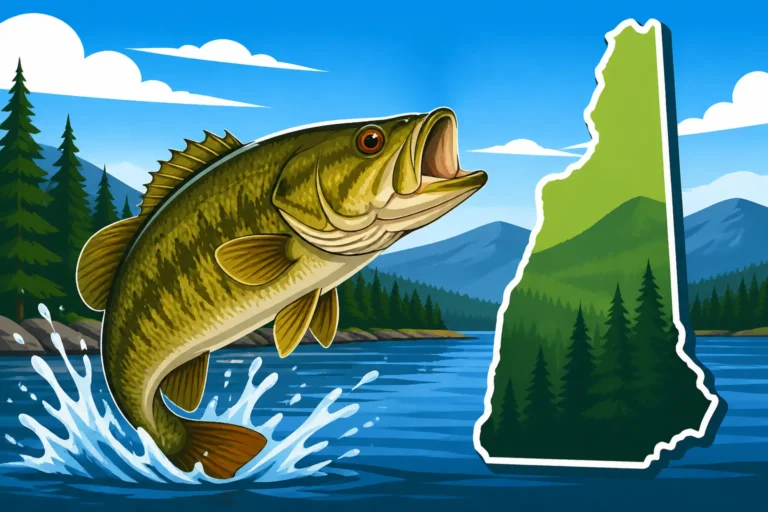
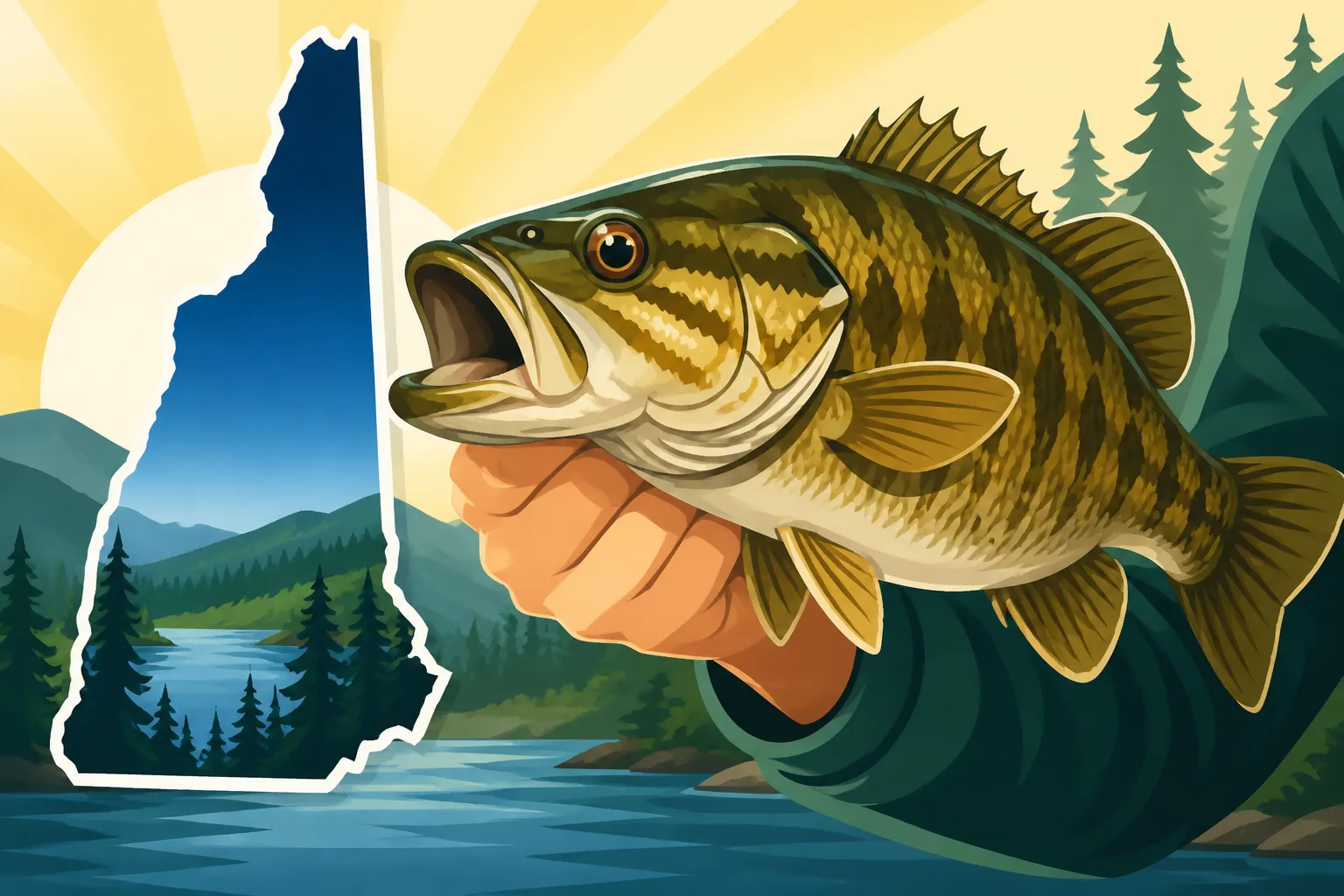
The New Hampshire state record smallmouth bass stands at a truly impressive 7 pounds, 14 ounces. This magnificent specimen was caught by Maurice LaBelle way back in 1970, on the crystal-clear waters of Spofford Lake in Chesterfield. Think about that for a moment: 1970! That record has held firm for decades, a testament to the size and health of that particular fish, and perhaps a nod to the conditions of the lake at the time. It speaks volumes about the quality of the fishery in Spofford Lake and the dedication of anglers like Maurice who were exploring New Hampshire's waters long ago. This wasn't a fish that just barely edged out the competition; it set a high bar that has yet to be surpassed.
Imagine the excitement of pulling in a fish of that caliber. It’s the kind of story that gets passed down through generations, inspiring countless others to spend hours on the water, hoping to feel that same tug on their line. The fact that this record has remained unbroken for so long also highlights the challenge of finding and landing a smallmouth bass approaching this size. It's a rare feat, a true anomaly, and it means that any angler hoping to claim a new record will need a combination of persistence, knowledge, and undoubtedly, a little bit of luck.
Why Smallmouth Bass Records are So Coveted
Smallmouth bass are often considered one of the hardest-fighting freshwater fish, pound for pound. They're not just strong; they're acrobatic, making long runs and often jumping clear out of the water, shaking their heads violently to throw the hook. This spirited resistance makes them incredibly popular among anglers, and catching a truly large one is a badge of honor. A record-setting smallmouth isn't just about weight; it's about the sheer battle it offers.
The pursuit of a state record smallmouth also reflects the health of a fishery. A lake or river capable of producing a nearly 8-pound smallmouth indicates abundant forage, excellent water quality, and a diverse ecosystem where these fish can thrive and grow to exceptional sizes. Anglers often meticulously research and dedicate years to fishing specific bodies of water, understanding seasonal patterns, and perfecting their techniques, all in the hope of encountering one of these rare giants. It's a passion that drives many to explore every cove, every rock pile, and every deep drop-off that New Hampshire's lakes and rivers have to offer. For more on what makes these fish special, check out Smallmouth Bass Fishing in New Hampshire.
Understanding Trophy Smallmouth Bass in New Hampshire
To even dream of challenging a record like Maurice LaBelle's, you need to understand what makes a smallmouth bass grow to such gargantuan proportions. It's not just about luck; it's a combination of environmental factors and the fish's natural life cycle. New Hampshire offers some fantastic habitats that allow smallmouth to truly flourish.
Factors Contributing to Large Smallmouth Growth
Several critical factors contribute to a smallmouth bass reaching trophy size. First and foremost is a rich and consistent food supply. Smallmouth are opportunistic predators, feasting on baitfish like smelt and alewives, as well as crayfish, insects, and other aquatic invertebrates. Lakes with abundant forage often produce larger, healthier fish. Water quality also plays a huge role; clean, well-oxygenated water helps fish grow without stress. A longer growing season, which means warmer temperatures for a greater portion of the year, also allows bass to pack on more pounds.
Genetics are another key component. Some populations simply have the genetic predisposition to grow larger than others. Finally, age is crucial. A smallmouth bass needs many years to reach 7 or 8 pounds, meaning they need to survive predation, angling pressure, and environmental changes for a significant period. This makes catch-and-release practices vital for sustaining trophy fisheries. If you’re curious about how old these fish can get, you might find more information in articles discussing their life cycles, like Smallmouth Bass Habits on Winnipesaukee.
Key New Hampshire Waters Known for Big Smallmouth
While Spofford Lake holds the current record, New Hampshire boasts several other fantastic fisheries known for producing impressive smallmouth bass. Lake Winnipesaukee, for instance, is legendary for its vast, rocky structure and deep, clear waters that provide ideal habitat for smallmouth. Anglers frequently pull 4-5 pound smallmouth from "The Big Lake," and bigger ones are always a possibility. Lake Winnipesaukee Smallmouth Bass Fishing provides a deeper dive into this incredible fishery. Other lakes like Newfound Lake, Squam Lake, and Lake Sunapee also have reputations for robust smallmouth populations and the potential for a true giant.
Rivers, too, can hold monster smallmouth, particularly the larger systems with diverse habitats. The Connecticut River, forming the western border of the state, has excellent smallmouth fishing in many stretches, with deep pools and rocky sections providing prime territory. Similarly, the Merrimack River and sections of the Pemigewasset River can surprise anglers with very large smallmouth bass. It’s always worth exploring these waters, but remember that patience and persistence are key when hunting for those truly exceptional fish. If you're looking for more general spots, check out Best Bass Fishing Lakes in New Hampshire.
Techniques and Gear for Targeting Giant Smallmouth
Catching a smallmouth bass that could potentially break a state record isn't just about being in the right place; it's about using the right techniques and having the gear that can handle such a powerful fish. These are often experienced, wary fish, and they won't fall for just anything.
Advanced Lures and Baits
Trophy smallmouth bass often require a different approach than average fish. They're usually older and smarter, having seen many lures in their lifetime. Anglers targeting giants often lean towards larger profile baits that mimic their natural forage. Jerkbaits, crankbaits, and swimbaits that imitate smelt, alewives, or other baitfish are excellent choices. Colors that match the local baitfish or crayfish are often most effective. For example, a perch-patterned crankbait might be deadly in one lake, while a crayfish-imitating jig might excel in another.
Soft plastic presentations, like tubes, senkos, or creature baits fished on a jig head or Carolina rig, can also be incredibly effective, especially when smallmouth are deep or finicky. These baits offer a more subtle, natural presentation that can tempt wary giants. Don't forget live bait, particularly large shiners or crayfish, which can be irresistible to a massive smallmouth. Many anglers scour websites like Amazon for unique and specialized lures not always found in local tackle shops, experimenting with different brands and designs to find that edge. For specific lure recommendations, you can find helpful information in Best Baits for Smallmouth Bass on Winnipesaukee.
Specialized Rods, Reels, and Line
When you're fighting a fish that could be a state record, your gear needs to be up to the task. Light tackle might be fun for average smallmouth, but for a true monster, you'll want something with more backbone. A medium-heavy to heavy action spinning or baitcasting rod, typically 6'6" to 7'6" in length, will give you the power to cast larger baits and control a strong fish. Pair this with a high-quality reel that has a smooth drag system and sufficient line capacity. You don't want your reel locking up or running out of line when that trophy fish decides to make a run.
Line choice is equally important. Fluorocarbon leader material is popular for its low visibility and abrasion resistance, often paired with braided main line for sensitivity and strength. For very clear waters, extending your fluorocarbon leader can make a big difference. Don't skimp on hooks either; ensure they are sharp and strong enough to penetrate and hold a powerful jaw. Many anglers stock up on these essentials and explore new products from various brands available on Amazon, making sure their tackle is perfect for the challenge ahead. A good starting point for understanding gear is Best Rods for New Hampshire Lakes and Best Spinning Rods for Smallmouth Bass.
Seasonal Strategies for Trophy Smallmouth
Timing is everything when it comes to trophy smallmouth. While smallmouth can be caught year-round in New Hampshire (where seasons allow), certain periods offer the best chances for a true giant. Early spring, after ice-out, sees smallmouth moving into shallower areas to feed heavily before spawning. They are often aggressive and can be found near rocky points and shallow flats. As the water warms, their metabolism increases, and they become more active.
Summer fishing often means targeting deeper structure during the day, such as humps, ledges, and drop-offs, especially in clear lakes. Early mornings and late evenings can still produce shallower bites. Fall is another fantastic time, as smallmouth begin their pre-winter feed, often schooling up and aggressively chasing baitfish. This can be a prime time for targeting them with larger crankbaits or swimbaits. Ice fishing also produces some giant smallmouth, especially on lakes where they remain active under the ice. Understanding these seasonal movements is critical; exploring New Hampshire Fishing Seasons by Month and Best Time of Year to Fish in New Hampshire can help you dial in your approach.
The Process of Certifying a State Record
So, you've done it. You've landed a smallmouth bass that looks like it could rival the current state record. Now what? The process of officially certifying a state record is crucial and requires adherence to specific guidelines to ensure accuracy and fairness.
Official Requirements for Record Verification
The New Hampshire Fish and Game Department has a clear protocol for documenting and verifying state records. Generally, the fish must be weighed on a certified scale, usually at a grocery store, marina, or other official location. The scale itself must be inspected and certified for accuracy. The weighing must be witnessed by at least one, and often two, independent adults who are not directly associated with the catch.
Crucial measurements of the fish, including length and girth, will also be required. Clear, high-quality photographs showing the entire fish are also essential. It’s always wise to contact the New Hampshire Fish and Game Department as soon as possible after a potential record catch to get the most current requirements and guidance. They will provide the necessary forms and direct you to official weigh stations. Remember, haste is important, as you want the fish to be as fresh as possible for accurate weighing.
Preserving the Catch for Certification
Once you've caught a potential record, immediate preservation is key for accurate weighing and measurement. The goal is to keep the fish from losing any weight due to dehydration or spoilage. The best method is to place the fish immediately on ice in a cooler. Don't gut the fish or attempt to clean it in any way before it's officially weighed and measured. Any alteration to the fish can disqualify it from record consideration.
The ideal scenario is to have a cooler with ice readily available on your boat or near your fishing spot. Once on ice, head directly to a certified weigh station. Time is of the essence, as even a small amount of moisture loss can impact the official weight. Being prepared with a suitable cooler and knowing the location of nearby certified scales can make all the difference if you're lucky enough to land a potential state record smallmouth bass. You can often find reliable coolers for keeping your catch fresh on Amazon, ranging from basic models to high-performance options.
Here's a quick comparison of what separates a typical catch from a true record-breaker:
| Characteristic | Average Smallmouth Bass (NH) | Trophy Smallmouth Bass (NH) | New Hampshire State Record Smallmouth Bass |
|---|---|---|---|
| Weight | 1-3 pounds | 4-6 pounds | 7 pounds, 14 ounces |
| Length | 12-18 inches | 19-22 inches | Over 22 inches (approximate) |
| Age | 3-6 years | 7-10+ years | Likely 10+ years |
| Habitat | Widely distributed | Specific prime feeding areas | Exceptional, long-term healthy habitat |
| Forage Intake | Regular, varied | Consistently high | Abundant, protein-rich diet |
| Angler Goal | Enjoyable outing, meal | Personal best, challenge | Historical achievement |
Conclusion
The New Hampshire state record smallmouth bass, a formidable 7 pounds, 14 ounces, stands as a testament to the incredible fishing opportunities in the Granite State. It represents not just the size a smallmouth can attain but also the dedication of anglers who pursue these elusive giants. While the record set by Maurice LaBelle on Spofford Lake decades ago is an imposing benchmark, it serves as an inspiration for every angler who casts a line in New Hampshire's pristine waters. The pursuit requires not only skill and the right gear but also a deep understanding of the fish's habits and the unique ecosystems they inhabit. Every cast holds the promise of encountering that one-in-a-lifetime fish, making the challenge of the state record smallmouth bass one of the most exciting quests in New Hampshire fishing.
Disclaimer
This article is for general informational purposes only and does not constitute professional advice. Laws, prices and regulations vary by location and change over time. Consult a qualified professional for guidance on your specific situation.