Best technique for bank fishing a stocked pond
It's a common scenario: you head to a local pond, see the signs about recent trout stockings, and think, "Today's the day!" Yet, after an hour of casting, you're still left empty-handed while someone else reels in fish after fish. Bank fishing a stocked pond can be incredibly rewarding, but it often requires a specific approach that differs from fishing wild waters. This guide will walk you through the very best techniques, gear, and strategies to make sure your next trip to a New Hampshire stocked pond is a success.
Understanding the Unique World of Stocked Ponds
Bank fishing stocked ponds isn't just about showing up; it's about understanding the unique environment and the fish that inhabit it. These aren't your typical wild trout, and their behavior, especially right after they've been introduced, is quite different.
Why Stocked Fish Act Differently
When fish, particularly trout, are raised in a hatchery and then released into a pond, they often experience a period of disorientation. They're used to being fed pellets at specific times and locations, not actively hunting for food in a dynamic ecosystem. This means their feeding instincts might be a little dulled at first, or they might be highly concentrated in certain areas due to the stocking process itself.
Initially, stocked trout might school up, sticking together for security in their new environment. They can be very susceptible to pressure, meaning if they feel a lot of commotion or get caught and released multiple times, they can become wary. However, because they are often hungry and have not yet adapted to natural forage, they can also be surprisingly easy to catch if you present the right bait or lure in the right way. Knowing this helps you choose your approach. It's also really helpful to keep an eye on the New Hampshire Trout Stocking Report and Map that the New Hampshire Fish and Game Department publishes, so you know when and where the most recent stockings have occurred.
Prime Locations within the Pond for Bank Anglers
As a bank angler, you're limited by how far you can cast, so understanding where stocked fish are likely to hold near the shore is crucial.
- Access Points: Often, fish are released near boat launches, parking areas, or designated fishing platforms. While these spots might get fished out quickly, the initial days after a stocking can still be very productive in these direct access areas.
- Drop-offs and Depth Changes: Look for areas where the bank slopes steeply into deeper water. Stocked trout, especially if the water is warmer, will seek cooler, deeper sections. If you can reach a drop-off with your cast, you're often in a prime position.
- Inlets and Outlets: If the pond has a small stream flowing in or out, these areas often have slightly cooler, more oxygenated water, which can attract fish. They can also bring in natural food sources, stimulating feeding.
- Structure: Submerged logs, rock piles, weed beds, or even overhanging trees provide cover and shade. Fish feel safer in these areas and will often congregate around them. These spots can hold fish even when other open areas are quiet.
- Shady Areas: On bright, sunny days, fish will often move into the shade cast by trees, bridges, or even steep banks to escape direct sunlight and find cooler water.
Patience is key, but so is mobility. Don't be afraid to move around the pond's perimeter to find where the fish are holding on any given day.
Essential Gear for the Bank Angler's Toolkit
You don't need a boatload of expensive gear to successfully bank fish a stocked pond in New Hampshire, but having the right tools for the job makes a world of difference. Think light, versatile, and effective.
Rod and Reel Setup for Stocked Ponds
For most stocked pond applications, a light to medium-light spinning setup is your best friend.
- Rod: A spinning rod between 6 and 7 feet in length, with a light or medium-light power and a fast action tip, is ideal. This combination allows for decent casting distance with light baits and lures, while the sensitive tip helps you detect the often subtle bites of trout. A fast action means the rod bends mostly in the top third, giving you more control and quicker hook sets.
- Reel: Pair your rod with a small spinning reel, typically a 2000 or 2500 series. This size balances well with the lighter rod, holds enough line, and provides a smooth drag system, which is crucial for fighting spirited trout on light line.
- Line: Spool your reel with 4-6 pound test monofilament or fluorocarbon line. Monofilament is a bit more forgiving with stretch and usually cheaper, while fluorocarbon is nearly invisible underwater and more sensitive. For clear New Hampshire waters, fluorocarbon can give you an edge, though a good quality mono works fine too. You can find excellent value on beginner-friendly Best Rod and Reel Combo for Beginners options that come pre-spooled on Amazon, making it easy to get started without breaking the bank.
The Right Baits and Lures
This is where the magic often happens with stocked fish. They tend to respond well to certain types of offerings.
- Prepared Baits: Hands down, PowerBait is a staple for stocked trout. It comes in various forms (dough, nuggets, worms) and a rainbow of colors. Chartreuse, rainbow, and white are perennial favorites. The floating varieties are particularly effective as they lift your hook off the bottom, making it more visible. Corn (yes, canned sweet corn!) is another surprisingly effective bait, as its size and sweetness are appealing. Marshmallows can also work, especially smaller ones.
- Live Baits: A good old-fashioned worm (nightcrawler or garden worm) threaded onto a hook is incredibly effective. It's natural, active, and appealing to almost any fish. Small shiners or minnows (if legal in your specific pond, always check regulations) can also entice larger, more aggressive trout.
- Artificial Lures:
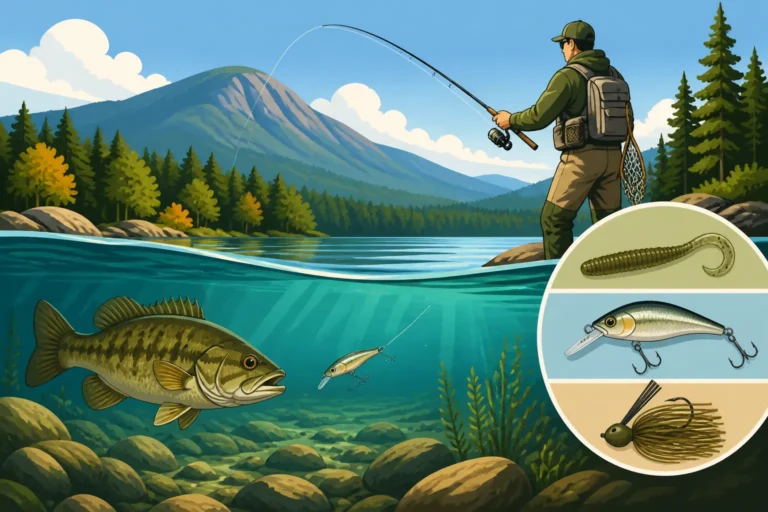
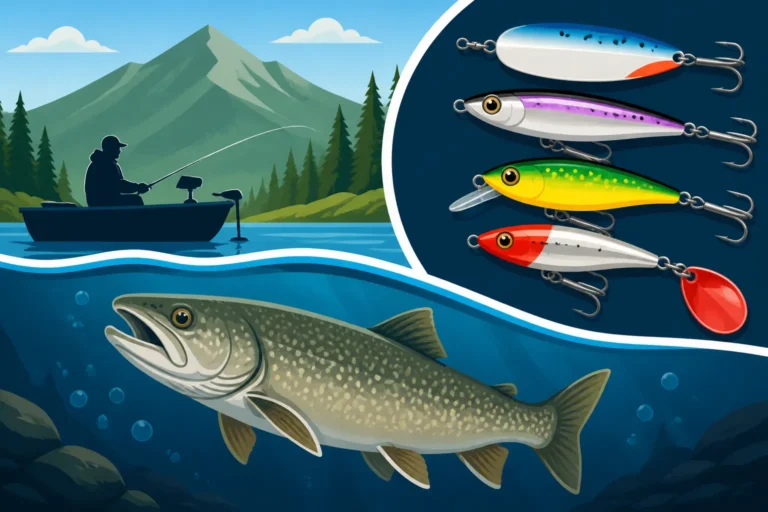
- Spinners: Small inline spinners like Mepps, Panther Martin, or Rooster Tail in sizes #0 to #2 are deadly. Gold, silver, and fire tiger patterns are excellent choices. Vary your retrieve speed to find what the fish prefer.
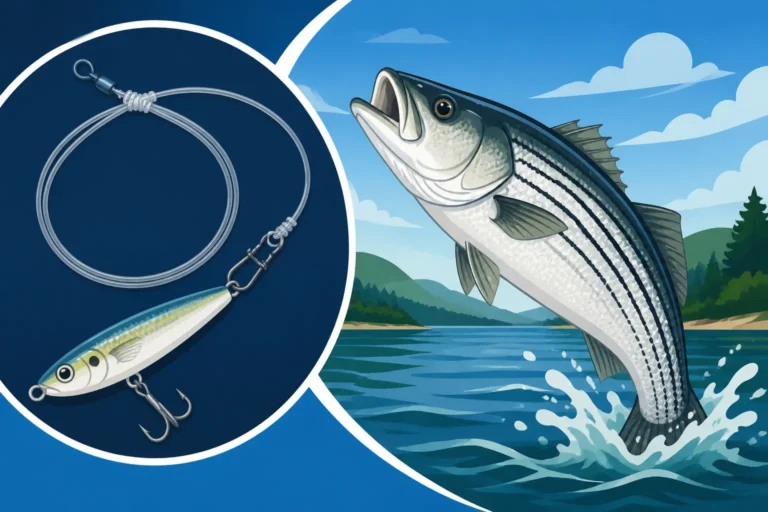
- Spoons: Tiny casting spoons such as a Kastmaster or P-Line Predator (1/8 oz to 1/4 oz) in silver, gold, or flashy colors can imitate baitfish and attract aggressive strikes.
- Jigs: Small marabou jigs, trout magnets, or even tiny grub jigs (1/32 oz to 1/16 oz) fished under a bobber or slowly retrieved along the bottom can be incredibly effective, especially when fish are finicky.
Don't forget scent attractants! Adding a dab of Pro-Cure or similar fish attractant to your PowerBait or lures can often make a difference, especially on slow days. Popular choices like Berkley PowerBait are readily available on Amazon.
Terminal Tackle and Accessories
Having the right small components and useful accessories will round out your setup.
- Hooks: Use small, sharp hooks. Size #8, #10, or even #12 bait holder hooks or treble hooks (for PowerBait) are common. Always ensure they're sharp for good hook sets.
- Weights: Assorted split shots are essential for getting your bait down. Small lead-free sinkers are also an option.
- Bobbers: A small clip-on bobber is easy for visual strike detection, especially with bait. For deeper water, consider a slip bobber rig, which allows you to fish any depth while still casting easily.
- Swivels: Small barrel swivels or snap swivels (size 10-14) help prevent line twist, especially when using spinners.
- Landing Net: A small, soft-mesh landing net is invaluable for safely landing fish, especially if you plan on catch and release. It minimizes stress on the fish and prevents lost fish at the bank. Don't forget a small landing net, easily found on Amazon, to avoid fumbling with fish at the water's edge.
- Pliers/Forceps: Essential for removing hooks, especially if a fish swallows the bait.
- Small Cooler: For keeping your catch fresh if you plan to keep them, or for snacks and drinks.
- Tackle Box/Bag: A compact Best Tackle Box Setup for New Hampshire Anglers will keep your small items organized and easily accessible.
- Sunscreen and Insect Repellent: Practical necessities for comfort outdoors.
Masterful Techniques for Bank Fishing Success
Now that you have your gear, let's talk about how to use it effectively. Bank fishing a stocked pond typically involves a mix of passive bait fishing and active lure presentation.
The Power of Bait Fishing (Still Fishing)
Bait fishing is often the most productive method for recently stocked trout, as they are conditioned to feeding on stationary food.
- Floating Bait Rig (PowerBait): This is a classic for a reason. Thread a small piece of floating PowerBait (about the size of a pea or a garbanzo bean) onto a small treble or single hook, making sure to cover the hook point. Attach a 1/8 to 1/4 ounce egg sinker or a few split shots about 12-24 inches above your hook. Cast it out and let it sink to the bottom. The floating PowerBait will lift your hook up off the bottom, putting it right in the fish's feeding zone, and it allows the fish to pick up the bait without feeling the weight of your sinker immediately. It's often the Best bait for opening day trout in New Hampshire.
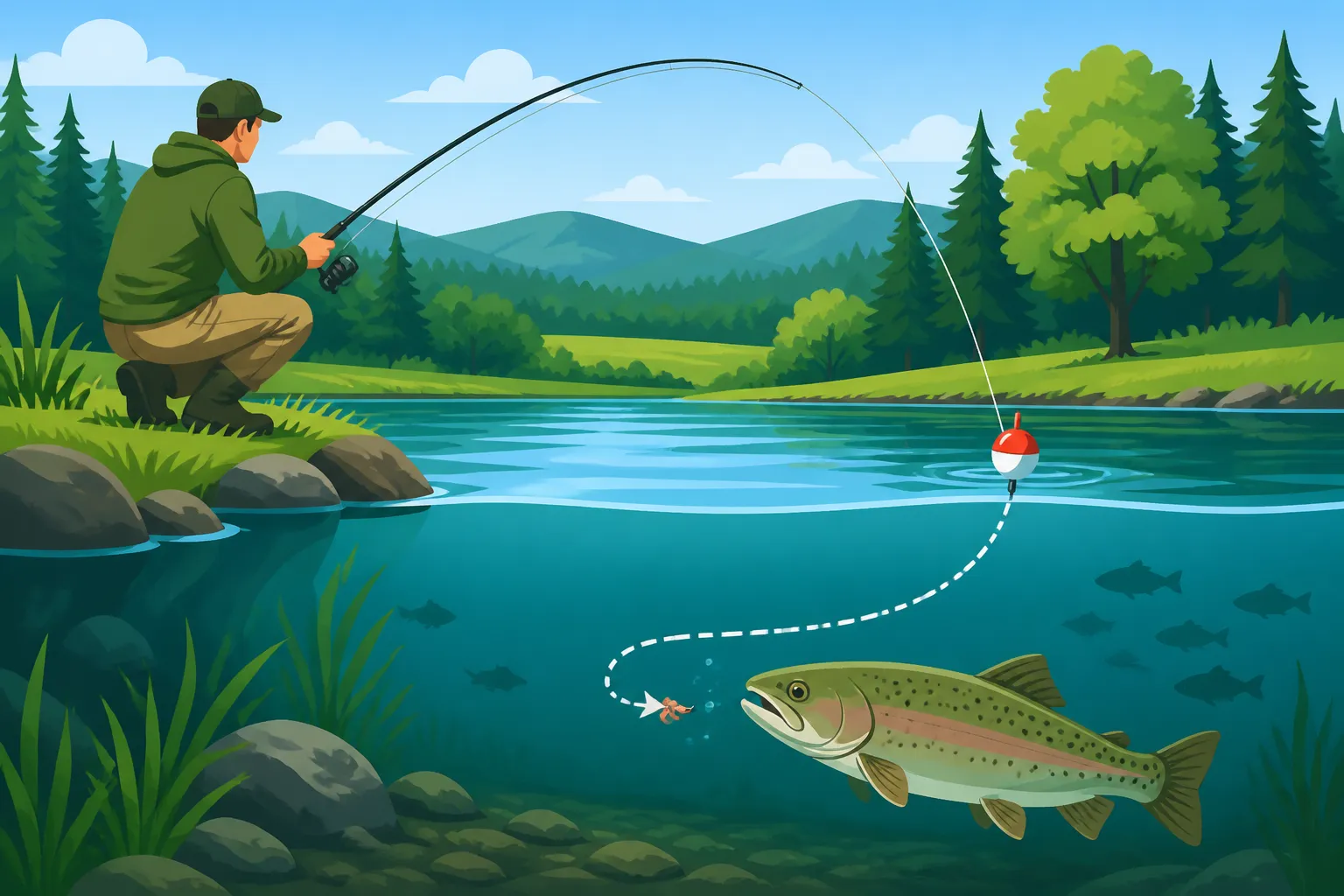
- Bobber Rig (Worms, Corn, Marshmallows): If fish are actively feeding closer to the surface or you want to keep your bait suspended, a bobber rig is excellent. Attach a bobber to your line, then a small split shot (just enough weight to cast and keep the bait down) a foot or two above your hook. Thread a worm, a few kernels of corn, or a small marshmallow onto your hook. Adjust the depth of your bobber until you find where the fish are holding. This is great for active observation and is a very visual way to fish.
- The "Still" Part: With bait fishing, patience is key. Cast your rig out, set your rod in a holder or on the bank (make sure it won't get pulled in!), and watch your line or bobber. Trout bites can be subtle – a slight twitch, a slow pull, or a full dive of the bobber. Give the fish a moment to really take the bait before setting the hook with a gentle sweep of the rod.
Active Lure Presentation
Once fish have settled in a bit, or if you prefer a more engaging style of fishing, lures can be incredibly effective.
- Casting and Retrieving Spinners/Spoons: This is all about covering water and enticing a reaction strike.
- Fan Casting: Start by casting directly in front of you, then make subsequent casts to your left and right, covering a wide "fan" of water. This helps you locate where the fish are holding.
- Varying Retrieve Speed: Experiment with how fast or slow you reel in. Sometimes a steady, moderate retrieve works best; other times, a stop-and-go retrieve (pausing for a second or two to let the lure flutter) can trigger a strike.
- Depth Control: Let your lure sink for a few seconds before starting your retrieve to fish different depths. Count down how long it takes to reach different depths, then try to retrieve just above the bottom or through suspended schools. These techniques are often highlighted in Spring Trout Fishing Techniques for New Hampshire Ponds.
- Jigging: Small jigs can be deadly, especially when fish are deeper or less active. Cast your jig out and let it sink. Once it reaches the desired depth, use short, sharp lifts of your rod tip to make the jig "dance," then let it fall on a semi-slack line. Most bites will occur on the fall, so watch your line for any twitch or hesitation.
Reading the Water and Adapting
No two days on the water are exactly alike, and the most successful anglers are those who can read the conditions and adapt their approach.
- Look for Signs of Fish: Keep an eye out for rising fish (eating insects on the surface), splashes, or even schools of fish swimming near the surface on calm days. These tell you where the fish are and what they might be feeding on.
- Adjust Depth: If you're not getting bites, try fishing at a different depth. If surface activity is slow, the fish might be deeper. If you're fishing bait on the bottom, try adding a bobber to suspend it higher, or vice-versa.
- Change Bait/Lure: If one bait or lure isn't working, don't be afraid to switch. Try a different color, size, or type of presentation. Sometimes, a subtle change is all it takes to trigger a bite.
- Consider the Conditions: Wind, sun, rain, and water clarity all affect fish behavior. On bright, sunny days, fish often retreat to deeper, shadier areas. On overcast days, they might be more active throughout the pond.
Elevating Your Stocked Pond Experience
Beyond the basic techniques, there are several ways to make your bank fishing trips more enjoyable and more productive, all while being a responsible angler.
Best Times and Conditions to Fish
Timing can be everything, especially with stocked fish.
- Early Morning and Late Evening: These are often the prime times for trout. The water is cooler, light levels are lower, and fish tend to be more active. This is particularly true in warmer months.
- Overcast Days: Cloud cover acts like natural shade, making fish feel more comfortable and active throughout the day, rather than retreating to deep water during harsh sun.
- Post-Stocking Frenzy: The period immediately following a stocking can be incredibly productive. Fish are still disoriented and hungry, often biting at anything. Keep an eye on the New Hampshire Trout Stocking Report and Map to plan your trips around these events.
- Avoid Harsh Midday Sun: While you can still catch fish, the middle of a hot, sunny day is usually the slowest period. If you must fish then, focus on the deepest, shadiest parts of the pond. For more general advice, check out Best Time of Year to Fish in New Hampshire.
Ethical Angling and Regulations
Responsible angling ensures that everyone can enjoy New Hampshire's stocked ponds for years to come.
- New Hampshire Fishing License: First and foremost, always ensure you have a valid New Hampshire fishing license. You can learn more in the New Hampshire Fishing License Guide for 2026.
- Bag and Possession Limits: Be aware of the specific daily bag and possession limits for trout and other species in the pond you're fishing. These regulations are in place to manage fish populations and ensure fair sport. For trout, knowing the New Hampshire Daily Trout Limit is crucial.
- Catch and Release Best Practices: If you're not keeping fish, handle them with care. Wet your hands before touching the fish, minimize air exposure, and use pliers to quickly remove hooks. If the hook is deeply swallowed, cut the line as close to the hook as possible. Gently release the fish, holding it upright until it swims away under its own power.
- Leave No Trace: Pack out everything you pack in, including any discarded fishing line or bait containers. Keep our ponds clean and beautiful for everyone.
- Respect Other Anglers: Stocked ponds can get crowded, especially after a fresh stocking. Be mindful of casting space, keep noise levels down, and generally be courteous to your fellow anglers.
Beyond Trout: Other Species in Stocked Ponds
While trout are the main attraction, many New Hampshire stocked ponds also hold other fish species that can offer great fun.
- Panfish: Yellow perch, black crappie, bluegill, and sunfish are commonly found in these ponds. They are often eager biters, making them excellent targets, especially for kids or beginners. Small worms, crickets, or tiny jigs under a bobber are very effective. You can get more details on Panfish Fishing in New Hampshire.
- Bass: Largemouth bass are present in many ponds, and while they might not be the primary target for a "stocked pond" trip, they can provide a thrilling surprise. Bass often relate to structure like submerged logs, docks, or weed lines. Worms, spinnerbaits, or soft plastics can entice them. Learn more about Largemouth Bass Fishing in New Hampshire.
Having a flexible mindset means you can enjoy whatever the pond has to offer!
Here's a quick comparison of popular techniques:
| Technique | Best For | Bait/Lure Examples | Pros | Cons |
|---|---|---|---|---|
| Floating Bait | Recently stocked, finicky trout, targeting bottom feeders | PowerBait (dough/nuggets), Marshmallows | Highly effective for hatchery fish, easy to set up | Less active, requires patience, slow action |
| Bobber Rig | Trout, panfish, varying depths, visual bites | Worms, Corn, Small Jigs | Great for beginners, visual strike detection | Limited casting distance, can be affected by wind |
| Spinners/Spoons | Active, aggressive trout, covering water | Mepps, Panther Martin, Kastmaster | Exciting, allows you to cover large areas | Requires active casting, less effective for wary fish |
| Jigging | Deeper water, less active fish, subtle bites | Marabou jigs, Trout Magnets, Grub Jigs | Can be very subtle and effective, precise depth control | Can be harder to detect bites, risk of snags |
Ultimately, successful bank fishing in a stocked pond is a blend of understanding fish behavior, having the right gear, employing proven techniques, and adapting to the conditions. With a little practice and patience, you'll be one of those anglers reeling in fish on your next New Hampshire outing!
Disclaimer
Please be aware that fishing regulations, including licensing requirements, bag limits, and specific water body rules, can change. Always consult the most current New Hampshire Fish and Game Department regulations before heading out on your fishing trip. The information provided here is for general guidance and educational purposes only.