Drift Fishing for Trout in New Hampshire Rivers
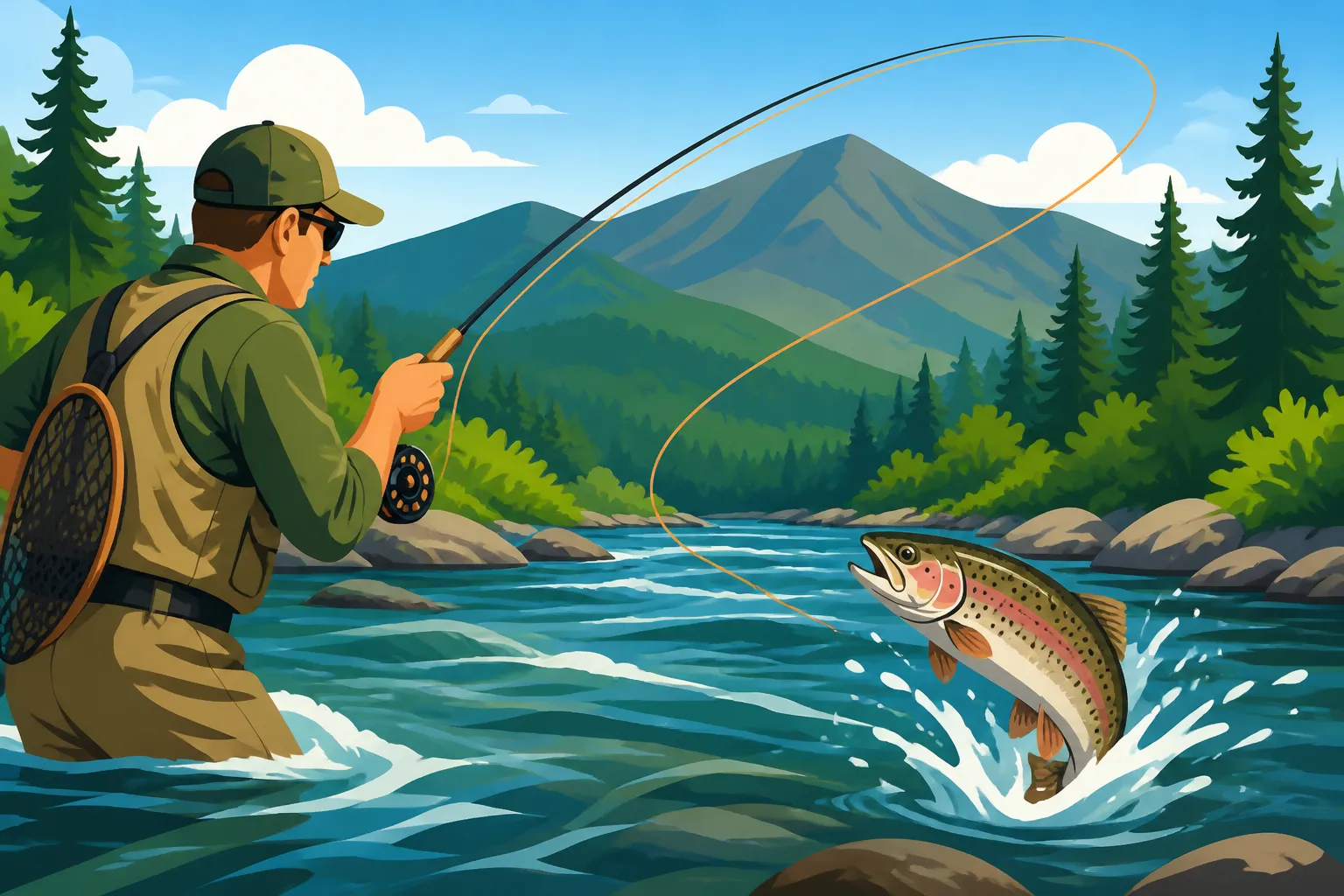
There's nothing quite like the subtle tug on your line, indicating a feisty New Hampshire trout has taken your offering as it drifts naturally downstream. However, achieving that perfect, undetectable drift can be incredibly frustrating for many anglers, especially with the varied currents and structures of our granite state rivers. This comprehensive guide will meticulously break down the art and science of drift fishing for trout, helping you understand the techniques, choose the right gear, and find the prime locations to increase your success and enjoyment on the water.
Understanding Drift Fishing for New Hampshire Trout
Drift fishing is a time-honored and incredibly effective method for catching trout in moving water. It's all about presenting your bait or lure in such a way that it appears completely natural, mimicking something swept along by the current. This subtle presentation is key to fooling wary trout, which are acutely aware of anything that doesn't belong in their environment.
What is Drift Fishing and Why it Works Here
At its core, drift fishing involves allowing your bait or lure to move downstream with the current, uninhibited by your line or the weight of your tackle. Imagine a natural insect, a worm, or a small minnow dislodged from the riverbed and tumbling downstream – that's the illusion we're trying to create. Trout, being opportunistic feeders, position themselves in prime lies where food is delivered directly to them by the current. If your offering looks and acts like a natural food item, they are far more likely to strike.
This method is particularly effective in New Hampshire's diverse river systems, from the freestone streams of the White Mountains to larger rivers like the Merrimack. These waters are often crystal clear, especially in the spring and fall, making trout incredibly selective. A perfect drift minimizes drag, which is the unnatural pull on your line caused by differing current speeds or your retrieve. Drag makes your bait behave unnaturally, causing trout to ignore it or even spook. By minimizing drag, you maximize your chances of a take. It's a method that truly connects you with the flow of the river and the subtle nuances of trout behavior.
Essential Differences Between Stillwater and River Trout
Trout in rivers behave fundamentally differently than their stillwater cousins, and understanding these distinctions is paramount for successful drift fishing. River trout are constantly battling current, expending energy to hold their position and seize passing food. This means they are often more streamlined and muscular, built for endurance and quick bursts. Their feeding windows can be shorter, and their lies are dictated by current breaks, depth, and available cover.
In a pond or lake, trout might cruise more freely, relying on sight to hunt or foraging on the bottom. River trout, however, are primarily ambush predators, often facing upstream, waiting for the current to bring them a meal. Their eyesight is incredibly keen for detecting downstream movement. They utilize structures like large rocks, fallen logs, undercut banks, and deeper pools as current breaks where they can rest with minimal effort while still having easy access to the food highway. Therefore, your drift must enter these "feeding lanes" naturally and without alarming them. The need for a perfect, unhindered drift is far greater in a river than when simply casting into a pond.
Key Principles for Successful Drifting
Achieving a truly natural drift involves a combination of precision, observation, and adaptability. The first principle is matching the hatch (even with bait), meaning your offering should resemble what trout are currently eating and be presented in the same manner. This ties directly into minimizing drag, which we touched upon earlier. Your line, weight, and leader must all work together to allow your bait to float or tumble at the exact speed of the surrounding current.
Another crucial principle is line management. Excess slack in your line can cause unnatural movement or make it difficult to detect subtle bites. Conversely, too much tension will create drag. The goal is a controlled slack line – just enough to allow the drift, but not so much that you can't feel a strike. This often involves "mending" your line, which is quickly flipping a loop of line upstream to counteract the drag caused by differing current speeds. Finally, stealth and observation are vital. Trout are easily spooked. Approach fishing spots cautiously, observe the current, identify potential holding lies, and watch for rises or subsurface activity before making your first cast. Understanding these principles is your foundation for mastering the technique.
Essential Gear for New Hampshire Drift Fishing
Having the right equipment is non-negotiable for effective drift fishing. While you don't need the most expensive gear on the market, choosing components that work harmoniously will drastically improve your success. This isn't about collecting a pile of tackle; it's about selecting tools that allow for the nuanced presentation drift fishing demands.
Rods, Reels, and Line Choices
For drift fishing trout in New Hampshire rivers, a sensitive rod is paramount. You need to feel those subtle takes, which can sometimes be no more than a slight hesitation in your line's movement.
- Rods: A light to medium-light spinning rod, typically 6'6" to 7'6" in length, with a fast action tip, is ideal. The fast action allows for quick hook sets and provides the sensitivity to detect soft bites. For smaller, brushy streams, a shorter rod might be more manageable, but for wider rivers like the Androscoggin River Fishing Spots, a longer rod offers better line control and casting distance. If you're using a fly rod for nymphing or swinging streamers, a 9-foot, 4 to 6-weight rod is a versatile choice for most New Hampshire trout streams. You can find excellent options on Amazon for a range of budgets.
- Reels: A matching spinning reel in the 1000-2500 size range will balance well with your light rod. Look for a smooth drag system and a good retrieve ratio. For fly fishing, a simple click-and-pawl or disc drag reel that balances your rod is sufficient, as you'll primarily be fighting fish with the rod itself, not the reel's drag.
- Line: Your main line choice significantly impacts your drift. For spinning gear, 4-6 lb monofilament or fluorocarbon is generally preferred. Monofilament offers some stretch, which can be forgiving, and is buoyant, helping with certain presentations. Fluorocarbon, being nearly invisible underwater and having less stretch, provides superior sensitivity and direct contact, which is often crucial for detecting light bites. A thinner diameter line helps cut through the current, reducing drag. Braid can be used as a main line for its sensitivity and strength, but it's usually paired with a long fluorocarbon leader for stealth.
Terminal Tackle: Weights, Leaders, and Hooks
The business end of your line – your terminal tackle – is where the magic of the drift truly happens. Each component plays a critical role in how naturally your bait presents itself.
- Weights: The type and amount of weight you use are perhaps the most critical aspects of drift fishing. The goal is to use just enough weight to get your bait to the strike zone, but not so much that it's dragging unnaturally on the bottom. Common choices include:
- Split Shot: Small, round weights that crimp onto your line. They are easy to adjust and can be spaced out to create a more natural sink rate.
- Slinky Weights: These are small, fabric tubes filled with lead shot, designed to slide over rocks and debris with less snagging. They are excellent for rocky riverbeds.
- Pencil Weights or Drop Shot Weights: Long and thin, these also reduce snagging and offer a streamlined descent.
- Tungsten Putty: Moldable weight that can be applied directly to your leader, allowing for extremely fine adjustments.
A good strategy is to start light and add weight incrementally until you're just ticking the bottom occasionally.
- Leaders: A fluorocarbon leader is highly recommended for its invisibility and abrasion resistance. A 4-6 lb test leader, 2-4 feet long, tied to your main line with a small swivel (to prevent line twist) or a line-to-line knot like a blood knot or double uni knot, is standard. The length of your leader allows your bait to drift more freely from the main line, further reducing drag.
- Hooks: Small, sharp hooks are essential. Trout have surprisingly tough mouths, and a dull hook will lead to missed strikes. Sizes #8 to #14 are common, depending on your bait. Look for light wire hooks that don't impede the natural movement of your bait. Circle hooks are a good choice if you're practicing catch and release, as they often hook fish in the corner of the mouth, reducing gut-hooking.
Waders, Boots, and Safety Gear
Staying dry, comfortable, and safe is paramount when spending hours in moving water, especially in New Hampshire's often chilly conditions.
- Waders: Chest waders are almost a necessity for most river drift fishing. They keep you dry and warm, allowing you to access prime casting positions and follow your drift downstream. Breathable waders are great for warmer months, while neoprene waders offer superior insulation for cold water. Look for reputable brands; stepping into a cold New Hampshire river with leaky waders is a quick way to ruin a day.
- Wading Boots: Traction is critical. Felt-soled wading boots offer excellent grip on slippery, algae-covered rocks, though they are prohibited in some states due to concerns about spreading invasive species (New Hampshire currently allows them, but always check the latest New Hampshire Fishing Regulations Explained). Rubber-soled boots with aggressive tread, sometimes studded, are another great option, especially for hiking to remote spots. A sturdy wading staff, available from retailers like Amazon, provides crucial stability in strong currents and uneven terrain, preventing slips and falls.
- Safety Gear: Never underestimate the power of moving water. Always wear a personal flotation device (PFD) if you're wading in deeper or faster currents. Carry a first-aid kit, a whistle for emergencies, and tell someone where you're going and when you expect to return. Be mindful of changing weather conditions and rising water levels, especially after heavy rains. Knowing How thick ice needs to be before New Hampshire anglers fish it is crucial for winter, but even in open water, swift current can be deceptively dangerous.
Top Baits and Lures for Drifting in New Hampshire Rivers
The beauty of drift fishing lies in its versatility. You can effectively drift a wide array of natural baits and artificial lures, each with its own advantages depending on the conditions and the trout's preference. The key is to present them as naturally as possible.
Natural Baits: Worms, Minnows, and Insects
For many anglers, natural baits are the go-to for drift fishing, and for good reason: they're what trout naturally eat.
- Worms (Nightcrawlers, Red Wigglers): A classic trout bait. Worms offer scent, natural wiggling action, and are universally recognized as food by trout. Thread a small section of a nightcrawler or a full red wiggler onto your hook, ensuring enough hangs free to entice a bite. They're especially effective after rain, when natural worms are washed into the river. Present them with just enough weight to tumble along the bottom, mimicking a dislodged meal.
- Minnows (Shiners, Dace): Small baitfish are a primary food source for larger trout, especially brown trout and lake trout. Drifting a live or freshly dead minnow can be incredibly effective. Hook a live minnow lightly through the lips or dorsal fin to allow it to swim naturally. For dead minnows, ensure a slight bend to imitate a struggling fish. Always check New Hampshire Fishing Regulations Explained regarding the use of live bait and baitfish restrictions for specific waters. Some waters may prohibit the use of live minnows to prevent the spread of disease or invasive species.
- Insects (Grubs, Grasshoppers, Crickets): Terrestrial insects that fall into the water are easy targets for trout. Grubs, caddis larvae, or even a grasshopper impaled on a small hook can be deadly, especially during summer months when these insects are active along the riverbanks. The natural scent and appearance can be irresistible. PowerBait, while artificial, mimics the doughy texture of insect larvae and can be drifted effectively, particularly for recently stocked trout.
Artificial Lures: Spinners, Jigs, and Soft Plastics
Artificial lures offer the advantage of durability and the ability to cover more water efficiently, making them a favorite for many drift fishing enthusiasts.
- Spinners: Small inline spinners like Mepps, Panther Martin, or Rooster Tail are staples for river trout. While often retrieved, they can be highly effective when drifted and allowed to flutter with the current. Cast slightly upstream and across, letting the spinner tumble and flash as it moves downstream. The spinning blade creates vibration and flash that attracts trout, even in murky water. Vary your retrieve speed as the spinner drifts to make it appear as if it's struggling.
- Jigs: Small marabou jigs or hair jigs, often 1/32 to 1/8 oz, are fantastic for drift fishing. The soft material pulsates in the current, mimicking aquatic insects or small baitfish. Tip them with a small piece of worm or a Berkley Gulp! Alive! PowerBait for added scent and appeal. The key is to bounce them along the bottom, feeling for the distinct "tick-tick-tick" as the lead head makes contact with rocks. This makes them appear like a nymph dislodged from the riverbed.
- Soft Plastics: Tiny soft plastic baits, such as Gulp! Minnows, micro tubes, or small worms, can be incredibly versatile. Rigged on a small jig head or a weedless hook with a split shot, they offer a lifelike appearance and action. The scent-infused options available on Amazon can be particularly effective, providing an added attractant that natural baits offer. Experiment with different colors, but natural tones like brown, green pumpkin, and black often work well.
Fly Fishing Nymphs and Streamers for Drift Fishing
Fly fishing is perhaps the most refined form of drift fishing, relying heavily on precise presentation and an understanding of aquatic insect life cycles. If you're looking to delve deeper into this, consider our guide on Fly Fishing for Trout in New Hampshire.
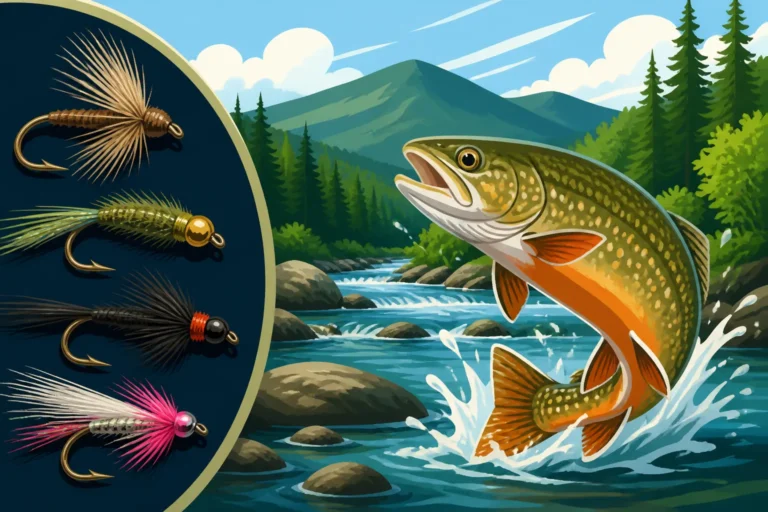
- Nymphs: Nymphing is the quintessential fly-fishing drift technique. Nymphs are the immature forms of aquatic insects that live on the riverbed. Patterns like Hare's Ear, Pheasant Tail, Prince Nymph, and Caddis Larva imitations are deadly when presented with a natural drift. You use strike indicators (bobbers for fly fishing) and small weights (split shot or tungsten putty) to get your nymph to the trout's feeding depth. The goal is to achieve a "dead drift" where the nymph moves at the exact speed of the current, completely drag-free. This often involves a constant process of mending your line upstream to counteract drag.
- Streamers: Streamers imitate baitfish, leeches, or larger aquatic insects. While often stripped (retrieved) with an active motion, they can also be effectively "swung" or "drifted" through deeper pools and runs. Cast a streamer across and slightly downstream, then allow it to swing through the current. A natural swing, occasionally punctuated by a twitch or pause, can elicit aggressive strikes from larger trout looking for a substantial meal. Woolly Buggers, Sculpins, and Clouser Minnows are popular choices. This method is particularly effective for targeting Landlocked Salmon Fishing in New Hampshire if you happen to be on a river that supports them.
| Bait/Lure Type | Best Conditions | Key Advantage | Common Rigging / Presentation |
|---|---|---|---|
| Worms | Post-rain, stained water | Natural scent & movement | Small hook, split shot, natural tumble near bottom |
| Minnows | Targeting larger trout, clear water | Mimics natural forage | Light hook (lip/dorsal), controlled drift through deep pools |
| Jigs (Marabou/Hair) | All conditions, deeper water | Pulsating action, versatile | Small jig head, bounced along bottom, slow current |
| Spinners | Moderate current, searching | Flash & vibration, active fish | Cast upstream, controlled drift with minimal retrieve |
| Nymphs | Clear water, subtle takes | Mimics primary food source | Fly rod, strike indicator, dead drift (drag-free) along bottom |
| Streamers | Aggressive fish, deeper runs | Mimics baitfish, larger meal | Fly rod, cast & swing, occasional twitch, across current |
Mastering Drift Fishing Techniques in Various River Conditions
Drift fishing isn't just about throwing your line in the water; it's about connecting with the river's flow and understanding how trout utilize their environment. Mastery comes from observing, adjusting, and constantly refining your approach based on the conditions you encounter.
Reading the River: Identifying Trout Holding Lies
Before you even make your first cast, the most crucial step is to read the river. Trout don't just hang out anywhere; they have preferred "holding lies" where they can rest, conserve energy, and ambush food.
- Current Seams: Look for areas where fast water meets slow water. Trout will often sit just inside the slower current, waiting for food to be swept by from the faster flow. These can be behind large rocks, at the edge of deeper channels, or where a tributary joins the main river.
- Pools and Runs: Deeper pools offer refuge and cooler water, especially in summer. The "head" (top) of a pool, where the current enters, and the "tail" (bottom), where it exits and often creates a riffle, are prime feeding areas. Runs are sections of moderately fast, uniform current, often with submerged structure. Drift your bait through these areas, paying close attention to any changes in depth or current speed.
- Undercut Banks and Overhanging Vegetation: These areas provide overhead cover and often deeper water. Trout feel secure here and are quick to dart out for a passing meal. Cast your drift close to these banks, allowing your bait to tuck underneath the cover.
- Fallen Logs and Boulders: Any large structure that breaks the current provides a resting spot and a potential ambush point. Fish the upstream and downstream sides of these obstacles. Trout will often sit just out of the main current, picking off food that tumbles past. When drift fishing the Pemigewasset River Fishing Guide, you'll find plenty of these features to target.
Presenting Your Bait: The Art of a Natural Drift
Once you've identified a promising spot, the art of presentation begins. The goal is always a natural, drag-free drift.
- Casting Upstream and Across: Generally, you'll cast your bait slightly upstream and across the current, allowing it time to sink to the desired depth before it reaches the suspected holding lie. This gives your bait a head start, so it's already at depth and drifting naturally as it passes the trout.
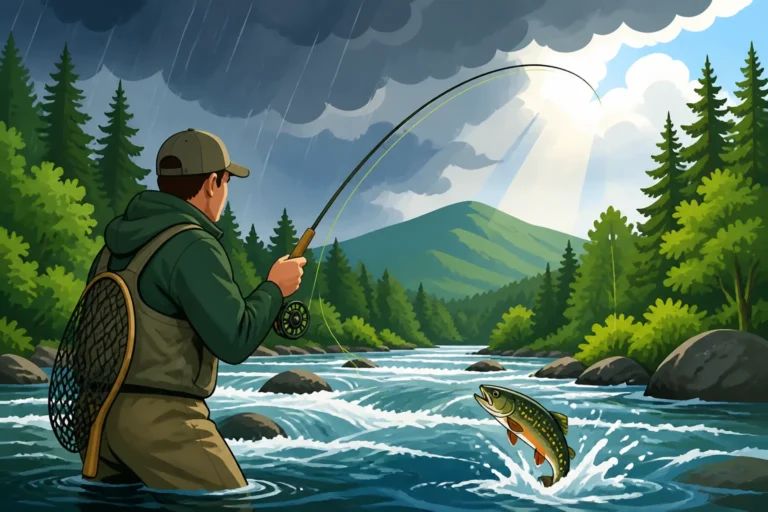
- Following the Drift: As your bait drifts downstream, raise your rod tip and follow its path with your rod, keeping your line tight enough to feel a bite but slack enough to prevent drag. This is where "mending" comes in. If you see your line bowing in the current, quickly lift your rod and flip a small loop of line upstream to straighten it, effectively resetting your drift without moving the bait itself. This is a subtle yet crucial skill, especially in complex currents.
- Detecting Bites: Trout bites can be incredibly subtle. It might be a slight twitch of the line, a sudden halt in the drift, or just a feeling of added weight. Any anomaly should be met with a swift, firm (but not overpowering) hook set. Fluorocarbon line and a sensitive rod are your best friends here. Don't be afraid to set the hook on anything that feels "off." Often, by the time you're sure it's a bite, the fish has already spit the hook.
Adjusting for Water Levels, Current Speed, and Temperature
New Hampshire's weather can be fickle, and river conditions can change rapidly. Being able to adapt your drift fishing strategy is a mark of an experienced angler.
- High Water Levels/Fast Current: When rivers are swollen and fast, trout often move out of the main current into slower eddies, behind large obstacles, or into flooded banks. You'll need to add more weight to get your bait down quickly and maintain contact with the bottom. Use heavier split shot or slinky weights. Focus your efforts on the softer seams and calmer pockets of water. This is also a good time for more scent-based baits like worms, as visibility might be reduced.
- Low Water Levels/Slow Current: During periods of drought or late summer, rivers can become low and clear. Trout become incredibly wary. Downsize your line, leader, and hooks, and use the absolute minimum amount of weight possible. Focus on long, drag-free drifts in deeper pools or shaded areas. This is when stealth and a perfect presentation are most critical. Consider using more natural-looking artificial baits or small nymphs.
- Water Temperature: Trout are cold-blooded and their activity levels are heavily influenced by water temperature.
- Cold Water (Early Spring/Late Fall): Trout are less active and metabolism is slower. They're less likely to move far for a meal. Present your bait slowly, close to the bottom, and in deeper, calmer water. Focus on thorough drifts through known holding lies. Baits like worms or slowly drifted jigs are excellent. The Spring Trout Fishing Techniques for New Hampshire Ponds guide offers relevant cold-water insights.
- Warm Water (Summer): Trout seek out cooler, oxygenated water, often in spring-fed areas, at the mouths of tributaries, or in the deepest pools. Fish early mornings and late evenings. A faster, more active drift with spinners or baitfish imitations can sometimes trigger a reaction strike, but generally, a subtle, deep presentation is best. Avoid stressing trout by fighting them too long in warm water, and consider releasing them quickly.
Prime New Hampshire Rivers for Drift Fishing
New Hampshire boasts an incredible network of rivers and streams, offering fantastic opportunities for drift fishing for various trout species. Each river has its unique character, challenges, and rewards.
Classic Trout Waters and Their Unique Challenges
Some rivers are legendary among New Hampshire trout anglers, known for their robust populations and diverse fishing opportunities.
- Connecticut River: Forming much of New Hampshire's western border, the Connecticut River offers excellent drift fishing for rainbow, brown, and brook trout, especially in its upper reaches. Its size and varied flows present challenges, requiring anglers to adapt their weighting and casting to find the seams and eddies. Access can be found at numerous points, including those detailed in our Connecticut River Fishing Access in New Hampshire guide. The river also has sections with special regulations, so always consult the latest digest.
- Merrimack River: Flowing through the state's more populated areas, the Merrimack offers surprising trout fishing, particularly in its upper sections and below dams where colder water is released. It's a larger river, meaning longer casts and more robust gear might be needed. The challenge here is navigating urban and suburban access points, but diligent searching can reveal hidden gems. Our Merrimack River Fishing Spots guide can point you in the right direction.
- Pemigewasset River: Often called the "Pemi," this iconic river is a favorite for trout anglers. From its headwaters in the White Mountains down to its confluence with the Winnipesaukee River, it offers a mix of wild and stocked trout. Its freestone nature means a rocky bottom and varied currents, making slinky weights a good choice for minimizing snags. The Pemigewasset River Fishing Guide delves into its specifics. The swift currents and rocky features are perfect for practicing your drag-free drifts with nymphs or spinners.
Smaller Streams and Hidden Gems for Drifters
Beyond the main arteries, New Hampshire is crisscrossed with countless smaller streams and brooks that offer intimate and rewarding drift fishing experiences.
- Swift River (Conway): A classic White Mountain freestone stream, the Swift is regularly stocked and holds some beautiful wild brook trout. Its relatively small size and crystal-clear water demand finesse. Stealth and precise, short drifts with light line and small baits (like single salmon eggs, small worms, or tiny nymphs) are key. The heavily wooded banks can make casting challenging, but the rewards are often worth the effort.
- Ellis River (Jackson): Another picturesque White Mountain stream, the Ellis offers similar challenges and rewards to the Swift. It's known for its brook trout and occasional rainbows. These smaller waters are ideal for honing your wading skills and practicing very short, controlled drifts into small pockets and behind boulders.
- Upper Ammonoosuc River: Located in northern New Hampshire, this river offers a more remote experience with opportunities for brook, rainbow, and brown trout. Its varied character, from swift runs to deeper pools, makes it an excellent classroom for mastering different drift fishing techniques. These waters require a keen eye for subtle holding lies and a willingness to explore.
Navigating Access and Regulations
Before heading out, always ensure you're compliant with New Hampshire Fish and Game Department regulations. This is not just about avoiding fines; it's about preserving our fisheries for future generations.
- Fishing License: A valid New Hampshire fishing license is required for anyone 16 years of age or older. You can purchase these online, at various vendors, or at Fish and Game offices. You can learn more in the New Hampshire Fishing License Guide for 2026.
- Specific Regulations: New Hampshire has a complex set of regulations that vary by water body and species. Pay close attention to bag and possession limits, length limits, and season dates for trout. Some rivers or sections may have special restrictions, such as "fly fishing only" or "catch and release only" zones. Always consult the official Reading the New Hampshire Freshwater Fishing Digest before you go. The digest is your bible for understanding what's allowed.
- Public Access: Many New Hampshire rivers offer public access through state parks, wildlife management areas, and designated fishing access points. Respect private property boundaries and always leave no trace. If you're unsure about access, check with the local Fish and Game office or consult online mapping tools. Good wading boots and a willingness to hike can open up vast stretches of unpressured water.
Advanced Tips and Seasonal Considerations
Beyond the basics, there are always ways to refine your drift fishing approach and adapt to the ever-changing conditions throughout the year. Becoming a truly proficient drift angler means embracing continuous learning and experimentation.
Cold Water Tactics and Winter Drifting
Drift fishing isn't just a fair-weather activity; it can be incredibly productive in cold water, including during the winter months when streams are open. Trout, while less active, still need to feed.
- Slow Down Everything: Trout's metabolism slows dramatically in cold water, meaning they won't chase a fast-moving bait. Your drifts need to be excruciatingly slow and deliberate. Use just enough weight to keep your bait crawling along the bottom.
- Deep and Dark: Trout will often be in the deepest, slowest parts of pools, seeking thermal refuge. Concentrate your efforts here. Look for dark, shadowed areas, or even under ice shelves if the river is partially frozen.
- Small Baits, Subtle Scents: Smaller presentations are often more effective. Tiny jigs, small worms, or nymphs are prime choices. The added scent of PowerBait or a dab of Scent-X can make a big difference, as trout rely more on smell in cold, low-visibility conditions.
- Gear Up for the Cold: Layering clothing, insulated waders, and waterproof gloves are essential for staying comfortable. A good pair of polarized sunglasses will also help you spot subtle movements in the water and detect strikes. You might consider items like an ice auger for panfish holes if you're venturing onto frozen lakes, but for rivers, open water safety is key.
Summer Low Water Strategies
New Hampshire summers can bring beautiful weather, but often also low, clear water conditions in the rivers, making trout particularly challenging to catch.
- Downsize and Stealth: This is the time for ultra-light tackle, tiny baits, and maximum stealth. Use 2-4 lb fluorocarbon leader, size #14 or smaller hooks, and the absolute minimum amount of weight. Approach slowly, stay low, and cast from a distance to avoid spooking fish.
- Early Morning/Late Evening: Trout will be most active during the cooler parts of the day. Focus your efforts at dawn and dusk. Midday in bright sun is often a waste of time unless you find deeply shaded, oxygenated holding lies.
- Target Oxygenated Water: Look for spring-fed areas, plunge pools below waterfalls, or the mouths of cold tributaries. These areas will have higher oxygen levels, making them more attractive to trout.
- Precise Presentation: A perfect, drag-free drift is paramount. Any unnatural movement will send wary trout scurrying for cover. Consider using very small dry flies or emerger patterns if trout are rising, but deep nymphing or micro-jigs will still be effective for subsurface feeders.
Dealing with Snags and Troubleshooting
Snags are an inevitable part of river fishing, especially when you're trying to get your bait down to where the trout live. Learning to minimize and deal with them gracefully is part of the process.
- Minimize Weight: The most common cause of snags is using too much weight. If you're constantly getting hung up, reduce your weight. The goal is to tick the bottom, not drag along it.
- Use the Right Weights: Slinky weights and pencil weights are designed to slip over rocks better than split shot. Consider these for particularly rocky sections.
- Change Your Angle: Sometimes, simply repositioning yourself upstream or downstream, or casting from a different angle, can change how your bait interacts with the bottom, allowing for a cleaner drift.
- The "Line Pick" Trick: When snagged, point your rod tip directly at the snag, pull the line taut, and then rapidly twitch and release the tension. Often, the weight will pop free. If not, try wading directly to the snag if it's safe and retrieve your tackle.
- Carry Extra Terminal Tackle: Always have a good supply of extra split shot, leaders, and hooks. It's frustrating to run out in the middle of a hot bite. A small, organized tackle box or sling bag for bank fishing can make a huge difference in staying prepared. Remember, you can easily replenish these supplies through Amazon.
Becoming adept at drift fishing for trout in New Hampshire rivers is a journey of patience, observation, and continuous learning. Each river, each season, and even each day presents a unique set of variables. By understanding the principles, mastering your gear, and refining your techniques, you'll unlock a deeply satisfying way to connect with the incredible trout fisheries of the Granite State.
Disclaimer
Please note that fishing regulations can change. Always consult the latest New Hampshire Fish and Game Department regulations before heading out. This guide is for informational purposes only and does not constitute legal advice. Adhere to all local, state, and federal laws and exercise caution and good judgment when on the water.