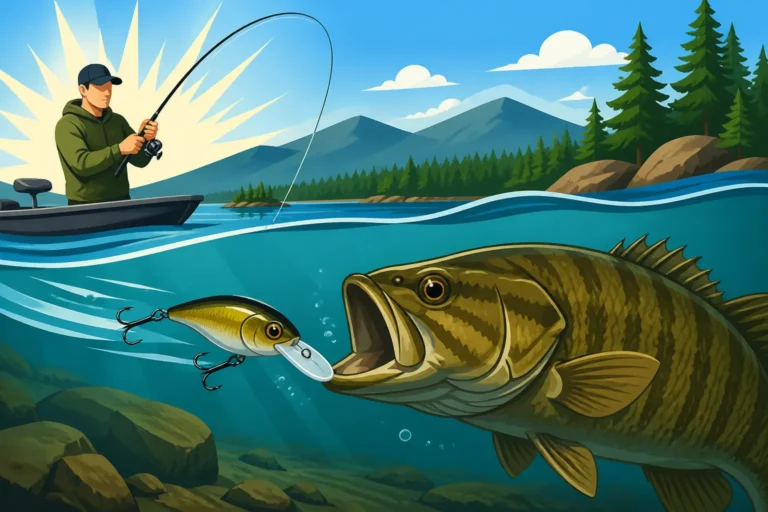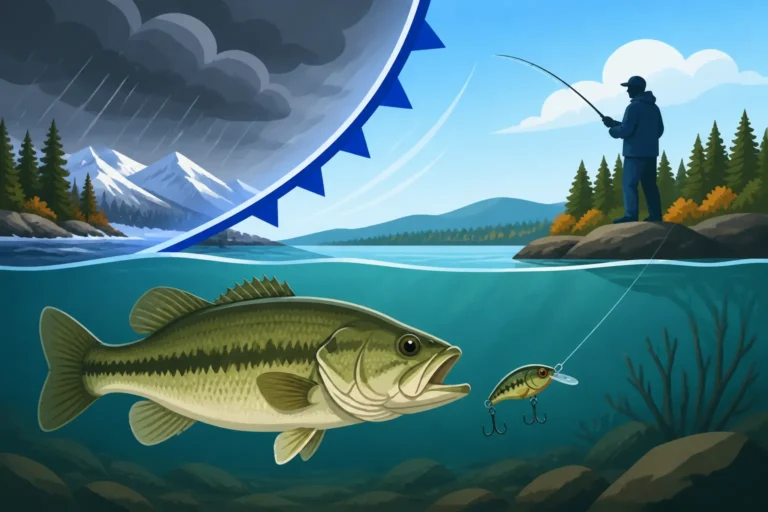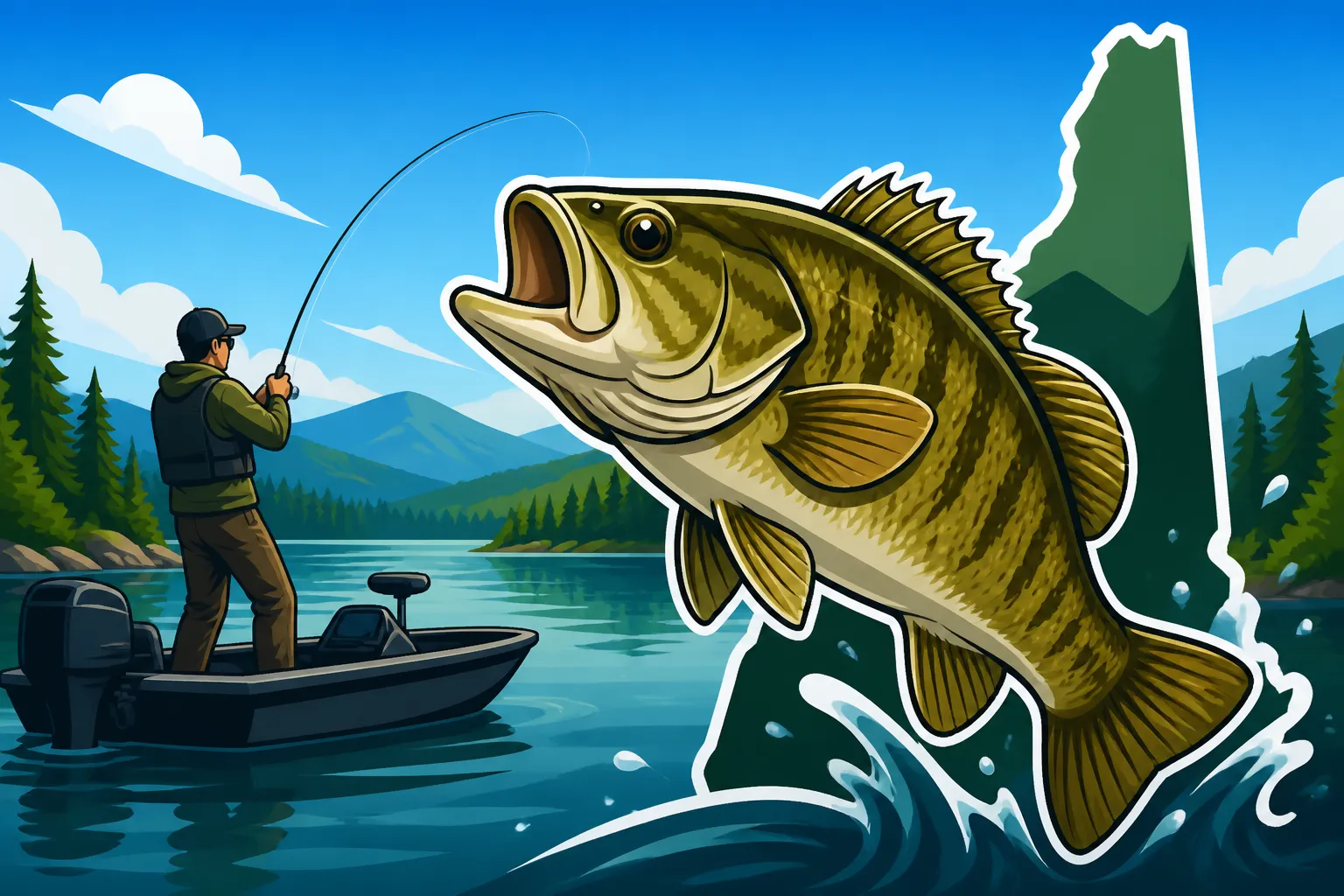
How to Catch Smallmouth Bass in New Hampshire Lakes
There's nothing quite like the thrill of chasing smallmouth bass in New Hampshire's pristine lakes, but let's be honest, these feisty bronzebacks can sometimes feel like elusive ghosts. Many anglers struggle to consistently locate and entice smallmouth, especially when dealing with the varied depths and structures of our beautiful Granite State waters. This comprehensive guide is designed to cut through the guesswork, sharing tried-and-true strategies, gear recommendations, and local insights to help you unlock the secrets to successful smallmouth bass fishing in New Hampshire lakes, transforming those frustrating days into memorable catches.
Understanding New Hampshire Smallmouth Bass
Before we even cast a line, it's crucial to understand the smallmouth bass itself. These aren't just any fish; they're intelligent predators with distinct habits that shape how and where we should target them. Knowing their preferences is the first step to putting more fish in the net.
Smallmouth Bass Habits and Habitat in NH Lakes
Smallmouth bass, often affectionately called "bronzebacks" or "brown bass," are creatures of clear, cool water. Unlike their largemouth cousins who prefer weedy, shallow environments, smallmouth thrive in rocky areas, gravel beds, and around submerged timber. In New Hampshire's deep, oligotrophic (nutrient-poor) lakes, you'll find them gravitating towards hard bottom structures like rocky points, humps, ledges, and deep main lake basins. They're constantly on the move, shadowing baitfish, and their activity levels are heavily influenced by water temperature and light conditions. During the warmer months, they might hold in deeper water during the day, moving shallower to feed at dawn and dusk. Understanding these patterns is key to predicting their whereabouts.
Their territorial nature, especially around spawning beds, also plays a significant role. Outside of spawning, they tend to roam in small schools, often correlating with baitfish concentrations. If you catch one smallmouth, there's a good chance more are nearby. This schooling behavior can make for incredible days on the water once you locate a group. Pay close attention to subtle changes in bottom composition, as even a small patch of rocks or a sharp breakline can hold a concentration of fish. Factors like current, even subtle subsurface currents in larger lakes, can also dictate where smallmouth position themselves to ambush prey. These are not lazy fish; they are constantly interacting with their environment.
The sheer variety of depths and structures in New Hampshire's larger lakes, such as Lake Winnipesaukee, makes finding these fish a true puzzle. One day they might be on a 20-foot hump, and the next they've moved to a 40-foot rock pile. This is where patience, observation, and a good understanding of their seasonal movements come into play. It’s also why anglers who consistently catch smallmouth are often those who meticulously map out potential structures and keep detailed logs of where and when they find fish. Even on smaller, clearer lakes, the pattern of rocky points and drop-offs will almost always hold smallmouth.
Key Forage and Diet Preferences
Smallmouth bass are opportunistic predators, but they do have their favorites, and knowing what they're eating can dramatically influence your lure selection. In New Hampshire lakes, their primary diet often consists of rainbow smelt, which are abundant in many of our deep, clear waters. These silvery baitfish are a significant food source and often dictate where smallmouth will suspend or congregate. Beyond smelt, crayfish are another top contender, especially in rocky areas where they hide. When the bass are "crawfishin'," anything that mimics a crawfish scuttling along the bottom can be deadly.
Other common menu items include various shiners, yellow perch fry, and even insects like hellgrammites in rivers and near tributary mouths. Larger smallmouth aren't shy about eating smaller fish, including their own kind or other panfish if the opportunity arises. Understanding this diverse diet means you shouldn't be afraid to experiment with your presentations. If you're fishing a lake known for a strong smelt population, a jerkbait or soft plastic swimbait mimicking a smelt can be incredibly effective. Conversely, if you're targeting shallow rocky flats, a jig or creature bait resembling a crayfish will often yield better results.
The time of year also impacts their diet. In the spring, when smelt are spawning, smallmouth will aggressively key in on them. During the summer, a more varied diet might be observed, while in the fall, they often gorge on larger baitfish to put on weight for winter. Paying attention to what's active in the water you're fishing – whether you see baitfish schools on your sonar or find crayfish shells on the shoreline – can provide invaluable clues. Sometimes, opening the stomach of a legally harvested smallmouth can give you a direct insight into their current feeding habits, though catch and release is always encouraged for these valuable game fish.
Identifying Smallmouth vs. Largemouth
It's a common scenario: you catch a bass, and for a moment, you're not entirely sure if it's a largemouth or a smallmouth. While both are fantastic sport fish, distinguishing between them is important, especially given that New Hampshire Bass Limits and Slot Rules can differ. Luckily, there are a few easy visual cues to help you tell them apart quickly.
The most obvious difference lies in the mouth itself. If you close the fish's mouth, a largemouth's jaw extends well beyond the back of its eye. A smallmouth's jaw, on the other hand, typically doesn't extend past the middle of its eye, or at most, only slightly past the back of the eye. This is where they get their names! Beyond the mouth, look at the body coloration and pattern. Smallmouth bass usually have a bronzy-brown to yellowish-green hue, with distinct vertical bars or blotches along their sides, giving them a tiger-striped appearance. Largemouth tend to be a darker green, with a prominent horizontal dark stripe running down their lateral line, which can sometimes be broken or mottled.
Finally, consider the dorsal fin. A largemouth bass has a deep, obvious notch in its dorsal fin, almost appearing like two separate fins. A smallmouth's dorsal fin has a much shallower, less pronounced notch, appearing more continuous. While their general shape is similar – both are sleek, powerful fish – once you train your eye for these three key features (mouth, coloration, dorsal fin), you'll be able to identify them instantly. Remember, these differences aren't just for identification; they often reflect their preferred habitats and behaviors, which in turn informs your fishing strategy. For example, knowing you're in a prime smallmouth area means you can focus on lures and techniques best suited for that species.
Seasonal Strategies for New Hampshire Smallmouth
Smallmouth bass are highly migratory throughout the year, their movements dictated by water temperature and spawning cycles. What works in spring won't necessarily work in fall, so adapting your approach to the season is crucial for consistent success.
Spring Pre-Spawn and Spawn Tactics
Spring is arguably one of the most exciting times to target New Hampshire smallmouth. As ice-out occurs and water temperatures slowly climb from the high 30s into the 40s and 50s Fahrenheit, smallmouth begin to shake off their winter lethargy. During the early pre-spawn, when water temperatures are in the low to mid-40s, smallmouth will often stage on deeper main lake points, humps, and outside edges of spawning flats. They're still somewhat sluggish but are starting to feed more actively. This is a great time for slow presentations with tubes, blade baits, or suspending jerkbaits worked patiently along deep structure. Focus on areas that warm up first, such as north-facing banks or dark bottom areas that absorb sunlight.
As the water warms into the upper 40s and 50s, smallmouth move shallower, often holding on secondary points and rocky flats adjacent to deeper water. They become increasingly aggressive as they prepare for the spawn. When water temperatures hit the mid-50s to low 60s, smallmouth will start building nests, typically in 5 to 20 feet of water over gravel or rocky bottoms. They guard these nests fiercely, making them vulnerable. Target visible beds or use polarized sunglasses to spot fish on beds. Drop shot rigs with small worms, tubes, or finesse jigs are excellent choices for tempting these territorial fish. However, remember the importance of catch and release during this vulnerable time to ensure the future health of the fishery. Catching bedding fish can be controversial, and many anglers choose to leave them undisturbed or practice immediate, careful release. New Hampshire Fish and Game has specific regulations regarding New Hampshire Bass Catch-and-Release Season, Explained, so always check the current digest.
Post-spawn, fish can be a bit lethargic and scattered as they recover, but they'll eventually resume feeding aggressively. Look for them still around the general spawning areas but perhaps slightly deeper. Crankbaits, spinnerbaits, and topwater lures can become effective as they regain energy and actively chase bait. The key to spring smallmouth is always water temperature – it dictates their location, activity level, and willingness to strike. Keep a close eye on your electronics for temperature readings and structure, and don't be afraid to move around until you find that magic zone where the fish are active.
Summer Deep Water and Topwater Action
When New Hampshire's lakes warm up in summer, typically reaching the upper 60s and 70s Fahrenheit, smallmouth bass often move to deeper, cooler water. This is when your electronics become your best friend. Look for them holding on offshore structures like deep humps, rock piles, submerged roadbeds, and the edges of sharp drop-offs in 20-50 feet of water, or even deeper in lakes like Winnipesaukee. They'll often suspend over these structures, relating to baitfish schools. Downsizing your baits and presenting them vertically or slowly along the bottom is crucial. Drop shot rigs with small worms, hair jigs, and tube jigs are highly effective. Try vertical jigging with spoons or blade baits if you see schools of bait and fish suspended together.
However, summer also brings incredible topwater action, especially during low-light conditions. Early mornings, late evenings, and overcast days can see smallmouth move surprisingly shallow, often to rocky points and shallow humps, to feed on baitfish near the surface. Poppers, walk-the-dog lures, and prop baits can draw explosive strikes that will get your heart pounding. This is particularly true for larger smallmouth that are willing to commit to a big surface disturbance. Focus on calm water areas where the bass can easily track and ambush prey from below. The key is to commit to these times of day and target these specific areas, as the topwater window can be brief but intense.
Another effective summer strategy is trolling. Many anglers in New Hampshire's large lakes will troll with small crankbaits or spoons that imitate smelt, particularly when trying to cover vast expanses of open water to locate active schools. Using lead core line or downriggers helps get your lures down to the precise depths where smallmouth are suspended. Remember that even in summer, smallmouth are often schooling, so once you find one, there are likely many more in the vicinity. Mark the spot, turn around, and work the area thoroughly. The transition zones between deep and shallow water are often productive, especially during feeding windows.
Fall Feeding Frenzy and Transition
Fall is another fantastic time for smallmouth bass fishing in New Hampshire, often rivaling spring in terms of angler success and the size of fish caught. As lake temperatures begin to drop from the summer highs, smallmouth instinctively know winter is coming, and they enter a "feeding frenzy" phase. They become incredibly aggressive, putting on weight for the lean months ahead. In early fall, as water temperatures are in the 60s, fish will often be shallower than mid-summer, relating to the same rocky points, humps, and flats they used in spring, but perhaps slightly deeper on average. Crankbaits, jerkbaits, and spinnerbaits can be incredibly effective during this period, as the fish are actively chasing bait.
As fall progresses and water temperatures drop into the 50s and low 40s, smallmouth will begin their migration to deeper wintering grounds. They'll often congregate in large schools on prominent main lake points, deep rock piles, and humps that offer access to steep drops into the deepest parts of the lake. This is a time when vertical presentations shine. Drop shot rigs, tubes, hair jigs, and blade baits are all excellent choices. Focus on fishing slowly and precisely, targeting fish that are often tightly grouped. Finding these schools can be challenging, but once you do, the action can be non-stop. Your Best Fish Finders for New Hampshire Lakes will be invaluable during this time to locate baitfish and bass holding near the bottom.
One of the most appealing aspects of fall smallmouth fishing is the potential for trophy-sized fish. Larger smallmouth are particularly focused on building reserves and will often be the most aggressive feeders. Pay attention to the subtle cues – a slight tap on your line, or your electronics showing a sudden cluster of fish. The bite can be subtle in colder water, so sensitive rods and a keen eye are essential. Don't be afraid to experiment with different retrieve speeds; sometimes a slow, almost dead-stick retrieve is what it takes, while other times, a quick jigging motion will trigger a strike. Fall offers some of the most rewarding smallmouth fishing experiences, just be prepared for potentially chilly weather!
Essential Gear and Tackle for NH Smallmouth
Having the right tools for the job can make a significant difference when targeting smallmouth bass in New Hampshire's diverse waters. From the rod in your hand to the lures in your tackle box, thoughtful selection can enhance your success.
Rod, Reel, and Line Selection
For smallmouth bass, versatility is key, but so is sensitivity. A medium-light to medium power spinning rod, typically 6'6" to 7'6" in length, is a fantastic all-around choice. This rod provides enough backbone to fight powerful smallmouth but has a soft enough tip to detect subtle bites and throw lighter finesse baits. Look for rods with a fast action, which means the rod bends mostly in the top third, allowing for quick hook sets and excellent feel. Brands like St. Croix, G. Loomis, and Fenwick offer excellent options that provide the sensitivity needed for those light smallmouth taps.
Pair your rod with a high-quality spinning reel in the 2000 to 3000 size range. A smooth drag system is paramount, as smallmouth are notorious for making powerful runs when hooked. Look for reels from manufacturers like Shimano or Daiwa that offer consistent performance. For line, a general recommendation for smallmouth fishing is 8-10 lb braided line as your main line, with a 6-10 lb fluorocarbon leader. The braid offers incredible sensitivity and casting distance, while the fluorocarbon leader is virtually invisible underwater and has excellent abrasion resistance against New Hampshire's rocky bottoms. If you're purely finesse fishing in very clear water, you might opt for a lighter fluorocarbon main line, but braid-to-fluoro is a highly versatile setup. Check out various options on Amazon for competitive pricing on quality fishing line.
For heavier techniques like casting larger jerkbaits or spinnerbaits, a medium-heavy baitcasting setup might be preferred, especially if you're throwing heavier lures frequently. A 6'8" to 7'2" baitcasting rod with a fast action and a reliable baitcasting reel spooled with 12-15 lb fluorocarbon or braided line will handle those duties admirably. However, for most smallmouth scenarios, especially with the finesse tactics often required in clear New Hampshire waters, a sensitive spinning setup is hard to beat. The right combo will allow you to feel every rock, every weed tick, and every subtle take from a smallmouth.
Must-Have Lures and Baits
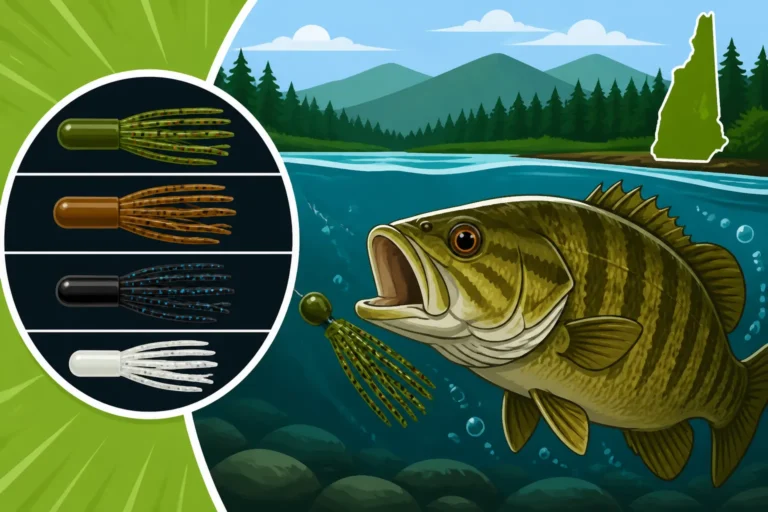
Smallmouth bass in New Hampshire respond to a wide array of lures, but there are a few "must-haves" that consistently produce. For finesse presentations, which are often necessary in clear, deep lakes, the drop shot rig is king. Pair it with 3-4 inch soft plastic minnow imitations, worms, or small creature baits. Common colors include green pumpkin, watermelon, and various shades of brown or natural baitfish. Tube jigs, especially in crayfish or baitfish patterns (greens, browns, white), are also incredibly effective, mimicking either a fleeing crawfish or a stunned baitfish. Work them slowly along the bottom, hopping and dragging.
Moving to reaction baits, suspending jerkbaits are absolutely deadly in cool water, particularly in spring and fall. Brands like Rapala, Lucky Craft, and Megabass make excellent jerkbaits that perfectly imitate dying baitfish. Experiment with retrieve pauses; sometimes, the longer the pause, the better the strike. Small to medium-sized crankbaits, especially those with tight wobbles that dive to the depths where smallmouth are holding, are also essential. Look for natural baitfish colors or crayfish patterns. For topwater action, which can be phenomenal during summer mornings and evenings, poppers and walk-the-dog lures are indispensable. Try a Heddon Super Spook or a smaller Pop-R for explosive surface strikes.
Finally, don't overlook natural baits, especially if you're introducing someone new to fishing or just want to guarantee some action. Live shiners or golden shiners, fished on a simple hook and sinker rig, are irresistible to smallmouth. Crayfish, if you can find them, are also excellent. However, with the effectiveness and variety of artificial lures available, most experienced smallmouth anglers rely on plastics and hard baits. Stocking a good selection of these "go-to" lures, in various sizes and colors, will ensure you're prepared for whatever mood the smallmouth are in. For more specific recommendations, check out a guide on Best Baits for Smallmouth Bass on Winnipesaukee.
Essential Electronics and Accessories
Modern electronics have revolutionized smallmouth bass fishing, especially on New Hampshire's larger, deeper lakes. A quality fish finder with GPS and mapping capabilities is almost non-negotiable for consistently finding and catching smallmouth. Units from brands like Humminbird (with their Side Imaging and Down Imaging) and Lowrance (with StructureScan and ActiveTarget) allow you to see submerged structures, identify baitfish schools, and even pinpoint individual bass holding on structure. GPS functionality is critical for marking productive spots, saving tracks, and navigating safely, particularly on vast water bodies like Lake Winnipesaukee. A good mapping chip specific to New Hampshire lakes will show you contour lines, depths, and potential fishing hot spots that aren't visible above the surface.
Beyond the fish finder, a reliable trolling motor is an invaluable accessory, particularly for boat anglers. A foot-controlled bow-mount trolling motor allows you to quietly position your boat, hold over structure, and follow contour lines without spooking fish. Spot-Lock features on motors like the Minn Kota Ulterra or Terrova are game-changers, holding your boat in place with the press of a button, freeing you up to focus purely on fishing. For kayak anglers, a smaller portable fish finder and a pedal-drive or electric trolling motor can similarly enhance stealth and coverage.
Other essential accessories include a good pair of polarized sunglasses to cut glare and spot structure or even cruising fish in clear water, a sturdy landing net (with rubberized mesh to protect fish), line clippers, a measuring board, and a reliable pair of pliers for unhooking fish. A quality tackle bag or box to keep your lures organized is also key. Don't forget your fishing license – remember to check the rules for Where and How to Buy a New Hampshire Fishing License. Investing in these tools enhances not only your efficiency but also your enjoyment on the water, allowing you to maximize your time targeting New Hampshire's hard-fighting smallmouth. You can find a wide range of these electronics and accessories on Amazon, often with helpful reviews from fellow anglers.
Top Techniques for Different Lake Conditions
Smallmouth bass fishing is rarely a one-size-fits-all endeavor. The conditions of the lake, from its structure to its depth profile, demand varied approaches. Mastering these techniques will expand your versatility and put more fish in the boat.
Fishing Rocky Structures and Drop-offs
New Hampshire's lakes are renowned for their abundant rocky structures, and these are absolute magnets for smallmouth bass. Rocky points, humps, underwater ledges, and sheer rock walls all provide cover, ambush points, and prime habitat for crayfish and baitfish. When targeting these areas, precision and presentation are paramount. For rocky points and humps that rise off the main lake basin, start by positioning your boat over deeper water and casting up onto the structure. Use baits that mimic crayfish, such as tube jigs, football jigs with craw trailers, or creature baits. Work them slowly along the bottom, feeling for every rock and crevice. A sudden drop or change in bottom composition often holds a fish.
Drop-offs and ledges require a slightly different approach. Smallmouth will often stage right on the edge of the break, looking up for passing baitfish or down into the deeper water. Vertical presentations truly shine here. A drop shot rig is incredibly effective, allowing you to suspend a bait right in the strike zone, inches off the bottom, or at the level of suspended fish. Hair jigs and blade baits, jigged vertically, can also trigger strikes from fish holding tight to the break. Experiment with how far off the bottom you present your bait; sometimes a smallmouth will be looking up, sometimes it'll be hugging the structure. Use your electronics to identify the exact depth and profile of the drop-off, and try to keep your lure in that zone as long as possible.
Remember, smallmouth are often relating to specific rock sizes or compositions. A subtle change from small gravel to large boulders might be the key. Don't be afraid to try different angles, fan-casting across a point or slowly drifting along a ledge. Sometimes, the fish are tightly schooled in one particular spot, and once you find that sweet spot, you can have incredible action. Patience and meticulous bottom-contact fishing are essential for success on these classic smallmouth structures. Many of the Best Fishing Lakes in New Hampshire offer these types of rocky environments in abundance.
Mastering Open Water and Schools
While rocky structures are well-known smallmouth havens, these fish frequently move into open water, especially in large, deep lakes, to pursue schools of pelagic baitfish like rainbow smelt. When smallmouth are chasing bait in open water, they can be incredibly challenging to locate but offer explosive action once found. Your fish finder is your most critical tool here. Look for baitfish schools suspended anywhere from 15 to 40 feet deep, often over much deeper water. Smallmouth will typically be lurking directly below or slightly off to the side of these schools, waiting for an opportunity to strike.
Once you mark a school of bait and fish, there are several effective techniques. Trolling is a popular method to cover large areas and locate these nomadic schools. Use small crankbaits, spoons, or stickbaits that imitate smelt, running them at the depth where you're seeing activity. Lead core line or downriggers are essential for getting your lures to precise depths. Once you get a bite while trolling, quickly mark the spot on your GPS, as there are likely more fish in the area. Then, you can often switch to casting or vertical jigging.
For casting to open-water schools, suspending jerkbaits or soft plastic swimbaits rigged on a jig head are excellent choices. Cast them past the school and retrieve them through, trying to mimic a panicked or wounded baitfish. Vertical jigging with spoons, blade baits, or heavy soft plastics can be incredibly effective when fish are tightly grouped. Drop your lure straight down into the school or to the depth where you're seeing fish, then impart a sharp jigging motion. The key is to match the hatch – use lures that closely resemble the size and color of the baitfish the smallmouth are feeding on. This open-water game is often feast or famine, but when you hit it right, it can be some of the most exciting fishing imaginable.
Kayak and Shore Fishing Approaches
Not everyone has a fully rigged bass boat, and that's perfectly fine! Kayaks and shore fishing offer unique advantages for targeting smallmouth in New Hampshire. Kayak fishing provides unparalleled stealth and access to areas that larger boats can't reach. For kayakers, focus on paddle or pedal-driven kayaks that allow for hands-free fishing and efficient movement. Target rocky points, submerged ledges, and shoreline breaks that are within casting distance from your kayak. Your approach should be stealthy; minimal splashing and quiet movements are key.
Finesse techniques work exceptionally well from a kayak. Drop shot rigs, tube jigs, and small swimbaits can be easily cast and worked effectively. A portable fish finder mounted on your kayak will greatly enhance your ability to locate structure and fish. Anchor systems, like a a small grapnel anchor or anchor trolley, are also vital to hold your position over productive spots, especially in windy conditions. Kayak fishing offers a more intimate connection with the water and the fish, allowing you to experience the fight of a smallmouth even more intensely. Consider the safety aspects; always wear a life jacket and let someone know your float plan. To explore more specific options, consider reading about the Best Kayak for Winnipesaukee.
Shore fishing for smallmouth in New Hampshire can be productive, especially in lakes with public access points that feature rocky shorelines, jetties, or causeways. Early morning and late evening are often the best times, as smallmouth will move shallower to feed. Look for areas where deep water is accessible from shore, or where there are obvious rocky structures. Casting small crankbaits, spinnerbaits, or even a simple worm under a bobber can yield results. Popular shore fishing spots might include state park access areas, town beaches during off-hours, or bridge abutments. While you won't cover as much water as from a boat, attentive observation and focusing on key structural elements can still lead to exciting catches from the bank. Just be mindful of local regulations and private property.
Reading the Water and Environmental Factors
Successful smallmouth bass fishing is as much about understanding the environment as it is about the fish themselves. The water, the weather, and the lay of the land all provide critical clues that, when pieced together, can lead to consistent catches.
Interpreting Water Temperature and Clarity
Water temperature is arguably the single most important factor influencing smallmouth bass behavior. It dictates their metabolic rate, their comfort zones, and their spawning cycles. As discussed, smallmouth prefer cooler, clear water, typically thriving when temperatures are between 55 and 70 degrees Fahrenheit. Below 50 degrees, they become more lethargic and seek deeper, more stable temperatures. Above 75 degrees, they can become stressed and less active, often retreating to the deepest, coolest parts of the lake. Knowing the ideal range helps you anticipate their general depth and activity levels. Always have a good thermometer, whether built into your fish finder or a standalone unit, and pay attention to surface temperatures as well as temperature breaks deeper in the water column. The specific relationship between Best water temperature for smallmouth bass fishing and their activity is crucial.
Water clarity also plays a massive role. New Hampshire's smallmouth lakes are often exceptionally clear, which makes smallmouth incredibly sight-dependent. In clear water, they can spot your lure from a distance, but they can also spot your line and your boat. This demands lighter lines, more natural lure colors, and stealthy approaches. Fluorocarbon leaders become essential due to their low visibility. However, smallmouth can sometimes be more aggressive in slightly stained or turbid water, as it provides them with more cover for ambushing prey, and they're less likely to be spooky.
Conversely, if the water is exceptionally clear, especially on a bright sunny day, smallmouth will often retreat to deeper, darker water or hug tight to structure. They'll also be more inclined to feed during low-light hours. Adjust your tactics based on clarity: go lighter and more natural in clear water, and consider brighter or more aggressively presented lures in stained water. The interplay between temperature and clarity is always in motion, creating a dynamic puzzle for anglers to solve.
Impact of Weather and Barometric Pressure
Beyond temperature and clarity, the broader weather patterns significantly impact smallmouth bass. Sunny, stable weather often means fish will hold deeper, especially during midday, and might be less aggressive. Overcast days, however, can be fantastic for smallmouth, as the reduced light penetration makes them feel more secure in shallower water, often leading to excellent topwater and reaction bait bites. Look for them moving up onto rocky flats and points.
Rain can also be a mixed bag. A light, steady rain can sometimes turn on a smallmouth bite, especially if it creates a slight surface chop and introduces new oxygen into the water. Heavy downpours, however, can rapidly cool surface temperatures, create runoff that muddies the water, and often shut down the bite temporarily. The post-front conditions, following a cold front that brings clear skies and high pressure, are notoriously tough for smallmouth. They often become lethargic, hug tightly to the bottom, and are reluctant to chase. This is when finesse techniques, worked very slowly, are your best bet.
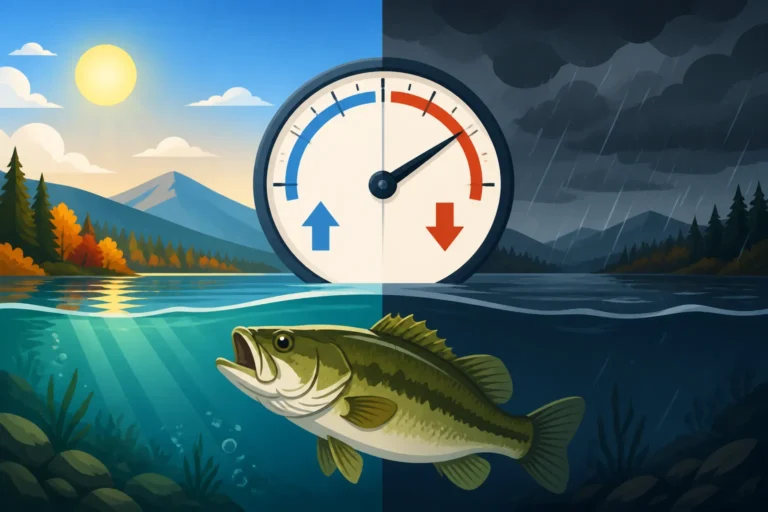
Barometric pressure is another subtle yet powerful influence. A falling barometer (indicating an approaching storm front) often signals increased feeding activity, as fish sense the change and feed aggressively before the weather hits. This can be a prime time for powerful reaction baits. A rising or high barometer (post-front) usually corresponds with a tougher bite, as fish tend to become less active and move deeper. While you can't control the weather, understanding its patterns and how smallmouth react to them allows you to adjust your approach and expectations, making you a more effective angler even on challenging days.
Understanding Lake Topography and Cover
New Hampshire's lakes, especially the larger glacial ones, boast incredible and varied topography. Mastering smallmouth fishing here means becoming an expert in reading underwater maps and understanding how fish relate to specific types of cover. Smallmouth are structure-oriented fish. They love hard-bottom features like rock piles, boulders, gravel flats, ledges, and steep drop-offs. These provide ambush points, protection, and habitat for their prey. Learning to identify these features on your electronic maps (or even visually in very clear, shallow water) is fundamental.
Beyond natural rock and gravel, submerged timber, old roadbeds, bridge pilings, and man-made structures like docks can also hold smallmouth, especially if they offer access to deeper water. In areas with significant weed growth, smallmouth will typically prefer the outside edges of weed lines, particularly where they transition to rock or sand, rather than burying themselves deep within the vegetation like largemouth might. Always look for "transition zones" – areas where two different types of bottom or cover meet. These can be incredibly productive, as they offer the best of both worlds for smallmouth and their prey.
On your depth finder, learn to interpret what you're seeing. Hard, distinct returns often indicate rock. Softer, flatter returns might be sand or silt. The ability to distinguish these, along with changes in depth (contour lines on your map), will guide your bait selection and presentation. Understanding the contours helps you plan drifts, troll paths, and casting angles to maximize your time in productive zones. Many of New Hampshire's prime smallmouth lakes, such as Lake Winnipesaukee, offer complex underwater worlds where understanding topography is the ultimate key to success.
Prime New Hampshire Lakes for Smallmouth Bass
New Hampshire is blessed with an abundance of fantastic smallmouth bass fisheries. While many lakes hold good populations, some truly stand out for their size, numbers, and scenic beauty.
Lake Winnipesaukee and its Challenges
Lake Winnipesaukee, the largest lake in New Hampshire, is an absolute smallmouth bass paradise – and a significant challenge. Its vast expanse of 72 square miles, deep basins, countless islands, rocky points, and submerged structures provide ideal habitat for trophy smallmouth. Anglers frequently catch fish in the 3-5 pound range, with larger bronzebacks always a possibility. However, its sheer size can be intimidating. You can spend days exploring and still only scratch the surface. The smallmouth here are highly migratory and can be found from the shallowest rocky shoals in spring to suspending over 80+ feet of water in summer.
The challenges on Winnipesaukee are primarily related to its size and complexity. Navigating its numerous islands and reefs requires careful attention to charts and electronics. Strong winds can quickly whip up dangerous waves, making smaller boats unsafe. The fishing pressure can also be intense, especially during peak season, so stealth and early starts are often rewarded. However, the rewards are immense. The lake is consistently ranked as one of the best smallmouth fisheries in New England. Focus your efforts on the countless rocky points, offshore humps, and steep drop-offs. Areas like the Broads, the entrance to the Basin, and the shores around some of the larger islands are historically productive. For a deeper dive into this incredible fishery, check out the Lake Winnipesaukee Smallmouth Bass Fishing guide.
Popular lures for Winnipesaukee smallmouth include drop shots with Gulp! Minnows or similar soft plastics, tube jigs, suspending jerkbaits (like the Megabass Vision 110 or Rapala Husky Jerk), and various crankbaits. During summer, don't miss the opportunity for explosive topwater action around rocky shorelines and shallow humps at dawn and dusk. The key to Winnipesaukee is persistence, covering water, and relying heavily on your electronics to find the subtle nuances of its expansive bottom. It truly holds some of the biggest smallmouth in the state, making the effort well worth it.
Squam Lake's Clear Waters
Squam Lake, famously known as the filming location for "On Golden Pond," offers a vastly different, yet equally rewarding, smallmouth bass experience. While smaller than Winnipesaukee, Squam is still a large lake known for its crystal-clear water, picturesque scenery, and incredible smallmouth population. The clarity of Squam Lake demands a heightened sense of stealth and finesse. Smallmouth here are often spookier due to the visibility, making long casts, lighter lines, and natural presentations crucial.
Like Winnipesaukee, Squam is rich in rocky structures – points, humps, and ledges are plentiful. The smallmouth here thrive on smelt and crayfish, so lures that imitate these forage items are highly effective. Drop shot rigs with small, natural-colored worms or minnows are a staple. Tube jigs, worked painstakingly slowly across rocky bottoms, also produce excellent results. Because of the clear water, sight fishing can sometimes be possible in shallower areas during the spawn, but remember the importance of respectful catch and release. For a detailed guide on this gem of a lake, consult the Squam Lake Fishing Guide.
One of the unique aspects of Squam is the opportunity for spectacular topwater action, especially during low light. The clear water means bass can see a topwater lure from a great distance, and their aggressive strikes are unforgettable. Focus on prominent rocky points and shallow rocky shelves early and late in the day. The tranquility of Squam Lake, combined with its challenging yet rewarding smallmouth fishing, makes it a favorite destination for many New Hampshire anglers.
Other Productive Smallmouth Fisheries
While Winnipesaukee and Squam often grab the headlines, New Hampshire is home to many other excellent lakes for smallmouth bass. Don't overlook these smaller, yet often equally productive, waters. Newfound Lake, known for its incredible water clarity and depth, offers fantastic smallmouth fishing, particularly around its numerous rocky structures and steep drop-offs. It holds a healthy population of larger smallmouth, and like Squam, finesse tactics in clear water are often the key.
Lake Sunapee, another beautiful, deep lake in western New Hampshire, also boasts a robust smallmouth population. Focus on its many points, islands, and submerged reefs. The smallmouth here often share habitat with landlocked salmon and lake trout, making for a diverse fishing experience. Other notable lakes include Lake Winnisquam, Ossipee Lake, and Merrymeeting Lake, all of which offer excellent rocky habitat and good numbers of smallmouth. Even many of the smaller, clearer ponds across the state that feature rocky bottoms can hold surprisingly good smallmouth, especially if they have deeper sections.
Many of these lesser-known lakes provide a less crowded fishing experience than the "big two." Researching local Best Fishing Lakes in New Hampshire or asking at local bait shops can reveal hidden gems. Always check New Hampshire Fish and Game Department resources for specific regulations and stocking reports, which can sometimes indicate strong baitfish populations that support healthy smallmouth. The beauty of New Hampshire is that a great smallmouth fishery is often just around the corner, waiting to be discovered.
Conservation and Responsible Angling Practices
As anglers, we have a responsibility to protect the resources we cherish. Practicing conservation and adhering to regulations ensures that future generations can enjoy the thrill of catching smallmouth bass in New Hampshire as much as we do today.
Catch and Release Best Practices
Smallmouth bass are a valuable sport fish, and many anglers choose to practice catch and release, especially for larger fish. Proper handling is crucial to ensure a high survival rate. When you land a smallmouth, minimize its time out of the water. Handle the fish gently with wet hands; dry hands can remove the fish's protective slime coat, making it susceptible to disease. Avoid holding the fish by its jaw vertically unless you are supporting its body horizontally. A firm grip on the lower lip with one hand, combined with supporting the belly with the other, is ideal.
When removing hooks, use needle-nose pliers or hemostats. If a fish is deeply hooked, especially in the gills or stomach, it's often best to cut the line as close to the hook as possible rather than trying to remove it. The hook will usually rust out over time. If the fish appears stressed or exhausted, revive it by holding it gently in the water, facing into the current, until it regains its strength and swims away on its own. Do not thrust it back and forth, as this can force water backward through its gills. Taking a quick photo is fine, but prioritize the fish's well-being over getting the perfect shot. These practices are especially important during the spawning season when fish are most vulnerable. For more details on safe handling, refer to guides on catch and release techniques.
Adhering to New Hampshire Regulations
Staying informed about and strictly following New Hampshire fishing regulations is not just good practice, it's the law. The New Hampshire Fish and Game Department publishes an annual freshwater fishing digest that outlines all rules, including season dates, bag limits, length limits, and any special regulations for specific water bodies. These regulations are designed to manage fish populations sustainably. For instance, New Hampshire Bass Limits and Slot Rules might include minimum or maximum length limits and daily possession limits.
Always purchase your New Hampshire fishing license before you head out, and carry it with you. Licenses can be easily obtained online, at local town clerks, or authorized agents. Be aware of any special regulations for catch-and-release only waters, or specific equipment restrictions. These rules can change from year to year, so don't rely on old information. A quick read of the current digest will keep you compliant and help protect the fishery. Penalties for violating fishing regulations can range from fines to loss of fishing privileges, so it's simply not worth the risk.
Understanding and respecting these regulations is part of being a responsible angler. They exist to ensure that New Hampshire's smallmouth bass populations remain healthy and abundant for generations to come. By doing our part, we contribute to the long-term enjoyment of this incredible sport.
Protecting Smallmouth Habitat
Beyond directly managing fish populations, protecting their habitat is paramount. Smallmouth bass thrive in clean, clear waters with abundant rocky structure and healthy baitfish populations. As anglers, we can contribute to habitat protection by practicing Leave No Trace principles: pack out everything you pack in, and leave the shoreline and waterways cleaner than you found them. Avoid introducing invasive species by cleaning your boat, trailer, and gear thoroughly between water bodies.
Support local conservation efforts and organizations that work to protect water quality and aquatic habitats. Be mindful of boat wakes, especially in shallow areas where spawning beds might be present. Avoid anchoring directly on top of sensitive habitats. Educate fellow anglers, especially newer ones, on the importance of these practices. Healthy smallmouth populations rely on healthy ecosystems, and our collective actions can make a significant difference. By being stewards of our New Hampshire lakes, we ensure that the thrilling pursuit of the smallmouth bass continues to be a cherished tradition.
| Season | Water Temp Range | Typical Depths (feet) | Primary Forage Focus | Key Lure Categories | Retrieve Style |
|---|---|---|---|---|---|
| Spring | 45-60°F | 5-25 | Smelt, Crayfish | Tubes, Jerkbaits, Finesse Jigs | Slow hop/drag, erratic jerk/pause |
| Summer | 65-75°F | 15-50+ | Smelt, Perch, Insects | Drop Shot, Swimbaits, Topwater | Vertical jig, steady retrieve, surface twitch |
| Fall | 60-45°F | 10-40 | Smelt, Shiners | Crankbaits, Jerkbaits, Spoons | Aggressive retrieve, slow jigging, long pauses |
| Winter | <40°F (Ice Fishing) | 20-60 | Smelt, Perch | Blade Baits, Spoons, Small Jigs | Vertical jigging, subtle lift/fall |
Disclaimer
The information provided in this guide is for informational purposes only and is based on general knowledge and common angling practices. Fishing conditions, regulations, and fish behavior can vary greatly. Always consult the most current New Hampshire Fish and Game Department regulations before fishing. Exercise caution and common sense when on the water. Fishing inherently carries risks, and safety should always be your top priority.