Best chest waders for cold water trout fishing
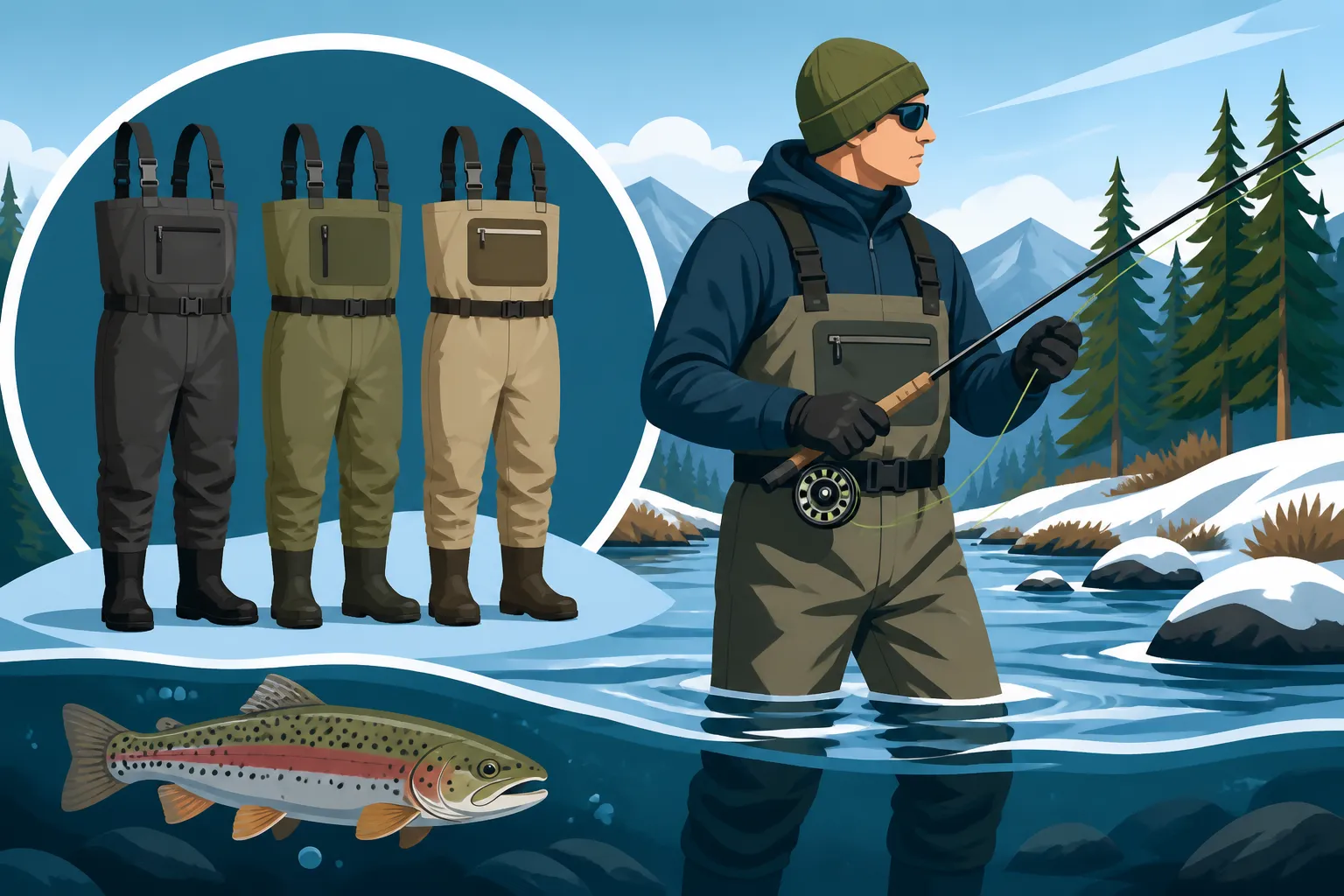
If you've ever stood knee-deep, or worse, waist-deep in a pristine New Hampshire trout stream on a crisp spring morning, only to feel that initial trickle of frigid water seeping into your boots, you know the instant, soul-crushing misery it brings. It turns a beautiful day of fishing into a desperate countdown to warmth, ruining concentration and cutting your time on the water short. This guide is all about helping you avoid that dreaded chill, focusing on the best chest waders designed to keep you warm, dry, and comfortable when chasing those elusive trout in the Granite State's often-icy waters.
Why Quality Waders Are Non-Negotiable for New Hampshire's Cold Waters
The allure of New Hampshire's trout fishing is undeniable, from the swift-flowing mountain streams to the clear, cold ponds. But that beauty comes with a catch: the water itself can be shockingly cold, even well into spring and through much of the fall. Relying on inadequate gear isn't just uncomfortable; it can be genuinely detrimental to your health and drastically limit your time enjoying the sport you love.
The Reality of New Hampshire Water Temperatures
Think about it: many of New Hampshire's prime trout waters are fed by snowmelt or are deep, spring-fed lakes and rivers. Even when the air temperature hits a pleasant 60 degrees in April or May, the water might still hover in the low 40s or even upper 30s. That's cold enough to cause rapid heat loss from your body, even through clothing. Early season trout fishing, especially for species like brook trout that thrive in colder environments, often puts you directly into these icy conditions. Imagine wading the Swift River in April, or casting into a high-elevation pond where the ice only recently melted; without proper protection, that excitement quickly turns into shivering regret.
Later in the season, during a cool fall day when the foliage is ablaze and the trout are aggressively feeding, river temperatures can again plummet. A sudden cold snap or even just the shaded areas of a stream can hold bone-chilling water. Investing in quality waders isn't about being overly cautious; it's about being prepared for the consistent reality of cold water fishing in New Hampshire, ensuring that your pursuit of Brook Trout: New Hampshire's Native Trout or any other species isn't cut short by the cold.
The Dangers of Hypothermia and Discomfort
Beyond just feeling miserable, exposure to cold water can be genuinely dangerous. Hypothermia, a condition where your body loses heat faster than it can produce it, is a real threat. Symptoms can range from shivering and numbness to confusion and loss of coordination, all of which are terrible to experience when you're far from shore or deep in a river. Even mild hypothermia compromises your judgment and fine motor skills, making casting, tying knots, or safely navigating slippery rocks far more difficult.
Furthermore, discomfort saps the joy out of fishing. If you're constantly thinking about how cold your legs are or how wet your socks feel, you're not focusing on reading the water, presenting your fly, or enjoying the serenity of nature. A good pair of cold water waders acts as a crucial barrier, allowing you to immerse yourself fully in the experience, extending your time on the water, and keeping you safe. It’s about more than just a piece of gear; it’s about enabling a truly enjoyable and safe day out.
Protecting Your Investment in a Fishing Trip
Let's be honest, a fishing trip to a prime New Hampshire spot isn't just about the fish you catch; it's an investment in time, travel, and often, other gear. You’ve planned your day, driven to the access point, maybe even consulted the New Hampshire Trout Stocking Report and Map for the best spots. Cutting that experience short because you're freezing is a waste of that investment. Quality waders protect that experience, allowing you to maximize your time actually fishing.
Think about the difference between a quick, shivering hour versus a comfortable, focused three-hour session. Those extra hours can make all the difference in finding that trophy fish or simply enjoying the peaceful solitude. By prioritizing proper cold water waders, you’re not just buying a product; you’re buying extended enjoyment, safety, and a higher chance of success on every New Hampshire fishing adventure. It’s an essential component of your Best Gear for New Hampshire Trout Fishing arsenal.
Key Features to Look for in Cold Water Chest Waders
Choosing the right chest waders for New Hampshire's cold water trout fishing isn't as simple as grabbing the first pair you see. There are specific features and considerations that make some waders far superior to others for keeping you warm and dry in frigid conditions. Let's break down what truly matters when you're making this crucial purchase.
Material Matters: Breathable vs. Neoprene – Pros and Cons for Cold Water
When it comes to wader materials, you'll generally find two main types: neoprene and breathable fabrics. Each has its place, but for cold water, the distinctions are critical.
Neoprene waders are essentially wetsuits for your lower body. Made from a synthetic rubber material, neoprene is known for its excellent insulating properties, trapping a thin layer of water against your skin (which then warms up from your body heat) or, in the case of dry waders, trapping air as an insulator. They come in various thicknesses, typically 3mm or 5mm, with 5mm being the go-to for truly frigid conditions. The biggest pro is their warmth; they are undeniably the warmest option. However, they don't breathe at all. This means that if you're hiking a distance to a stream or fishing on a warmer day, you can quickly become sweaty and clammy on the inside, which can lead to discomfort once you hit the cold water. They can also be bulkier and restrict movement more than breathable options.
Breathable waders, on the other hand, are typically made from multi-layered synthetic fabrics like Gore-Tex or proprietary materials from brands like Simms or Orvis. Their magic lies in their ability to allow water vapor (sweat) to escape from the inside out, while preventing liquid water from getting in. This keeps you dry from both external and internal moisture. For cold water, breathable waders require strategic layering underneath for warmth, such as fleece pants or insulated base layers. Their main pros are comfort, reduced bulk, and versatility across a wider range of temperatures. The con for extreme cold is that if you don't layer adequately, they won't provide as much inherent warmth as neoprene. However, with the right layering, a good pair of insulated breathable waders can be incredibly effective and more comfortable for active fishing.
Insulation and Layering
For true cold water fishing in New Hampshire, insulation is paramount. Some waders, particularly neoprene models, come with inherent insulation due to their material thickness. Certain breathable waders might also feature some form of built-in insulation, often a thin layer of synthetic material.
However, the most versatile approach with breathable waders is layering. This allows you to customize your warmth based on the exact conditions. You'd typically start with a moisture-wicking base layer, add a fleece or synthetic mid-layer, and then put on your waders. This creates air pockets that trap heat and provides flexible warmth. When choosing waders, consider if you prefer the "all-in-one" warmth of thick neoprene or the adaptable warmth of layered breathable waders. A thick pair of fleece pants underneath breathable waders can often provide comparable warmth to neoprene without the bulk and sweat issues. Brands found on platforms like Bass Pro Shops and Amazon often offer a range of layering options specifically designed for cold weather fishing.
Durability and Construction
New Hampshire's fishing spots aren't always manicured paths. You'll likely encounter sharp rocks, thorny bushes, and rough terrain as you navigate riverbanks and stream beds. Your waders need to be tough to withstand this abuse. Look for waders with reinforced knees and seat areas, as these are high-wear points. The quality of the seams is also critical; poor seams are often the first place leaks develop. Reputable brands use sophisticated seam-taping and sonic welding technologies to create watertight, durable connections.
Furthermore, consider the construction of the boots if you opt for bootfoot waders, or the durability of the stockingfoot material if you prefer separate Best Wading Boots for Rocky Streams. For bootfoot, look for insulated boots, often with Thinsulate or similar materials, and rugged, cleated soles for traction on slippery surfaces. For stockingfoot waders, the neoprene booties should be thick and comfortable, designed to fit snugly inside your wading boots without bunching. This overall robust construction is what prevents that dreaded cold water breach.
Fit and Comfort
A proper fit is crucial for both comfort and performance. Waders that are too tight will restrict your movement, making it hard to walk, cast, or climb over obstacles. They can also put undue stress on seams, leading to premature leaks. Waders that are too baggy will bunch up, create excess drag in the water, and hinder your mobility, making you feel cumbersome and potentially tripping you up.
Always check the sizing charts carefully, paying attention to chest, inseam, and foot size (for stockingfoot waders). Many manufacturers, like those you’d find on Amazon, provide detailed charts to ensure a good fit. Look for adjustable suspenders and a wading belt. The belt is not just for comfort; it's a critical safety feature that helps prevent your waders from filling completely with water if you take a spill. Features like hand warmer pockets, internal storage pockets for small gear, and external D-rings for attaching tools also contribute significantly to overall comfort and convenience, especially when your hands are numb from the cold.
Types of Chest Waders Best Suited for New Hampshire's Cold Trout Waters
When you're gearing up for a cold-weather fishing expedition in New Hampshire, the type of wader you choose can make or break your comfort and safety. Let's delve into the specific kinds of chest waders and when they truly shine in the Granite State.
Neoprene Waders: When and Why to Choose Them
Neoprene waders are the traditional choice for maximum warmth, and for good reason. They are the closest thing to wearing a full wetsuit while still allowing you to fish. Made from a closed-cell foam material, neoprene traps insulating air pockets, providing excellent thermal protection even when fully submerged. For truly bitter cold conditions, say early spring fishing on a high-elevation stream in the White Mountains or late-season fall fishing when ice might be forming on the edges of the river, a 5mm neoprene wader is often your best friend.
Imagine standing in a stream like the Pemigewasset River in early April, the water feeling like it just melted from a glacier. In these scenarios, neoprene waders provide an immediate, consistent warmth that breathable waders, even with heavy layering, sometimes struggle to match. They are also generally more puncture-resistant than many breathable fabrics, which can be an advantage when navigating through thick brush or over sharp rocks along unfrequented fishing spots. The trade-off, as mentioned, is breathability. If you’re hiking a mile to get to your fishing hole, you might arrive a bit sweaty. However, for static fishing in truly cold water, or if you plan on doing a lot of Ice Fishing in New Hampshire where you might be kneeling or sitting in slush, neoprene offers an unparalleled level of warmth.
Insulated Breathable Waders: The Hybrid Approach
For many active New Hampshire anglers, insulated breathable waders offer the best of both worlds. These waders combine the moisture-wicking properties of breathable fabrics with a layer of insulation, often Primaloft or Thinsulate, laminated within the wader's layers. This design aims to provide significant warmth without the bulk and clamminess associated with pure neoprene.
These waders are fantastic for situations where you might be covering a lot of ground between fishing spots, or when the air temperature is mild but the water is still cold. For example, if you're Wading Techniques for New Hampshire Trout Streams on a brisk October day, where you might hike a bit, then stand in the water, then hike again, insulated breathable waders allow you to stay dry from both outside and inside. You can still layer underneath for extra warmth, providing a highly customizable system. They tend to be more expensive than basic breathable or neoprene waders, but for their versatility and comfort in varying cold conditions, many anglers find them worth the investment. Think of the active angler who targets Fly Fishing for Trout in New Hampshire streams and values mobility and consistent temperature regulation above all else.
Stockingfoot vs. Bootfoot for Cold Conditions
The choice between stockingfoot and bootfoot waders also heavily impacts your cold water comfort and safety.
Bootfoot Waders: These waders have the boots permanently attached, meaning there are no seams between the wader and the boot, which can reduce leak points. For cold weather, bootfoot waders offer several advantages. Many bootfoot models come with integrated insulated boots, often with significant Thinsulate or similar insulation, which keeps your feet much warmer than separate wading boots might. This is especially true if you plan on standing still for extended periods, perhaps during Best Techniques for Early Spring Trout on a riverbank or in a pond. They are also incredibly convenient to get on and off, which is a blessing on a freezing morning. However, bootfoot waders can be bulkier, heavier for hiking, and the fit of the boot might not be as precise or supportive as a dedicated wading boot. If the boot wears out, you're looking at replacing the whole wader.
Stockingfoot Waders: These waders have neoprene "socks" or "stockings" at the bottom, which require you to wear separate wading boots. While this means an extra piece of gear, it offers superior ankle support and better traction with specialized wading boots, which is crucial for safety on slippery, rocky New Hampshire river bottoms. You also have the flexibility to choose highly insulated wading boots and layer thick wool socks underneath, customizing your foot warmth. The combination of well-fitting stockingfoot waders and insulated Best Wading Boots for Rocky Streams allows for maximum mobility and precise footing, which is invaluable when navigating challenging terrain. The main downside is the extra time to put them on and take them off, and the potential for cold spots if your boots aren't adequately insulated or if the neoprene booties aren't thick enough. For anglers who prioritize agility and a precise fit, especially those who do a lot of Wading Techniques for New Hampshire Trout Streams, stockingfoot is often the preferred choice, especially when paired with top-tier insulated boots.
Here's a quick comparison of the main wader types for New Hampshire's cold waters:
| Feature | Neoprene Waders | Insulated Breathable Waders |
|---|---|---|
| Primary Benefit | Maximum warmth, inherent insulation | Breathability, versatile warmth with layering |
| Insulation | Excellent (3mm-5mm thick material) | Good (built-in insulation layer) |
| Breathability | None (can get sweaty inside) | Excellent (allows sweat to escape) |
| Mobility | Can be bulky, more restrictive | Lighter, less bulky, excellent mobility |
| Durability | Good puncture resistance | Good, often reinforced high-wear areas |
| Ideal Use Case | Extremely cold water, minimal hiking, static fishing | Active fishing, varying temperatures, long walks, layering |
| Foot Type | Often bootfoot (insulated) | Usually stockingfoot (requires separate boots) |
| Typical Cost | Moderate to High | High to Premium |
Maintaining Your Waders for Longevity in the Granite State
Investing in a good pair of cold water waders for New Hampshire fishing is a smart move, but to truly make that investment last, proper care and maintenance are absolutely essential. Neglecting your waders can lead to premature wear, mildew, and those dreaded leaks that send shivers down your spine.
Cleaning and Drying Best Practices
After a long day of chasing trout in the Swift River or navigating the shoreline of Lake Winnipesaukee, it's tempting to just toss your waders in the corner. Resist that urge! Proper cleaning and drying are the most critical steps to extend their life.
First, give them a good rinse, inside and out, with fresh, cool water. This removes mud, dirt, algae, and any microscopic debris that could degrade the fabric or seams over time. Pay special attention to the boot area if you have bootfoot waders, or the neoprene booties of stockingfoot waders. Use a soft brush for stubborn dirt, but avoid harsh detergents or scrubbing vigorously, which can damage the waterproof coating. If your waders start to develop an odor, a very mild, non-detergent soap solution (like McNett Revivex Wader & Gear Cleaner, often available at Bass Pro Shops) can be used, but always rinse thoroughly afterwards.
Once clean, the most crucial step is to dry them completely, both inside and out. Hang your waders upside down first to allow any water inside to drain and air out. You can use a dedicated wader hanger or even just a sturdy hanger on a clothesline or in a well-ventilated area. After the inside is dry, flip them right side up and ensure the exterior dries thoroughly. Never dry waders in direct sunlight for extended periods or near a direct heat source like a radiator or campfire, as this can degrade the waterproof membranes and seam tape. Air circulation is key. If you find yourself needing to quickly dry the inside, a fan can be a lifesaver, but always prioritize gentle, thorough drying.
Storage Tips
How you store your waders between fishing trips is just as important as how you clean them. The goal is to prevent creases, mildew, and damage from pests.
Once completely dry, store your waders by hanging them, ideally from their suspenders, in a cool, dry, dark place. A closet, garage, or shed away from direct sunlight and extreme temperature fluctuations is perfect. Hanging them prevents hard creases from forming, which can stress the fabric and lead to micro-cracks over time. If hanging isn't an option, gently roll them up rather than folding them sharply. Avoid storing them in a damp basement or a hot attic, as these conditions are prime breeding grounds for mildew and can accelerate material degradation. Ensure no sharp objects are stored near them that could cause punctures. If you're storing them for the off-season, consider placing a dryer sheet inside to keep them smelling fresh.
Repairing Minor Leaks
It happens to the best of us: a rogue thorn, a sharp rock, or just years of use can eventually lead to a small leak. The good news is that many minor leaks are easily repairable, saving you the cost of a brand new pair.
First, you need to find the leak. The easiest way is to turn your dry waders inside out, then use a spray bottle filled with rubbing alcohol to mist the inside of the wader. The alcohol will darken the fabric as it evaporates, but when it hits a pinhole leak, it will leave a distinct wet spot on the exterior. Another common method is to fill the waders with water (being careful not to overfill and stress the seams) and look for drips on the outside.
Once you’ve located the leak, clean and dry the area thoroughly. For small punctures or tears in breathable waders, a specialized wader repair kit (like those from Aquaseal or McNett, readily available from Bass Pro Shops or Amazon) usually contains a flexible adhesive and often a fabric patch. Apply the adhesive liberally to cover the hole and a small area around it. For larger tears, you might need to apply a fabric patch over the adhesive for extra reinforcement. For neoprene waders, a neoprene cement or patch kit is typically used. Allow ample time for the repair to cure completely, often 12-24 hours, before getting them wet again. Taking the time to do these small repairs means you can get many more seasons out of your trusted gear. New Hampshire Fishing License Guide for 2026 is a great resource, but make sure your waders are in top shape before you even think about hitting the water!
Disclaimer
This article is for general informational purposes only and does not constitute professional advice. Laws, prices and regulations vary by location and change over time. Consult a qualified professional for guidance on your specific situation.