Best breathable waders for summer fishing
There's nothing quite like the allure of New Hampshire's rivers and lakes on a warm summer day, but that classic anticipation can quickly turn into a sweaty, uncomfortable reality if you're stuck in the wrong waders. Many anglers dread the thought of pulling on heavy, non-breathable waders in July or August, knowing they'll be soaked from the inside out within minutes. This guide is here to solve that very problem, helping you stay cool, dry, and focused on the fish, not the heat, with the best breathable waders for summer fishing.
Why Breathable Waders Are a Summer Essential in New Hampshire
Summer fishing in New Hampshire offers incredible opportunities, from chasing trout in cool mountain streams to pursuing smallmouth bass along the rocky shorelines of our larger lakes. However, the warmer temperatures and increased humidity can make traditional waders a suffocating experience. This is where breathable waders truly shine, transforming a potentially miserable outing into a comfortable and extended angling adventure.
The Sweat-Soaked Reality of Non-Breathable Waders
Imagine this: the sun is high over the Swift River, a gentle breeze rustles the leaves, and the trout are rising. You're eager to get into the perfect position, but you're wearing your trusty old neoprene or rubber waders. As soon as you start moving, even just walking along the bank, the heat begins to build. Within minutes, your legs are slick with sweat, and that damp, clammy feeling creeps in. It's not just uncomfortable; it's genuinely distracting. You find yourself constantly adjusting, itching, and wishing you were anywhere but inside that sweat-trap.
This kind of discomfort can drastically cut short your fishing trips. What was meant to be a relaxing morning on the water turns into a race against your own rising body temperature. Instead of focusing on your presentation or reading the currents, your mind is preoccupied with how hot and sticky you feel. For many, this leads to avoiding waders entirely during the summer, forcing them to stick to bank fishing or wet wading only, which isn't always ideal for reaching those prime spots or for longer days. New Hampshire summers, especially in humid river valleys, demand a better solution.
Connecting this frustration to New Hampshire's specific conditions, consider a day spent wading the Pemigewasset River. The water might be delightfully cool, but the air temperature can easily climb into the 80s or 90s, especially with high humidity. If you're wearing waders that don't allow moisture vapor to escape, that cool water feeling will be quickly overshadowed by the oppressive warmth inside your gear. This isn't just about personal preference; it's about maximizing your time and enjoyment on the water, something every angler in the Granite State values deeply.
How Breathable Fabrics Work Their Magic
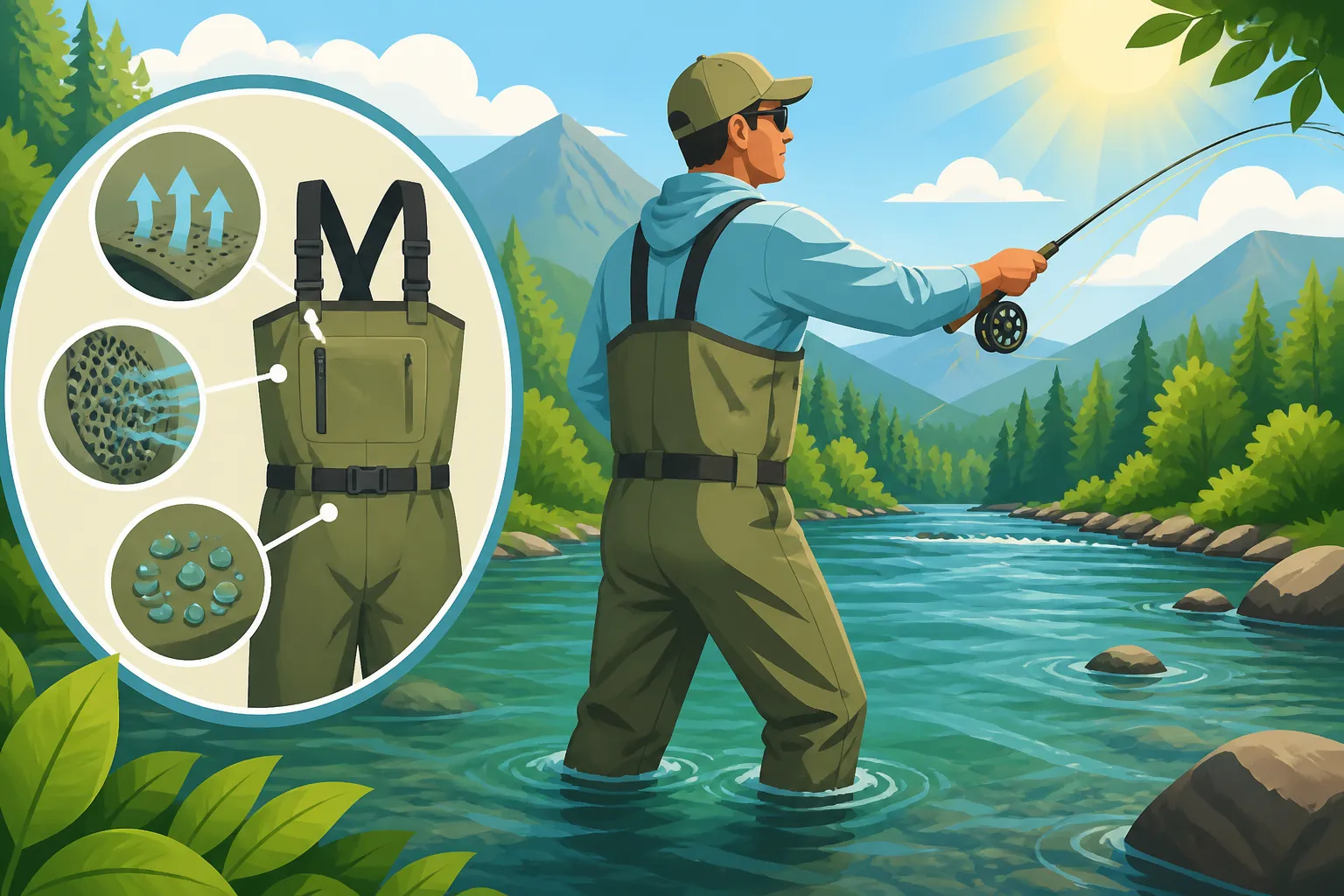
The science behind breathable fabrics is truly ingenious and makes all the difference for summer comfort. Unlike traditional waterproof materials that are essentially solid barriers, breathable fabrics feature a membrane with microscopic pores. These pores are too small for liquid water droplets (like rain or stream water) to pass through, keeping the outside moisture out. However, they are large enough to allow water vapor molecules (your sweat, in gaseous form) to escape. It's like having a one-way valve for moisture.
This intelligent membrane technology is what keeps you dry from the inside out. As your body heats up and produces sweat, that sweat evaporates into water vapor. The difference in humidity and temperature between the warm, moist air inside your waders and the cooler, drier air outside creates a pressure gradient. This gradient drives the water vapor through the membrane, allowing it to dissipate into the atmosphere. The result? Your internal microclimate remains much more stable, preventing that clammy, saturated feeling that plagues non-breathable materials. It’s a game-changer for extended periods of activity, like navigating rocky river beds or hiking to a secluded trout pond.
Compare this to old-school PVC or rubber waders. These materials are indeed waterproof, but they're also entirely vapor-proof. Any sweat you generate is trapped inside, condensing on the interior fabric and making you feel just as wet as if you were leaking. There's no escape for that internal moisture, leading to rapid overheating and discomfort. With breathable waders, even on a scorching day chasing New Hampshire Trout Stocking and Fishing Rules, you'll experience a noticeable difference in how much more comfortable and regulated your body temperature feels, allowing you to focus on the fishing, not the struggle against your gear.
Key Features to Look for in Summer Breathable Waders
When you're ready to upgrade your summer fishing experience, knowing what to look for in breathable waders can make all the difference. It's not just about the "breathable" label; specific features contribute to comfort, durability, and overall performance in New Hampshire's varied fishing environments.
Material and Construction for Optimal Airflow
The heart of any good breathable wader lies in its material and how it's constructed. You'll often hear about premium materials like Gore-Tex, which set the gold standard for waterproof breathability, but many reputable brands also have their own proprietary technologies that offer excellent performance. For summer, you want to prioritize lighter fabric weights. While heavier, multi-layer waders are fantastic for cold weather, they can be overkill and reduce airflow in warmer conditions. Look for descriptions like "lightweight," "single-layer," or "3-layer construction" that indicate a balance of durability and minimal bulk.
Beyond the fabric itself, pay attention to the overall construction. The fewer seams, the better, as seams are potential points of failure and can add bulk. However, well-constructed seams are crucial. Look for waders that boast reinforced seams, often taped or welded, which provide waterproof integrity without sacrificing flexibility or adding unnecessary weight. Some waders might incorporate different fabric densities in key areas – tougher material in the legs for abrasion resistance and lighter, more breathable material in the upper body. This strategic design is ideal for navigating the varied terrain of New Hampshire's Best Fly Fishing Rivers in New Hampshire, where you might be scrambling over rocks one minute and standing chest-deep in a pool the next.
Consider the interior lining as well. Some breathable waders feature a smooth, comfortable lining that helps wick moisture away from your skin, further enhancing that dry feeling. The goal is to facilitate moisture transfer from your body, through the wader fabric, and out into the environment. A well-designed breathable wader will feel surprisingly comfortable against your skin, even after hours of active fishing, allowing you to focus on the subtleties of Wading Techniques for New Hampshire Trout Streams rather than the irritation of your gear.
Fit, Mobility, and Comfort for Long Days on the Water
Even the most breathable waders are useless if they don't fit well or restrict your movement. A proper fit is paramount for comfort and safety, especially when you're casting, bending, and maneuvering through currents. You want enough room for layering a light base layer if needed, but not so much that the fabric bunches excessively, creating drag or wear points. Check for articulated knees or a gusseted crotch; these design elements provide enhanced mobility, allowing you to step over obstacles or climb steep banks without feeling constrained.
When it comes to the foot area, you'll generally find two main styles: bootfoot and stockingfoot. For summer fishing, stockingfoot waders are often preferred because they allow you to pair them with lightweight, breathable wading boots. This combination offers superior ankle support, better traction on slippery rocks (a must for many New Hampshire waterways), and can be more comfortable for walking longer distances. Plus, you can choose boots that drain quickly and dry efficiently, a huge bonus in warm weather. Best Wading Boots for Rocky Streams should complement your breathable waders perfectly.
Practical comfort details should not be overlooked. Adjustable suspenders are a given, but look for ones that are comfortable and don't dig into your shoulders, especially if you're carrying a pack. A secure wading belt is essential for safety, keeping water out if you take an accidental plunge, but also for supporting the waders' weight and providing a snug fit. While hand-warmer pockets aren't strictly "summer" features, a small zippered pocket on the chest can be invaluable for stashing a fly box, a pair of nippers, or your car keys, keeping essential items secure and within easy reach.
Practical Details for New Hampshire Anglers
New Hampshire's fishing landscape presents unique challenges and opportunities, and your waders should be up to the task. Practical details in breathable waders can significantly enhance your experience, especially during the warmer months.
One crucial feature, often overlooked until you need it, is built-in gravel guards. These integrated cuffs fit over your wading boots and prevent sand, pebbles, and other debris from entering your boots. If you've ever had a pebble work its way into your wading boot mid-stream, you know how quickly it can ruin a fishing session. Given the often rocky and sandy bottoms of many New Hampshire rivers and lakeshores, from the Connecticut River to Lake Winnipesaukee, reliable gravel guards are indispensable. They save your socks, prevent blisters, and extend the life of your expensive wading boots.
Accessory pockets are another detail that can make a big difference. Even in summer, you'll want a place to keep essentials. A waterproof zippered pocket on the chest is perfect for items you need to keep dry, like your phone (though always use an extra dry bag for electronics) or your Printing or Carrying a Digital Fishing License in New Hampshire. Smaller mesh pockets can be great for quick access to a spool of leader, a tippet holder, or a small box of flies. Think about how you typically organize your gear and choose waders that offer smart storage solutions. You don't want to be constantly digging through a backpack when you're knee-deep in water trying to land a fish.
Finally, consider the overall durability of the waders, even if they are lightweight for summer. New Hampshire's terrain can be tough on gear, with sharp rocks, submerged branches, and dense riverside vegetation. While no wader is entirely puncture-proof, look for brands known for robust construction and good customer service regarding repairs. Some breathable waders might feature reinforced lower legs to withstand abrasion, which is a sensible compromise for fishing in rugged areas. Even if you're only targeting How to Catch Smallmouth Bass in New Hampshire Lakes from shore, you might still encounter thorny bushes or sharp rocks on the way to your spot.
Choosing the Right Breathable Waders for Your New Hampshire Adventures
Selecting the perfect pair of breathable waders involves a blend of understanding your specific fishing needs, knowing where to find quality gear, and committing to proper maintenance. It’s an investment that pays dividends in comfort and enjoyment on the water.
Matching Waders to Your Fishing Style and Location
Your ideal breathable waders will largely depend on how and where you fish in New Hampshire. Are you primarily a fly angler who spends hours wading upstream in swift-moving trout rivers like the Ellis or the Ammonoosuc? Then you'll want waders that prioritize mobility, durable lower-leg reinforcement, and a comfortable stockingfoot design to pair with aggressive wading boots. The focus here is on protection from abrasion and excellent grip on slippery river rocks.
Perhaps your passion is fishing the cooler edges of a large lake for bass or pickerel, occasionally stepping into the water but spending more time moving along the shoreline or from a Best Kayak for River Fishing in New Hampshire. In this case, a lighter, more minimalist breathable wader might be perfect. You might not need the heaviest-duty leg protection, but comfort for walking and standing will be key. If you're targeting Best Shore Fishing Spots in New Hampshire, a simpler design might offer all the breathability you need without unnecessary bulk.
It's also worth thinking about occasional shoulder season use. While these are primarily summer waders, many breathable options can be extended into spring and fall with proper layering. A good breathable wader should have enough room to comfortably wear thermal leggings underneath if the water is chilly, without being so baggy that it impedes movement. This versatility means you can get more use out of your investment, transitioning seamlessly from a warm summer day to a brisk autumn morning without needing a completely separate set of waders.
Brands and Where to Find Them
When it comes to finding quality breathable waders, you'll encounter a wide range of brands. Many specialize in fly fishing gear, but their waders are suitable for all types of wading. It's always a good idea to seek out reputable fishing brands known for their outerwear and wader construction. These companies often use high-quality materials and back their products with warranties or repair services.
For those who prefer to try before they buy, or want to speak with knowledgeable staff, large outdoor retailers are excellent resources. Stores like Bass Pro Shops can offer a good selection of waders from various manufacturers. Being able to physically try on different sizes and styles is incredibly valuable, as fit is paramount. You can also assess the feel of the material, the quality of the zippers, and the comfort of the suspenders firsthand. Don't be shy about asking staff for recommendations based on your specific New Hampshire fishing plans; they often have great local insights.
If you're comfortable purchasing online, platforms like Amazon provide an enormous selection. Here, you can compare different models, read countless user reviews, and often find competitive pricing. When buying online, pay extra attention to sizing charts, as wader sizes can sometimes vary between brands. Look for detailed product descriptions regarding the fabric technology and features. Many online listings will also include videos or 360-degree views that can give you a better sense of the waders' construction and features before they arrive at your door.
Here's a quick comparison of common wader types for New Hampshire fishing, with a focus on summer utility:
| Wader Type | Primary Material | Key Benefit in Summer | Drawbacks in Summer | Ideal New Hampshire Use Case |
|---|---|---|---|---|
| Breathable | Gore-Tex, proprietary membranes | Excellent sweat ventilation, lightweight | Higher initial cost, requires careful care | Trout streams, shallow lake wading, active fishing, long hikes |
| Neoprene | Neoprene | Insulation, durability, good for cold water | Very hot, poor breathability, bulky | Best for ice fishing or very cold spring/fall water, not summer |
| PVC/Nylon | PVC/Nylon coated fabric | Very affordable, completely waterproof | No breathability, heavy, clammy interior | Very occasional use, short periods, stationary fishing in cool weather |
Maintaining Your Breathable Waders for Longevity
Investing in a good pair of breathable waders for summer fishing means you'll want them to last. Proper care and maintenance are crucial to preserve their waterproof and breathable properties. Ignoring these steps can lead to premature leaks, degraded performance, and a wasted investment.
First and foremost, always clean and dry your waders thoroughly after each use. Dirt, mud, and stream grime can clog the microscopic pores of the breathable membrane, reducing its ability to vent moisture. A gentle rinse with fresh water, especially the inside, helps prevent this. More importantly, ensure they are completely dry, both inside and out, before storing them. Hanging them upside down or draping them over a shower rod in a well-ventilated area is ideal. Never store them crumpled in a bag or a damp corner, as this is a recipe for mildew, which can irreversibly damage the fabric and cause them to smell terrible. Mildew not only looks unsightly but can also compromise the fabric's integrity.
Even the best breathable waders can get a small puncture or tear, especially if you're navigating rough terrain or thorny bushes. Don't despair! Most minor leaks can be easily repaired with specialized wader repair kits, which typically include patches and adhesive. It's a good idea to carry a small repair kit with you, especially on longer trips, so you can address a leak immediately. Regular inspection of your waders for small nicks or abrasions can help you catch and fix issues before they become major problems. Many manufacturers also offer professional repair services for more significant damage, so check their policies. Keeping an eye on small snags means you'll be ready for next season's New Hampshire Fishing Regulations Explained.
Finally, proper storage is key to extending the lifespan of your breathable waders. Avoid storing them folded tightly or compressed for long periods, as this can create permanent creases that weaken the fabric or compromise the waterproof membrane. Hanging them full length in a closet or on a wide hanger is the best method. If hanging isn't an option, roll them loosely rather than folding. Keep them out of direct sunlight and away from extreme heat, which can degrade the synthetic materials over time. By taking these simple steps, your breathable waders will remain a reliable and comfortable companion for many seasons of New Hampshire summer fishing adventures.
Disclaimer
This article is for general informational purposes only and does not constitute professional advice. Laws, prices and regulations vary by location and change over time. Consult a qualified professional for guidance on your specific situation.