Best fluorocarbon leader for clear lake bass
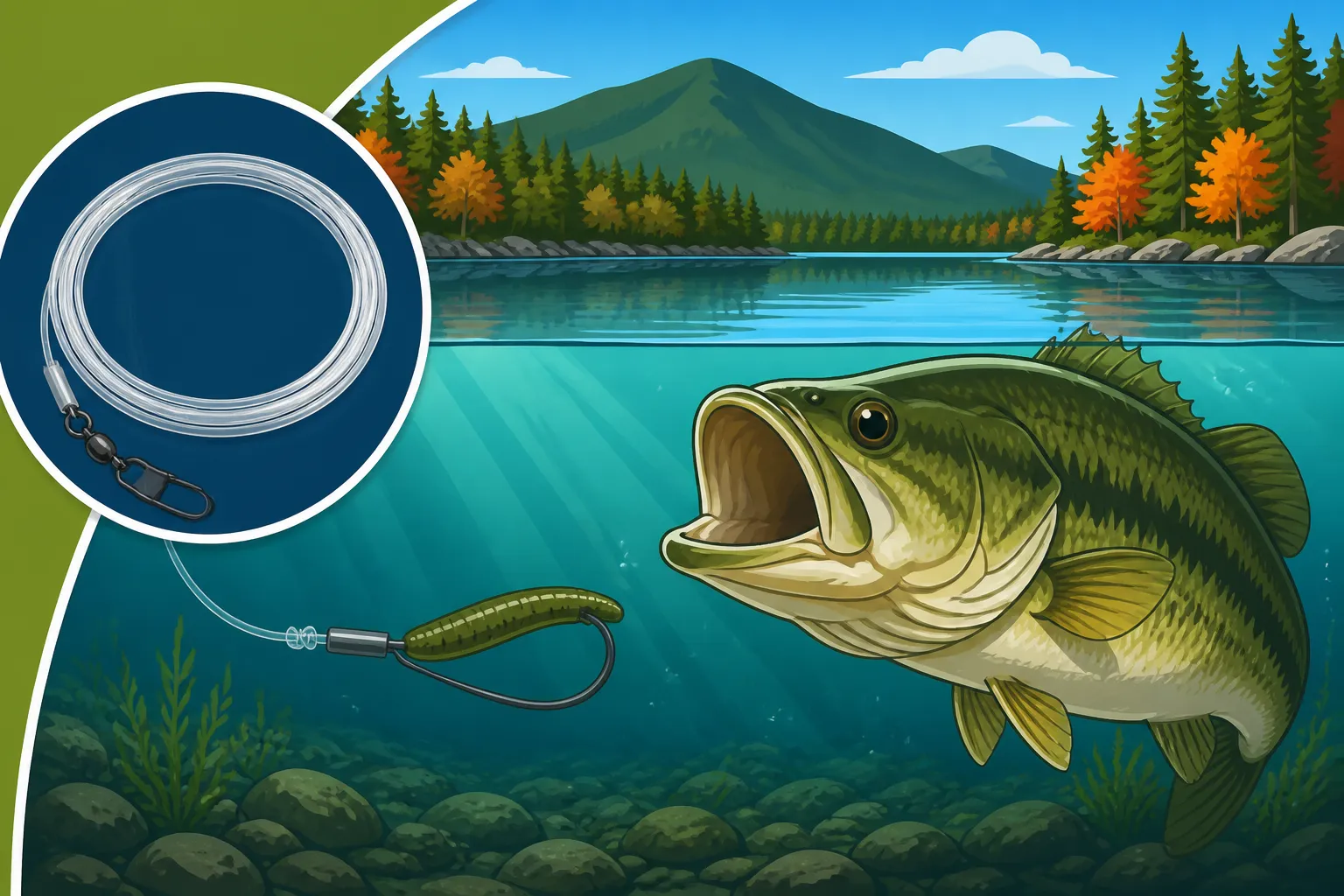
Fishing for bass in New Hampshire's notoriously clear lakes can be both incredibly rewarding and incredibly frustrating. Those crystal-clear waters, while beautiful to behold, mean that bass can often see your line, spooking them before they even consider biting. If you've ever felt like the fish are just ignoring your perfectly presented lure, it might be your line giving you away. This guide is all about understanding why fluorocarbon leader is your secret weapon for fooling wary bass in New Hampshire's transparent waters and how to rig it effectively.
The Clear Advantage: Why Fluorocarbon Leader Shines for New Hampshire Bass
When you're staring down into a lake like Winnipesaukee, Sunapee, or Squam, and you can see a good 10-15 feet into the water, you know the bass can see even better. Monofilament line, while great for many applications, has a refractive index that makes it quite visible underwater. Braided line, with its opaque nature and often brighter colors, is even more obvious. This is where fluorocarbon leader comes into its own, offering several distinct advantages that can dramatically improve your catch rate.
Virtually Invisible Underwater
This is the big one. Fluorocarbon has a refractive index very close to that of water, which means light passes through it with minimal bending. Think of it like trying to see a glass rod submerged in water – it almost disappears. For bass that are constantly under pressure, especially in popular spots, seeing a thick, obvious line can be an instant turn-off. Using a fluorocarbon leader creates a nearly invisible connection between your main line and your lure, presenting your bait in the most natural way possible. It's the difference between a natural-looking minnow swimming freely and one that looks like it's on a leash. This stealth factor is paramount when targeting finicky smallmouth or largemouth bass in our state's pristine lakes and ponds.
Superior Abrasion Resistance
New Hampshire's bass lakes are often filled with structure – rocky points, submerged timber, weed beds, and even old dock pilings. These are the places bass love to hide and ambush prey, and they're also notorious for shredding fishing lines. Fluorocarbon is incredibly dense and tough, offering much higher abrasion resistance than monofilament. When a bass takes your lure and dives into a brush pile or rubs your line against a sharp rock, a fluorocarbon leader is much more likely to withstand the abuse, preventing heartbreaking break-offs. This added durability can save you not just fish, but also precious lures, making it a smart investment for any serious angler.
Enhanced Sensitivity and Hook Sets
Beyond its invisibility, fluorocarbon also transmits vibrations incredibly well. Its density and low stretch mean that you can feel even the most subtle taps and bites from a bass. Imagine a light bite on a jig in 20 feet of water – with a less sensitive line, you might miss it entirely. With fluorocarbon, those faint vibrations travel up your line and rod, letting you know exactly what's happening at the business end. This increased sensitivity allows for quicker, more decisive hook sets, especially when you're fishing soft plastics or jigs for bass that might inhale and exhale a bait almost instantly. For example, when you're working a tube jig for smallmouth on a rocky shoal, that extra feel can be the difference between connecting and missing the fish.
Choosing the Right Fluorocarbon Leader for New Hampshire Bass
Selecting the correct fluorocarbon leader isn't a one-size-fits-all situation. The ideal pound test and length will depend on a few key factors: the size of the bass you're targeting, the type of lure you're using, and the overall fishing conditions.
Understanding Pound Test and Diameter
The "pound test" refers to the breaking strength of the line. Generally, heavier pound test lines are thicker and stronger, while lighter lines are thinner and less visible.
- Light Leader (6-10 lb test): This is your go-to for smaller lures, finesse techniques, and when bass are extremely shy. It's perfect for delicate presentations with shaky heads, drop shots, or small jerkbaits. If you're targeting smallmouth bass in very clear, calm waters, like certain sections of Newfound Lake, a lighter leader will give you the most natural presentation. It's a fantastic choice when the fish are pressured or when fishing tiny jigs for panfish that might also grab your bass lure.
- Medium Leader (12-17 lb test): This is the workhorse for most bass fishing situations in New Hampshire. It offers a good balance of strength, abrasion resistance, and relative invisibility. Use this for crankbaits, spinnerbaits, larger jigs, and Texas rigs. If you're throwing a medium-sized crankbait on Lake Winnisquam, or a jig for Largemouth Bass Fishing in New Hampshire, this range will cover most scenarios effectively.
- Heavy Leader (20+ lb test): When you're fishing heavy cover – thick lily pads, dense brush, or around docks – or throwing big swimbaits and punching jigs, a heavier leader is essential. While it's more visible, the increased strength and abrasion resistance are crucial for getting those big bass out of snag-filled areas. You might opt for this when fishing for big largemouth in weed-choked ponds, where you need to muscle a fish out quickly before it wraps you up.
Optimal Leader Length
The length of your fluorocarbon leader is also important. Too short, and the invisibility benefit is minimal as your main line still spooks fish. Too long, and it can become unwieldy for casting, especially with spinning gear, and can reduce sensitivity slightly.
- Short Leader (1-2 feet): Generally used when you're primarily concerned with abrasion resistance, or when you have very clear water but are fishing with a braided main line that you want to keep mostly out of sight. It's a quick fix to protect against nicks and cuts.
- Standard Leader (3-6 feet): This is the most common and versatile length for bass fishing. It provides ample stealth and shock absorption without compromising casting distance or feel. It's a great starting point for How to Catch Smallmouth Bass in New Hampshire Lakes with various techniques.
- Long Leader (7-10+ feet): Some anglers prefer a longer leader, especially when fly fishing or when fishing extremely clear water with very light bites. It maximizes the "invisible" zone and gives the fish more room to inspect the bait without seeing the main line. However, be mindful of how a long leader impacts your casting and retrieval, particularly when it comes to bringing the knot through your rod guides.
Quality Matters: Brands to Consider
Not all fluorocarbon leaders are created equal. Investing in a good quality leader can make a noticeable difference in knot strength, abrasion resistance, and overall performance. Brands like Seaguar and Berkley Vanish are well-regarded for their fluorocarbon products. You can find a wide selection of these reputable brands at outdoor retailers like Bass Pro Shops or conveniently browse options and read reviews on Amazon. Always check the specific characteristics, as some fluorocarbon lines are stiffer than others, which can affect lure action or knot tying.
Here's a quick guide to help you select:
| Leader Strength (lb test) | Primary Target Species/Size | Ideal Lure Types | Typical Water Conditions | Key Advantage |
|---|---|---|---|---|
| 6-10 | Smallmouth (finesse), wary Largemouth | Drop shot, shaky head, small jerkbaits, hair jigs | Very clear, highly pressured | Maximum invisibility |
| 12-17 | Most Smallmouth & Largemouth | Crankbaits, spinnerbaits, jigs, Texas rigs | Clear to slightly stained | Versatility, balanced |
| 20+ | Big Largemouth, heavy cover | Punching jigs, swimbaits, frogging | Weed mats, timber, murky to clear | Maximum abrasion resist. |
Rigging Your Fluorocarbon Leader: Knots and Connections
Having the best fluorocarbon leader won't do you any good if it's not tied correctly. The knot connecting your main line to your leader is one of the most critical points in your entire setup. A weak knot means lost fish and lost lures.
The Importance of Good Knots
When fishing, your knots are the weakest link in your system. This is especially true when combining two different line types, like braided main line and fluorocarbon leader. A good knot should retain a high percentage of the line's breaking strength, be compact enough to pass through rod guides smoothly, and be relatively easy to tie on the water.
Recommended Leader Knots
There are a few go-to knots that anglers rely on for connecting braided main line to fluorocarbon leader:
- The FG Knot: This is widely considered the strongest and most streamlined knot for connecting braid to fluorocarbon. It's a friction knot, meaning it 'grips' the lines together rather than relying on wraps that can slip. Its slim profile allows it to pass through rod guides with minimal friction, making for smoother casting. The downside? It can be a bit tricky to learn, requiring some practice to tie correctly. But once mastered, it's incredibly reliable.
- The Alberto Knot (or Improved Alberto Knot): A more approachable alternative to the FG knot, the Alberto knot is also very strong and relatively easy to tie. It's a good choice for those who find the FG too complex. It forms a compact knot that still passes through guides well, though it's slightly bulkier than the FG. Many anglers learn this one first and use it effectively for years.
- The Double Uni Knot: This is perhaps the easiest of the three to learn, making it a popular choice for beginners or for quick re-ties on the water. While it's generally considered strong enough for most applications, it does create a slightly larger knot profile compared to the FG or Alberto, which can sometimes "catch" on smaller rod guides during casting. However, if you're in a pinch and need to re-tie quickly, it's a dependable option.
Practice these knots at home until you can tie them confidently and correctly, even under less-than-ideal conditions. A poorly tied knot, no matter which type, will fail you.
Attaching Lures and Hooks
Once your leader is tied to your main line, you'll need to attach your lure or hook to the fluorocarbon leader. For this, simple, strong knots like the Improved Clinch Knot or the Palomar Knot are excellent choices. The Palomar Knot is particularly strong and easy to tie with fluorocarbon, provided you moisten the line well before cinching it down. For finesse applications, some anglers prefer a loop knot (like the Rapala Knot) to allow a lure more natural action, especially small jerkbaits or topwater baits. Always remember to moisten your knots with saliva before tightening them to prevent friction from weakening the line.
Maximizing Your Success with Fluorocarbon Leader
Using fluorocarbon leader is a significant step, but combining it with smart fishing practices will truly elevate your game on New Hampshire's clear waters.
Tailoring Your Approach to Water Clarity
The clearer the water, the more critical a fluorocarbon leader becomes. In gin-clear lakes, even subtle reflections from your line can send bass packing.
- Extremely Clear Water: Opt for the lightest pound test leader you can get away with for your target species and lure, and consider a slightly longer leader (4-6 feet). Slow down your presentation and make your casts count. This is when Finesse Fishing Clear Water Bass techniques truly shine.
- Moderately Clear Water: A medium-pound test leader (12-17 lb) will likely be your best bet, offering a good balance of strength and stealth. You can be a bit more aggressive with your retrieves, but still aim for precision.
- Stained or Murky Water: While fluorocarbon's invisibility isn't as critical here, its abrasion resistance and sensitivity are still valuable. You might be able to get away with a heavier leader or even straight braid in some instances, but a fluorocarbon leader still offers advantages, especially if you anticipate fishing around structure.
Complementary Fishing Techniques
Fluorocarbon leader works best when paired with techniques that capitalize on its strengths.
- Finesse Presentations: Drop shots, shaky heads, Ned rigs, and weightless worms are fantastic with a light fluorocarbon leader. The natural presentation and enhanced sensitivity allow you to detect subtle bites. For detailed insights on specific lures, check out Best Tube Jig Color for Smallmouth Bass.
- Jig Fishing: Whether you're pitching a heavy jig into cover or working a football jig along a rocky bottom, the abrasion resistance and sensitivity of fluorocarbon are invaluable. You'll feel those faint "thumps" and be more confident dragging your bait through abrasive areas.
- Crankbaits and Jerkbaits: While some anglers prefer mono for topwater, for diving crankbaits and suspending jerkbaits in clear water, fluorocarbon leader helps these lures achieve their deepest running depths and most natural swimming action without an obvious line telegraphing their presence. For instance, understanding Best Crankbait Retrieve for Winnipesaukee Smallmouth will pair perfectly with your stealthy leader setup.
Equipment Harmony
Your leader is just one part of your system. Make sure it works in harmony with your rod, reel, and main line.
- Main Line Choice: Braided line (like 10-20 lb test) is a common choice for a main line, offering incredible strength, casting distance, and zero stretch. The fluorocarbon leader then provides the invisibility and abrasion resistance where it matters most. For comprehensive guidance, you might explore Best Fluorocarbon Line for Clear Lake Water for a direct comparison with leaders.
- Rod and Reel: A medium-light to medium power spinning rod is excellent for finesse techniques with lighter fluorocarbon leaders, offering the sensitivity needed for light bites. For heavier presentations and larger bass, a medium-heavy baitcasting setup paired with a stronger fluorocarbon leader will give you the power to pull fish out of cover. Consider how your Best Spinning Rods for Smallmouth Bass might be best paired with a chosen leader.
- Casting Consideration: When using a knot to connect your main line and leader, try to keep the knot outside of your reel's spool when casting. This reduces friction and prevents potential knot failures or shortened casts. It’s a minor adjustment that can make a big difference in the longevity of your connection.
Using a fluorocarbon leader for bass fishing in New Hampshire's clear lakes isn't just a suggestion; it's often a necessity for consistent success. By understanding its benefits, choosing the right pound test and length, and tying strong knots, you'll be well on your way to fooling those wary bass and making your next fishing trip even more rewarding.
Disclaimer
This article is for general informational purposes only and does not constitute professional advice. Laws, prices and regulations vary by location and change over time. Consult a qualified professional for guidance on your specific situation.