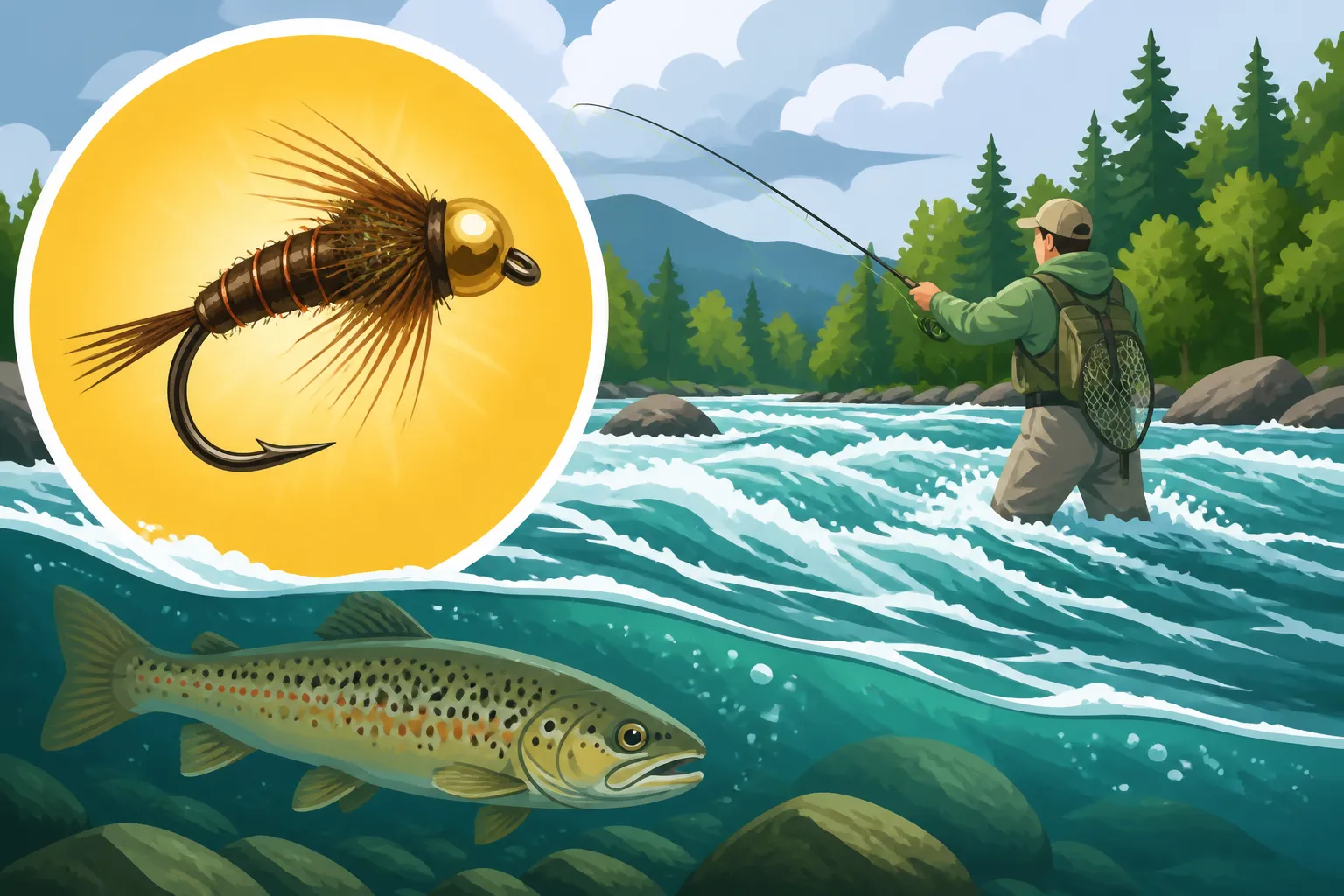
Best nymph pattern for high water conditions
There's nothing quite like the rush of a New Hampshire trout stream after a good rain, or even during a prolonged wet spell. The water turns high, often a little cloudy, and the current roars with a newfound intensity. While these conditions can be intimidating for fly anglers, they also present incredible opportunities, especially for those who know how to choose and fish the best nymph patterns. This guide is all about helping you conquer those high water days, equipping you with the knowledge to pick the right flies and techniques to find success when the rivers swell.
Understanding High Water and Its Impact on Nymph Fishing
When the rivers and streams of New Hampshire get a significant influx of water, whether from heavy rain or snowmelt, everything changes. The familiar riffles become raging torrents, and the serene pools transform into swirling eddies. This dramatic shift doesn't just alter the landscape; it fundamentally changes how trout behave and how we, as anglers, need to approach them.
What Constitutes "High Water" in New Hampshire Streams?
"High water" isn't a single, static condition; it's a spectrum. It could be a slightly elevated flow after a typical afternoon thunderstorm, where the water gains a foot or two and a bit of color. Or it could be a truly swollen, raging river, nearly bank-to-bank with turbulent, chocolate milk-colored water after days of torrential rain. For a New Hampshire angler, recognizing the severity of the high water is crucial. Slightly elevated flows might mean fish are more active and less spooky, while extreme high water can push them to the very edges of the river, seeking refuge from the overwhelming current. Always check local river gauges and forecasts before heading out, as safety should always be your top priority in these conditions.
How High Water Changes Trout Behavior
Trout are opportunistic, but they're also highly energy-efficient creatures. In high water, their primary concern shifts to conserving energy and finding food that's being dislodged and carried to them. The fast, strong currents are simply too exhausting to fight for long periods in their usual feeding lanes. Instead, they'll tuck into slower seams, behind large rocks, in eddies, or along the banks where the current is broken. These "soft water" pockets become prime real estate. Furthermore, the increased flow dislodges a bounty of insects, worms, and even small baitfish from the streambed and banks. Trout know this, and they'll be keying in on these easy meals, often less discerning about their food choices than in clearer, lower flows.
The Challenges of Nymphing in Swollen Rivers
Nymphing in high water presents several distinct challenges. First, getting your fly down to the fish can be incredibly difficult. The sheer volume and speed of the water can sweep lighter nymphs away before they ever reach the strike zone. You're fighting the current every step of the way. Second, visibility, both for the fish and for you, becomes a major issue. Turbid water makes it harder for trout to see your fly, requiring patterns with more contrast or movement. For you, spotting subtle strike indicators or even feeling light takes through a heavy current is a skill that takes practice. Lastly, safety cannot be overstated. Wading can be treacherous, and debris like branches and leaves can make casting and retrieving a tangled mess. Staying aware of your surroundings and knowing your wading limits is paramount.
Key Characteristics of Effective High Water Nymph Patterns
When the river is roaring, not just any nymph will do. You need patterns specifically designed to cut through the current, grab a fish's attention, and withstand the abuse of turbulent water and hungry trout. These characteristics are what separate the mediocre from the magnificent when the water is high.
Weight and Sink Rate for Penetration
This is arguably the most critical factor. In high water, a lightweight nymph might as well be a dry fly — it'll just skate across the surface. You need nymphs that are heavily weighted, often incorporating tungsten beads, lead wraps, or even non-toxic wire in their construction. The goal is to get your fly down quickly through the fast-moving water column and into the fish's feeding zone near the bottom. Think of it like a dive-bombing mission: you need to reach the target before the current pulls you off course. A fast sink rate also helps maintain a more natural drift once it hits the target depth, as it's less prone to being lifted by swirling currents. Many anglers will even stack multiple weighted nymphs or add extra split shot above their flies to achieve the necessary depth.
Profile and Visibility in Turbid Water
When the water is discolored, whether it's a slight stain or a milky brown, fish rely more on silhouette and movement than intricate detail. Therefore, effective high-water nymphs often feature a bulkier profile that displaces more water and creates a more noticeable presence. Patterns with rubber legs, hackle, or bushy bodies can achieve this. Color also plays a significant role. Bright, contrasting colors like chartreuse, orange, or hot pink, often called "hot spots," can make a fly stand out in murky conditions. Even natural patterns can benefit from a touch of flash or a brightly colored bead to catch a trout's eye. The idea isn't necessarily to perfectly imitate a specific bug, but to create an appetizing target that is easily seen and felt by the fish amidst the chaos.
Durability Against Debris
High water often carries a lot of "stuff." Leaves, twigs, grass, and other river debris become entrained in the current, and your fly line, leader, and flies are constantly bombarded. A flimsy nymph tied with delicate materials will quickly unravel or get shredded. High-water nymphs need to be robustly constructed with durable materials that can withstand repeated casts, snags, and the gnashing teeth of aggressive trout. Materials like rubber, synthetic fibers, and strong tying threads are key. There’s nothing more frustrating than landing a good fish, only to find your fly has disintegrated. You want a pattern that can keep fishing, cast after cast, through the challenging conditions. You can often find durable, pre-tied nymphs from brands like Orvis or Umpqua at your local fly shop, or through online retailers like Amazon.
Top Nymph Patterns for High Water Conditions in New Hampshire
Now that we understand why certain characteristics are important, let's dive into the specific nymph patterns that consistently perform well in New Hampshire's high, fast water. These are the workhorses that have earned their place in many an angler's fly box.
The Go-To: Pat's Rubber Legs (Rubber-Legged Stonefly)
If there's one nymph pattern that epitomizes high-water success, it's the Pat's Rubber Legs. This pattern is designed to imitate large stonefly nymphs, which are substantial meals that often get dislodged in heavy currents. What makes it so effective?
First, it's incredibly heavy. Tied with heavy lead wire under the chenille body, often coupled with a tungsten bead, it sinks like a stone. This allows it to quickly reach the bottom where trout are holding. Second, its buggy, bulky profile with prominent rubber legs creates a fantastic silhouette and movement in the water. These rubber legs pulse and undulate with the current, providing an irresistible, lifelike action that trout can detect even in turbid water. It screams "easy meal" to a hungry fish. Third, it's surprisingly durable, often tied with sturdy chenille and thread. You can find excellent selections of these patterns at a retailer like Bass Pro Shops, ready to be put to the test.
Fishing this pattern in high water typically involves a dead drift, often as the lead fly in a two-nymph rig. Focus on those slower seams, eddy lines, and behind large boulders where fish are sheltering from the main current. A common setup involves pairing it with a smaller, lighter nymph on a dropper, offering the fish a choice of meals. For more insights on multi-fly rigs, check out Reading the New Hampshire Freshwater Fishing Digest.
The Flashy Attraction: Squirmy Wormy and San Juan Worm
Sometimes, trout just want something bright, wiggly, and completely unnatural – especially when the water is off-color. Enter the Squirmy Wormy and the classic San Juan Worm. These patterns don't imitate a specific aquatic insect; rather, they represent terrestrial worms that have been washed into the river, a common occurrence during high water events.
The Squirmy Wormy, made from a super-soft, flexible, and often brightly colored material (like pink, red, or chartreuse), offers an unparalleled amount of lifelike movement, even with minimal current. It practically dances in the water. The San Juan Worm, a simpler chenille-bodied pattern, provides similar appeal with its worm-like shape and vibrant colors. Both are tied with beads for added weight. Their bright colors and constant wiggle are extremely effective at grabbing a trout's attention in stained water, making them an excellent choice for a dropper fly or as your lead attractor. They are particularly effective when targeting stocked trout, which are often less discerning and highly aggressive towards these flashy offerings.
The Versatile Workhorse: Perdigon Nymphs
Originating from European competitive fly fishing, Perdigon nymphs are designed for one thing: getting to the bottom fast and staying there. These flies have a super-slim, tapered body, usually coated in UV resin for durability and a smooth finish, minimizing water resistance. They incorporate heavy tungsten beads and sometimes a hot spot of bright thread or resin near the tail or collar.
While they might lack the bulk of a Pat's Rubber Legs, their hydrodynamic design allows them to slice through the water column with incredible speed, reaching the strike zone quickly without requiring excessive weight. This makes them ideal for technical nymphing in faster, deeper runs where you need a precise drift. Many Perdigons feature natural body colors with a single, bright hot spot, offering a subtle imitation with a crucial bit of attraction. They are fantastic as a point fly (the heaviest fly at the bottom of your rig) in a tight line nymphing setup, especially when paired with a sensitive indicator or fished "Euro Nymphing" style. Their durability is also a huge plus when casting through currents laden with debris. If you're looking to upgrade your nymph game, explore these modern patterns, often available in specialized fly shops or online at places like Amazon.
The Realistic Option: Heavy Prince Nymphs and Pheasant Tails
Sometimes, even in high water, a more natural imitation can be the key, especially if the water isn't completely blown out but merely elevated. Classic patterns like the Prince Nymph and the Pheasant Tail Nymph, when tied with extra weight, can be incredibly effective.
The Prince Nymph is a general attractor pattern, often imitating large stoneflies, caddis, or even mayflies. Its signature white biots (feather fibers) for wings, peacock herl body, and often a tungsten bead make it a highly visible and attractive fly. When tied with a heavy bead and perhaps some lead wire, it gains the necessary sink rate for higher flows. It offers a slightly buggy profile and good contrast that can be picked up by trout in slightly stained water.
The Pheasant Tail Nymph is a classic mayfly imitation, renowned for its versatility. While typically slimmer, a heavily weighted version (often with a tungsten bead and a lead wire underbody) can still be very productive in high water. Its segmented body and natural colors make it a convincing imitation, and the subtle flash from copper wire ribbing can add just enough attraction. It's an excellent choice when fish might still be somewhat selective, or when paired with a more aggressive attractor pattern. These traditional patterns are a must-have in any New Hampshire angler's fly box for Fly Fishing for Trout in New Hampshire, and heavy versions are crucial for those challenging high-water days.
Here’s a quick comparison of these top high-water nymph patterns:
| Nymph Pattern | Key Characteristics | Why it Works in High Water | Best Applications |
|---|---|---|---|
| Pat's Rubber Legs | Heavy, bulky, rubber legs, chenille | Fast sink, strong silhouette, lots of movement | Lead fly, imitating stoneflies or general "buggy" food, searching for aggressive fish. |
| Squirmy Wormy | Soft, flexible, bright colors, wiggly | Irresistible movement, high visibility in turbid water | Attractor fly, dropper, targeting aggressive or recently stocked trout. |
| Perdigon Nymphs | Slim, tapered, heavy tungsten, resin | Ultra-fast sink, low drag, precise drift, subtle flash | Point fly in technical nymphing, getting deep quickly, clear-to-slightly stained water. |
| Heavy Prince Nymph | Peacock herl, white biots, heavy bead | General attractor, good silhouette, moderate flash | Lead or dropper fly, versatile imitation for various insects, slightly stained water. |
| Heavy Pheasant Tail | Natural pheasant tail, copper rib, heavy bead | Realistic mayfly imitation, subtle flash, fast sink | Dropper fly, more natural presentation, slightly clearer high water, selective fish. |
Essential Techniques for High Water Nymph Fishing Success
Having the right flies is only half the battle. Knowing how to present them effectively in high water conditions is just as important. The swift currents demand different strategies and a keen understanding of how to manage your line and achieve a natural drift.
Rigging for Depth and Drift
In high water, getting your flies to the right depth and maintaining a natural drift are paramount. The "indicator nymphing" rig is probably the most common and effective. This involves a highly visible strike indicator positioned on your leader, typically 1.5 to 2 times the depth of the water you're fishing. Below the indicator, you'll attach your weighted nymphs, often in a two-fly or even three-fly tandem setup (be sure to check New Hampshire Bag and Possession Limits by Species for legality if fishing multiple flies). The heaviest fly, often a Pat's Rubber Legs or Perdigon, should be at the bottom (the "point" fly) to help pull the other flies down.
Adjusting your split shot is crucial. Start with enough to get your flies down, but not so much that you're constantly snagging the bottom. You want to tick the bottom occasionally. Another effective method, particularly for experienced anglers, is "tight line nymphing" or "Euro Nymphing." This technique foregoes a traditional bobber-style indicator in favor of a sighter built into the leader, allowing for direct contact with the flies and immediate detection of subtle takes. This method excels in controlling your drift and getting ultra-deep quickly in strong currents. Always use a strong leader, as fish in high water are less line-shy, and you'll need the strength to wrestle fish out of heavy current.
Reading the Water for Productive Lies
High water changes where fish hold. Instead of casting blindly into the main current, you need to identify those "soft water" lies where trout can rest and ambush food without expending too much energy. Look for:
- Eddies and Seams: These are the calmer pockets of water that form behind large rocks, logs, or along the banks where the fast current slows down. The seam where the fast water meets the slow water is often a prime feeding lane.
- Bank Side Cover: Overhanging branches, undercut banks, and submerged vegetation along the river's edge provide excellent refuge. Fish will often hold incredibly close to the bank, sometimes in just inches of water, to escape the main flow.
- Tailouts of Pools: While the head of a pool might be too turbulent, the calmer, shallower water at the tailout can be a productive spot as currents slow down and drop food.
- Obstructions: Any large object that breaks the current, like a fallen tree or a cluster of boulders, creates a current break where fish can hold. Cast your nymphs upstream of these obstructions and let them drift naturally into the calmer water behind.
Understanding How to Fish a River for Smallmouth Bass can also offer some crossover insights, as smallmouth often seek similar current breaks in rivers. Practice reading the water, and you'll quickly discover the hidden sanctuaries where trout are waiting.
Safety Considerations in Elevated Flows
This is not just a suggestion; it's a critical warning. High water can be incredibly dangerous. The currents are powerful, the footing is often slippery, and the water can be deceptively deep. Always prioritize your safety:
- Wade with Extreme Caution: Use a sturdy wading staff. Test every step before committing. If you feel uncomfortable, don't wade. Fish from the bank.
- Know Your Limits: Never attempt to wade water that is above your knees in strong current. The force of the water can easily sweep you off your feet.
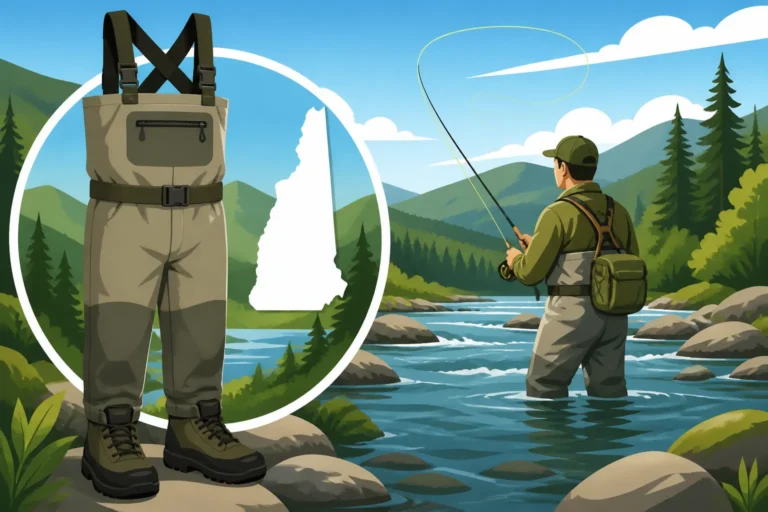
- Wear a Wading Belt and Life Vest: A wading belt is essential to create a seal and prevent your waders from filling with water if you fall. A life vest, especially in deep or fast-moving water, is a non-negotiable safety item. You can find excellent quality wading belts and vests at any reputable outdoor retailer, including options from Bass Pro Shops.
- Buddy System: If possible, always fish with a partner in high water.
- Be Aware of Debris: Fast currents can carry large debris like logs, which pose a serious hazard. Always be vigilant.
- Check Conditions Regularly: River levels can change rapidly. Check local river gauges before and during your trip.
Embrace the challenge of high water fishing in New Hampshire, but always do so with respect for the power of the river. With the right nymph patterns and a cautious approach, you can have some of the most memorable and productive days on the water.
Disclaimer
This article is for general informational purposes only and does not constitute professional advice. Laws, prices and regulations vary by location and change over time. Consult a qualified professional for guidance on your specific situation.