White Perch in New Hampshire Lakes
There's a specific kind of frustration many New Hampshire anglers know well: you're out on the lake, reeling in what you think might be a promising panfish, only to find yourself wondering if it's a small striped bass, a yellow perch, or something else entirely. White perch, in particular, can be a bit of a mystery for those who haven't spent much time getting to know them. This guide is dedicated to unraveling the enigma of white perch in New Hampshire lakes, helping you identify them correctly, understand their habits, and ultimately, catch more of these feisty, often underrated fish.
Understanding White Perch: Identification and Distinctions
The first step to successfully targeting white perch is knowing exactly what you're looking for. These fish are incredibly common in many of our state's waters, but they often get mistaken for other species, leading to confusion and sometimes missed opportunities. Let's dive into the specifics that set them apart.
Visual Cues for White Perch Identification
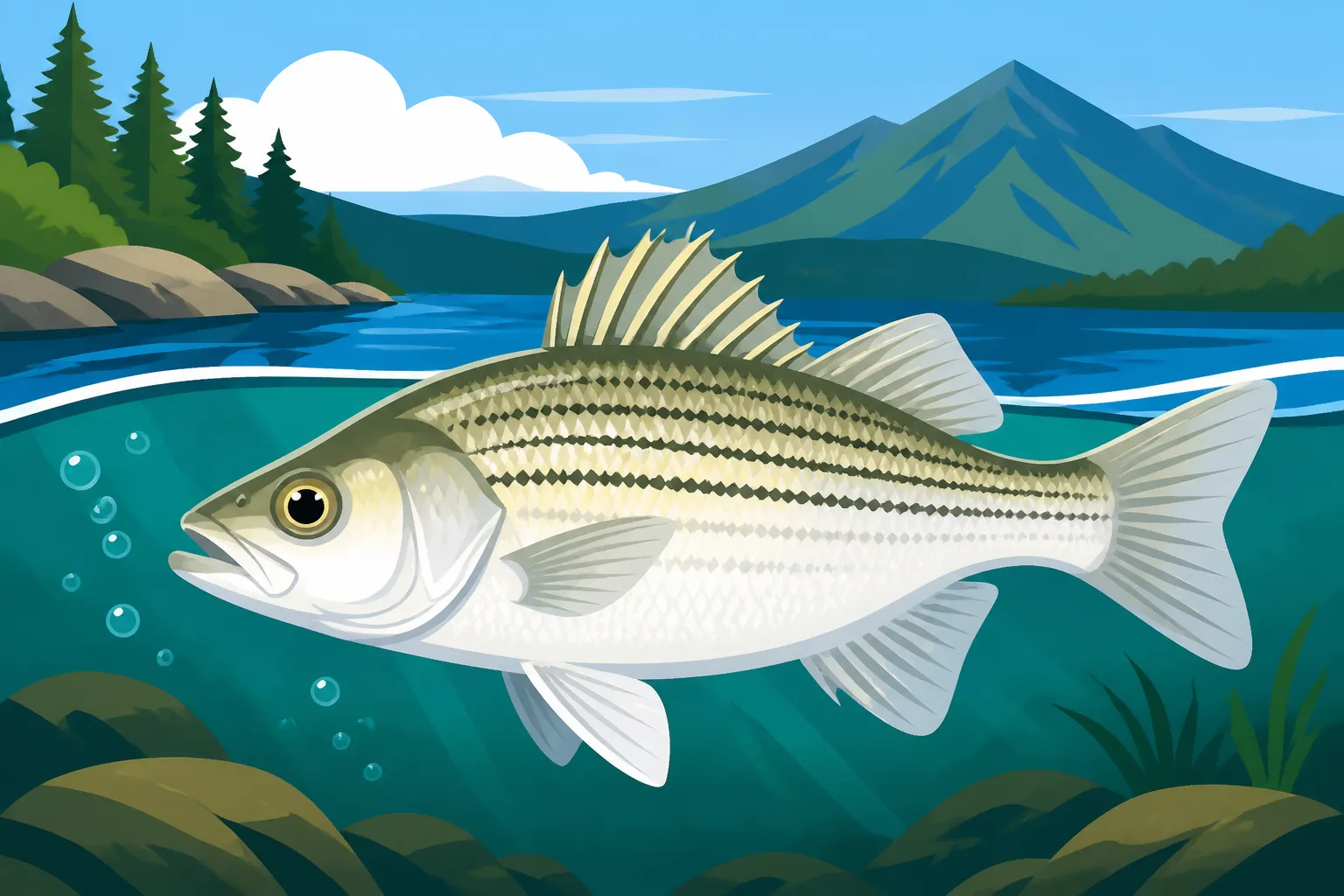
White perch might not have the flashy colors of a brook trout or the aggressive demeanor of a trophy smallmouth bass, but they possess distinct features that, once you know them, make identification straightforward. Their body shape is generally deeper and more compressed than a yellow perch, almost disc-like when mature, especially compared to the more elongated yellow perch. The color is typically silvery-white on the belly, fading to an olive green or silvery-gray on their back, often with a subtle bluish or purplish sheen in certain lights. They don't have the distinct vertical stripes that yellow perch are famous for, nor do they possess the dark lateral line or prominent stripes of a striped bass.
Another key characteristic is their single, continuous dorsal fin. While it appears to have two sections, a spiny front part and a soft-rayed rear part, it's actually connected, unlike the clearly separated dorsal fins you'd find on a yellow perch or a black crappie. The mouth of a white perch is also relatively small, a detail that becomes important when choosing your bait and hooks. Their scales are smooth to the touch, and they have a slightly humped back, especially noticeable in larger specimens. Think of them as a sleek, silvery cousin to other panfish, built for cruising open water rather than hiding in dense weeds.
Differentiating White Perch from Similar Species
Mistaking a white perch for another fish is a common rite of passage for many anglers. The most frequent culprits for confusion are yellow perch, juvenile striped bass, and even sometimes black crappie. Understanding the subtle yet critical differences can save you a lot of head-scratching.
Let's start with yellow perch. The most obvious difference is the color and pattern. Yellow perch, as their name suggests, typically have a much more pronounced yellowish body, marked with those iconic dark vertical stripes along their sides. Their body shape is also more elongated and less compressed than a white perch. Furthermore, yellow perch have two distinctly separated dorsal fins. If you see stripes and a yellower hue, it's likely a yellow perch. For a deeper dive into their cousins, check out Yellow Perch in New Hampshire Lakes.
Next up are juvenile striped bass. This is where the confusion can get a little trickier, especially in brackish waters like the Great Bay estuary, where both species coexist. Both white perch and young striped bass are silvery and somewhat streamlined. However, striped bass, even small ones, will have clearly defined horizontal stripes running along their sides, typically seven to eight of them, which are absent on a white perch. Stripers also generally have a more pointed head and a larger mouth, and their overall body shape is more torpedo-like than the deeper-bodied white perch. Always double-check for those distinct horizontal stripes if you're fishing in saltwater or brackish areas. For more on their larger, striped relatives, see Striped Bass Migration into Great Bay.
Finally, black crappie are another panfish often found in the same waters. While crappie also have a deep, compressed body, their color pattern is vastly different, featuring a mottled, silvery-greenish body covered in irregular dark spots and blotches. They also have a distinctly concave face and a very large mouth compared to a white perch. Crappie also have two dorsal fins, though they are close together and appear almost connected. If you see spots and a "dished-in" face, you've likely got a crappie, not a white perch. For details on these speckled beauties, look at Black Crappie in New Hampshire Waters.
| Feature | White Perch | Yellow Perch | Juvenile Striped Bass | Black Crappie |
|---|---|---|---|---|
| Body Shape | Deep, compressed, slightly humped | More elongated, less compressed | Torpedo-like, streamlined | Deep, compressed, "dished-in" face |
| Color/Pattern | Silvery-white to olive/silvery-gray, no distinct stripes or spots | Yellowish with 6-8 dark vertical bars | Silvery with distinct horizontal stripes | Silvery-greenish with dark spots/blotches |
| Dorsal Fin | Single, continuous (spiny and soft-rayed connected) | Two distinct, separated fins | Two distinct, separated fins | Two dorsal fins (close, almost connected) |
| Mouth Size | Relatively small | Medium | Large, more pointed head | Very large, prominent |
| Habitat | Brackish to freshwater | Freshwater only | Brackish to saltwater | Freshwater only |
Habitat and Behavior of White Perch in New Hampshire
Knowing what a white perch looks like is only half the battle; understanding where they live and how they behave is crucial for actually finding and catching them. White perch are adaptable fish, thriving in a variety of aquatic environments across New Hampshire.
Preferred Aquatic Environments
White perch are truly versatile. While they are famously euryhaline, meaning they can tolerate a wide range of salinities from fresh to brackish to full saltwater, in New Hampshire, we primarily encounter them in our freshwater lakes and ponds, particularly those connected to river systems or with some tidal influence. They absolutely thrive in larger, deeper lakes with abundant forage, but you'll also find them in smaller ponds and even slow-moving rivers. Best Fishing Lakes in New Hampshire are often prime spots.
Unlike some fish that prefer specific structures like dense weed beds or rocky bottom, white perch are often found in more open water, especially over sand or gravel bottoms, or near subtle changes in depth. They appreciate areas with submerged timber, old cribs, or even humps and ledges that offer a bit of cover and attract baitfish. They aren't strictly bottom-dwellers, nor are they always cruising the surface. Instead, they occupy the entire water column, often suspending in schools at various depths depending on food availability and water temperature. They are commonly found in waters ranging from 10 to 30 feet deep during warmer months, but can move shallower or deeper as conditions change. Don't be surprised to find them just off a prominent point, along a deep weed edge, or even suspending over vast open flats in search of a meal.
Seasonal Movements and Schooling Patterns
White perch are highly social fish, almost always found in schools. This schooling behavior is a key aspect of their survival and finding one often means finding many. Their movements are largely dictated by water temperature and the availability of their primary food sources, which include insects, crustaceans, and smaller baitfish like rainbow smelt and alewives.
In the spring, after ice-out, white perch will often move into shallower areas, especially around tributary mouths or spawning grounds, as water temperatures begin to rise. This is a great time to target them, as they are actively feeding after a long winter and often concentrated. As summer progresses and water temperatures climb, they tend to retreat to deeper, cooler waters, often suspending in the middle of the water column or near the thermocline. Look for them over submerged humps, ledges, or along drop-offs where they can ambush baitfish. If you're using a fish finder, you'll often see distinct "clouds" or "balls" of fish at these depths – a sure sign of a white perch school!
Come fall, as the water cools again, white perch become very active, feeding aggressively to build up fat reserves for the winter. They'll often move back into shallower areas or patrol a wider range of depths. This can be one of the best times of year to catch them in large numbers. Finally, in winter, they gather in very large, tight schools in the deeper basins of lakes and ponds. This makes them a prime target for ice fishing. Locating one of these winter schools can lead to incredibly productive days on the hard water. Understanding Best Time of Year to Fish in New Hampshire can really help you dial in your approach for white perch throughout the seasons.
Effective Strategies for Targeting White Perch
White perch, despite their prevalence, aren't always the easiest fish to consistently catch if you don't know their preferences. But once you crack the code, you'll find them to be eager biters, offering fantastic action, especially for a family outing or a relaxing day on the water.
Top Baits and Lures for White Perch
White perch aren't terribly picky, but they do have a preference for smaller presentations, reflecting their relatively small mouths and their diet of small prey items. The key is often to "match the hatch" with something small and enticing.
Live Bait: This is hands-down one of the most effective ways to catch white perch.
- Worms: Small pieces of nightcrawlers or garden worms are irresistible. Thread a small piece onto a size 8 or 10 hook and suspend it under a bobber or fish it on the bottom.
- Minnows: Small shiners or fathead minnows, especially when fished alive, are a top choice. Hook them lightly through the lip or dorsal fin and let them swim freely. This is particularly effective for larger perch.
- Grubs/Maggots: In colder water or through the ice, tiny wax worms or spikes are deadly. These little protein-packed morsels can trigger strikes when nothing else will.
Artificial Lures: For those who prefer to cast and retrieve, a variety of small lures can be incredibly effective.
- Jigs: Small jigs (1/32 to 1/8 ounce) are probably the most versatile artificial lure for white perch. Pair them with tiny soft plastics like grub tails, small tubes, or even a piece of Gulp! Alive! maggot. Colors like white, chartreuse, pink, and motor oil often work wonders. You can find a huge assortment of these small jigs and plastics on Amazon.
- Spoons: Tiny Kastmasters, Acme Little Cleos, or even small Swedish Pimples are excellent, especially for jigging through the ice or vertically fishing deeper schools. A slow jigging motion or quick snaps can provoke strikes.
- Spinners: Small inline spinners like Rooster Tails or Mepps Aglias in sizes 0 or 1 are great for casting and retrieving, especially in shallower waters or around weed edges. The flash and vibration can draw them in from a distance.
- Flies: Fly anglers can have a blast with white perch using small nymphs, wet flies, or even tiny streamers. Patterns like Prince Nymphs, Wooley Buggers, or a simple Copper John can be very effective. For tips on a similar fishing style, refer to Fly Fishing for Trout in New Hampshire.
Remember, presentation is key. Whatever bait or lure you choose, make sure it's presented subtly and slowly, mimicking natural forage. Many anglers swear by tipping a small jig with a piece of worm for added attraction.
Fishing Techniques and Rigging Setups
White perch fishing doesn't require highly specialized gear, which is part of its charm. A light or ultralight spinning setup is usually ideal, allowing for accurate casts of small lures and offering maximum sensitivity for detecting their often subtle bites.
Rod and Reel: A 6-foot to 7-foot ultralight or light action spinning rod paired with a small spinning reel (size 1000 or 2000) spooled with 4 to 6-pound monofilament or fluorocarbon line is perfect. The light tip will help you feel those gentle taps, while the backbone will handle even a feisty schoolie. Many reputable brands offer excellent ultralight combos, and you can easily compare options on Amazon.
Basic Rigs:
- Bobber Rig: This is a classic for a reason. A small slip bobber allows you to present your bait at a precise depth. Simply tie on a small hook (size 8 or 10), add a split shot a few inches above it to get the bait down, and adjust your bobber stop to the desired depth. This is great for suspending live bait or a small jig over schools you've located.
- Bottom Rig (Drop Shot/Sinker Rig): When white perch are hugging the bottom, a simple bottom rig works well. For a drop shot, tie your hook directly to the line about 12-18 inches above a sinker, letting the bait suspend tantalizingly off the bottom. A standard bottom rig involves a small bell sinker at the end of your line, with one or two snelled hooks tied to dropper loops above the sinker.
- Jigging: For deeper water or ice fishing, vertical jigging is incredibly effective. Simply drop your small jig or spoon down to the desired depth (often where your fish finder marks fish), and impart a series of short lifts and drops, varying the cadence until you find what triggers bites. This is a very active and engaging way to catch them.
Finding the Schools: This is perhaps the most important technique for white perch. They are rarely solitary. If you catch one, mark the spot and assume there are more. Use a fish finder to locate schools in deeper water, or look for surface activity like dimpling water if they are feeding on insects. Once you find them, stay put and work that area thoroughly. Often, a school will move on after a few fish are caught, so be prepared to follow them or drift with them if you're on a boat. For general advice on locating fish, consider reading Best Fish Finders for New Hampshire Lakes.
White Perch: Ecological Role and Angling Experience
Beyond the thrill of the catch, white perch play a significant role in New Hampshire's aquatic ecosystems and offer a unique angling experience that's often overlooked.
Ecological Impact and Forage Value
White perch are a fascinating blend of predator and prey in our lakes. As opportunistic feeders, they consume a wide range of invertebrates, insect larvae, and smaller baitfish. In some waters, they can be quite abundant, and their sheer numbers mean they can exert significant predation pressure on the eggs and fry of other species, including some game fish. This can sometimes lead to competition for food resources, especially in lakes where their populations are very high.
However, white perch also serve as a crucial forage base for larger predatory fish in the same lakes. Species like lake trout, landlocked salmon, smallmouth bass, and even chain pickerel all readily prey on white perch, especially the smaller individuals. Their schooling behavior makes them an attractive and relatively easy target for these bigger fish, contributing significantly to the food web. In this way, they support the health and growth of some of New Hampshire's most sought-after game fish. A healthy population of white perch can indicate a robust ecosystem, even if their numbers occasionally need to be managed to prevent overpopulation in certain areas. Understanding the dynamics of species like Rainbow Smelt as Forage Fish in New Hampshire Lakes gives you an idea of how crucial these smaller fish are to bigger predators.
Culinary Aspects and Conservation Practices
When it comes to putting fish on the table, white perch are often considered one of New Hampshire's hidden culinary gems. Their meat is firm, flaky, and has a delicate, mild flavor that many compare to yellow perch or even walleye. They are fantastic pan-fried, baked, or broiled. Because they are often abundant, and generally not subject to strict harvest limits compared to some game fish, they offer a wonderful opportunity for anglers to fill a cooler with delicious fillets for a family meal.
Cleaning white perch is relatively easy, though their scales can be a bit stubborn. A good fillet knife and a little practice will have you processing a mess of them in no time. If you're looking for gear, a quality fillet knife can make all the difference, and you can browse various options on Amazon to find one that fits your hand well.
From a conservation standpoint, white perch are generally not considered a species of concern in New Hampshire. Their adaptability, prolific breeding, and broad diet mean their populations are typically robust. Anglers are encouraged to enjoy harvesting them responsibly. While there are typically generous daily limits, it's always good practice to check the current New Hampshire Fishing Regulations Explained before you head out, as regulations can change. Practicing selective harvesting – taking smaller fish for the table and releasing the largest ones – can help maintain a healthy size structure in the population, even if it's not strictly necessary for this particular species. Enjoy these fish, for they offer a truly fun and tasty part of the New Hampshire fishing experience!
Disclaimer
This article is for general informational purposes only and does not constitute professional advice. Laws, prices and regulations vary by location and change over time. Consult a qualified professional for guidance on your specific situation.