What percentage of stocked trout survive the season
It's a question many of us New Hampshire anglers have silently pondered, or maybe even discussed animatedly around a campfire: "Just what percentage of those trout stocked by Fish and Game actually survive the season?" It's a valid, even poignant, thought. You see the trucks roll up, the fish splashing into the water, and you know there's a flurry of activity as anglers gather. But what happens after the initial rush? Do those fish really thrive, or are they mostly just a temporary thrill? This guide is going to dive deep into the fascinating, sometimes stark, reality of stocked trout survival in our beautiful New Hampshire waters, exploring the many factors at play and what it all means for you, the angler.
The Reality of Stocked Trout Survival in New Hampshire
Let's be honest, when those hatchery trucks arrive, there's a real sense of excitement. Whether you're at a popular pond like French Pond in Henniker or a river like the Pemigewasset, the anticipation of freshly stocked trout is palpable. But the truth is, the survival rates of stocked trout can vary wildly, and it's rarely a straightforward number. It's not like 80% just kick back and enjoy a long, happy life. Many factors come into play, and understanding them can actually make you a more informed and successful angler.
Initial Survival Rates and the "Put-and-Take" Mentality
For a significant portion of stocked trout, especially in heavily fished areas, the "survival season" is often measured in days or weeks, not months. These stocking programs, while vital for angler opportunity, often operate on what's known as a "put-and-take" mentality. This means the fish are stocked primarily to be caught by anglers in the very near future. They're often hatchery-raised, which means they've lived a relatively sheltered life, fed consistently, and haven't had to hunt for food or evade predators.
When these fish are released into a new environment, they're suddenly confronted with a whole new world. They're not accustomed to natural food sources, they don't instinctively hide from birds of prey or larger fish, and they're easy targets for eager anglers. Because of this, a large number of stocked trout are caught within the first few weeks, sometimes even days, of being released. It's a testament to their naivete and the effectiveness of stocking for immediate gratification. While New Hampshire doesn't publish exact "caught-by-anglers" percentages, it's widely accepted in the angling community that a high percentage are harvested relatively quickly, especially in easily accessible ponds and rivers. You can often check the New Hampshire Trout Stocking Report and Map to see where and when fish have been recently stocked, giving you a good idea of where the immediate action will be.
Factors Affecting Short-Term Survival After Stocking
Beyond just being caught by anglers, several immediate challenges impact a stocked trout's ability to survive its first few days or weeks in the wild.
- Handling Stress: Even with the best intentions, the process of transporting and releasing fish is stressful. They're netted, moved, and suddenly in a new water body. This shock can weaken them, making them more susceptible to disease or less capable of evading predators.
- Immediate Predation: A newly stocked fish, disoriented and perhaps still stressed, is a flashing neon sign to predators. Ospreys, kingfishers, larger wild trout or bass, and even otters quickly key into these easy meals. I've seen ospreys circling over a pond minutes after a stocking truck left, ready to swoop down.
- Water Quality and Temperature Shock: Hatchery water conditions are typically stable and controlled. When trout are introduced to a new pond or river, there can be differences in temperature, oxygen levels, and water chemistry. Even slight variations can be a shock to their system, further compromising their short-term health and survival. This is particularly crucial during warmer periods, where already stressed fish might struggle to acclimate.
- Lack of Cover and Food Competition: Hatchery fish don't know where to hide. They might linger in open water, making them vulnerable. They also don't instinctively compete for natural food sources like insects, minnows, or worms, struggling to adapt to a foraging lifestyle.
Distinguishing Between Stocked and Wild Trout Survival
It's really important to draw a clear line between the survival prospects of a stocked trout and a wild trout. Wild trout—those born and raised in a river or pond—are masters of survival. They've spent their entire lives dealing with predators, finding natural food, and adapting to fluctuating environmental conditions. They're naturally wary, know their territory, and are usually much stronger and healthier.
Stocked trout, on the other hand, often lack these survival instincts. They're typically larger when stocked, which makes them attractive to anglers, but their "street smarts" are virtually nonexistent. While some stocked fish do learn and adapt, they start with a significant disadvantage. Their genetics are often geared towards fast growth in a hatchery environment, not necessarily rugged survival in the wild. This fundamental difference means you can expect a much lower long-term survival rate for a stocked fish compared to its wild counterpart. This isn't to say stocked fish are "inferior," it's just a different design for a different purpose: providing immediate angling recreation.
Key Challenges for Stocked Trout Beyond the Release Truck
Once the initial frenzy of stocking day subsides, these fish face an ongoing gauntlet of challenges that test their ability to adapt and survive in their new environment. It's not just about avoiding a hook; it's about finding a home.
Predation: A Constant Threat
For stocked trout, predation doesn't end with the first few days. They remain high on the menu for a variety of creatures, both aquatic and avian. In New Hampshire, it's a diverse cast of characters looking for an easy meal.
- Avian Predators: Ospreys are perhaps the most iconic trout predator, with their incredible eyesight and powerful talons. They can quickly decimate populations in open, shallow ponds. Kingfishers are also relentless hunters, especially in smaller streams. Even great blue herons will wade the shallows, patiently waiting for a disoriented trout. These birds are highly efficient and will often target the easiest catch, which, unfortunately, is often a naive stocked fish.
- Aquatic Predators: In many New Hampshire waters, stocked trout swim among established populations of larger, more aggressive fish. Chain pickerel are voracious predators, lying in wait in weed beds for anything that swims by. Larger wild brown trout or even big smallmouth and largemouth bass will not hesitate to consume a smaller, easy-to-catch stocked trout. Even snapping turtles, often overlooked, are opportunistic predators that can take their toll.
- Mammalian Predators: Otters are incredibly efficient aquatic hunters and can wipe out a significant number of trout in a localized area. Raccoons, foxes, and even bears (especially in northern New Hampshire) are known to frequent stream banks and pond edges, taking advantage of any easy meal, including stranded or injured fish.
This constant threat means that even if a stocked trout avoids the angler's hook, it's still in a daily battle for survival against a host of natural enemies it was never taught to fear in the hatchery.
Environmental Stressors: The Subtle Killers
Beyond being eaten, stocked trout face significant environmental hurdles that can severely limit their survival, especially if the stocking location isn't ideal for trout.
- Water Temperature: Trout, particularly brook and rainbow trout, are coldwater fish. They need cool, well-oxygenated water to thrive. Many New Hampshire ponds and lower-elevation streams, while beautiful for fishing, can warm up significantly in the summer months. If temperatures rise above their tolerance levels (typically in the mid-60s Fahrenheit for prolonged periods), stocked trout will become severely stressed, unable to feed, and eventually succumb. This is why you often see stocking focused in spring and fall, when water temperatures are more favorable.
- Oxygen Levels: Warm water holds less dissolved oxygen. Combined with potential organic decomposition in a pond, low oxygen levels can be lethal. Hatchery fish, unaccustomed to such fluctuations, are particularly vulnerable.
- Habitat Suitability: Hatchery fish are used to open tanks. When placed in a pond or river, they need cover – submerged logs, undercut banks, rocky ledges – to hide from predators and the sun. They also need access to deeper, cooler water in summer. If the stocked water body lacks these crucial habitat features, their chances of long-term survival plummet. A pond might look great from the shore, but if it lacks deep, cool pockets, it's not a suitable long-term home for trout.
- Disease and Parasites: While hatcheries work hard to keep fish healthy, the stress of transport and introduction to a new environment can weaken a fish's immune system. They might also encounter new pathogens or parasites in the wild that they have no natural resistance to, leading to sickness and mortality.
Angler Pressure and Catch-and-Release Mortality
Of course, anglers themselves play a huge role in survival rates. The whole point of stocking is to provide recreational fishing, and that often means harvesting fish. But even with catch-and-release, there's a mortality rate that many don't consider.
- Harvest Pressure: In many stocked waters, particularly immediately after a fresh stocking, the goal for many anglers is to catch and keep fish for the dinner table. There's nothing wrong with this, as it's part of the purpose of "put-and-take" fisheries. However, it directly reduces the number of fish available to survive. Anglers should always be aware of the New Hampshire Bag and Possession Limits by Species to ensure they're fishing legally and sustainably.
- Catch-and-Release Mortality: Even when fish are released, not all of them make it. Factors influencing post-release survival include:
- Hook Location: Deeply hooked fish (gullet or gills) have a much lower survival rate than those hooked in the lip.
- Fight Time: A prolonged fight, especially in warmer water, can exhaust a fish to the point where it can't recover.
- Handling: Holding a fish by the jaw, squeezing it, or letting it flop on the bank can strip off its protective slime coat, damage internal organs, or cause scale loss, making it susceptible to infection. Wet hands and minimal contact are key.
- Water Temperature: Fish released in warm water are more prone to delayed mortality due to stress and lack of oxygen recovery. This is why many anglers choose not to fish for trout during the heat of summer.
- Gear: Using barbless hooks or crushing the barbs on your hooks can significantly reduce damage to the fish and make for quicker, less stressful releases. Some waters, like certain fly-fishing-only sections, even mandate these practices, as detailed in New Hampshire Catch and Release Fly Fishing Only Waters.
Anglers truly have a direct impact on the survival of released fish. Practicing good catch-and-release techniques can make a tangible difference in the number of fish that swim away healthy.
The Long-Term Outlook for New Hampshire's Stocked Trout
While many stocked trout are caught quickly or succumb to immediate stressors, it's not all doom and gloom. A percentage of these fish do survive the initial onslaught and adapt to their new environment. These are the "holdovers," and they can become quite prized catches.
"Holdover" Trout and Their Resilience
Ah, the legendary "holdover" trout! These are the fish that defy the odds, survive the season, and often thrive, growing larger and becoming much wiser. Catching a holdover trout is a special experience because you know that fish has proven its mettle. They're usually stronger, more colorful, and put up a much more spirited fight than a freshly stocked fish.
What makes a holdover different? It's often a combination of luck and adaptation. They might have found a prime piece of habitat with good cover and a reliable food source, or they simply learned quickly to avoid danger. These fish become much more selective in what they eat and are notoriously harder to catch, mimicking the behavior of their wild counterparts. They shed the dull hatchery colors for more vibrant hues, reflecting a healthier, more natural diet. When you reel in a holdover, you're not just catching a fish; you're catching a survivor. Want to learn more about these resilient fish? Check out our article on What a holdover trout is.
Factors for Long-Term Survival
For a stocked trout to become a successful holdover, several crucial factors need to align.
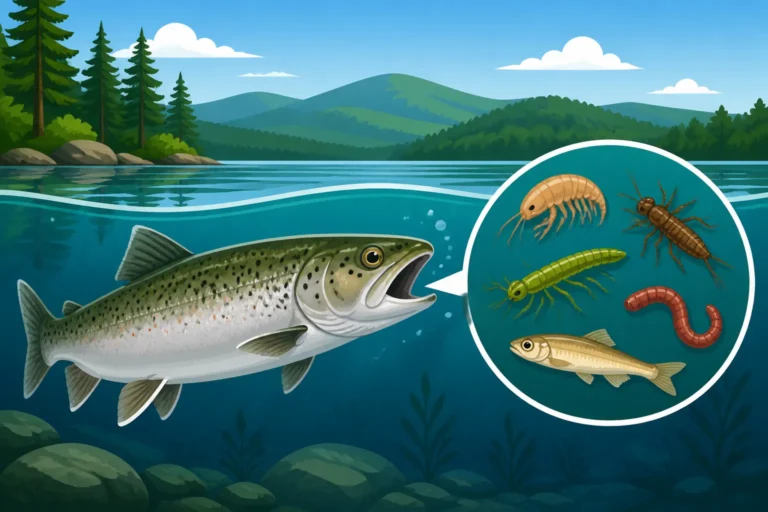
- Adequate Food Sources: Beyond the initial shock, a holdover needs to consistently find natural food. This means learning to forage for aquatic insects, terrestrial bugs, small baitfish, or even crayfish. Waters with abundant and diverse invertebrate populations or healthy populations of small forage fish provide the best chances for a stocked trout to switch from hatchery pellets to a natural diet.
- Deep, Cold Water Access: This is paramount, especially in New Hampshire's warmer months. Lakes and ponds with deep thermal refuges (areas of cold water at the bottom) or rivers with consistent cold spring input are vital. Trout will seek out these areas when surface temperatures become too warm, allowing them to conserve energy and reduce stress. Without these coldwater havens, long-term survival in many waters is simply not possible once summer arrives.
- Reduced Predation: Fish that manage to find and utilize effective cover – whether it's submerged trees, rock piles, or undercut banks – significantly increase their chances of avoiding eagles, ospreys, otters, and larger fish. The ability to disappear quickly is a key survival skill they must learn.
- Adaptation to Natural Instincts: Over time, some stocked trout develop more natural instincts. They become warier of shadows, boat noises, and unnatural presentations. They learn to hunt effectively and integrate into the natural food web. This process is slow and often driven by necessity, but it's what separates a true holdover from a short-lived stocked fish.
Impact on the Ecosystem
While stocking provides great angling opportunities, it's also important to consider its broader ecological impact.
- Competition with Native Species: Stocked trout, especially when first released, can compete with native fish for food and habitat. While the impact is often temporary due to high harvest rates, in some waters, it can put pressure on wild populations.
- Disease Transmission: Though rigorously checked, stocked fish can potentially introduce diseases or parasites to wild fish populations that may not have natural resistance.
- Genetic Dilution: If stocked fish reproduce with wild populations, there's a risk of "diluting" the genetics of native fish, which are often better adapted to local conditions. New Hampshire Fish and Game manages its stocking programs carefully to minimize these risks, often focusing on sterile fish or species that are unlikely to reproduce in certain environments.
- Angler Disturbance: Heavily stocked areas naturally attract more anglers. This increased human presence can cause disturbance to other wildlife, impact shoreline habitats, and, if not managed, lead to litter and other environmental concerns. Respecting the environment and adhering to regulations like those found in Reading the New Hampshire Freshwater Fishing Digest helps mitigate these impacts.
How Anglers Can Influence Survival Rates (and Improve Their Catch)
So, knowing all this, what can we as anglers do? Beyond just catching fish, there are conscious choices we can make to promote the survival of the trout we interact with, whether we intend to keep them or not. Plus, these practices often lead to better fishing experiences overall!
Practicing Responsible Angling
Being a responsible angler isn't just about following the rules; it's about ethical engagement with the resource.
- Gentle Handling: This is perhaps the single most important thing you can do for released fish. If you intend to release a fish, try to keep it in the water as much as possible. If you must remove it for a quick photo, wet your hands thoroughly beforehand. Dry hands can remove the fish's protective slime coat, leaving it vulnerable to fungal infections. Support the fish horizontally, never vertically by the jaw, which can damage its spine and internal organs.
- Proper Release Techniques: Don't just toss a fish back into the water. If it's lethargic, hold it gently in the current (facing upstream in a river) or move it back and forth gently in still water until it regains its strength and can swim off on its own. Avoid poking its eyes or gills. If a fish is bleeding heavily, it's usually best to harvest it (if within legal limits) rather than release it to die slowly.
- Barbless Hooks: Using barbless hooks, or simply crimping down the barb on your existing hooks with a pair of pliers, makes a massive difference. It allows for much quicker, less damaging removal, reducing stress and injury to the fish. Many experienced fly anglers swear by them, especially in waters designated for catch and release. This is a common practice in many of the New Hampshire Catch and Release Fly Fishing Only Waters.
- Minimize Fight Time: While a long fight is thrilling, it exhausts the fish. Use appropriate tackle for the size of fish you expect to catch. A heavier rod and line might take some of the "sport" out of it for some, but it gets the fish to hand quicker, increasing its chances of survival upon release.
Choosing the Right Waters
Not all waters are created equal when it comes to trout survival. If you're hoping to find holdover trout or want to fish in a way that promotes their long-term health, choose your spots wisely.
- Coldwater Refuges: Seek out lakes with significant depth or rivers with consistent coldwater inputs from springs or high-elevation runoff. These waters are naturally better suited for trout to survive the summer heat. The Best Trout Ponds in New Hampshire article can give you some clues about which waters might be more conducive to holdovers.
- Wild vs. Stocked Waters: Understand that some waters are primarily "put-and-take" fisheries, while others have natural trout reproduction. If your goal is to support wild populations or find truly resilient fish, focus on wild trout streams or areas known for strong holdover populations.
- Fish Species: While stocked rainbow and brook trout are common, brown trout are generally considered more resilient and better at adapting to stream life, often becoming strong holdovers in rivers. Knowing the species stocked can give you an idea of the potential for long-term survival.
Gear for Success and Survival
Having the right gear isn't just about catching more fish; it's also about handling them properly and ensuring their best chance at survival if you choose to release them. For Best Gear for New Hampshire Trout Fishing, consider these items.
- Proper Net: A soft, rubberized, knotless landing net is crucial for catch-and-release fishing. It protects the fish's slime coat and fins much better than a traditional knotted nylon net. These nets are widely available from various fishing gear suppliers, and you can often find good options on Amazon.
- Hemostats or Pliers: These tools are invaluable for quickly and efficiently removing hooks, especially small ones from a trout's mouth, without having to handle the fish excessively. A quality pair of fishing pliers, easily found on Amazon, can make a huge difference in reducing the time a fish is out of the water.
- Thermometer: A simple water thermometer allows you to check water temperatures. If the water is too warm (say, above 68-70°F), it's often best to stop fishing for trout, as the stress of being caught in warm water can be lethal, even if released.
- Fly Rods and Lightweight Gear: For those pursuing catch-and-release, lighter tackle like a fly rod often results in quicker fights and less stress on the fish. Check out our guide on Fly Fishing for Trout in New Hampshire for more on appropriate gear. When practicing Spring Trout Fishing Techniques for New Hampshire Ponds, remember that a good, light rod ensures a quick fight and healthy release.
- Wet Towel or Glove: A wet towel or a fish handling glove, which you can easily find on Amazon, can be used to gently hold a fish, minimizing direct contact with your bare hands and protecting its delicate slime layer.
By being mindful of these aspects, anglers can greatly contribute to the overall health and survival of New Hampshire's trout populations, both wild and stocked. It's about respecting the fish and the resource that provides us with so much joy.
Trout Survival Factor Summary
Here's a quick look at factors impacting stocked trout survival:
| Factor | Impact on Survival | Angler Influence (If Any) |
|---|---|---|
| Initial Stocking | High immediate mortality (harvest/stress) | None (determined by Fish & Game) |
| Predation | Significant (birds, fish, mammals) | Minimal direct, but healthy habitat helps fish hide |
| Water Temperature | Critical (warm water = low oxygen & stress) | Check temps, avoid fishing in hot conditions |
| Habitat (Cover) | Essential for hiding & thermal refuge | Choose waters with good structure |
| Food Availability | Crucial for long-term growth and health | None directly, but healthy ecosystems support varied food sources |
| Angler Harvest | Direct reduction of population | Adhere to limits; choose to release if desired |
| Catch-and-Release | Varies (hooking, handling, fight time) | Use barbless hooks, wet hands, gentle handling, quick release |
| Fish Health | Hatchery quality, stress resistance | None directly, but good stocking practices promote health |
| Competition | Can stress fish, limit resources | None directly, but aware of impact on wild populations |
Disclaimer
This article is for general informational purposes only and does not constitute professional advice. Laws, prices and regulations vary by location and change over time. Consult a qualified professional for guidance on your specific situation.