Best multi-tool for fishing trips
Every angler has been there: you’re out on the water, the fish are biting, and suddenly you need a specific tool – maybe to unhook a feisty bass, cut a tangled line, or even make a quick repair to your reel. But instead of having it right at hand, you’re fumbling through a cluttered tackle box or wishing you'd brought that extra gadget. This guide is all about simplifying your fishing experience by helping you choose the best multi-tool, ensuring you're always prepared for whatever New Hampshire's lakes, rivers, or coast throws your way.
Why a Multi-Tool is Indispensable for New Hampshire Anglers
Let's face it, when you're out fishing, whether you're navigating the sprawling waters of Lake Winnipesaukee or quietly casting a line in a serene mountain stream, carrying a full toolbox is just not practical. Space is at a premium, especially if you're in a kayak, on a small boat, or simply wading. That's where a good multi-tool becomes an absolute lifesaver. It consolidates numerous essential functions into one compact, easy-to-access device, freeing you up to focus on the fishing itself.
More Than Just a Knife: The Core Benefits
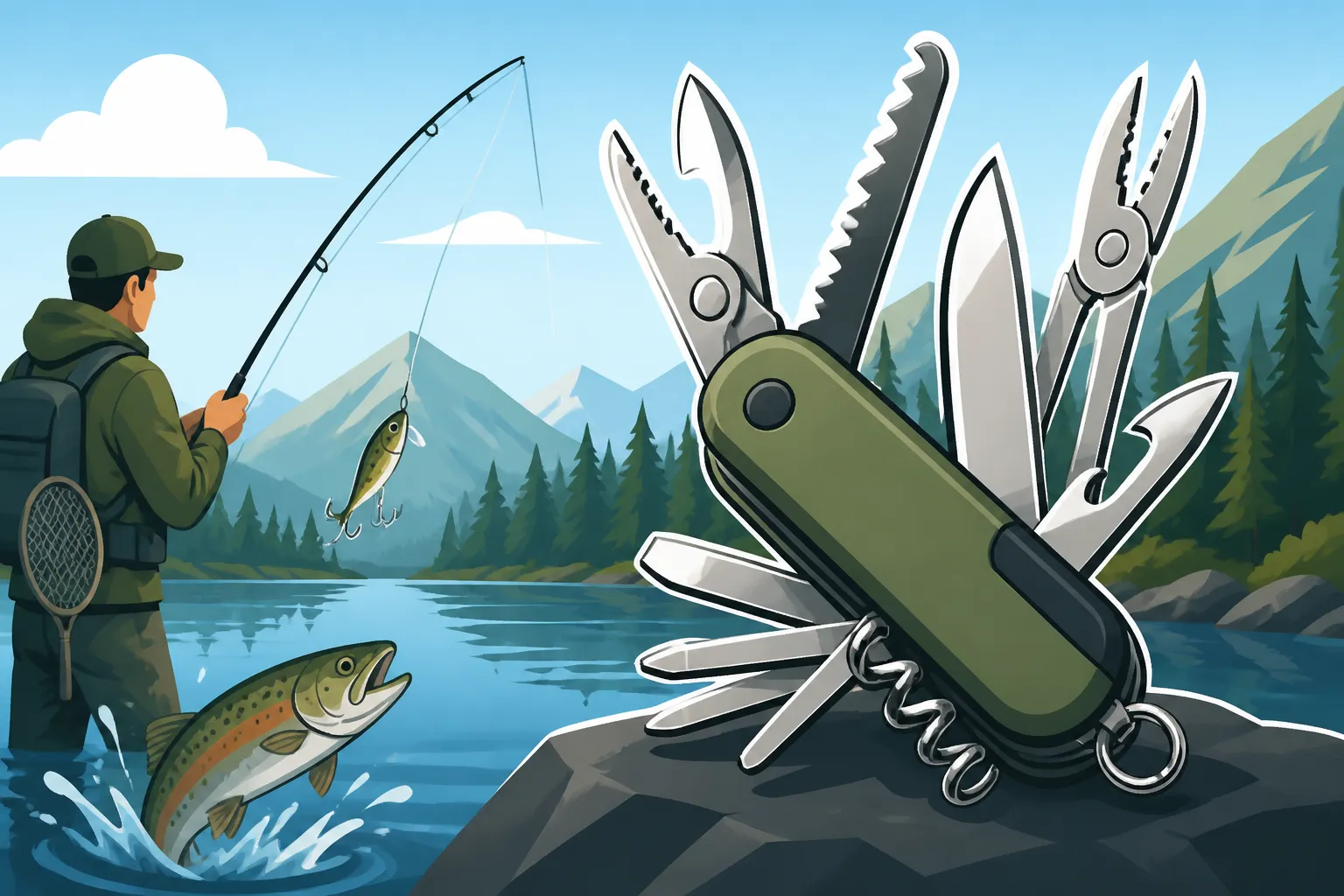
Think beyond just a simple folding knife. A dedicated fishing multi-tool is engineered with an angler's specific needs in mind. It's not just for cutting; it’s designed for precision and durability. For instance, the pliers on a multi-tool are often needle-nose, perfect for carefully extracting hooks from a fish's mouth without causing undue harm, or for crimping on a split shot when you need to adjust your weight. The blades are typically corrosion-resistant, a crucial feature given the constant exposure to water and humidity that comes with fishing in New Hampshire.
Imagine you’re out on a breezy day, and a knot suddenly cinches down impossibly tight. Trying to untangle it with your bare, wet fingers is a recipe for frustration. A multi-tool with a small, sharp blade or even a pointed awl can help you pick apart that knot in seconds, getting your line back in the water much faster. Or perhaps you've just landed a decent catch, and you need to cut a length of leader material for a new setup. Trying to bite through it or saw it with a dull knife is inefficient and potentially dangerous. A multi-tool's sharp scissors or line cutter can handle it cleanly and quickly. This kind of versatility and immediate access to the right tool is what makes it truly indispensable.
Common On-the-Water Scenarios Where a Multi-Tool Shines
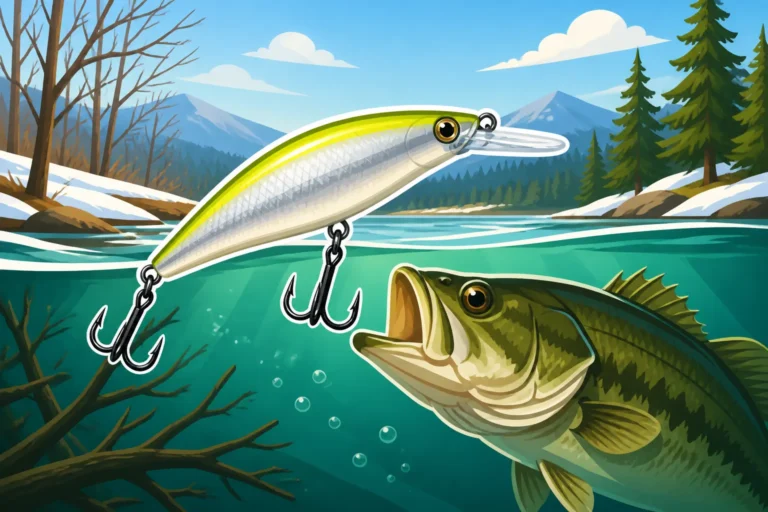
The beauty of a multi-tool truly comes alive in those unexpected moments that inevitably pop up during a fishing trip. Consider a scenario on a large lake like Squam, targeting smallmouth bass. You've been reeling in some decent fish, but suddenly your favorite crankbait runs into a submerged log. The hook point bends ever so slightly, or perhaps the split ring on the lure gets a bit out of whack. Without a multi-tool, that lure might be out of commission for the day, or you risk losing a fish. With a good pair of pliers from your multi-tool, you can quickly straighten that hook point or adjust the split ring, keeping you in the game. Best Tackle for New Hampshire Smallmouth Bass often includes various lures and terminal tackle that might need on-the-spot adjustments.
Or, let's say you're fly fishing a beautiful trout stream like the Swift River in the White Mountains. You're trying to tie on a tiny dry fly, and your knot just isn't quite right. A multi-tool with small, sharp scissors or nippers can precisely trim excess line without damaging the knot, something that's incredibly important when dealing with delicate leaders. Perhaps a small screw on your fly reel has come loose, causing a minor wobble. A multi-tool with a miniature screwdriver attachment could be the difference between a quick fix and a frustrating end to your day. These real-time problem-solving capabilities make the multi-tool more than just an accessory; it's an integral part of your fishing kit. You can find more specific advice for this kind of fishing in Fly Fishing for Trout in New Hampshire.
Key Features to Look for in a Fishing Multi-Tool
Not all multi-tools are created equal, especially when it comes to the specific demands of fishing. When you're choosing one, it's really important to think about the tools it includes, the materials it's made from, and how easy it is to carry and use. Skimping on these details could mean the difference between a convenient solution and a frustrating piece of gear that ends up staying in your bag.
The Essential Tools: Pliers, Knives, and More
The heart of any good fishing multi-tool lies in its pliers. Look for a tool that features both needle-nose and regular pliers. Needle-nose pliers are incredibly useful for delicate tasks, like precisely removing deeply set hooks, crimping small weights onto your line, or carefully working with split rings on lures. The fine tips allow you to get into tight spaces without damaging the fish or your tackle. Regular pliers, on the other hand, offer a stronger grip for heavier tasks, such as straightening a bent hook or tackling tougher crimps. Some multi-tools even integrate a wire cutter into the pliers, which is perfect for snipping through wire leaders or thick braided line cleanly.
Next up are the knives. You’ll want at least one sharp blade, ideally made from a stainless steel alloy to resist corrosion. A straight edge is fantastic for general tasks like cutting bait, preparing food, or slicing through heavy mono or fluorocarbon line. A serrated edge can be incredibly effective for cutting through tougher materials like thick rope or stubborn braided line, which can be a real challenge for a straight blade. Beyond the main blades, screwdrivers are often overlooked but incredibly valuable. Both Phillips and flathead drivers, even small ones, can save the day for minor reel repairs, tightening loose screws on rod guides, or adjusting boat hardware. Don't forget scissors for precise line trimming, a file for sharpening hook points or smoothing rough edges, and, of course, a can and bottle opener for those well-deserved refreshments.
Material and Durability: Standing Up to New Hampshire Weather
New Hampshire's fishing environments can be tough on gear, from the humid summer days on a pond to the cold, damp conditions on a river. That’s why the material and construction of your multi-tool are paramount. Stainless steel is absolutely essential. It’s significantly more resistant to rust and corrosion, which is a constant threat when fishing, especially if you're out on Great Bay for striped bass where saltwater exposure is unavoidable. Even in freshwater, damp conditions can lead to rust if your tool isn't properly cared for. Look for high-grade stainless steel in the tool components themselves.
Beyond the metal, consider the grip and locking mechanisms. A textured or rubberized grip will provide better handling when your hands are wet or slimy from fish, reducing the chance of accidental slips. Solid locking mechanisms for each tool are also a must-have safety feature. You don't want a knife blade or a screwdriver accidentally folding back on your fingers while you're applying pressure. A good locking system ensures the tool stays open and secure during use. When browsing for options, stores like Bass Pro Shops or even online retailers like Amazon typically offer a range of multi-tools from reputable brands known for their durable construction, often detailing the types of steel and locking mechanisms used. For anglers venturing into the salt, choosing a tool specifically marketed as "marine grade" or "saltwater resistant" will offer an extra layer of protection against the elements. New Hampshire Saltwater Fishing License, Explained is a good read if you're planning coastal trips.
Size, Weight, and Portability
The perfect multi-tool for fishing strikes a delicate balance between having all the necessary functions and being compact and light enough to carry comfortably. If it’s too bulky or heavy, you might be tempted to leave it behind, defeating its purpose entirely. Think about how you typically carry your gear. Do you wear a fishing vest with many pockets? Do you prefer a belt sheath? Or will it reside primarily in your Best Tackle Box Setup for New Hampshire Anglers?
For those who value minimal bulk, a smaller multi-tool that can easily clip to a belt loop, fit in a vest pocket, or even slip into your wading shorts might be ideal. These often have fewer features but focus on the absolute essentials like pliers and a knife. If you carry a larger tackle bag or fish from a boat, you might opt for a more robust multi-tool with a wider array of tools, as the slight increase in weight and size won't be as noticeable. Many multi-tools come with a sturdy nylon or leather sheath designed for belt carry, which is excellent for keeping it accessible without cluttering your pockets. For kayak anglers, a multi-tool that can be securely tethered to the boat or life vest is also a smart choice, preventing it from sinking if accidentally dropped overboard.
Top Considerations for Different New Hampshire Fishing Styles
New Hampshire boasts incredible diversity in its fishing opportunities, from large, deep lakes to swift-flowing rivers and even coastal saltwater. Each environment and fishing style presents unique challenges and, consequently, unique needs for your multi-tool. What works perfectly for a fly angler chasing brook trout might not be the best fit for someone trolling for lake trout.
Freshwater Lake & Pond Fishing: From Bass to Trout
For the majority of New Hampshire's freshwater lakes and ponds, where you might be targeting largemouth and smallmouth bass, perch, or even stocked trout, a multi-tool with strong, well-designed pliers is paramount. Bass, in particular, can be quite feisty, and their mouths can make hook removal tricky. Needle-nose pliers with a good grip and solid jaw alignment will make quick work of extracting hooks, minimizing stress on the fish and keeping your fingers safe. The wire cutters integrated into many multi-tool pliers are also excellent for trimming heavy monofilament or fluorocarbon leaders, which are common choices for bass fishing.
Beyond hook removal, you'll often find yourself needing to make quick adjustments to lures. This might involve opening split rings to change out a treble hook, crimping split shot onto your line to get your bait deeper, or even bending a spinnerbait arm back into shape after it's taken a beating. A multi-tool with various screwdriver bits can also be invaluable for tightening the handle on your spinning reel or making minor adjustments to a baitcaster. For instance, if you're fishing for largemouth bass in a weed-choked pond, you might be using heavy jigs or texas rigs. A stout knife blade on your multi-tool can easily cut through snagged lines or prepare soft plastic baits. For specific information on catching smallmouth bass, check out How to Catch Smallmouth Bass in New Hampshire Lakes.
River & Stream Trout Fishing: Fly Fishing and Spin Gear
Trout fishing in New Hampshire's rivers and streams, whether you're fly fishing the Pemigewasset or spin fishing smaller brooks, often calls for a more specialized and often more compact multi-tool. Fly anglers, especially, tend to carry minimal gear and value precision. For them, small, sharp scissors or line nippers are essential for trimming delicate leaders and tippets. Trying to bite through 6X or 7X tippet is not only ineffective but can damage your line. A good pair of nippers on a multi-tool ensures clean cuts, which are crucial for strong knots.
Needle-nose pliers, especially those with finer tips, are still useful for carefully removing small hooks from delicate trout mouths, particularly if you practice catch and release. A small file can be helpful for touching up hook points that might have dulled after hitting rocks. Furthermore, a multi-tool that includes a small screwdriver or even a small awl can be handy for minor repairs to a fly reel or for clearing debris from a hook eye. Since many river anglers wade, a multi-tool that can attach securely to a wading vest or chest pack is ideal, keeping it close at hand and preventing loss in the current. You can learn more about fishing for specific species in these waters by exploring Trout Fishing in New Hampshire.
Saltwater and Coastal Fishing: Durability Against Corrosion
When you transition from the freshwater lakes and rivers to New Hampshire's vibrant coastline and estuaries, like Great Bay, the primary concern for your multi-tool shifts dramatically to corrosion resistance. Saltwater is incredibly harsh on metal, and a standard carbon steel tool will rust almost immediately. This is where investing in a multi-tool made from high-grade, marine-specific stainless steel, or even titanium, truly pays off. Look for tools that explicitly state their saltwater resistance.
For saltwater anglers targeting striped bass, bluefish, or other coastal species, robust pliers are critical. You'll often be dealing with larger, stronger hooks, heavier lines (including braid), and potentially tougher fish to unhook. The pliers should have strong jaws and excellent cutting capabilities for heavy mono, fluoro, and even wire leaders. A good, stout knife blade is also essential for cutting bait like mackerel or pogies. Features like spring-loaded pliers can be a bonus, making one-handed operation easier when you're managing a fish or fighting waves. After every saltwater trip, it's non-negotiable to rinse your multi-tool thoroughly with freshwater and dry it completely to extend its life. More details about fishing the coast can be found in How to Catch Striped Bass in Great Bay.
Here's a quick comparison of multi-tool types for different fishing scenarios:
| Multi-Tool Type | Key Features for Fishing | Best For | Pros | Cons |
|---|---|---|---|---|
| Standard/Full-Size | Strong needle-nose pliers, multiple knife blades, screwdrivers, file, wire cutters. Often stainless steel. | Lake, pond, and general freshwater boat fishing. | Most versatile, robust, wide range of tools. | Can be bulky and heavy, less convenient for wading. |
| Compact/Keychain | Small pliers, knife, scissors, maybe a file or mini screwdriver. Lighter metals. | River, stream, and fly fishing (wading); minimalists. | Very portable, lightweight, easily fits in vest/pocket. | Limited tool set, less leverage, not ideal for heavy-duty tasks. |
| Marine/Saltwater | High-grade stainless or titanium, strong pliers/cutters, often includes line cutters. | Saltwater and coastal fishing (Great Bay, ocean). | Excellent corrosion resistance, built for harsh environments. | Can be more expensive, potentially heavier than freshwater tools. |
| Specialized Fishing | Integrated hook sharpeners, specific de-hookers, scale, specialized line cutters. | Anglers with very specific, niche fishing needs. | Highly specialized functions, often very ergonomic for fishing. | May lack general utility, can be less robust than standard tools. |
Maintenance and Care for Your Fishing Multi-Tool
Even the most rugged, corrosion-resistant multi-tool won't last if it's not properly maintained. Fishing exposes your gear to moisture, dirt, fish slime, and sometimes even saltwater, all of which can take a toll. A little care after each trip goes a long way in ensuring your multi-tool remains a reliable partner for many seasons to come.
Cleaning and Drying After Each Trip
This step is arguably the most critical, especially if you've been fishing in saltwater or even just on a rainy freshwater day. As soon as you get home, take a moment to rinse your multi-tool under fresh, clean water. For saltwater exposure, a thorough rinse is absolutely essential to remove salt crystals, which are incredibly corrosive. Don't just give it a quick splash; open all the tools and rinse each component individually. You might even use a soft brush to gently scrub away any stubborn grime or fish residue.
After rinsing, the next crucial step is thorough drying. Water, even fresh water, can cause rust over time if left on the metal surfaces, particularly in the pivot points and crevices. Use a clean cloth to wipe down every surface of the multi-tool. Then, leave it open in a well-ventilated area to air dry completely. Avoid putting it away immediately into a closed tackle box or drawer while it's still damp, as this creates a perfect environment for rust to flourish. Some anglers even use a hairdryer on a low, cool setting to ensure every nook and cranny is bone dry, particularly for complex tools.
Lubrication and Sharpening for Longevity
Once your multi-tool is clean and dry, regular lubrication is key to keeping it functioning smoothly. A few drops of a lightweight machine oil, like a gun oil or even a specialized fishing reel oil, applied to the pivot points and moving parts will prevent stiffness and corrosion. Open and close each tool a few times after applying the oil to work it into the mechanism. This not only keeps the action fluid but also adds another layer of protection against moisture.
The knife blades on your multi-tool are only useful if they're sharp. Over time, cutting line, bait, or even accidentally scraping against rocks can dull the edge. A small sharpening stone or a portable knife sharpener can easily restore a keen edge. Many multi-tool models, especially those from reputable brands, use high-quality steel that holds an edge well but will still benefit from occasional sharpening. Keeping your knife sharp makes cutting easier and safer, as you won't need to apply as much force, reducing the risk of slips. Similarly, ensure the plier jaws are clean and free of debris, so they can grip effectively.
Safe Storage Practices
How you store your multi-tool when not in use significantly impacts its lifespan and readiness for your next adventure. The best practice is to store it in its dedicated sheath or a specific, easy-to-access compartment within your tackle box. This protects the tool from being scratched or damaged by other items and, just as importantly, prevents its sharp edges or points from damaging other gear or accidentally pricking you.
Store your tackle box or fishing bag in a cool, dry place away from extreme temperatures and humidity. A garage or shed can be fine, but avoid leaving it in a damp basement or a hot, stuffy car for extended periods. If you use your multi-tool infrequently, consider adding a small desiccant packet to its storage area to absorb any residual moisture. By following these simple maintenance routines, your multi-tool will be ready to perform reliably whenever you need it, ensuring you’re always prepared on your New Hampshire fishing trips.
Disclaimer
This article is for general informational purposes only and does not constitute professional advice. Laws, prices and regulations vary by location and change over time. Consult a qualified professional for guidance on your specific situation.