Brook Trout: New Hampshire’s Native Trout
There's a special kind of magic that comes with wading into a clear, cold New Hampshire stream, knowing that the vibrant, jewel-toned fish you might encounter have called these waters home for millennia. But sometimes, identifying those beauties and understanding their unique needs can feel a bit daunting, especially with so many different trout species in our waters. This comprehensive guide is here to demystify the magnificent brook trout, New Hampshire's true native, helping you appreciate, identify, locate, and responsibly fish for these incredible creatures.
Understanding New Hampshire's Brook Trout Heritage
When you think of fishing in New Hampshire, chances are a picture of a brook trout, with its dazzling colors and pristine habitat, isn't far behind. These aren't just any trout; they are the original inhabitants, a living legacy of the Granite State's wild and untamed past. Their presence is a testament to the health and purity of our coldest, cleanest waters, and they hold a special place in the heart of every New Hampshire angler.
A True Granite State Original
Unlike rainbow or brown trout, which were introduced to North American waters from other continents, the brook trout (Salvelinus fontinalis) is truly indigenous to New Hampshire and much of eastern North America. They evolved here, adapted to our specific climate, geology, and aquatic ecosystems over thousands of years. This deep history means they are perfectly suited to the unique challenges and opportunities presented by our mountain streams, high-elevation ponds, and spring-fed rivulets. When you catch a brook trout, you're connecting with an ancient lineage that has shaped the very character of our waterways. It's a feeling quite different from catching a stocked fish, a sense of reverence for a wild, unbroken heritage.
This native status is incredibly important, as it speaks to the intrinsic value of these fish beyond just sport. They are a keystone species in many of their habitats, influencing the entire ecosystem. Their survival indicates a healthy environment, free from excessive pollution, warming waters, and disruptive development. Protecting them means protecting the wild places we cherish. They are more than just fish; they are ambassadors for wilderness and purity, thriving where few other fish can.
Beyond Just a Fish: An Indicator Species
Think of brook trout as nature's litmus test. Their extreme sensitivity to water quality and temperature makes them prime "indicator species." If brook trout populations are thriving in a stream, it's a strong sign that the water is clean, cold, and well-oxygenated. Conversely, a decline in brook trout numbers in a historically productive waterway often signals environmental problems, such as habitat degradation, pollution, or rising water temperatures due to climate change. This sensitivity is both their strength and their vulnerability.
For anglers and conservationists alike, monitoring brook trout populations provides invaluable insight into the health of our aquatic ecosystems. When we support efforts to protect brook trout, we're not just safeguarding one species; we're actively contributing to the health of the entire watershed. This could involve stream bank restoration, culvert replacements to improve fish passage, or advocating for stricter water quality standards. Every action taken to help brook trout benefits countless other species that rely on the same pristine conditions. You can often find detailed information about conservation efforts in the New Hampshire Freshwater Fishing Digest PDF, which is a must-read for any serious angler.
Brook Trout Identification: Spotting the Beauty
Few fish can rival the sheer beauty of a wild New Hampshire brook trout. Their vibrant colors and intricate patterns are a masterpiece of nature, making them a joy to behold. Being able to correctly identify them, especially distinguishing them from other trout species, is an essential skill for any angler looking to appreciate and protect these native gems.
Distinctive Colors and Markings
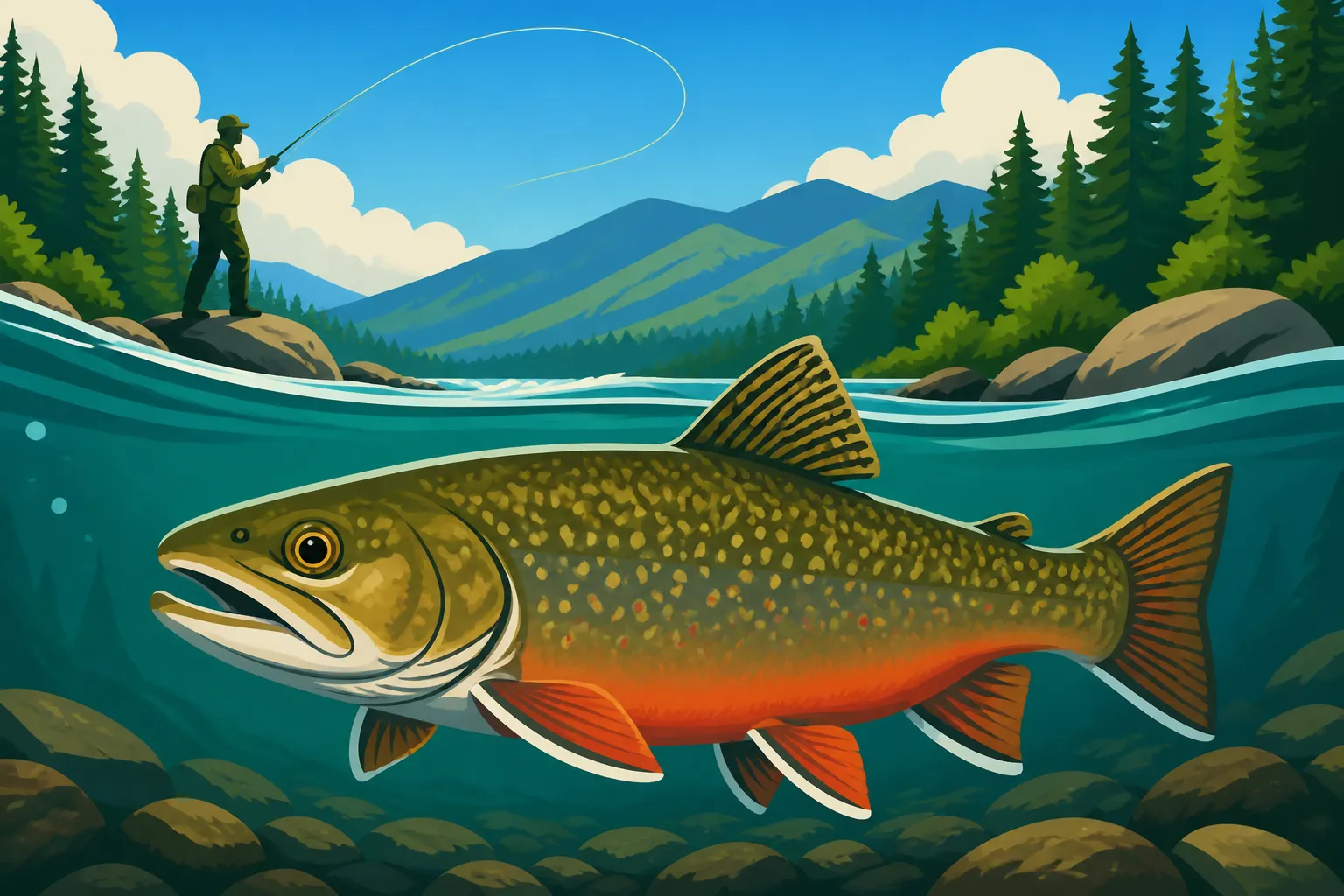
The brook trout's appearance is truly striking and relatively easy to distinguish once you know what to look for. Their bodies are typically an olive-green to dark brown on top, fading to lighter flanks and a white belly. What truly sets them apart are the worm-like markings, called "vermiform patterns," on their backs and dorsal fin, which are usually a lighter, yellowish color against the darker background. These patterns are unique to brook trout among our common species.
But the real showstopper is often found on their sides. They're adorned with bright, jewel-like spots: small, red spots, usually ringed with blue halos, scattered along their flanks. The lower fins – pelvic, pectoral, and anal fins – are often a reddish-orange, tipped with a distinct white leading edge, followed by a black stripe, and then the orange. This "white-black-red" fin edge is a dead giveaway for a brook trout. During spawning season, these colors become even more intense, especially in males, whose bellies can turn a brilliant orange or red.
Distinguishing from Other Trout Species
While their beauty is undeniable, it's sometimes easy for a less experienced eye to confuse a brook trout with other species, particularly young brown trout or rainbow trout, especially if the fish are small or the light isn't great. However, armed with a few key identifiers, you'll be able to tell the difference.
- Brown Trout: Brown trout tend to have larger, fewer spots, which are typically black and some red/orange, but they lack the distinct blue halos of the brook trout. Crucially, brown trout also have no vermiform patterns on their backs; their backs are usually uniformly spotted or speckled. Their adipose fin (the small, fleshy fin near the tail) is often orange, but they lack the prominent white-black-red fin edges. Brown trout also have a much more yellowish or golden hue compared to the brook trout's deeper greens and reds.
- Rainbow Trout: Rainbow trout are usually easier to distinguish. They get their name from the iridescent pinkish or red band that runs horizontally along their sides. Their spots are typically black, often numerous and extending onto the tail. They lack the blue halos of the brook trout's red spots and certainly don't have the worm-like patterns on their backs or dorsal fin. Young rainbow trout can sometimes have parr marks (vertical bars), which might be confusing, but their overall coloration and lack of red spots with blue halos are key differences.
A quick glance at the back and lower fins will usually give you the answer. If you see those intricate worm-like patterns on the back and the signature white-black-red fin edges, you've got a brook trout. If you want to dive deeper into identifying different species, check out our Trout Species Identification Guide for New Hampshire.
| Feature | Brook Trout | Brown Trout | Rainbow Trout |
|---|---|---|---|
| Back/Dorsal Fin | Dark with light "worm-like" patterns | Uniformly spotted or speckled (no worm marks) | Spotted, often extending onto the tail |
| Side Spots | Red spots with blue halos | Dark spots, some red/orange (no blue halos) | Numerous small black spots, often a pink stripe |
| Lower Fin Edges | Distinct white leading edge, then black | Usually plain or dark-edged | Usually plain or dark-edged |
| Tail | Slightly forked or squared | Slightly forked or squared | Typically squared or slightly concave |
| Overall Color | Olive-green to dark brown, vivid side colors | Golden-brown to yellowish, fewer spots | Silvery with iridescent pink/red band |
| Native Status NH | Yes (Native) | No (Introduced) | No (Introduced) |
Preferred Habitats: Where Brookies Thrive
Brook trout are creatures of specific preferences. They aren't found just anywhere; their very survival depends on a delicate balance of environmental factors that create the perfect cold, clean, and sheltered aquatic homes. Understanding these preferred habitats is crucial for anyone hoping to successfully locate and catch New Hampshire's native trout.
Cold, Clean Water is Key
When it comes to brook trout, water temperature is paramount. These fish absolutely demand cold water, thriving in temperatures generally below 68°F (20°C). Anything consistently above that, especially nearing the mid-70s, becomes highly stressful or even lethal for them. This is why you often find them in spring-fed streams, mountain brooks, and deep, clear ponds, particularly those with a continuous inflow of cold groundwater. The springs act like natural refrigerators, keeping the water consistently cool even during the hottest summer months.
Beyond temperature, brook trout need exceptionally clean water. They are intolerant of pollution, sediment, and low oxygen levels. Streams with stable banks, healthy riparian vegetation (trees and shrubs along the edges), and minimal agricultural or urban runoff are their strongholds. The vegetation provides shade, keeping water temperatures down, and its roots stabilize the soil, preventing erosion that can smother spawning beds. These pristine conditions are not just a luxury for brook trout; they are a fundamental requirement for their survival and reproduction.
Small Streams, Ponds, and High-Elevation Gems
While you might dream of finding massive brook trout, their typical haunts in New Hampshire are often surprisingly small. Many of the most productive brook trout fisheries are found in the countless small, headwater streams that tumble down from our mountains, particularly in the White Mountains and other upland regions. These streams are characterized by rocky bottoms, numerous riffles and pools, and plenty of overhead cover from trees and shrubs. They might not look like much to the casual observer, but for a brook trout, they offer everything needed: food, shelter from predators, and consistently cold water.
High-elevation ponds, often remote and requiring a hike to access, are another prime habitat. These ponds are frequently spring-fed and remain cold throughout the summer, allowing brook trout to grow to impressive sizes, sometimes rivaling their larger lake-dwelling cousins. The isolation of these "backcountry" ponds also often means less fishing pressure and undisturbed spawning grounds. Areas around the Kancamagus Highway, for instance, are known to have fantastic trout streams.
Even larger rivers like parts of the Connecticut River or the Pemigewasset River can hold brook trout, especially in their upper reaches or in tributaries that flow into them, provided those sections maintain the necessary cold, clean conditions. In some cases, brook trout might share waters with Rainbow Trout Stocking in New Hampshire or Brown Trout Habits in New Hampshire Streams, but they typically seek out the colder, more secluded pockets.
Life Cycle and Behavior: A Year in the Life of a Brook Trout
The life of a New Hampshire brook trout is a fascinating journey dictated by the seasons, water temperature, and the instinct to survive and reproduce. Understanding their annual rhythm can significantly improve your chances of success while fishing for them, and more importantly, foster a deeper appreciation for their resilience.
Spawning Rituals in the Fall
For brook trout, autumn is the season of renewal. Unlike some other trout species that spawn in the spring, brook trout typically begin their spawning rituals in late September, continuing through October and sometimes into November, depending on water temperatures. This timing means they are often quite active and vibrantly colored during the crisp fall days. They seek out specific areas in streams and rivers known as "redds"—shallow, gravelly riffles where the female, with a vigorous flick of her tail, digs a depression to deposit her eggs.
Males, often displaying their most brilliant oranges and reds, compete fiercely for breeding rights, guarding the redds and fertilizing the eggs as they are laid. After fertilization, the female covers the eggs with gravel, providing protection from predators and the elements. The eggs will then incubate over the winter, benefiting from the stable, cold water temperatures. This delicate process highlights the importance of protecting spawning areas, ensuring minimal disturbance during this critical period. Anglers should be especially careful not to walk through or disrupt gravelly areas in streams during the fall.
Feeding Habits and Forage
Brook trout are opportunistic feeders with a varied diet that shifts with the seasons and what's available in their environment. In their native streams and ponds, their menu primarily consists of aquatic insects—larvae and nymphs of caddisflies, mayflies, and stoneflies being staples. They'll also readily gorge on terrestrial insects that fall into the water, such as ants, beetles, and grasshoppers, especially during the warmer months. This makes fishing with imitative dry flies or small terrestrial patterns particularly effective.
As they grow larger, brook trout will supplement their insect diet with small baitfish, crayfish, and even smaller salamanders or frogs. In larger ponds and lakes where brook trout can reach impressive sizes, they might become more piscivorous, meaning they primarily feed on other fish. This dietary flexibility allows them to adapt to different habitats and ensures they can find sustenance year-round. Knowing what's hatching or prevalent in the water body you're fishing can give you a significant advantage in choosing the right bait or lure. You can often find information on specific hatches and what flies to use in guides like Fly Patterns for New Hampshire Trout Streams.
Seasonal Movements and Survival Strategies
Brook trout exhibit distinct seasonal movements driven primarily by temperature and food availability. In the spring, after the ice-out, they can be found throughout their habitat, taking advantage of renewed insect activity and cooler water. As summer progresses and water temperatures rise, they retreat to the coldest parts of their habitat: deep pools, areas with spring seeps, or under dense overhead cover that provides shade. This is why finding them in summer often means seeking out these thermal refugia.
In the fall, as spawning approaches and water temperatures cool down, they become more active again, moving to spawning grounds and aggressively feeding to build up energy reserves for the rigors of reproduction. Winter sees them become less active, often holding in deeper pools or under ice, conserving energy until spring. Survival throughout these cycles depends on their ability to find consistent cold water and ample food, making habitat integrity absolutely vital. Any disruption to these cycles, such as prolonged warm spells or significant habitat alteration, can have serious consequences for brook trout populations.
Conservation Challenges and Efforts
While brook trout are resilient, they face a growing number of threats in our modern world. As New Hampshire continues to develop and global climate patterns shift, our native trout are increasingly under pressure. Understanding these challenges is the first step toward effective conservation, ensuring these beautiful fish continue to grace our waterways for generations to come.
Threats from Habitat Loss and Climate Change
One of the most significant threats to brook trout is the loss and degradation of their cold, clean water habitats. Development, such as residential and commercial building, road construction, and logging, can lead to increased sedimentation in streams, higher water temperatures due to loss of riparian shade, and altered water flows. Culverts that are improperly sized or placed can block fish passage, isolating populations and making them more vulnerable. When streams become fragmented, brook trout can't move to find colder water or spawning grounds, which can be devastating.
Climate change adds another layer of complexity. Rising air temperatures directly translate to warmer water temperatures, pushing brook trout out of historically suitable areas. Increased frequency and intensity of extreme weather events, like heavy rainfalls followed by droughts, can lead to scouring floods or critically low water levels, both of which are detrimental to brook trout and their fragile eggs. Protecting and restoring stream buffers, managing stormwater runoff, and addressing barriers to fish passage are critical strategies in mitigating these impacts.
Invasive Species and Competition
Another major challenge comes from invasive species, particularly other non-native trout. Brown trout and rainbow trout, while popular sportfish, can outcompete brook trout for food and habitat. Brown trout are especially aggressive and tolerant of warmer water, often displacing brook trout from prime areas. Rainbow trout, while less aggressive, can sometimes hybridize with brook trout in rare cases, though this is more common with other char species. The introduction of other invasive fish species, like certain types of carp or baitfish, can also disrupt the delicate ecosystem balance, impacting brook trout food sources or increasing predation pressure.
In some cases, the problem isn't just other fish. Aquatic invasive plants can alter stream flow and habitat, while diseases introduced by non-native species can spread to native populations. Efforts to remove barriers that prevent brook trout from accessing their preferred headwater habitats, where invasive species are less likely to penetrate, are crucial. Additionally, anglers play a vital role in preventing the spread of invasives by properly cleaning their gear and never releasing baitfish into new waters.
Ongoing Conservation Programs and Stocking Practices
New Hampshire Fish and Game Department (NHFGD) is actively involved in numerous conservation programs aimed at protecting and restoring brook trout populations. These initiatives include habitat restoration projects, such as improving stream connectivity, stabilizing eroding banks, and planting native vegetation along waterways. Monitoring programs track brook trout health and population trends, providing essential data for management decisions. Efforts also focus on acquiring and protecting critical habitat lands to ensure long-term viability.
It's important to distinguish between wild brook trout and stocked brook trout. While the focus of conservation is often on wild populations, NHFGD does stock brook trout in many ponds and streams throughout the state to provide diverse fishing opportunities. These stocked fish, though genetically identical to their wild cousins, are raised in hatcheries. Stocking practices are carefully managed to avoid negatively impacting wild populations, often occurring in waters that cannot support natural reproduction or to supplement fishing in high-pressure areas. Learning How many trout New Hampshire stocks each year and where they are stocked can help anglers understand the opportunities available. Anglers passionate about supporting native brook trout should look for New Hampshire wild trout waters regulations or New Hampshire Catch and Release Fly Fishing Only Waters.
Fishing for New Hampshire Brook Trout: Techniques and Tactics
Catching a brook trout in New Hampshire is a rewarding experience, a true testament to stealth and skill. While they can be eager biters, their preference for clear, cold water often means they are wary and require a thoughtful approach. Here’s how to gear up and get after these native beauties responsibly.
Gear Essentials for Brookie Anglers
When targeting brook trout, especially in their smaller, wilder haunts, less is often more. Ultralight spinning gear or a lightweight fly rod is typically all you need.
- Spinning Setup: A 5 to 6-foot ultralight spinning rod paired with a small spinning reel spooled with 2-4 pound test monofilament or fluorocarbon line is ideal. This light line allows for long, accurate casts with small lures and baits, and it’s critical for presenting offerings naturally in clear water. Look for durable, sensitive rods on platforms like Amazon that can handle the occasional brush or fallen branch you might encounter in dense cover. A small tackle box that can fit in a vest or backpack is perfect for carrying a selection of tiny spinners, spoons, and jigs.
- Fly Fishing Setup: For fly anglers, a 2 to 4-weight fly rod, 6 to 8 feet in length, is perfect for tight quarters and delicate presentations on smaller streams. Pair this with a matching floating fly line and a 7.5 to 9-foot leader tapering down to 5x or 6x tippet. Best Fly Rods for New Hampshire Trout Streams often includes recommendations suitable for brookies.
Beyond rods and reels, essential gear includes a small, soft-mesh landing net to protect the fish (especially if practicing catch and release), a pair of forceps or hemostats for easy hook removal, and polarized sunglasses to cut glare and spot fish in clear water. A good pair of breathable chest waders and wading boots with good grip are also vital for safely navigating rocky stream beds and cold water. Check out Best Waders for New Hampshire Trout Streams for more detailed advice.
Effective Baits and Lures
Brook trout are generally not picky eaters, but presentation and size matter. Natural baits are often irresistible:
- Worms: A small piece of a garden worm or a whole tiny red wiggler presented on a small hook (size 10-14) with minimal weight is a classic and highly effective choice. Let it drift naturally through pools and riffles.
- PowerBait/Salmon Eggs: For stocked brook trout, especially in ponds, small bits of PowerBait or a single salmon egg can be very productive. These are often bright and scented, appealing to fish accustomed to hatchery food.
- Small Spinners: Classic inline spinners like Mepps Aglias or Panther Martins in sizes #0 to #1, with silver, gold, or black blades, are deadly. Cast upstream and retrieve just fast enough to get the blade spinning, letting it drift naturally downstream through prime holding water.
- Tiny Spoons: Small casting spoons, usually 1/16 to 1/8 oz, like a Little Cleo or a Kastmaster, can imitate small baitfish or flashy insects. They work well in deeper pools or larger sections of streams.
- Jigs: Small marabou jigs or tiny plastic grubs on 1/32 to 1/16 oz jig heads can be surprisingly effective, especially when fished under a small bobber or floated naturally with the current.
Remember, clear water demands light line and subtle presentations. Avoid heavy split shot if possible, letting your bait or lure drift as naturally as possible.
Fly Fishing for Native Brookies
Fly fishing is an incredibly popular and effective method for brook trout, especially in smaller, more intimate streams where their wild nature truly shines. The key to success is often "matching the hatch" – presenting a fly that mimics the natural insects currently present in the water.
- Dry Flies: When insects are hatching, brook trout will readily rise to a properly presented dry fly. Popular patterns include the Parachute Adams, Elk Hair Caddis, Royal Wulff, and small attractor patterns in sizes 12-18. Focus on casting to seams, eddies, and pocket water where brook trout often hold, waiting for food to drift by.
- Nymphs: When fish aren't rising, nymphs are often the most productive. Brook trout spend much of their time feeding on subsurface insects. Patterns like the Pheasant Tail, Hare's Ear, Prince Nymph, and small San Juan Worms in sizes 12-18 are excellent choices. Fish them with a strike indicator, allowing them to drift naturally along the bottom.
- Streamers: For larger brook trout, especially in ponds or deeper pools, small streamers can imitate baitfish or larger aquatic insects. Woolly Buggers (black, olive, brown) in sizes 8-12 are a versatile option. Strip them erratically to mimic fleeing prey. For more specialized techniques, our guide on Fly Fishing for Trout in New Hampshire offers a deeper dive.
Catch and Release Best Practices
Many anglers choose to practice catch and release for brook trout, especially the wild ones, to help preserve populations. If you intend to release your catch, follow these best practices to maximize their survival:
- Minimize Handling: Keep the fish in the water as much as possible. Wet your hands before touching the fish to protect its protective slime coat.
- Quick Release: Use forceps or pliers to remove the hook quickly. If the fish is deeply hooked, especially in the gills or esophagus, it's often best to cut the line as close to the hook as possible rather than tearing tissue trying to remove it. Barbless hooks greatly aid quick removal.
- Support and Revive: If the fish seems stressed, gently hold it upright in the current, facing upstream, until it can swim away under its own power. Don't pump it back and forth; this can actually inhibit oxygen uptake.
- Avoid Air Exposure: Keeping the fish out of water for more than a few seconds, particularly in warm weather, significantly reduces its chances of survival.
- Use Proper Nets: A net with rubberized or knotless mesh is much gentler on fish scales and slime than traditional knotted nylon nets. You can often find excellent rubber mesh nets on Amazon that are ideal for catch and release. Our Best Landing Net for Trout guide can help you choose.
By practicing responsible catch and release, you contribute to the health of New Hampshire's native brook trout populations, ensuring that future generations can also enjoy the thrill of catching these magnificent fish.
Top New Hampshire Brook Trout Fishing Spots
New Hampshire is blessed with an abundance of waters that hold brook trout, from tiny, trickling mountain streams to remote, pristine ponds. Knowing where to focus your efforts can make all the difference, whether you're seeking wild natives or opportunities for a good meal.
Remote Mountain Streams and Ponds
For many anglers, the ultimate brook trout experience lies in venturing into the more remote, high-elevation waters of New Hampshire. These are the places where brook trout have thrived for centuries, often untouched by human development and competition from other fish species. The White Mountains, in particular, are a treasure trove of such waters. Streams flowing off peaks like Mount Washington, Franconia Ridge, or the Sandwich Range often host thriving populations of small, feisty wild brook trout. You might not catch a trophy here, but the sheer beauty of the surroundings and the purity of the fish make every catch special.
- Pemigewasset River Tributaries: While the main stem of the Pemi holds various trout, its numerous smaller tributaries, particularly those high in the mountains, are classic brook trout water. Think about exploring streams within Franconia Notch State Park or Crawford Notch State Park. These often require a hike, but the reward is pristine water and eager brookies. Check out our Pemigewasset River Fishing Guide for more details on the general area.
- Swift River and Ellis River: These iconic White Mountain rivers, and their many feeder streams, are well-known for their trout fishing, including wild brook trout in their upper reaches and more remote sections. Access points along the Kancamagus Highway can lead to some incredible spots, though you'll need to be prepared for some bushwhacking to find the truly wild fish. Many fly fishing enthusiasts frequent these areas, and for good reason.
- High-Elevation Ponds: Many remote ponds across the state, especially those requiring a significant hike, are managed specifically for wild or self-sustaining brook trout populations. The exact locations are often kept quiet by those who find them, but studying topographical maps and looking for ponds with consistent cold water inflow can point you in the right direction. These offer the chance for larger brook trout due to less fishing pressure and ample food sources. Information about specific "trophy trout ponds" is often available through the NHFGD, though it often refers to stocked fish.
Fishing these remote areas demands preparation. Carry a map, compass or GPS, plenty of water, and be aware of wildlife. Consider hiring a local guide who specializes in these backcountry excursions if you're new to the area.
Accessible Wild Trout Waters
You don't always have to hike miles into the wilderness to find wild brook trout. New Hampshire has numerous more accessible streams and rivers that maintain healthy wild brook trout populations, especially in sections where conditions remain optimal. These spots are often popular but still offer a genuine native trout experience.
- Connecticut River Tributaries: While the Connecticut River itself is vast, many of its smaller tributaries, particularly in the northern and western parts of the state, are excellent brook trout streams. These can often be accessed via public lands or road crossings. The upper Connecticut River system, known for its trophy trout program, also has smaller feeder streams that hold brookies.
- Contoocook River and Tributaries: This river system, especially in its higher elevations and less developed sections, can offer good brook trout fishing. Look for areas with good tree cover and rocky bottoms, particularly where smaller spring-fed brooks flow in. Our Contoocook River Fishing Spots guide might offer some initial ideas.
- Special Regulation Waters: New Hampshire Fish and Game designates certain waters as "wild trout waters" or "fly-fishing only/catch and release" sections. These areas are specifically managed to protect and enhance wild trout populations, and brook trout are often a primary beneficiary. Always check the current New Hampshire Fishing Regulations Explained or New Hampshire Freshwater Fishing Digest PDF for the latest list and rules, as these can change. These spots often offer some of the best opportunities to catch larger, healthy wild brook trout due to reduced harvest pressure.
Remember that "accessible" doesn't mean "easy." Wild brook trout are still wary fish, and successful angling in these spots requires stealth and careful presentation.
Stocked Brook Trout Opportunities
For those looking for a more relaxed fishing experience or higher catch rates, New Hampshire's stocked brook trout waters are an excellent option. NHFGD stocks hundreds of thousands of brook trout annually into ponds, lakes, and rivers across the state, providing fantastic opportunities for anglers of all skill levels. These fish are typically hatchery-raised and are often more accustomed to human presence and a wider variety of baits and lures.
- Local Ponds and Lakes: Many small to medium-sized ponds throughout New Hampshire receive regular stockings of brook trout. These are often easy to access, family-friendly locations perfect for a day out. Good examples might include some of the smaller ponds managed within state parks. The New Hampshire Trout Stocking Report and Map is an invaluable resource for finding out exactly which waters have been recently stocked and when.
- Designated Stocked Rivers: While many river sections are managed for wild trout, others are regularly stocked with brook trout to supplement natural populations and increase angler success. These areas are usually clearly marked and have good public access.
- Early Season Fishing: Spring, right after ice-out, is often the best time to target stocked brook trout as they are newly introduced and actively feeding. Many anglers flock to these waters for "opening day" or shortly thereafter.
When fishing for stocked trout, standard tackle and bait (worms, PowerBait, small spinners) are usually very effective. These fish are generally less selective than their wild counterparts. However, remember to always abide by New Hampshire Bag and Possession Limits by Species to ensure sustainable fishing practices.
Regulations and Ethics: Protecting the Future
Fishing for brook trout in New Hampshire is a privilege that comes with responsibility. Understanding and adhering to state regulations, combined with a strong ethical angling approach, is paramount to ensuring that these native treasures continue to thrive. It's not just about following the rules; it's about respecting the resource and contributing to its longevity.
Understanding Bag and Possession Limits
The New Hampshire Fish and Game Department establishes specific regulations for brook trout, including daily bag limits and minimum length requirements. These rules are designed to manage fish populations, allowing enough fish to survive and reproduce while providing reasonable harvest opportunities for anglers. It's crucial to consult the most current New Hampshire Fishing Regulations Explained or the annual New Hampshire Freshwater Fishing Digest before heading out, as regulations can vary by water body and change periodically.
For example, there might be a statewide daily limit for brook trout, but specific lakes, rivers, or even stretches of a river could have different, more restrictive rules. Some waters might have a "slot limit" where only fish within a certain size range can be kept, or a "no harvest" rule for certain species. These nuances are incredibly important. Violating these limits can result in significant fines and penalties, and more importantly, it can negatively impact the health of the fishery. Always check the specific regulations for the water you plan to fish, and if you have any doubt, practice catch and release.
Special Regulation Waters (Fly-Fishing Only, Catch & Release)
New Hampshire has a number of "special regulation waters" specifically designed to protect and enhance its wild trout populations, including brook trout. These areas often carry restrictions such as "fly-fishing only," "catch and release only," or specific tackle restrictions. These rules are put in place for a good reason:
- Fly-Fishing Only: This regulation is often applied to pristine wild trout streams where the subtle presentation of a fly is less intrusive than other methods, and it also encourages a higher level of skill and respect for the fishery.
- Catch and Release Only: This is the ultimate conservation measure, ensuring that all fish caught are returned to the water unharmed, allowing them to grow, spawn, and contribute to the population. These waters are often where you'll find the healthiest and largest wild brook trout. New Hampshire Catch and Release Fly Fishing Only Waters provides a list of these precious areas.
- Single Hook, Barbless Hook: These restrictions are often paired with catch and release rules, as they minimize harm to the fish during removal.
Anglers fishing these special waters must be extra diligent in understanding and following the rules. These areas are living laboratories for conservation, and their success depends on every angler's compliance and ethical behavior. It's a chance to challenge yourself, hone your skills, and experience fishing at its purest, all while contributing directly to conservation.
The Importance of Respecting the Resource
Beyond the written regulations, ethical angling is about fostering a deep respect for the brook trout and their environment. This means:
- Leaving No Trace: Pack out everything you pack in, and perhaps even pick up any litter you find. Leave the stream banks and surrounding wilderness cleaner than you found them.
- Protecting Habitat: Be mindful of where you wade, avoiding sensitive spawning areas (redds) during the fall. Don't disturb stream banks or vegetation unnecessarily.
- Responsible Fish Handling: If you choose to harvest fish, do so ethically and legally. If you practice catch and release, follow the best practices outlined earlier to ensure the fish's survival.
- Reporting Violations: If you witness illegal fishing activity, such as exceeding bag limits or fishing in closed areas, report it to the New Hampshire Fish and Game Department. It's everyone's responsibility to protect our shared natural resources.
- Educating Others: Share your knowledge and passion for brook trout conservation with fellow anglers, especially newer ones. Help them understand the importance of these native fish and how to interact with them responsibly.
By embracing both the letter and the spirit of these guidelines, we can all help ensure that New Hampshire's brook trout, these magnificent native fish, continue to thrive for generations to come, providing joy and wonder to all who seek them in our wild, pristine waters.
Disclaimer
This article is for general informational purposes only and does not constitute professional advice. Laws, prices and regulations vary by location and change over time. Consult a qualified professional for guidance on your specific situation.