Best time to fish a stocked trout pond
Oh, the age-old question for every angler who loves the thrill of a stocked trout pond: "When is the absolute best time to go?" It's a common frustration, isn't it? You carve out precious time, pack up your gear, and head to your favorite local pond, only to wonder if you've missed the boat – or the bite! This guide is going to peel back the layers on fishing stocked trout ponds in New Hampshire, helping you understand the prime windows of opportunity, from the exact moment fish hit the water to how weather and fellow anglers play a role, so you can make every trip count.
Understanding the "When" Factors for Stocked Trout
Fishing a stocked trout pond isn't quite the same as pursuing wild trout in a remote mountain stream. These fish, often fresh from a hatchery, behave differently, and their feeding patterns are heavily influenced by when they were introduced to their new home and the general buzz around the pond. Knowing these nuances is key to timing your trip right.
The Immediate Aftermath: Right After Stocking
Let's be honest, everyone wants to be there the moment the truck pulls up. There's a good reason for this excitement! When trout are first stocked, they are often disoriented and hungry. They've just been transported, sometimes for a significant distance, and suddenly find themselves in a new environment with a lot more space and natural food options. This initial shock period can be an incredibly productive time to fish. The trout haven't yet learned the ropes of their new home, making them less wary and more apt to strike at a variety of baits and lures.
However, this "golden hour" right after stocking can also be a double-edged sword. If you're not among the first few anglers, the pond can quickly become crowded, and the fish, while still active, might start to get a bit "educated" to common baits and fishing pressure. It's a mad dash for many, and you might find yourself shoulder-to-shoulder with other eager anglers. If you're looking for the specifics on when new fish are released, checking the New Hampshire Trout Stocking and Fishing Rules is your best bet to stay informed.
Timing your visit to be just a few hours or even a day after stocking can still yield fantastic results without the initial frenzy. The fish are still settling in, still hungry, but the immediate crowds might have thinned. They're still vulnerable before they fully adapt to their new surroundings. Patience and checking stocking reports are your best friends here.
Time of Day: Dawn, Dusk, and Everything In Between
Just like most fish, stocked trout often have peak feeding times that align with the natural rhythms of the day. Generally speaking, dawn and dusk are prime times for trout. As the sun rises or sets, the light levels are lower, offering a sense of security for the trout to move into shallower waters and feed more aggressively. The air and water temperatures are also often cooler during these transitional periods, which trout much prefer, especially during warmer months.
Mid-day fishing, especially on bright, sunny days, can be tougher. The sun penetrates the water more deeply, making fish feel exposed, and temperatures can rise, pushing trout deeper or into shaded areas. However, this isn't a hard and fast rule. On overcast days, or during cooler seasons, trout might remain active throughout the day. It also depends on the specific pond. Some ponds have deeper sections or springs that keep water cooler, allowing for more consistent mid-day action. Understanding Spring Trout Fishing Techniques for New Hampshire Ponds can help you adapt to different times of day as the season progresses.
Ultimately, being flexible with your timing is important. If you can't make it for dawn or dusk, don't despair! A cloudy afternoon can be just as good as an early morning. Keep an eye on weather patterns and choose your window accordingly, always prioritizing cooler water and lower light when possible.
Seasonal Influences: Spring, Summer, Fall, and Winter Considerations
New Hampshire's distinct seasons play a huge role in when stocked trout ponds are at their best. Spring is arguably the most popular and productive season for stocked trout. As the ice melts and water temperatures begin to rise, trout become incredibly active after a long winter. This is when the majority of stocking occurs, leading to abundant opportunities. The fish are fresh, the weather is pleasant (usually!), and the ponds are often teeming with hungry trout.
Summer can be challenging. Many shallow stocked ponds warm up considerably, stressing trout and making them less active. You'll need to focus on early mornings, late evenings, or targeting deeper, cooler sections of larger ponds. Some ponds may even have special regulations or closures during the hottest parts of summer to protect the fish. Fall, however, brings a resurgence. As temperatures cool down, trout become active again, feeding aggressively to build up reserves for winter. The fall foliage also makes for incredibly scenic fishing trips.
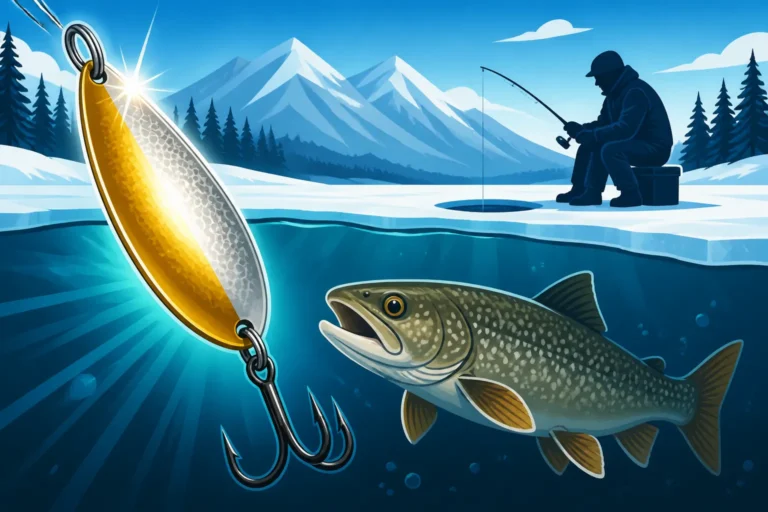
Winter offers the unique experience of ice fishing. Many stocked ponds in New Hampshire are excellent for ice fishing once safe ice forms. While the trout's metabolism slows down in cold water, they still need to feed, and dedicated ice anglers can find great success jigging or using tip-ups. Always prioritize safety when ice fishing, checking ice thickness before venturing out. The season truly dictates how and when you approach these waters.
Environmental Conditions That Impact Success
Beyond the clock and calendar, the natural environment itself dictates a lot about when trout will bite. Ignoring these critical factors is like trying to guess the weather by looking at a calendar – you'll often be wrong! Trout are highly sensitive to their surroundings, and understanding their preferences will significantly increase your odds.
Water Temperature: The Trout's Comfort Zone
Water temperature is, without a doubt, one of the most crucial factors for trout fishing. Trout, especially species like brook, rainbow, and brown trout that are commonly stocked, thrive in cool, well-oxygenated water. Their ideal temperature range is generally between 45°F and 65°F. When water temperatures stray too far outside this range, trout become stressed, lethargic, and less likely to feed. In New Hampshire, this means spring and fall are often peak seasons when temperatures are most consistent within this optimal range.
In summer, a pond's surface can heat up dramatically, pushing trout into deeper, cooler zones or toward areas where cold springs might enter the pond. Trying to fish a warm, shallow pond in mid-July afternoon is often an exercise in futility. Conversely, in the dead of winter, while the water is cold, trout are still active, just at a slower pace. The key is to understand where the comfortable water is and fish there. A simple fishing thermometer, easily found on Amazon, can be a game-changer for consistently finding the trout's preferred depth.
If you arrive at a pond and the water feels bathwater warm, or you can visibly see fish gasping at the surface, it's often a sign that the water is too warm and stressing the fish. At these times, it's often best to call it a day to avoid further stressing the trout, especially if you plan on practicing catch and release. Healthy fish are happy fish, and happy fish are more likely to bite.
Weather Patterns: From Sunny Skies to Stormy Fronts
Weather isn't just about whether you need a raincoat; it profoundly influences fish behavior. Overcast days are often fantastic for trout fishing. The reduced light penetration makes trout feel safer and more comfortable in shallower water, leading to increased activity throughout the day. A light drizzle can also be beneficial, as it can dim the light and wash terrestrial insects into the water, creating a feeding frenzy.
Bright, sunny days, as mentioned, can make fishing tougher. Trout will often seek shade or deeper water. Strong winds can also be a mixed bag; a gentle breeze can create a chop on the water, breaking up the surface and making your line less visible to wary fish. However, sustained, heavy winds can make casting difficult and stir up sediment, reducing water clarity.
Barometric pressure changes, often associated with approaching or passing storm fronts, also play a role. A steady, rising barometer after a low-pressure system can often signal increased feeding activity, as fish sense stable conditions returning. Conversely, a rapidly falling barometer just before a storm can sometimes shut fish down, though this isn't always the case, and some anglers swear by fishing right before a storm hits. Paying attention to the forecast, even a quick check on your phone, can give you a significant edge in choosing the best time to fish.
Water Clarity and Levels: Reading the Pond's Pulse
The clarity and level of the water in a stocked pond are often overlooked but important environmental factors. Trout are visual predators, so water clarity directly impacts their ability to see your bait or lure, and your ability to spot them. Clear water usually means you need to be more stealthy, using lighter lines and more natural presentations. On the flip side, extremely murky water, perhaps after heavy rains, can make it difficult for trout to find your offering, requiring brighter colors or baits with strong scents.
Moderate stain, a slight tea color, can actually be ideal. It provides a bit of cover for the trout while still allowing them to see their food. Think about how many successful fishing days you've had on a slightly stained lake! Water levels can also fluctuate, particularly in ponds that are part of a larger river system or are fed by snowmelt. High, fast-moving water can make fish seek refuge in slower pockets or eddies. Low water levels, especially during dry spells, can concentrate fish but also make them more vulnerable to predators and stress, making them less willing to bite.
Always take a moment to observe the pond when you arrive. How clear is the water? Is it high or low? Are there any signs of recent rain or drought? These observations can inform your choice of bait, lure, and even your approach angle, ultimately influencing your success on the water.
Beyond the Clock: Angler Behavior and Pressure
While we focus a lot on the fish and the environment, let's be honest: we, the anglers, also play a huge role in determining the "best time" to fish a stocked trout pond. These ponds are accessible, often family-friendly, and hugely popular, especially when New Hampshire trout stocking dates for spring are announced. That popularity means pressure, and pressure changes everything.
Weekdays vs. Weekends: Avoiding the Crowds
This one is almost a no-brainer, but it's worth emphasizing: if you have the flexibility, fishing on a weekday is almost always preferable to a weekend, especially at popular stocked ponds. Weekends, holidays, and school vacations bring out the crowds. More lines in the water, more foot traffic around the banks, and more noise can quickly put trout on edge. Think about it from the trout's perspective: a peaceful pond on Monday morning versus a bustling carnival on Saturday afternoon.
On a weekday, you'll often find fewer people, allowing you to move around more freely, try different spots, and generally enjoy a more tranquil fishing experience. The fish, having had a break from the weekend onslaught, might also be more willing to feed. If you absolutely have to fish on a weekend, try to go at dawn or dusk, or consider visiting lesser-known or more remote stocked ponds if your local options are too busy. Early mornings on a Saturday can sometimes offer a brief window before the masses descend.
Consider that many stocked ponds are managed for family enjoyment, meaning they are designed to be easily accessible. This is wonderful, but it also means they see a lot of traffic. If you're serious about maximizing your catch, planning your visit for a Tuesday or Wednesday can make a significant difference.
Understanding Fishing Pressure and How it Changes Trout Behavior
Fishing pressure is the cumulative effect of all those anglers, all those casts, and all those caught fish. When a pond receives heavy fishing pressure, especially right after stocking, trout quickly become wary. They learn to associate certain sights (like a bobber or a specific lure) and sounds (like footsteps on the bank or splashing) with danger. What worked brilliantly on Monday might get ignored by Wednesday, simply because the fish have been "educated."
Heavily pressured trout will often become much pickier about what they eat, preferring natural baits or very subtle presentations. They'll shy away from brightly colored lures or heavy lines. They might retreat to deeper water or seek out cover like submerged logs or weed beds, only venturing out to feed during periods of low light or minimal human activity. This is why having a diverse tackle box, easily assembled by ordering various baits and lures from Amazon, is crucial. You need options!
To counteract pressure, consider downsizing your line, using smaller baits, or trying different colors and presentations than what everyone else is using. Sometimes, simply walking a bit further down the bank to a less-fished spot can make all the difference. Remember, these stocked trout are still trout at heart; they have natural instincts for survival, and heavy pressure quickly brings those instincts to the forefront. When learning How to Catch Trout Right After Stocking in New Hampshire, remember that adaptation is key as the pressure builds.
Gear and Techniques for Optimizing Your Time
Even if you pick the perfect time, having the right tools and knowing how to use them can make or break your trip. Stocked trout ponds, while seemingly simple, still benefit greatly from thoughtful gear selection and adaptable techniques.
Essential Gear for Stocked Pond Success
You don't need a boatload of expensive equipment to fish a stocked trout pond, but a few key items will significantly boost your success. First, a light to medium-light spinning rod and reel combo is ideal. Something in the 5'6" to 6'6" range with a sensitive tip will allow you to feel those subtle trout bites. Pair it with 4-6 pound test monofilament or fluorocarbon line. Lighter line is less visible to trout and allows for better bait presentation. You can find excellent, affordable combos perfect for beginners or seasoned anglers on Amazon.
Beyond the rod and reel, you'll want a selection of small hooks (sizes 8-12), split shot weights, and small bobbers. For baits, traditional favorites like powerbait, corn, small worms, or even cheese are often irresistible to freshly stocked trout. Don't forget a small landing net – it's crucial for safely landing fish, especially if you plan on releasing them, and helps you adhere to New Hampshire daily trout limit guidelines by minimizing stress on fish you plan to keep.
For those who prefer lures, small inline spinners (like Panther Martins or Mepps Aglias), tiny spoons, or micro jigs can be very effective. A pair of polarized sunglasses will help you see through the water and spot fish, and a small pair of pliers or forceps will make hook removal easier and safer for both you and the fish. Investing in Best Gear for New Hampshire Trout Fishing will ensure you're always prepared.
Here's a quick overview of some essential gear:
| Item | Purpose | Key Features |
|---|---|---|
| Light Spinning Rod | Versatile for casting small baits and lures | 5'6" – 6'6", Medium-Light Power, Fast Action |
| Small Spinning Reel | Matches rod, holds appropriate line | Size 1000-2500, Smooth Drag |
| Monofilament Line | Good for all-around trout fishing | 4-6 lb test, Low Memory |
| Small Hooks | For various baits | Sizes 8-12, Aberdeen or Baitholder |
| Split Shot Weights | Adjust depth and casting distance | Assorted sizes, lead-free preferred |
| Small Bobbers | Detect bites, suspend bait | Slip or fixed, sensitive |
| Landing Net | Safely land fish, especially for release | Rubberized mesh, shallow basket |
| Pliers/Forceps | Hook removal, line cutting | Rust-resistant, spring-loaded |
| Fishing Thermometer | Check water temperature, locate trout | Simple clip-on, easy to read |
Adapting Your Techniques to the Conditions
The "best time" to fish a stocked trout pond isn't just about the clock; it's about matching your technique to the moment. Right after stocking, when fish are aggressive and disoriented, almost any retrieve or presentation might work. A slow, steady retrieve of an inline spinner or a piece of PowerBait under a bobber can be deadly. This is often the time when children have their first huge success! If you're looking for bait ideas, check out Best Baits for Opening Day Trout in New Hampshire.
As the fish become more pressured, or as the day warms up, you'll need to get more subtle. Try switching to smaller baits, lighter line, and a more natural presentation. For example, instead of a bright chunk of PowerBait, try a small worm or a single kernel of corn fished weightless or with minimal split shot. For lure fishing, slow down your retrieve, or try pausing and twitching a small spoon to entice a bite. Sometimes, simply letting your bait sit on the bottom (bottom fishing) can be effective for trout that have settled down.
If the fish are holding deeper, remove your bobber and use enough weight to get your bait down to their level. If you see fish dimpling the surface, indicating they're feeding on insects, consider a tiny fly under a casting bubble if you're not a fly angler. The key is observation and willingness to change. Don't be afraid to switch baits, change your retrieve, or move to a different spot if what you're doing isn't working. The trout in stocked ponds are often quite adaptable, and you need to be too. When it comes to Best technique for bank fishing a stocked pond, versatility will always win the day.
Conclusion: Making the Most of Your Trout Pond Adventures
There you have it – a deep dive into finding the best time to fish a stocked trout pond in New Hampshire. It's not always a single, magic hour, but rather a combination of factors: the immediate post-stocking period, those golden hours of dawn and dusk, the cooler days of spring and fall, and even the peaceful solitude of a weekday. Remember to pay close attention to environmental cues like water temperature and clarity, and always be mindful of fishing pressure.
By understanding these elements and being willing to adapt your gear and techniques, you'll transform your "fishing trips" into "catching adventures." There's nothing quite like the tug of a fresh trout on your line, and with these insights, you're well on your way to experiencing that joy more often in New Hampshire's beautiful stocked ponds. Don't forget to check out details about licensing, like New Hampshire fishing license age exemptions summary, before you head out. Happy fishing!
Disclaimer
This article is for general informational purposes only and does not constitute professional advice. Laws, prices and regulations vary by location and change over time. Consult a qualified professional for guidance on your specific situation.