Best Techniques for Panfish in New Hampshire
There’s nothing quite like the thrill of a bending rod, even if it’s for a fish that fits in the palm of your hand. Panfish, like perch, crappie, and bluegill, are often dismissed as "starter fish," but let's be real – they offer some of the most consistent, accessible, and downright fun fishing opportunities in New Hampshire. If you've ever struggled to get a bite, or just want to up your panfish game, you know how frustrating it can be when these seemingly simple fish ignore your offerings. This comprehensive guide is here to equip you with the best techniques for targeting panfish across the Granite State, ensuring you fill your cooler or simply enjoy a day of non-stop action.
Understanding New Hampshire Panfish
Before we dive into the nitty-gritty of gear and tactics, it’s incredibly helpful to know what you’re fishing for and where they like to hang out. New Hampshire’s lakes, ponds, and even some rivers are teeming with various panfish species, each with their own quirks and preferences. Knowing these basics will make you a much more effective angler.
Identifying Common Panfish Species
New Hampshire is home to several fantastic panfish species, each offering a unique angling experience. Learning to identify them quickly will help you tailor your approach and understand their behavior better.
- Yellow Perch: These are probably the most iconic panfish in New Hampshire, and for good reason. Easily recognized by their golden-yellow sides adorned with 6-8 dark, vertical bars, and distinct orange-red fins, yellow perch are found in almost every water body. They are schooling fish, meaning if you catch one, there are likely many more in the vicinity. They tend to prefer cooler, deeper waters as summer progresses, often found along drop-offs, humps, and submerged structure. They're also a favorite target for ice anglers, providing excellent winter action.
- Black Crappie: Crappie are a blast to catch and are notoriously structure-oriented. They have a deep, compressed body, silvery sides, and a distinctive pattern of black splotches and spots. The key identifier for black crappie specifically is having 7 or 8 dorsal spines (as opposed to 5 or 6 for white crappie, which are less common but sometimes found). Crappie love to school up around submerged timber, brush piles, docks, bridge pilings, and dense weed beds. They can be a bit finicky, especially in clear water, but when you find a school, the action can be incredible.
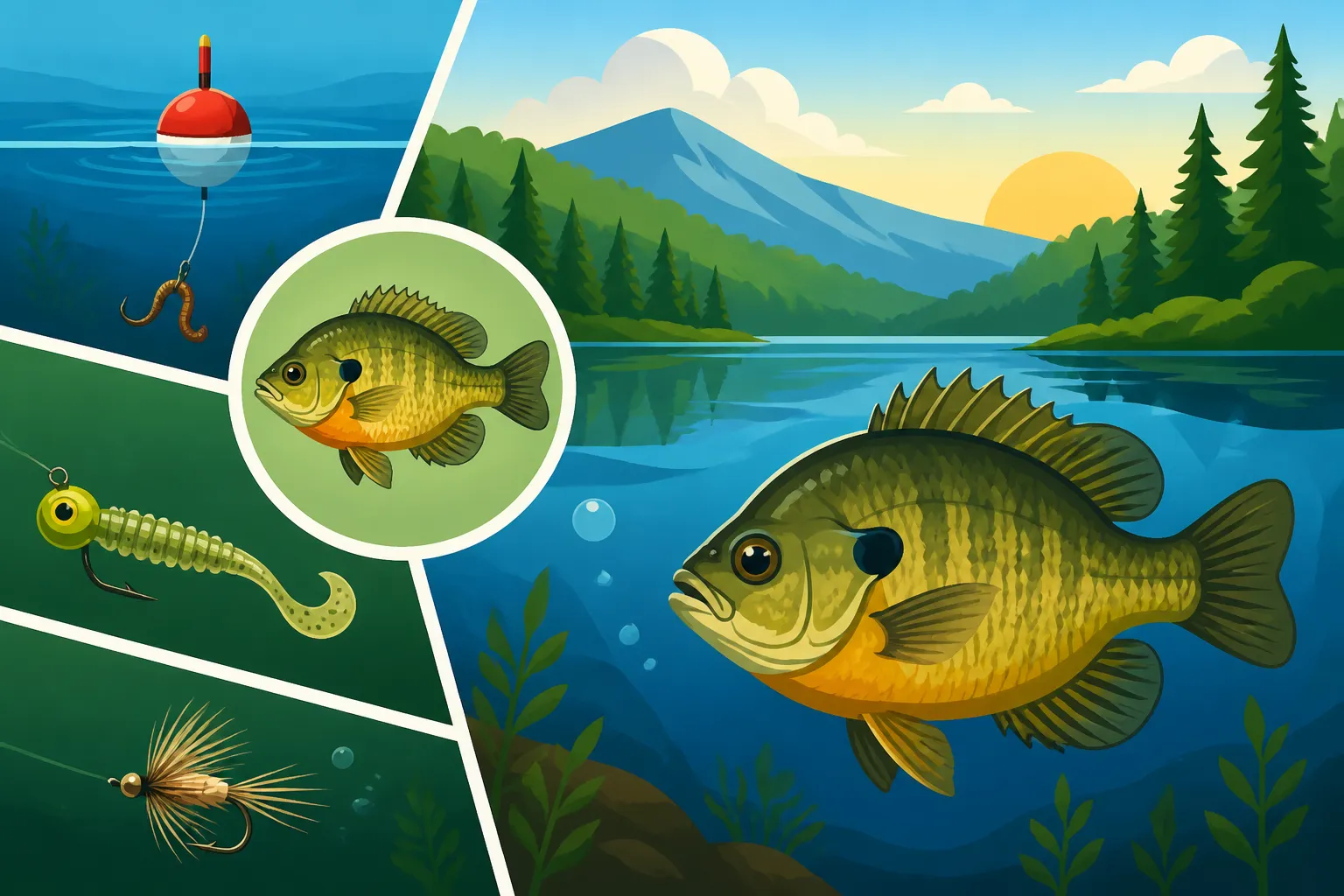
- Bluegill and Pumpkinseed: These sunfish are often grouped together and are the quintessential "kid-friendly" fish. Bluegill have a deep, round body, olive-green to bluish-gray coloring, and a distinctive black 'ear flap' at the back of their gill plate. Pumpkinseeds are similar but typically have brighter, more vibrant markings, often with iridescent blue lines on their cheeks and a red or orange spot on their 'ear flap.' Both species thrive in shallow, weedy areas, around lily pads, and near shoreline cover. They are aggressive eaters, making them perfect for teaching youngsters how to fish.
- White Perch: While they share the "perch" name, white perch are actually members of the temperate bass family, not true perch. They have a more streamlined, silvery body compared to yellow perch, with faint lines or no distinct bars. In New Hampshire, white perch are predominantly found in coastal ponds and brackish waters, including parts of the Great Bay estuary, but some inland populations exist. They school heavily and can be incredibly fun to catch, often responding well to small jigs and shiny spoons.
- Horned Pout (Bullhead): Often overlooked but a fantastic target, especially for those looking for a delicious meal, horned pout are a type of catfish. They have smooth, scaleless skin, whiskers (barbels) around their mouth, and typically a dark brown to black coloration. Horned pout are bottom dwellers and are incredibly tolerant of various water conditions. They are most active at night or in low light conditions, often found in muddy-bottomed ponds, slow-moving rivers, and weedy areas. They are a staple for many New Hampshire anglers, particularly during summer evenings.
Panfish Habitats Throughout the Year
Understanding where panfish live isn't a static concept; their preferred haunts shift dramatically with the seasons. A technique that works wonders in spring might yield nothing in summer, simply because the fish have moved.
- Spring: As the ice recedes and water temperatures begin to climb, panfish start to move shallower. This is their pre-spawn and spawning period. You'll find them congregating in relatively shallow bays, protected coves, and along shorelines with emergent vegetation like cattails and lily pads. These areas warm up faster and provide cover for spawning. Bluegill and crappie will often be found making circular "nests" in the shallows. This is a prime time for sight fishing and targeting active, hungry fish.
- Summer: Once the water truly heats up, many panfish species, especially yellow perch and crappie, will retreat to deeper, cooler waters. Look for them along submerged weed lines, break lines (where the bottom drops off sharply), humps, and around any deep-water structure like submerged timber or rock piles. Bluegill and pumpkinseed, however, can often still be found in dense shallow cover, utilizing the shade of lily pads, docks, and overhanging trees to escape the sun and ambush prey. Early mornings and late evenings will be the most productive times during the heat of summer.
- Fall: As autumn arrives and water temperatures begin to cool, panfish enter a period of aggressive feeding in preparation for winter. They will often school up tightly and move shallower again, similar to spring, but with a different motivation. They are actively seeking out baitfish and insects to bulk up. This can lead to some incredible fishing, especially for perch and crappie, as they become very responsive to active presentations. Look for them along the edges of remaining weed beds, points, and near schools of baitfish.
- Winter: New Hampshire's legendary ice fishing season is a fantastic time for panfish. Under the ice, these fish typically congregate in large schools in predictable locations. Yellow perch and crappie will often be found in the deeper basins of lakes, sometimes suspending over deeper water or relating to subtle changes in bottom contour. Bluegill and pumpkinseed might still be found in shallower, weedy bays, often closer to the bottom. Knowing how to locate these winter schools is key to successful ice fishing. For more specific guidance on targeting winter species, consider checking out our guide on Jigging for Perch Through the Ice.
Essential Gear for Panfish Success
You don't need a boatload of expensive equipment to catch panfish, but having the right tools for the job can make a world of difference. The key with panfish is often finesse and sensitivity, which means scaling down your gear.
Rod, Reel, and Line Setup
The magic of panfishing often lies in the delicate bite, and that means your rod, reel, and line need to be perfectly matched to detect those subtle takes.
- Light or Ultralight Spinning Combo: This is your bread and butter for panfishing. A 5' to 6'6" ultralight or light action spinning rod paired with a small, sensitive spinning reel (think 500 to 1000 size) is ideal. The ultralight action provides incredible sensitivity, allowing you to feel even the lightest nibbles, and makes even a small bluegill feel like a heavyweight. It also allows for delicate presentations of tiny baits and lures. You can find a fantastic selection of these combos on Amazon, often at very affordable price points, making it easy for beginners to get started.
- Line: When it comes to panfish, thin, low-visibility line is paramount. A 2 to 4-pound test monofilament or fluorocarbon line is usually perfect. Monofilament offers good knot strength and some stretch, which can be forgiving on light hooks and delicate mouths. Fluorocarbon, on the other hand, is nearly invisible underwater, offers less stretch for better sensitivity, and sinks, which can be advantageous when trying to get tiny baits down quickly. For those extra clear waters common in New Hampshire's pristine lakes, a fluorocarbon leader of about 2-4 feet can make all the difference in getting those finicky fish to bite. Our guide on Best Fluorocarbon Line for Clear Lake Water has more detailed recommendations.
- Rod Action: A fast or moderate-fast action rod is generally preferred. A fast action means the rod bends mostly in the top third, providing excellent sensitivity for detecting bites and quick hooksets. A moderate-fast action bends a bit further down, offering a good balance of sensitivity and a bit more parabolic bend, which can be more forgiving when a larger fish takes your tiny bait.
Terminal Tackle Must-Haves
Scaling down your terminal tackle is crucial for panfish. Big, bulky hooks or heavy weights will spook these smaller, often cautious fish.
- Small Hooks (Size 8-12): Forget those big bass hooks! Panfish have small mouths, and a hook that's too large will result in missed bites. Aberdeen hooks are popular due to their long shank, which makes them easier to remove from a fish's mouth, and their light wire, which can straighten out if snagged, saving your line. Octopus hooks, with their slightly offset point, are also excellent for live bait. For very tiny baits like mealworms, even smaller hooks (size 14-16) might be necessary.
- Light Bobbers/Floats: A sensitive bobber is key to detecting those subtle panfish bites. Small, thin pencil floats or slip bobbers are far superior to the big, round red-and-white plastic bobbers often associated with beginner fishing. Slip bobbers are particularly useful when you need to fish at a precise depth, as the line slides through them, allowing you to cast without a long, cumbersome leader. They also offer minimal resistance when a fish takes the bait, making it less likely to spook them.
- Small Split Shot Weights: You want just enough weight to get your bait down to the desired depth and keep your line relatively taut, but not so much that it interferes with the bait's natural presentation or spooks the fish. A few small split shot, perhaps size B or 3/0, pinched a foot or so above your hook, is usually all you need. Sometimes, a tiny lead-free bullet weight can also be effective, especially when fishing around weeds.
- Swivels: While not always necessary, a tiny barrel or crane swivel can be useful, especially if you're using live bait that tends to spin or if your line is prone to twisting. Place it a foot or two above your hook or jig. Again, choose the smallest size possible to maintain stealth.
Top Techniques for New Hampshire Panfish
Now that you're geared up, let's talk about how to actually get those panfish to bite. Whether you prefer the classic approach with live bait or the more active game of artificials, there's a technique for everyone.
Live Bait Presentations
For many panfish anglers, especially those just starting out or fishing with children, live bait is king. It's often the most reliable way to get consistent bites.
- Worms: The humble worm is an absolute panfish magnet. Red wigglers are fantastic for smaller panfish like bluegill and pumpkinseed dueard to their lively action and perfect size. For larger perch and crappie, a small piece of a nightcrawler can be irresistible. Thread the worm onto a small hook, making sure to leave a wiggling tail for maximum attraction. The natural scent and movement of a worm are hard for any panfish to resist. This is a classic method that always produces.
- Minnows: If you're specifically targeting larger yellow perch or black crappie, minnows are often the top choice. Shiners or fathead minnows, typically 1-2 inches long, can be rigged under a small bobber, either hooked lightly through the back or through the lip. Allow them to swim freely near submerged structure or weed lines where crappie and perch often ambush prey. The struggle of a live minnow is a powerful trigger for these predatory panfish. You can often find a good supply of minnows at local bait shops across New Hampshire.
- Grubs/Mealworms: For the smaller sunfish species like bluegill and pumpkinseed, tiny grubs or mealworms are incredibly effective. These can be purchased at most bait shops or even pet stores. Hook them delicately through one end on a size 10-14 hook. Their small size and protein-rich appeal make them irresistible to smaller panfish, providing endless entertainment, especially for kids. If you're ever struggling to get a bite on artificials, switching to these natural offerings can often turn the day around. While these are great for panfish, it's worth noting that if you're trying to target other species, like aggressive chain pickerel in weed beds, you might need different baits entirely, as explored in our guide on Best Bait for Chain Pickerel in Weed Beds.
Artificial Lures and Jigs
For those who prefer a more active style of fishing, artificial lures can be incredibly effective and offer the satisfaction of fooling a fish with your own presentation.
- Tiny Jigs: These are arguably the most versatile artificial lure for panfish. Jigs ranging from 1/32 ounce down to 1/80 ounce (or even smaller for ultralight presentations) are deadly. Tip them with tiny plastic grubs, tubes, crappie minnows, or even just a small piece of soft plastic. The key is to impart subtle action – tiny twitches, slow retrieves, or just letting them pendulum down on a tight line. Colors can matter immensely; white, chartreuse, black, and pink are often top producers. For more on this, our article on Best Panfish Jig Colors for Winter provides excellent insights, although the principles apply year-round.
- Spinners: Small inline spinners, such as those from Mepps or Rooster Tail, are fantastic for covering water and triggering aggressive bites, especially from yellow perch and active crappie. Sizes 0, 1, or 2 are typically ideal. Cast them out and retrieve them steadily, allowing the blade to spin and flash. The vibration and flash mimic small baitfish, often drawing strikes from surprising distances. These work particularly well in clearer waters or when fish are scattered.
- Spoons: Micro spoons, especially in metallic finishes like silver or gold, can be incredibly effective for panfish, particularly for perch and crappie. They are excellent for vertical jigging, whether from a boat, kayak, or through the ice. A small spoon, fluttered and paused, often triggers a reaction strike. In some of New Hampshire's deeper lakes, where larger yellow perch roam, jigging a spoon can be one of the most productive methods.
Float and Still Fishing
Sometimes, the simplest approach is the best approach. Float and still fishing are classic methods that are incredibly effective for panfish, especially when they are concentrated in a specific area.
- Simple Bobber Rig: This is the quintessential panfishing setup, perfect for kids and beginners. Attach a small, clip-on bobber a few feet above your hook, add a split shot or two to balance the bobber, and bait your hook. Cast it out near structure, weeds, or where you suspect fish are holding, and wait for the bobber to dip, dance, or disappear. It's incredibly visual and immediately tells you when you have a bite. This method is especially great when targeting bluegill or pumpkinseed in shallow, weedy areas.
- Slip Bobbers: When panfish are holding deeper or when you need to make longer casts without a cumbersome amount of line between your bobber and hook, a slip bobber rig is invaluable. This setup involves a small knot (a bobber stop) tied to your main line, followed by a bead, the slip bobber itself, and then your weight and hook. The bobber slides freely up and down the line until it hits the bobber stop, allowing you to set your depth precisely and cast easily. This is excellent for targeting crappie suspended over brush piles or yellow perch holding along deeper drop-offs.
- "Tight-lining": Sometimes, particularly with sensitive ultralight gear, you don't even need a bobber. This technique, often called tight-lining, involves fishing with a bare minimum of weight, or even no weight at all, and feeling for the bite directly through your rod tip. It requires a bit more practice but can be incredibly rewarding, as it offers the most direct connection to the fish. It's especially effective with small jigs or soft plastics fished slowly along the bottom or allowed to slowly flutter down.
Locating Panfish Hotspots in New Hampshire
Knowing the techniques is one thing, but knowing where to apply them is another. New Hampshire offers an abundance of panfish waters, and learning to read the water will significantly increase your success rate.
Identifying Productive Structure and Cover
Panfish, like most fish, are drawn to structure and cover. These areas provide protection from predators, ambush points for prey, and often more stable environmental conditions.
- Weed Lines: The edges of submerged weed beds, lily pads, or emergent vegetation are prime panfish territory. These areas provide cover, attract insects, and serve as hiding spots for baitfish. Look for the distinct line where the dense weeds meet open water, or pockets within the weed beds themselves. Casting small jigs or live bait along these edges can be incredibly productive, especially during spring and fall. Many of New Hampshire's smaller ponds and state park lakes are fantastic for this type of fishing.
- Docks and Pilings: Man-made structures like boat docks, piers, and bridge pilings offer excellent shade and cover, making them magnets for crappie and various sunfish. The pilings themselves often have algae and small organisms growing on them, attracting smaller baitfish and insects that panfish feed on. Pitching a small jig or bait under a bobber near these structures, especially on sunny days, can yield excellent results. Always be respectful of private property when fishing docks.
- Brush Piles and Fallen Trees: These are absolute crappie magnets. Submerged brush piles and fallen trees create intricate networks of cover that crappie love to hide in. They provide a sense of security and a perfect ambush point. If you have a fish finder (more on that later), marking these structures is key. Without one, look for areas where trees overhang the water or where you see branches extending out from the shoreline into deeper water. Slowly working a tiny jig or live minnow through the branches can lead to a quick limit of crappie.
- Rock Piles and Ledges: For yellow perch, in particular, rock piles, rocky points, and submerged ledges are prime real estate. These areas often attract small invertebrates and baitfish, and the structure itself provides excellent cover. Fishing along the deep side of a rocky point or working a jig along a submerged ledge can be highly effective, especially in larger, deeper lakes like Lake Winnipesaukee or Newfound Lake. Exploring some of the Best Fishing Lakes in New Hampshire will undoubtedly lead you to some great rocky spots.
Seasonal Movements and Prime Times
Understanding the general seasonal patterns of panfish, along with the best times of day, can give you a significant advantage.
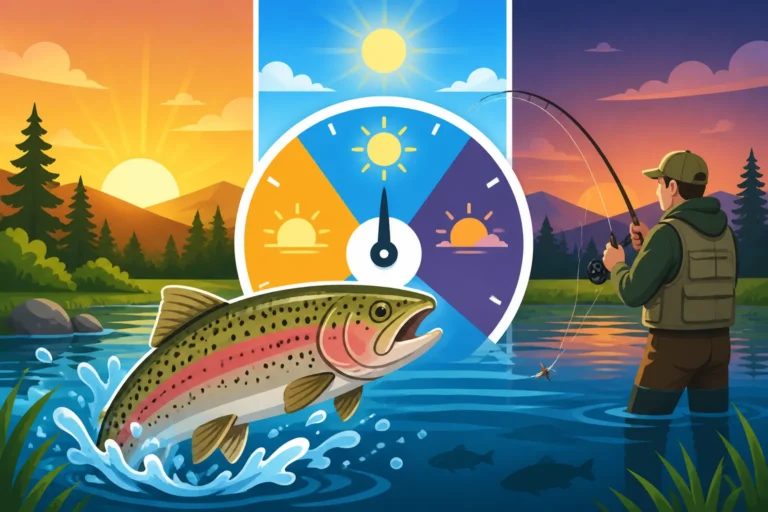
- Early Morning/Late Evening: These are almost always the most productive times for panfish, especially during the warmer months of summer. The lower light conditions and cooler temperatures bring panfish into shallower, more accessible areas to feed. The dawn bite can be explosive, and the dusk bite often lasts until well after dark, particularly for species like crappie and horned pout.
- Overcast Days: Unlike sunny, bluebird days where panfish often retreat to deep cover, overcast conditions can keep them active in shallower water for longer periods. The diffused light makes them feel more secure and less wary. These are great days to target weed beds and shallow structure.
- Spawning Season (Late Spring/Early Summer): This is a fantastic time to target all panfish species. They are highly concentrated in shallow, protected areas for reproduction. Bluegill and pumpkinseed will be on their beds, aggressively guarding them. Crappie will be in shallow brush or weeds. During this period, they are often less cautious and more willing to bite, though it's important to practice responsible angling to ensure future populations. Our guide on New Hampshire Fishing Season Dates and Closures can help you pinpoint these opportune times.
- Ice Fishing: As mentioned, winter fishing through the ice is a beloved New Hampshire tradition, and panfish are a primary target. Fish congregate in predictable spots, making them easier to locate with electronics. The best ice fishing lakes in New Hampshire, like Winnisquam Lake or Lake Sunapee, offer fantastic panfish opportunities. Our guide on Best Ice Fishing Lakes in New Hampshire offers specific locations, and you'll find that panfish limits during the ice season are often quite generous, allowing for a good harvest.
Advanced Tips and Techniques for Larger Panfish
While panfish are often small, there are definitely techniques you can employ to selectively target the bigger "slab" crappie, "dinner plate" bluegill, and larger perch that New Hampshire waters have to offer.
Finesse Presentations and Stealth
Larger, older panfish are warier. They've seen it all, and they're less likely to be fooled by clumsy presentations or heavy gear. This is where finesse really shines.
- Light Line, Subtle Baits, Slow Retrieves: When targeting trophy panfish, every detail matters. Use the lightest line you can get away with, typically 2-pound test fluorocarbon, which is nearly invisible underwater. Present tiny baits – a single mealworm, a small piece of worm, or the smallest of jigs – with the utmost subtlety. Instead of aggressive jigging, think gentle quivers, slow lifts, and prolonged pauses. Let the bait do the work. Often, the strike will be almost imperceptible, just a slight tic on the line or a feeling of weightlessness. This is where the sensitivity of your ultralight rod really pays off.
- Casting Beyond the Target and Retrieving Into It: Instead of casting directly onto a productive spot, try casting past it and retrieving your lure or bait into the zone. This approach is less likely to spook cautious fish that might be holding right on the edge of the cover. It allows your bait to approach naturally, mimicking a drifting insect or a small minnow casually swimming into their feeding zone. This is particularly effective when fishing around docks, brush piles, or weed edges where larger fish often position themselves for ambush.
- Quiet Approach, Especially in Clear, Shallow Water: Panfish, especially in clear New Hampshire waters, are highly sensitive to disturbances. Avoid heavy footsteps on docks or boat floors, and keep your shadow off the water. If fishing from a kayak or canoe, paddle quietly. When wading, move slowly and deliberately. If you're fishing a highly pressured pond like some of the more popular Best Trout Ponds in New Hampshire that also hold panfish, stealth can make the difference between a full stringer and an empty bucket. This heightened awareness of your environment and minimizing disturbance will greatly increase your chances of connecting with larger, more cautious panfish.
Electronics and Mapping for Panfish
While many anglers associate fish finders with bass or lake trout fishing, they can be invaluable tools for locating panfish, particularly crappie and perch, especially in larger water bodies or when ice fishing.
- Fish Finders (Even Portable Ones): A good fish finder can dramatically cut down your search time. You don't need a massive, expensive unit; even a portable, black-and-white fish finder can help you locate schools of suspended crappie over deep water or identify subtle humps and drop-offs where yellow perch congregate. Look for "arches" or "blobs" on your screen, indicating fish. Many modern units even have dedicated panfish modes that highlight smaller fish. Brands like Humminbird and Garmin offer excellent portable options. Our guide on Best Fish Finders for New Hampshire Lakes offers a detailed look at various models and their applications for all species, including panfish.
- Contour Maps: Before you even launch your boat or drill your first ice hole, study a detailed contour map of the lake or pond you plan to fish. These maps reveal bottom contours, depths, and potential structures like humps, ledges, and channels that might otherwise be invisible. Identify areas where depth changes sharply (drop-offs), points that extend into the lake, or submerged islands. Panfish often relate to these features, especially during summer and winter. Many mapping apps and devices include these valuable resources.
- Side Imaging/Down Imaging: If you're serious about targeting crappie or large perch, more advanced sonar technologies like side imaging and down imaging can be a game-changer. Down imaging provides a photo-like view directly beneath your boat, making it easy to distinguish between a brush pile and a rock pile. Side imaging scans out to the sides, allowing you to quickly cover large areas and pinpoint submerged timber, weed edges, or even schools of fish that aren't directly under your boat. These technologies can help you "see" the underwater world and locate those hidden crappie lairs or perch schools with incredible precision, often leading to immediate hook-ups once you deploy your bait.
Conservation and Sustainable Panfishing
Panfish are abundant in New Hampshire, and they provide incredible recreational opportunities. However, it's our responsibility as anglers to practice good conservation habits to ensure these fisheries remain healthy for generations to come.
Handling Panfish for Release
Even if you're planning to keep some panfish for a meal, you'll likely release many others. Proper handling is crucial for their survival.
- Wet Hands, Minimal Handling, Quick Release: Always wet your hands before touching a fish. Dry hands can remove the protective slime coat, making the fish more susceptible to disease. Handle fish as little as possible. If you can, unhook the fish while it's still in the water. If you must bring it aboard, cradle it gently and use a de-hooking tool or small pliers to quickly remove the hook. Get the fish back into the water as quickly as possible.
- Barbless Hooks: Consider using barbless hooks or pinching down the barbs on your hooks with pliers. Barbless hooks make for much easier and quicker hook removal, reducing stress and injury to the fish, especially the smaller ones you intend to release. They don't significantly increase the number of lost fish for panfish, as long as you maintain tension on the line. This simple step can make a big difference in the survival rate of released fish.
Understanding Bag Limits and Regulations
New Hampshire Fish and Game Department establishes specific regulations to manage panfish populations and ensure their sustainability. It’s vital to be aware of and abide by these rules.
- General Statewide Rules, But Always Check Specific Water Bodies: While many panfish species have generous statewide bag and possession limits, some specific lakes or ponds in New Hampshire may have unique regulations. These special regulations might include different daily limits, length limits, or even seasonal closures for certain species. Before you head out, always consult the most current Reading the New Hampshire Freshwater Fishing Digest from the New Hampshire Fish and Game Department. This is readily available online and at licensed vendors, and it's your definitive source for all regulations. Ignorance of the law is not an excuse.
- Importance of Selective Harvest to Maintain Healthy Populations: Panfish reproduce prolifically, and in some waters, populations can become stunted if there are too many fish competing for food. In these cases, selective harvest of smaller- to medium-sized fish can actually benefit the fishery by reducing competition and allowing the remaining fish to grow larger. However, indiscriminately keeping all the largest "breeder" fish can sometimes have a negative impact. Aim for a balanced approach: keep what you'll eat, release the very largest ones to ensure they continue to reproduce, and don't hesitate to keep a good number of medium-sized fish, especially from waters known for stunting. Responsible angling ensures that New Hampshire continues to be a panfish paradise for years to come.
Disclaimer
The information provided in this guide is for general informational purposes only and is not intended as legal advice. Fishing regulations in New Hampshire can change, and it is the responsibility of the angler to consult the latest official New Hampshire Fish and Game Department rules and regulations before fishing. Always prioritize safety on the water.