Best Techniques for Fall Lake Trout
As the vibrant foliage of the White Mountains begins to blaze and the air takes on that crisp, invigorating chill, many anglers start to hang up their rods, thinking the best fishing is behind them. But for those in the know, fall in New Hampshire offers some of the most exciting, and often overlooked, opportunities for targeting majestic lake trout. These deep-water giants, which can be notoriously challenging in summer, often become more accessible and aggressive as the water cools, presenting a fantastic chance for a trophy catch. This guide will dive deep into the specific behaviors, strategies, and gear you'll need to unlock the secrets of fall lake trout fishing in the Granite State.
Understanding Fall Lake Trout Behavior in New Hampshire
To successfully target lake trout in the autumn months, you first need to get inside their heads, or rather, understand how the changing seasons affect their underwater world. Unlike many other species that become sluggish as water temperatures drop, lake trout thrive in colder conditions, and fall often brings a renewed sense of vigor and a shift in their habits.
The Post-Summer Transition and Forage Fish Movement
As summer's warmth dissipates and the surface waters begin to cool, a significant transformation occurs in New Hampshire's deeper lakes: the thermocline, which defined distinct warm and cold layers throughout the summer, gradually breaks down. This process, known as "lake turnover," allows oxygenated water to reach deeper depths, and the lake trout, no longer confined to a narrow band of comfortable temperature and oxygen, start to spread out. Critically, their primary food sources – often smelt, ciscoes, and other baitfish – also react to these changes. These forage fish, which might have been scattered or holding to specific depths during summer, often move into shallower areas, congregating near structures like points, humps, and submerged islands as they prepare for their own spawning cycles or simply seek comfortable feeding grounds. Lake trout, being opportunistic predators, follow this buffet wherever it goes, making their locations more predictable than during the dog days of summer.
This period of transition, usually spanning from late September through October, is a prime window. The lake trout are actively feeding, building up reserves for the colder months and the upcoming spawn (which typically happens much later than their landlocked salmon cousins). This means they can be incredibly aggressive, often striking at lures they might ignore in other seasons. Knowing that they are keyed into these baitfish movements is half the battle; the other half is understanding where those baitfish are likely to be found. Often, they’ll be suspending in open water but can also be relating tightly to underwater features that provide cover and ambush points.
Ideal Water Temperatures and Depth Preferences
Lake trout are cold-water fish, generally preferring water temperatures in the 40s and low 50s Fahrenheit. In the summer, these conditions force them into deeper, sometimes less accessible, parts of the lake. However, in the fall, these ideal temperatures extend much further up into the water column. You might find lake trout anywhere from 30 feet down to 80 or even 100+ feet, depending on the lake's depth, specific thermal stratification, and the location of baitfish. Early fall might see them still fairly deep, perhaps 50-70 feet, but as the surface cools further, they can move shallower, occasionally even being caught in the 20-30 foot range, especially during low light conditions or on cloudy days.
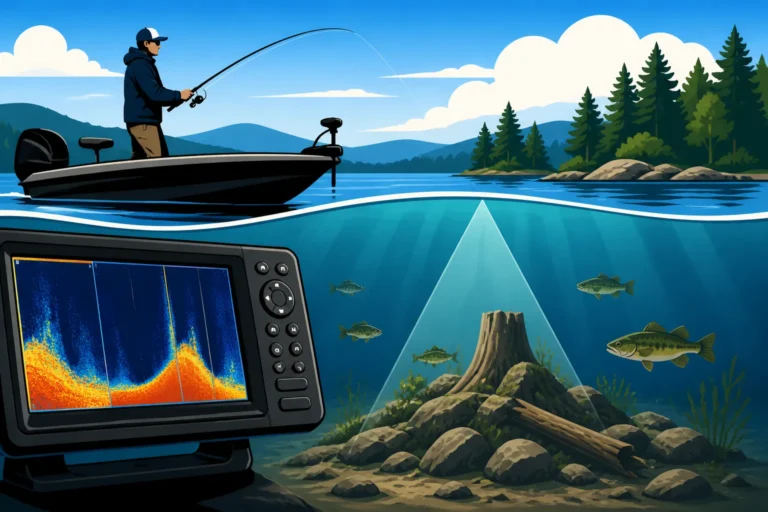
The key here is observation. Pay attention to your fish finder; look for bait balls and suspend marks. If you're consistently marking fish at a certain depth, chances are that's where the most comfortable water is for them and where their food is concentrating. Weather patterns can also influence their depth. A prolonged cold snap might push them a bit deeper initially, while stable, crisp fall days can encourage them to roam higher in the water column. Understanding these temperature preferences is crucial for effective targeting, whether you're trolling, jigging, or even still fishing.
Locating Lake Trout in Fall Structure
While lake trout are often considered open-water pelagic fish, they are also highly structure-oriented, especially in fall. As mentioned, they'll follow baitfish, but they'll also relate to specific underwater features that provide ambush points, cover, and current breaks. Think about classic lake trout structures: deep points extending out into the lake, humps or reefs that rise significantly from the lake bed, steep drop-offs, and even the edges of deep channels.
In the fall, these structures become even more critical. Baitfish often use these features as highways or congregating areas. For example, a long tapering point might be a natural funnel for smelt moving into a shallower cove. A hump in the middle of a deep basin acts as an oasis for baitfish, attracting hungry lake trout. Don't overlook submerged timber or boulder fields in deeper water, either; these can provide excellent ambush cover. A good marine map and a reliable fish finder, such as those available on Amazon, become indispensable tools for identifying these hotspots. Spend time motoring around likely areas, observing your electronics, and looking for subtle changes in bottom contour that might indicate a fish-holding spot. Remember that the "best fishing lakes in New Hampshire" often have a lot of such complex underwater topography.
Essential Trolling Techniques for Autumn Lake Trout
Trolling remains one of the most effective methods for covering water and locating active lake trout in New Hampshire's larger lakes, especially during the fall when they might be spread out but actively feeding. The beauty of trolling is its ability to present lures to fish at various depths and speeds, allowing you to quickly dial in on what the trout are responding to.
Mastering Downriggers and Lead Core Lines
To reach the depths where lake trout reside in fall, you'll primarily rely on two key tools: downriggers and lead core lines. Downriggers allow you to precisely present your lure at a specific depth, typically using a heavy cannonball to pull your line down. This method keeps your main fishing line free of heavy weights, allowing for a more natural lure presentation and a much better fight once a fish is hooked. When a lake trout strikes, the line releases from the clip, and you're fighting the fish directly on your rod. For fall lake trout, experimenting with depths from 30 to 80 feet is common, adjusting based on baitfish presence and marks on your fish finder. Don't be afraid to run multiple downriggers at different depths to quickly determine the most productive zone.
Lead core line, on the other hand, involves a specialized fishing line with a lead filament woven into its core. Each "color" (usually 10 yards) of lead core sinks at a predictable rate (roughly 5 feet per color at trolling speeds), allowing you to estimate your lure's depth based on how many colors you let out. While less precise than downriggers, lead core is fantastic for covering a wider depth range in the absence of downriggers, or for targeting fish that are suspending higher in the water column, perhaps 20-40 feet down. It's particularly effective when paired with long leaders (50-100 feet of fluorocarbon) to keep the visible lead core away from the lure. Many anglers will even combine these methods, using downriggers for their deepest presentations and lead core or even weighted line for shallower fish. You can find excellent selections of both downriggers and various lead core lines on Amazon.
Lure Selection and Presentation for Trolling
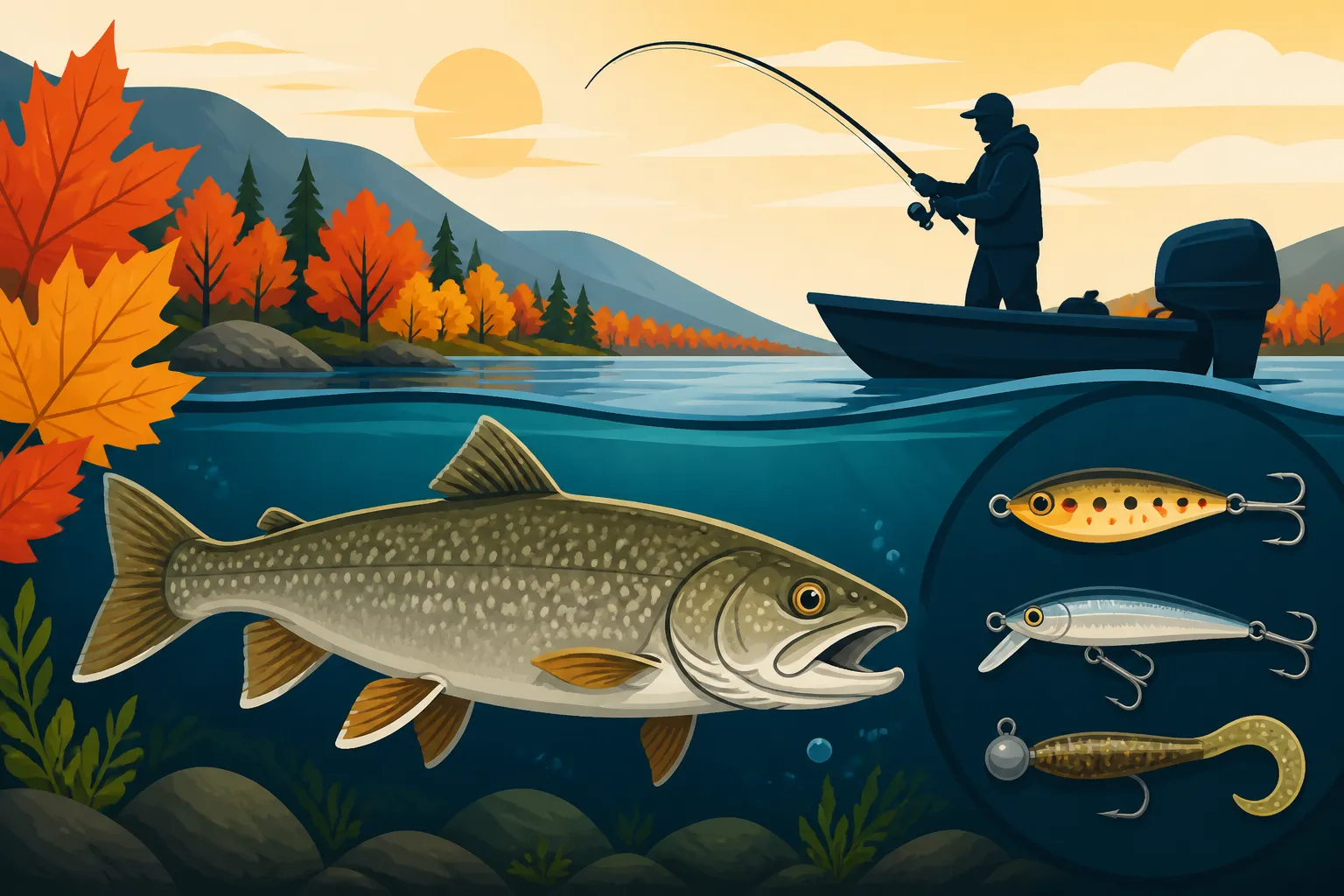
Fall lake trout can be notoriously picky, but they also have periods of aggressive feeding. The key to success often lies in offering them a range of tempting targets. When it comes to lures for lake trout trolling, spoons are almost always at the top of the list. Think about classic flutter spoons like the Sutton, Mooselook, or Northern King, in sizes ranging from 2.5 to 5 inches. Colors can vary, but metallic finishes (silver, gold, copper) are often productive, as are patterns that mimic smelt or other local baitfish, such as blue/silver, green/silver, or even bright orange/gold on overcast days.
Stickbaits or minnow imitations, like Rapalas (J-13 or F-18) or Smithwick Rattlin' Rogues, are also excellent choices, especially in patterns that replicate smelt or alewives. These lures have a more erratic action and can be particularly effective when fish are chasing schools of bait. For a really deep dive into options, check out our guide on the Best Lures for Lake Trout Trolling. Experiment with different lure actions and sizes throughout the day. Sometimes a fast, erratic flutter will trigger a strike, while at other times, a slow, subtle wobble is what they're looking for. Using different lures across your trolling spread allows you to test the waters efficiently.
Varying Speed and Direction for Bites
Just presenting the lure at the right depth isn't enough; how you move it through the water is equally important. Trolling speed is critical for lake trout. Generally, slower speeds (1.5 to 2.5 mph) are a good starting point, especially with spoons, as it allows them to flutter and enticingly mimic an injured baitfish. However, don't be afraid to speed up to 3 mph or even slightly faster with certain stickbaits to trigger a reaction strike, particularly when fish are actively chasing bait. It's often helpful to vary your speed throughout your troll, incorporating subtle accelerations and decelerations.
Changes in boat direction are also incredibly effective. When you make a turn, your inside lines will slow down and sink slightly, while your outside lines will speed up and rise. This change in action can be just the trigger a hesitant lake trout needs to strike. Instead of trolling in straight lines, try S-curves or figure-eights, especially around known structures like points or humps. When you get a strike, immediately turn back into the area where the fish hit; there's a good chance there are more active fish there. This "hit and turn" strategy is a time-tested method for fall lake trout. Remember that the New Hampshire Boating Laws for Anglers should always be observed, especially when making turns or operating near other boats.
Vertical Jigging Strategies for Deep-Water Fall Lake Trout
While trolling is excellent for covering water, sometimes lake trout are highly concentrated in specific areas, making vertical jigging an incredibly productive technique. This is particularly true when fish are relating tightly to deep structure or are suspended in a tight bait ball. Jigging allows for a direct, aggressive presentation that can often trigger reaction strikes from even finicky lake trout.
Choosing the Right Jigs and Baits
For vertical jigging, heavy metal jigs are your bread and butter. Think about blade baits, tube jigs, or traditional jigging spoons. Blade baits, like the Heddon Sonar or Rapala Jigging Rap, offer an aggressive vibration and darting action when lifted and dropped, perfectly imitating a fleeing baitfish. These are particularly effective when lake trout are actively chasing. Tube jigs, especially larger ones (4-6 inches) in white, pearl, or smoke colors, rigged on heavy leadheads (1/2 to 1 oz or more depending on depth and current), can be incredibly versatile. Their subtle spiraling action on the fall is often irresistible.
Jigging spoons, such as Swedish Pimples, Hopkins Shorty, or heavier Kastmasters, also shine in fall. They flutter on the fall and can be tipped with a piece of bait for added attraction. Color choices often mimic baitfish: silver, chrome, white, or even glow-in-the-dark for very deep or low-light conditions. Always consider tipping your jig with a small strip of cut bait (like smelt or sucker belly) or a whole small baitfish (like a shiner) to add scent and natural appeal. This can make a significant difference, especially on slower days. The right jig can make all the difference, so carrying a variety of types and colors is always a good idea. Many specialized lake trout jigs are readily available for purchase from retailers like Amazon.
Sonar Interpretation and Target Identification
Your fish finder is your absolute best friend when vertical jigging for fall lake trout. You’re not just looking for random marks; you’re specifically looking for structure and baitfish. Identify deep humps, steep drop-offs, or submerged rock piles using your mapping. Once you’re over a promising area, start looking for bait balls – dense clouds of small fish – and then for the larger, arch-shaped marks of lake trout nearby or underneath them. Lake trout will often hold just below or on the edges of these bait concentrations, waiting for an easy meal.
Pay close attention to individual fish marks. Are they suspending in open water, or are they tight to the bottom? Their position will dictate how you present your jig. If they're suspending, you'll want to drop your jig right down to their depth. If they're on the bottom, a jig bounced directly off the lake bed will be more effective. Modern fish finders with side imaging or down imaging can give you an incredible advantage in identifying these precise locations and even individual fish. Our guide on the Best Fish Finders for New Hampshire Lakes offers more detailed information on selecting and using this crucial equipment.
Effective Jigging Cadence and Strikes
Once you’ve identified your target and dropped your jig, the next step is to find the right cadence. There’s no single "best" jigging motion, as lake trout can be particular on any given day. Start with a moderate retrieve: lift the rod tip sharply about 2-3 feet, then let the jig fall back on a semi-slack line. Watch your line carefully for any pauses or twitches on the drop, as many strikes occur as the lure is falling. Allow the jig to settle for a few seconds on the bottom, or at the target depth, before repeating.
Experiment with variations: some days, a very aggressive, high lift and fast fall works best. Other days, a subtle twitching motion or a series of small hops just off the bottom will be the ticket. Don't be afraid to hold the jig perfectly still for 10-20 seconds at a particular depth if you’re marking fish. Sometimes, that hesitation is exactly what triggers a strike. Remember to be patient, but also willing to change your technique often. If you're not getting bites, try different jigs, different cadences, or even different depths within the same area. A quick way to test a new jigging cadence is to use multiple rods if allowed, rigged with different jigs or presentations.
Still Fishing and Live Bait Applications in Fall
While trolling and jigging are highly active methods, sometimes a more subtle approach, like still fishing with live bait, can be incredibly effective for fall lake trout. This technique shines when fish are holding in very specific areas, perhaps around deep structure, or when they are less aggressive and require a natural, enticing presentation.
Setting Up for Success with Live Bait
Still fishing for lake trout requires a well-anchored boat over a known fish-holding structure. Given the depths involved, a reliable anchor system is crucial. You'll want to position your boat so you can drop lines directly over or immediately adjacent to the structure you've identified on your fish finder – whether it's a deep hump, a prominent point, or the edge of a channel. Using two anchors, one off the bow and one off the stern, can help maintain a precise position in deeper water and prevent your boat from swinging too much, especially in windy fall conditions.
For your rod setup, a medium-heavy spinning or baitcasting rod, around 7-8 feet in length, with a sensitive tip but plenty of backbone, is ideal. Pair this with a good quality reel spooled with 15-20 lb monofilament or fluorocarbon main line, or 20-30 lb braided line with a fluorocarbon leader. A simple Carolina rig or a three-way swivel rig is generally preferred. The Carolina rig involves a sliding egg sinker (1-3 oz, depending on depth and current) above a barrel swivel, with an 18-36 inch fluorocarbon leader (12-17 lb test) tied to a single hook. The three-way swivel rig allows you to attach your main line, a dropper line with a sinker, and a leader with your bait, keeping everything separated and reducing tangles.
Best Bait Choices and Presentation
When it comes to live bait for fall lake trout, fresh dead or live smelt are often the undisputed champions in New Hampshire. Lake trout feed heavily on smelt in many of our premier lakes like Lake Winnipesaukee and Newfound Lake, and nothing imitates their natural food source better. If you can't get smelt, other baitfish like shiners, suckers, or even large fathead minnows can be effective. Always check local regulations for baitfish restrictions and approved species.
Presenting your live bait effectively is key. For smelt, you can hook them through both lips for a natural look, or lightly through the back just behind the dorsal fin if you want to keep them lively. On a Carolina rig, let your bait sink all the way to the bottom, then reel up just enough slack so your rod tip has a slight bend, but the bait is still resting on or very close to the bottom. With a three-way rig, you can suspend your bait a few feet off the bottom, or even higher in the water column if you're marking suspended fish. The goal is to make the bait look as natural and appealing as possible, allowing it to swim freely and entice a strike. Don’t forget to check our New Hampshire Trout Stocking Report and Map for information that sometimes includes insights on forage fish presence.
Understanding Lake Trout Feeding Windows
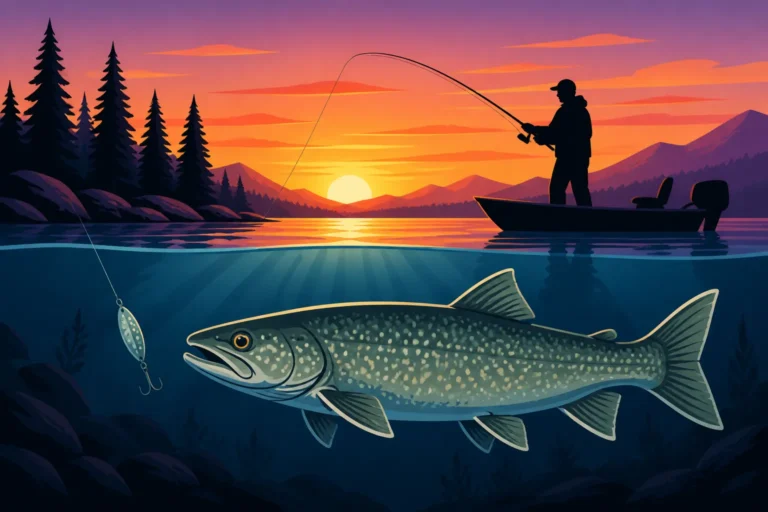
Even with the perfect setup and bait, lake trout can be particular about when they decide to feed. While they might be active throughout the day, fall often presents distinct feeding windows. Early mornings, just after sunrise, and late afternoons leading into dusk are classic prime times. During these low-light periods, lake trout often feel more comfortable moving into shallower water or becoming more active in their deeper haunts. Overcast days, especially those with light rain or a consistent drizzle, can extend these feeding windows throughout the entire day, as the reduced light penetration makes the fish feel less vulnerable.
Pay attention to subtle changes in the environment: changes in wind direction, cloud cover, or even barometric pressure can all influence how and when lake trout feed. If you’re not getting bites for a while, don't be afraid to subtly change your bait presentation or even move to a slightly different depth. Sometimes, moving your bait just a few feet off the bottom can make all the difference. Patience is a virtue in still fishing, but persistence and willingness to adapt are equally important.
Gear and Tackle Considerations for Fall Lake Trout
Having the right equipment can make all the difference when targeting robust fall lake trout. These fish are powerful, and hooking into a good one requires tackle that can handle the fight, the depths, and the varying fall weather conditions.
Rods, Reels, and Line for the Fight
For trolling, you'll want dedicated downrigger rods if you're using them. These rods typically have a very soft, forgiving tip that allows the rod to load up when the line is clipped into the downrigger, and then transition to a powerful backbone to handle the fight once the clip releases. Rods in the 7 to 9-foot range with a medium-heavy action are common. For lead core, a slightly softer, moderate-fast action rod that can absorb the shock of the heavy line is beneficial, usually 8.5 to 10 feet long. Pairing these with sturdy baitcasting reels that have a good line counter is essential for precise depth control, especially for lead core. Reels like the Daiwa Accudepth or Okuma Convector are popular choices among New Hampshire anglers.
For jigging and still fishing, a 6.5 to 7.5-foot medium-heavy fast-action spinning or baitcasting rod provides the sensitivity needed to detect subtle bites and the power to set the hook and fight a large lake trout from deep water. Reels should have a smooth drag system and a good retrieve ratio. Spooling up with 20-30 pound braided line as your main line, tied to a 10-20 foot fluorocarbon leader of 15-20 pound test, is a common and effective setup. The braid offers incredible sensitivity and no stretch for solid hooksets, while the fluorocarbon leader provides invisibility in the clear waters of New Hampshire's lakes. When considering what kind of line to use, our guide on the Best Line Weight for Lake Trout Trolling has more detailed information.
Terminal Tackle and Essential Accessories
Beyond rods and reels, a collection of robust terminal tackle is crucial. Heavy-duty snap swivels (rated 50-75 lbs) are necessary for connecting your main line to downrigger releases and for quick lure changes while trolling. For jigging, high-quality, sharp hooks are non-negotiable. Look for extra-strong trebles on your spoons and stickbaits, or swap out factory hooks for stronger ones if they seem flimsy. Carrying a selection of fluorocarbon leader material in various strengths (12-20 lb) is also a must, as clear fall water often demands a stealthy approach.
Don't forget the small but mighty accessories:
- Pliers/Forceps: Essential for removing hooks safely, especially from toothy lake trout.
- Bait Knife: For cutting baitfish strips.
- Landing Net: A large, rubberized net is ideal. The rubberized mesh is gentler on the fish if you plan to release it, and it prevents hooks from getting tangled. You'll want one with a long handle, especially when bringing up a big fish from deep. For some excellent options, check out nets available on Amazon.
- First Aid Kit: Always a good idea on any fishing trip.
- Sunscreen and Polarized Sunglasses: Even in fall, sun protection is important, and polarized lenses help cut glare on the water, allowing you to spot subtle changes or even fish in shallower water.
Electronics for Enhanced Success
In modern lake trout fishing, especially in the fall, electronics are no longer a luxury—they’re a necessity. A quality fish finder with GPS and mapping capabilities is your primary tool. Look for units that offer high-resolution sonar, down imaging, and side imaging. This allows you to not only see fish directly beneath your boat but also to scan wide areas to the sides, identifying submerged structure, bait balls, and individual lake trout that might not be directly in your path. A good GPS is invaluable for marking productive spots (like where you got a bite or saw a concentration of fish/bait) and for navigating New Hampshire's often complex lake systems.
Battery life is another critical consideration, especially for long days on the water. Ensure your marine batteries are fully charged and consider carrying a backup. Furthermore, understand how to interpret what your fish finder is showing you. Learning to differentiate between baitfish, individual large fish, and bottom structure will dramatically increase your success rate. For more advanced tips on choosing and using electronics, our guide on the Best Fish Finders for New Hampshire Lakes is a great resource.
Navigating New Hampshire's Top Fall Lake Trout Waters
New Hampshire is blessed with numerous deep, cold-water lakes that provide excellent habitat for lake trout. Knowing which waters to target and understanding their unique characteristics can significantly increase your chances of success in the fall.
Premier Lakes and Their Unique Challenges
When it comes to New Hampshire lake trout, a few names always rise to the top. Lake Winnipesaukee is arguably the most famous, a vast body of water with incredible depths and complex underwater topography. Fall lake trout on Winnipesaukee can be found anywhere from the famous "Broads" to the numerous humps and deep points around islands. It's a challenging lake due to its size, but incredibly rewarding. Our Lake Winnipesaukee Fishing Guide and specifically the Lake Winnipesaukee Lake Trout Fishing article provide extensive details.
Newfound Lake is another gem, known for its pristine, crystal-clear waters and healthy lake trout population. The fall transition here can be particularly good, with fish often relating to the deep shelves and rocky structures. Similarly, Lake Sunapee, while often highlighted for its landlocked salmon, also holds significant lake trout. These lakes often present the challenge of very clear water, which means extra attention to leader material and stealthy presentations is important. For a broader overview of the state's best, check out the Best Fishing Lakes in New Hampshire. Each lake has its own nuances, from primary forage species to typical depths, so researching your chosen body of water is always a smart first step.
Shoreline Access and Boat Launch Considerations
Accessing these large lakes, especially with a boat, requires planning. Most premier lake trout waters have public boat launches, many managed by the state or local municipalities. These launches can vary from simple ramps to full-service marinas. In the fall, with fewer recreational boaters, launches are often less crowded, which is a definite plus. However, cooler temperatures can mean shorter hours for some facilities, so always check ahead.
When planning your trip, consider the prevailing wind direction. Launching from a sheltered side of a lake can make for a more comfortable start to your day, especially on expansive waters like Winnipesaukee. Additionally, be mindful of low water levels in some launches as fall progresses. While lake trout fishing is primarily a boat-based activity, some deep points or dam areas on certain lakes might offer limited shore access for jigging or bait fishing, though this is rare for truly productive lake trout spots. Always scout your access points beforehand and have a backup plan.
Fall Weather Impacts and Safety
Fall weather in New Hampshire is notoriously unpredictable. A beautiful, crisp morning can quickly turn into a blustery, cold, and rainy afternoon. This fluctuation directly impacts fishing safety and comfort. Always check the marine forecast before heading out, paying close attention to wind speed and direction, as well as anticipated air and water temperatures. High winds can quickly turn even large lakes into treacherous conditions, especially for smaller boats.
Dressing in layers is non-negotiable. Start with a moisture-wicking base layer, add insulating layers like fleece, and top it off with waterproof and windproof outerwear. A good quality rain suit, such as those available on Amazon, will be your best friend. Warm hats, gloves, and waterproof boots are also essential. Beyond comfort, safety is paramount. Always inform someone of your float plan, carry all required safety equipment (including PFDs for everyone onboard – remember the Life Jacket Requirements for New Hampshire Boaters), and know your boat's limits. Cold water immersion is a serious risk in the fall, so understanding cold water safety protocols is vital. If conditions deteriorate, err on the side of caution and head for shore. There's always another day to fish.
| Technique | Preferred Depths (Fall) | Best Lure/Bait Type | Typical Speed/Cadence | Pros | Cons |
|---|---|---|---|---|---|
| Trolling | 30-80+ feet | Spoons, Stickbaits | 1.5-3.0 mph (varied) | Covers vast areas, consistent lure action | Requires specific gear, less precise targeting |
| Vertical Jigging | 30-100+ feet | Metal Jigs, Tube Jigs | Varies (sharp lifts, pauses) | Precise targeting, triggers reaction bites | Requires active fish marking, arm fatigue |
| Still Fishing | 30-80+ feet | Live/Dead Smelt/Shiners | Stationary | Natural presentation, effective for picky fish | Less active, limited area coverage |
Disclaimer
The information provided in this guide is for general informational purposes only. Fishing regulations in New Hampshire can change frequently. It is the responsibility of every angler to consult the latest New Hampshire Fish and Game Department regulations before fishing. Always prioritize safety on the water and adhere to all local, state, and federal laws.