Best time to fish for lake trout at dusk
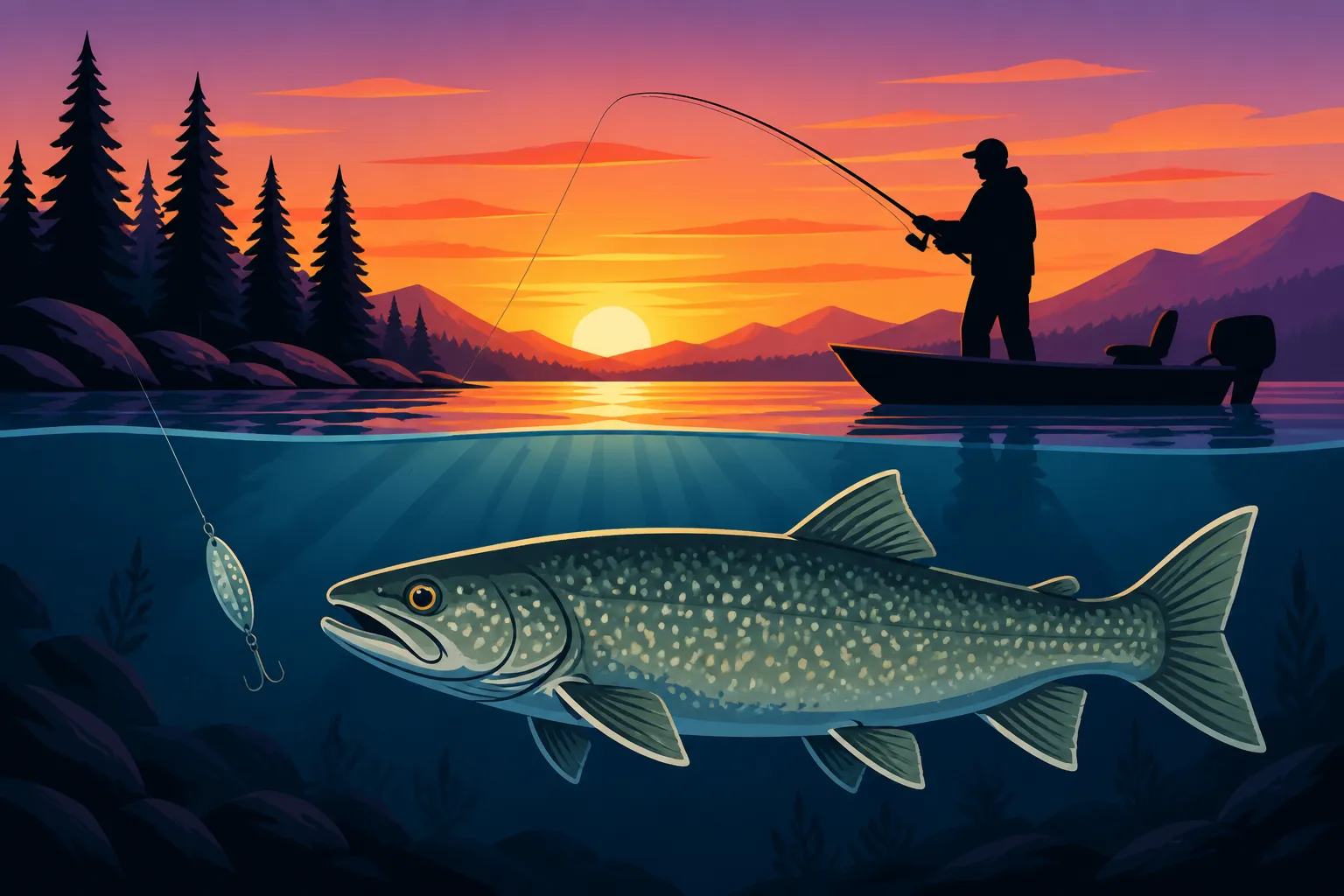
There’s nothing quite like the stillness that settles over a New Hampshire lake as the sun dips below the tree line, painting the sky in fiery hues. It’s a magical time, but for many anglers, it also brings a bit of mystery: where did the lake trout go? Many of us struggle to pinpoint when these elusive deep-water dwellers become more active, especially as daylight fades. This guide is all about cracking the code of lake trout at dusk, helping you understand their evening habits and giving you the best strategies to make those twilight hours some of your most productive on the water.
Understanding Lake Trout Behavior at Dusk
Lake trout, or "lakers" as we affectionately call them here in New Hampshire, are fascinating creatures. While often associated with deep, cold waters, their behavior can shift dramatically with changing light conditions. Dusk isn't just a pretty backdrop; it's a critical window for understanding and targeting these fish.
Why Dusk is a Prime Time for Lake Trout
For many species, dusk represents a transition period, and lake trout are no exception. During the bright hours of the day, especially in summer, lakers tend to hug the deep, dark, and cold parts of the lake. They're trying to avoid direct sunlight and stay in their preferred temperature zones. But as the sun begins to set, the light penetration into the water diminishes, and those deep-dwelling fish often start to move.
Think of it like this: the overhead "security blanket" of bright light is slowly being pulled away. This reduction in light can signal to lake trout that it's a safer time to venture into shallower feeding grounds. Their eyesight, adapted for lower light conditions in the depths, gives them an advantage over some baitfish that might be less active or visible in the fading light. This crepuscular activity means that they might move from their deeper daytime haunts up to ledges, humps, or even shallower flats adjacent to deep water in search of an easy meal. This is a critical insight for anyone looking to increase their success rate, as understanding their movement can dramatically change your approach.
Factors Influencing Lake Trout Movement at Sunset
Several elements play into how lake trout behave as evening approaches. It's not just a simple on/off switch; rather, a complex interplay of environmental cues.
Firstly, water temperature remains paramount. Even if they're moving shallower, they won't typically venture into excessively warm surface water unless there's a thermocline (a distinct temperature layer) they can stay below while still being shallower than their daytime depth. In colder seasons, like early spring or late fall, when surface waters are cooler, they might feel more comfortable moving up higher in the water column even during daylight, but dusk still often triggers increased activity. You might find them cruising just above the thermocline as the light fades.
Secondly, baitfish activity is a huge driver. Lake trout are predators, and they follow their food. Many baitfish, such as smelt, might become more active or move to different depths at dusk. If you can locate schools of baitfish, you'll likely find actively feeding lake trout nearby. This often involves looking for signs of baitfish on your fish finder or watching for surface activity if they're pushed up high. Pay attention to those "nervous water" signs!
Finally, barometric pressure and weather changes can also influence their mood. A stable, high-pressure system often leads to consistent behavior, while sudden drops in pressure (often signaling an approaching storm) can sometimes trigger a feeding frenzy before the weather breaks. Conversely, very low, stable pressure can make them lethargic. While you can't control the weather, being aware of these shifts can help you adjust your expectations and techniques.
Seasonal Variations in Dusk Behavior
The "best time to fish for lake trout at dusk" isn't a static concept throughout the year in New Hampshire; it changes with the seasons.
In spring, right after ice-out, lake trout are often found shallower overall because the entire water column is still quite cold. Dusk can still be a peak feeding time, as the fish are eager to replenish energy stores after a long winter. They might be chasing smelt or other baitfish in the upper water column or near spawning areas. This is a prime time for targeting them with spoons or stickbaits closer to the surface. You can learn more about specific regulations in our guide to New Hampshire Lake Trout Ice Fishing Season Dates, although that focuses on the other end of the cold season!
As summer progresses and surface waters warm dramatically, lake trout retreat to the deeper, colder parts of the lake. During summer dusk, they will still often rise in the water column, but usually only to the thermocline. This means instead of being 60-80 feet deep during the day, they might come up to 30-50 feet. Targeting them requires precise depth control, often with downriggers or weighted lines. This can be challenging, but highly rewarding, as these deeper fish are often larger.
Fall is another fantastic time for dusk fishing. As the lake begins to cool down from top to bottom, lake trout once again become more active throughout the water column and will often move shallower, especially as they approach their spawning season. Dusk can see them aggressively feeding on baitfish, fattening up for winter and spawning. This is a great time for casting spoons or crankbaits to rocky points or humps, sometimes even in relatively shallow water as the sun sets. If you're wondering about their life cycle, our Lake Trout Spawning Season in New Hampshire guide offers more details.
Optimal Techniques for Dusk Lake Trout Fishing
Now that we understand why dusk is a great time, let's talk about how to capitalize on it. Fishing in fading light presents unique challenges and opportunities, requiring adjustments to your usual tactics.
Trolling Strategies for Evening Success
Trolling is perhaps one of the most effective methods for covering water and finding active lake trout at dusk, especially in larger New Hampshire lakes like Winnipesaukee, Sunapee, or Newfound Lake. As the light fades, lakers often become more nomadic, cruising ledges and open water in search of bait.
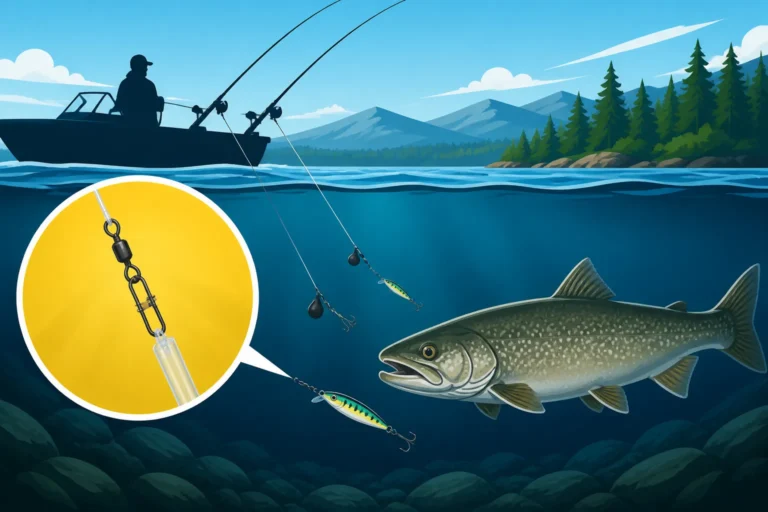
When trolling at dusk, your depth control becomes crucial. If you're targeting those fish rising from the depths to the thermocline in summer, downriggers are your best friend. They allow you to present your lure at a consistent, precise depth. Start by identifying the thermocline on your fish finder and then position your lures just above it, or even slightly into it, as the light begins to dim. Speed is also important; generally, a slower troll (1.5 to 2.5 mph) is effective for lake trout, but don't be afraid to experiment. Sometimes a subtle surge or speed change can trigger a strike.
Another effective trolling strategy is using lead core line or weighted steel line. These specialized lines allow you to get your lures deep without downriggers, though depth control is less precise. You'll want to deploy a good length of line, often 5-7 colors (a "color" being a 10-yard section of line that changes color), to get your lure into the strike zone. Flatlining (trolling without added weight) can even work in shallower areas during spring and fall when lake trout are higher in the water column at dusk. For a deeper dive into this technique, check out our piece on Trolling Techniques for New Hampshire Lake Trout.
Jigging and Still Fishing Tactics as Light Fades
While trolling covers water, sometimes the most productive dusk fishing happens when you pinpoint a specific structure or school of fish and stay put. Jigging and still fishing can be incredibly effective when lake trout are congregated.
When the sun starts to dip, consider jigging over known deep-water structures like humps, submerged islands, or steep drop-offs adjacent to shallower flats. These are natural ambush points for lakers moving up to feed. Use heavy spoons, blade baits, or soft plastic swimbaits rigged on jig heads. The key is to present these lures with a strong vertical retrieve, letting them flutter and flash as they fall, imitating a dying baitfish. Your fish finder is essential here to mark fish and maintain your position over structure. You'll often see them rise off the bottom to investigate your lure.
Still fishing, or "dead sticking," with live bait can also be a killer tactic at dusk. Large shiners or even smelt (if legal and available) suspended under a float or fished on a three-way rig near the bottom can be irresistible to hungry lakers. The subtle movements and natural scent of live bait can entice even reluctant fish, especially as visibility decreases. Position your bait near prime structures or at the depth you're marking baitfish or lake trout on your sonar. This method requires patience but can produce some of the largest fish, particularly if you're targeting trophy-sized lakers.
Recommended Lures and Baits for Low Light
Choosing the right lure is paramount, especially when fishing at dusk. As light fades, visibility diminishes, and lures that offer strong vibrations, scent, or contrasting colors become more effective.
Lures:
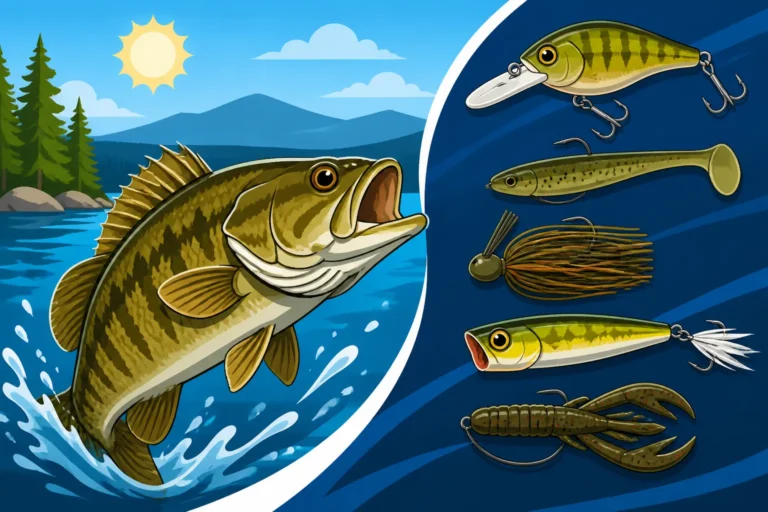
- Spoons: Classic trolling and jigging spoons like the Dardevle, Little Cleo, or Sutton spoon are phenomenal. For low light, opt for spoons with glow-in-the-dark paint, reflective tape, or bold patterns. Silver, gold, copper, or bright chartreuse are excellent choices. The flash and wobble are key.
- Stickbaits/Crankbaits: Trolled or cast, these imitate baitfish perfectly. Deep-diving models in iridescent colors, natural baitfish patterns (like rainbow trout or smelt), or even black/purple can be deadly. Look for options with internal rattles to add an auditory element.
- Jigs/Blade Baits: For vertical jigging, heavy blade baits (like Silver Buddies or Cicadas) or bucktail jigs in white, chartreuse, or even black can be very effective. Tip them with a piece of bait for added scent.
- Soft Plastics: Large tube jigs, grub tails, or paddletail swimbaits on heavy jig heads are great jigging options. Consider scent-infused plastics or add a drop of fish attractant.
Baits:
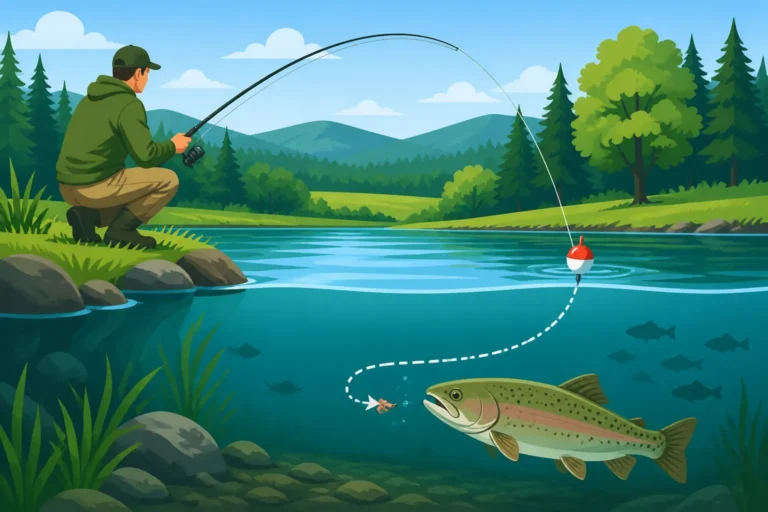
- Live Bait: Shiners, smelt, or suckers (check local regulations for legality and size) are often the top choice. Their natural movements and scent are hard to beat. Suspend them at depth with a bobber or on a weighted rig.
- Cut Bait: Strips of herring, mackerel, or even the belly meat of a baitfish can be effective, especially when still fishing. The scent trail they release in the water can draw in lakers from a distance in low light conditions.
Remember to vary your retrieve speed and lure presentation until you find what the fish are responding to. Sometimes a slow, steady retrieve works best, while other times erratic jerks and pauses are the ticket. Many of these effective lures can be easily found and ordered through online retailers like Amazon, making it convenient to stock up before your next evening trip.
Essential Gear for Dusk Lake Trout Angling
Fishing at dusk, and potentially into darkness, demands not just the right techniques but also the right gear. Safety, visibility, and functionality become even more critical when the light starts to fade.
Rods, Reels, and Line for Low Light Conditions
Your tackle setup needs to be robust and reliable for lake trout, and a few considerations come into play for dusk fishing.
Rods: For trolling, a medium-heavy action rod between 7-9 feet is ideal. It needs enough backbone to handle heavy weights or diving lures and to fight a powerful lake trout, but enough flexibility to absorb the strike. For jigging, a shorter, more sensitive medium-heavy rod (6-7 feet) will give you better feel for subtle bites in low light and better control over your jig. You'll want a rod that transmits vibrations well, as visual cues become scarce.
Reels: A sturdy baitcasting or conventional reel with a good drag system and high line capacity is preferred for trolling, especially if you're using lead core or wire line. For jigging, a high-quality spinning reel with a smooth retrieve can also work, but a baitcaster offers more control for dropping and lifting heavy jigs. Ensure your reel is well-maintained, as you don't want any hitches when fighting a fish in the dark.
Line: This is where things get interesting for low light.
- Braided Line: Offers incredible sensitivity and no stretch, which is great for detecting subtle bites when jigging. Its thin diameter also helps with getting lures deeper. Consider using a high-visibility braided line (like yellow or chartreuse) to help you see your line movement against the darkening sky, but always tie a fluorocarbon leader for stealth at the business end.
- Fluorocarbon Line: Excellent for leaders due to its near invisibility in water. It also has less stretch than monofilament, offering better sensitivity.
- Lead Core/Wire Line: Essential for deep trolling without downriggers. The color changes on lead core can also help you gauge depth, which is vital when you can't rely on visual cues.
- Monofilament: While generally less sensitive, its stretch can be forgiving, and some anglers prefer it for its ease of handling, especially if not going excessively deep.
Always check your knots frequently, as fishing in low light can sometimes lead to less precise rigging, and a strong knot is non-negotiable.
Navigation and Safety Gear for Nightfall
Fishing at dusk often means you'll be on the water after dark, making safety gear absolutely non-negotiable. Even on smaller lakes, it's easy to lose your bearings when the sun disappears.
Navigation Lights: If you're in a boat, ensure your navigation lights (red/green bow lights and white stern light) are fully functional before you even think about heading out. These are not just for your visibility but also for other boaters to see you. For kayaks or smaller craft, a 360-degree white light is usually required and essential.
Lighting: A powerful headlamp with a red light option is your best friend. The red light preserves your night vision, which is crucial for spotting obstacles or tying knots without blinding yourself. Keep spare batteries handy. A secondary handheld flashlight or spotlight is also a good idea for scanning the water or shores. Brands like Fenix or Black Diamond offer reliable headlamps, many of which are easily found on Amazon.
Life Jackets: Always wear your life jacket, especially when fishing in low light or at night. Accidents can happen quickly, and a life jacket is your first line of defense. Consider an inflatable PFD for comfort, but ensure it's in good working order. Remember, Life Jacket Requirements for New Hampshire Boaters are strictly enforced for good reason.
Communication: A fully charged cell phone in a waterproof case is a must. Even better, carry a VHF radio, especially on larger lakes where cell service might be spotty. Let someone know your float plan – where you're going and when you expect to return.
Anchor: A reliable anchor system is crucial for holding your position, especially if you hook into a big laker and need to control your drift, or if you encounter unexpected wind.
Electronics and Lighting Aids
Modern electronics can significantly enhance your dusk lake trout fishing experience.
Fish Finders/Sonar: Your fish finder becomes even more valuable at dusk. It helps you locate structure, mark baitfish schools, and identify individual lake trout that are rising in the water column. Being able to read the depths and contours in detail, even without visual cues, gives you a massive advantage. Many units have adjustable screen brightness and color palettes that can be optimized for low light.
GPS/Chartplotter: Essential for safe navigation, especially on unfamiliar waters or large lakes like Lake Winnipesaukee. Mark your favorite fishing spots during the day so you can easily return to them after dark. Having a clear track of where you've been and where you need to go can prevent getting lost or running aground.
Boat Lighting: Beyond navigation lights, consider adding indirect LED lighting to your boat's interior. This can help with tying knots, rigging lines, and general movement without creating harsh glare that ruins your night vision or spooks fish. There are many affordable waterproof LED strip lights available, often found on Amazon, that can be installed for this purpose.
Best New Hampshire Waters for Dusk Lake Trout
New Hampshire is blessed with an abundance of fantastic fishing opportunities, and several lakes stand out for their lake trout populations, offering excellent prospects for dusk fishing.
Top Lakes Known for Evening Lake Trout Action
When it comes to New Hampshire lake trout, a few names always rise to the top, and they are particularly good choices for evening excursions.
Lake Winnipesaukee: This grand dame of New Hampshire lakes is a renowned lake trout fishery. Its vastness, deep basins, and abundant forage (especially smelt) make it prime territory. At dusk, especially in the spring and fall, lakers will often cruise the edges of its many islands and submerged structures. In summer, focus your efforts on the thermocline in areas like "The Broads" or near prominent underwater points. For serious anglers, understanding Lake Winnipesaukee Lake Trout Fishing strategies is key.
Lake Sunapee: Known for its crystal-clear waters and healthy population of landlocked salmon and lake trout, Sunapee is another excellent choice. The lake trout here are often quality fish. As evening sets in, they can be found moving up from the deeper basins to feed along the steeper drop-offs and rocky shoals. Trolling with spoons or stickbaits at varying depths can be very productive. You'll find the fish often spread out, so covering water is essential.
Newfound Lake: With its incredible depth and pristine water quality, Newfound Lake offers a challenge but also rewards with some truly large lake trout. Dusk here can be spectacular, as the fish transition from the very deepest water up into more accessible depths, often still along steep contours. Look for areas where deep water quickly comes up to a ledge or hump. For a general overview, our Newfound Lake Fishing Guide provides more context on this beautiful body of water.
Squam Lake: While famous for its smallmouth bass, Squam also holds a respectable population of lake trout. Its complex bottom structure and varying depths offer plenty of habitat. Dusk fishing here will involve identifying those deeper areas and adjacent structures where lakers might be lurking, especially where they can ambush baitfish.
These lakes require careful navigation, especially in low light, so ensure your charts and GPS are up to date and you have a solid understanding of the water before heading out at twilight.
Locating Prime Dusk Fishing Structures
The key to successful dusk fishing for lake trout isn't just knowing the right lake; it's knowing where on that lake to focus your efforts as the light begins to fade.
Deep Water Access Points: Always look for structures that offer lake trout easy access from very deep water to shallower feeding grounds. This could be a submerged mountain, a steep drop-off, a deep-water point extending far out, or a large humped island with deep contours all around it. These are natural highways for lakers.
Thermocline Interaction: In warmer months, the thermocline acts as an invisible ceiling and floor for lake trout. As the sun sets, they might feel comfortable moving just above the thermocline or even pushing into the warmer water for short periods if baitfish are concentrated there. Your fish finder will be critical for identifying this layer.
Baitfish Concentration: Remember, lake trout follow their food. Areas where you consistently mark schools of baitfish (like smelt) on your sonar are prime targets. These baitfish often congregate over specific structures or at certain depths at dusk, and the lakers will not be far behind. Watch for any surface activity—even subtle ripples—that might indicate schooling baitfish.
Rocky Bottoms and Ledges: Lake trout, especially larger ones, love to relate to rocky bottom structure. As they move shallower at dusk, they'll often hold along rocky ledges, boulder fields, or gravel bottoms where baitfish might be hiding or where they can blend in with the environment for an ambush.
The trick is to combine your knowledge of seasonal behavior with the topography of the lake. Start in areas that consistently hold lake trout during the day, then extend your search patterns to shallower depths as dusk progresses, always keeping an eye on your electronics for signs of fish and bait.
| Lure Type | Best Dusk Technique | Recommended Depth (General) | Key Features for Low Light |
|---|---|---|---|
| Spoon | Trolling, Jigging | Variable (Thermocline-Deep) | Flash, Wobble, Glow/Reflective Finish |
| Stickbait/Crank | Trolling, Casting | Shallow-Mid Depth | Rattles, Iridescent/Contrast Colors |
| Blade Bait | Jigging | Mid-Deep Depth | Vibration, Flash, Profile |
| Tube Jig | Jigging | Mid-Deep Depth | Scent, Profile, Subtle Action |
| Live Bait | Still Fishing | Variable (Any Depth) | Natural Scent, Movement, Vibration |
| Cut Bait | Still Fishing | Bottom-Near Bottom | Strong Scent Trail, Natural Presentation |
Disclaimer
This article is for general informational purposes only and does not constitute professional advice. Laws, prices and regulations vary by location and change over time. Consult a qualified professional for guidance on your specific situation.