Pawtuckaway Lake Fishing
Oh, the quest for a truly good fishing spot in New Hampshire! It's tough, isn't it? You hear whispers about a lake, but finding solid, detailed information that goes beyond just a name on a map can feel like searching for a hidden treasure. Many of us have pulled up to a new spot, only to feel overwhelmed by its size or confused about where to even start. This guide is here to cut through that frustration, offering a deep dive into Pawtuckaway Lake fishing so you can approach its waters with confidence and a solid game plan.
Unlocking the Secrets of Pawtuckaway Lake's Ecosystem
Pawtuckaway Lake, nestled in Nottingham, New Hampshire, is a true gem, but like any large water body, it has its nuances. Understanding its unique characteristics is the first step to figuring out where the fish are hiding and what they're likely to be biting on. It's not just a big bowl of water; it's a dynamic environment with distinct features that shape its fishery.
Lake Characteristics and Bottom Structure
Pawtuckaway Lake covers a substantial 783 acres, making it large enough to offer diverse habitats but not so vast that it feels overwhelming. Its average depth is around 18 feet, but it plunges to a maximum of 46 feet in certain areas. This variation in depth is crucial for fish, providing thermoclines in summer and deep-water refuges year-round. The lake bed itself is a mix of everything: you'll find rocky shorelines and submerged boulder fields, particularly around the many islands (there are over a dozen, including Big Island and Devil's Den Island). These rocky areas are prime real estate for smallmouth bass and perch.
Beyond the rocks, Pawtuckaway is also rich in aquatic vegetation. Expansive weed beds, especially in the shallower coves and flats, offer excellent cover for largemouth bass, chain pickerel, and various panfish. Think lily pads, milfoil, and various grasses that create intricate networks of ambush points. These weed lines are not just cover; they're also teeming with invertebrate life, providing a constant food source. Understanding where these different structures lie—whether you're looking at a contour map on your fish finder or simply observing the shoreline—will give you a huge advantage.
Water Levels and Their Impact
Like many New Hampshire lakes, Pawtuckaway's water levels can fluctuate, although generally not as dramatically as some river systems. These fluctuations, whether due to heavy rain, seasonal drawdowns, or prolonged dry spells, can significantly impact fish behavior and angler access. When water levels are high, fish might push further into flooded shoreline vegetation, making them harder to reach from the bank but potentially opening up new shallow areas for boat or kayak anglers. Conversely, during periods of low water, submerged structures like rock piles or old stumps that were once hidden might become exposed or easily visible, offering excellent targets for casting.
It’s worth noting that if you’re planning a trip, especially if you intend to launch a boat, checking recent conditions can save you a headache. A low water period might make certain boat ramps tricky to navigate, or necessitate launching from a different access point. Always factor in the possibility that the water you fish might look a bit different from what you remember or expect based on old photos.
Forage Base and Food Sources
A healthy fishery always comes down to a robust food chain, and Pawtuckaway Lake is no exception. The lake boasts a diverse forage base, which keeps its predatory fish well-fed and aggressive. Your main target species, especially bass and pickerel, primarily feed on smaller fish, crustaceans, and insects. Minnows and juvenile panfish are abundant, making baitfish imitations a go-to for many anglers. Crayfish are also a significant food source, especially in rocky areas, so don't underestimate the power of a jig or soft plastic designed to mimic one.
Beyond these staples, the lake is home to various aquatic insects, frogs, and even small salamanders, all of which contribute to the diet of Pawtuckaway's fish. Understanding what the fish are currently preying on can dramatically improve your success. If you observe schooling baitfish near the surface, a topwater lure or a shallow-running crankbait might be deadly. If the bass are hunkered down in the weeds, they might be waiting to ambush a frog or a crawfish. Matching the hatch, so to speak, is key here, and observing your surroundings for signs of activity or available forage is an invaluable skill.
Target Species in Pawtuckaway Lake: What You'll Catch
Pawtuckaway Lake isn't known for its trout or salmon, but it offers fantastic warm-water fishing opportunities. If you're looking for a variety of hard-fighting fish that are eager to bite, this lake delivers. Knowing what to expect will help you tailor your approach and gear, ensuring you're ready for whatever decides to hit your line.
Largemouth and Smallmouth Bass
Pawtuckaway is perhaps best known for its excellent bass fishing. Both largemouth and smallmouth bass thrive here, offering anglers diverse challenges and experiences.
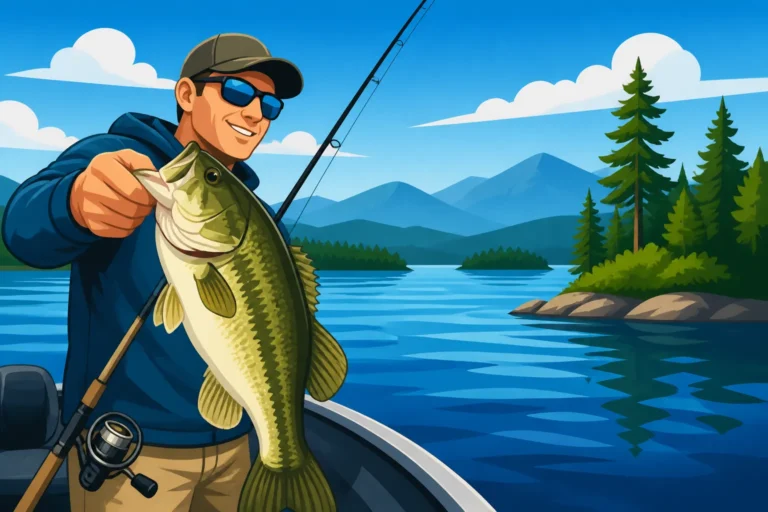
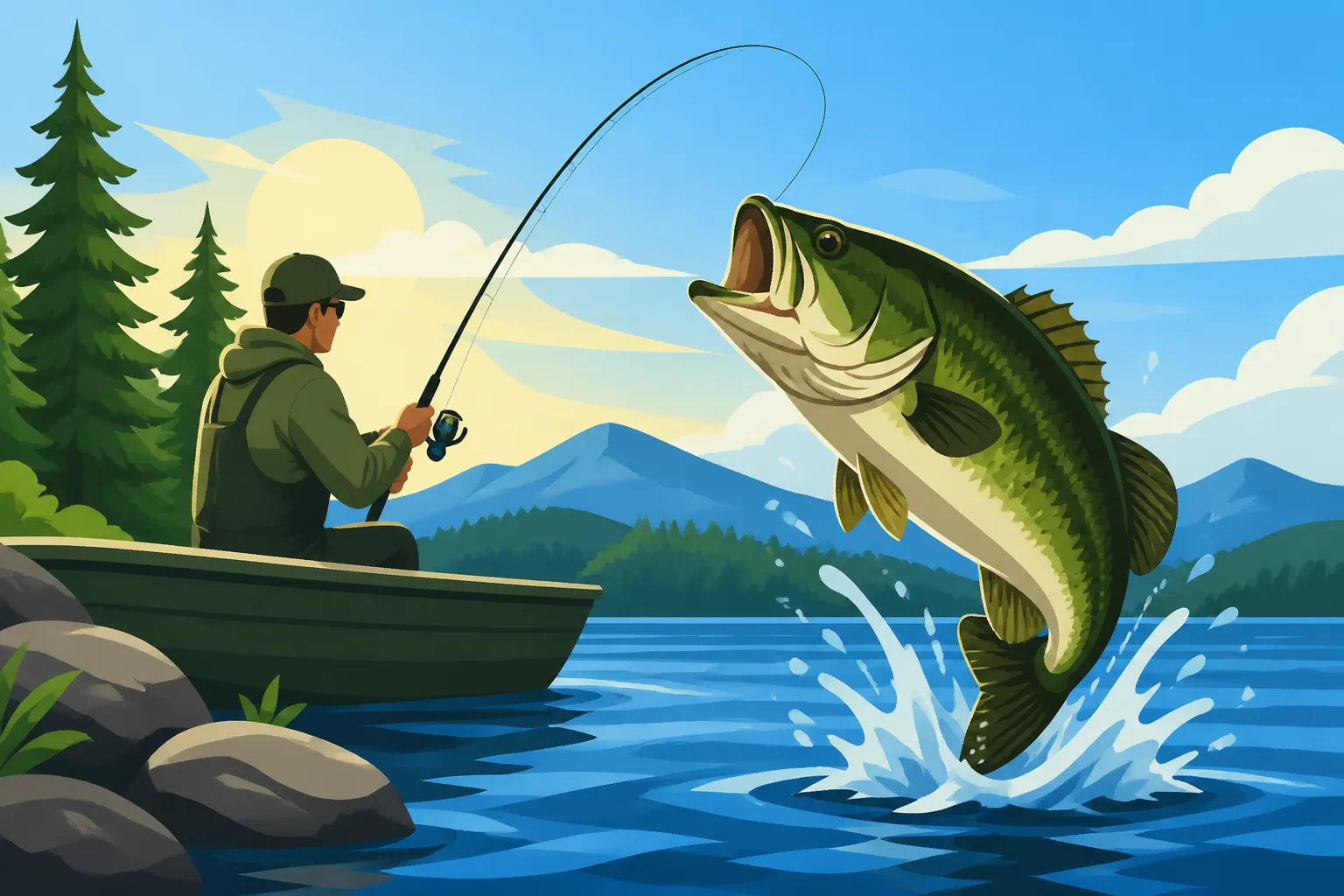
Largemouth Bass: These green giants prefer the shallower, weedy areas and submerged timber. You'll find them lurking around lily pads, thick milfoil beds, and fallen logs, waiting for an ambush opportunity. The average size for largemouth in Pawtuckaway is respectable, with plenty of fish in the 2-4 pound range and good potential for bigger ones pushing 5 pounds or more. They are aggressive eaters, making them a blast to catch on various lures. Early mornings and evenings in the warmer months are prime times, as they move into the shallows to feed. During the heat of the day, look for them tucked deep into cover or along the edges of weed lines where the water is slightly cooler. If you're wondering how to really dial in your approach for these fish, our guide on how to catch largemouth bass in New Hampshire provides some fantastic insights.
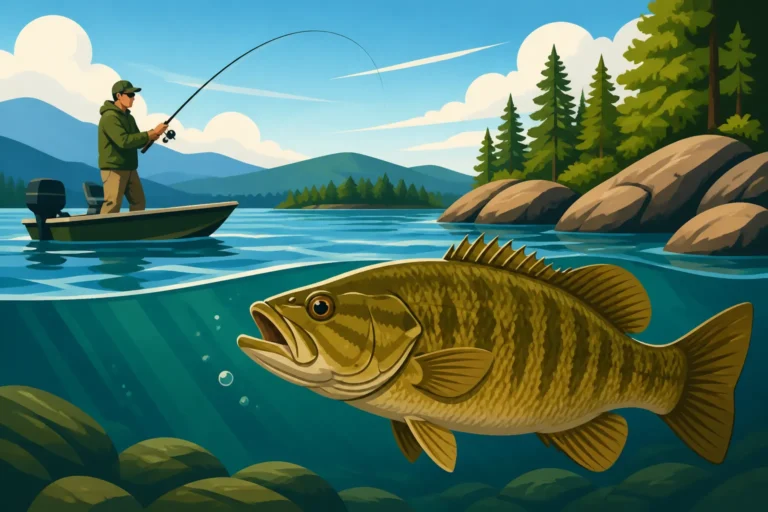
Smallmouth Bass: In contrast, smallmouth bass prefer rocky structures, deeper points, and areas with hard bottoms. The numerous islands in Pawtuckaway, along with submerged humps and rock piles, are prime smallmouth habitat. They are known for their acrobatic fights and strong runs, often making multiple jumps. While typically not as large as largemouth, smallmouth are equally fun to catch, often averaging 1.5 to 3 pounds, with larger fish certainly present. Look for them holding on drops-offs or suspending over deeper water near structure, especially during summer. Fishing during the post-spawn period when they are recovering and feeding aggressively can be incredibly productive.
Chain Pickerel and Panfish Varieties
Beyond the bass, Pawtuckaway Lake is home to several other popular species that provide consistent action, especially for families or those looking for a diverse catch.
Chain Pickerel: These toothy predators are abundant in Pawtuckaway, especially in the weedier, shallower sections. They are incredibly aggressive and will readily strike at almost any lure or bait retrieved quickly. While many are smaller, you can certainly hook into pickerel over 20 inches, offering a powerful fight. They are often overlooked but provide thrilling action, especially when other species are finicky. Just be sure to bring a pair of pliers for hook removal and consider a wire leader to prevent bite-offs from their sharp teeth!
Panfish Varieties: Pawtuckaway is a panfish paradise, making it an excellent spot for beginner anglers or those looking for a relaxing day of steady bites. Yellow perch are plentiful and can be found almost anywhere, from shallow weed beds to deeper drop-offs. They are a staple catch for ice anglers. Black crappie are another popular panfish, often schooling around submerged brush or docks, particularly in spring and fall. Bluegill and pumpkinseed sunfish are ubiquitous, providing constant action on worms or tiny jigs near any type of cover. And for those who enjoy a bit of nocturnal fishing, brown bullheads (also known as horned pout) are numerous and can be caught on worms or cut bait on the bottom, especially after dark.
Other Species and Unexpected Catches
While the main draw at Pawtuckaway is undeniably its bass, pickerel, and panfish, the lake occasionally offers a surprise. You might encounter common carp in the shallower, muddier coves, which can put up a surprisingly strong fight on heavier tackle. These larger bottom-feeders are often sought after by specialized anglers. The overall health of the lake supports a diverse aquatic ecosystem, so while less common, don't be shocked if something a little out of the ordinary takes your bait! The diverse array of fish makes every cast an adventure.
Seasonal Strategies for Pawtuckaway Lake Success
Fishing Pawtuckaway Lake successfully often means adapting your approach to the changing seasons. The behavior of the fish, their preferred depths, and their feeding patterns can shift dramatically from spring thaw to winter freeze. Knowing these seasonal nuances can be the difference between a frustrating day and a fantastic one.
Spring into Action: Pre-Spawn and Spawn Fishing
As the ice melts on Pawtuckaway Lake, typically in April, the fish begin to stir, and spring offers some of the most exciting fishing of the year.
Ice-Out to Pre-Spawn: Immediately after ice-out, the water is still very cold, and fish are often lethargic. Focus on deeper breaks and points where the water warms slightly faster. Slowly worked jigs, blade baits, or suspending jerkbaits can be effective for bass and pickerel that are just starting to become active. As the water temperature creeps into the 40s and low 50s, baitfish will move into shallower coves, and the predators will follow. Look for sunny, protected northern coves where the water warms quickest.
This is also a great time to brush up on your New Hampshire Fishing Regulations Explained because seasonal openings can be species-specific.
The Spawn: Once water temperatures reach the mid-50s to low 60s, typically late May into June, bass will move to the shallowest, protected areas to spawn. This is when largemouth bass are often visible on their beds, and smallmouth will stage nearby or move onto sandy/rocky flats. During this period, bass can be very aggressive towards anything perceived as a threat to their nests. Soft plastics, jigs, and slow-moving creature baits are highly effective. Remember, New Hampshire has a New Hampshire Bass Catch-and-Release Season, Explained that often extends through the spawn, meaning you'll need to release any bass you catch during this time. This ensures the future health of the fishery and allows these incredible fish to successfully reproduce. Panfish, like crappie and bluegill, also become very active in the shallows during spring, making it a prime time for light tackle.
Summer Heat: Deep Water and Weed Line Tactics
Summer fishing on Pawtuckaway Lake can be fantastic, but it requires adjusting to warmer water temperatures and increased boat traffic.
Early Morning and Late Evening: The midday sun often drives fish deeper or into dense cover. Your best bet for active feeding is usually during the cooler parts of the day. Topwater lures like poppers, frogs, or walking baits can be incredibly effective for largemouth bass around weed lines and lily pads at dawn and dusk. Smallmouth bass might be found chasing baitfish near the surface on rocky points during these low-light conditions.
For a truly comprehensive guide on fishing during these warmer months, check out our resource on How to Catch Largemouth Bass in New Hampshire.
Midday and Deeper Water: As the sun climbs, fish will often retreat. Largemouth will bury themselves deep in thick weed mats, under docks, or in shaded areas. Pitching jigs, Texas-rigged worms, or punching through thick vegetation with heavy tackle are excellent strategies. Smallmouth will often move to deeper offshore structures, like humps, rock piles, or channel edges. Drop-shot rigs, tube jigs, or Carolina-rigged plastics fished slowly along the bottom can entice these deeper fish. Look for these structures using your fish finder. Panfish will still be available in the weeds but often move slightly deeper to avoid the heat. Trolling for pickerel with spoons or spinnerbaits along weed edges can also be productive.
Fall Feast: Aggressive Feeding and Transition Zones
As the leaves change color and the air cools, Pawtuckaway Lake's fish enter a crucial feeding period before winter, making fall an incredibly exciting time to be on the water.
The Turnover and Baitfish Migration: As water temperatures drop, the lake undergoes its annual "turnover," mixing the water column. This often kickstarts a major feeding frenzy. Fish become highly active, aggressively chasing baitfish to put on weight for winter. Look for bass and pickerel to congregate in transition zones—areas where shallow flats meet deeper drops, or where weed lines begin to thin out. These are ambush points where they can corral schools of bait.
Power Fishing Techniques: Fall is an excellent time for "power fishing" techniques. Crankbaits, spinnerbaits, and swimbaits can cover a lot of water quickly and mimic the baitfish that predators are keying on. For largemouth, target remaining weed beds and rocky structures. Smallmouth will be found on classic rocky points and humps, often closer to the surface than in summer, but still relating to deeper water. Don't be afraid to experiment with retrieve speeds; sometimes a fast, erratic retrieve can trigger a strike from a cold-blooded predator. Panfish will also be feeding aggressively, often schooling up, making them easier to locate on your electronics.
Winter Chill: Ice Fishing Opportunities
When Pawtuckaway Lake freezes over, it transforms into a popular destination for ice anglers. Ice fishing here offers a unique and enjoyable way to extend your fishing season.
Safety First: Before venturing onto the ice, always prioritize safety. Check ice thickness regularly; a minimum of 4 inches of clear, solid ice is generally recommended for foot travel. Factors like recent weather, currents, and springs can affect ice conditions, so always be cautious. The New Hampshire Fish and Game Department provides helpful resources, and our guide on Ice Fishing in New Hampshire offers crucial safety tips.
Target Species and Techniques: The primary targets for ice anglers on Pawtuckaway are yellow perch, black crappie, and chain pickerel. Perch and crappie are often found schooling over deeper basins or along the edges of drop-offs. Small jigs tipped with bait (like worms, grubs, or small shiners) or tiny spoons are highly effective. Pickerel, true to their nature, will hold to the edges of remaining weed beds in shallower water. Tip-ups rigged with live shiners are a classic and very effective method for catching these aggressive predators through the ice. Many anglers enjoy setting up ice shanties and spending the day jigging, often bringing portable fish finders to locate schools. Remember to know your New Hampshire Lake Trout Ice Fishing Season Dates if you ever venture to a lake that holds them, but Pawtuckaway primarily offers panfish and pickerel through the ice.
Prime Fishing Locations and Public Access Points
Getting onto Pawtuckaway Lake is fairly straightforward, but knowing the specific access points and understanding the prime fishing zones will help you maximize your time on the water. This lake offers options for both boaters and shore anglers. For those keen to explore, platforms like FishingBooker can sometimes offer insights into popular guiding services or launch points, giving you a head start on local knowledge.
Popular Boat Ramps and Launch Sites
The primary and most popular boat launch for Pawtuckaway Lake is located within Pawtuckaway State Park on the eastern side of the lake. This ramp is well-maintained and suitable for most trailerable boats, from small fishing boats to larger recreational vessels. There is typically a state park entrance fee during peak season, which includes boat launch access. The parking area is spacious, but it can fill up quickly on busy summer weekends, so arriving early is always a good idea. Before you even get on the water, be sure you understand the New Hampshire Boating Laws for Anglers to ensure a safe and legal outing.
Another potential access point is the Town Beach area, also on the eastern side, but this is often more restricted to smaller craft or hand-launching during certain hours, and parking can be limited. Always check with the Town of Nottingham for specific regulations regarding boat launching at non-state park facilities.
Table: Pawtuckaway Lake Public Boat Launch Information
| Location | Type of Access | Fees (Peak Season) | Notes |
|---|---|---|---|
| Pawtuckaway State Park | Paved Ramp | State Park Fee | Best for trailerable boats, ample parking (can fill up). |
| Nottingham Town Beach (East Shore) | Hand Launch / Small Boats | Possible Town Fee | Check local regulations; parking may be limited. Good for kayaks. |
For those bringing larger boats, our guide on the Best Boats for New Hampshire Lakes and Rivers can offer insights into suitable vessel types.
Shoreline Fishing Hotspots and Kayak Access
Pawtuckaway Lake offers some decent shoreline access, primarily through Pawtuckaway State Park. Within the park, you’ll find several spots perfect for bank fishing. The areas around the main beach and picnic grounds, particularly near any docks or submerged structures, can yield panfish and even bass. There are also numerous trails winding through the park, some of which offer access to quiet coves and points that can be fantastic for casting. For example, the trail around Fundy Cove can provide good spots, and the area around the Ledges can also be productive. These spots are excellent for a more tranquil experience, perhaps with lighter tackle.
For kayak anglers, Pawtuckaway is a dream. The state park ramp is perfectly suitable for kayak launching, but many prefer the more discreet access points or simply hand-launching from various points within the park. The beauty of a kayak is the ability to reach shallower, weedy coves and navigate around the many islands that are inaccessible to larger boats. If you're considering a kayak for your fishing adventures, our article on the Best Kayaks for New Hampshire Fishing offers some excellent advice on choosing the right one. Always remember to wear your life jacket; if you need a refresher on the rules, take a look at Life Jacket Requirements for New Hampshire Boaters.
Hidden Gems: Structure and Cover for Targeting Fish
While the main access points are clear, Pawtuckaway truly shines when you start exploring its diverse underwater landscape.
The Islands: Pawtuckaway is famous for its numerous islands. Big Island, being the largest, offers extensive rocky shorelines and submerged structure that are magnets for smallmouth bass. The smaller islands, like Devil's Den Island and those scattered in the central part of the lake, also hold excellent habitat. Fish the rocky points, the channels between islands, and any sudden drop-offs. These areas are prime for smallmouth and often hold schooling perch.
Weed Beds and Coves: The shallower, warmer coves, particularly on the northern and western shores, are where you'll find expansive weed beds. These are the domain of largemouth bass and chain pickerel. Look for coves like Little Island Cove or the unnamed coves along the western shore. Pitching jigs, Texas-rigged plastics, or working topwater frogs over the thickest vegetation can be highly effective. The edges of these weed lines, where they meet open water or a slight depth change, are also crucial ambush points.
Submerged Structure: Beyond the visible islands and weed lines, Pawtuckaway has numerous submerged humps, rock piles, and old timber scattered throughout. A good fish finder is invaluable for locating these "hidden gems." Once you find them, they often hold concentrations of smallmouth bass or lake bottom-dwelling panfish like yellow perch and bullheads. Pay attention to contour maps and use your electronics to mark anything unusual that breaks up the otherwise flat bottom. Local anglers on FishingBooker might sometimes share tips on these less obvious spots, making a guide a great resource for quick learning.
Essential Gear and Tackle for Pawtuckaway Anglers
Having the right gear makes all the difference, whether you're chasing trophy bass or simply enjoying a relaxing day catching panfish. Pawtuckaway Lake offers a variety of fishing scenarios, so being prepared with versatile tackle will set you up for success.
Rod, Reel, and Line Recommendations
For a diverse lake like Pawtuckaway, a couple of rod and reel setups can cover most of your needs.
All-Around Setup (Bass & Pickerel): A medium-heavy power, fast action spinning rod (6'6" to 7'0") paired with a 2500-3000 series spinning reel is a great choice. This combination offers enough backbone for powerful hooksets and handling larger fish, while still being sensitive enough to detect subtle bites. Spool it with 10-15 lb braided line, which offers excellent sensitivity and casting distance, and then tie on an 8-12 lb fluorocarbon leader. Fluorocarbon is nearly invisible underwater, crucial for clear New Hampshire lakes, and provides good abrasion resistance against rocks and weeds. This setup is versatile enough for casting jigs, crankbaits, spinnerbaits, and even some topwaters. Our guide on the Best Fishing Rods for New Hampshire Lakes goes into more depth on selection.
Light Tackle Setup (Panfish & Finesse): For panfish or when bass are finicky, a light to medium-light power, fast action spinning rod (5'6" to 6'6") with a smaller 1000-2000 series reel is ideal. Spool this with 4-6 lb monofilament or light braided line with a 4-6 lb fluorocarbon leader. This setup maximizes sensitivity for light bites and makes even a small perch feel like a monster. It's perfect for tiny jigs, small spinners, and live bait under a bobber.
Pawtuckaway's Best Baits and Lures
Your tackle box for Pawtuckaway should reflect the diverse species and habitats of the lake.
For Bass:
- Soft Plastics: Essential for both largemouth and smallmouth. Texas-rigged worms, creature baits, and senkos are deadly in weed beds and around cover for largemouth. Drop-shot worms, tube jigs, and Ned rigs are excellent for deeper smallmouth. Colors like green pumpkin, black and blue, and natural crawfish patterns are always reliable.
- Crankbaits: Medium-diving crankbaits in natural baitfish or crawfish colors are great for covering water and targeting both species on rocky points or along weed edges. Shallow-diving square bills are perfect for banging off submerged timber or rocks in shallower areas.
- Topwaters: Poppers, walking baits (like a Zara Spook), and hollow-bodied frogs (for heavy cover) create exciting blow-ups during low-light conditions, especially for largemouth.
- Spinnerbaits & Chatterbaits: Great for active bass and pickerel, especially around weed lines and over submerged grass. White, chartreuse, and natural patterns work well.
For more specific bass lure ideas, consult our guide on the Best Tackle for New Hampshire Smallmouth Bass.
For Chain Pickerel:
- Spoons: Casting or trolling silver or gold spoons can be incredibly effective. Their flash and wobble often trigger aggressive strikes.
- Spinnerbaits: Similar to bass, pickerel love spinnerbaits, especially those with larger blades for more flash.
- Live Bait: Live shiners under a bobber are a traditional and highly effective method for pickerel, especially when ice fishing.
For Panfish:
- Live Bait: Worms (nightcrawlers, red wigglers), grubs, and mealworms are irresistible to perch, crappie, and bluegill.
- Small Jigs: Tiny jigs (1/32 to 1/16 oz) tipped with a small plastic grub or a piece of bait are excellent. Bright colors like chartreuse, white, or pink often work well.
- Small Spinners: Rooster Tails or similar inline spinners are effective for active perch and crappie.
Navigation and Safety Gear
Beyond your rod and reel, certain other items are non-negotiable for a safe and productive day on Pawtuckaway.
- Life Jackets: Absolutely mandatory, especially if you're in a boat or kayak. Everyone on board needs access to a properly fitting life jacket.
- Anchor System: A reliable anchor is crucial, especially when fishing specific structures or in windy conditions. For kayaks, a trolley system can greatly enhance your ability to hold position.
- Fish Finder/GPS: A good fish finder will help you locate depth changes, submerged structures, and schools of baitfish, making your fishing much more efficient. Many units also include GPS mapping, invaluable for navigating the lake and marking hotspots. Brands like Humminbird and Lowrance offer excellent options.
- Pliers/Forceps: Essential for safely removing hooks, especially from toothy pickerel, and for cutting line.
- First Aid Kit: Always a good idea to have one on board for minor cuts or scrapes.
- Sun Protection: Sunscreen, a wide-brimmed hat, and polarized sunglasses are important for comfort and safety on the water.
Understanding Pawtuckaway's Fishing Rules and Conservation
As with any body of water in the Granite State, fishing Pawtuckaway Lake comes with a set of rules and regulations designed to protect the fishery and ensure enjoyable angling for everyone. It's not just about what you catch, but how you catch it, and ensuring future generations can enjoy the same opportunities.
Licensing and General Regulations
Before you even make your first cast, you absolutely need a valid New Hampshire fishing license. This is non-negotiable for anyone aged 16 and older. Whether you're a resident or a non-resident, annual or short-term, there's a license option for you. For detailed information on costs and how to purchase, our comprehensive New Hampshire Fishing License Guide for 2026 is an excellent resource. You can often purchase these licenses online through the NH Fish and Game Department website, or at authorized vendors like Walmart or local sporting goods stores. Even a quick stop at a local bait shop will likely get you squared away, and they often have the current digest available. If you're just visiting for a short period, consider a New Hampshire 1-Day Resident Fishing License Cost option if it applies to you.
Beyond the license, general statewide regulations apply to Pawtuckaway Lake. This includes things like legal fishing hours, acceptable methods of take, and prohibitions on certain types of gear. It's always a good idea to pick up a copy of the latest New Hampshire Freshwater Fishing Digest, either in print or as a PDF online. This document is your bible for all things regulation-related and can quickly clarify any questions you might have. Ignorance of the law is not an excuse, and penalties for fishing without a license or violating regulations can range from fines to loss of fishing privileges.
Species-Specific Limits and Seasons
While Pawtuckaway Lake generally falls under statewide regulations, it's crucial to be aware of species-specific rules, especially for prized game fish like bass.
Bass (Largemouth & Smallmouth): New Hampshire has specific seasons and limits for bass. Often, there's a catch-and-release-only period for bass, especially during the spring spawn, before a full harvest season opens later in the year. This protects the spawning fish and helps maintain healthy populations. You'll need to know the daily bag limits (how many fish you can keep) and possession limits (how many you can have in your possession) for bass. There might also be minimum or maximum length limits (slot limits) in place. For the most up-to-date details, refer to the New Hampshire Bass Limits and Slot Rules and New Hampshire Bass Catch-and-Release Season, Explained. These regulations are put in place to ensure sustainable fishing and are strictly enforced.
Chain Pickerel & Panfish: For chain pickerel, yellow perch, black crappie, bluegill, and other panfish, the regulations are typically more liberal. There's often a generous daily bag limit, and sometimes no size limit at all, particularly for panfish. However, this can vary, so always check the current digest. These species are abundant in Pawtuckaway and provide fantastic opportunities for anglers to bring home a meal, assuming you adhere to the limits.
Practicing Responsible Angling
Being a responsible angler goes beyond just following the rules; it's about stewardship of the resource.
Catch and Release Best Practices: If you're practicing catch and release, especially for bass during restricted seasons or for fish you simply don't intend to keep, proper handling is vital. Use appropriate tackle to minimize fight time, use barbless hooks or crimp down barbs for easier removal, and handle fish as little as possible. Wet your hands before touching fish, support their body weight horizontally, and release them quickly and gently. This greatly increases their survival rate.
Preventing Invasive Species: Pawtuckaway Lake, like all New Hampshire waters, is vulnerable to invasive species. Eurasian watermilfoil, for example, is already present in some areas. Always "Clean, Drain, Dry" your boat, trailer, and gear after every outing. Remove any visible plants or debris, drain all water from your boat, livewell, and bilge, and allow everything to thoroughly dry before launching into a different body of water. This simple practice is critical to preventing the spread of harmful invasives that can destroy habitat and outcompete native species.
Leave No Trace: Finally, always pack out everything you pack in. Dispose of all trash, including fishing line, bait containers, and food wrappers, properly. Never leave litter on the shore or toss it into the lake. Showing respect for the environment ensures Pawtuckaway Lake remains beautiful and healthy for everyone to enjoy for years to come.
Disclaimer
Please remember that fishing regulations and conditions can change. Always consult the latest New Hampshire Fish and Game Department regulations before heading out. This guide is for informational purposes only and should not replace official sources.