Best fishing spots on the Nashua River
Many anglers in New Hampshire struggle to find reliable information on smaller, often overlooked fishing destinations, focusing instead on the larger, more famous lakes. However, the Nashua River, winding its way through southern New Hampshire before flowing into Massachusetts, offers fantastic, accessible fishing opportunities for a variety of species that are just waiting to be explored. This comprehensive guide will take you through the best spots, what you can expect to catch, and the essential tips to make your Nashua River fishing trip a success.
Understanding the Nashua River Fishery in New Hampshire
The Nashua River has a truly remarkable comeback story, transforming from one of the most polluted rivers in the country decades ago to a thriving waterway supporting a diverse array of fish today. Its unique characteristics, from urban stretches to more natural, secluded areas, offer different fishing experiences for every angler. It's a fantastic local resource that often gets overshadowed by the bigger names, but those in the know understand its potential.
A Tale of Two Rivers: Upper vs. Lower Nashua
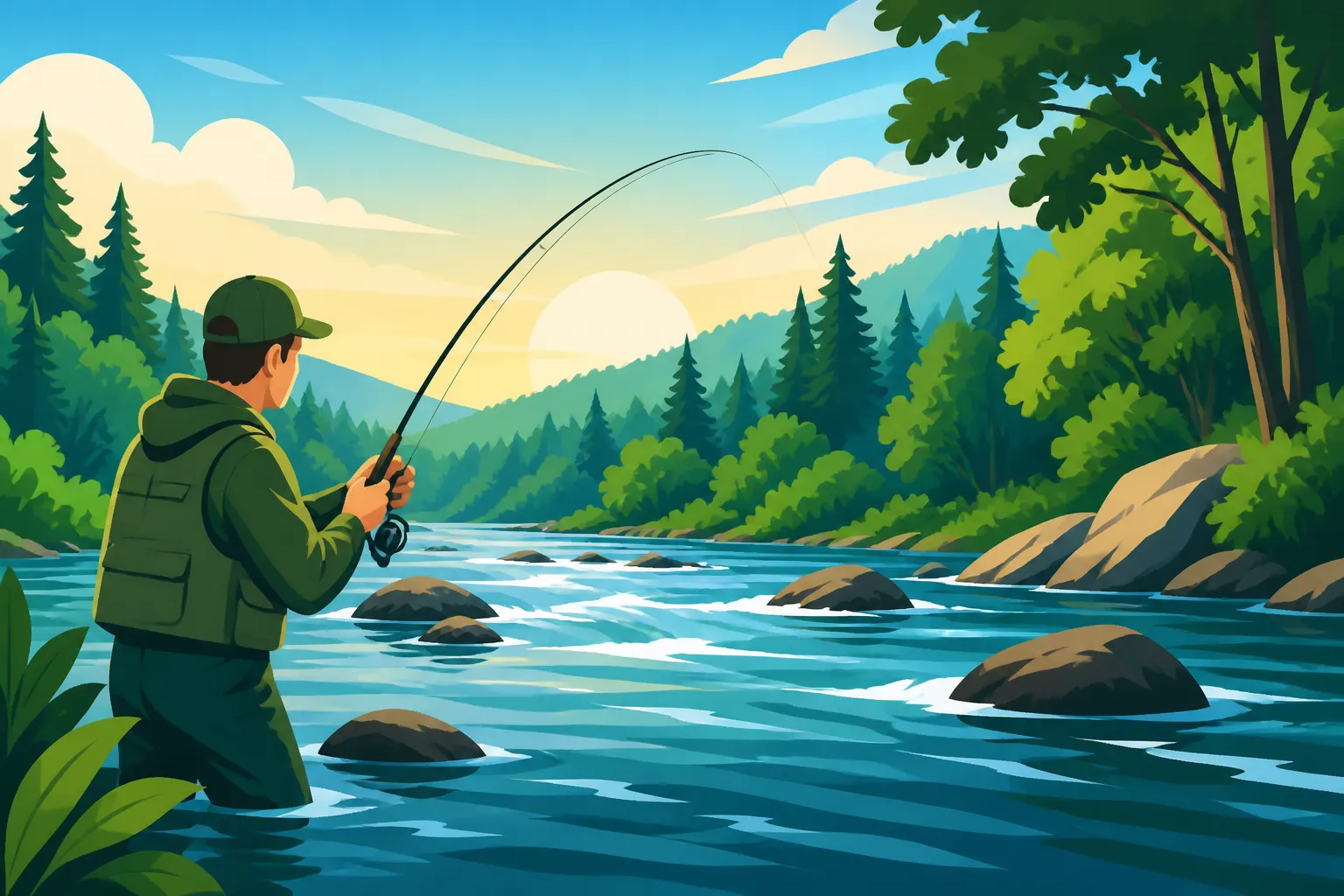
While the Nashua River officially originates in Massachusetts, a significant portion flows through southern New Hampshire, primarily in the towns of Hollis, Nashua, and Merrimack. The character of the river changes quite a bit as it progresses, creating distinct fishing environments. The "upper" New Hampshire sections, particularly in Hollis and Brookline, tend to be narrower, shallower, and often have more natural banks with less development. Here, you might find more intimate fishing experiences, especially for those who enjoy wading or paddling smaller craft. The water flow can be a bit swifter in places, creating interesting current breaks and riffles.
As the river enters the city of Nashua, it widens and slows down significantly, often resembling a large pond or small lake in certain stretches, particularly above the various dams. These urban sections, while seemingly less "wild," actually hold some of the river's most productive fishing holes. The confluence with other smaller streams and the presence of bridge pilings, submerged debris, and varied bottom structures provide excellent cover for fish. Navigating these areas is usually best done by kayak, canoe, or from designated bank access points within city parks. Understanding these transitions is key to knowing what species to target and what techniques will be most effective.
Key Fish Species to Target
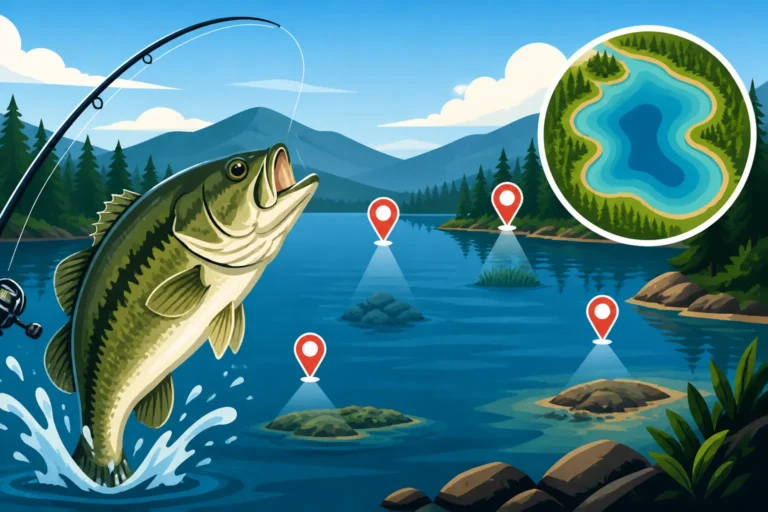
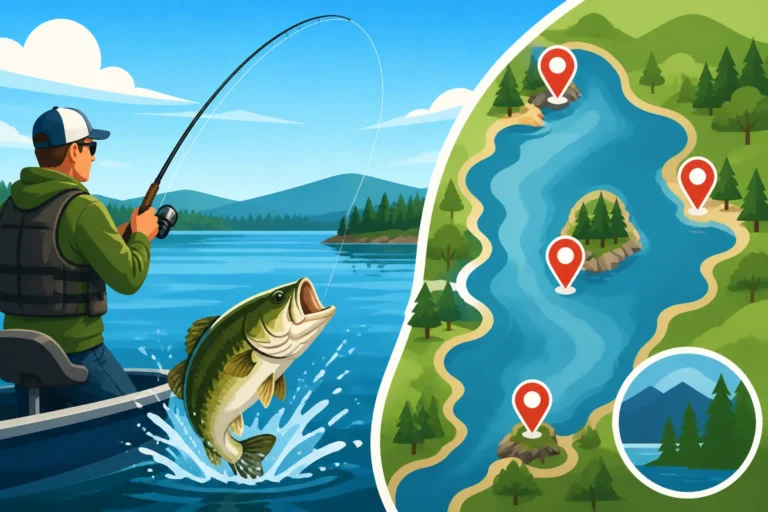
The Nashua River in New Hampshire is primarily known as a warmwater fishery, meaning species like bass and panfish thrive in its typically slower, warmer waters. This isn't a destination for trophy trout, but it absolutely shines for other popular game fish. You'll find a healthy population of both largemouth and smallmouth bass throughout its New Hampshire course. Largemouth often prefer the weedier, slower-moving sections and backwater coves, while smallmouth tend to gravitate towards rocky bottoms, current breaks, and bridge abutments. Many anglers find the challenge of figuring out which bass species is more active on a given day to be part of the fun.
Beyond bass, the river is teeming with panfish, making it an excellent spot for family outings or for those just looking for consistent action. Yellow perch, black crappie, bluegill, and various sunfish species are abundant and readily caught on small baits and lures. Chain pickerel are also common, particularly in the weedier sections, offering an exciting fight and often a surprise strike. And for those who enjoy a more relaxed style of fishing, various species of bullhead (catfish) can be found, especially in the deeper, muddier bottom areas, providing good evening fishing opportunities. Knowing New Hampshire Bag and Possession Limits by Species is crucial for any angler planning to keep their catch.
Seasonal Fishing Opportunities
The Nashua River offers year-round fishing, though the target species and techniques will shift with the seasons. Spring, right after ice-out, is an excellent time for aggressive bass and pickerel as they become more active, feeding heavily before their spawn. As the water warms, largemouth and smallmouth bass become more active and can be targeted with a wider array of lures. Panfish are also very active through spring and into summer, providing continuous entertainment. This is also when you'll find the fish spread out more, making exploring various parts of the river particularly rewarding.
Summer fishing can be fantastic, especially during early mornings and late evenings when the fish are most active. Daytime fishing during the peak heat often means targeting deeper holes or shady cover. Fall sees another surge in feeding activity as fish fatten up for winter, and this can be a prime time for larger bass. Even through winter, ice fishing is possible in slower, wider, frozen sections, though always prioritize safety and check ice thickness. Understanding New Hampshire Fishing Season Dates and Closures will help you plan your trips effectively throughout the year.
| Season | Primary Target Species | Recommended Techniques | Notes |
|---|---|---|---|
| Spring | Largemouth Bass, Smallmouth Bass, Pickerel | Jerkbaits, Spinnerbaits, Jigs, Live Bait | Pre-spawn aggression, fish are shallower. Excellent time for active lures. |
| Summer | Largemouth Bass, Smallmouth Bass, Panfish | Topwater (early/late), Soft Plastics, Crankbaits | Early morning/late evening best. Target shade and structure during hot midday. |
| Fall | Largemouth Bass, Smallmouth Bass, Pickerel | Crankbaits, Jigs, Swimbaits, Live Bait | Fish feed heavily before winter, often move to deeper areas later in fall. |
| Winter | Perch, Pickerel, Bullhead | Ice Jigs, Tip-ups, Live Bait | Ice fishing in safe, frozen sections. Focus on slower, deeper pools. Always check ice conditions! |
Prime Public Access Fishing Spots on the Nashua River
Accessibility is one of the Nashua River's greatest strengths, especially within the city limits. Unlike some remote waterways, you'll find numerous parks and public lands that provide excellent opportunities for bank anglers, kayakers, and canoeists. It’s a great option for a spontaneous outing or for those who don’t have access to a large boat. When planning your trip, consider using resources like FishingBooker to find local guides who might offer specialized trips on rivers like the Nashua, although options might be more plentiful on larger lakes in the region.
Nashua City Stretches and Parks
The city of Nashua itself boasts several fantastic public access points along the river. One of the crown jewels for anglers is Mine Falls Park. This expansive urban park offers miles of trails along both sides of the river and the canal system, providing ample bank fishing access. The waters around the dam at Mine Falls, particularly in the eddies and current breaks, can be very productive for smallmouth bass. The slower, pond-like sections of the canal and main river within the park also hold excellent largemouth bass, pickerel, and panfish. There are several parking areas, making it easy to hop from one spot to another.
Another key location is Greeley Park. While smaller than Mine Falls, it provides direct access to the river with some excellent bank fishing spots, particularly around the bridge crossings and bends. These areas often feature deeper pockets and submerged structure that hold fish. Lincoln Park and other smaller neighborhood parks along the river in Nashua also offer casual bank fishing opportunities. For those with kayaks or canoes, informal launch points are often available within these parks, allowing you to paddle and explore stretches inaccessible by foot. This allows you to explore deeper into the river's hidden gems.
Merrimack and Thornton's Ferry Area
Moving northward from Nashua, the river flows through Merrimack. While less developed with direct park access compared to Nashua, there are still some promising spots. The area around Thornton's Ferry, where the Nashua River meets the Merrimack River, can be a particularly interesting confluence to explore. The mixing of these two distinct river systems often concentrates baitfish and, consequently, predatory game fish. While direct public access might require a bit more searching or utilizing informal pull-offs, these confluence zones are worth the effort for an adventurous angler.
Further upstream within Merrimack, there are fewer designated public access points directly on the Nashua River, but you might find state or town-owned lands that allow for respectful bank access. It's always best to check local signage and respect private property. For those who enjoy a more tranquil experience, paddling a kayak or canoe through these quieter sections can be incredibly rewarding, offering a chance to cast to undisturbed banks and structure. Keep an eye out for submerged timber and rocky outcroppings that provide perfect ambush points for bass and pickerel.
Upstream Opportunities in Hollis and Brookline
For a different experience, consider the upstream stretches of the Nashua River as it flows through Hollis and Brookline. These sections are generally narrower, more intimate, and less impacted by urban development. While access can be more limited, often requiring permission from landowners or careful navigation via kayak or canoe from bridge crossings, the rewards can be significant. The fish here often see less pressure, and the natural environment provides a peaceful backdrop for your fishing adventure.
In Hollis, the river winds through wooded areas and agricultural lands. Look for deeper pools created by bends in the river or obstructions, as these are prime holding areas for bass. The flow here can be a bit more varied, offering a mix of slower pools and faster runs that can hold smallmouth bass. When planning a trip to these less-traveled areas, always carry a printed or digital copy of your New Hampshire Fishing License Guide for 2026 and familiarize yourself with New Hampshire Fishing Regulations Explained to ensure you're fishing legally and responsibly. These upstream sections truly allow you to immerse yourself in the natural beauty of the Granite State while pursuing your favorite fish.
Essential Techniques and Tackle for Nashua River Success
Fishing the Nashua River requires a versatile approach, as conditions can vary from wide, slow-moving pools to narrower, current-laden stretches. Having the right gear and understanding effective techniques will significantly increase your chances of success. Whether you're a seasoned angler or just starting out, adapting your methods to this unique river environment is key.
Best Baits and Lures for Bass and Panfish
For largemouth and smallmouth bass in the Nashua River, a variety of artificial lures will produce results. Spinnerbaits are excellent for covering water, especially in the spring and fall, mimicking baitfish and attracting aggressive strikes. Chartreuse and white are often productive colors in stained river water. Crankbaits that dive to moderate depths (4-8 feet) can be deadly around submerged structure and rocky areas, particularly for smallmouth. Popular options like Rapala or Strike King models in natural crawfish or baitfish patterns are always good choices. Soft plastic lures, such as plastic worms, creature baits, and tube jigs, fished on a Texas rig or Ned rig, are highly effective for tempting wary bass hiding in cover or on the bottom. These shine when the bite is tough, or you need to present a more subtle offering.
For panfish like perch, crappie, and sunfish, simplicity often reigns supreme. Small jigs tipped with a piece of worm, minnow, or a tiny artificial grub are incredibly effective. A classic bobber setup with a small hook and a live worm or piece of corn can provide constant action, especially for beginners or young anglers. Ultralight spinning gear is perfect for panfish, making even a small bluegill feel like a trophy. Consider looking into Best Tackle for Panfish to refine your setup for consistent bites. Remember that live bait can be exceptionally effective, particularly for pickerel and larger bass, so carrying a few shiners or nightcrawlers is never a bad idea.
Fly Fishing Considerations for the Nashua
While not primarily a trout stream, the Nashua River can offer rewarding fly fishing opportunities, especially for smallmouth bass and panfish. For smallmouth, streamers mimicking baitfish (like Clouser Minnows or Woolly Buggers in olive, black, or white) are highly effective when stripped through current breaks, around structure, and along rocky banks. Topwater flies, such as poppers or gurglers, can provide explosive action during early morning or late evening hours in the warmer months, especially in quieter sections of the river.
Panfish readily take small poppers, sponge bugs, or even smaller wet flies and nymphs. A 4- or 5-weight fly rod is generally sufficient for targeting these species in the Nashua, offering a good balance of power and finesse. Look for areas with current, submerged rocks, and overhanging vegetation, as these are prime locations where fish will hold. While you won't be Fly Fishing for Trout in New Hampshire on the Nashua, the challenge of landing a feisty smallmouth on a fly rod is a unique and satisfying experience.
Kayak and Bank Fishing Strategies
The nature of the Nashua River, with its varying widths and flow rates, makes both bank fishing and kayak/canoe fishing highly productive. Bank fishing is easily accessible in most city parks and offers a straightforward approach. Focus on casting to visible structure like fallen trees, bridge pilings, rock piles, or eddy lines. Don't be afraid to move frequently, covering different areas until you find where the fish are holding. Stealth is also important; approach the bank quietly to avoid spooking fish in shallower areas.
For those with kayaks or canoes, the Nashua River truly opens up. The ability to silently navigate shallow areas, reach secluded pockets, and drift through productive stretches provides a distinct advantage. Focus on paddling upstream first, then drifting back down, making casts to both banks and mid-river structure. Pay close attention to changes in depth, current seams, and areas with submerged vegetation. Using a pedal kayak can be a game-changer for hands-free fishing, allowing you to maintain position while casting. If you're considering a watercraft for river fishing, checking out Best Kayaks for New Hampshire Fishing can provide valuable insights into suitable models for the Nashua. Remember to always wear a life jacket, especially in moving water, and inform someone of your float plan.
Navigating Regulations and Conservation
Responsible angling is paramount to ensuring the continued health and vitality of the Nashua River fishery. Understanding and adhering to local regulations, as well as practicing sound conservation principles, ensures that this valuable resource remains abundant for future generations of anglers. The Nashua River's recovery story is a testament to what focused conservation efforts can achieve, and it's our collective responsibility to uphold that progress.
Understanding Nashua River Specific Regulations
While the Nashua River is part of the broader New Hampshire fishing landscape, it's always wise to double-check any specific regulations that might apply to its various stretches. Generally, the Nashua River falls under statewide freshwater fishing rules, but local ordinances or special regulations related to specific species or areas can exist. The New Hampshire Fish and Game Department’s Freshwater Fishing Digest is your authoritative source for all regulations, including season dates, bag limits, and gear restrictions. You can often find a New Hampshire Freshwater Fishing Digest PDF available online for quick reference.
For bass, pay particular attention to the New Hampshire Bass Catch-and-Release Season, Explained. During certain times of the year, usually in the spring, bass fishing might be restricted to artificial lures only, and all bass must be immediately released. This is crucial for protecting spawning fish. For other species like pickerel and panfish, limits are generally more generous, but knowing them prevents unintentional violations. Remember, purchasing your fishing license is the first step, and you can easily learn How to Buy a Fishing License Online in New Hampshire if you haven't already. FishingBooker can also be a good place to look for up-to-date information on local regulations, particularly if you're booking a trip with a local guide.
Practicing Catch and Release for a Healthy Fishery
Given the Nashua River's incredible recovery and its status as a productive warmwater fishery, practicing catch and release, especially for bass, is highly encouraged. While it's perfectly legal to harvest fish within the established limits, releasing a portion of your catch, particularly larger breeding-size fish, contributes significantly to maintaining robust fish populations. This is especially true for species like largemouth and smallmouth bass, which are popular sport fish and crucial to the river's ecosystem.
When practicing catch and release, handle fish carefully. Minimize their time out of the water, use wet hands to avoid removing their protective slime coat, and use barbless hooks or crimp down the barbs on your hooks for easier removal. If a fish is deeply hooked, cut the line rather than trying to remove the hook, as this often causes more harm. Revive tired fish by holding them gently in the water, facing into a mild current, until they are strong enough to swim away on their own. These simple practices help ensure that the Nashua River continues to be a fantastic fishing destination for everyone.
Disclaimer
The information provided in this guide is for general informational purposes only and is subject to change. Fishing regulations, conditions, and access points can vary. Always consult the official New Hampshire Fish and Game Department website or their latest Freshwater Fishing Digest for the most accurate and up-to-date regulations before heading out. Anglers are responsible for knowing and abiding by all applicable laws and regulations. Fish at your own risk.