Best trophy bass lakes in New Hampshire
For many anglers, the dream isn't just to catch a fish, it's to land that absolute monster, that picture-worthy trophy bass that tests your gear and your grit. Finding these elusive giants in New Hampshire can feel like searching for a needle in a haystack, especially with so many beautiful lakes and ponds. This guide aims to cut through the guesswork, helping you pinpoint the best trophy bass lakes in the Granite State and equip you with the knowledge to make that dream a reality.
Understanding Trophy Bass Potential in New Hampshire
Let's be real: New Hampshire isn't Florida or Texas when it comes to bass fishing. Our colder climate and shorter growing seasons mean that bass don't typically reach the gargantuan sizes seen in some southern states. However, what we lack in sheer numbers of double-digit bass, we make up for in the quality and fighting spirit of our fish, and the satisfaction of earning a truly big one in our challenging waters.
What Defines a "Trophy" Bass in the Granite State?
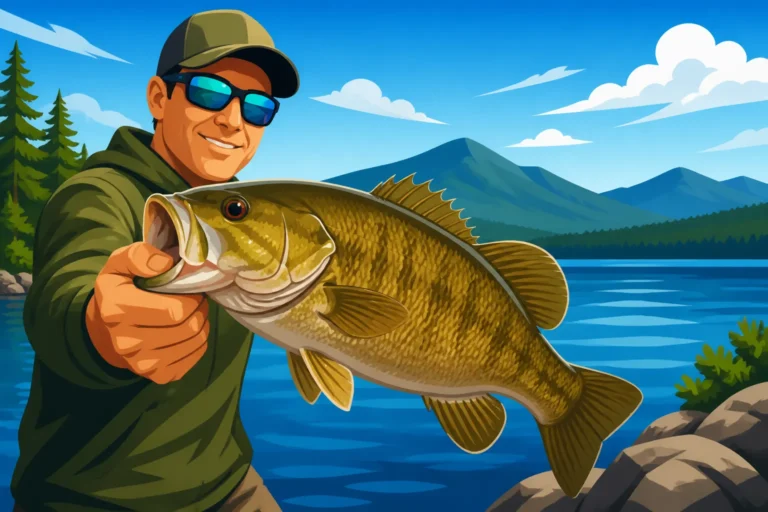
When we talk about a "trophy" bass in New Hampshire, it's important to set realistic expectations. For largemouth bass, anything over 5 pounds is considered excellent, and a 6 or 7-pounder is a true giant that will make your day. The current New Hampshire state record largemouth is an impressive 10 pounds, 8 ounces caught back in 1967, which shows the potential, even if it's a rare feat. For smallmouth bass, a 4-pounder is a fantastic fish, and anything over 5 pounds is firmly in trophy territory. The state record smallmouth stands at 7 pounds, 14 ounces, caught in 2020. These records are aspirational benchmarks, but regularly catching fish in the 4-6 pound range for either species would easily qualify as a consistent trophy fishery by New Hampshire standards.
The colder waters and often deeper, clearer lakes favor different growth patterns. Largemouth tend to get chunky in weed-rich, shallower, and warmer ponds, while smallmouth thrive in deeper, rocky, and cooler big lakes. Knowing this distinction is your first step in understanding where to focus your efforts for each species.
Key Factors for Trophy Bass Growth
Several environmental factors contribute to a bass reaching trophy size in New Hampshire:
- Food Availability: This is paramount. Lakes with abundant forage – like rainbow smelt, yellow perch, alewives, shiners, sunfish, and crayfish – provide the necessary protein for bass to grow large and healthy. A rich food web means less competition and more substantial meals.
- Habitat: Big bass need big cover. This includes deep water structure like humps, rock piles, ledges, and submerged timber, as well as shallow cover like thick weed beds, lily pads, docks, and fallen trees. Lakes with diverse and plentiful habitat offer more places for bass to ambush prey and feel secure, allowing them to grow without constant stress.
- Water Quality and Temperature: Clean, well-oxygenated water is crucial. While bass are adaptable, pristine conditions contribute to overall fish health and vitality. Optimal water temperatures for feeding and growth vary by species, but a stable thermal environment helps. New Hampshire's distinct seasons mean bass have specific windows for peak feeding and growth.
- Fishing Pressure and Catch-and-Release Practices: Lakes with heavy fishing pressure, especially those where anglers consistently keep larger bass, will naturally have fewer trophy-sized fish. Waters where catch-and-release is widely practiced, particularly for larger breeding fish, tend to sustain better populations of big bass. Anglers playing their part in conservation is vital.
Top New Hampshire Lakes for Trophy Largemouth Bass
When you picture a largemouth bass, you're often thinking about those chunky, green fish lurking in thick cover. New Hampshire has some phenomenal waters that fit this bill, producing consistent numbers of quality largemouth, with the potential for that true giant.
Pawtuckaway Lake: Southern NH's Largemouth Haven
Pawtuckaway Lake, located in Nottingham, is hands down one of the premier largemouth bass lakes in Southern New Hampshire. If you're chasing a true bucketmouth, this is a must-visit. What makes Pawtuckaway so special is its incredibly diverse and abundant cover. Imagine vast fields of lily pads, dense weed beds, submerged timber, rocky shorelines, and countless stumps left over from its days as a timber reservoir. This labyrinthine habitat provides endless ambush points for big largemouth, allowing them to grow large while staying well-hidden.
Anglers here often find success flipping jigs or pitching Texas-rigged soft plastics into the thickest cover. Frog fishing over lily pads during the summer can be explosive, as these aggressive bass will absolutely annihilate a topwater presentation. Don't overlook crankbaits and spinnerbaits worked along the edges of weed lines or over submerged structure, especially during pre-spawn and fall feeding frenzies. The lake has several distinct areas, including the main lake and smaller coves and bays, each offering different opportunities. When planning a trip to target these monsters, consider checking out available guides on FishingBooker who specialize in Pawtuckaway; their local knowledge can be invaluable for navigating this complex lake.
Lake Winnisquam: Consistent Trophy Potential
Lake Winnisquam, near Laconia, might be better known for its smallmouth and lake trout, but it holds a surprisingly strong population of trophy-sized largemouth bass. Its varied shoreline, with a mix of residential docks, rocky points, and some excellent weed flats, creates ideal conditions for largemouth. The lake has a good forage base, contributing to healthy, fast-growing bass.
You'll often find largemouth relating to the numerous docks and boat lifts that line the shores, especially during warmer months. Flipping jigs, pitching plastics, or even skipping wacky-rigged worms under docks can be incredibly effective. Look for submerged weed beds in the shallower bays and coves – these are prime hunting grounds. The canal connecting Winnisquam to Lake Winnipesaukee can also be a hotspot, especially during periods of current flow, but make sure to check New Hampshire Fishing Regulations Explained for any specific rules in that area. Spinnerbaits and chatterbaits worked along transitional zones from shallow to slightly deeper water can also entice big strikes.
Other Notable Largemouth Lakes to Explore
While Pawtuckaway and Winnisquam are standout choices, New Hampshire has other waters that consistently kick out quality largemouth:
- Northwood Lake: Another excellent southern New Hampshire lake with plenty of cover, including extensive weed beds and shallow flats. It's a great spot for topwater action and working plastics.
- Angle Pond (Sandown/Hampstead): A smaller, but highly productive pond known for its healthy population of largemouth, with good potential for larger fish due to its rich environment.
- Lake Massabesic (Manchester): While access can be restricted due to its status as a public water supply, this lake is known to hold some truly giant largemouth. If you can gain access through specific programs or permitted areas, the rewards can be substantial. Always respect access regulations and understand you might be limited to certain types of watercraft or areas.
Premier New Hampshire Lakes for Trophy Smallmouth Bass
If you prefer the hard-fighting, acrobatic jumps of a smallmouth bass, New Hampshire's deeper, rockier lakes are where you'll want to focus your attention. These "bronzebacks" thrive in cooler, clearer waters and often grow to impressive sizes, offering an exhilarating fishing experience.
Lake Winnipesaukee: The Smallmouth Mecca
Lake Winnipesaukee, the largest lake in New Hampshire, is legendary for its smallmouth bass fishing, with many anglers considering it the premier smallmouth fishery in New England. Its sheer size, over 44,000 acres, combined with its incredibly diverse underwater structure – countless islands, rocky reefs, humps, deep ledges, and clear water – creates the perfect environment for smallmouth to thrive and grow to trophy proportions. The abundance of rainbow smelt also provides an exceptional forage base.
Targeting smallmouth on Winnipesaukee often involves covering a lot of water. Look for rocky points, shoals, and humps that extend into deeper water. Drop-shot rigs, tube jigs, and Ned rigs are deadly when fished slowly along these structures, especially in depths from 15 to 40 feet. In the spring and fall, smallmouth will move shallower, often congregating around rocky shorelines and shallow reefs, where crankbaits, jerkbaits, and topwater lures can be incredibly effective. The sheer volume of structure means that finding the fish can be a challenge, but when you do, the rewards are often big, aggressive smallmouth. For a deeper dive into techniques, explore our guide on How to Catch Smallmouth Bass in New Hampshire Lakes. Finding those honey holes on a lake as massive as Winnipesaukee can be daunting, but services like FishingBooker can connect you with local captains who know the lake inside and out and can help you pinpoint those trophy spots. For more specific details on the lake, check out our comprehensive Lake Winnipesaukee Fishing Guide.
Squam Lake: Clear Waters, Big Bronzebacks
Squam Lake, often overshadowed by its larger neighbor Winnipesaukee, is another incredible smallmouth bass destination. Known for its pristine, crystal-clear waters and stunning mountain backdrop, Squam offers a different kind of challenge and reward. The smallmouth here are notoriously wary due to the water clarity, often requiring a more subtle approach, but they grow large and fight exceptionally hard.
Much like Winnipesaukee, smallmouth in Squam relate heavily to rocky structure. Focus on deep points, submerged islands, and rocky drop-offs. Finesse techniques shine here: light line, small drop-shot baits, Ned rigs, and tiny tubes are often key. Early morning or late evening can bring big smallmouth to the surface, making topwater baits like walking baits and poppers thrilling options, especially around the numerous islands. Kayak anglers particularly love Squam for its quiet beauty and the opportunity to stealthily approach prime smallmouth habitat. For more in-depth information, our Squam Lake Fishing Guide provides a wealth of knowledge.
Newfound Lake: Deep and Productive Smallmouth Fishery
Newfound Lake, located in Bristol, is one of New Hampshire's deepest and cleanest lakes, famous for its incredible clarity and cold, oxygen-rich waters. While it's a superb lake trout and salmon fishery, it also harbors a robust population of large smallmouth bass, particularly in its deeper sections. These smallmouth are often incredibly healthy and powerful due to the abundant coldwater forage like rainbow smelt.
Smallmouth in Newfound Lake often hold deeper than in other lakes, especially during the summer months. You'll want to employ techniques that allow you to effectively fish deep structure, such as vertical jigging with spoons or heavy tubes, deep cranking, or using a drop-shot rig over rock piles and ledges. In the spring and fall, they will push shallower, offering opportunities to catch them closer to shorelines and around the lake's many coves and points. Always be mindful of the significant depth changes and use your electronics to locate fish and structure. Our dedicated Newfound Lake Fishing Guide can help you navigate its unique challenges and find those deep-water bronzebacks.
Essential Strategies for Chasing Trophy Bass in New Hampshire
Catching a trophy bass isn't just about finding the right lake; it's about understanding bass behavior, having the right gear, and adopting conservation-minded practices.
Understanding Seasonal Patterns and Bass Behavior
Bass, both largemouth and smallmouth, are highly influenced by water temperature and seasonal changes. Knowing these patterns is crucial for consistent success:
- Spring (Ice-out to early June): This is often the best time to target trophy bass. As ice-out occurs and water temperatures rise, bass move shallower to feed aggressively and prepare for the spawn. During the pre-spawn, they will stage on points, humps, and flats adjacent to spawning areas. This is when they are at their heaviest, full of eggs, and feeding heavily. Slow-rolling spinnerbaits, jerkbaits, jigs, and lipless crankbaits can be incredibly effective. Once the water hits around 60-65°F (for largemouth) or 55-60°F (for smallmouth), they move to spawn. During the spawn, they are very protective of their nests and can be sight-fished, but many anglers choose to leave them undisturbed during this vulnerable period to ensure future populations.
- Summer (June to August): As water temperatures climb into the 70s, bass move to deeper, cooler water. They will relate to offshore structure like humps, deep rock piles, and thermoclines. Early mornings and late evenings offer opportunities for topwater action or shallow bites as bass move up to feed. Mid-day often requires fishing deep with drop-shots, Carolina rigs, deep-diving crankbaits, or heavy jigs. Targeting oxygenated areas with current, like rivermouths or narrows, can also be productive.
- Fall (September to November): This is another prime time for trophy bass, as they gorge themselves in preparation for winter. As water temperatures cool, baitfish schools move shallow, and bass follow. Crankbaits, spinnerbaits, and soft plastics fished along weed lines, rocky points, and creek channels can be extremely effective. They will feed heavily until water temperatures drop into the low 40s, at which point they become lethargic and move to their deep wintering holes. For more detailed information on when to plan your trips, consult our guide on the Best Time of Year to Fish in New Hampshire.
Gear Up for Big Bass
Don't show up with ultralight gear if you're seriously chasing a trophy. Big bass require specialized equipment to handle their power and the heavy cover they often inhabit.
- Rods and Reels: For largemouth in heavy cover, a medium-heavy to heavy power casting rod (6'8" to 7'6") paired with a baitcasting reel spooled with strong line is essential. This setup provides the backbone to pull fish out of weeds and timber. For smallmouth in open, clear water, a medium power spinning rod (6'6" to 7'2") with a fast action, paired with a sensitive spinning reel, is often preferred for finesse techniques. However, for bigger smallmouth and heavier presentations, a medium-heavy casting setup is still a great choice. For help picking the right gear, check out our guide on the Best Fishing Rods for New Hampshire Lakes.
- Line: For largemouth in thick cover, 30-50 lb braided line is a go-to, often with a 15-20 lb fluorocarbon or monofilament leader. Braid cuts through weeds and has no stretch, providing excellent power. For smallmouth and finesse fishing, 8-12 lb fluorocarbon line offers low visibility, good abrasion resistance, and excellent sensitivity.
- Lures:
- Jigs: Flipping jigs (for largemouth in cover), football jigs (for smallmouth on deep structure), and hair jigs (for cold water smallmouth) are all highly effective.
- Crankbaits: Deep-diving crankbaits are excellent for covering water and targeting deep bass. Squarebill crankbaits work well around shallow cover.
- Soft Plastics: Texas rigs, Carolina rigs, Ned rigs, drop-shot rigs, wacky rigs – soft plastics are incredibly versatile and deadly for both species. Senkos, worms, craws, and creature baits are staples.
- Topwaters: Poppers, walking baits, and frog lures are exhilarating when bass are active on the surface.
- Spinnerbaits and Chatterbaits: Great for covering water and fishing around weed lines, especially in stained water or during aggressive feeding periods.
Choosing the right tackle for the conditions is key. Our article on the Best Tackle for New Hampshire Smallmouth Bass offers more detailed recommendations.
The Importance of Conservation and Local Knowledge
Landing a trophy bass is an incredible achievement, and ensuring these fisheries remain healthy for future generations is paramount.
- Catch and Release: For trophy-sized bass, especially those larger breeding females, practicing careful catch and release is highly encouraged. Handle fish gently, minimize their time out of water, and use proper de-hooking tools.
- Respect Regulations: Always be aware of and abide by current New Hampshire Fishing Regulations Explained, including bag and possession limits, size restrictions, and season dates. These rules are in place to protect the fishery.
- Local Knowledge: There's no substitute for local insight. Visiting local tackle shops, talking to experienced anglers, or hiring a licensed fishing guide can dramatically improve your chances of success. Guides have spent countless hours on the water and understand the nuances of each lake. If you're serious about landing a personal best, booking a guided trip through FishingBooker can drastically cut down your learning curve and provide you with invaluable tips and techniques for specific waters.
Here's a quick reference table for New Hampshire's top trophy bass lakes:
| Lake Name | Primary Target Species | Key Features | Primary Tactics for Trophy Bass | Best Time to Fish |
|---|---|---|---|---|
| Pawtuckaway Lake | Largemouth Bass | Dense weeds, lily pads, stumps, varied cover | Flipping jigs, frog fishing, pitching plastics | Spring, Summer |
| Lake Winnisquam | Largemouth Bass | Docks, weed flats, rocky points, varied habitat | Dock skipping, jigs, spinnerbaits, worm fishing | Spring, Summer, Fall |
| Lake Winnipesaukee | Smallmouth Bass | Vast rocky structure, islands, clear, deep water | Drop-shot, tube jigs, crankbaits, topwater (points) | Spring, Fall, Summer (deep) |
| Squam Lake | Smallmouth Bass | Pristine clear water, rocky points, deep ledges | Finesse jigs, drop-shot, small topwater | Spring, Summer (low light), Fall |
| Newfound Lake | Smallmouth Bass | Deep, crystal-clear, cold water, smelt forage | Deep jigging, drop-shot, deep cranks | Spring, Fall, Summer (deep) |
Disclaimer
Please be aware that fishing conditions and regulations can change. Always consult the official New Hampshire Fish and Game Department website or their latest Freshwater Fishing Digest before heading out on the water to ensure you have the most up-to-date information. Tight lines!