Best hair jig for cold water smallmouth
Trying to coax a bite out of a lethargic smallmouth bass when the water temperatures plummet can feel like an impossible mission. Those feisty bronze beasts that readily smash topwater plugs in summer suddenly become ghosts, hunkering down and ignoring everything you throw at them. This guide will reveal why the humble hair jig is your secret weapon for cold water smallmouth in New Hampshire and teach you exactly how to wield it to turn those tough days into successful outings.
Why Hair Jigs Excel in Cold Water for Smallmouth
When the mercury dips, smallmouth bass metabolism slows right down. They're not chasing fast-moving, erratic baits. They're looking for an easy meal, something subtle that doesn't require much energy to pursue. This is where the hair jig truly shines, offering a presentation that few other lures can match in terms of natural, tantalizing appeal.
The Subtle Appeal of Natural Movement
Unlike hard plastic baits or even some soft plastics that have a predetermined action, a hair jig, particularly those tied with natural materials like bucktail or marabou, possesses an incredibly lifelike and subtle movement in the water. As it sinks or is retrieved with the slightest twitch, the individual strands of hair spread, contract, and pulsate, creating an almost "breathing" motion. This isn't a violent rattle or a wide wobble; it's a gentle undulation that perfectly mimics a struggling or dying baitfish, or even a crawfish slowly moving along the bottom.
Imagine a frigid late-fall morning on Lake Winnipesaukee. The water is clear, and the smallmouth are tight to deep rock piles. A crankbait might flash by too quickly, and a spinnerbait might be too aggressive. But a hair jig, gently falling and swaying, looks utterly helpless and irresistible. This soft, natural movement triggers an instinctual strike from cold-blooded smallmouth that are otherwise reluctant to expend energy. It's often the subtle cues that convince a sluggish fish to commit.
Mimicking Cold-Water Forage
In New Hampshire's lakes and rivers, cold-water smallmouth primarily feed on forage that is either slow-moving or attempting to hide. This often includes various types of baitfish, such as shiners or smelt, as well as bottom-dwelling creatures like crawfish, sculpins, and even leeches. Hair jigs are exceptional at imitating these natural food sources, especially when they are less active due to the cold.
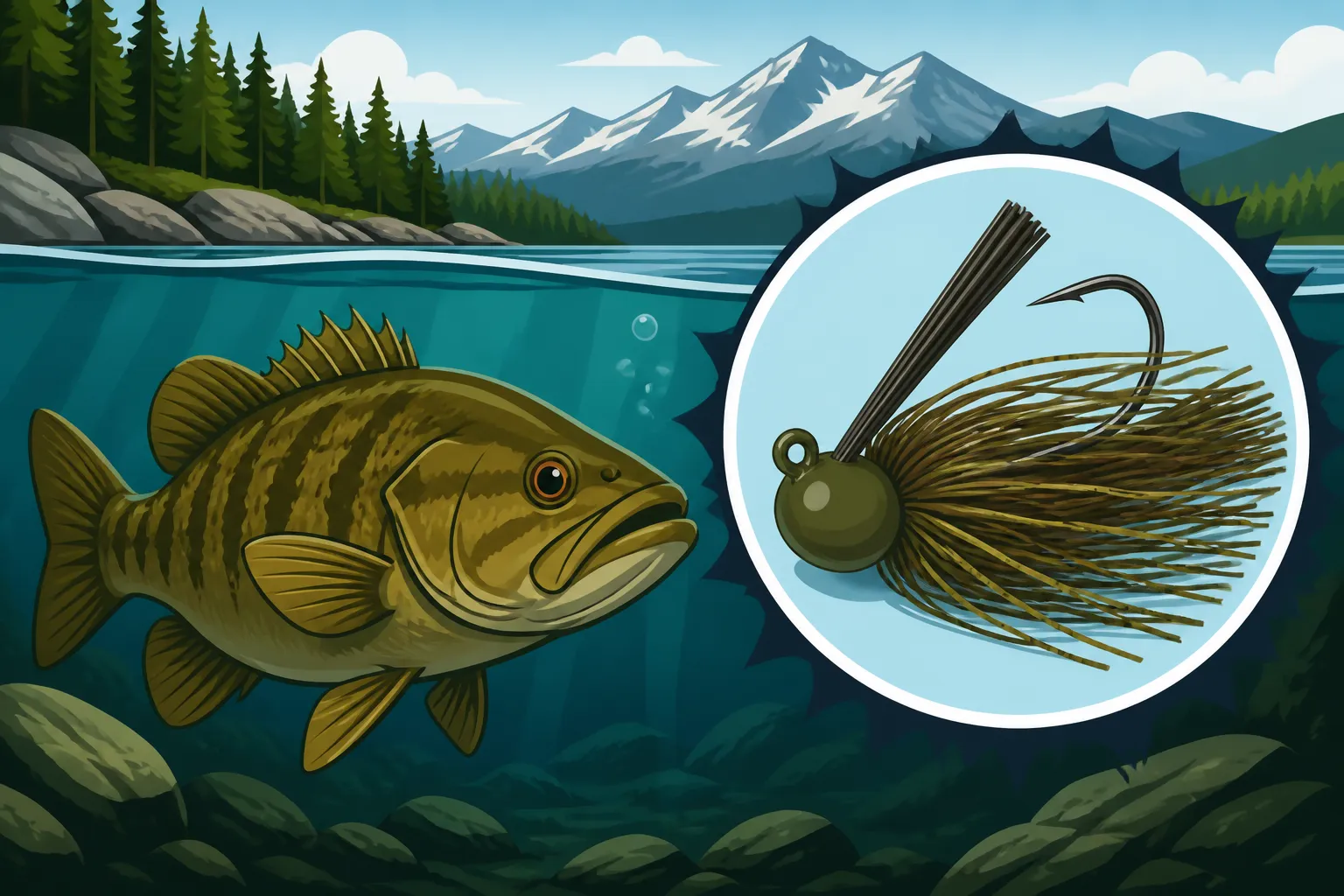
A black or dark brown hair jig can perfectly mimic a crawfish scurrying along a rocky bottom or tucked into crevices. An olive or white hair jig, especially those with a sparse profile, can easily be mistaken for a dying or stressed baitfish descending through the water column. The beauty of the hair jig is its versatility; by changing colors, sizes, and retrieve styles, you can effectively present a convincing imitation of whatever smallmouth are keying in on, even if that means a very slow, methodical presentation right in front of their noses. This ability to closely match the local, cold-water forage is a huge advantage when trying to entice finicky fish.
Key Characteristics of an Effective Cold Water Hair Jig
Not all hair jigs are created equal, especially when you're specifically targeting cold-water smallmouth. Understanding the nuances of materials, weight, profile, and color will significantly improve your success rate. The right combination can make all the difference in New Hampshire's challenging cold-water conditions.
Material Matters: Bucktail, Marabou, and Synthetics
The material used in tying a hair jig dictates its action, durability, and overall presentation. Each has its place and specific advantages in cold water.
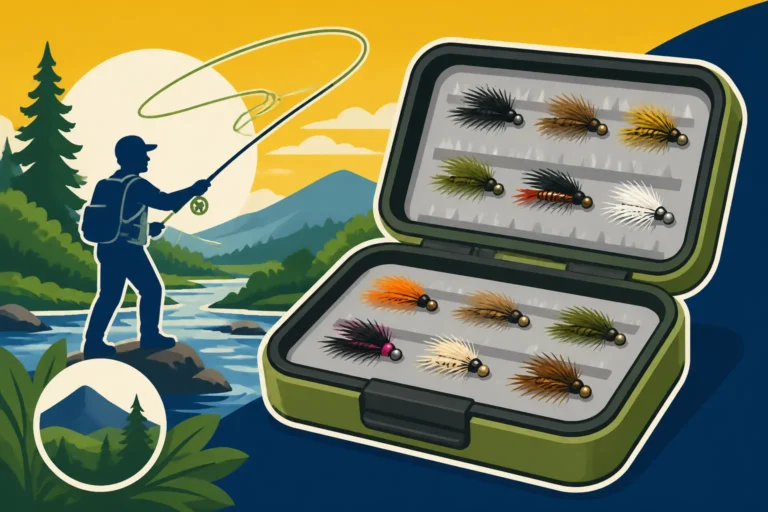
- Bucktail: This is arguably the most classic and widely used material for hair jigs. Bucktail is deer tail hair, which is hollow and flares out in the water, giving the jig a fuller profile that still "breathes" with movement. It's durable, offers good casting distance due to its slight stiffness, and creates a realistic baitfish profile. For many anglers, bucktail jigs are a go-to for their versatility and ability to hold up to multiple fish. They excel when you need a little more presence in the water or are fishing in slightly stained conditions.
- Marabou: Made from turkey feathers, marabou is incredibly soft and fluffy. In the water, it has an unparalleled undulating, pulsating action, often described as "breathing." Marabou jigs are fantastic for extreme finesse presentations in very clear, cold water or when fish are highly pressured and lethargic. Their drawback is that they are less durable than bucktail and can foul easily, especially after catching several fish. However, for sheer subtle action, marabou is hard to beat.
- Synthetics: Modern synthetic materials offer durability and a vast array of colors that might not be available in natural hair. They can be tied to mimic the action of natural hair, often offering a more consistent profile. While they might lack the exact natural "feel" of bucktail or marabou, their resilience and vibrant color options make them valuable, especially when you need a specific flash or contrast in certain water conditions. Many anglers mix synthetics with natural hair for a blend of action and durability.
Understanding these differences allows you to choose the perfect jig for the specific conditions you encounter. For example, a super-finesse marabou jig might be perfect for targeting suspended smallmouth on a calm, clear day, while a bucktail jig could be better for drifting along a rocky river bottom.
Weight and Profile for Deep and Shallow Water
Selecting the correct jig head weight and overall profile is crucial for presenting your hair jig effectively at the right depth and in the right current. In cold water, smallmouth often relate tightly to structure, which can vary from shallow rocky points to deep ledges.
For most cold-water smallmouth scenarios in New Hampshire, you'll find yourself reaching for hair jigs in the 1/8 ounce to 3/8 ounce range. A lighter 1/8 ounce jig is ideal for shallower water (under 10 feet), or when smallmouth are suspended higher in the water column. Its slower fall rate gives finicky fish more time to react. When fishing deeper structure, say 15-30 feet, a 1/4 ounce or even a 3/8 ounce jig will get down faster and maintain bottom contact better, especially if there's any current or wind. In a strong current, such as sections of the Connecticut River, you might even need to bump up to a 1/2 ounce jig to ensure your presentation is controlled and natural.
The profile of the jig also matters. A compact, sparsely tied jig will sink faster and have less resistance, making it great for deep vertical presentations. A fuller, more heavily dressed jig, on the other hand, will have a slower fall and a larger presence, which can be advantageous in slightly stained water or when trying to imitate a larger baitfish. Always consider the depth you're targeting, the presence of current, and the activity level of the fish when choosing your jig's weight and profile.
Color Choices for New Hampshire's Varied Waters
Color is often debated, but in cold, clear water, subtle, natural hues tend to be most effective. Smallmouth in cold water have excellent vision, and overly bright or unnatural colors can often spook them.
- Natural Colors: Black, brown, olive, and white are perennial favorites for cold-water hair jigs. Black is incredibly versatile, mimicking crawfish, leeches, or even dark baitfish. Brown and olive are excellent for imitating various types of forage, especially where there's a lot of rocky or woody cover. White, or combinations of white and other colors like white/chartreuse or white/gray, can be deadly for imitating distressed baitfish. These colors are particularly effective in the crystal-clear waters of many New Hampshire lakes and ponds.
- Brighter Accents: While natural colors dominate, sometimes a pop of color can trigger a reaction strike, especially on a cloudy day or in slightly stained water. Jigs with a touch of chartreuse, orange, or even red mixed into the natural hair can provide just enough contrast without being overwhelming. These are often used as "trigger" colors, hinting at an injured or dying baitfish. In some instances, a solid chartreuse or bright orange jig can be effective for aggressive smallmouth, but generally, for cold water, lean towards subtlety with only a hint of brightness.
- Two-Tone Jigs: Many effective hair jigs feature two distinct colors, often a darker back and a lighter belly. This creates a realistic baitfish silhouette and can be highly appealing to smallmouth. Think black and white, olive and white, or brown and orange. When you're browsing for jigs, whether at a local tackle shop or online through Amazon, pay attention to these classic and effective color patterns.
| Hair Jig Material | Key Characteristics | Best Use Cases (New Hampshire Cold Water) | Pros | Cons |
|---|---|---|---|---|
| Bucktail | Hollow hair, flares, medium density | Versatile, general purpose, slightly stained water, current | Durable, good castability, realistic profile | Less subtle than marabou, can be stiff |
| Marabou | Soft feathers, extreme pulsation, low density | Ultra-finesse, clear water, highly pressured fish, slow retrieves | Incredible subtle action, highly lifelike | Less durable, can foul easily, absorbs water |
| Synthetic | Various plastics, consistent shape, vibrant colors | Specific color needs, durability, mixed with natural hair | Very durable, wide color range, consistent action | Can look less natural, may lack true "breathing" action |
Hair Jig Techniques for Cold Water Smallmouth in New Hampshire
Mastering the retrieve is just as important as choosing the right hair jig. In cold water, less is often more. The goal is to present the jig in a way that appears natural and effortless to a sluggish smallmouth. These techniques are often slow, methodical, and require patience.
The Slow Drag and Hop
This is perhaps the most fundamental and effective retrieve for cold-water smallmouth with a hair jig. It's designed to keep the lure in the strike zone for an extended period, mimicking a crawfish or baitfish foraging along the bottom.
To execute this, cast your hair jig out and let it sink all the way to the bottom. Once it hits, take up any slack in your line. Then, instead of a sharp jigging motion, simply drag the jig slowly along the bottom with your rod tip. This drag might be a foot or two. After dragging, pause. Let the jig rest on the bottom for several seconds. During this pause, the hair will subtly spread and settle, creating a highly enticing visual. After the pause, give your rod tip a slight twitch or a gentle lift to hop the jig a few inches off the bottom, then let it fall back down. Again, pause. The retrieve should feel incredibly slow, almost painstakingly so.
This technique is incredibly effective when smallmouth are relating to rocky bottom, gravel beds, or submerged wood. Imagine you're fishing a deep breakline on Squam Lake in early spring; slowly dragging and hopping a brown or black hair jig along that transition zone can often elicit a strike from an otherwise inactive fish. The key is to feel for that subtle "tick" or added weight on your line – cold-water bites are often very light, and you'll need all the sensitivity your gear can offer. For more details on how to specifically target smallmouth in these conditions, check out our guide on How to Catch Smallmouth Bass in New Hampshire Lakes.
Vertical Jigging and Finesse Presentations
Sometimes, smallmouth aren't just hugging the bottom; they might be suspended over deeper structure, or you might be ice fishing. In these scenarios, vertical jigging and extreme finesse presentations become invaluable.
When vertically jigging, you're usually positioned directly over the fish, often located with your fish finder. Drop your hair jig straight down to the depth where you see fish or structure. Once it's at depth, the technique is similar to the drag and hop, but more concentrated. Lift your rod tip just a few inches, then let the jig flutter back down on a semi-slack line. The goal is to make the hair jig fall naturally, like a wounded baitfish. Pause for significant periods between lifts – sometimes up to 10-15 seconds. This pause is often when the strike occurs, as the jig appears lifeless and vulnerable.
Finesse presentations take this even further. This might involve barely shaking your rod tip to make the hair quiver without actually moving the jig much, or simply dead-sticking the jig, letting it sit completely still for extended periods. This level of finesse is often required when fishing through the ice or when targeting smallmouth in extremely clear, cold waters where they are particularly wary. For specific tactics on how smallmouth react to changes, consider reading about Cold Front Fishing Tactics for New Hampshire Bass.
Pairing with Electronics and Structure
Modern fish finders are game-changers for cold-water hair jig fishing. Smallmouth bass will congregate on specific types of structure in cold water, often relating to changes in depth, rock piles, ledges, or submerged humps. Your electronics allow you to pinpoint these spots and even see individual fish.
Start by cruising areas known for holding smallmouth, such as transition areas where flats drop off into deeper channels, or prominent points and humps. Look for baitfish schools, as smallmouth will often be nearby. Once you identify promising structure or arcs on your sonar that indicate fish, mark the waypoint and then position your boat to make precise casts. With vertical jigging, you can even watch your jig descend on the screen and see how fish react to it. If they follow but don't commit, you know to adjust your retrieve speed or pause duration.
Understanding the underwater topography is key. Hair jigs are particularly good for "reading" the bottom; you can feel every rock, gravel patch, or piece of wood as you drag it along. This connection helps you understand exactly what the smallmouth are relating to. Don't be afraid to experiment with different depths on the same structure – sometimes the fish are tight to the very bottom, and other times they might be suspended a few feet off. To get a better grasp of how to approach new waters, our article on How to pattern bass on an unfamiliar New Hampshire lake offers valuable insights.
Essential Gear and Tackle for Hair Jig Fishing
Using the right equipment can significantly enhance your ability to detect those subtle cold-water bites and effectively present your hair jig. Sensitivity is paramount, from your rod tip to your line.
Rod, Reel, and Line for Sensitivity
When you're fishing a lightweight hair jig in cold water, you need gear that allows you to feel the most delicate "tick" or "thump" that signals a bite.
- Rod: A spinning rod is almost always preferred for hair jigging due to its ability to cast light lures with ease and its inherent sensitivity. Look for a rod in the 6'6" to 7'6" range with a light to medium-light power and a fast or extra-fast action. The fast action tip allows for precise jig manipulation and quick hook sets, while the sensitive blank transmits every subtle bottom contour and fish bite directly to your hand. A high-quality graphite blank is a must. Many anglers find great options at Bass Pro Shops or specialized tackle stores. You can find more specific recommendations in our guide on Best Spinning Rods for Smallmouth Bass.
- Reel: Pair your sensitive rod with a lightweight, smooth spinning reel in the 1000 to 2500 size range. A smooth drag system is important for fighting feisty smallmouth on light line, and a good retrieve ratio will help you manage slack quickly.
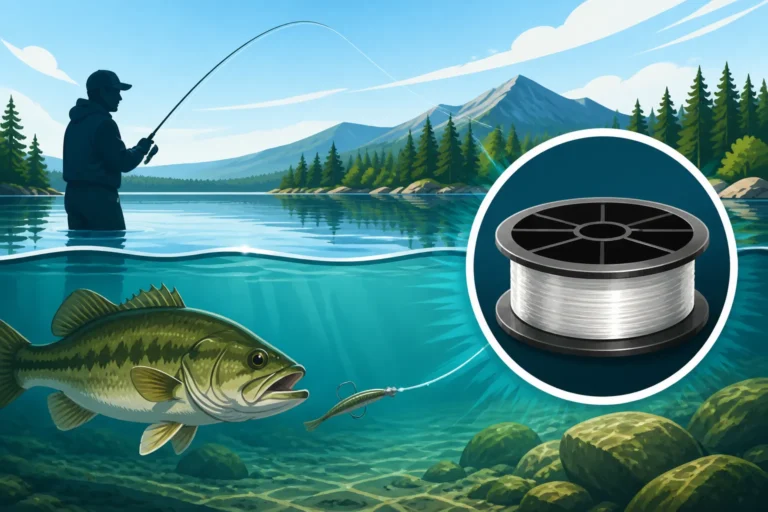
- Line: This is perhaps the most critical component for sensitivity. Most anglers opt for a braided main line (6-10 lb test) for its no-stretch properties, which transmit every vibration. However, braid is visible, so it's essential to tie on a fluorocarbon leader (6-8 lb test, 6-10 feet long). Fluorocarbon is nearly invisible underwater and provides excellent abrasion resistance against rocks and sharp objects. The minimal stretch of fluorocarbon also maintains good sensitivity. You can find excellent quality fluorocarbon leader materials on Amazon or at any well-stocked tackle shop. For an in-depth look at line choices, check out Best Fluorocarbon Line for Clear Lake Water.
Terminal Tackle and Setup Tips
Beyond the main rod, reel, and line, a few terminal tackle considerations will help maximize your hair jig's effectiveness.
First and foremost, ensure your hair jigs are tied on small, extremely sharp hooks. Cold-water smallmouth often "mouth" the jig or bite very softly, so a razor-sharp hook is essential for penetration on a light hookset. Regularly check your hook points and sharpen or replace jigs as needed.
When tying your hair jig to your leader, use a loop knot, such as a Rapala knot or a non-slip mono loop. This knot allows the jig to swing freely, maximizing its subtle, lifelike action in the water. Tying directly to the eye can restrict its movement. Avoid using snaps or swivels directly on your hair jig unless absolutely necessary, as they can hinder the natural presentation and add unnecessary weight or flash. Simplicity is key. Carrying a small selection of spare jigs in various weights and colors will ensure you're prepared for changing conditions, and a well-organized tackle box, as discussed in Best Tackle for New Hampshire Smallmouth Bass, will keep them easily accessible.
Finally, always be mindful of New Hampshire's fishing regulations, especially if you're targeting smallmouth during their catch-and-release season. Knowing the New Hampshire Bass Catch-and-Release Season, Explained is crucial for responsible angling.
Disclaimer
This article is for general informational purposes only and does not constitute professional advice. Laws, prices and regulations vary by location and change over time. Consult a qualified professional for guidance on your specific situation.