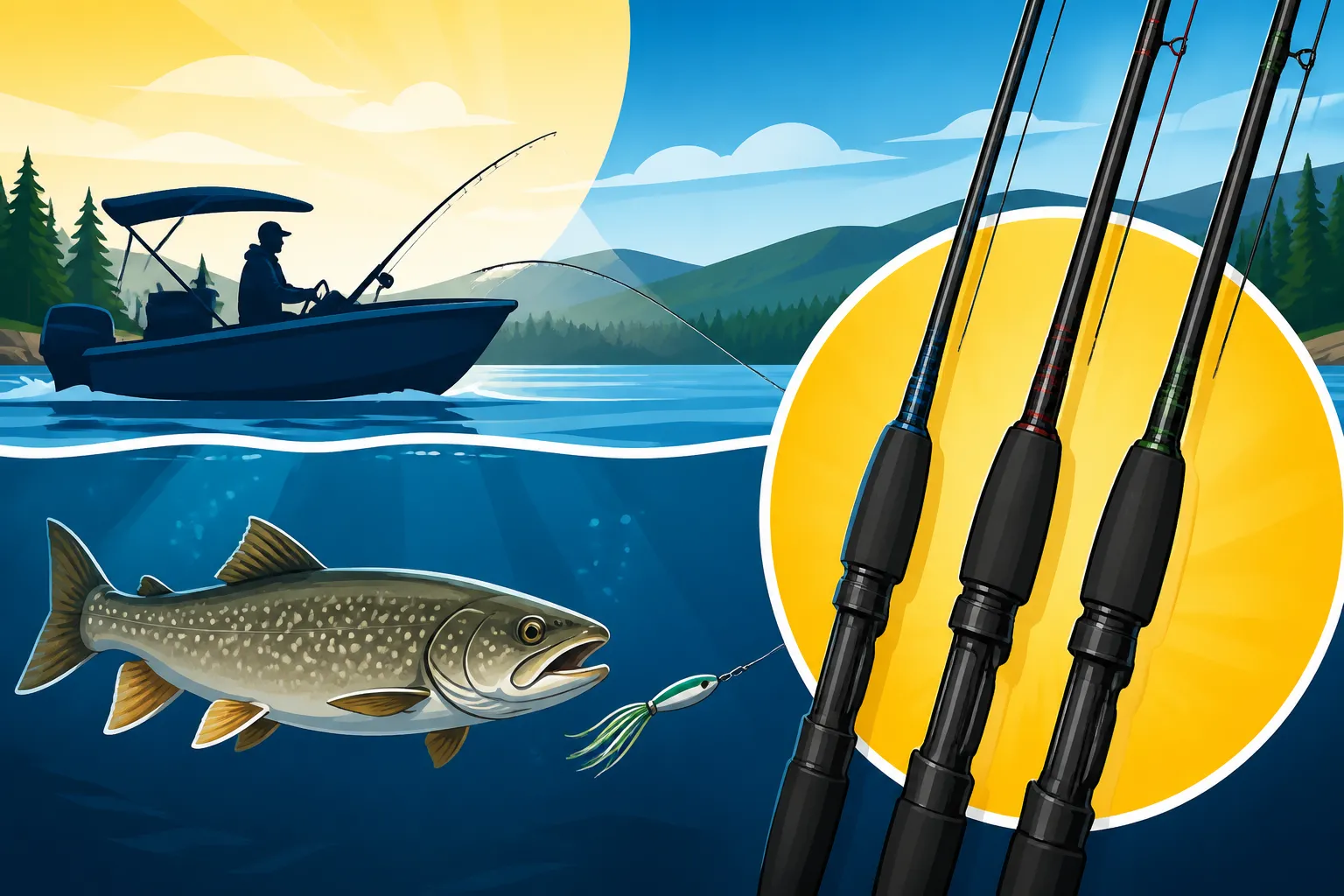
Best rod power for lake trout trolling
There’s nothing quite like the feeling of a reel screaming as a hefty lake trout takes your lure, especially after spending hours meticulously setting your trolling spread. But that triumphant moment can quickly turn frustrating if your rod isn't up to the task, leaving you wondering if you picked the right tool for the job. Choosing the best rod power for lake trout trolling in New Hampshire can feel like a puzzle with endless pieces, but this guide is here to demystify it, helping you select the perfect rod to conquer the depths of our beautiful lakes.
Understanding Rod Power: What It Means for Lake Trout Trolling
When we talk about "rod power," we're essentially referring to the rod's lifting strength or its resistance to bending. It's often labeled as Light, Medium-Light, Medium, Medium-Heavy, Heavy, and so on. For lake trout trolling, this isn't just a fancy label; it's a critical factor in how effectively you can present your lures, handle your trolling gear, and ultimately, fight a powerful fish from the deep.
Breaking Down Rod Power Ratings
Imagine trying to lift a heavy bucket with a flimsy stick – that's what a rod with insufficient power feels like when hooked into a twenty-pound lake trout. Conversely, trying to detect subtle bites with an overly stiff rod is like trying to feel a feather with a baseball bat. The trick is finding that sweet spot.
- Light/Medium-Light Power: These rods bend easily and are fantastic for casting small lures or finesse techniques. For lake trout, they're generally not ideal for trolling unless you're targeting very small fish in shallow waters with minimal drag, or perhaps using ultra-light tackle specifically for smaller "stockie" trout. They just don't have the backbone to manage the drag from trolling gear and the sustained fight of a larger lake trout.
- Medium Power: This is often the go-to for many general fishing situations. A medium power rod offers a good balance of sensitivity and strength. It will bend more readily than a heavy rod, allowing for better shock absorption, but still has enough muscle to set hooks and control a decent-sized fish. For lake trout, it can work for flat-lining smaller spoons or stickbaits, particularly if you're not going excessively deep or using very heavy line.
- Medium-Heavy Power: Now we're getting into the sweet spot for many New Hampshire lake trout anglers. A medium-heavy rod has significantly more backbone than a medium. It requires more force to bend and offers substantial lifting power. This is crucial for managing heavier trolling weights, downriggers, or larger diving baits. When a big laker hits, this rod won't buckle under the pressure, giving you the leverage needed to turn its head.
- Heavy Power: These rods are beasts, designed for maximum lifting power and battling truly large, powerful fish. They are very stiff and bend only under significant load. For lake trout trolling, a heavy power rod is typically reserved for extreme deep-water applications, using very heavy lead core or copper line, or specifically targeting monster trophy fish where every ounce of leverage counts. They can be less forgiving if you hook a smaller fish, as their stiffness might tear the hook out if your drag isn't perfectly set.
Why Lake Trout Trolling Demands Specific Power
Lake trout, especially the big ones found in our deeper lakes like Winnipesaukee or Sunapee, are powerful adversaries. They live in cold, deep water, meaning they're often strong and fight hard all the way to the boat. Trolling for them adds another layer of complexity that impacts your rod power choice:
- Drag from Trolling Gear: You're often pulling heavy weights, large diving planes, or substantial amounts of line (like lead core or copper) through the water at speed. A rod needs enough power to handle this constant resistance without being completely bowed over before a fish even bites. A rod that's too light will simply fold under the strain, making it impossible to tell if you have a bite or just snagged some weeds.
- Maintaining Lure Action: Different lures perform best with a specific rod action, but rod power also plays a role in how "lively" your presentation feels. A rod with the right power won't absorb too much of the lure's natural wobble or vibration, ensuring it looks enticing to those deep-dwelling lakers.
- Hook Setting Power: Lake trout often have tough mouths. When you get a strike, you need enough power in the rod to drive the hook home effectively, especially when fishing with long lines or at great depths where there's a lot of stretch in your monofilament.
- Controlling the Fight: Once hooked, a large lake trout will often make powerful runs. A rod with adequate power allows you to dictate the fight, keeping the fish away from snags and turning it back towards the boat. With a rod that's too light, the fish will control you. This is especially true when you're fighting a fish from hundreds of feet down – you need to be able to lift and gain line steadily.
It’s about finding that sweet spot where the rod gives you enough backbone to work your gear and subdue a fish, but isn't so stiff that it rips the hooks out or makes small bites undetectable. For more on the specifics of targeting these fish, you might want to read How to Catch Lake Trout in New Hampshire.
Matching Rod Power to Your Trolling Setup
Your trolling setup isn't just one piece of gear; it's a system. The rod power you choose needs to integrate seamlessly with your line, lures, and any auxiliary devices like downriggers or dipsy divers.
The Role of Downriggers and Dipsy Divers
These tools are game-changers for deep-water trolling, but they significantly influence your rod power needs.
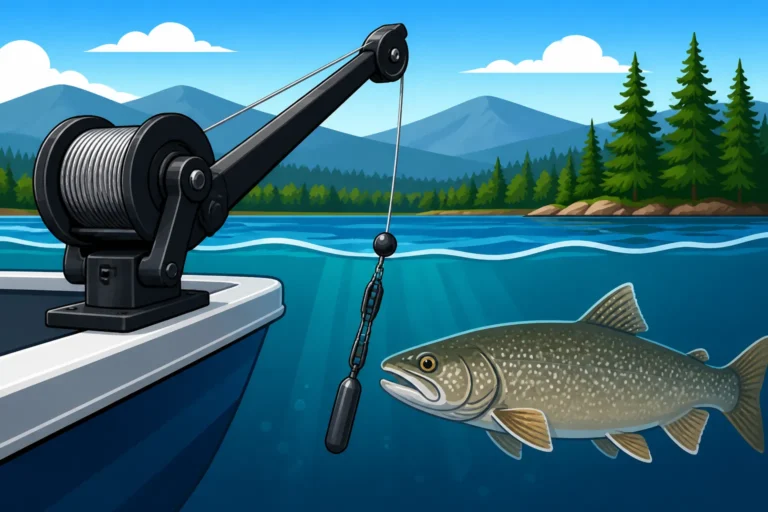
- Downrigger Rods: When using a downrigger, your rod's job is less about pulling the weight and more about detecting the strike and fighting the fish once it's released from the clip. The downrigger ball carries your lure to depth, and your line is held by a release clip. When a fish strikes, the line pops free, and you're fighting the fish directly. For this reason, downrigger rods often have a moderate action (meaning they bend smoothly throughout the blank) to absorb the shock of the strike, but their power can vary.
- Medium to Medium-Heavy: These powers are very common for downrigger setups. They offer enough backbone to handle a good-sized lake trout while allowing for a good bend when the line pops, indicating a strike. A slightly softer tip can help detect subtle hits before the full release, while the strong mid-section and butt give you the leverage for the fight.
- Dipsy Diver/Planer Board Rods: Dipsy divers and planer boards create resistance as they pull your line away from the boat or to the side. The rod needs sufficient power to handle this constant drag plus the weight of a fish.
- Medium-Heavy to Heavy: These are typically preferred for dipsy divers and larger planer boards. The constant pull of these devices can quickly overpower a lighter rod, leading to fatigue and poor lure presentation. A medium-heavy or heavy rod will keep the diver running true and provide the necessary backbone for hooksets and battles. You can find robust options for these setups at places like Bass Pro Shops.
Considering Lure Weight and Line Type
The amount of weight you're pulling and the type of line you're using are huge factors in rod power selection.
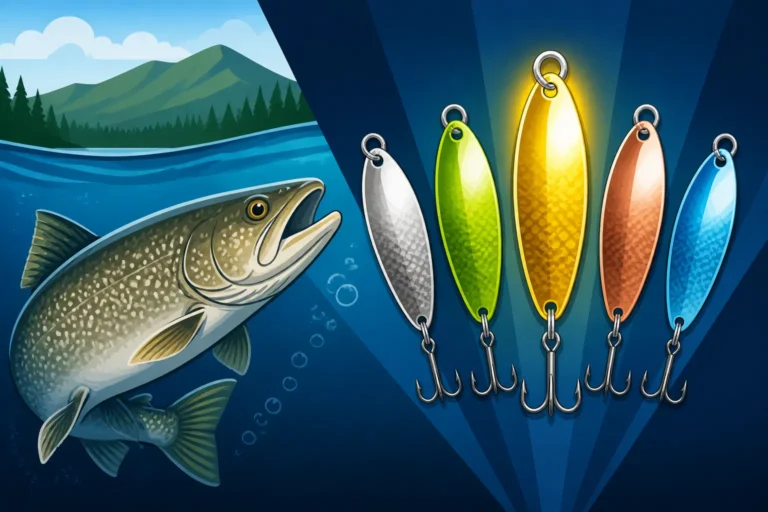
- Lure Weight: Are you dragging a tiny spoon or a heavy, deep-diving plug? Heavier lures create more resistance and require more rod power to manage them effectively without the rod constantly being overloaded. For instance, if you're pulling a large Apex or a Magnum Rapala, a medium-heavy rod will handle it much better than a medium power rod. Check out Best Lures for Lake Trout Trolling for specific lure ideas.
- Lead Core and Copper Line: These specialized lines are inherently heavy and designed to sink without additional weight. Trolling with lead core or copper puts immense strain on your rod, especially if you have multiple colors out.
- Medium-Heavy to Heavy: For these applications, a medium-heavy or heavy power rod is almost mandatory. The rod needs to withstand the continuous drag of the heavy line, plus the weight of the lure and the fight of a fish. A lighter rod would simply be overloaded, making it difficult to detect strikes and exhausting to reel in. The added stiffness helps prevent the rod from folding over too much, which can reduce sensitivity.
- Monofilament and Braided Line: If you're using traditional monofilament or fluorocarbon with added weights (snap weights, in-line weights, pencil weights), your rod choice has a bit more flexibility, but the overall weight you're pulling still dictates power. Braided line has no stretch, so a rod with a more moderate action can help compensate and prevent hooks from tearing out, even if the power is medium-heavy.
Recommended Rod Powers for New Hampshire Lake Trout
Let's get down to the nitty-gritty and look at practical recommendations for different lake trout scenarios you might encounter in New Hampshire. The beauty of our state is the diversity, from smaller, deep ponds to the expansive waters of Lake Winnipesaukee.
Light to Medium-Light Power for Finesse or Smaller Lakes
While not typically the go-to for serious lake trout trolling, there are specific situations where a lighter power rod might be considered.
- Smaller Lake Trout or Stocked Ponds: If you're specifically targeting smaller, recently stocked lake trout (often called "stockies") in smaller, less deep ponds, and perhaps using lighter line and smaller spoons, a medium-light power rod could work. It offers more sport for these smaller fish. However, this is less about traditional trolling for established lakers and more about light-tackle angling.
- Finesse Applications: Occasionally, anglers might employ a very light trolling technique, almost like drifting, with tiny spoons or jigs in shallower lake trout haunts. In these niche scenarios, a medium-light rod could provide better bite detection. But for robust, deep-water trolling, it's generally outmatched.
Medium to Medium-Heavy: The All-Around Workhorse for Most NH Lakes
This is where most New Hampshire lake trout anglers will find their sweet spot. The versatility of a medium to medium-heavy power rod makes it an excellent choice for a wide range of conditions and tactics on lakes like Winnipesaukee, Squam, or Newfound.
- General Trolling on Winnipesaukee: For targeting lake trout in the vast expanses of Lake Winnipesaukee, a medium-heavy rod is a fantastic option. It has the backbone to handle the strong runs of a Winnipesaukee laker, manage the drag from typical trolling speeds, and effectively work a variety of popular lures like spoons, stickbaits, or even live bait rigs. You can use it with downriggers, flat lines, or even light lead core setups. It strikes a balance between power and sensitivity.
- Versatility for Different Depths: Whether you're targeting fish at 40 feet or 80 feet, a medium-heavy rod can adapt. It will comfortably handle the weights needed to get your lures down without feeling overwhelmed. This versatility means you might not need a specialized rod for every single scenario. Many anglers build their core trolling arsenal around this power.
- Great for Snap Weights and In-Line Weights: If you're using snap weights or other in-line weighting systems to reach moderate depths, a medium-heavy rod provides the necessary strength to pull these setups while still offering enough tip action to detect strikes. If you're just starting your trolling journey, a couple of good quality medium-heavy rods are an excellent investment. You can often find solid recommendations and competitive prices on Amazon.
Heavy Power for Deep Water and Trophy Hunters
When you're serious about battling the biggest lake trout from the deepest parts of our lakes, or employing aggressive, heavy-duty trolling techniques, a heavy power rod steps up to the plate.
- Extreme Deep Trolling (100+ feet): If you're regularly fishing depths beyond 100 feet, especially with significant amounts of lead core, copper line, or very heavy cannonballs on your downriggers, a heavy power rod becomes invaluable. The sheer weight and drag from these setups demand maximum lifting power. Trying to manage this with a medium-heavy rod can be exhausting and less effective.
- Targeting Trophy Lake Trout: New Hampshire does produce some truly monster lake trout. When you're actively hunting for those double-digit beasts, a heavy power rod gives you the ultimate advantage. It allows you to put maximum pressure on a powerful fish, turning its head and guiding it towards the net more efficiently. This is particularly important if you're dealing with thick lake trout, like those found in Best Lakes for Trophy Lake Trout in New Hampshire.
- Stiff Backbone for Line Control: Heavy rods typically have very little flex in the main blank, which translates to direct control over your line and lure. This can be an advantage when you need to impart a specific action to a lure or when you're trying to quickly bring a fish up from the depths to prevent it from "dogging" on the bottom.
Key Considerations Beyond Rod Power
While rod power is paramount, it’s not the only factor in selecting the perfect trolling rod. Other characteristics work in conjunction with power to create an effective tool for lake trout.
Rod Action: Fast vs. Moderate
Rod action describes where the rod bends along its length. It's often confused with power, but they are distinct.
- Fast Action: A fast action rod bends primarily in the tip section. This provides excellent sensitivity for detecting subtle bites and quick hook sets. However, for trolling, especially with downriggers, a very fast action can sometimes be too sensitive, causing premature release from the clip, or it might not absorb enough shock when a big fish hits.
- Moderate/Slow Action: These rods bend further down the blank, into the mid-section or even toward the handle. This provides a more parabolic bend, absorbing shock better and making them excellent for keeping a hook pinned during a long fight. For trolling, especially with downriggers, a moderate action is often preferred. It allows the rod to load up smoothly when the line pops, cushioning the strike and reducing the chance of tearing the hook out of the fish's mouth. It also helps manage the constant strain of trolling without fatiguing the angler too quickly. Many specialized trolling rods lean towards a moderate to moderate-fast action.
Rod Length: Spreading Your Lines
Rod length, usually measured in feet, is another crucial factor for trolling.
- Longer Rods (7-9 feet+): These are generally preferred for trolling, especially if you're running multiple lines. Longer rods allow you to spread your lures out wider from the boat, covering a broader swath of water and preventing tangles. When using planer boards, a longer rod helps position them further out. They also offer more leverage for fighting fish, though they can be unwieldy in small boats. For many New Hampshire lakes, a 7' to 8'6" rod is a common and effective choice for downriggers and flat lines.
- Shorter Rods (6-7 feet): Shorter rods can be useful in very small boats or for specific applications like jigging for lake trout where space is limited. However, for traditional trolling, they don't offer the same line spread benefits or the shock absorption of longer rods.
Material and Durability
Lake trout trolling rods need to be tough. You're putting them under constant strain, dealing with heavy weights, and battling powerful fish.
- Fiberglass: Many traditional trolling rods are made of fiberglass. Fiberglass is incredibly durable, forgiving, and has a moderate to slow action, making it excellent for absorbing shock and keeping hooks set. It's also generally more affordable. The downside is that it's heavier and less sensitive than graphite.
- Graphite/Carbon Fiber: Graphite rods are lighter and much more sensitive than fiberglass. They tend to have faster actions. While great for casting, pure graphite trolling rods can sometimes be too stiff and brittle for the constant, heavy strain of trolling, especially with non-stretch lines.
- Composite Rods: Many modern trolling rods are a blend of fiberglass and graphite (composite). This aims to combine the durability and moderate action of fiberglass with some of the sensitivity and lighter weight of graphite. This is often an excellent choice for versatility and performance. You'll find many high-quality composite trolling rods that offer the ideal balance for Best Trolling Gear for New Hampshire Lake Trout.
A Quick Comparison Table for Lake Trout Trolling Rod Power
Here's a simple breakdown to help visualize your choices:
| Rod Power | Typical Length Range | Primary Use Case | Ideal Line Type | Common Trolling Method | Notes |
|---|---|---|---|---|---|
| Medium | 6'6" – 7'6" | Flat-lining smaller lures, moderate depths | Mono/Fluorocarbon | Flat Line, Light Snap Weights | Good all-rounder for average lakers, less strenuous on angler. |
| Med-Heavy | 7'0" – 8'6" | Downriggers, Dipsy Divers, Lead Core, Deeper | Mono, Braid, Lead Core | Downrigger, Dipsy, Lead Core | Most versatile, excellent for majority of NH lake trout scenarios. |
| Heavy | 7'6" – 9'0" | Extreme deep water, Copper line, Trophy hunting | Lead Core, Copper | Deep Lead Core, Copper | Specialized for heavy-duty setups and very large fish. Might be too stiff for smaller fish. |
When you consider all these factors together, you can make an informed decision that enhances your lake trout trolling experience. Whether you're heading out to target a personal best or simply enjoy a day on the water, having the right rod power is key. For more on strategies, check out Trolling Techniques for New Hampshire Lake Trout. And remember to always check New Hampshire Fishing Regulations Explained before you head out.
Disclaimer
This article is for general informational purposes only and does not constitute professional advice. Laws, prices and regulations vary by location and change over time. Consult a qualified professional for guidance on your specific situation.