Best reel line capacity for deep lake trout trolling
There’s nothing quite like the thrill of a deep-diving lake trout taking your lure on a crisp New Hampshire morning. But that excitement can quickly turn to heartbreak if your reel runs out of line before you can even turn its head, especially with the truly massive lake trout that swim in our biggest waters like Lake Winnipesaukee. This guide is here to help you understand exactly what kind of line capacity you need for successful deep lake trout trolling, ensuring you're always prepared for that trophy fish.
Understanding Deep Lake Trout Trolling in New Hampshire
Deep lake trout trolling isn't just about dropping a line in the water; it's a specialized technique that requires specific gear and knowledge, especially when targeting the elusive giants found in our granite state's deep lakes. These aren't your typical pond fish; they demand respect and the right setup.
The Depths We're Talking About
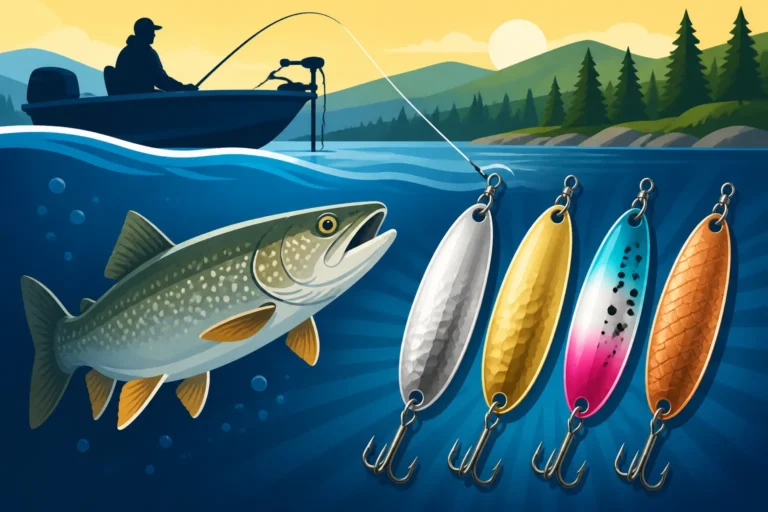
When we talk about deep lake trout trolling in New Hampshire, we're often talking about serious depths. Lakes like Winnipesaukee, Sunapee, and Newfound Lake have vast expanses of water that can reach well over 100 feet, sometimes even 200 feet or more. Lake trout, especially the larger ones, prefer these cold, oxygen-rich environments during much of the year. This means your lure, and therefore your line, needs to reach these significant depths consistently. You might be running a downrigger ball at 60 feet, 80 feet, or even deeper, and then you have to account for the leader and the horizontal distance your line travels behind the boat. It's not uncommon to have well over 100 feet of line out, sometimes closer to 200, before even considering the actual depth of the fish.
The Power of a New Hampshire Lake Trout
If you've never hooked into a substantial New Hampshire lake trout, prepare yourself. These fish are powerful, with broad tails and immense strength, especially in their preferred cold water. They can make screaming runs, peeling off line with incredible speed and force. A 10-pound lake trout can feel like a freight train, and they only get bigger! Imagine a fish pushing 20, 30, or even 40 pounds – they will test every aspect of your gear, and a reel with insufficient line capacity simply won't stand a chance against their initial powerful surges. Losing a fish of a lifetime because you ran out of line is a frustration many anglers have faced, and it's easily avoidable with proper planning.
Common Trolling Setups and Their Demands
Deep trolling for lake trout often involves various setups, each placing different demands on your reel's line capacity.
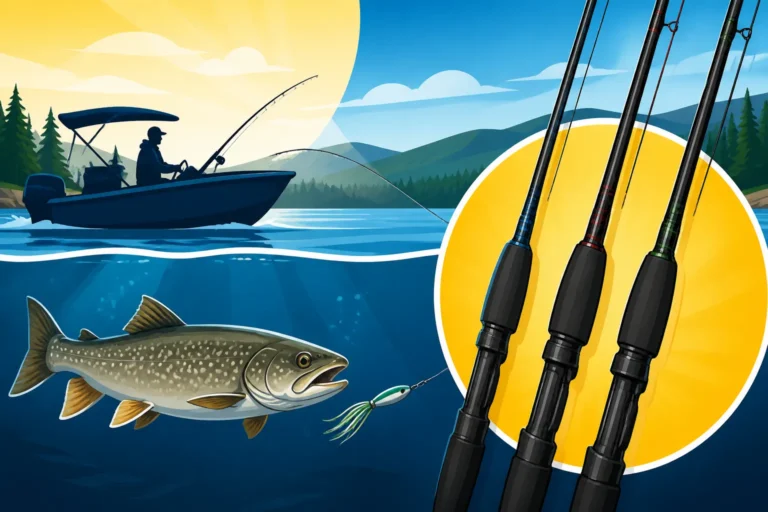
- Downriggers: These are popular for precisely controlling depth. While the downrigger ball itself takes your lure down, you still need enough line on your reel to manage the fish once it's off the release clip, plus the "setback" (distance behind the boat). This setback can easily be 50 to 100 feet.
- Lead Core Line: This specialized line changes color every 10 yards, with each color segment typically taking your lure down about 5 feet at a trolling speed of 2-3 mph. To reach significant depths, you might need 5, 8, or even 10 "colors" out. That's 50 to 100 yards of lead core line before your leader.
- Copper Line: Similar to lead core but denser, copper line can achieve even greater depths with less line out. However, it's very heavy and still requires a substantial amount on your reel to get to those deep zones.
- Weighted Lines/Diver Discs: Sometimes, heavy inline weights or diving discs are used to achieve depth. Again, you're looking at a significant amount of line out to get your lure into the strike zone.
Each of these methods, while effective for targeting deep-dwelling lake trout, inherently requires reels capable of holding a large volume of fishing line. For more on targeting these fish, you might want to read How to Catch Lake Trout in New Hampshire.
Factors Influencing Your Line Capacity Needs
Choosing the right reel isn't just about picking the biggest one you can find. It's a calculated decision based on a few critical factors that work together to ensure you have enough line when that big laker hits.
Target Species and Size
While this article is specifically about lake trout, it’s worth noting that your target species absolutely dictates your line choice and capacity. For small panfish, a few hundred feet of light line is overkill. But for a New Hampshire lake trout, especially those found in the trophy waters, you need to be prepared. We're talking about fish that can easily hit double-digit weights and make multiple long, powerful runs. A reel that can hold enough line to absorb these runs is paramount. Imagine you've got a fish on that's peeling line at a steady clip, and you're watching your spool get thinner and thinner – it's a heart-stopping moment that a good line capacity helps prevent. The average size of lake trout in many of our best lakes means you can't skimp here. For specific regulations on these fish, check out New Hampshire Lake Trout Ice Fishing Season Dates or New Hampshire Lake Winnipesaukee lake trout regulations.
Line Type and Diameter
The type of line you choose has a massive impact on how much of it your reel can actually hold. This is a common point of confusion for anglers, but understanding it is key.
- Monofilament (Mono): This is your traditional fishing line. It's generally thicker than braided line for the same breaking strength and has a good amount of stretch. While popular for many applications, its thicker diameter means your reel will hold less of it. If you're using 15-20 lb mono for lake trout, you'll need a reel with a substantially larger advertised capacity than if you were using braid of the same breaking strength.
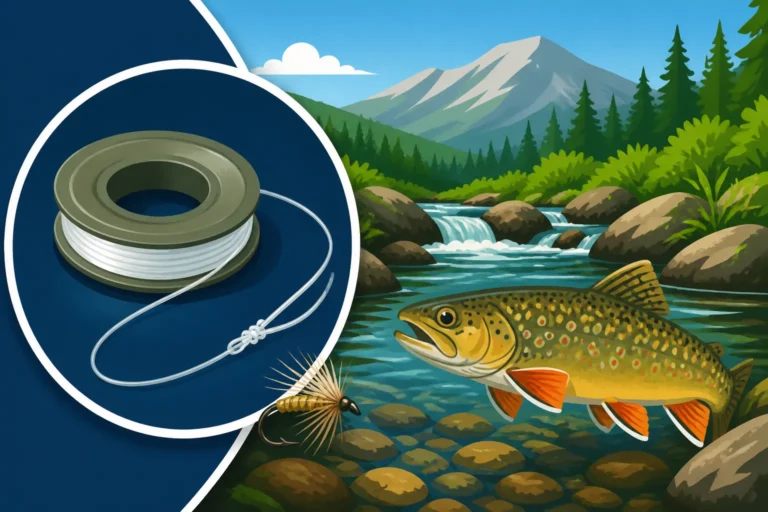
- Braided Line (Braid): Braided line has become incredibly popular for trolling due to its strength-to-diameter ratio. For example, 30 lb test braided line is often much thinner than 15 lb test monofilament. This means you can spool a lot more braided line onto a reel of the same size. Braid also has virtually no stretch, which is great for feeling bites at deep depths and for powerful hooksets. However, its lack of stretch means your reel's drag system needs to be perfectly set, as the line itself won't absorb much of the fish's initial shock.
- Lead Core Line: As mentioned, lead core line has a lead wire braided into its core, making it very heavy. This makes it quite thick for its breaking strength. If you're going to use a full spool of lead core (which is rare for lake trout trolling; usually it's a segment tied to backing), you need a very large capacity reel. More often, anglers will run a specific number of "colors" (10-yard segments) of lead core, connected to a backing and a leader.
- Copper Line: Even heavier and thicker than lead core for its given depth, copper line requires reels with exceptional capacity, usually purpose-built trolling reels designed for this specific application.
Here's a quick comparison of general line types and their characteristics impacting capacity:
| Line Type | Relative Diameter (for same breaking strength) | Stretch | Visibility (clear water) | Abrasion Resistance | Impact on Reel Capacity |
|---|---|---|---|---|---|
| Monofilament | Thickest | High | Good | Moderate | Lowest capacity |
| Braided | Thinnest | None | Low (can be highly visible) | High | Highest capacity |
| Lead Core | Very Thick | Low | High (colored sections) | Moderate | Very low capacity |
| Copper | Extremely Thick | Low | High (metallic) | High | Extremely low capacity |
Water Depth and Structure in New Hampshire Lakes
The specific New Hampshire waters you fish will also guide your capacity needs. While Lake Winnipesaukee might be synonymous with deep water, some other lakes, while still home to lake trout, might not require quite the same extreme depths. If you're fishing a lake where the deepest sections you target are consistently 40-60 feet, your overall line requirement will be less than if you're regularly plumbing 100-150 foot depths.
Additionally, consider the structure of the lake bottom. Are there sharp rocky ledges, submerged trees, or other snags? While good trolling techniques aim to avoid these, if a big lake trout decides to dive for cover, having ample line can allow you to keep pressure on the fish and maneuver it away from potential cut-offs, rather than having to wrench on it immediately. Understanding New Hampshire fishing regulations explained for specific water bodies is also crucial, as some have unique depth or gear rules.
Choosing the Right Reel Size and Line Combination
So, how do you put all this information together to choose the perfect reel for your New Hampshire lake trout adventures? It comes down to balancing capacity, strength, and ease of use.
The Importance of a Balanced Setup
It's not just about the reel; it's about the entire rod-and-reel combo. A huge reel on a flimsy rod will be unwieldy and ineffective. Conversely, a tiny reel on a heavy trolling rod will simply be outmatched. For deep lake trout trolling, you'll typically be looking at medium-heavy to heavy power trolling rods, often in the 7 to 9-foot range, with a moderate action to absorb the strikes and powerful runs.
When selecting a reel, you want something that feels balanced on your chosen rod. More importantly, you need a reel with a robust drag system that can handle sustained pressure without overheating or becoming jerky. Look for reels designed for saltwater trolling or musky/pike fishing, as these often have the durability and line capacity needed. Brands like Penn, Daiwa, and Shimano offer many suitable options, available at retailers such as Bass Pro Shops.
Recommended Line Capacities for Different Scenarios
Let's get down to some real numbers, keeping in mind that these are general guidelines and can vary based on specific reel models and line manufacturers.
- Minimum for Deep Trolling (Braid): If you're primarily using braided line (e.g., 20-30 lb test), you'll want a reel that can comfortably hold at least 300-400 yards of that braid. This provides plenty of reserve for long runs, especially if you're targeting depths of 60-100 feet. A reel rated for 20 lb mono at 250-300 yards will likely hold enough 30 lb braid.
- Recommended for Lead Core/Copper (with Backing): If you're using lead core or copper, you'll generally spool a certain number of "colors" (lead core) or lengths (copper) and then back it with braided or monofilament line. For example, if you plan to run 8 colors of lead core (80 yards), you'll still want a reel that can hold at least 150-200 yards of heavy braided backing plus the 80 yards of lead core, and then a leader. This means a larger reel, often rated for 20 lb mono at 300+ yards, is a good starting point. Many anglers will opt for reels designed for big game or specific trolling applications, which often have exaggerated line capacities.
- Versatile "All-Around" Option: For many New Hampshire lake trout anglers who want versatility, a level-wind reel with a capacity of roughly 300 yards of 20-25 lb monofilament (or equivalent braid) is a solid choice. This allows for sufficient line for various depths and trolling techniques.
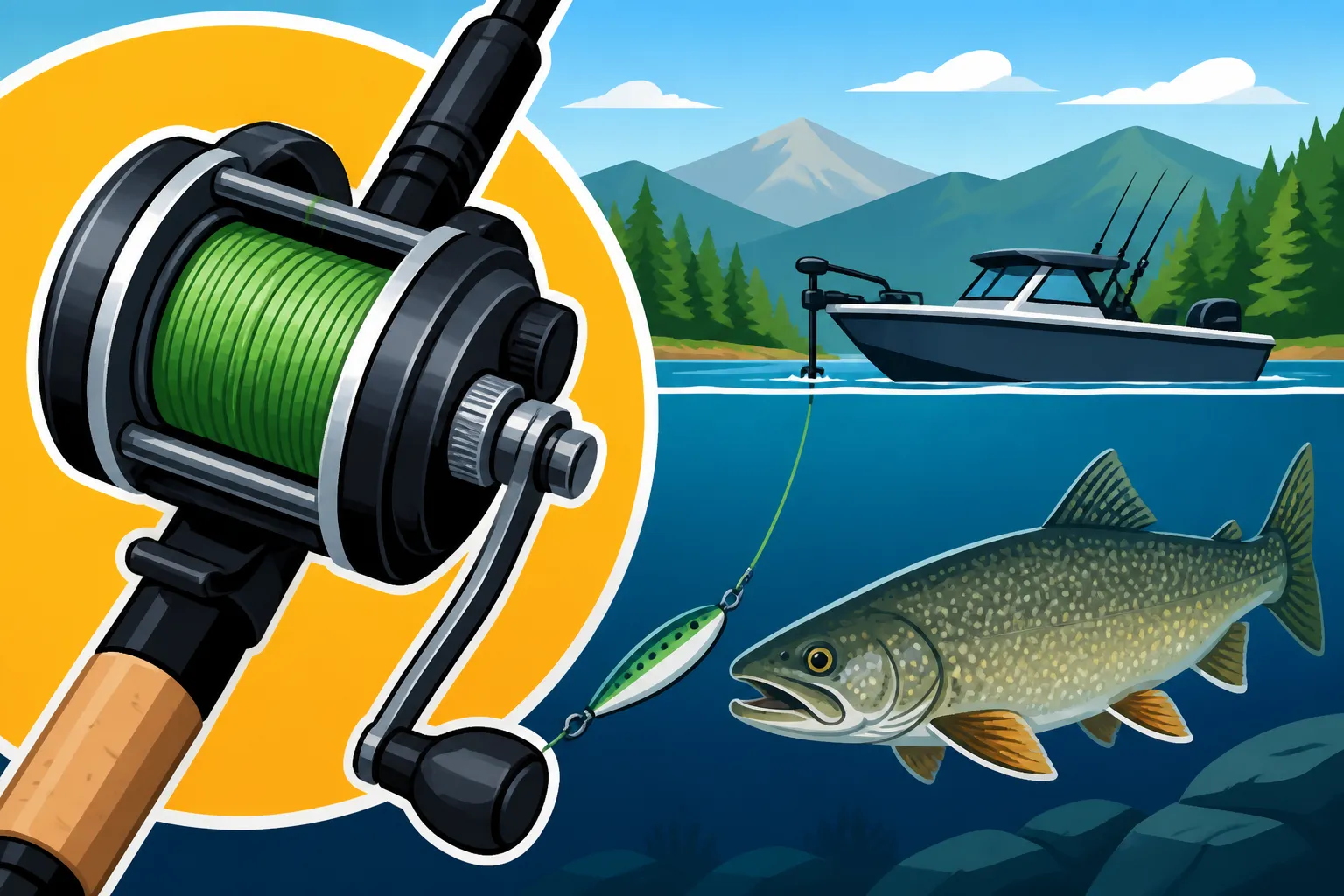
Consider a conventional or baitcasting-style reel for most trolling applications, as they handle heavy lines and deliver strong drag performance better than many spinning reels, especially when dealing with the kind of torque a big lake trout can generate.
How Backing and Topshots Affect Capacity
Understanding backing and topshots is crucial, particularly when using specialized lines like lead core or copper.
- Backing: This is a less expensive, often heavier line (usually braided or sometimes monofilament) that fills the bottom of your spool before you add your main fishing line. The primary purpose of backing is to fill the spool so your main line sits closer to the rim, which helps with casting (though less critical for trolling) and prevents the main line from digging into itself. For deep lake trout trolling, if you're using lead core or copper as your primary depth-achieving line, you must have sufficient backing. This backing is what the fish will run into after it's peeled off all your lead core/copper. Make sure your backing is strong enough for the fish you expect to catch.
- Topshot/Leader: At the business end of your line, you'll almost always have a topshot or leader, typically made of fluorocarbon or monofilament, which is less visible to the fish. This section is usually 10-50 feet long, depending on your setup and water clarity. This short section doesn't significantly impact your overall reel line capacity calculation but is essential for presentation and abrasion resistance. Remember to tie good knots to connect your main line, backing, and leader, as these are critical points of failure.
For instance, a common setup might be: 200 yards of 50 lb braid backing -> 100 yards (10 colors) of 27 lb lead core -> 20 feet of 15 lb fluorocarbon leader. To hold all that, you need a reel with serious space.
Practical Considerations and Maintenance
Getting the right gear is just the first step. To ensure your deep lake trout trolling setup lasts and performs when it counts, a few practical considerations are in order.
Checking Your Line Regularly
Your fishing line is your weakest link, literally. Deep trolling puts a lot of stress on your line – from the constant pulling of weights and lures to the potential for abrasion against structure or even contact with other lines. It's vital to regularly inspect your line for frays, nicks, or weak spots.
- After Each Trip: Quickly run your fingers along the first 20-30 feet of your main line. If it feels rough or looks discolored, cut off a section.
- After a Fight: If you've battled a particularly strong fish, especially one that dove into cover, carefully inspect the line that was under tension.
- Before Each Season: Consider stripping off the top 50-100 yards of line, or even replacing all the line, especially monofilament, which can degrade over time due to UV exposure and stress. Braided line is more durable but can still suffer from abrasion.
Taking a few moments to maintain your line can save you the heartbreak of losing a trophy fish and your expensive lure.
Storage and Longevity Tips
Proper storage of your reels and line will extend their life and performance.
- Rinse After Use: Especially if you've been fishing in brackish or saltwater (like for striped bass in Great Bay, though less common for lake trout), always rinse your reels with fresh water. Even freshwater fishing can expose reels to dirt and grime.
- Loosen Drag: When storing reels, always loosen the drag completely. This takes pressure off the drag washers and springs, preventing them from "setting" or compressing permanently, which can lead to jerky drag performance over time.
- Keep Out of Sunlight: Store your rods and reels in a cool, dry place away from direct sunlight. UV rays are detrimental to fishing line, especially monofilament, causing it to weaken and become brittle.
- Regular Maintenance: Every season or two, depending on use, consider giving your reels a deeper clean and lubrication. If you're not comfortable doing it yourself, many tackle shops offer reel servicing.
Where to Find Reliable Gear
Finding the right reels and line for deep lake trout trolling is easier than ever with the multitude of options available.
- Specialty Tackle Shops: Your local New Hampshire tackle shop is often the best resource. They know the local waters, understand the challenges of our specific lake trout fisheries, and can offer personalized recommendations based on your budget and target lakes. They might even offer line spooling services.
- Online Retailers: Large online retailers like Amazon and Bass Pro Shops offer an immense selection of reels and fishing lines from all the major manufacturers. This is a great place to research different models, compare specifications, and read reviews from other anglers. When purchasing online, pay close attention to the reel's line capacity specifications, often listed in yards/pounds for different line types.
- Manufacturer Websites: Directly visiting a manufacturer's website (e.g., Penn, Daiwa, Shimano, Okuma) can provide detailed specifications, diagrams, and sometimes even video guides for their reels.
No matter where you buy your gear, invest in quality. A reliable reel with ample line capacity and a smooth drag system is an investment in countless memorable days on New Hampshire's deep lakes, and hopefully, a few trophy lake trout to boot. You wouldn't want to finally get that New Hampshire state record lake trout weight on the line only to lose it due to a flimsy reel!
Disclaimer
This article is for general informational purposes only and does not constitute professional advice. Laws, prices and regulations vary by location and change over time. Consult a qualified professional for guidance on your specific situation.