Best Dry Bag for Kayak Fishing
There's nothing quite like the tranquility of paddling out onto a serene New Hampshire lake or navigating a gentle river, rod in hand, ready for a day of kayak fishing. But that serene picture can quickly turn stressful when you realize your phone, camera, or extra layers are soaking wet from an unexpected splash, a rogue wave, or even just condensation. We've all been there, and it's a gut-wrenching feeling. This guide is here to walk you through everything you need to know about choosing the best dry bag for your kayak fishing adventures, ensuring your essential gear stays perfectly dry, no matter what the unpredictable New Hampshire waters throw your way.
Why a Dry Bag is Essential for Kayak Fishing in New Hampshire
Kayak fishing in the Granite State offers some truly incredible experiences, from the expansive waters of Lake Winnipesaukee to the winding flows of the Merrimack River. However, these environments also present unique challenges. Unlike a large powerboat, you're sitting much closer to the water, and splashes are not just a possibility, they're a guarantee. Add in the often changeable weather patterns, and you've got a recipe for wet gear if you're not properly prepared. A reliable dry bag isn't just a nice-to-have accessory; it's a fundamental piece of safety and convenience gear that every kayak angler needs. It protects not only your expensive electronics but also critical items that can make or break your trip.
Protecting Your Electronics and Valuables
Imagine being out on Squam Lake, a gorgeous day, the smallmouth bass are hitting, and you want to snap a picture of your trophy catch. You reach for your phone, only to find it's been sitting in a puddle of water that accumulated from paddle drips or a wave that broke over your bow. That's a nightmare scenario, and one that a good dry bag can easily prevent. Beyond phones and cameras, consider other valuables like your car keys (especially key fobs that can't handle a dunk), your wallet, or even a GPS unit. These items are often small, easily lost, and critically important.
It's not just about a catastrophic submersion, either. Constant exposure to moisture, even just high humidity or persistent mist, can slowly degrade electronics over time. Saltwater environments, like fishing the Great Bay, are particularly harsh, as salt residue can corrode delicate components. A quality dry bag creates an impermeable barrier, keeping these sensitive items completely isolated from any moisture, extending their lifespan, and preserving your peace of mind. Think of it as a personal safe for your most vulnerable gear. Many anglers even carry a small first-aid kit, and keeping bandages and medications dry is paramount for them to be effective when you truly need them.
Navigating Unpredictable New Hampshire Weather
New Hampshire is renowned for its stunning natural beauty, but it's also famous for its notoriously fickle weather. One moment you might be enjoying bright sunshine, and the next, a sudden squall can roll in, bringing heavy rain, high winds, and choppy waters. Even on a clear day, the spray from paddling or the wake of a passing boat can send water cascading into your kayak. Having a dry bag ensures that your spare jacket, your lunch, or your extra fishing tackle that isn't actively being used, remains completely dry and ready for action.
Consider an early spring trout fishing trip on a mountain stream. The mornings can be crisp, demanding a warm layer, but by afternoon, the sun might be beaming down. If that extra layer gets wet from an unexpected dip or a sudden shower, it's not going to do you any good later in the day when the temperature drops again. Spring Trout Fishing Techniques for New Hampshire Ponds often involve layering, and a dry bag helps you manage those layers effectively. Similarly, if you're out for a long day on the water, having a dry sandwich or a dry pair of socks can make a huge difference in your comfort and overall enjoyment, especially if you plan to stay out until dusk. The dry bag is your personal weather insurance policy for your gear.
Key Features to Look for in a Kayak Fishing Dry Bag
When you start looking at dry bags, you'll quickly realize there's a huge variety out there. It's not just about picking one that looks good; it's about understanding the core features that contribute to its waterproofing, durability, and practical use on the water. Investing in a good dry bag is something you'll thank yourself for trip after trip.
Material and Construction for Durability
The first thing you'll notice about a dry bag is its material. Most quality dry bags for outdoor use are made from either PVC (polyvinyl chloride) or TPU (thermoplastic polyurethane). Both are excellent for waterproofing, but they have some distinct differences. PVC tends to be a bit more rigid, durable, and generally more affordable. It's fantastic for abrasion resistance, which is important when your bag might be rubbing against kayak surfaces, rocks, or other gear. Many popular brands use heavy-duty PVC tarpaulin for their rugged dry bags.
TPU, on the other hand, is often lighter, more flexible, and more resistant to extreme temperatures, both hot and cold. It's also typically considered more environmentally friendly, as it doesn't contain the same plasticizers as PVC. While often a bit pricier, TPU bags can offer a more supple feel and might be a better choice if weight and flexibility are top priorities for your specific kayak setup. Regardless of the base material, look for bags with reinforced seams, often welded or taped, rather than just stitched. Stitching creates tiny holes, which, even if treated, are potential failure points over time. Welded seams offer a truly impenetrable barrier, essential for reliable waterproofing in a dynamic environment like kayak fishing. You might find a great selection of these robust options when browsing online retailers like Amazon, or even in person at a Bass Pro Shops.
Closure Systems for Waterproofing
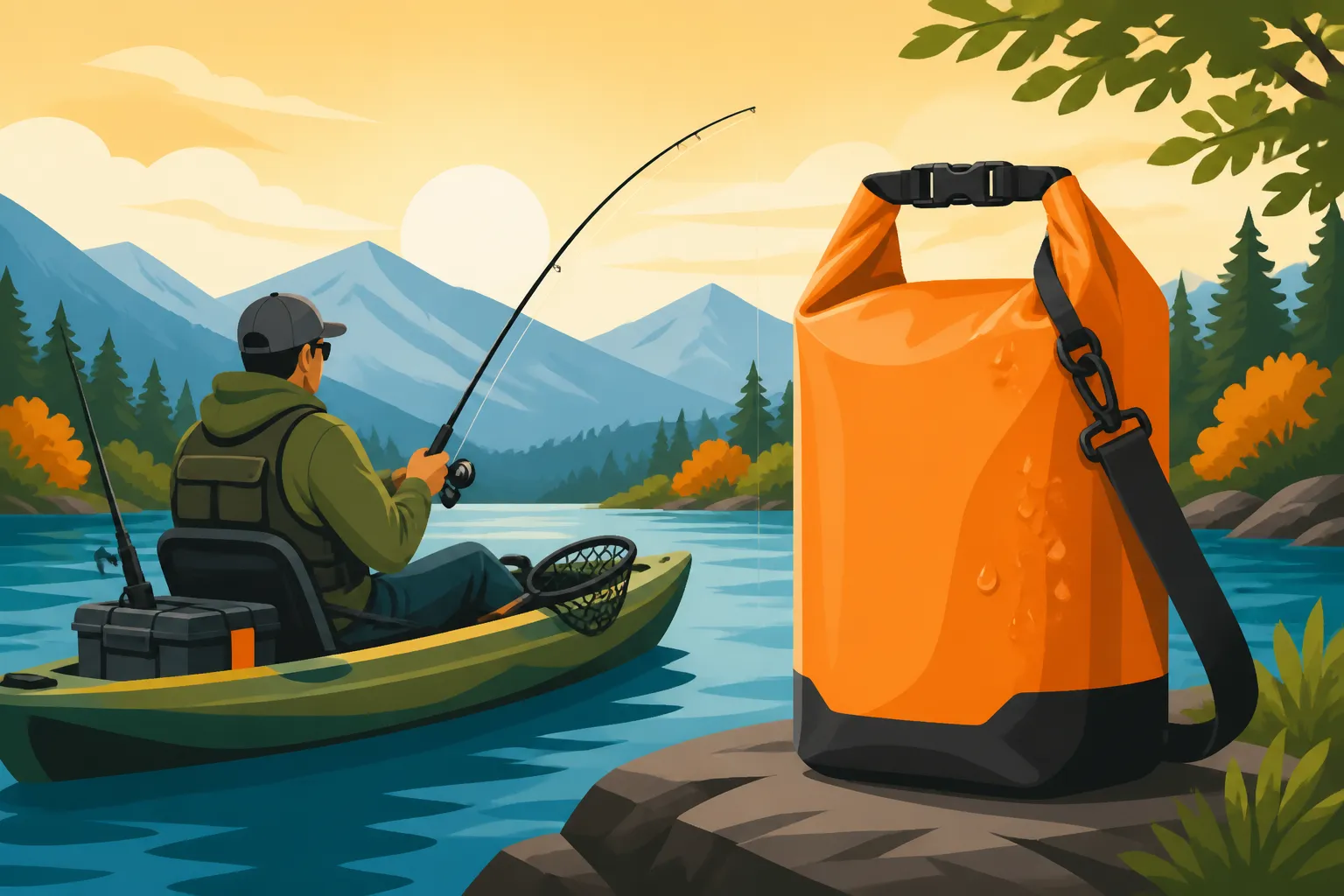
The closure system is arguably the most critical component for a dry bag's effectiveness. The vast majority of reliable dry bags for kayaking utilize a roll-top closure. This system involves rolling the top edge of the bag down three or four times, then clipping the buckles together, often creating a handle. This action traps air inside and creates a labyrinth seal that water struggles to penetrate. The more rolls, the more secure the seal, though it also reduces the usable capacity slightly.
Beyond the standard roll-top, some dry bags incorporate a zipper system. These are typically heavy-duty, submersible zippers, often referred to as "T-Zip" or similar proprietary designs. While incredibly effective and convenient for quick access, these zippers are complex, expensive, and require meticulous maintenance (lubrication, keeping them clean) to ensure their integrity. They're usually found on higher-end dry duffels or specialized waterproof cases. For general kayak fishing, the tried-and-true roll-top remains the most common and dependable choice due to its simplicity, effectiveness, and relative affordability. Make sure the buckles are sturdy and easy to operate, even with cold or wet hands.
Capacity and Organization Options
Dry bags come in a dizzying array of sizes, from tiny 2-liter pouches perfect for a phone and keys, to massive 60-liter duffels that could hold enough gear for an overnight trip. Your choice will largely depend on what you need to keep dry and how much space you have on your kayak. For a typical day of fishing, many anglers find a 10-20 liter dry bag to be a sweet spot for essentials like a jacket, lunch, and a few small electronics. If you're carrying a spare change of clothes or more bulky items, you might lean towards a 30-40 liter bag.
Beyond capacity, consider internal and external organization. Some dry bags are just a big open sack, which is fine for bulky items but can make finding small things a pain. Others include internal pockets, mesh dividers, or even external zippered compartments (though these external ones must be waterproof themselves, not just water-resistant). Some dry bags also feature external daisy chains or D-rings, which are incredibly useful for lashing the bag securely to your kayak, preventing it from floating away if you capsize. Having external attachment points can also allow you to clip on smaller items like a water bottle or a small tackle box that doesn't need to be fully enclosed in the dry bag.
Different Types of Dry Bags for Kayak Anglers
Just like there are different types of kayaks and different Best Fishing Rods for New Hampshire Lakes, there are various styles of dry bags designed to meet different needs on the water. Understanding these types will help you select the most functional option for your specific fishing adventures, whether you're targeting trout in a remote pond or bass on a large lake.
Roll-Top Dry Bags: The Go-To Standard
When most people think of a dry bag, they picture the classic roll-top cylindrical or oval-shaped bag. These are incredibly versatile and are the workhorse for many kayak anglers. They are generally lightweight, pack down relatively small when empty, and offer excellent waterproof protection with their simple yet effective closure system. They come in a wide range of sizes, from small "stuff sack" style bags to larger ones perfect for a change of clothes or bulkier items.
The main advantage of roll-top dry bags is their reliability and ease of use. Once sealed correctly, they are incredibly effective at keeping water out. They can be tucked into hatches, strapped to the deck, or even float alongside if secured with a leash. Many come with a single shoulder strap, making them easy to carry from your car to the launch. Some variations include a transparent window, allowing you to see the contents without opening the bag, which can be a real time-saver when you're on the water and trying to quickly grab a specific item. These are often the first type of dry bag a new kayak angler will purchase, and for good reason – they simply work.
Backpack Dry Bags and Duffels
For those who need to carry more gear, or prefer hands-free transport to and from the launch, dry bag backpacks and duffels are excellent choices. A dry bag backpack integrates the waterproof roll-top or submersible zipper closure with comfortable shoulder straps and often a sternum strap and hip belt. This allows you to carry heavier loads with greater comfort, which is perfect if you have a bit of a hike to your favorite Best Kayak Fishing Spots in New Hampshire. They are fantastic for packing a full day's worth of supplies, extra layers, or even your catch if you're keeping fish.
Dry duffels, on the other hand, often feature a larger, more accessible opening, sometimes with a full-length submersible zipper or an oversized roll-top. These are ideal for bulkier items or when you need easy access to a wider array of gear. Think of them for carrying a tackle box, a portable fish finder, or multiple rods in protective sleeves. While they might be too large for smaller kayaks, a big fishing kayak with ample deck space can easily accommodate a dry duffel. Brands available through Bass Pro Shops or Amazon often feature robust options in both these categories, designed for heavy use and serious outdoor adventures.
Specialty Dry Bags and Cases
Beyond the general-purpose dry bags, there's a world of specialized waterproof solutions designed for specific items. For your phone, a small, clear waterproof pouch that allows touchscreen functionality is invaluable. Many of these have a lanyard so you can wear your phone around your neck, keeping it accessible for photos or emergencies, while still fully protected. Similarly, for cameras or other sensitive electronics, there are hard-shell waterproof cases (like those from Pelican or similar brands) that offer crush-proof protection in addition to being completely submersible. These are fantastic for high-value items where maximum protection is paramount.
Another specialized category includes waterproof gear bags designed to attach directly to your kayak, such as those that fit into specific hatches or those with adhesive bases to secure to the deck. These can be particularly useful for keeping frequently accessed items, like your pliers or a small bait container, within easy reach without having to dig through a larger bag. While a general dry bag is a great starting point, considering these specialty options can further enhance your organization and protection strategy on the water, especially for items you need frequently or that require extra ruggedness. For your keys and wallet, a small, purpose-built Best Dry Box for phone and keys on the water is often a better choice than a general dry bag, as it offers more rigid protection and keeps those critical items from getting lost among larger gear.
Choosing the Right Size and Placement for Your Kayak
Once you've got a handle on the different types and features, the next step is to figure out what size dry bag (or bags) makes the most sense for your fishing style and your kayak. This isn't a one-size-fits-all situation, and smart placement is just as important as the bag itself.
Matching Bag Size to Your Gear Needs
Before you even start shopping, take a moment to consider exactly what you absolutely need to keep dry on your kayak fishing trips. Is it just your phone, keys, and wallet? A small 5-liter dry bag or even a dedicated dry box might be perfect. Do you also want to protect a spare jacket, your lunch, and maybe a small tackle tray? A 10 to 20-liter bag is probably more appropriate. For longer trips, overnight excursions, or if you're carrying a lot of camera gear or extra layers for changing weather, you might be looking at a 30 to 40-liter dry bag or even a waterproof duffel.
It's often a good idea to bring a variety of dry bags. A small one for your immediate essentials, a medium one for clothes and food, and perhaps a specialized waterproof case for your most valuable electronics. This multi-bag approach allows for better organization and ensures that if one bag is compromised (highly unlikely with quality gear, but better safe than sorry!), not all your sensitive items are at risk. Plus, smaller bags are easier to stash in tight spaces, like kayak hatches or under your seat. Think about the bulk of your items; a puffy jacket takes up more space than a rain shell, even if both are "one item."
Optimal Placement and Securing on Your Kayak
Once you have your dry bags, where do you put them? This is crucial for both accessibility and safety. On a sit-on-top kayak, you have several options:
- Bow or Stern Deck: Larger dry bags or duffels can be secured to the front or back deck using bungee cords or specialized deck straps. Always ensure they are tightly secured so they don't shift with movement or float away if you flip. D-rings and tie-down points on your kayak are perfect for this.
- Behind the Seat: Smaller dry bags can often be tucked behind your seat, keeping them somewhat out of the way but still within a relatively easy reach.
- Inside Hatches: Many fishing kayaks have waterproof hatches. These are ideal for stashing dry bags with less frequently accessed items, providing an extra layer of protection. However, keep in mind that accessing these often means stopping paddling and possibly rearranging other gear.
- Under the Seat/Console: Some kayaks have elevated seats or consoles where smaller dry bags can fit snugly underneath, keeping them dry from deck splashes.
For sit-inside kayaks, space is more limited, but dry bags can be stored in the bow or stern compartments, or sometimes secured to the deck if you have sufficient rigging. Regardless of placement, always make sure the bag is not interfering with your paddling stroke, your ability to quickly exit the kayak, or access essential fishing gear. It’s a delicate balance between protection, accessibility, and keeping your kayak uncluttered. Remember, a dry bag that's not secured is just a floating target if you hit rough water. Consider a short leash to connect your dry bag to a secure point on your kayak, especially for smaller bags that could easily go overboard.
Maintenance and Care for Longevity
Even the best dry bag won't last forever if it's neglected. Proper maintenance is key to ensuring its waterproof integrity and extending its lifespan, saving you money and protecting your gear for countless New Hampshire fishing trips to come. It’s an easy habit to get into that pays dividends down the line.
Cleaning and Drying Your Dry Bag
After each use, especially if your dry bag has been exposed to saltwater (like during a trip to the Great Bay for stripers) or dirty freshwater, it's a good idea to give it a quick clean. Simply rinse the bag thoroughly with fresh water, both inside and out. Use a mild soap if there's any stubborn grime or fish slime. Pay particular attention to the closure system. For roll-tops, make sure no dirt or grit is trapped in the folds, as this can compromise the seal. For zippered dry bags, clean the zipper teeth meticulously and ensure they are free of debris.
Once cleaned, the most important step is to let it completely air dry before storing it. Hanging the bag upside down with the opening wide, or even propping it open, will allow air to circulate and prevent mildew or unpleasant odors from forming. Storing a damp dry bag, even for a short period, is an open invitation for mold growth, which can not only smell terrible but also degrade the material over time. It's frustrating to pull out a dry bag for an exciting day of fishing, only to find it covered in green fuzz inside.
Storing Your Dry Bag Properly
How you store your dry bag when it's not in use also impacts its longevity. Once thoroughly dry, avoid folding it tightly or creasing it repeatedly in the same spots. This can weaken the material over time, especially with PVC, and create micro-cracks that compromise its waterproofness. Instead, try to roll it loosely or store it flat. If you have the space, storing it slightly inflated with a bit of air inside can help maintain its shape and prevent permanent creases.
Keep your dry bag out of direct sunlight for extended periods when stored, as UV rays can degrade the material. A cool, dry place like a closet or garage shelf is ideal. For zippered dry bags, periodically apply the recommended lubricant to the zipper to keep it running smoothly and maintain its waterproof seal. Many dry bags come with specific care instructions, and it’s always a good idea to refer to those. Treating your dry bag well means it will continue to protect your valuable gear through many seasons of New Hampshire Fishing Seasons by Month.
Integrating Dry Bags with Your New Hampshire Fishing Setup
Thinking about dry bags isn't just about what you buy, but how you use them. A well-thought-out system can make your kayak fishing experience smoother, more organized, and ultimately, more enjoyable. It's all about efficiency and readiness on the water.
Packing Strategies for Efficiency
When packing your dry bag, think like a minimalist and prioritize. What do you absolutely need to keep dry and protected?
- Electronics & Valuables: Phone, keys, wallet, camera, GPS. These go in a small, dedicated dry bag or hard case, often kept within easy reach.
- Clothing: Extra layers, rain gear, a spare hat, dry socks. Roll these tightly to save space. If you're using a large dry bag, place items you might need first on top.
- Food & Drink: Lunch, snacks, water. While water bottles are waterproof, keeping your sandwich from getting soggy is key!
- First Aid Kit: Crucial for any outing. Make sure it's accessible and completely dry.
For frequently accessed items, consider a smaller dry bag or a waterproof deck bag that attaches to your kayak's deck. This allows you to grab a snack or your phone without having to unstrap a larger bag or open a hatch. For items you rarely need, like emergency tools or an overnight kit, stashing them securely in a larger dry bag within a hatch is perfect. Remember the golden rule: pack light, but pack smart. If you're using multiple dry bags, try to differentiate them, perhaps by color or by using different types (e.g., a small hard case for electronics, a roll-top for clothes).
Combining Dry Bags with Other Waterproof Solutions
While dry bags are excellent, they are part of a larger ecosystem of waterproof solutions for kayak fishing. You don't have to rely solely on them for every single item.
- Waterproof Boxes and Cases: For tackle, a dedicated waterproof tackle box is often more practical than a dry bag. Brands like Plano and Pelican offer excellent options that keep lures and hooks dry and organized. Similarly, for sensitive electronics, a hard-shell, crush-proof case provides superior protection.
- Waterproof Jackets and Pants: Your own outerwear should be waterproof! Don't rely on a dry bag to keep you dry. A good set of rain gear is essential for comfortable fishing in unpredictable New Hampshire weather.
- Deck Bags: These are often soft-sided, semi-rigid bags designed to sit on your kayak's deck. Many are highly water-resistant or even fully waterproof, offering quick access to items you use often, like sunscreen, fishing pliers, or a small snack.
- Hatches with Liners: Some fishing kayaks come with internal dry hatches or removable dry liners. These can supplement your dry bags by providing additional protected storage, especially for items you want to keep out of the sun or away from the main deck.
By combining the versatility of various dry bags with other purpose-built waterproof gear, you can create a comprehensive system that keeps everything you need dry, protected, and organized. This integrated approach ensures that from your Best Tackle for New Hampshire Smallmouth Bass to your emergency whistle, everything is ready for whatever your New Hampshire fishing adventure throws your way. You can often find a wide array of these solutions on sites like Amazon, allowing you to compare options and build your ideal setup from the comfort of your home.
Disclaimer
This article is for general informational purposes only and does not constitute professional advice. Laws, prices and regulations vary by location and change over time. Consult a qualified professional for guidance on your specific situation.