Best Waders for New Hampshire Trout Streams
If you've ever stood on the bank of a rushing New Hampshire trout stream, shivering in damp jeans, or found yourself slipping on slick rocks because your footwear wasn't up to the task, then you know the struggle is real. Fishing these beautiful, often challenging waters demands more than just a good rod and reel; it requires gear that keeps you comfortable, safe, and mobile. This comprehensive guide is here to walk you through everything you need to know about choosing the best waders for tackling New Hampshire's diverse trout streams, ensuring your next outing is memorable for the fish you catch, not the discomfort you endure.
Why Good Waders Are Essential for New Hampshire Trout Streams
New Hampshire's trout streams are a truly special playground for anglers, offering everything from serene, babbling brooks in the White Mountains to powerful, boulder-strewn rivers like the Pemigewasset. But this incredible diversity also presents unique challenges. Without the right waders, you're not just risking discomfort; you're compromising your safety and your ability to reach those prime fishing spots where the biggest trout often hide. It's about empowering you to focus on the fishing, not on your freezing feet or soaking wet clothes.
Navigating Varied Terrain and Water Conditions
Imagine wading into the Swift River in Conway, where sections can be shallow and easy-going, while just around the bend, the current picks up and the bottom drops out, revealing slippery, algae-covered rocks. Or picture yourself trying to access a secluded stretch of the Ellis River, requiring a hike through dense underbrush before you even get your feet wet. New Hampshire streams are rarely uniform; they demand gear that can handle abrupt changes in depth, strong currents, and unforgiving riverbeds. Your waders need to be tough enough to resist punctures from sharp sticks on the bank and flexible enough to let you clamber over fallen logs.
Furthermore, the water temperatures can be surprisingly brutal, even on a seemingly mild day. Snowmelt keeps many of our northern streams icy cold well into late spring. Without adequate insulation and waterproofing, your core temperature can drop rapidly, leading to a miserable and potentially dangerous situation. Good waders create a protective barrier, allowing you to stay in the water longer and explore more thoroughly, which often translates directly into more successful fishing.
Protection from the Elements and Hidden Dangers
Beyond just cold water, New Hampshire streams expose you to a host of other elements. From unexpected rain showers turning a pleasant morning into a downpour, to biting insects that can make a summer evening unbearable, your waders offer a crucial layer of defense. A quality pair will keep you dry through unexpected storms, allowing you to fish on when others are retreating to their vehicles. They also protect you from scrapes and scratches as you push through stream-side vegetation, which is a common occurrence when exploring off-the-beaten-path trout haunts.
More importantly, waders provide vital protection from hidden underwater hazards. Sharp rocks, submerged branches, and even broken glass can be lurking beneath the surface. Thick, durable wader material acts as a shield for your legs, minimizing the risk of cuts or abrasions. While no wader can prevent every injury, a well-constructed pair significantly reduces your vulnerability in an environment where visibility is often limited to what's above the waterline. This sense of security allows you to focus on your Fly Fishing for Trout in New Hampshire techniques rather than constantly worrying about your footing.
The Comfort and Mobility Advantage
Let's be honest, fishing should be enjoyable. Trying to cast accurately or quietly stalk a rising trout while you're uncomfortable, cold, or constantly adjusting ill-fitting gear is anything but. Properly fitted waders, especially those made from breathable materials, allow for a full range of motion, crucial for casting, bending, and kneeling. They should feel like a natural extension of your clothing, not a restrictive suit. This mobility is particularly important when you're engaging in Wading Techniques for New Hampshire Trout Streams that require subtle movements and precise foot placement.
The ability to move freely and comfortably also directly impacts your stamina. You can spend more time on the water, covering more ground and exploring diverse sections of a stream. When your body isn't fighting against uncomfortable gear or battling the cold, you're less likely to tire quickly, allowing for longer, more productive fishing sessions. This extended comfort is priceless when you finally hook that trophy brook trout in a remote stream and need to play it carefully.
Types of Waders: Finding Your Fit
When you start looking at waders, you'll quickly realize there's a world beyond just "waterproof pants." The material and design choices significantly impact how they perform in various conditions, and understanding these differences is key to making the right investment for your New Hampshire adventures.
Breathable Waders: The All-Around Champion
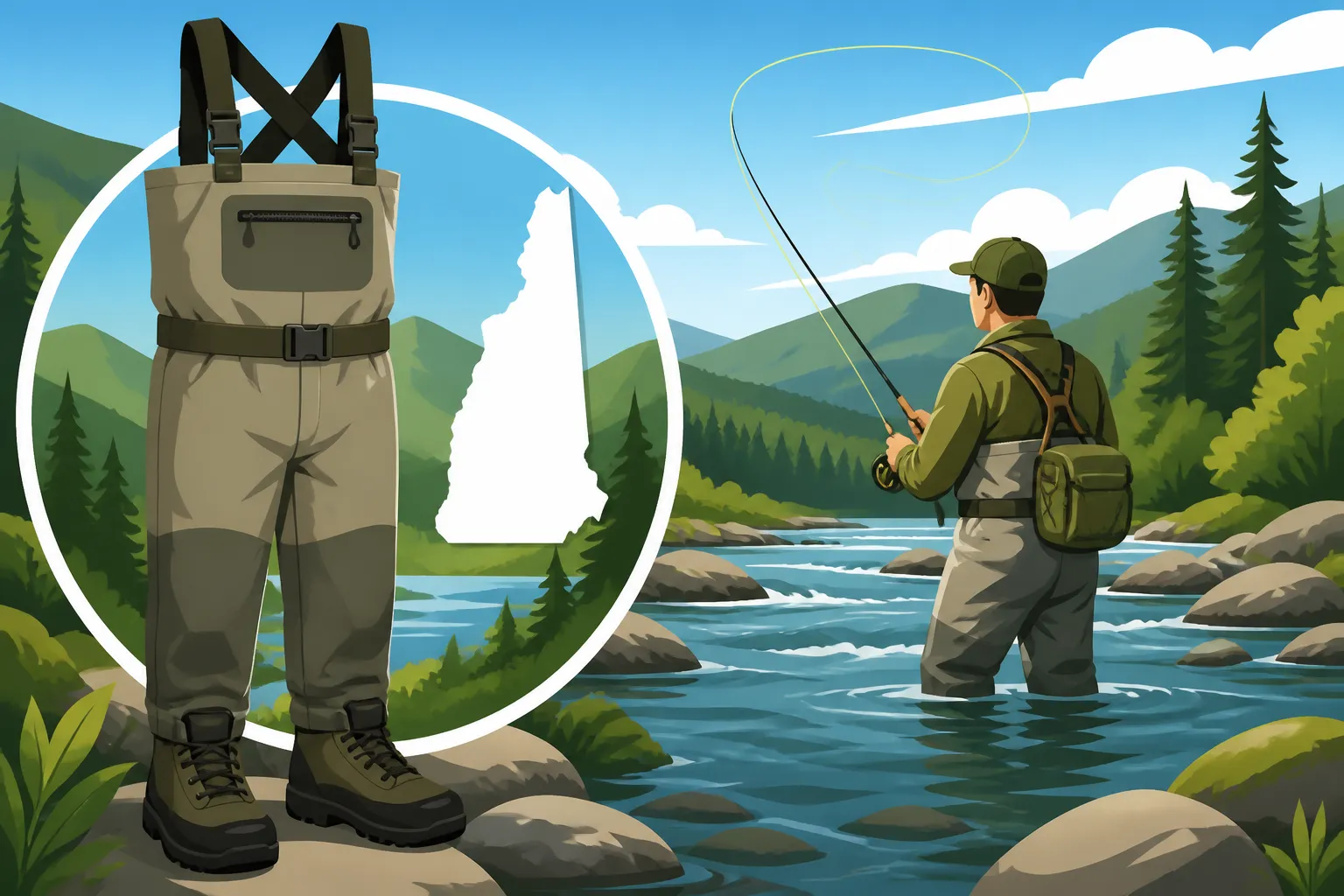
For most New Hampshire trout anglers, breathable waders are the gold standard. These are typically constructed from multi-layered synthetic fabrics like Gore-Tex or similar proprietary membranes. The magic of these materials lies in their microscopic pores: they're too small for water droplets to pass in, but large enough for water vapor (your sweat) to escape out. This means you stay dry from the outside, and you don't get clammy and soaked from your own perspiration on the inside.
Breathable waders are incredibly versatile. You can layer up or down underneath them depending on the air and water temperature, making them suitable for year-round use in many New Hampshire scenarios. In spring and fall, a good pair of fleece pants underneath provides ample warmth. In summer, lighter base layers prevent overheating. Their lightweight and flexible nature also contribute to excellent mobility, which is crucial when navigating tricky currents or scrambling over stream banks. Most serious trout anglers, especially those who walk a lot or fish frequently, gravitate towards breathable options. You'll find a huge selection of these at reputable retailers like Bass Pro Shops or online at Amazon.
Neoprene Waders: For the Colder Climates
If your primary fishing season is early spring when snowmelt makes the rivers downright frigid, or if you're venturing out for some truly bone-chilling fall and winter fishing, neoprene waders might be your best bet. Neoprene is the same material used in wetsuits; it offers superior insulation by trapping a thin layer of water against your skin, which your body then warms. While waders are designed to keep water out, the insulation properties of neoprene are paramount in cold conditions.
The trade-off with neoprene is breathability. Or rather, the lack thereof. In warmer weather or during strenuous activity, you'll sweat, and that sweat has nowhere to go. This can lead to clamminess and eventually, a chill when you stop moving. Neoprene waders are also bulkier and less flexible than breathable options, which can restrict movement slightly. However, for dedicated cold-weather enthusiasts or ice fishermen who need maximum warmth, their insulating power is unmatched. They are often a little more puncture-resistant too, due to the thicker material, which can be a plus if you're bushwhacking to remote spots.
Stockingfoot vs. Bootfoot: A Crucial Decision
This is one of the most fundamental choices you'll make when buying waders, and it has significant implications for comfort, traction, and versatility.
Stockingfoot Waders: These waders have neoprene "feet" attached, much like thick socks. They do not have built-in boots. Instead, you wear separate wading boots over the neoprene foot.
- Pros: This system offers superior ankle support, as wading boots are designed for stability on uneven terrain. You can choose boots with different sole types (felt, rubber, studded rubber) to match specific wading conditions (e.g., felt for slick, algae-covered rocks, rubber for hiking). When the waders eventually wear out, you don't have to replace the boots. They pack down smaller for travel. Many anglers find this combination more comfortable and custom-fitting, especially if they have specific foot needs. This is the preferred choice for those who are serious about Best Gear for New Hampshire Trout Fishing in varying conditions.
- Cons: You have to buy wading boots separately, which adds to the initial cost. You also have two separate items to put on and take off.
Bootfoot Waders: These waders have the boots permanently attached and sealed to the wader legs.
- Pros: Convenience is the main draw here. You simply step into them, and you're ready to go. There's no separate boot to worry about. They can be a good option for casual anglers, or for those who don't need to walk long distances to their fishing spots. In extremely cold conditions, the continuous insulation can be a minor advantage.
- Cons: The boots are often less supportive and less comfortable than dedicated wading boots. If the boots wear out or get damaged, you usually have to replace the entire wader. They are bulkier to store and transport. You're also stuck with one sole type, limiting your adaptability to different stream bottoms. For serious wading in the challenging rivers of New Hampshire, stockingfoot waders paired with quality Best Wading Boots for Rocky Streams are almost always the better option.
Key Features to Look for in New Hampshire Waders
Beyond the basic type, the devil is in the details when it comes to waders. Specific features can make a huge difference in durability, comfort, and overall performance, especially when you're battling the elements on a chilly New Hampshire morning.
Material Durability and Layering
The outer fabric of your waders needs to be tough. New Hampshire streams, especially those in the northern reaches, are often surrounded by rugged terrain, thorny bushes, and sharp rocks. A flimsy wader will quickly develop leaks. Look for specifications like "denier" count, which indicates the thickness and strength of the fabric fibers. Higher denier counts generally mean more abrasion resistance. Many reputable brands use proprietary multi-layer fabrics, often with reinforced knees and seat areas, which are high-wear zones.
Consider the number of layers. Entry-level breathable waders might be 3-layer throughout, while more premium options often feature 4-layer or 5-layer construction in critical areas like the lower legs, where punctures and abrasion are most common. This strategic layering adds durability where it's needed most without making the entire wader excessively heavy or stiff. You want a material that can withstand brushing against granite ledges and navigating dense stands of alder along the riverbank.
Seam Construction and Waterproofing
Leaks are the bane of any wader-wearing angler's existence, and most leaks occur at the seams. This is where different pieces of fabric are joined, and if not done correctly, they become weak points. Look for waders that boast features like "double-taped seams," "welded seams," or "ultrasonic welding." These construction methods create a much stronger and more reliable waterproof bond than simple stitching. High-quality seams are often reinforced on both the inside and outside, providing an extra layer of protection against water intrusion.
The quality of the seam tape and the adhesive used is also paramount. Over time, cheap tape can peel, crack, or delaminate, leading to leaks. A good manufacturer will use durable, flexible seam tape that can withstand years of flexing, stretching, and exposure to water, UV light, and varying temperatures. Don't underestimate the importance of robust seam construction; it's often the difference between a wader that lasts many seasons and one that leaks after a handful of trips.
Thoughtful Design: Pockets, Straps, and Zippers
Modern waders aren't just waterproof pants; they're often designed with the angler's needs in mind. Pockets are incredibly useful, allowing you to keep essential items like fly boxes, leaders, and nippers close at hand without needing a separate pack. Look for waterproof or water-resistant pockets with sturdy zippers or Velcro closures. A large, fleece-lined handwarmer pocket is a luxurious but very practical feature on cold days, offering a quick refuge for chilled fingers.
Adjustable shoulder straps are essential for a comfortable fit. They should be wide enough to distribute weight without digging into your shoulders, and easily adjustable to accommodate different layering or torso lengths. Quick-release buckles are also a nice touch for easy on and off. Some waders even feature a belt loop system or integrated wading belt, which is not only crucial for safety (preventing water from rushing in if you take a tumble) but also allows you to attach accessories like a net or a wading staff. A well-designed pair of waders considers the entire fishing experience, making it easier to manage your gear and stay focused on the fish.
Built-in Gravel Guards and Boot Holders
If you're opting for stockingfoot waders (which, again, is highly recommended for New Hampshire's varied streams), gravel guards are an absolute must-have feature. These are essentially cuffs at the bottom of the wader leg that fit over your wading boots. Their purpose is to prevent sand, gravel, and debris from getting into your boots and rubbing against your neoprene booties. Without them, even a tiny pebble can cause immense discomfort and eventually wear a hole in your expensive wader foot.
Many gravel guards come with a small hook or clip that attaches to your wading boot laces, ensuring they stay securely in place. Some higher-end waders might even integrate a boot holder or strap system that keeps your wading boots from slipping off your feet in deep mud or strong currents. These seemingly small details contribute significantly to both your comfort and the longevity of your waders, as they protect the critical bootie area from excessive wear.
Sizing and Fit: More Than Just a Number
You've picked out the perfect material and noted all the great features, but none of that matters if your waders don't fit correctly. Ill-fitting waders are not just uncomfortable; they can be unsafe and will drastically reduce the lifespan of the garment. This isn't like buying a pair of jeans where "close enough" works.
Understanding Wader Sizing Charts
Wader sizing is notoriously tricky because it needs to account for multiple dimensions: chest, waist, inseam, and foot size. Most manufacturers will provide a detailed sizing chart, and it's imperative that you consult it. Don't just go by your typical clothing size; waders often run differently. You might be a "Large" in shirts but need a "Medium-Long" or "Large-Short" in waders. Pay particular attention to the inseam and girth measurements. The inseam needs to be long enough so the crotch doesn't bind when you lift your leg high (crucial for stepping over obstacles), but not so long that the material bunches excessively, creating potential wear points.
When measuring yourself, wear the kind of layers you'd typically wear underneath your waders. This accounts for the extra bulk and ensures you have enough room. If you're buying online from a place like Amazon or a dedicated fly shop, double-check their specific return policy for waders, as you may need to try a couple of sizes to get it just right. It’s worth the extra effort to ensure a good fit from the start.
The Importance of Layering Space
One of the biggest mistakes anglers make is buying waders that are too snug. Remember, breathable waders are designed to be worn over insulating layers. If your waders fit perfectly when you're just wearing underwear, they'll be too tight when you add thermal pants, fleece leggings, or even heavy wool socks. This tightness restricts blood flow, making you colder, and puts undue stress on the seams and fabric, leading to premature leaks. You want enough room for comfortable layering, especially if you plan on fishing New Hampshire year-round.
On the flip side, waders that are too baggy can be a tripping hazard and also create excess material that rubs against itself, leading to faster wear. The goal is a comfortable, roomy fit that allows for full freedom of movement without being excessively loose. Think of it as having enough space to comfortably squat, kneel, and lift your knees without feeling restricted.
Testing the Fit: Mobility and Comfort Checks
When you try on waders, don't just stand there. Mimic fishing movements. Squat down as if you're releasing a fish. Lift your knees high as if you're stepping over a fallen log or climbing a steep bank. Take a few imaginary casts. Ensure there's no undue tension in the crotch or shoulders. The shoulder straps should feel comfortable, not digging in. If you're trying on stockingfoot waders, make sure the neoprene booties feel snug but not constricting, and consider the thickness of the socks you'll wear inside them.
Pay attention to how the waders feel around your torso. You should be able to twist and turn without pulling the material taut. If you're going to be carrying a lot of gear on a Best Tackle Bag for Bank Fishing, ensure the waders accommodate any additional bulk around your waist. Many specialty retailers like Bass Pro Shops will have fitting rooms where you can fully test out the waders. If buying online, make sure you do a thorough "movement test" as soon as they arrive, and don't hesitate to exchange them if the fit isn't perfect.
Caring for Your Waders: Longevity on the Water
Even the best waders, whether they're top-of-the-line breathable models or robust neoprene, won't last if you don't take care of them. Proper maintenance is often overlooked, but it's arguably as important as the initial purchase decision. A little effort after each trip can significantly extend the life of your investment and keep you dry for many seasons of New Hampshire trout fishing.
Post-Trip Cleaning and Drying Rituals
After every fishing trip, especially if you've been in muddy or silty water, it's crucial to give your waders a quick rinse. Use a hose to spray off any dirt, grime, or algae from both the inside and outside. Pay particular attention to the gravel guards and the bottom of the neoprene booties, as these areas often collect debris. Avoid harsh detergents or scrubbing brushes that can damage the waterproof membrane or seam tape. A gentle wipe-down with a damp cloth is usually sufficient.
The most critical step is thorough drying. Never store wet waders! Mildew and mold can quickly form, which not only smells terrible but can also degrade the fabric and compromise the waterproof integrity. Hang your waders inside out first to allow the interior to dry completely, especially the neoprene feet. Then, turn them right side out and hang them in a cool, dry, well-ventilated area, out of direct sunlight. A shady spot in your garage or a dedicated gear drying rack works well. Ensure every crease and fold is dry before storing them away. This simple routine will prevent many common wader problems.
Proper Storage for Off-Season and Travel
When the season winds down, or if you're not planning to fish for an extended period, proper storage is key. Once your waders are completely clean and dry, hang them loosely in a closet or on a wide hanger. Avoid folding them tightly or stuffing them into a bag, as this can create permanent creases that stress the waterproof membrane and seam tape over time, leading to future leaks. A good technique is to hang them upside down from the feet, allowing gravity to smooth out any wrinkles.
Keep them away from extreme temperatures, especially direct heat sources or prolonged exposure to sunlight, which can degrade the synthetic materials and glues. A cool, dark, and dry spot is ideal. If you're traveling, roll them loosely rather than folding to minimize stress on the fabric. Many dedicated fishing travel bags are designed to protect waders during transport. Think of your waders as an important piece of gear, much like your Best Fly Rods for New Hampshire Trout Streams, and give them the respect they deserve in storage.
Patching and Repairing Leaks
Even with the best care, leaks can happen. A sharp twig, a rogue rock, or just general wear and tear can eventually create a pinhole. The good news is that most small leaks are easily repairable, and knowing how to do it yourself can save you the cost of a new pair and get you back on the water quickly. The first step is locating the leak. A common method is to turn the waders inside out, spray the suspected area with rubbing alcohol (which darkens the fabric where moisture is present), or fill them with water while hanging them up to see where drips appear.
Once you've found the leak, a small patch kit (often included with new waders or available separately from brands like Aquaseal or Gear Aid) is your friend. These kits typically contain a flexible sealant and sometimes a fabric patch. Clean the area thoroughly, apply the sealant according to the instructions, and let it cure completely. For larger tears, a fabric patch might be necessary. It's wise to carry essential repair kits and sealants with you on extended trips, especially to remote New Hampshire fishing spots, so you can make quick field repairs if needed.
Wader Accessories: Enhancing Your Experience
Waders are just one piece of the puzzle. A host of accessories can significantly improve your comfort, safety, and overall efficiency on the water, especially when tackling the diverse conditions of New Hampshire's trout streams. Ignoring these can be like buying a sports car without tires; you're missing out on essential performance.
Wading Boots: The Foundation of Footwear
As discussed, if you choose stockingfoot waders, a good pair of wading boots is non-negotiable. These aren't just any old boots; they are specifically designed for the rigors of wading. Look for features like excellent ankle support to prevent twists and sprains on uneven riverbeds, reinforced toe caps for protection, and durable lacing systems. The material should be quick-drying to prevent waterlogging and reduce weight.
The most critical decision for wading boots is the sole type.
- Felt Soles: Offer incredible grip on slick, algae-covered rocks, common in many New Hampshire streams. However, they can be slippery on muddy banks or snow. Some states have banned felt soles due to concerns about transferring invasive species, so always check current New Hampshire Fishing Regulations Explained before use, though they are generally permitted here.
- Rubber Soles: More versatile for hiking to and from the stream, and better on muddy or snowy banks. They are generally less grippy than felt on slime-covered rocks. Many rubber soles feature aggressive lug patterns for traction.
- Studded Rubber Soles: Rubber soles with metal studs or cleats embedded. These offer the best of both worlds, providing excellent grip on both wet rocks and muddy trails. They are often the preferred choice for serious anglers who navigate truly challenging terrain and need maximum security.
Consider where you'll be fishing most often and choose the sole type that best matches those conditions. A comfortable, secure wading boot is paramount for safety and confidence.
Wading Belts and Safety Features
Every angler wearing waders should wear a wading belt, every single time. This isn't just about cinching up your waders for a better fit; it's a critical safety device. In the event of a fall in deep water, a wading belt helps prevent your waders from completely filling with water. If waders fill with water, they can become incredibly heavy, making it difficult to stand up, swim, or get back to shore, posing a serious drowning risk. The belt effectively creates a seal around your waist, trapping air in the lower portion of the waders and making them less likely to fully flood.
Many waders come with an integrated wading belt, but if yours doesn't, or if you want a more robust option, they are readily available. Look for a wide, comfortable belt with a secure buckle that won't come undone accidentally. Some belts even feature D-rings or loops for attaching tools or wading staffs and traction devices, making them even more practical. Never underestimate the importance of this simple piece of gear for your safety in New Hampshire's often swift-moving waters.
Wading Staffs and Traction Devices
A wading staff is an invaluable tool for any angler who wades frequently, particularly in unfamiliar or challenging waters. It provides a third point of contact, significantly increasing your stability and balance. This is especially helpful when crossing strong currents, navigating deep pools, or probing unknown depths. Many New Hampshire rivers, like sections of the Connecticut River, can have deceptively strong flows and uneven bottoms, making a wading staff a wise investment.
Wading staffs are typically collapsible for easy transport and deployment. Look for one that's lightweight but sturdy, with a comfortable grip and a lanyard to prevent loss. Used correctly, a wading staff can prevent falls, reduce fatigue, and allow you to access spots you might otherwise deem too risky. For those who frequently fish fast water or have balance concerns, a Best Wading Staff for Fast Current is an absolute game-changer.
In addition to staffs, traction devices like removable cleats or screw-in studs can be added to rubber-soled wading boots for extra grip. These are great for adapting your existing boots to different conditions without buying a whole new pair.
Essential Repair Kits and Sealants
As mentioned in the care section, carrying a small repair kit is a smart move. A basic kit usually includes a tube of flexible sealant (like Aquaseal or Loon Outdoors UV Knot Sense) and maybe a few small patches. These items are compact and can easily fit into a vest pocket or tackle box. A small, on-the-spot repair can turn a miserable, wet trip into a dry and enjoyable one.
Beyond field repairs, having a larger tube of quality seam sealant at home allows you to proactively address any worn areas or tiny pinholes before they become major leaks. Regularly inspecting your waders for signs of wear and tear and applying a dab of sealant where needed can significantly extend their life. Think of it as preventative medicine for your waders.
Budgeting for Waders: What to Expect
Waders represent a significant investment for many anglers, and the price range is vast. You can find options from under a hundred dollars to several hundred, or even approaching a thousand for top-tier models. Understanding what you get at each price point will help you make an informed decision that balances your budget with your fishing frequency and needs.
Entry-Level Options for the Casual Angler
For those just starting out, or who only fish a few times a year in relatively mild conditions, entry-level waders can be a perfectly acceptable choice. These typically range from around $100 to $200. You'll often find these made from 3-layer breathable fabrics or less expensive neoprene. They might have fewer features, such as simpler pocket designs, basic shoulder straps, and less reinforcement in high-wear areas.
While these waders will get you wet, they might not offer the same level of comfort, durability, or breathability as their more expensive counterparts. Seams might be less robust, making them more prone to leaks over time with heavy use. However, for occasional trips to easily accessible New Hampshire State Park Fishing Guide or local ponds, they can be a great way to get started without breaking the bank. Just remember to manage your expectations regarding their lifespan and performance in extreme conditions.
Mid-Range Waders: Balancing Cost and Performance
Stepping up to the mid-range category, typically between $200 and $400, is where most serious recreational anglers will find their sweet spot. Here, you start to see significant improvements in materials, construction, and features. Breathable fabrics will be more advanced, often with 4-layer or 5-layer reinforcement in key areas. Seam construction will be more robust, with better taping and welding techniques that enhance durability and reduce the likelihood of leaks.
You'll also find more thoughtful design elements: better pocket layouts (often with water-resistant zippers), more comfortable and adjustable shoulder straps, and superior gravel guards. Many waders in this range offer a good balance of breathability, durability, and comfort, making them suitable for frequent use across various New Hampshire fishing conditions. Brands like Orvis, Simms, Patagonia, and Redington offer excellent options in this segment. This is often the best value for anglers who fish regularly and demand reliable performance without investing in the absolute top tier.
Premium Waders: Investing in Durability and Features
At the top end of the spectrum, usually $400 and above, you'll find premium waders that incorporate the absolute best materials, cutting-edge construction techniques, and a host of advanced features. These waders are designed for professional guides, extremely avid anglers, and those who demand the utmost in performance, durability, and comfort in the harshest conditions. They often feature high-end Gore-Tex or similar multi-layer fabrics throughout, often with heavier denier fabrics for maximum abrasion resistance.
Welded seams, sophisticated anatomical cuts for superior mobility, integrated boot holders, and highly water-resistant or waterproof zippers on chest pockets are common in this price bracket. While the initial investment is substantial, these waders are built to last for many years of heavy use, offering unparalleled protection and comfort. They often come with more extensive warranties, reflecting the manufacturer's confidence in their quality. If you're planning multi-day Best multi-day paddle fishing trips in New Hampshire or spend hundreds of hours in the water each season, this investment might pay off in the long run.
Waders for Different Seasons and Conditions
New Hampshire's fishing seasons bring a wide range of temperatures and water conditions, and your wader choice, along with your layering strategy, needs to adapt accordingly. A good wader system allows for flexibility, ensuring you're comfortable whether the spring runoff is raging or the fall foliage is at its peak.
Spring Runoff and Early Season Challenges
Spring in New Hampshire means surging rivers fed by melting snow and frequent rain. The water is often high, fast, and bone-chillingly cold. This is when your waders are truly put to the test. If you chose breathable waders, this is the time to layer up underneath. Think heavy fleece pants or specialized thermal wader liners. Neoprene waders can also shine in these conditions due to their inherent insulation.
Traction is paramount during spring runoff. The swift currents can sweep your feet out from under you, and wet, cold rocks are extra slick. This is where studded rubber or felt soles on your wading boots, paired with a reliable Best Wading Staff for Fast Current, become indispensable. Staying upright and warm are the top priorities during these exhilarating, but often challenging, early season outings. For information on when to expect good trout fishing, consult Spring Trout Fishing Techniques for New Hampshire Ponds.
Summer's Warmth and Low Water Considerations
As summer progresses, New Hampshire's trout streams often experience lower water levels and warmer air temperatures. This is when breathability becomes the most critical factor. Wearing heavy neoprene waders in mid-July can quickly lead to overheating and profuse sweating, which makes you uncomfortable and potentially dehydrated. Lightweight, highly breathable waders are ideal. You'll likely wear minimal layers underneath – perhaps just shorts or light base layers.
While the water itself might still be cool, especially in shaded mountain streams, the air can be hot and humid. Focus on waders that wick away moisture effectively from the inside. Lower water also means more exposed stream beds, so ensure your wading boots have excellent ankle support and grip on varied terrain, as you might be doing more walking on the banks or exposed rocks rather than wading through deep water. Always be mindful of New Hampshire Trout Stocking and Fishing Rules regarding water temperatures that might stress trout in warmer months.
Fall Fishing and Preparing for Colder Snaps
Fall is a glorious time to fish for trout in New Hampshire. The foliage is stunning, and the trout are often active. However, fall weather can be notoriously unpredictable. A beautiful, mild September day can quickly turn into a frosty October morning. This is the season where versatility in your layering is key. Breathable waders remain the best choice, allowing you to adapt to temperature fluctuations.
Start the day with moderate insulation underneath your waders, knowing you might shed a layer later. Be prepared for sudden drops in temperature or an unexpected rain shower. Durable, waterproof waders will keep you comfortable when the weather turns. Wading boots with good all-around traction are also important, as wet leaves on trails and frosty rocks can be slippery. Fall is also a great time to target some of the larger, more aggressive trout, making it essential to have reliable gear that keeps you focused on the fish.
Winter Ice Fishing Considerations
While traditional wading isn't generally associated with ice fishing, many anglers use their waders for accessing shoreline areas before the ice gets thick enough to walk on, or for fishing partially frozen streams. Neoprene waders can be particularly useful here due to their insulating properties. For full-blown ice fishing on larger lakes, specialized ice fishing suits or bibs are often preferred for their superior warmth, flotation, and overall protection in extreme cold, but waders can definitely play a role in transitional conditions or smaller water bodies. If you plan to wade in near-freezing water, ensure you have extremely warm base layers and socks, as the primary goal is heat retention.
Table: Wader Type Comparison for New Hampshire Anglers
| Feature | Breathable Waders | Neoprene Waders |
|---|---|---|
| Material | Multi-layer synthetic (Gore-Tex, proprietary membranes) | Closed-cell foam rubber |
| Primary Benefit | Keeps you dry from sweat and outside water | Excellent insulation in cold water |
| Seasonality | Year-round (with proper layering) | Best for cold water (early spring, late fall, winter) |
| Comfort | High breathability, flexible, lightweight | Insulating but can be clammy/heavy with exertion |
| Mobility | Excellent | Good, but can be bulkier and more restrictive |
| Durability | Good, often reinforced in key areas, can be punctured | Generally tougher against punctures due to thicker material |
| Typical Cost | Mid to High | Low to Mid |
| Best For | Active anglers, long hikes, varied conditions | Stationary cold-weather fishing, ice fishing access |
Disclaimer
This article is for general informational purposes only and does not constitute professional advice. Laws, prices and regulations vary by location and change over time. Consult a qualified professional for guidance on your specific situation.