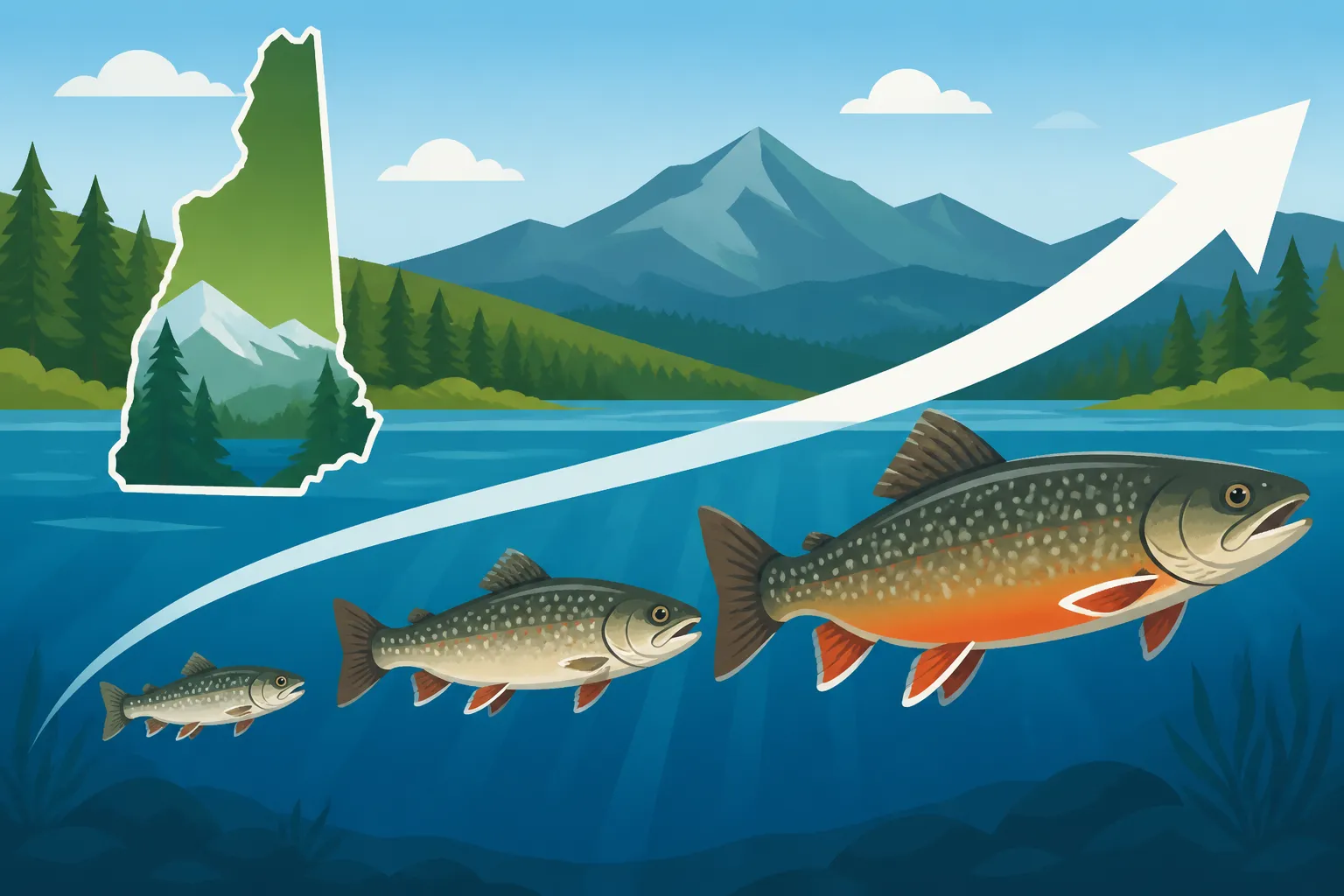
Growth rate of stocked splake in New Hampshire
It's incredibly exciting to think about the fish that swim in New Hampshire's waters, especially those unique species that capture our imagination, like the splake. If you've ever found yourself wondering about those feisty splake that get stocked in our beautiful lakes and ponds, you're not alone. Many anglers are curious about just how quickly these hybrid fish grow once they're introduced to our local ecosystems. This guide is going to dive deep into understanding the growth rate of stocked splake in New Hampshire, helping you appreciate the journey these fish take from hatchery to hook and what you can expect when you encounter one.
Understanding the Splake: A Hybrid Success Story
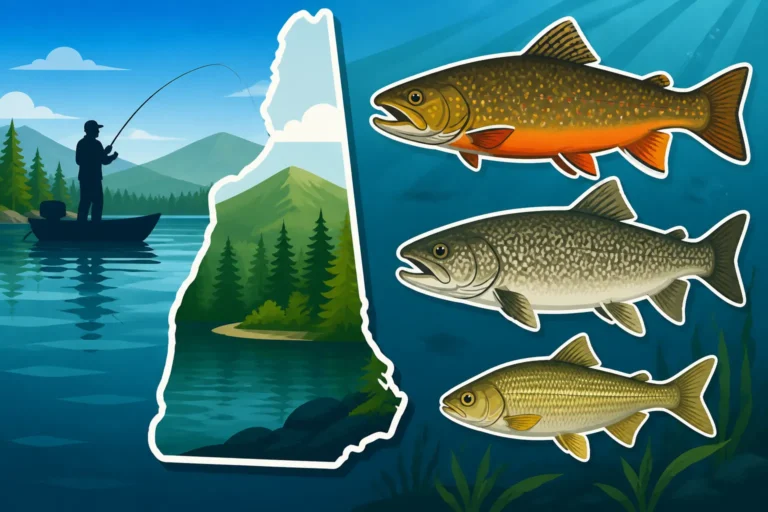
Before we talk about how fast they grow, let's clarify what a splake actually is. It's not a naturally occurring fish, but rather a fascinating hybrid created by crossing a female lake trout with a male brook trout. This genetic blend gives the splake some truly unique characteristics, blending the best (and sometimes challenging) traits of both parents. In New Hampshire, splake are specifically stocked in certain water bodies to offer a distinct fishing experience, often in places where neither pure lake trout nor pure brook trout might thrive as effectively. They're a testament to fisheries management, providing diverse angling opportunities for those of us who love to cast a line in the Granite State.
The reason for stocking splake often comes down to their particular niche. Lake trout can be slow-growing and require very deep, cold, oxygen-rich waters, while brook trout, our native jewels, prefer cooler, shallower streams and ponds. Splake, however, tend to grow faster than brook trout and are more tolerant of a wider range of water temperatures and depths than pure lake trout. This makes them an excellent candidate for lakes that might not be ideal for either parent species, yet still offer enough cold water to support them through the warmer months. Their presence helps diversify the fishery and provides a sportfish that can often be more readily caught than their deeper-dwelling lake trout cousins. You can often find details on where they're stocked in the New Hampshire Trout Stocking and Fishing Rules.
Why New Hampshire Stocks Splake
New Hampshire Fish and Game has a clear strategy when it comes to stocking splake, and it’s all about enhancing fishing opportunities. By stocking these hybrids, they're not just adding more fish to a lake; they're strategically placing a species that fills a specific ecological and recreational role. Imagine a lake that's a bit too warm for brook trout to really take off, but not quite deep or cold enough for a self-sustaining population of lake trout. That's often where splake shine. They can survive and grow in these intermediate conditions, providing a robust fishery where one might otherwise struggle.
One of the big draws for anglers is that splake are known for being quite aggressive, making them a fun fish to target. They'll readily strike a variety of lures and baits, which adds to their appeal. Plus, because they often don't dive as deep as lake trout, they can be more accessible to anglers fishing from shore or smaller boats. Their growth potential, which we'll get into shortly, means that with a little patience, you could be reeling in a truly impressive fish. You might want to check out Are Splake Stocked in New Hampshire Lakes? for a comprehensive list of waters where these fascinating fish can be found.
Factors Influencing Splake Growth in New Hampshire Waters
When we talk about the growth rate of any fish, it's rarely a simple, one-size-fits-all answer. Splake in New Hampshire are no exception. Their growth isn't just about their genetics; it's a complex interplay of environmental conditions, food availability, and the specific characteristics of the water body they call home. Understanding these factors can give us a much clearer picture of what to expect when we're hoping to land a nice splake.
Food Availability and Forage Base
Perhaps the most significant factor influencing how quickly a splake grows is the amount and quality of food available to it. Just like any growing creature, a splake needs calories and nutrients to pack on size. In many New Hampshire lakes, a thriving population of smaller baitfish, such as rainbow smelt, is key. If a lake has an abundant smelt population, splake have a rich, high-energy food source, allowing them to grow quickly and reach impressive sizes. Lakes with limited forage, on the other hand, will generally produce slower-growing, smaller splake.
Consider two hypothetical lakes: Lake Harmony, which is absolutely teeming with smelt, and Echo Pond, which has a sparse baitfish population and relies more on insects and smaller aquatic invertebrates. A splake stocked in Lake Harmony is likely to grow much faster, putting on weight and length rapidly, compared to its counterpart in Echo Pond, which might struggle to find enough substantial meals. This is why fisheries biologists pay close attention to the forage base when deciding where and how many splake to stock. Anglers can also use this knowledge to predict where bigger fish might be found – generally, healthy baitfish populations mean healthy, big game fish.
Water Temperature and Oxygen Levels
Splake, being a hybrid of lake and brook trout, have specific needs when it comes to water temperature and oxygen. They generally prefer cool, well-oxygenated water, similar to their trout relatives. While they're more tolerant than brook trout of slightly warmer conditions, prolonged periods of high water temperatures can stress them, slow their metabolism, and reduce their feeding activity, ultimately hindering their growth.
In New Hampshire, our lakes experience seasonal changes, and summer can bring warmer surface temperatures. Splake will seek out deeper, cooler sections of the lake during these periods. If a lake has a robust thermocline (a distinct layer of rapidly changing water temperature) that provides cold, oxygenated water throughout the summer, splake will continue to feed and grow. However, in shallower lakes or ponds that warm up significantly and lose oxygen in their deeper sections, splake can become stressed, and their growth rate will suffer. This is a critical factor, especially as our climate patterns evolve. Anglers often look for species like Lake Trout Fishing in New Hampshire which thrive in cold, deep water, indicating good conditions for splake as well.
Stocking Density and Competition
The number of splake stocked in a particular body of water, known as stocking density, also plays a crucial role in their individual growth rates. If too many splake are stocked into a lake with a finite food supply, competition for that food will increase. This means each individual fish gets less to eat, leading to slower growth rates across the board. It's a classic case of too many mouths to feed.
New Hampshire Fish and Game works diligently to find the right balance, aiming to stock enough splake to create a viable fishery without overcrowding the system. They use data from creel surveys and biological sampling to fine-tune their stocking numbers. For example, a small pond with limited forage might only receive a few hundred splake, whereas a larger lake with a robust smelt population could potentially support thousands. Furthermore, splake aren't the only fish in the pond! They compete with other species, both stocked and wild, for food and habitat. Heavy competition from bass, pickerel, or even other trout species can also impact how quickly a splake grows. Understanding these dynamics helps us appreciate the careful planning that goes into New Hampshire's fisheries management. Splake Stocking in New Hampshire Lakes offers more context on these stocking decisions.
Average Growth Rates and Size Expectations for New Hampshire Splake
So, what can an angler actually expect in terms of splake size and growth when fishing in New Hampshire? While there's certainly variability, we can establish some general expectations based on their genetics and the typical conditions in our state's waters. Splake are generally considered faster growers than brook trout but often don't reach the immense sizes of very old lake trout. They mature relatively quickly, offering a good catchable size within a few years of stocking.
Typically, splake are stocked as fingerlings or yearlings, meaning they are quite small when they first go into the water. In a lake with good forage and suitable conditions, these fish can grow rapidly. It's not uncommon for splake to reach a respectable eating size – say, 12 to 16 inches – within 2-3 years after stocking. Beyond that, their growth continues, though it might slow down slightly as they get larger. The dream of every angler is a trophy, and splake certainly offer that potential!
Typical Size by Age
Let's look at some general expectations for splake growth in a moderately productive New Hampshire lake. Keep in mind these are averages, and individual fish can certainly exceed or fall short depending on the specific lake and conditions.
| Age (Years after stocking) | Average Length (Inches) | Average Weight (Pounds) | Notes |
|---|---|---|---|
| 0 (Stocked) | 4-8 | <0.5 | Typically stocked as fingerlings/yearlings. |
| 1 | 10-14 | 0.5-1.5 | Often catchable size, good panfish. |
| 2 | 14-18 | 1.5-3 | Excellent eating size, strong fighters. |
| 3 | 18-22 | 3-5 | Approaching trophy size, significant fighting challenge. |
| 4+ | 22-26+ | 5-8+ | True trophy potential, can grow larger in prime conditions. |
This table illustrates that splake offer a relatively quick turnaround from stocking to a respectable catch. Many anglers are thrilled to catch a splake in the 14-18 inch range, which provides a fantastic fight and excellent table fare. For those pursuing a real trophy, patience and targeting the right water bodies are key. The state record for splake in New Hampshire will give you an idea of the upper limits of their growth potential, showing just how big they can get under ideal circumstances. These impressive fish often come from lakes known for their abundant forage and stable coldwater habitats.
What Constitutes a "Trophy" Splake?
While beauty is in the eye of the beholder, and any fish caught is a trophy to many, for splake in New Hampshire, a "trophy" typically refers to fish over 20 inches in length and weighing over 4 pounds. These are truly magnificent specimens that have thrived in their environment, finding ample food and evading predators and anglers alike for several years. Catching a splake of this size is a memorable experience and often requires specific techniques and a good understanding of the lake's deeper, colder haunts.
To target these larger splake, anglers often employ methods similar to those used for lake trout, such as trolling with spoons, stickbaits, or baitfish imitations. Best Lures for Lake Trout Trolling can provide some excellent ideas that cross over effectively for splake. Investing in good quality gear, perhaps a specialized trolling rod and reel from a reputable brand like those found on Amazon, can also make a difference when battling a powerful, larger fish. It's not just about the size of the fish, but the story behind catching it – and landing a true New Hampshire trophy splake is a story worth telling.
Maximizing Your Chances of Catching a Quality New Hampshire Splake
Knowing about splake growth is one thing, but actually putting that knowledge to use on the water is where the real fun begins! If you're hoping to hook into one of New Hampshire's quality splake, there are definitely strategies you can employ. It's a combination of understanding their behavior, knowing their habitat, and using the right gear and techniques.
Targeting the Right Water and Depths
The first step to catching a good-sized splake is to fish in lakes and ponds known to hold them. The New Hampshire Fish and Game Department's stocking reports are your best friend here. Once you've identified a promising water body, think about the splake's preferred habitat. As discussed, they love cold, oxygenated water, especially during the warmer months. This means you'll often find them deeper in the water column or in areas where cold water sources, like springs or stream inlets, keep temperatures down.
In spring and fall, when surface waters are cooler, splake might be found closer to shore or in shallower depths, making them more accessible to shore anglers or those in smaller boats. However, as summer progresses, they'll retreat to the cooler thermocline. Using a fish finder (you can find some excellent portable options on Amazon) can be incredibly helpful for identifying these temperature breaks and locating schools of baitfish, which are often indicators of where splake will be lurking. Don't be afraid to experiment with different depths until you find where the fish are holding. For deeper bodies of water, methods discussed in How to Catch Lake Trout in New Hampshire are often applicable.
Effective Techniques and Baits
Splake are aggressive feeders, which is great news for anglers! They'll strike a wide variety of lures and baits. Trolling is a very popular and effective method, especially for covering a lot of water and finding active fish. Spoons, like the popular Mooselook Wobbler or a classic Daredevil, are often deadly. Stickbaits that imitate smelt, such as a Rapala or other slender profiles, can also be highly productive. Vary your trolling speed and depth until you get a strike. Best Trolling Gear for New Hampshire Lake Trout details gear that is also highly effective for splake.
For those who prefer still fishing or jigging, live bait can be incredibly effective. Smelt, shiners, or even worms can entice a bite. Rig them under a bobber in shallower water or on a simple bait rig near the bottom in deeper sections. During the ice fishing season, jigging with small spoons or vertically presented soft plastics tipped with bait can yield excellent results. Again, locating those deeper, cooler areas where splake congregate is key. A good quality fishing reel, easily found on Amazon, will help you manage these different techniques and handle those strong splake runs.
Catch and Release Practices for Future Growth
While catching a splake for the dinner table is a wonderful experience, practicing responsible catch and release, especially for larger fish, can contribute to maintaining a healthy fishery and allowing those fish to grow even bigger. If you plan to release a splake, handle it with care. Try to land the fish quickly to minimize stress, use a rubberized net to protect its slime coat, and remove hooks gently with pliers or a dehooker.
When releasing, hold the fish gently in the water, supporting its belly, and allow it to recover before letting it swim off on its own. Avoiding excessive handling and keeping the fish in the water as much as possible dramatically increases its chances of survival. This ensures that those larger splake can continue to grow and potentially be caught again by another angler, or perhaps even by you on a future trip. It's all part of being a good steward of New Hampshire's incredible fishing resources. Remember to always consult the New Hampshire Fishing Regulations Explained for specific catch limits and rules on the waters you're fishing.
Disclaimer
This article is for general informational purposes only and does not constitute professional advice. Laws, prices and regulations vary by location and change over time. Consult a qualified professional for guidance on your specific situation.