Do Lake Trout Get Bigger Than Landlocked Salmon in New Hampshire?
It's a common and totally understandable question that pops into every New Hampshire angler's mind: when we talk about our state's incredible cold-water species, which one truly reigns supreme in terms of size? Many of us dream of hauling in a true lunker, but often wonder if it's the sleek, acrobatic landlocked salmon or the deep-dwelling, powerful lake trout that offers the best shot at a real monster. This guide dives deep into the characteristics, habitats, and growth potential of both these magnificent fish, helping you understand which one typically tips the scales higher in the Granite State.
Understanding New Hampshire's Freshwater Giants: Lake Trout
When you think about the true leviathans of New Hampshire's deep, cold lakes, the lake trout (often affectionately called "lakers") quickly come to mind. These ancient fish are perfectly adapted to the frigid, oxygen-rich depths of our largest water bodies, and their potential for sheer size is legendary.
The Lake Trout's Domain and Diet
Lake trout are the undisputed kings of the deep in New Hampshire's larger, colder lakes like Winnipesaukee, Sunapee, and Newfound. They are creatures of habit, preferring water temperatures often in the 40s and 50s Fahrenheit, which means they spend much of their lives well below the surface, especially during the warmer months. Imagine dropping a line down 60, 80, or even over 100 feet in the middle of summer – that's often where you'll find these robust fish cruising. Their cryptic, mottled coloration helps them blend seamlessly with the rocky, dark bottoms and submerged structures of their deep-water homes.
As apex predators, their diet is critical to their growth. For many New Hampshire lake trout, the primary food source is the rainbow smelt. These small, oily baitfish are packed with nutrients, providing the energy needed for slow but steady growth. Lakers will also feast on other smaller fish, invertebrates, and even larger insects, but the abundance of a healthy smelt population is often the secret sauce for a lake growing truly enormous trout. They are opportunistic feeders, often patrolling deep humps, ledges, and drop-offs, waiting for an easy meal to swim by. This deep-water lifestyle and consistent, high-energy diet allow them to pack on pounds over many years.
Size and Weight Expectations for Lake Trout
Lake trout are known for their longevity, often living for many decades. This extended lifespan is one of the main reasons they can reach such impressive sizes. While a typical lake trout caught in New Hampshire might range from 2 to 10 pounds, these fish have a much higher ceiling. Anglers consistently land lakers in the 15- to 20-pound class, and fish exceeding 25 pounds are certainly not unheard of, though they take considerable skill and patience to find. The state record for lake trout from New Hampshire is a testament to this potential, showcasing just how massive these fish can become given enough time and resources.
What drives a lake trout to become a true behemoth? It's a combination of factors: consistent food availability, particularly large schools of smelt; expansive, deep-water habitat that provides thermal refuge and ample hunting grounds; and, most importantly, age. A 20-pound lake trout in New Hampshire is likely a very old fish, having survived numerous seasons and outwitted countless anglers. They grow slowly but relentlessly, adding girth and length year after year. For those interested in really honing in on these giants, understanding their habits in specific lakes is key. You can learn a lot about what it takes to land one of these deep-water beasts by checking out articles like Lake Trout Fishing in New Hampshire.
The Silver Streak: Landlocked Salmon in New Hampshire
On the other side of the coin, we have the landlocked salmon, a truly iconic species in New Hampshire fishing. These fish are renowned for their acrobatic fights and stunning silver appearance, making them a prized catch for many anglers. While they share some similarities with lake trout, their lifestyle and growth patterns offer a different kind of angling challenge and size potential.
Habitat and Forage for Landlocked Salmon
Landlocked salmon thrive in New Hampshire's clear, cold-water lakes, much like lake trout, but they tend to occupy slightly different niches, especially during various seasons. You'll find them in the same famous lakes as lakers, such as Winnipesaukee, Sunapee, and Squam, but their pursuit often brings them closer to the surface during cooler periods, like spring and fall, before they too retreat to deeper, cooler waters in the summer. They are a much more pelagic (open water) species, often cruising higher in the water column in search of prey.
Like lake trout, rainbow smelt form the cornerstone of the landlocked salmon's diet. These small baitfish are incredibly important for the salmon's rapid growth and robust health. Landlocked salmon are built for speed and efficiency; their streamlined, torpedo-shaped bodies are designed for chasing down schools of smelt in open water. While they'll occasionally take other food items, a healthy smelt population is absolutely vital for a lake to produce good numbers of healthy, large salmon. The availability of forage directly impacts their growth. Understanding their preference for smelt can give you a real advantage when trying to entice one to bite.
Size and Growth Patterns of New Hampshire Landlocked Salmon
Landlocked salmon generally have a shorter lifespan compared to lake trout, usually living around 5 to 8 years, though some can exceed that. However, within their shorter lives, they grow with impressive speed, especially when forage is abundant. A "typical" landlocked salmon caught in New Hampshire might be in the 2 to 6-pound range, with many anglers thrilled to land fish between 8 and 12 pounds. These are truly magnificent specimens, known for their powerful runs and spectacular leaps out of the water.
While they don't typically live as long as lake trout, they can certainly reach trophy sizes. A 10-pound landlocked salmon is considered an exceptional catch in New Hampshire, representing a mature, robust fish. The state record for landlocked salmon showcases their maximum potential, and while such a fish is rare, it highlights the incredible growth they can achieve under ideal conditions. Their growth is directly tied to the availability of smelt; a lake with a booming smelt population will often produce faster-growing, fatter salmon. If you're looking to understand more about their growth and where to find them, this article on Landlocked Salmon Growth Rate to Trophy Size will be a valuable read. For a general overview, Landlocked Salmon Fishing in New Hampshire is a great starting point.
The Great Showdown: Lake Trout vs. Landlocked Salmon – Who Gets Bigger?
This is the million-dollar question, isn't it? When we boil it all down, which of these two New Hampshire freshwater titans has the potential to grow to a truly monstrous size?
Comparing Average Sizes and State Records
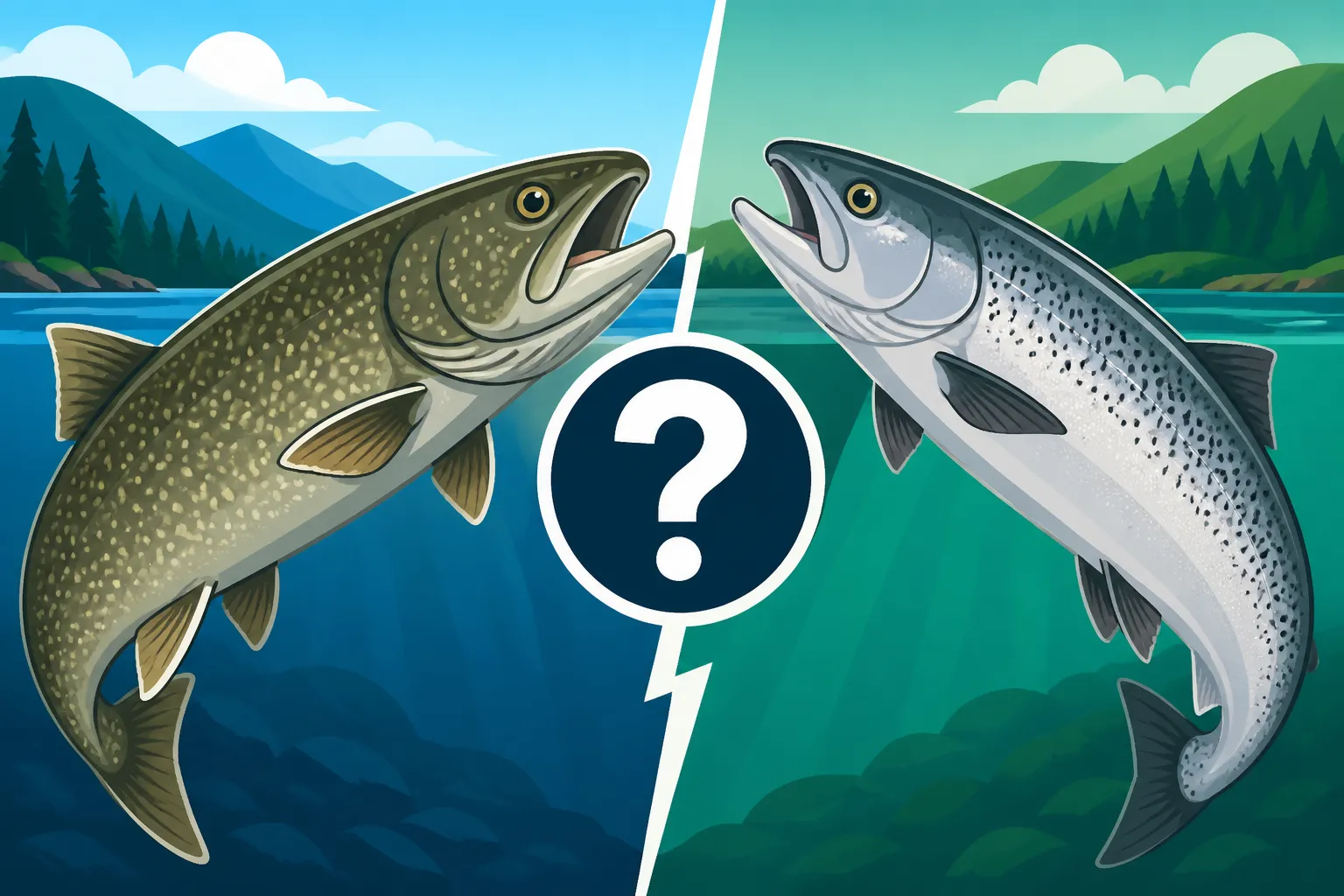
When comparing the average size of actively feeding fish caught by anglers, there's a good deal of overlap. You'll regularly encounter lake trout and landlocked salmon in the 2- to 8-pound range. However, when you start talking about those truly exceptional, once-in-a-lifetime catches – the kind that makes the local newspaper – the scales generally tip in favor of the lake trout.
New Hampshire's state records reflect this trend. Historically, the largest lake trout recorded in the state has significantly outweighed the largest landlocked salmon. While both species produce remarkable catches, the inherent biology of the lake trout, particularly its longer lifespan, gives it a distinct advantage in accumulating mass over many years. A landlocked salmon will put on size rapidly in its prime, offering exhilarating fights, but a laker simply has more years to grow and grow. You can dive into the exact numbers and where these records were set by exploring resources like New Hampshire State Fish Records by Species.
Here's a quick comparison of their general size potential:
| Feature | Lake Trout | Landlocked Salmon |
|---|---|---|
| Typical Catch | 2-10 lbs (often larger in trophy waters) | 2-6 lbs (8-12 lbs considered trophy) |
| Trophy Potential | 15-30+ lbs | 10-15 lbs |
| Maximum Size | Significantly larger (state record often 30+ lbs) | Smaller (state record typically 15-20 lbs) |
| Lifespan | Often 20-30+ years (can exceed 50) | Typically 5-8 years (max around 12-15) |
| Growth Rate | Slower, steady | Faster, especially in early years |
Factors Influencing Growth and Maximum Size
Several factors contribute to why lake trout, on average, have the potential to outgrow landlocked salmon in New Hampshire waters.
- Lifespan: This is perhaps the most significant factor. As mentioned, lake trout can live for decades, far outliving landlocked salmon. More years equate to more time to eat and grow, slowly but surely adding inches and pounds. A landlocked salmon, even with excellent forage, simply doesn't have the same biological clock to reach those extreme weights. If you're curious about the longevity of these fish, check out Life span of a landlocked salmon in the wild and Life span of a lake trout in New Hampshire lakes.
- Dietary Efficiency: While both rely heavily on smelt, lake trout are generally more robust and can consume a wider variety of prey items, including larger baitfish, as they grow. Their deep-water lifestyle means they often have access to abundant, consistent forage that may be less accessible to salmon in some parts of the water column. The sheer volume of food a fish consumes over a 30-year lifespan, compared to an 8-year lifespan, is staggering. For a detailed look at their diets, see What landlocked salmon eat in New Hampshire lakes and What lake trout eat in New Hampshire lakes.
- Habitat: New Hampshire's largest, deepest lakes provide ideal habitat for lake trout to grow to immense sizes without much competition at their preferred depths. These vast, cold environments offer thermal stability and abundant structure for these fish to thrive in solitude, undisturbed, for long periods. The sheer size of these lakes means fewer interactions with other predators, and plenty of room to roam and forage.
- Genetics: Like all species, there's a genetic component that dictates maximum growth potential. Lake trout simply possess the genetic blueprint to become larger and heavier than landlocked salmon. It's part of their natural evolution. Even a smaller lake trout will often have a more stout, stocky build compared to the more streamlined salmon.
So, while both are truly fantastic game fish, if your goal is strictly to pursue the heaviest freshwater fish New Hampshire has to offer, the lake trout holds the edge. For more context on how big they really get, articles like How big lake trout get in New Hampshire are very informative.
Angler's Perspective: What This Means for Your Fishing Trip
Knowing which species generally grows bigger isn't just a fun fact; it can genuinely influence how you approach your fishing trips in New Hampshire. Both fish offer unique challenges and incredible rewards, but setting your expectations based on their growth potential can make your time on the water even more satisfying.
Targeting Trophy Fish
If your ultimate goal is to land the heaviest possible freshwater fish in New Hampshire, a true trophy that will test your tackle and your stamina, then dedicating your efforts to targeting lake trout is likely your best bet. Be prepared for a different kind of fishing, though. Landing a big laker often involves deep-water trolling with specialized gear like downriggers or heavy lead core lines. It means spending hours on the water, meticulously covering deep structure and thermal breaks, and using substantial baits or lures designed to attract a fish that's been alive for decades. You'll need a stout rod and a strong reel, and patience is definitely a virtue. While an occasional monster might hit closer to the surface in spring or fall, the truly giant lake trout usually require getting down to their deep, cold domain.
Consider exploring the larger, deeper lakes that consistently produce big lakers. Articles like Best lakes for trophy lake trout in New Hampshire can give you some excellent starting points. Remember, this isn't light tackle fishing. You might need heavy trolling spoons or large swimbaits that you can find on sites like Amazon, ensuring they have the weight to get down deep. The fight with a large lake trout is often described as a deep, powerful tug-of-war, with the fish trying to stay in the depths, testing every inch of your line and every click of your drag.
Enjoying the Fight and the Experience
While lake trout might edge out salmon in raw poundage, that doesn't diminish the incredible experience of catching a landlocked salmon. Salmon are renowned for their blistering runs and aerial acrobatics. When a good-sized salmon hits your lure, whether you're trolling or casting, prepare for a heart-stopping fight that often involves multiple jumps and screaming reel drag. Their speed and agility make them an absolute thrill to catch, regardless of whether they weigh 5 pounds or 15. The sheer energy they expend in a fight is exhilarating.
Ultimately, the choice of which species to pursue often comes down to personal preference for the type of fight and the fishing style. If you love the challenge of finding and fighting a deep-water behemoth that battles with brute strength, go for the lakers. If you prefer the explosive, acrobatic display of a high-speed predator, the landlocked salmon is your fish. Many anglers find immense joy in targeting both, appreciating the unique qualities each species brings to the table. Whether you're carefully jigging for deep lake trout or aggressively trolling for cruising salmon, having the right gear is crucial. You can find robust trolling setups and a wide array of lures suitable for both species on platforms like Amazon, ensuring you're ready for whatever these magnificent fish throw at you. Regardless of which you chase, both fish provide an unforgettable experience on the beautiful waters of New Hampshire. For specific techniques, consider reading How to Catch Lake Trout in New Hampshire or How to Catch Landlocked Salmon in New Hampshire. Getting out on the water, enjoying the fresh air, and connecting with nature is, after all, a massive part of what makes New Hampshire fishing so special.
Disclaimer
This article is for general informational purposes only and does not constitute professional advice. Laws, prices and regulations vary by location and change over time. Consult a qualified professional for guidance on your specific situation.