Rainbow Trout Stocking in New Hampshire
It's an annual tradition for many, isn't it? The spring thaw brings with it that undeniable itch to get out on the water, especially when you know fresh fish have just been introduced. But figuring out exactly when and where those vibrant rainbow trout are headed, and how best to entice them, can sometimes feel like trying to solve a puzzle. This guide is all about demystifying rainbow trout stocking in New Hampshire, helping you understand the process, find the best spots, and hook into some of these beautiful fish.
The Why and How of Rainbow Trout Stocking in New Hampshire
New Hampshire, with its stunning landscape and abundant waterways, is a haven for anglers. However, not every water body can sustain a robust wild trout population due to various environmental factors. That's where stocking programs, particularly for rainbow trout, come into play. It's a proactive measure to ensure consistent fishing opportunities for residents and visitors alike, adding a layer of excitement to our fishing seasons.
Why Rainbow Trout Are Chosen for Stocking
Rainbow trout are practically rockstars in the world of stocked fish, and for good reason! First off, they adapt remarkably well to a variety of freshwater environments, making them ideal candidates for stocking across New Hampshire's diverse lakes, ponds, and rivers. They grow at a decent rate, which means they reach a catchable size relatively quickly after being introduced. This quick turnaround is crucial for maintaining angler interest and providing immediate fishing gratification.
Beyond their adaptability, rainbow trout are known for being quite aggressive feeders. This trait makes them a fantastic target for anglers of all skill levels, from beginners trying their hand at fishing for the first time to seasoned veterans looking for a consistent bite. When you drop a bait or cast a lure near a freshly stocked rainbow, there's a good chance it'll investigate, offering a thrilling strike. They also put up a respectable fight on the line, leaping and pulling with surprising vigor, which adds to the overall fun of the catch. And let's not forget, for those who enjoy fresh fish, rainbow trout are excellent table fare, with a delicate, flaky texture and mild flavor. This combination of resilience, catchability, fighting spirit, and taste makes them a prime choice for enhancing New Hampshire's recreational fisheries.
How Stocking Programs Operate
The New Hampshire Fish and Game Department is the unsung hero behind these stocking efforts. They operate several hatcheries throughout the state, where rainbow trout (along with other species like brook and brown trout) are raised from eggs to fingerlings and then to catchable-sized fish. This meticulous process ensures a healthy supply of fish ready for release. The stocking schedule itself is a carefully orchestrated ballet, designed to maximize angler success while also considering the ecological balance of the receiving waters.
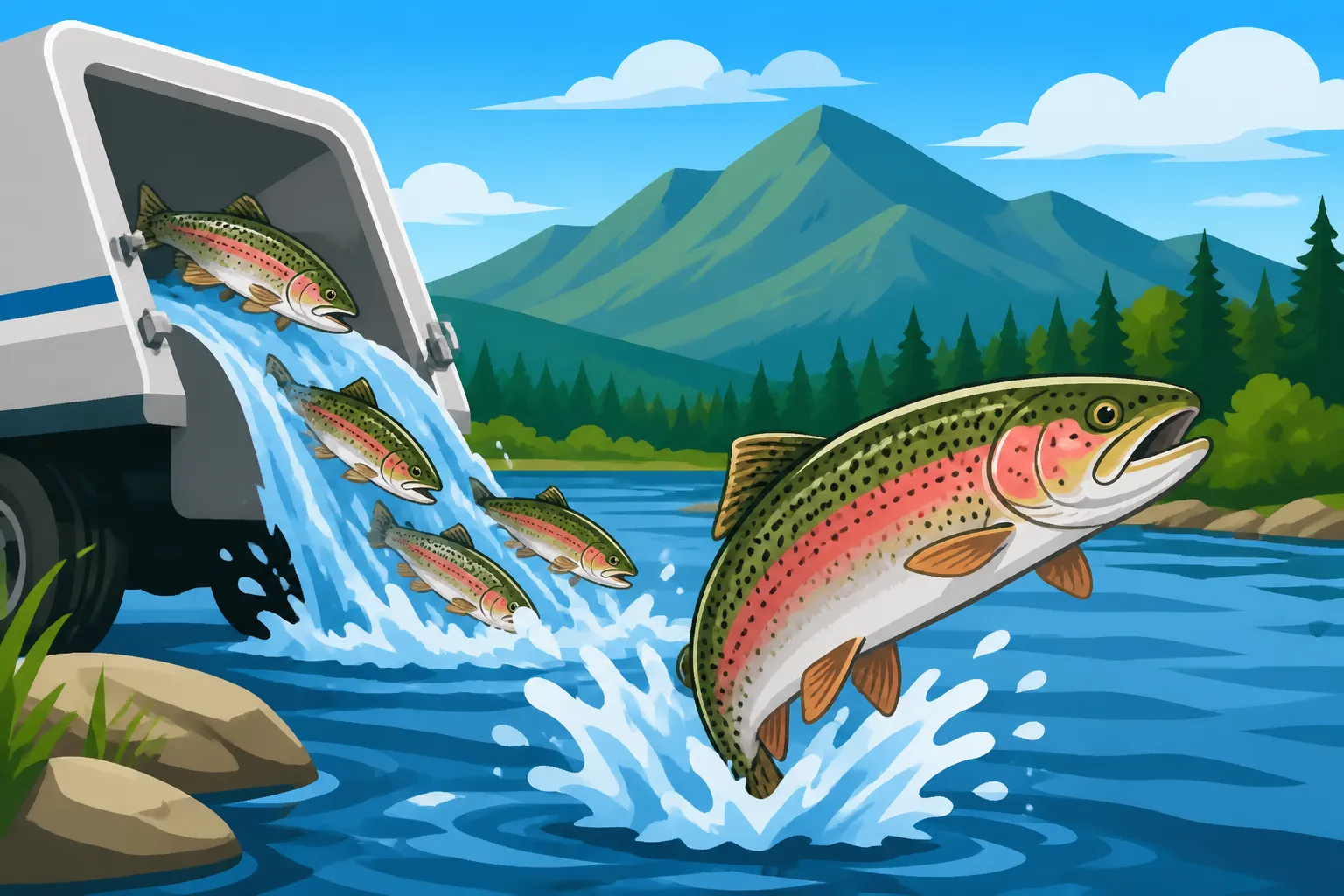
Typically, the bulk of rainbow trout stocking occurs in the spring, once ice-out conditions are stable and water temperatures begin to rise. You'll often find that certain ponds and smaller lakes get a substantial boost of rainbows, turning them into prime destinations for "opening day" or early season trout fishing. The department uses specialized stocking trucks to transport these fish, often releasing them at accessible points like boat ramps, public docks, or designated shore fishing areas. The goal is to distribute them widely and efficiently, making sure that many anglers have an opportunity to experience the joy of catching a freshly stocked rainbow. These programs are not just about putting fish in the water; they're about fostering a vibrant outdoor tradition and supporting the local economy through fishing tourism and gear sales.
Where to Find Stocked Rainbow Trout in New Hampshire
One of the most exciting parts of targeting stocked rainbow trout is the anticipation of finding that perfect spot. New Hampshire offers a wealth of options, from tranquil ponds to flowing rivers, each providing a unique angling experience. Knowing where to look and how to interpret the available information is key to a successful outing.
Understanding Stocked Waters: Lakes, Ponds, and Rivers
New Hampshire's stocking efforts are pretty comprehensive, meaning rainbow trout can be found in a wide array of water bodies. Smaller ponds and lakes are often the first to receive stockings, especially in early spring. These waters tend to warm up faster and are more easily accessible for stocking trucks. Think of places like Dublin Pond, Goose Pond, or places known for family-friendly fishing access. They become vibrant hubs of activity shortly after a stocking event. For anglers seeking a more relaxed experience, these smaller waters are fantastic, often allowing for easy shore access or small boat/kayak fishing.
Rivers and larger lakes also receive their share of rainbows, though the dynamics can be a bit different. In rivers, stocked trout might disperse more quickly, challenging anglers to locate them in runs, pools, and eddies. Larger lakes, like some of the smaller coves or arms of Lake Winnipesaukee, might see stockings to supplement existing populations, offering a broader array of fishing conditions. It's always a good idea to consult resources like the List of New Hampshire stocked trout waters to get a clear picture of which specific locations are targeted each season. Some waters are managed as "put-and-take" fisheries, meaning they are stocked primarily for anglers to harvest, while others might have regulations designed to encourage catch and release or manage fish populations differently.
How to Access Stocking Information and Reports
You don't have to fish blindly or rely on rumor! The New Hampshire Fish and Game Department provides incredibly useful resources to help anglers pinpoint stocking locations and dates. Their official website is your best friend here. They typically publish a detailed stocking report that lists the specific water bodies, the species stocked, and the dates of release. This information is usually updated regularly throughout the stocking season.
I always recommend bookmarking their "Trout Stocking Report" page. It’s like getting a cheat sheet for where the action will be. You can often filter by county or water body, making it easy to find spots close to home or near your vacation destination. Pay close attention to these reports, especially in the spring, as stocking dates can sometimes shift due to weather or hatchery conditions. Knowing that information allows you to plan your trips effectively. You can also find broader regulatory information by checking out the New Hampshire Trout Stocking and Fishing Rules or picking up a copy of the annual Reading the New Hampshire Freshwater Fishing Digest, which contains all the nitty-gritty details you'll need to fish legally and successfully.
The Best Times and Techniques for Catching Stocked Rainbows
Catching stocked rainbow trout is often about timing and presentation. These fish, fresh from the hatchery, behave a bit differently than their wild counterparts, and understanding their habits post-stocking can dramatically improve your success rate.
Seasonal Opportunities for Stocked Trout
The prime time for catching stocked rainbow trout in New Hampshire is undoubtedly the spring. As soon as the ice leaves the lakes and ponds, and sometimes even before that in rivers that remain open, the New Hampshire Fish and Game Department gets busy with its stocking trucks. Early spring, usually from April into May, is when the majority of these fish are released. The water temperatures are cool, the fish are often still grouped up from the stocking process, and they're usually quite hungry. This period offers some of the most consistent action, especially for anglers using simple bait setups.
As the season progresses into summer, the fishing can change. In smaller, shallower ponds, the water can warm up, making trout less active and pushing them into deeper, cooler pockets if available. In larger lakes and rivers, they might disperse more and settle into natural holding patterns. Fall can also offer excellent opportunities, especially in larger water bodies or rivers that receive late-season stockings, as the trout become more active again with cooling temperatures before winter sets in. For specific dates and a better idea of when to plan your outings, keep an eye on the New Hampshire Trout Stocking Report and Map.
Go-To Baits and Lures for Freshly Stocked Fish
When it comes to enticing freshly stocked rainbow trout, simplicity often wins the day. These fish are used to a hatchery diet, so they're not always picky about what they eat initially, but presentation still matters.
Natural Baits:
- Worms: Good old nightcrawlers or garden worms are perennial favorites. Thread them onto a small hook (size 8 or 10 is usually good) with a light split shot or a small bobber, and let it drift naturally. The scent and movement are irresistible.
- PowerBait (or similar dough baits): These brightly colored, scented dough baits are incredibly effective because they often mimic the hatchery pellets the trout were raised on. Form a small ball around your hook, making sure the hook point is covered, and fish it on the bottom with a small sinker or suspend it under a bobber. Different colors work on different days, so it's good to have a few options in your tackle box.
- Corn or Marshmallows: Believe it or not, these pantry staples can be surprisingly effective, especially when fished under a bobber or on the bottom. The bright colors and unique textures can trigger strikes from curious trout.
Artificial Lures:
- Spinners: Small inline spinners like Mepps, Panther Martins, or Thomas Buoyants are deadly for stocked rainbows. Their flashing blades and vibrating action mimic small baitfish or insects. Cast them out and retrieve steadily, varying your speed until you find what the fish prefer.
- Spoons: Tiny Kastmasters or Phoebe spoons, especially in silver, gold, or brass, are excellent. Their wobbling action is very enticing.
- Jigs: Small marabou jigs or Gulp! Minnow imitations can also be very productive, especially when tipped with a piece of worm or PowerBait.
Remember, stocked trout are often quite active shortly after release. They might be cruising shorelines or suspended higher in the water column as they adjust to their new environment. Don't be afraid to experiment with different depths and retrieves until you find the pattern that works. For a deep dive into successful strategies, check out How to catch trout right after stocking in New Hampshire and Best bait for opening day trout in New Hampshire.
Gear Essentials for New Hampshire Rainbow Trout Anglers
Having the right gear doesn't just make fishing easier; it makes it more enjoyable and dramatically increases your chances of success. You don't need to break the bank for stocked rainbow trout, but a few key pieces will serve you well. Many of these items are readily available online through retailers like Amazon, offering convenience and a wide selection.
Rods, Reels, and Line for Stocked Trout
For most stocked rainbow trout fishing in New Hampshire, you'll want a light to ultralight setup. This combination offers sensitivity for detecting subtle bites and provides maximum fun when a trout puts up a fight.
- Rods: A spinning rod between 5'6" and 6'6" in length with a light or ultralight action is ideal. This length provides good casting distance without being unwieldy, especially if you're fishing from shore or in tight spots with overhead cover. The lighter action allows the rod to bend deeply, absorbing the sudden runs and leaps of a trout, preventing hooks from pulling out.
- Reels: Pair your light rod with a small spinning reel, typically in the 1000 or 2000 size class. These reels are lightweight and balance well with ultralight rods, making them comfortable to cast all day. They also have a smooth drag system, which is crucial for fighting energetic trout on light line.
- Line: Spool your reel with 4 to 6-pound test monofilament or fluorocarbon line. Monofilament is a great all-around choice due to its affordability, good knot strength, and a bit of stretch that acts as a shock absorber. Fluorocarbon, while a bit more expensive, is nearly invisible underwater and has less stretch, offering more sensitivity. If you plan to use braided line, which offers incredible sensitivity and casting distance, I'd recommend a very light braid (6-10 lb test) with a 4-6 lb fluorocarbon leader. A good quality fishing line from a brand like Sufix or Berkley can make a real difference, and you'll find plenty of options on Amazon.
This setup is versatile enough for everything from casting small spinners to soaking bait under a bobber. For more specific recommendations, our guide on Best Gear for New Hampshire Trout Fishing can offer additional insights.
Terminal Tackle and Accessories for Success
Beyond your rod and reel, a few essential terminal tackle items and accessories will ensure you're prepared for whatever the trout throw at you.
- Hooks: A selection of small, sharp hooks is critical. Sizes 8, 10, and 12 are generally perfect for worms, PowerBait, and corn. Consider both bait holder hooks (which have small barbs on the shank to keep bait from sliding off) and small treble hooks if you're using PowerBait specifically designed for them.
- Weights: A variety of split shot weights will allow you to adjust your bait's sink rate and depth. Keep a small assortment from BB size up to 1/8 oz. If you're fishing on the bottom, a few small egg sinkers or bullet weights will also come in handy.
- Bobbers: Small bobbers are indispensable for presenting baits at a specific depth and indicating subtle bites. A mix of slip bobbers (for deeper presentations) and fixed clip-on bobbers will cover most situations.
- Swivels: Small barrel swivels or snap swivels (size 10-14) can help prevent line twist, especially when using spinners.
- Lures: As mentioned earlier, a small collection of inline spinners (1/8 to 1/4 oz) and tiny spoons (1/16 to 1/8 oz) in various colors (silver, gold, copper, firetiger) will give you plenty of options. These are all widely available on Amazon.
- Pliers/Forceps: A small pair of needle-nose pliers or fishing forceps is essential for safely removing hooks from trout, especially if you plan on practicing catch and release.
- Net: A small, soft-mesh landing net is incredibly helpful for landing fish quickly and minimizing stress on the trout, particularly for catch-and-release.
- Tackle Box/Bag: To keep all your hooks, weights, and lures organized, a small tackle box or a convenient tackle bag (many good options available on Amazon) is a must.
This basic setup will get you started catching stocked rainbow trout and will be useful for a variety of other panfish and smaller game fish you might encounter in New Hampshire waters. Always remember to check the New Hampshire Fishing Regulations Explained before heading out, as specific water bodies might have unique gear restrictions or catch limits.
Managing Your Expectations: Stocked vs. Wild Trout
It's easy to lump all trout together, but there's a distinct difference between a rainbow trout fresh out of a hatchery truck and a wild, stream-bred trout. Understanding these differences can help you refine your techniques and appreciate the unique experience each type of fish offers.
Differences in Behavior and Fight
The first thing you'll often notice about a freshly stocked rainbow trout is their general "friendliness." Having spent their lives in a hatchery environment, they're accustomed to a consistent feeding schedule and aren't as wary or skittish as their wild counterparts. This often translates to a more aggressive bite initially, as they're hungry and less cautious. They might also be found cruising in more open water or closer to shore immediately after stocking, before they've had a chance to disperse and find natural cover.
In terms of their fight, stocked rainbows are certainly energetic! They'll often put on an exciting display of leaps and head shakes, making for a thrilling retrieve. However, a wild trout, especially one that has spent its life battling currents and evading predators, often possesses a more sustained, powerful run and a deeper, more ingrained instinct for survival. You might find a wild brook or brown trout to be incredibly strong for its size, leveraging the current and structure to its advantage. Stocked trout can be a fantastic way to introduce new anglers to the sport because of their willingness to bite and spirited fight, providing immediate gratification and building confidence. They’re a true testament to the Fish and Game Department's commitment to accessible fishing.
Catch Limits and Conservation for Stocked Waters
Because stocked rainbow trout are primarily introduced to provide recreational fishing opportunities, the regulations often reflect a "put-and-take" management philosophy. This means that while there are still specific rules, the intent is for anglers to harvest these fish. The New Hampshire daily trout limit often applies to stocked waters, allowing anglers to keep a certain number of fish per day. It’s crucial to know these numbers, as they can sometimes vary slightly by water body or whether the trout are wild or stocked.
While the primary goal of stocking is harvest, it's still important to practice ethical angling. If you're planning to release any fish, handle them gently, minimize their time out of the water, and use a soft-mesh net to protect their fins and slime coat. Stocking programs are a fantastic way to ensure everyone has a chance to enjoy New Hampshire's fishing, and adhering to the rules helps ensure these opportunities continue for future generations. Don't forget that if you're over the New Hampshire fishing license age requirements, you'll need a valid license, even for stocked ponds! This helps fund these incredible stocking programs.
Rainbow trout stocking in New Hampshire is a fantastic program that brings joy to countless anglers each year. Whether you're a seasoned veteran or just starting out, targeting these vibrant fish offers a rewarding experience in some of the most beautiful natural settings. By staying informed about stocking schedules, using effective techniques, and respecting the regulations, you're well on your way to a memorable day on the water.
Disclaimer
This article is for general informational purposes only and does not constitute professional advice. Laws, prices and regulations vary by location and change over time. Consult a qualified professional for guidance on your specific situation.