New Hampshire State Fish Records by Species
Every angler dreams of landing that one fish, the kind that makes your heart pound and your friends green with envy. But what about the fish that writes your name in the history books? Chasing a state record in New Hampshire can feel like a daunting task, shrouded in mystery about what it takes and where to even begin. This comprehensive guide will pull back the curtain on New Hampshire's official state fish records, detailing the species, the current benchmarks, and how you can prepare yourself for a shot at eternal angling glory.
The Lure of the Record Book: Why Anglers Chase Immortality
There's something uniquely captivating about a state record. It’s not just about the size of the fish, although that's certainly a huge part of it. It's about the culmination of skill, persistence, a little bit of luck, and the sheer joy of knowing you've outwitted a true giant. For many, it's the ultimate angling achievement, a testament to a lifetime spent on the water, or perhaps a single, unforgettable day. The record books are a chronicle of the best of the best, a benchmark that inspires countless hours of casting, trolling, and waiting.
It's a goal that transcends the simple act of fishing; it becomes a quest. Anglers pour over maps, study species behavior, experiment with new techniques, and invest in specialized gear, all with the hope of encountering that one exceptional fish. The stories of these record-breakers become legends, passed down through generations, fueling the dreams of future anglers who yearn to see their own names etched in New Hampshire's fishing lore. It’s a shared passion, a collective aspiration that unites the fishing community, even as they compete for the top spot.
More Than Just Bragging Rights
While bragging rights are definitely a perk, the pursuit of a state record often goes deeper than that. For many, it's about pushing personal boundaries, mastering a craft, and connecting with the natural world in a profound way. The effort required to land a truly monumental fish often involves deep knowledge of the species, its habitat, and the specific water body. It forces anglers to become better observers, more patient, and more resourceful.
Beyond personal achievement, record catches can also contribute valuable data to wildlife management agencies. While not every fish caught is analyzed, the circumstances surrounding a record-breaking catch—the location, the time of year, the conditions, and the gear used—can sometimes offer insights into fish populations, health, and behavior that are helpful for conservation efforts. It reminds us that our passion for fishing is intertwined with the health of the aquatic ecosystems we cherish. It’s a powerful motivator to not only fish hard but also to fish responsibly and advocate for healthy waterways.
Understanding the New Hampshire Fish and Game Process
So, you've caught a monster. Now what? You can't just snap a picture and declare it a record. The New Hampshire Fish and Game Department has a very specific, detailed process to officially recognize a state record catch. This isn't about making it difficult; it's about ensuring accuracy, fairness, and the integrity of the record book. You need to be prepared before you even hook that fish of a lifetime.
First and foremost, the fish must be legally caught in New Hampshire waters. This means adhering to all New Hampshire Fishing Regulations Explained, including having the appropriate New Hampshire Fishing License Guide for 2026. The fish must be weighed on a certified scale, usually found at local general stores, post offices, or meat markets, and typically witnessed by at least two people. Length and girth measurements are also crucial, often requiring a suitable measuring tape and a flat surface. Documentation, including photographs and a completed application, is paramount. Missing even a small detail can disqualify an otherwise legitimate record contender, which can be incredibly frustrating after all that effort.
New Hampshire's Freshwater Giants: State Records by Species
New Hampshire's diverse freshwater environments, from glacial lakes to rushing mountain streams, host an incredible array of fish species. Each has its own unique record, a benchmark for anglers to aspire to. Understanding these records and the characteristics of each species is the first step in targeting a potential lunker. The sheer variety means there’s a record for almost every type of angler, whether you prefer battling a powerful salmon in deep water or delicately presenting a fly to a native brook trout.
The records reflect the ecological health and history of New Hampshire's waterways. Some records have stood for decades, representing fish from an era when certain species might have grown larger due to less fishing pressure or different environmental conditions. Others might be more recent, indicating successful management strategies or newly discovered prime habitats. Each record tells a story, not just of the fish, but of the lake or river it came from.
Landlocked Salmon: The Silver Bullet
New Hampshire's landlocked salmon are revered for their stunning acrobatics, powerful runs, and challenging nature. These fish are essentially Atlantic salmon that have adapted to live their entire lives in freshwater. They are typically found in the deeper, colder lakes of the state, feeding primarily on rainbow smelt. The pursuit of landlocked salmon often involves trolling with specialized gear, covering vast expanses of water. Landlocked Salmon Fishing in New Hampshire is a true test of an angler's patience and skill.
The current state record for landlocked salmon is a truly impressive specimen, a testament to the growth potential in prime lakes like Winnipesaukee, Sunapee, and Newfound. Anglers targeting this record typically use downriggers or lead core line to get lures and bait down to the depths where these cold-water predators lurk, often in excess of 40-60 feet during the warmer months. Successful record chasers often spend countless hours perfecting their trolling speeds, lure choices, and presentation, knowing that one slight adjustment can make all the difference.
Lake Trout: Deep Water Dynamos
Lake trout are the undisputed kings of New Hampshire's deep, cold lakes. These prehistoric-looking fish can grow to immense sizes, boasting powerful shoulders and a relentless fighting spirit. They are long-lived and slow-growing, making a true trophy lake trout a fish of many seasons. Found in the deepest sections of lakes like Winnipesaukee and Newfound, they too rely heavily on smelt populations for sustenance, leading to substantial weight gains. Lake Trout Fishing in New Hampshire is an endeavor often undertaken with heavy tackle and specialized electronics.
The state record lake trout is a true behemoth, a testament to the cold, oxygen-rich waters of New Hampshire's deepest lakes. Anglers targeting these leviathans often employ heavy-duty trolling rods and reels, sometimes spooled with braided line for maximum sensitivity, all of which can be found on platforms like Amazon. They use large spoons, stickbaits, or live bait (like smelt) presented near the bottom or suspended over deep structure. Identifying these deep-water haunts with a good fish finder is critical, as lake trout can be elusive, moving between rock piles, humps, and thermoclines.
Brook Trout: The Native Gem
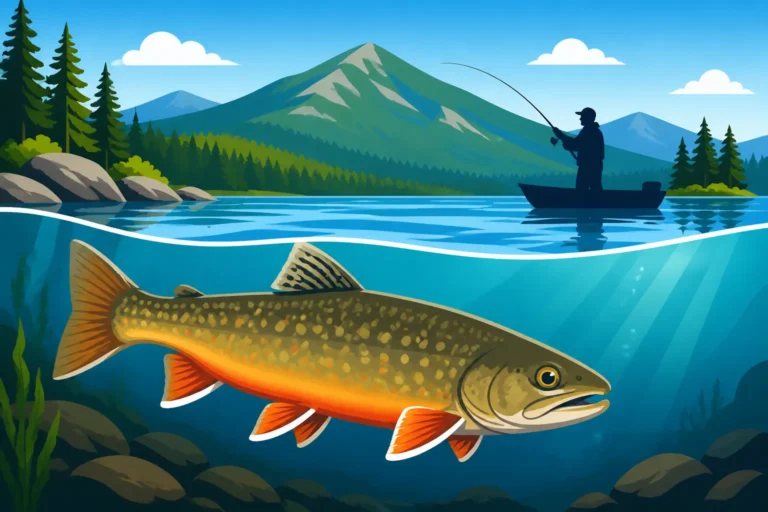
The brook trout holds a special place in the hearts of New Hampshire anglers. It is the state's only native trout species, celebrated for its vibrant colors and preference for pristine, cold, oxygenated streams and ponds. While generally smaller than their salmonid cousins, a truly large brook trout is a rare and highly sought-after prize. Pursuing Brook Trout: New Hampshire's Native Trout often involves hiking into remote areas, fly fishing with delicate presentations, or carefully drifting small worms.
The state record brook trout, while perhaps not as heavy as a lake trout or salmon, represents a monumental achievement given the species' typical size. This record fish likely came from a remote, wild pond or a specially managed "trophy" brook trout water, where conditions allow them to grow exceptionally large. Anglers hoping to break this record often focus on areas with minimal pressure, using ultralight gear and subtle tactics. It’s a quest that rewards patience, stealth, and a deep appreciation for wilderness.
Rainbow Trout: Vibrant Introductions
Rainbow trout, originally native to the Pacific drainages, have been extensively stocked in New Hampshire's lakes and rivers for decades. They are popular with anglers due to their spirited fight and willingness to strike a variety of baits and lures. While many stocked rainbows are caught shortly after release, some survive to become "holdovers," growing to impressive sizes in productive waters. They offer exciting opportunities for anglers of all skill levels.
The state record rainbow trout showcases the potential for these introduced fish to thrive in New Hampshire. These larger specimens are often found in waters that provide ample food and consistent cold-water refuges. Successful anglers targeting trophy rainbows often use slightly heavier tackle than for brook trout, employing larger spoons, spinners, or power bait, especially in recently stocked ponds or deep lakes where they have a chance to grow. It’s a testament to good fishery management and the adaptability of this popular game fish.
Brown Trout: European Heavyweights
Another introduced species, brown trout, are known for their cunning, hard fighting, and ability to grow to substantial sizes, particularly in rivers with good forage bases. They are more tolerant of warmer water temperatures than brook trout and often inhabit larger rivers and some lakes. Brown trout can be incredibly elusive, making a trophy brown trout a prized catch for any angler. Their nocturnal feeding habits can also make them a challenge.
The state record brown trout is a true heavyweight, likely caught in one of New Hampshire's larger river systems or a lake that supports a robust baitfish population. Anglers aiming for this record often employ a diverse range of techniques, from fly fishing with large streamers to casting plugs and jerkbaits, or even drifting live shiners. Targeting these fish often means fishing during low light conditions—dawn, dusk, or even at night—when these wary predators are more active and less cautious. Access to quality gear, including reliable fishing line and sturdy rods, easily found on Amazon, can be crucial.
The Bass Kingdom: Largemouth and Smallmouth Records
New Hampshire's warmer waters are dominated by two iconic species of bass: largemouth and smallmouth. Both offer thrilling fishing experiences, but they differ significantly in their preferred habitats and fighting styles. Chasing a record bass in New Hampshire requires understanding these nuances and adapting your approach accordingly. The bass records are a testament to the quality of warm-water fishing available in the Granite State, drawing countless anglers to its lakes and ponds each season.
These records highlight the potential for true giants in specific bodies of water. Anglers often spend years, if not decades, studying local patterns, structure, and forage in their quest for a trophy bass. It's a game of intricate details, where subtle changes in retrieve speed, lure color, or presentation can make all the difference between an average catch and a record contender. The competition for these records is fierce, driven by the sheer popularity of bass fishing.
Largemouth Bass: Masters of the Weeds
The largemouth bass is the quintessential warm-water predator, known for its explosive strikes and preference for heavy cover. You'll find them lurking in lily pads, dense weed beds, submerged timber, and around docks in ponds and slower-moving rivers. Their wide, bucket-like mouths are perfectly adapted for engulfing prey, from baitfish to frogs and even small birds. Catching Largemouth Bass Fishing in New Hampshire often involves pitching and flipping techniques, targeting specific pieces of cover.
The state record largemouth bass is a true monster, representing a fish that has thrived in an exceptionally rich environment. Anglers targeting this record typically use heavy action rods, stout braided line, and robust lures designed to penetrate thick cover, such as Texas-rigged worms, jigs with weed guards, or topwater frogs. Patience is key, as these fish often sit patiently in their ambush points, waiting for the perfect meal to swim by. Identifying these prime ambush locations through careful observation and sonar can lead to that record-breaking bite.
Smallmouth Bass: River and Lake Warriors
Smallmouth bass are often considered the "bronze backs" of New Hampshire, revered for their powerful, acrobatic fights in open water. Unlike their largemouth cousins, smallmouth prefer cooler, clearer waters, often found on rocky points, humps, and along current breaks in lakes and rivers. They are aggressive feeders, eagerly chasing down baitfish and crayfish. Smallmouth Bass Fishing in New Hampshire is an exciting experience that can range from furious topwater action to deep-water finesse presentations.
The state record smallmouth bass demonstrates the impressive growth potential of this species in New Hampshire's larger lakes, such as Winnipesaukee and Squam, and major river systems. Anglers pursuing this record often employ a mix of techniques, including casting crankbaits, jerkbaits, spinnerbaits, or soft plastics like tube jigs and dropshots. Locating key underwater structure is paramount, and a quality fish finder can be an angler's best friend. When a record smallmouth hits, be prepared for a fight that often involves multiple jumps and powerful runs, testing the drag system of your reel to its limits.
Panfish and Other Notables: Diverse New Hampshire Catches
While salmon, trout, and bass often steal the spotlight, New Hampshire's waters are also home to a fantastic array of panfish and other species that can grow to impressive sizes, offering accessible and exciting angling for all. These often-overlooked species have their own dedicated fan bases and, of course, their own state records. Chasing these "smaller" records can be just as rewarding, often requiring a different set of skills and a keen eye for detail.
These records underscore the rich biodiversity of New Hampshire's aquatic ecosystems. From the feisty chain pickerel to the humble yet delicious horned pout, each species plays a vital role in the food web and offers a unique challenge to anglers. The pursuit of these records often involves lighter tackle, making the fight feel even more intense, and can be a fantastic way to introduce new anglers to the thrill of a big catch.
Chain Pickerel: The Freshwater Barracuda
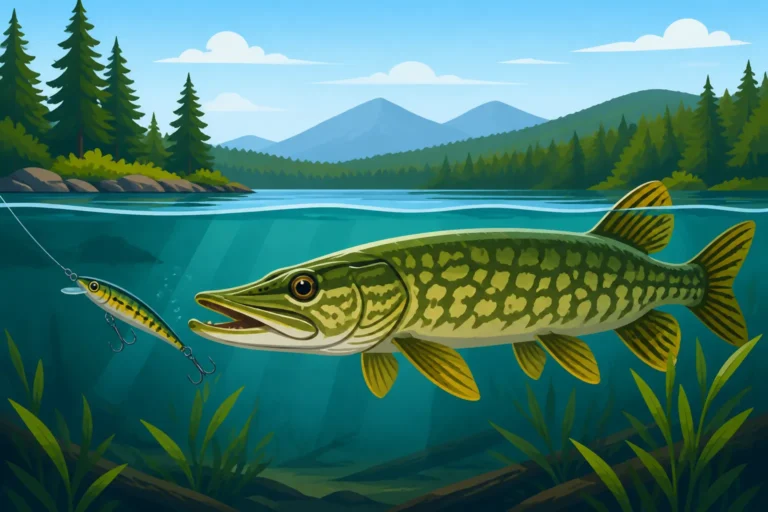
The chain pickerel is a long, slender predator with a distinctive chain-like pattern on its sides and a mouth full of needle-sharp teeth. They are abundant in many of New Hampshire's weedy ponds and slower rivers, where they lie in ambush for unsuspecting baitfish, frogs, and even small rodents. Chain Pickerel Fishing in New Hampshire is known for its explosive strikes and spirited, if sometimes short-lived, fights. They are aggressive and often willing to bite.
The state record chain pickerel is a true gator of the weeds, a fish that has grown to a formidable size by preying on everything it can fit into its mouth. Anglers targeting this record often use spoons, spinnerbaits, or live shiners fished in and around heavy cover. Because of their sharp teeth, a steel leader or heavy fluorocarbon leader is a must to prevent bite-offs. Landing a record pickerel requires a strong hookset and careful handling to avoid their formidable dental work.
Black Crappie: Panfish with a Punch
Black crappie are widely considered one of the finest-eating panfish, and they also offer excellent sport. They are schooling fish, often found suspended around submerged brush piles, docks, and standing timber in lakes and ponds. Crappie have delicate mouths, requiring a gentle touch on the hookset, but they fight surprisingly hard for their size. Black Crappie in New Hampshire Waters provides year-round action, especially popular during the ice fishing season.
The state record black crappie represents an exceptionally large individual, likely caught from a lake with a stable crappie population and abundant forage. Anglers seeking this record often use ultralight tackle, small jigs, minnows, or tiny spinners, presented precisely to the schools of fish. During the spawn, they can be found in shallower water, but at other times, a fish finder is invaluable for locating submerged structure where they congregate. A record crappie is a truly impressive catch for a panfish enthusiast.
Yellow Perch and White Perch: Everyday Delights
Yellow perch, with their distinctive vertical stripes, and white perch, with their silvery flanks, are two of New Hampshire's most common and popular panfish. They are prolific, found in most lakes and ponds, and provide consistent action for anglers of all ages. Both species are excellent table fare, making them a favorite target. They are often targeted during the winter ice fishing season, but can be caught year-round.
The state records for both yellow and white perch highlight that even common species can produce true giants. These record fish are likely older, larger individuals that have managed to avoid predators and anglers for many years. To target these records, anglers typically use ultralight gear, small jigs tipped with bait (like worms or grubs), or tiny minnows. Fishing in deeper water or targeting larger schools where competitive feeding occurs can sometimes yield a larger-than-average specimen.
Horned Pout (Bullhead): Bottom-Dwelling Favorites
The horned pout, or bullhead, is a beloved species for many New Hampshire anglers, particularly those who enjoy a relaxing evening by the water. These whiskered bottom-dwellers are known for their willingness to bite, strong pulling power, and excellent flavor. They thrive in muddy-bottomed ponds and slow-moving rivers, feeding on a wide variety of detritus and small invertebrates. They are often caught after dark.
The state record horned pout is a truly massive bullhead, a testament to the species' ability to grow in nutrient-rich environments. Anglers pursuing this record typically use simple bottom-fishing rigs with worms, corn, or stink baits, fished directly on the bottom. While not as glamorous as chasing trout or salmon, landing a record horned pout offers a unique sense of accomplishment and a fantastic meal. Patience is often the biggest virtue when targeting these nocturnal feeders.
| Species | Approximate Record Weight | Habitat Type | Common Lures/Baits |
|---|---|---|---|
| Landlocked Salmon | 18 lbs | Deep, Cold Lakes | Smelt, Spoons, Stickbaits |
| Lake Trout | 28 lbs | Deep, Cold Lakes | Smelt, Large Spoons, Trolling Plugs |
| Brook Trout | 5 lbs | Cold Streams, Ponds | Flies, Worms, Small Spinners |
| Rainbow Trout | 10 lbs | Stocked Lakes, Rivers | PowerBait, Worms, Spinners |
| Brown Trout | 18 lbs | Rivers, Cooler Lakes | Streamers, Plugs, Shiners |
| Largemouth Bass | 10 lbs | Weedy Ponds, Shallow Lakes | Jigs, Worms, Topwater Frogs |
| Smallmouth Bass | 7 lbs | Rocky Lakes, Rivers | Crankbaits, Tube Jigs, Jerkbaits |
| Chain Pickerel | 8 lbs | Weedy Ponds, Slow Rivers | Spoons, Spinnerbaits, Shiners |
| Black Crappie | 3 lbs | Brush Piles, Docks | Small Jigs, Minnows |
| Yellow Perch | 2 lbs | Lakes, Ponds | Worms, Grubs, Small Jigs |
| White Perch | 2 lbs | Lakes, Ponds, Estuaries | Worms, Minnows, Small Jigs |
| Horned Pout | 5 lbs | Muddy Ponds, Slow Rivers | Worms, Corn, Stink Baits |
Note: The weights provided are illustrative and reflect general record magnitudes. Specific official weights fluctuate and should always be verified with the NH Fish and Game Department for the most current figures.
Saltwater Thrills: Coastal New Hampshire Records
While New Hampshire might have a relatively short coastline compared to some other states, its saltwater fisheries are vibrant and offer exciting opportunities for trophy catches. The state's coastal waters, particularly around Great Bay and the Piscataqua River estuary, are magnets for migratory species that can grow to impressive sizes. For anglers who love the tug of a powerful fish from the sea, these records represent the ultimate challenge in the Granite State.
The saltwater records are often dynamic, changing with fish migrations, environmental conditions, and fishing pressure. Breaking a saltwater record often means battling not just the fish, but also the unpredictable forces of the ocean, including tides, currents, and weather. It requires a different type of knowledge and gear, but the reward of landing a true ocean giant is unparalleled.
Striped Bass: The Ultimate Coastal Gamefish
The striped bass is the undisputed king of New Hampshire's saltwater gamefish. These powerful, migratory predators enter New Hampshire's coastal waters, including the productive Great Bay Fishing Guide for Striped Bass, during the warmer months, chasing baitfish like mackerel, herring, and sand eels. Stripers are known for their hard fights, strong runs, and incredible stamina, making them a top target for surfcasters, boat anglers, and kayakers alike. Catching a trophy striper is a badge of honor for any coastal angler.
The state record striped bass is an absolute leviathan, representing a fish that has made numerous migrations and grown to a truly epic size. Anglers targeting this record typically use heavy surf casting gear, boat rods, or stout conventional setups, deploying large plugs, poppers, live bait (like mackerel or eels), or chunks of bait. Fishing prime locations at strategic times, such as around tide changes or during baitfish migrations, greatly increases the odds. A truly large striper will test every component of your tackle, from the strength of your knots to the smooth functioning of your reel's drag.
Other Salty Contenders: Bluefish and More
Beyond striped bass, New Hampshire's coastal waters host other species that offer exciting record-breaking potential. Bluefish, for instance, are ferocious predators known for their aggressive strikes and razor-sharp teeth. While not as revered as stripers, a large bluefish can provide an exhilarating fight and is a worthy target for any angler. Other species, like various flounder or even some shark species, also have their own state records, though they are often pursued by a more niche group of anglers.
Each of these species presents its own unique challenge and requires specific gear and tactics. For bluefish, durable lures and heavy leaders are essential due to their destructive bite. For bottom fish like flounder, a simple bait rig fished on the seafloor is usually effective. Regardless of the target, saltwater fishing demands robust tackle, resistant to corrosion, and often a keen understanding of tidal movements and coastal structures. Exploring tackle options on Amazon can reveal a wide range of specialized saltwater gear to handle these powerful fish.
What it Takes to Break a Record: Preparation and Persistence
Breaking a state fish record isn't just about luck; it's a combination of meticulous preparation, strategic fishing, and unwavering persistence. While you can't guarantee a record-breaking bite, you can significantly increase your odds by understanding the specific requirements and putting in the necessary effort. It's a journey that demands dedication, research, and a willingness to learn from every outing. Many record catches are the culmination of years of angling experience.
Think of it like training for a marathon. You wouldn't just show up on race day without preparation. Similarly, you wouldn't head out on the water hoping for a record without having done your homework. This involves everything from understanding fish behavior to having the right equipment and knowing the official rules. The more prepared you are, the more likely you are to seize the opportunity when it finally presents itself.
Gear and Tactics for Record-Breaking Fish
To target record-sized fish, you often need to upgrade your gear and refine your techniques. Standard tackle might suffice for everyday catches, but a true lunker will put immense strain on your equipment. This means investing in heavier rods with strong backbones, reels with smooth, powerful drags, and high-quality, fresh fishing line. For species with sharp teeth, like chain pickerel or bluefish, steel leaders are non-negotiable. For others, a strong fluorocarbon leader might be preferred for its invisibility.
Beyond tackle, consider specialized equipment. A robust, certified scale that can handle heavy weights is a must for immediate, accurate measurement. A long, sturdy measuring tape and a flat, wet surface for quick, safe measurement are also critical. For deep-water species, a high-quality fish finder is invaluable for locating structure and baitfish. Researching specific baits and lures known to entice larger specimens of your target species is also crucial. Sometimes, it's not just about what you use, but how you present it—slow, deliberate retrieves for wary fish, or aggressive, erratic movements for active predators. Looking into what seasoned anglers recommend on platforms like Amazon can give you a starting point for specialized gear.
Official Rules and Documentation: Don't Miss a Step
Catching the fish is only half the battle; getting it certified is the other, equally important, half. Familiarize yourself thoroughly with the New Hampshire Fish and Game Department's official record application process. This means knowing exactly what information is required, including:
- Weight: The fish must be weighed on a state-certified scale (e.g., at a grocery store, tackle shop, or post office). Make sure the scale has been recently inspected.
- Measurements: Accurate length and girth measurements are essential.
- Witnesses: Typically, two independent witnesses are required to verify the catch and weighing process.
- Photographs: Clear, well-lit photographs of the fish, angler, and measurements are critical for documentation. Take multiple angles, showing the entire fish.
- Species Identification: Be absolutely certain of the species. If there's any doubt, consult with a Fish and Game biologist.
- Application Form: Fill out the official record application completely and accurately.
It's a good idea to have a plan in place before you even go fishing. Know where your nearest certified scale is located. Have a camera ready. Understand the need to keep the fish alive and healthy for as long as possible (if planning to release), or properly preserved if you intend to keep it for mounting. The prompt and careful handling of the fish for weighing and measuring, minimizing stress and ensuring accuracy, is paramount. Remember, an unverified catch is just a big fish story.
Conservation and the Future of Record Fish
The pursuit of state records, while exciting, also highlights the importance of conservation. For New Hampshire to continue producing trophy fish, its aquatic ecosystems must remain healthy and productive. Anglers, as stewards of these resources, play a crucial role in ensuring that future generations can also experience the thrill of chasing a record-breaking catch. It's a delicate balance between enjoying the resource and protecting it for the long term.
Every record fish is a product of its environment. Clean water, healthy forage bases, and suitable spawning habitats are all essential for fish to grow to exceptional sizes. When we celebrate a record, we are also celebrating the health of the water body from which it came. This connection reinforces the responsibility anglers have to advocate for environmental protection and sustainable fishing practices.
Protecting New Hampshire's Trophy Fisheries
Protecting New Hampshire's trophy fisheries involves a multi-faceted approach. First and foremost are sound management practices by the New Hampshire Fish and Game Department, which includes stocking programs, habitat restoration, and setting appropriate New Hampshire Bag and Possession Limits by Species and season dates. These regulations are designed to prevent overfishing and allow fish populations to thrive.
Anglers also play a vital role. Practicing catch-and-release, especially with larger, older fish that are important for breeding, is a key component of conservation. When releasing a fish, handle it carefully, minimize its time out of water, and use proper release techniques to ensure its survival. Educating fellow anglers about responsible fishing practices, supporting conservation organizations, and reporting any suspicious activities (like poaching or pollution) are all ways that individual anglers can contribute to the longevity of New Hampshire's trophy fisheries.
The Role of Anglers in Sustainable Fishing
Sustainable fishing isn't just a buzzword; it's a way of life for responsible anglers. It means understanding the impact of your actions on fish populations and the broader ecosystem. For those specifically targeting trophy fish, it often means going above and beyond minimum regulations. For example, using single, barbless hooks can minimize damage to fish, especially if you're practicing catch-and-release for record contenders.
Beyond individual actions, anglers can contribute by participating in citizen science programs, attending public meetings regarding fisheries management, and supporting initiatives that protect and restore aquatic habitats. The collective voice of the angling community holds significant power when it comes to advocating for policies that ensure the health of New Hampshire's lakes, rivers, and coastal waters. By valuing not just the catch, but the entire ecosystem, we help guarantee that the dream of breaking a state record remains a possibility for generations to come. Best Time of Year to Fish in New Hampshire is not just about catching fish, but doing so responsibly and with an eye towards the future.
Disclaimer
This article is for general informational purposes only and does not constitute professional advice. Laws, prices and regulations vary by location and change over time. Consult a qualified professional for guidance on your specific situation.