Best technique for finding fall baitfish schools
As the vibrant foliage starts to paint the Granite State in hues of red and gold, many New Hampshire anglers find themselves scratching their heads. The fish were here last week, but now they're gone! This common fall frustration often boils down to one critical factor: finding the baitfish schools. This comprehensive guide is here to help you unlock the secrets to locating those elusive baitfish, which, in turn, will lead you directly to the hungry game fish you're after during the autumn months.
Why Fall Baitfish Schools are the Linchpin of New Hampshire Fishing Success
Fall in New Hampshire is a magical time for fishing, but it's also a period of significant transition. Water temperatures are dropping, daylight hours are shortening, and fish are instinctively aware that winter is coming. This is when finding schools of baitfish becomes absolutely paramount. Without understanding why and how to locate them, you're essentially fishing blind.
The Fall Feeding Frenzy Connection
Think of baitfish schools as the grocery stores of the underwater world. In the fall, larger predatory fish like lake trout, landlocked salmon, and even big bass, enter a hyper-feeding mode. They know they need to pack on calories to survive the lean winter months ahead, and the most efficient way to do that is to gorge on abundant baitfish. When you find these massive schools of smelt, alewives, or yellow perch, you're not just finding food for the fish; you're finding the fish themselves. It's a direct correlation. If the bait is present and abundant, the predators won't be far behind. Ignoring the baitfish is like trying to find a restaurant by driving randomly through a city instead of looking for areas with high foot traffic and other eateries.
Imagine you're out on Lake Winnipesaukee in October. You're trolling your favorite spoon, but getting no bites. Meanwhile, another boat just a quarter-mile away is constantly hooking up. What's the difference? Chances are, that boat has found a dense school of rainbow smelt, and the lake trout are having a field day. Understanding this dynamic shifts your entire approach, turning a frustrating day into a productive one. It's not just about where the fish were, but where their food is.
Predicting Predator Movement
Baitfish are constantly on the move, influenced by water temperature, light conditions, and predator pressure. By understanding these movements, you can effectively predict where the larger game fish will be. For instance, if a school of baitfish is holding in 30 feet of water over a deep flat, you can bet that the lake trout and salmon will be cruising just below or around that school, waiting for an opportunity to strike. It's a game of hide-and-seek, and the baitfish leave the clearest trail.
This prediction isn't just about depth. It's also about specific structures or areas. Baitfish might congregate near a submerged hump, a deep weed line, or a particular thermal stratification layer. Once you locate these "baitfish hotspots," you've found the feeding zones for the larger fish. This knowledge allows you to focus your efforts and maximize your time on the water, rather than aimlessly covering unproductive territory. Knowing where the food is helps you anticipate How to Catch Lake Trout in New Hampshire or How to Catch Landlocked Salmon in New Hampshire.
Understanding Fall Baitfish Behavior in New Hampshire Waters
To truly find baitfish schools in the fall, you need to think like a baitfish. What drives their movements? What are their preferred environments? New Hampshire's diverse waters, from expansive lakes like Winnipesaukee to smaller ponds and rivers, all have unique baitfish populations and behaviors.
Seasonal Migrations and Depth Changes
As autumn progresses and water temperatures continue to drop, baitfish undergo significant changes in their behavior. In early fall, they might still be scattered, but as the water cools, they tend to consolidate into larger, denser schools. They often move deeper, seeking more stable temperatures, or they might move into shallower coves or bays, especially if there's plankton or smaller insect life available, or simply to escape deep-water predators temporarily.
For instance, in many of New Hampshire's larger lakes, Rainbow Smelt as Forage Fish in New Hampshire Lakes will often migrate from deeper, open water areas towards shallower humps and points, or even into river mouths as they prepare for their eventual winter spawning runs. Understanding these general patterns for specific species in specific bodies of water is key. Don't expect to find smelt in 5 feet of water in August, but come October, they might be much shallower than you expect, or vice versa depending on the lake's thermal properties. Lake Sunapee, for instance, might have different depth preferences for its baitfish than a shallower lake like Winnisquam.
Forage Species in New Hampshire
New Hampshire waters are home to a variety of forage species, and each one can behave a little differently. Knowing what baitfish you're likely to encounter in a particular body of water helps you narrow down your search and choose appropriate gear.
- Rainbow Smelt: These are perhaps the most crucial forage fish for landlocked salmon and lake trout in New Hampshire's deeper lakes like Winnipesaukee, Squam, and Newfound. Smelt often school tightly, are sensitive to light, and tend to suspend in open water. Knowing What rainbow smelt are and why they matter to salmon is essential for targeting these larger predators.
- Alewives: In lakes where they are present, alewives also form large schools and are a primary food source for bass and sometimes lake trout. They are often found in open water but can move closer to shore.
- Yellow Perch: While also a popular panfish for anglers, juvenile yellow perch are a significant forage species for larger bass, pickerel, and even larger lake trout. Perch tend to hold closer to bottom structure, weed lines, and rocky areas.
- Shiners and Minnows: Various species of minnows and shiners inhabit most New Hampshire waters and are common prey for smaller trout, bass, and panfish. They often hold in shallower water, around docks, fallen trees, and stream inlets.
Familiarizing yourself with the common baitfish in your chosen fishing spot will give you a significant advantage. This knowledge will guide your tackle choices, presentation, and even the time of day you choose to fish.
Impact of Water Temperature
Water temperature is arguably the most significant factor influencing baitfish behavior in the fall. As surface waters cool, the entire water column begins to homogenize, breaking down the distinct thermal layers (thermocline) that were present in summer. This "turnover" can scatter fish temporarily, but once the water column stabilizes, baitfish will seek out their preferred temperature ranges.
Early fall might see baitfish still relatively shallow, especially during warm spells. However, as winter approaches, they'll often retreat to deeper, more stable water where temperatures fluctuate less. Conversely, if specific areas, like river inlets or spring-fed coves, maintain slightly warmer water, baitfish might congregate there, attracting predators. Pay close attention to water temperature readings from your fish finder or a simple thermometer. A drop of just a few degrees can trigger a noticeable shift in where you find the schools. This sensitivity to temperature helps dictate Best techniques for Fall Lake Trout and where they'll be hunting.
Essential Techniques for Locating Fall Baitfish
Finding fall baitfish schools isn't just about having fancy electronics; it's an art that combines technology with keen observation and a deep understanding of the environment. Sometimes, the simplest methods are the most effective.
Visual Cues and Observation
Before you even drop a line or turn on your electronics, start by observing your surroundings. The natural world often provides the best clues.
- Bird Activity: Look for diving birds like gulls, loons, or terns. If they're actively diving and feeding, especially in concentrated areas, it's a strong indicator that baitfish are being driven to the surface by predatory fish from below. This is one of the most reliable visual cues for locating active baitfish schools. These birds aren't just fishing for fun; they're exploiting an easy meal.
- Surface Activity: Watch for subtle ripples, swirls, or even splashing on the surface. Sometimes, a school of baitfish will "ball up" near the surface to evade predators, creating a visible commotion. Larger fish crashing through a bait ball will create more dramatic splashes. Early mornings and late evenings, or overcast days, are often the best times to spot this activity.
- Shoreline Observations: If you're fishing from shore or looking from a high vantage point, scan the edges of the water. Sometimes, schools of shiners or juvenile perch will hug shorelines, especially in protected coves or near structure. If you see small fish darting erratically, it's possible a larger predator is nearby.
Taking a few minutes to simply observe before rushing to your favorite fishing spot can save you a lot of time and effort. It's like a natural fish finder without the need for batteries!
"Reading" the Water and Structure
Baitfish don't just swim randomly; they relate to their environment. Learning to "read the water" means understanding how currents, depth changes, and underwater structures influence baitfish movements and congregations.
- Drop-offs and Ledges: Baitfish often use the sharp edges of drop-offs and ledges as highways, traveling along them or suspending just off their faces. These areas also provide ambush points for predators. Focus on the transitions between shallow and deep water.
- Humps and Submerged Islands: Underwater humps and islands, especially those with rocky tops or sparse weeds, can attract baitfish. They often provide structure for shelter and can be excellent spots for plankton accumulation, which baitfish feed on.
- Inlets and Outlets: River or stream inlets can bring in cooler, oxygenated water and sometimes a fresh supply of nutrients or smaller organisms that attract baitfish. Outlets can create current, which also concentrates bait. Pay attention to any significant flow into or out of a lake or pond.
- Weed Lines: Healthy weed beds, especially their outer edges, provide cover and food for many baitfish species. As fall progresses and weeds begin to die back, baitfish might still relate to the remaining healthy sections.
Think about the contours of the lake bottom. If you have a good contour map (many are available for purchase or online, and many come preloaded on modern fish finders), identify these key structural elements. These are the places where baitfish are most likely to hold, and where predators will be cruising. The Lake Winnipesaukee Fishing Guide often emphasizes understanding these submerged features.
Trial and Error with Different Depths
Even with all the best observational skills and electronics, sometimes you just have to experiment. Baitfish can suspend at various depths, and their preferred level can change throughout the day or due to weather patterns.
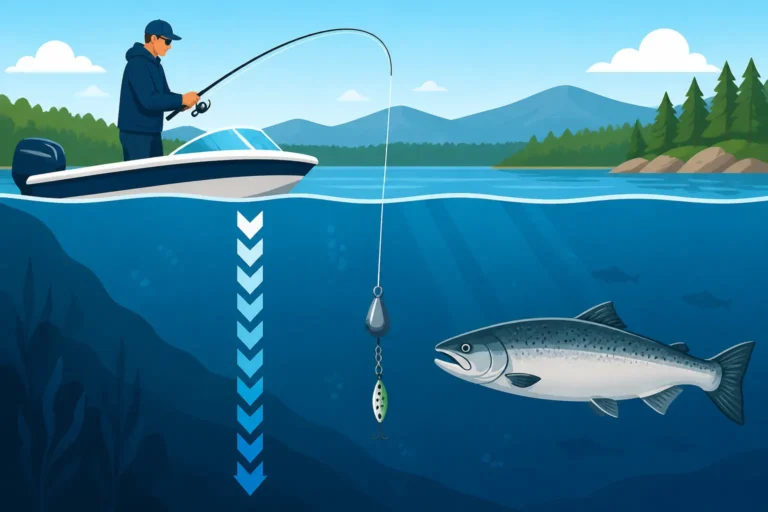
Start by searching a wide range of depths. If you're trolling, try setting lines at different depths to cover the water column. If you're jigging, let your lure sink to different levels before retrieving. The fish finder will show you bait, but sometimes it takes a bit of work to figure out which depth the active bait (and thus the active predators) are at. Don't be afraid to adjust your approach if you're not seeing results. Move shallower, then deeper, then back again. Sometimes, baitfish will be just below the surface; other times, they'll be hugging the bottom in deep water. This exploratory mindset is crucial, especially during transitional periods like fall. Don't forget that New Hampshire Fishing Season Dates and Closures can also influence baitfish presence, especially around spawning periods.
Gear and Technology to Aid Your Search
While observation is key, modern fishing gear provides invaluable assistance in locating those elusive fall baitfish schools. Leveraging the right tools can drastically improve your efficiency on the water.
The Power of Sonar and Fish Finders
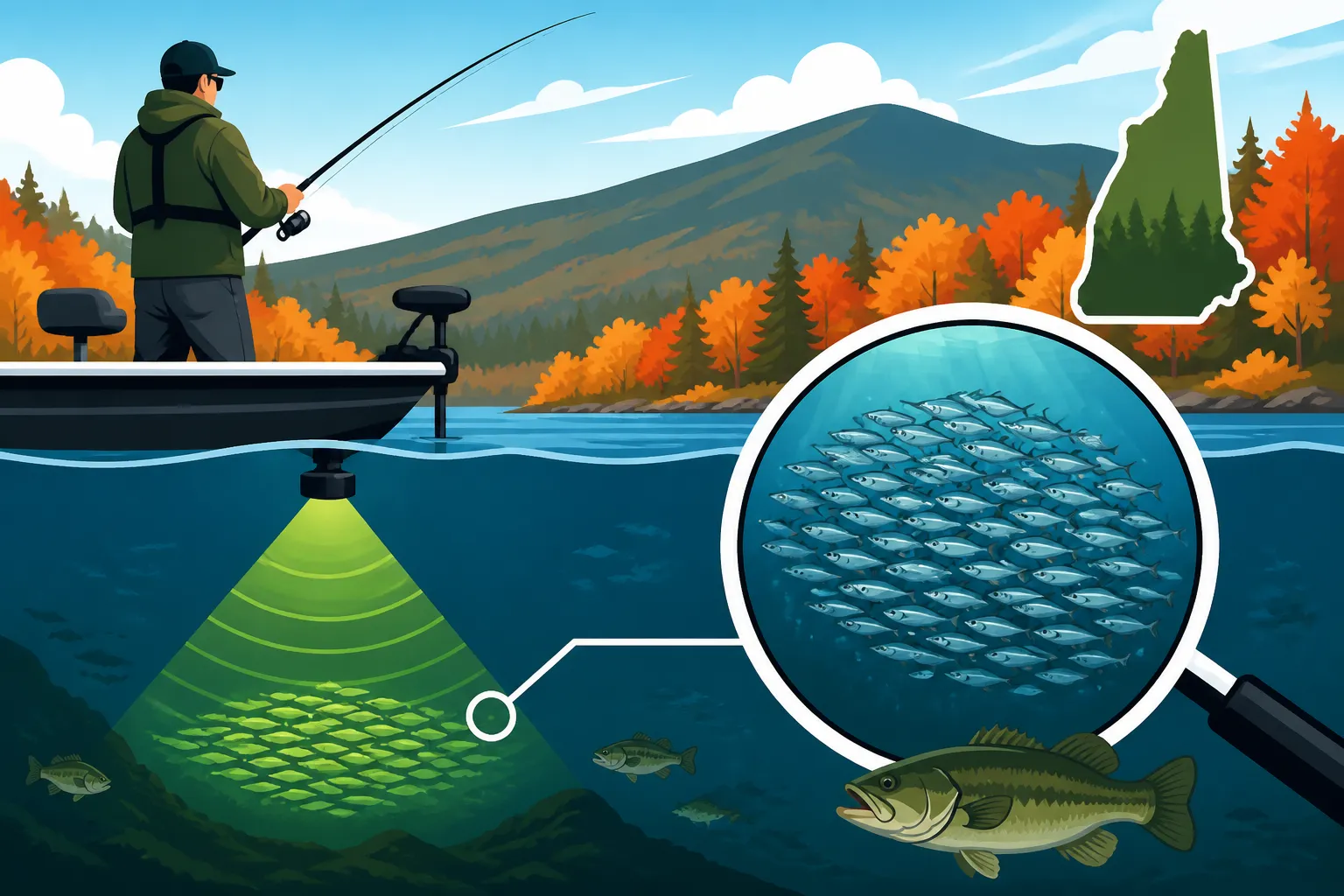
Without a doubt, a good fish finder with sonar capabilities is your best friend when it comes to locating baitfish. Modern units offer incredible detail and clarity, allowing you to not just see individual fish, but to identify dense bait balls.
- Down Imaging/Side Imaging: Advanced units from brands like Humminbird or Lowrance offer down imaging and side imaging, which give you picture-like views of the underwater world. This allows you to differentiate between baitfish schools and other submerged objects more easily. You can often see the distinct "bait balls" on your screen, sometimes with larger arcs (predators) just outside or below them.
- Adjusting Sensitivity: Don't be afraid to play with your fish finder's sensitivity settings. Sometimes, cranking up the sensitivity will reveal faint schools of baitfish that were previously invisible. However, too much sensitivity can clutter the screen with noise. Find that sweet spot where you see clear returns without too much interference.
- Reading the Arches: While baitfish schools often appear as "clouds" or "balls" of pixels, individual baitfish (or larger predators feeding on them) will show as distinct arches. Learning to interpret these signals takes practice, but it's an invaluable skill. Many guides and online resources can help you refine your understanding of what you're seeing on screen. If you're looking for an upgrade, checking reviews for Best Fish Finders for New Hampshire Lakes is a great start.
Many excellent fish finders are available through retailers like Amazon, offering a wide range of features to suit any budget and fishing style. Don't underestimate the utility of a quality unit.
Binoculars and Polarized Sunglasses
Sometimes the best technology is surprisingly simple. Two often-overlooked tools that can dramatically improve your ability to spot surface activity and shallow baitfish are binoculars and polarized sunglasses.
- Binoculars: A good pair of waterproof binoculars can extend your visual range significantly. From a boat, you can scan distant shorelines, coves, and open water for signs of bird activity or surface splashes that might otherwise go unnoticed. This is particularly useful on large bodies of water where covering ground quickly is difficult. You can find robust, marine-grade binoculars on Amazon for reasonable prices.
- Polarized Sunglasses: These are a game-changer for seeing into the water, especially in clear lakes and ponds. Polarized lenses cut glare from the water's surface, allowing you to spot schools of baitfish holding shallow, see structure, or even observe larger fish cruising near the surface. They are an essential piece of gear for any New Hampshire angler, particularly if you are trying to sight fish. Make sure to choose a quality pair; your eyes will thank you. For more specific recommendations, look into articles like Best Polarized Sunglasses for Sight Fishing Clear Water.
These tools complement your electronic fish finder, giving you both a subsurface and a surface view of what's happening in the water column.
Mapping and Navigational Tools
Understanding the topography of the lake or river you're fishing is fundamental to finding baitfish. This is where good maps and navigational tools come into play.
- Lake Maps/Charts: Detailed contour maps show you depth changes, humps, ledges, and channels. These are the structural elements that baitfish often relate to. Many fish finders come with preloaded mapping, but dedicated paper charts or mobile apps can also be incredibly helpful. Study these maps before you even launch your boat to identify potential baitfish holding areas.
- GPS (Global Positioning System): Whether built into your fish finder or a standalone unit, GPS allows you to mark waypoints when you find baitfish or areas of activity. This helps you return to productive spots later in the day or on future trips. It also helps you navigate safely, especially in unfamiliar waters or during low light conditions. You can even use the track feature to see where you've been and refine your search patterns.
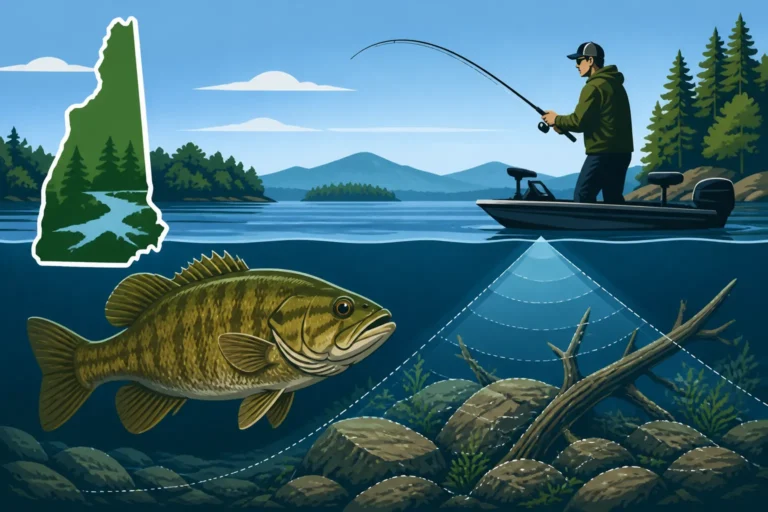
- Mobile Apps: Several excellent mobile apps offer detailed lake maps, satellite imagery, and even social fishing reports. These can be valuable resources for both planning your trip and navigating on the water. Just make sure your phone is protected in a waterproof case or dry bag, especially if you're out on the water. Having a reliable mapping tool can transform your approach to How to Catch Smallmouth Bass in New Hampshire Lakes, helping you pinpoint those crucial ambush points where smallmouth gather to feed on baitfish. Many robust dry bags are available for purchase on Amazon.
Combining these navigational aids with your fish finder and observational skills gives you a holistic approach to finding those essential fall baitfish schools, leading to more successful and enjoyable fishing outings in New Hampshire.
| Baitfish Species | Common Habitat (Fall) | Key Signs to Look For (Visual/Sonar) | Predator Species Attracted |
|---|---|---|---|
| Rainbow Smelt | Deeper, open water, suspending over structure, sometimes near river mouths. | Dense, often egg-shaped "balls" on sonar in mid-water. Sometimes subtle surface dimples at dawn/dusk. | Lake Trout, Landlocked Salmon |
| Alewives | Open water, suspending. Can move shallower in bays. | Large, less dense "clouds" on sonar. Often higher in water column than smelt. Occasional surface boils. | Largemouth Bass, Smallmouth Bass, Lake Trout |
| Yellow Perch (Juvenile) | Near bottom structure, weed lines, rocky points, coves. | Clustered returns on sonar near bottom or distinct structure. Visible darting near shore. | Largemouth Bass, Smallmouth Bass, Pickerel, Lake Trout |
| Shiners/Minnows | Shallow cover, docks, fallen trees, stream inlets. | Small, scattered returns on sonar near shallow structure. Visible schools in clear, shallow water. | Brook Trout, Rainbow Trout, Smallmouth Bass, Panfish |
Disclaimer
This article is for general informational purposes only and does not constitute professional advice. Laws, prices and regulations vary by location and change over time. Consult a qualified professional for guidance on your specific situation.