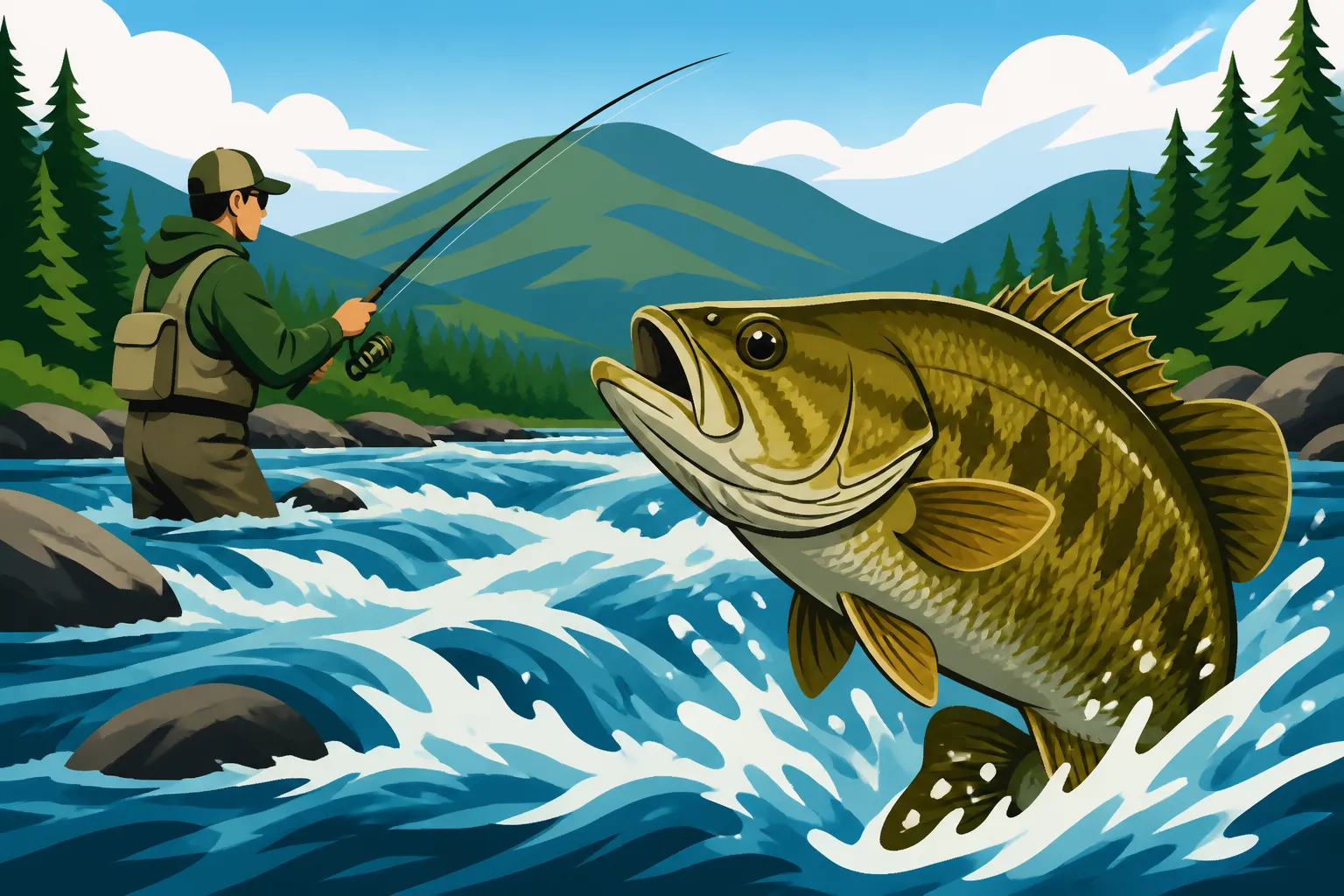
How to catch smallmouth in a New Hampshire river current
Trying to catch smallmouth bass in a New Hampshire river can feel like a wrestling match with the current itself. You spot a promising eddy, cast your lure, and before you know it, your line is swept downstream, or worse, you're snagged on unseen debris. It's incredibly frustrating when you know the fish are there, but the river's relentless flow makes connecting with them a constant battle. This guide is all about helping you understand how smallmouth use that current to their advantage and, more importantly, how you can adapt your approach to catch them consistently in these dynamic river environments.
Understanding the River's Flow and Your Quarry
New Hampshire's rivers, from the rushing waters of the Pemigewasset to the broader stretches of the Merrimack, offer incredible smallmouth bass fishing, but they demand a different approach than still water. These fish are masters of their environment, using the current to their advantage for feeding and conserving energy. If you want to consistently hook into these bronze beauties, you first need to understand how they interact with the moving water.
Where River Smallmouth Bass Hold
Smallmouth in rivers are essentially ambush predators, and they're experts at finding spots where the current brings food to them without expending too much energy. This means they're constantly looking for current breaks. Think about a big boulder creating a quiet pocket behind it, or a fallen tree creating a calm eddy. These aren't just random hiding spots; they're prime feeding lanes. Fish will position themselves just outside the main current, facing upstream, waiting for anything edible to drift by. You'll find them nestled against log jams, tucked into submerged rock piles, behind bridge abutments, and on the downstream side of islands. Even subtle changes in depth or bottom composition can create a holding spot.
It’s a misconception to think smallmouth are always fighting the main current. Instead, they exploit it. A smallmouth will hold in a slower seam, letting the river deliver a smorgasbord of insects, crayfish, or baitfish. When they see a target, they dart out, grab it, and quickly retreat to their sheltered spot. Your job as an angler is to identify these high-percentage areas and present your lure right into their strike zone without getting swept away yourself. Understanding this behavior is crucial for anyone trying to decipher How to Fish a River for Smallmouth Bass.
The Current: Friend or Foe?
For the smallmouth, the current is definitely a friend. It provides oxygen, washes in food, and helps them escape predators. For us anglers, it can feel like a foe if we don't respect its power. A strong current can make it incredibly difficult to keep your lure at the correct depth, detect subtle bites, or even cast accurately. Your line will bow, your lure will lift, and you'll quickly lose touch with what's happening beneath the surface.
However, once you learn to read the water, the current becomes your friend too. It can carry your bait naturally into a feeding lane, creating a presentation that no artificial cast could perfectly replicate. Knowing how to use the current to drift a weightless worm or a small jig into an eddy can be incredibly effective. The challenge lies in managing your line and understanding how different lure weights and shapes react to the water flow. It's all about finding that balance where the current works for you, not against you, allowing for a natural presentation that entices a strike.
Essential Gear for Taming the Current
Fishing for smallmouth bass in New Hampshire's rivers requires gear that can stand up to the challenge of moving water and powerful fish. While some of your lake fishing tackle might cross over, specialized choices in rods, reels, line, and especially lures will make a significant difference in your success rate. You need gear that allows for control, sensitivity, and the backbone to fight fish in tough conditions.
Rods, Reels, and Line Choices
When it comes to rods, a medium-light to medium power spinning rod, around 6'6" to 7' in length, is often ideal. You want a rod with a fast action tip for sensitivity and quick hooksets, but enough backbone to steer a powerful smallmouth away from snags and current. A slightly longer rod can also help with line management, keeping more line off the water to reduce current drag. Many anglers find that having a dedicated river rod, perhaps one a bit stiffer than their lake setup, makes all the difference, and you can browse excellent options on Amazon. For reels, a 2500 or 3000 size spinning reel with a smooth drag is perfect. A good drag system is non-negotiable when a big smallmouth decides to bolt downstream.
Your line choice is equally critical. Braided line, typically 10-15 lb test, is a popular choice due to its zero stretch, offering incredible sensitivity to detect those subtle bites in noisy current, and its abrasion resistance. However, it can be quite visible, so many anglers opt for a fluorocarbon leader (6-10 lb test) tied with a reliable knot, like a Double Uni or an FG knot. Fluorocarbon is nearly invisible underwater and offers excellent abrasion resistance against rocks and logs. Another option is a good quality monofilament, which has some stretch to absorb shock and is more forgiving, but you'll sacrifice a bit of sensitivity. The key is finding a balance between strength, visibility, and sensitivity for the conditions you're fishing.
Lures and Baits That Conquer Current
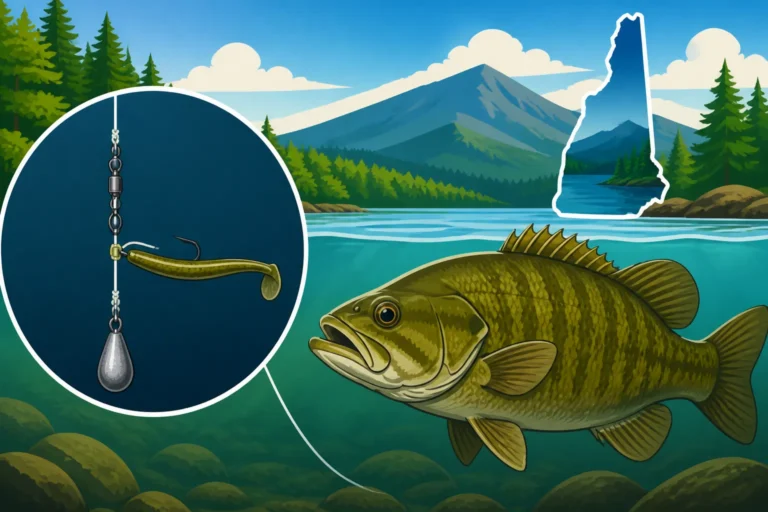
The best lures for river smallmouth are those that can get down to the fish quickly, stay in the strike zone, and mimic natural forage. Heavy jigs are a go-to for many river anglers. A 1/8 to 1/4 oz jig head tipped with a soft plastic like a tube, grub, or creature bait can be deadly. The weight helps them sink fast and stay near the bottom, even in moderate current. You can find a massive variety of jig heads and soft plastic baits available on Amazon, often with helpful reviews to guide your choice. Another excellent option is a small crankbait, particularly those with a tight wobble that can dive to the desired depth. Look for those with sturdy hooks, as river smallmouth hit hard.
Topwater lures can be incredibly exciting, especially during low light conditions or when fish are actively feeding on the surface in calmer eddies. Poppers, walk-the-dog baits, and prop baits can draw explosive strikes. For a more subtle approach, weightless worms or flukes can be deadly when drifted naturally into current seams, though they require excellent line control. Spinnerbaits and chatterbaits also have their place, particularly in stained water or around woody cover, as their vibration and flash can attract attention. Remember to match your lure size and color to the local forage; if the river is full of crayfish, a brown or green pumpkin jig might be your best bet. If minnows are abundant, a silver or white bait could be the ticket.
| Lure Type | Best Use in Current | How to Fish It | Pros | Cons |
|---|---|---|---|---|
| Jigs (1/8-1/4 oz) | Deep pockets, current breaks, bottom bouncing | Cast upstream, let it sink and bounce downstream with the current. | Excellent feel for bottom, good hookup ratio, versatile | Can snag easily in rocky bottoms, requires good feel |
| Crankbaits | Covering water, targeting specific depths, eddies | Cast cross-current or slightly upstream, retrieve to desired depth, work structure. | Covers water quickly, strong vibration attracts fish, less snagging | Can be expensive, depth limited by current strength, less subtle |
| Tube Baits | Mimicking crayfish, fishing rock piles, subtle drifts | Rigged on a jig head, fished like a jig, or on a Texas rig for cover. | Natural presentation, excellent crayfish imitation, good in current | Requires specific retrieve, can be subtle to detect bites |
| Spinnerbaits | Stained water, woody cover, aggressive fish | Cast cross-current or downstream, slow roll or retrieve with varied speeds. | High vibration and flash, good for cover, weedless | Can be less effective in clear, pressured water, not for deep current |
| Topwater | Low light, calm eddies, active surface feeds | Cast into calm areas, work slowly with pauses. | Exciting strikes, covers surface effectively, fun to watch | Limited to calm water/specific conditions, less effective midday |
Mastering Presentation: Techniques for River Smallmouth
Successfully catching smallmouth in a river current is all about precise presentation and understanding how the water moves. It's not enough to just cast and retrieve; you need to think like the fish and present your lure in a way that looks natural and irresistible. This often means adjusting your casting angles, retrieve speeds, and even your position on the bank or in your boat.
Reading the Water for Prime Spots
Before you even make a cast, take a moment to "read the water." This means observing the currents, ripples, and surface disturbances to identify potential holding areas. Look for current seams, where fast water meets slow water; these are often highways for baitfish and crayfish, making them prime ambush points for smallmouth. Eddies, those swirling pockets of calmer water behind obstacles like large rocks or bridge piers, are gold mines. Smallmouth will sit in the slack water, darting out into the current to feed. Riffles, those shallow, turbulent areas, can also hold fish, especially when they're feeding on insects.
Also, pay attention to visible structure like fallen trees, log jams, and rock piles. These offer both cover and current breaks. Even subtle changes in water color or depth can indicate a promising spot. For example, a slightly darker patch of water might signify a deeper hole where fish are holding. The more you fish rivers, the better you'll become at recognizing these subtle cues. Knowing how to identify these features will significantly increase your chances of finding fish, much like anglers learn to identify prime spots for Best Fishing Lakes in New Hampshire or Best Fishing Rivers in New Hampshire in general.
Casting, Drifting, and Retrieving in Current
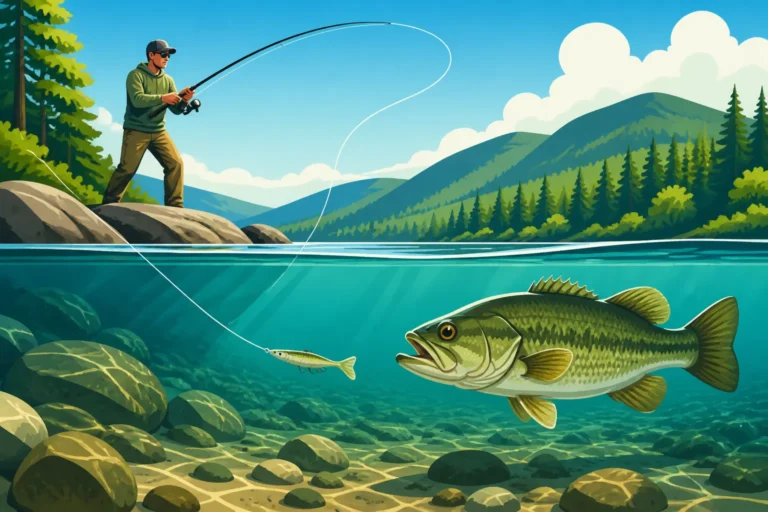
Once you've identified a target zone, your casting angle and retrieve become paramount. Often, casting upstream and allowing your lure to drift naturally downstream into the strike zone is highly effective. This allows the lure to sink to the fish's depth before it gets swept past them. As the lure drifts, reel in just enough slack to maintain contact, feeling for any subtle taps. This technique works exceptionally well with jigs, tubes, or even a weightless worm. The goal is a natural, unforced presentation.
For crankbaits or spinnerbaits, casting across or slightly downstream can be effective. You want to retrieve them fast enough to engage their action but slow enough to stay in the strike zone. The current will add resistance, making your retrieve feel different than in still water, so pay attention to how your lure is performing. Don't be afraid to experiment with different angles and retrieve speeds. Sometimes, a quick upstream cast that lets the lure pendulum down into an eddy is all it takes to trigger a strike. Mastering these techniques involves a lot of practice, but the rewards are well worth it.
Fighting Fish in a Fast Flow
Hooking a smallmouth in a river current is only half the battle; landing it is the other. These fish are incredibly strong, and when you add the force of the current to their fighting prowess, you've got a formidable opponent. The moment you set the hook, try to turn the fish's head upstream. This gives you more control and allows you to use the current to your advantage, tiring the fish out faster. If the fish turns downstream and gets into the main current, you'll be fighting both the fish and the river, making it much harder to gain line.
Keep your rod tip high to absorb runs and maintain pressure. A smooth, consistent drag setting is crucial here. Let the fish run if it needs to, but try to regain line whenever possible. If you're wading, be prepared to move with the fish, especially if it's a larger one. For example, if you're fishing a river like the Connecticut River near Hanover, where the current can be quite strong, you'll appreciate a strong rod and a good drag. Don't rush the fight; tiring the fish out properly before bringing it to hand will result in fewer pulled hooks and a healthier release. Remember, a long-handled landing net can be your best friend in these situations, especially if you're trying to quickly land a fish for release, keeping in mind New Hampshire Bass Limits and Slot Rules.
Timing Your Attack: Seasonal Insights for River Smallmouth
Just like with any other species, the behavior and location of river smallmouth bass are heavily influenced by the changing seasons. The water temperature, current strength, and available forage all play a role, meaning what works in spring might not be as effective in late summer. Adapting your approach seasonally is key to consistent success.
Spring: High Water and Pre-Spawn Activity
Spring in New Hampshire rivers often means higher, colder water due to snowmelt and spring rains. This can be challenging, but it's also a time of increased activity as smallmouth move from their wintering holes to pre-spawn staging areas. They'll often be found in the slightly slower, deeper pockets adjacent to the main current, or in eddies protected from the strongest flows. Look for them around large submerged rocks, deep log jams, and bridge pilings. The fish are looking for easy meals to bulk up before spawning.
During this time, slower presentations tend to be more effective. Jigs, tube baits, and grub-tipped jig heads worked slowly along the bottom are excellent choices. As the water warms, usually into the 50s Fahrenheit, smallmouth become more active, and you might start seeing them chase small crankbaits or even twitch baits. Pay close attention to water clarity; if the water is heavily stained from runoff, brighter colors like chartreuse or orange can sometimes attract more attention. It's a fantastic time to target bigger fish, but the conditions can be demanding, requiring patience and persistence.
Summer: Lower Flows and Active Feeding
By summer, New Hampshire rivers typically have lower, warmer, and clearer flows. This is often when smallmouth fishing truly shines, as the fish are highly active and aggressive. They'll spread out more, occupying shallower riffles, rock gardens, and eddies. Early mornings and late evenings are prime times, especially for topwater action. Think about those glassy stretches of water around sunrise or sunset – perfect for poppers and walking baits.
During the brighter, hotter parts of the day, smallmouth will often retreat to deeper, shadier areas or hold tight to current breaks. Soft plastics like flukes, Ned rigs, or Senko-style worms worked slowly can be deadly, especially when presented subtly into current seams or behind cover. Small crankbaits and spinnerbaits can also be very productive for covering water. Kayak fishing can be particularly effective during the summer, allowing anglers to access remote stretches of river and drift silently through prime habitat. Just be mindful of recreational boat traffic on larger rivers, and always check New Hampshire Boating Laws for Anglers before heading out.
Fall: The Feeding Frenzy Before Winter
As autumn arrives, water temperatures begin to drop, signaling to smallmouth that it's time to put on the feedbag before winter sets in. This can lead to some truly epic fishing. Fish become incredibly aggressive, often schooling up and chasing baitfish. They’ll be found in many of the same areas as summer, but their focus shifts almost entirely to feeding. Look for them concentrated in deeper pools, around rock formations, and wherever baitfish are abundant.
Crankbaits, especially those that mimic baitfish like shiners or smelt, are a top choice. Retrieving them with a stop-and-go action can often trigger strikes. Jerkbaits are also incredibly effective during the fall, as their erratic action can perfectly imitate a wounded baitfish. Jigs and soft plastics remain reliable, particularly on the colder days or in deeper sections of the river. This is often the time when you can catch some of the largest smallmouth of the year, as they are actively feeding and bulking up. Understanding New Hampshire Fishing Seasons by Month generally helps in predicting these peak activity periods, ensuring you're there when the fish are most willing to bite.
Disclaimer
This article is for general informational purposes only and does not constitute professional advice. Laws, prices and regulations vary by location and change over time. Consult a qualified professional for guidance on your specific situation.