Best time of year for trophy brook trout in New Hampshire
Chasing after a trophy brook trout in New Hampshire can feel like a quest for a mythical creature. Many anglers spend countless hours on the water, catching plenty of beautiful brookies, but that truly exceptional, oversized specimen often remains elusive. This guide is dedicated to helping you unlock the secrets of finding those magnificent, larger-than-average brook trout, focusing on the absolute best times of year when your chances are highest.
Understanding the Elusive Brook Trout in New Hampshire
New Hampshire's brook trout, often celebrated for their stunning colors and fighting spirit, are true gems of our coldwater ecosystems. But let's be realistic: finding a trophy-sized brook trout isn't an everyday occurrence. These fish are smart, often live in remote, challenging environments, and require specific conditions to reach impressive dimensions.
The Native Charms and Habitat Preferences of Brook Trout
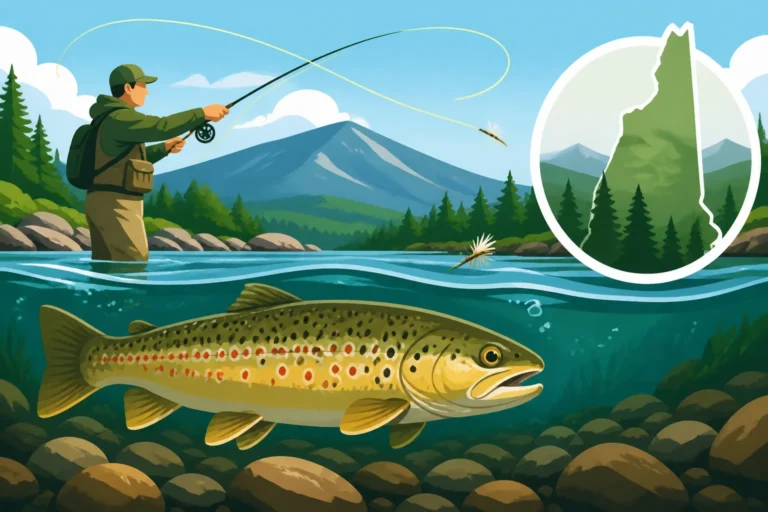
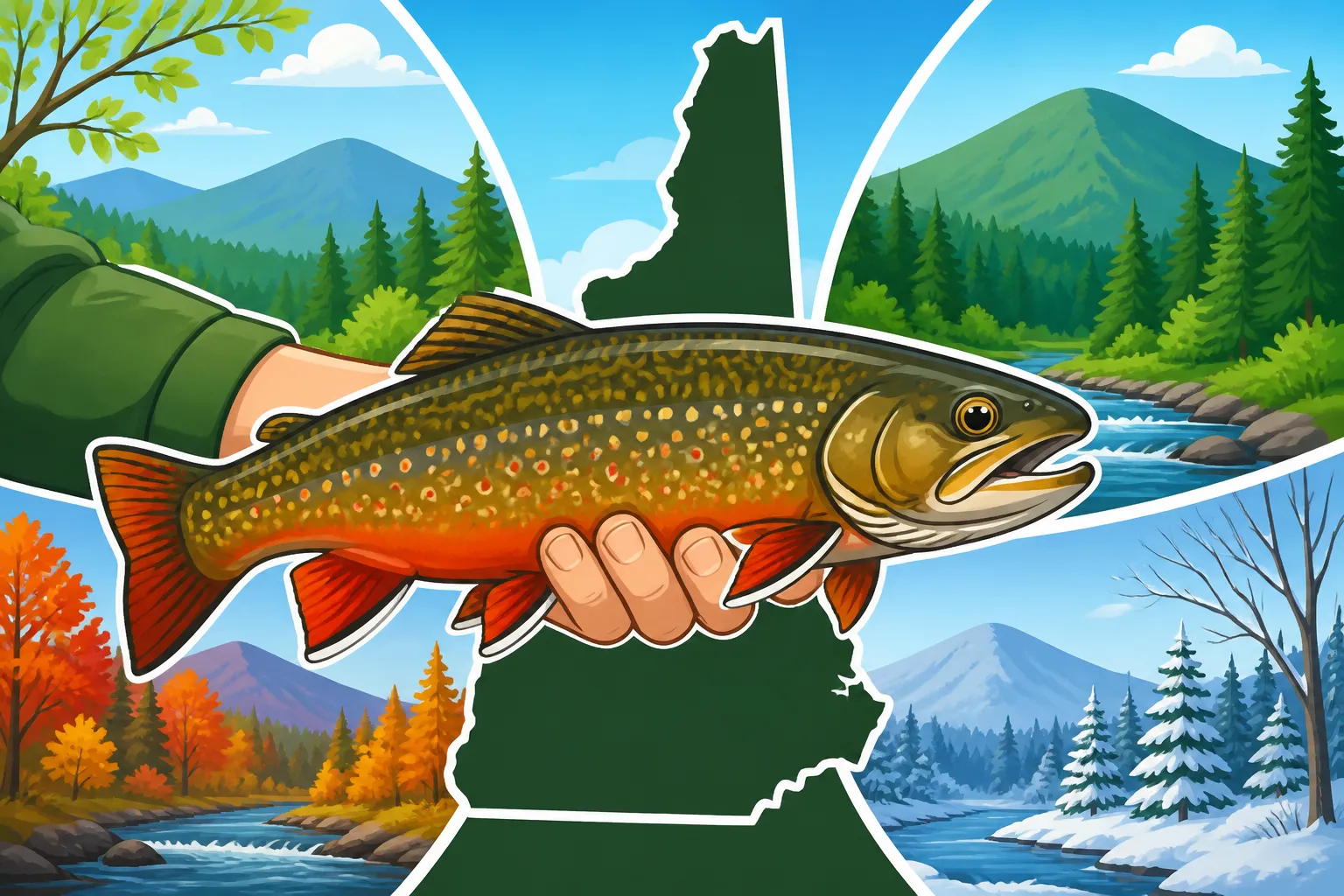
Brook trout (Salvelinus fontinalis) are actually a type of char, and they are native to New Hampshire's pristine waters. Their vibrant patterns of red, orange, and blue dots on a dark, olive-green body, often with a worm-like vermiculation on their backs, make them one of the most beautiful freshwater fish you can encounter. What truly sets them apart, however, is their demand for exceptionally cold, clean, and highly oxygenated water. You won't find trophy brookies thriving in stagnant, warm ponds.
They prefer shady, undisturbed habitats, often nestled in remote, high-elevation streams and mountain ponds. Think about those crystal-clear brooks cascading through the White Mountains, or hidden ponds tucked deep within the forests, fed by cold springs. These are the nurseries for wild brook trout. Unlike their stocked cousins, wild brook trout grow slower but are inherently more robust and often more wary, which contributes to their elusive nature. If you're really interested in these amazing fish, you should definitely check out a deeper dive into Brook Trout: New Hampshire's Native Trout.
The Impact of Water Temperature on Brook Trout Behavior
Water temperature is arguably the single most critical factor influencing brook trout behavior, especially when targeting larger specimens. Their optimal temperature range for feeding and activity is generally between 50 and 60 degrees Fahrenheit. When water temperatures climb above this range, particularly into the high 60s or 70s during the peak of summer, brook trout become incredibly stressed. They'll seek refuge in the deepest, coldest pockets they can find, often becoming lethargic and less willing to feed. This is why many experienced anglers will tell you to avoid fishing for trout altogether in warmer surface waters to minimize stress on the fish, particularly if you plan to release them.
Conversely, when water temperatures drop too low, like during the deep freeze of winter, their metabolism slows down significantly. They require less food and become much less active, making them harder to entice. Understanding these thermal preferences is paramount to pinpointing the best times and locations for trophy brook trout fishing. It's a constant balancing act between finding water that's warm enough to keep them active but cold enough to keep them comfortable and unstressed.
Distinguishing a "Trophy" Brook Trout in New Hampshire
What exactly qualifies as a "trophy" brook trout in the Granite State? While beauty is in the eye of the beholder, a brook trout typically measuring 12 inches or more is often considered a respectable trophy in New Hampshire, especially for a wild fish from a small stream or pond. Many anglers consider a 14-inch brook trout to be truly exceptional, and anything beyond that is a fish of a lifetime. These aren't your average 6-8 inch stocked trout that are commonly found.
Wild brook trout, due to their often more challenging environments and slower growth rates, tend to have denser bodies and more vibrant coloration compared to their hatchery-raised counterparts. A "trophy" isn't just about length; it's also about girth, the vividness of its markings, and the sheer fight it puts up. It speaks to the health and richness of the ecosystem it calls home. When you land one of these beauties, you'll know it's something special – a testament to patience, skill, and choosing the right time and place.
Prime Seasons for Chasing New Hampshire's Trophy Brook Trout
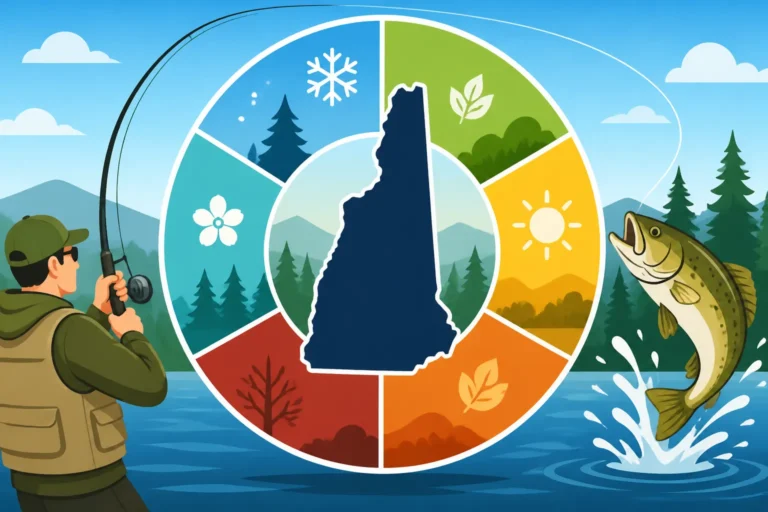
Successfully targeting trophy brook trout often boils down to timing. While you can catch a brook trout at any time of year when the season is open and conditions allow, there are distinct periods when these magnificent fish are most active, accessible, and willing to bite, greatly increasing your odds of a memorable catch.
Spring: Post-Spawn Recovery and Active Feeding
For many seasoned anglers, late spring, especially from late April through June after the ice has melted and the waters begin to warm slightly, offers some of the best opportunities for trophy brook trout. Why? Because after a long, lean winter and the exhaustive fall spawning period, these fish are absolutely ravenous. They need to recover lost energy and bulk up, which means they're actively on the hunt for food.
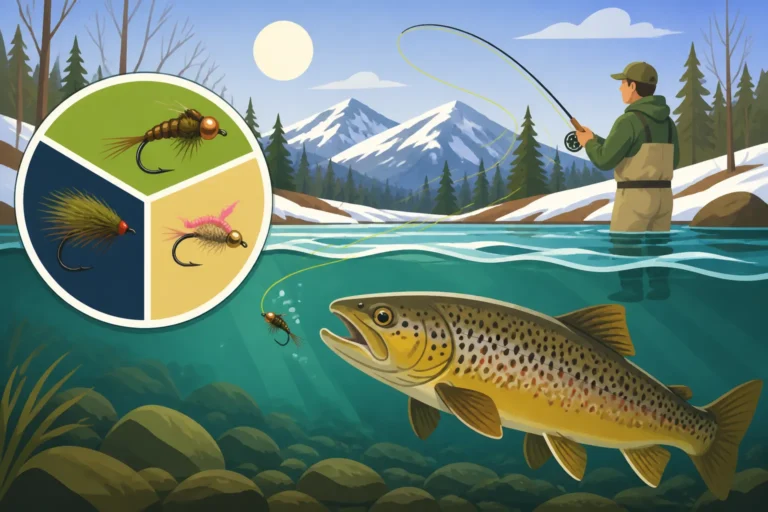
During this window, water temperatures are typically rising into that optimal 50-60°F range, stimulating their metabolism and making them more aggressive. The insects are starting to hatch, baitfish are becoming more active, and the trout are often found in more accessible areas like tributary mouths, the shallower sections of ponds, and along stream banks where food sources are plentiful. You'll find them hitting small inline spinners, tiny spoons, worms, and various fly patterns with gusto. Nymphs and wet flies are particularly effective, imitating the underwater insects that are now abundant. Just remember to consult the New Hampshire Fishing Season Dates and Closures to ensure you're fishing within legal limits. For more targeted techniques, consider diving into Spring Trout Fishing Techniques for New Hampshire Ponds.
Early Fall: Pre-Spawn Aggression and Vibrant Colors
Another exceptional window for trophy brook trout, and arguably the most visually stunning, is early fall, typically from late September through October. This is a magical time when the leaves are turning, the air is crisp, and the brook trout are undergoing a remarkable transformation. They're preparing for their fall spawn, which means they're not only incredibly aggressive but also displaying their most vibrant, breathtaking colors. Male brook trout, in particular, will develop a hooked jaw (kype) and intensify their reds and oranges, making them a true sight to behold.
During this pre-spawn period, brook trout will move into shallower areas of ponds and into the headwaters of streams where they will eventually lay their eggs. They are actively feeding to build up energy reserves, making them susceptible to a well-presented fly or lure. Streamers, imitating baitfish, and egg patterns can be highly effective. However, it's crucial to exercise extreme caution and respect during this time. While their aggression is tempting, try to avoid disturbing active spawning beds, which are often recognizable as clean, gravelly depressions. The goal is to admire and release these magnificent fish, allowing them to complete their crucial reproductive cycle for future generations.
Summer: The Deep Water Challenge
Summer, specifically July and August, presents the most significant challenge for trophy brook trout. As surface water temperatures climb, brook trout are pushed out of their preferred zones. The frustration of fishing what looks like perfect trout water only to come up empty is common during this time. However, this doesn't mean trophy brook trout are uncatchable; it just means you need to change your approach drastically.
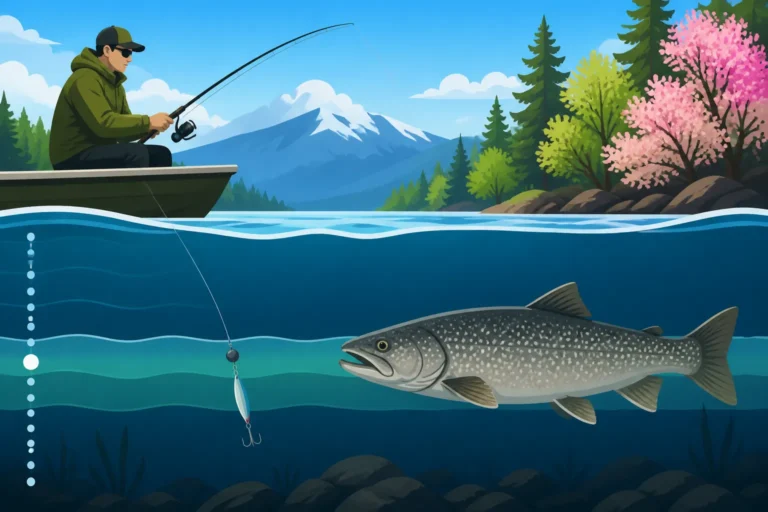
During the hottest months, these fish retreat to the deepest, coldest pockets of ponds and lakes, or seek refuge in the smallest, shadiest, spring-fed headwater streams. Finding these thermal refuges is key. Think about fishing very early in the morning or late in the evening when water temperatures are at their lowest. Techniques might include using very light line, tiny jigs, small worms, or heavily weighted nymphs for fly fishing, presented slowly and deep. If you are fly fishing in tiny mountain streams, tiny terrestrial patterns like ants or beetles can also be effective.
The primary concern in summer is the high stress placed on brook trout when handled in warm water. If you do hook a fish, be prepared for a swift, gentle release. Many responsible anglers choose to avoid fishing for trout in waters where surface temperatures exceed 68-70°F, as the chances of post-release mortality significantly increase. It’s a time to be extra thoughtful about conservation, especially if your goal is truly to catch a trophy that you want to see swim away strong.
| Season | Best Timeframe | Brook Trout Behavior | Key Locations | Recommended Techniques | Conservation Note |
|---|---|---|---|---|---|
| Spring | Late April – June | Post-spawn recovery, highly active & hungry | Tributary mouths, shallow pond areas, stream banks | Small spinners, spoons, worms, nymphs, wet flies | Excellent catch & release survival |
| Early Fall | Late Sept – Oct | Pre-spawn aggression, bulking up for winter | Shallow pond areas, stream spawning beds (avoid active beds) | Streamers, egg patterns, small nymphs | Handle with extreme care near spawning, avoid disturbing beds |
| Summer | July – August | Seek cold refuge, lethargic in warm water | Deep pockets, shaded areas, spring holes, high-elevation headwaters | Deep-fished jigs, tiny worms, weighted nymphs, small terrestrials | Minimize handling, avoid fishing during peak heat in warm waters |
| Winter | Dec – March | Low metabolism, less active | Deep holes, ice fishing (specific regulations apply) | Tiny jigs, small live bait, slow presentations | Ice safety is paramount, check specific water body regulations |
Key Factors for Locating Trophy Brook Trout Hotspots
You can fish during the prime seasons, but if you're not in the right location, your chances of encountering a trophy brook trout diminish greatly. New Hampshire's landscape offers a variety of water types, but only a select few consistently produce fish of exceptional size.
Remote Backcountry Ponds and High-Elevation Streams
This is where the magic often happens. The truly large, wild brook trout that command "trophy" status are most frequently found in remote, less-pressured waters. These are the ponds tucked deep within the White Mountains, accessible only by a challenging hike, or the headwaters of high-elevation streams that few anglers bother to reach. Why? Because these areas provide the ideal combination of cold, clean water, minimal fishing pressure, and often abundant natural forage, allowing fish to grow larger and live longer.
Think of places like the isolated ponds found within the White Mountain National Forest or the less-traveled sections of streams like those you might find information on in White Mountains Trout Stream Access. These locations demand effort – often involving significant hiking, map and compass skills, and a willingness to embrace solitude. But the reward of finding a truly wild, large brook trout in its natural, pristine habitat is unparalleled. These fish are typically tougher, wiser, and offer a more rewarding challenge than their hatchery-raised counterparts. Just be sure you're prepared for the trek, and always practice Leave No Trace principles.
Forage Abundance and Structure
It stands to reason that where there's plenty of food, fish will grow bigger. Trophy brook trout, like all apex predators, seek out areas with abundant forage. This could mean a pond with a healthy population of rainbow smelt or juvenile suckers, or a stream rich in aquatic insects, crayfish, and small minnows. When you're scouting locations, look for signs of a robust food chain.
Beyond food, structure is king. Trophy brook trout are ambush predators and also need refuge from stronger currents, predators, and bright sunlight. Look for fallen logs, submerged boulders, undercut banks, deep pools, and thick weed lines in ponds. These features provide cover, act as current breaks, and create prime ambush points where a large brook trout can lie in wait for an unsuspecting meal. A riverbend with a deep scour hole under an overhanging tree is textbook trophy trout water. Many of the waters mentioned in Best Trout Ponds in New Hampshire have these exact features.
Reading Water and Environmental Cues
Becoming proficient at "reading the water" is an art form that separates consistent trophy anglers from those who get lucky. It involves understanding currents, identifying seams where fast and slow water meet, recognizing oxygenated riffles, and spotting subtle changes in depth or bottom composition. Look for eddies and slack water where food might accumulate, or the darker, deeper sections of a pool where a larger fish might feel safe.
Environmental cues are also crucial. Are there insect hatches occurring? Even small ones, like tiny midges or caddis, can indicate active feeding, especially for fly anglers. Pay attention to changes in barometric pressure, which can affect fish behavior. Look for signs of baitfish activity, like subtle swirls or nervous schools. Sometimes, a subtle gulp on the surface or a flash of a fin might be the only indication that a large fish is present. This skill takes years to hone, but consciously observing and interpreting these cues will dramatically improve your success rate in finding those elusive, larger brook trout.
Essential Gear and Conservation Practices for Trophy Brook Trout
Chasing trophy brook trout isn't just about knowing when and where; it's also about having the right tools for the job and, perhaps more importantly, understanding how to protect these magnificent fish for future generations.
Specialized Tackle for Finesse and Presentation
When targeting trophy brook trout, finesse and careful presentation are paramount. These older, larger fish are usually warier than their smaller counterparts, and a clumsy approach can send them darting for cover. You'll want to lean towards lighter gear that allows for delicate casts and subtle bait or fly presentations.
For spinning anglers, an ultralight or light action rod, typically 5 to 6.5 feet long, paired with a small spinning reel spooled with 2-4 pound monofilament or fluorocarbon line is ideal. This setup allows you to cast tiny inline spinners (like Panther Martin or Mepps), small spoons (Phoebe or Kastmaster), tiny jigs (1/32 oz to 1/16 oz), or simply a worm under a small float. The light line minimizes visibility in clear water and allows for more natural bait movement. You can find excellent options for these on Amazon.
Fly anglers will find a 2-weight to 4-weight fly rod, 7.5 to 8.5 feet long, perfectly suited for brook trout. This lighter outfit protects delicate tippets and makes even a modest brook trout feel like a trophy. Essential fly patterns include various nymphs (Prince, Pheasant Tail, Hare's Ear), dry flies (Elk Hair Caddis, Adams, Parachute Adams) for surface feeding fish, and small streamers (Wooly Bugger, Grey Ghost) for imitating baitfish. A good selection of these can also be found on Amazon. For a more comprehensive look at what to bring, check out Best Gear for New Hampshire Trout Fishing.
Catch and Release for Sustaining Trophy Fisheries
Catching a trophy brook trout is a special moment, but releasing it safely back into its environment ensures that others can enjoy the same experience and that these precious genetics continue within the population. Because trophy brook trout are rare and slow-growing, responsible catch and release is not just good practice – it's crucial for conservation.
Always use barbless hooks, or pinch down the barbs on your regular hooks with pliers. This makes hook removal quicker and causes less damage to the fish's mouth. When you land a fish, try to keep it in the water as much as possible. Wet your hands thoroughly before touching the fish to protect its delicate slime coat, which is vital for preventing disease. Avoid squeezing the fish or touching its gills. If you need a photo, do it quickly and hold the fish horizontally, supporting its belly. Forceps or hemostats are indispensable tools for quickly and safely removing hooks, and a soft, rubberized landing net (also widely available on Amazon) can help minimize damage to fins and slime.
If the fish seems stressed, hold it gently upright in the water, facing upstream in the current if you're in a river, until it vigorously swims away on its own. Never "revive" a fish by moving it back and forth through the water, as this can force water the wrong way over its gills. Understanding and practicing these techniques helps ensure that the trophy you caught today can live to fight another day, potentially growing even larger. For specific waters, especially those designated New Hampshire Catch and Release Fly Fishing Only Waters, these practices are not just encouraged, but required.
Navigating Regulations and Access
Finally, a truly responsible angler is always well-informed. Before heading out, it is absolutely essential to familiarize yourself with the current New Hampshire Fishing Regulations Explained. Regulations can vary significantly between different water bodies, with special rules for certain wild trout waters, fly fishing-only sections, or even specific daily limits and slot sizes for certain species. Ignoring these rules can result in hefty fines and jeopardize your fishing privileges. You can usually find the most up-to-date information in the annual fishing digest, which can be a dry read but is utterly indispensable.
Beyond regulations, understand access. Many prime brook trout waters are on public lands, but some may require crossing private property, which necessitates permission from the landowner. Always respect private property signs and be mindful of your impact on the environment. Learning about various public access points, boat launches, and trailheads is part of the adventure. The New Hampshire Fish and Game Department's website is an excellent resource for maps, stocking reports, and regulations that can guide you to legal and accessible fishing grounds for your trophy brook trout quest.
Disclaimer
Please note that fishing conditions and regulations can change. It is always the angler's responsibility to check the latest New Hampshire Fish and Game Department regulations before heading out on the water. This guide is for informational purposes only and should not be considered a substitute for official state publications.