Kayak Fishing Techniques for New Hampshire Lakes
There’s nothing quite like the feeling of silently gliding across a mirror-smooth New Hampshire lake at dawn, a cup of coffee steaming beside you, waiting for that first bite. But let's be real, kayak fishing can sometimes feel more like a balancing act than a peaceful angling experience, especially when you're trying to manage rods, tackle, paddles, and a thrashing fish all at once! If you've ever felt the struggle of trying to enjoy the serenity of kayak fishing while simultaneously battling the elements and your gear, this comprehensive guide is for you. We're diving deep into the world of kayak fishing techniques specifically tailored for the beautiful, diverse, and sometimes challenging waters of New Hampshire's lakes.
Why Kayak Fishing in New Hampshire Lakes is So Rewarding and Challenging
Kayak fishing has exploded in popularity, and for good reason. It offers an intimate connection with the water and allows access to spots that traditional boats simply can't reach. But it's not without its unique set of challenges, especially when you're dealing with the varied conditions of New Hampshire's lakes, from the vast open waters of Winnipesaukee to the smaller, weed-choked ponds hidden away in the woods. Understanding these dynamics is key to truly enjoying your time on the water.
The Unique Advantages of Kayaks on New Hampshire Waters
One of the most compelling reasons to choose a kayak for your New Hampshire fishing adventures is the unparalleled stealth it provides. Unlike powerboats, kayaks move almost silently through the water, allowing you to approach wary fish without spooking them. This is particularly effective when targeting species like smallmouth bass in clear, shallow coves or when trying to sneak up on trout feeding in a quiet eddy near shore. The ability to glide into tight spaces, like narrow channels between islands or shallow backwaters filled with lily pads, opens up an entirely new world of fishing opportunities that are inaccessible to larger vessels.
Furthermore, kayaks offer an incredible sense of freedom and mobility. You’re not bound by boat ramps or the need for a trailer; often, you can launch a kayak directly from a shoreline or a less-trafficked public access point. This makes exploring new bodies of water or finding those "secret" fishing spots much easier. For those who appreciate the physical activity, paddling provides a fantastic workout and enhances the overall outdoor experience. It's not just about catching fish; it's about the journey, the exercise, and the profound sense of peace that comes from being propelled by your own efforts across a stunning lake. Whether you're navigating the countless islands of Lake Winnipesaukee or exploring the quieter corners of Squam Lake, a kayak truly puts you in control of your adventure.
Common Hurdles for New Hampshire Kayak Anglers
While the advantages are many, New Hampshire's lakes present some specific challenges for kayak anglers. Wind, for instance, can quickly turn a pleasant paddle into a strenuous battle. The state's larger lakes, like Winnipesaukee and Newfound Lake, can become quite choppy, creating conditions that are not only uncomfortable but also potentially dangerous for smaller kayaks. It’s crucial to keep an eye on weather forecasts and understand how wind direction and speed can affect your ability to paddle, cast, and even hold your position. A strong headwind can make getting back to your launch point a real grind.
Another significant hurdle is managing your gear in a confined space. Unlike a bass boat with ample storage, a kayak requires meticulous organization. Every rod, tackle box, and accessory needs a designated, secure spot to prevent it from cluttering your cockpit or, worse, falling overboard. This calls for thoughtful planning and often specialized kayak fishing accessories. Also, landing larger fish, like a feisty landlocked salmon or a big lake trout, can be a monumental task from a narrow kayak, requiring quick reflexes and good balance. You need to be prepared for the fight, not just the cast. Consider investing in quality dry bags, rod leashes, and secure mounting solutions to keep your valuables safe and within reach.
Essential Gear for Kayak Fishing New Hampshire Lakes
Getting the right gear for kayak fishing in New Hampshire isn't just about comfort; it's about safety, efficiency, and ultimately, success on the water. From the kayak itself to the smallest accessory, each piece plays a vital role. Don't underestimate the importance of thoughtful gear selection for our diverse lakes.
Choosing the Right Fishing Kayak for New Hampshire Conditions
Selecting the ideal fishing kayak for New Hampshire's varied lakes depends largely on the type of fishing you plan to do and the waters you'll frequent. Generally, you'll be choosing between sit-on-top and sit-inside kayaks, and then deciding if a pedal-drive or paddle-drive system is right for you. Sit-on-top kayaks are overwhelmingly popular for fishing due to their stability, ease of entry/exit, and open deck space for gear. They're excellent for calm to moderately choppy conditions, offering a higher seating position that aids visibility and casting. Brands like Old Town, Hobie, and Perception offer robust fishing-specific sit-on-tops that are well-suited for targeting bass in coves or drifting for panfish. For those tackling larger, more exposed lakes like Lake Winnipesaukee, a longer, wider sit-on-top kayak provides superior stability and tracks better in wind and chop. If you're looking for guidance, check out this detailed article on Best Kayaks for New Hampshire Fishing.
Pedal-drive kayaks, while a larger investment, are a game-changer for many anglers. They allow for hands-free propulsion, meaning you can constantly adjust your position while casting, fighting a fish, or even trolling. This is especially advantageous when targeting fast-moving species or covering large expanses of water. Imagine battling a strong smallmouth bass near a rocky point without having to drop your paddle! Brands like Hobie with their MirageDrive and Old Town with their Sportsman line excel in this category. However, pedal drives can be less practical in very shallow, weedy areas where a traditional paddle might be more efficient. For exploring the deeper, open waters where species like lake trout and salmon roam, a pedal drive is incredibly effective for maintaining trolling speeds and covering ground. You might also want to explore options for a Best Trolling Motor for a Fishing Kayak to enhance your propulsion capabilities further.
Must-Have Accessories for Safety and Success
Beyond the kayak itself, several accessories are non-negotiable for safe and successful kayak fishing in New Hampshire. First and foremost, a properly fitted Personal Flotation Device (PFD), or life jacket, is an absolute must. Even the most experienced paddlers can find themselves in the water unexpectedly, and cold New Hampshire lake temperatures can quickly become dangerous. Look for fishing-specific PFDs with plenty of pockets for small tackle and tools. It's not just a good idea; it's a legal requirement in many situations, and understanding Life Jacket Requirements for New Hampshire Boaters is crucial.
Next up, a reliable anchor system is critical for holding your position, especially in windy conditions or when fishing specific structures. A small grapnel anchor or a drag chain setup, often paired with a kayak anchor trolley system, allows you to effectively hold your position in current or wind. Don't forget a Best Dry Bag for Kayak Fishing to protect your electronics, wallet, and phone from splashes or an unexpected capsize. A good pair of polarized sunglasses will cut glare off the water, helping you spot structure and even fish, while a wide-brimmed hat will protect you from the sun. Finally, a robust landing net, preferably one with a rubberized mesh to protect fish, is essential for safely landing fish boatside without losing them or getting tangled in your lines.
Packing Smart: Organizing Your Tackle and Essentials
When kayak fishing, every inch of storage counts, and keeping your gear organized is paramount to preventing frustration and maximizing fishing time. Start by consolidating your tackle into smaller, waterproof tackle boxes or bags that fit neatly into your kayak's storage compartments or strapped securely to the deck. Only bring the lures and tools you anticipate needing for that specific trip to avoid unnecessary bulk. Many anglers use a "milk crate" system in the stern, modified with PVC rod holders and bungee cords, to keep frequently accessed items secure and organized.
Rod management is another key aspect of smart packing. You’ll want to bring multiple rods for different techniques, but they can quickly become unwieldy. Horizontal rod holders mounted flush on the kayak or vertical rod holders in a crate system help keep them out of the way during paddling and transport. Always use rod leashes for your valuable combos; losing a favorite rod to the depths of Lake Winnipesaukee is a heart-wrenching experience. Consider a Best Rod Leash for Kayak Fishing to ensure your gear stays with you. For items like pliers, line cutters, and a measuring tape, keep them attached to your PFD or mounted within easy reach in the cockpit using retractable lanyards. The goal is to minimize movement and fumbling when you're on the water, allowing you to focus on the fishing. A great place to find many of these specialized accessories, often with reviews from other kayak anglers, is on Amazon.
Mastering Kayak Fishing Techniques for Common New Hampshire Species
New Hampshire's lakes are teeming with diverse fish species, and kayak fishing offers unique advantages for targeting many of them. Adapting your techniques to the stealth and maneuverability of a kayak can significantly improve your success rates.
Targeting Smallmouth Bass from a Kayak
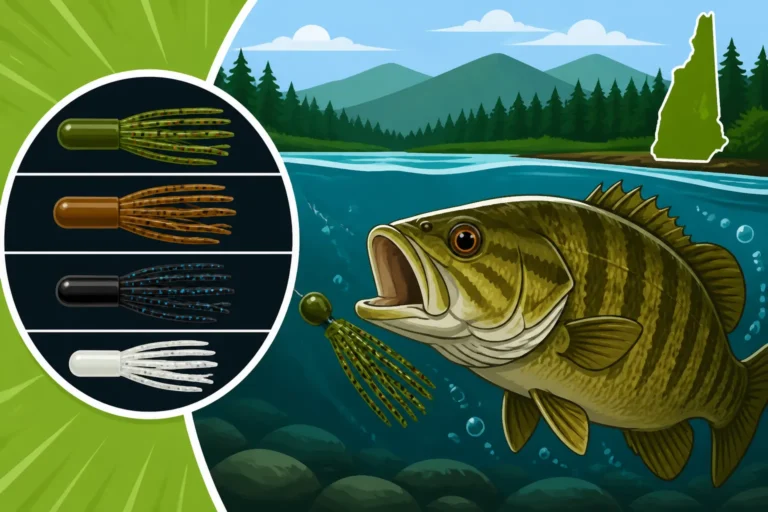
Smallmouth bass are a favorite target for many New Hampshire kayak anglers. These aggressive fighters thrive in the rocky, clear-water environments found in many of our lakes, such as Winnipesaukee, Squam Lake, and Newfound Lake. Kayaks are perfect for probing the rocky shorelines, points, and humps where smallmouth often congregate. Focus your efforts around structure like submerged rocks, ledges, and transition areas from deep to shallow water. A great resource for specific locations is Best Kayak Fishing Spots in New Hampshire.
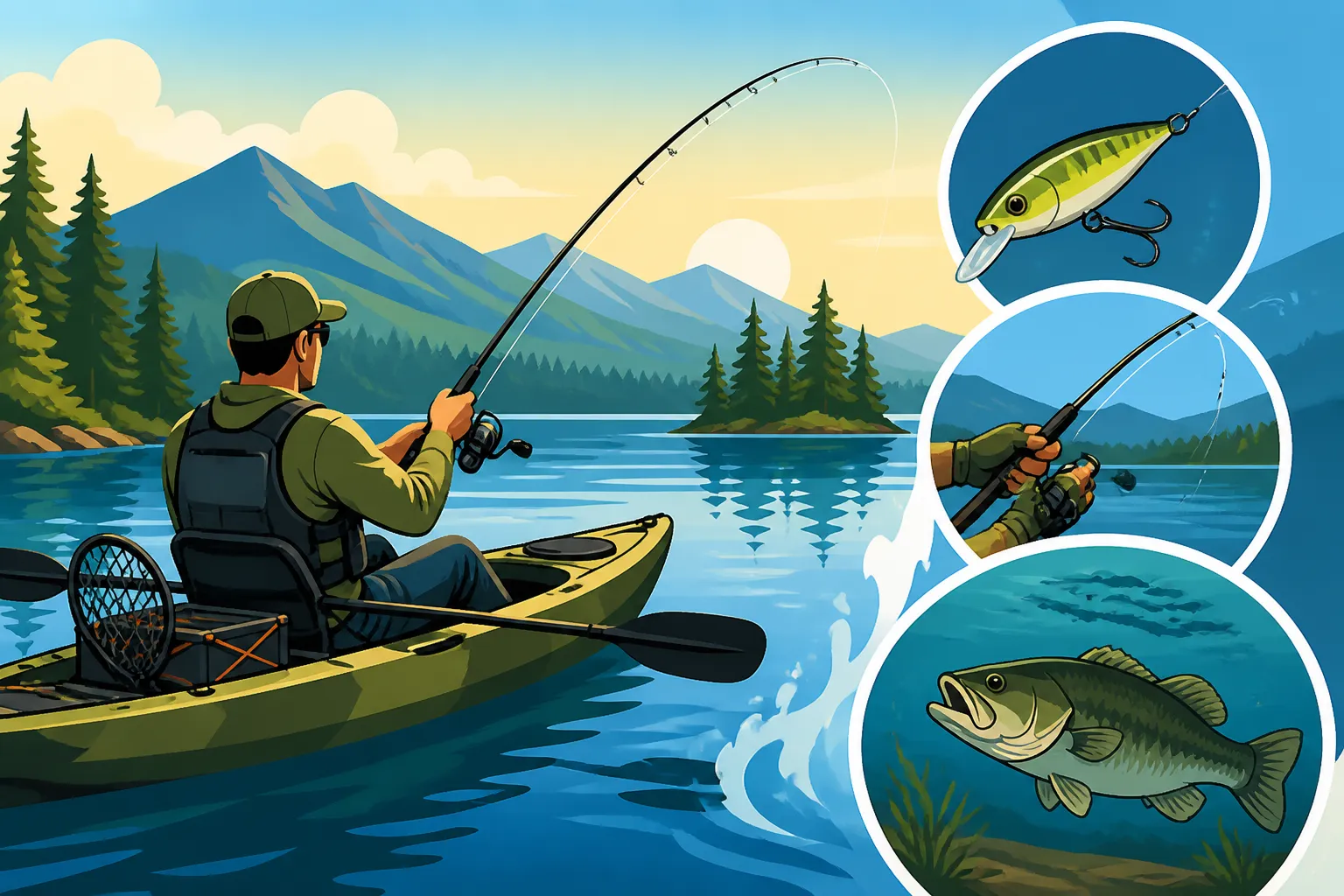
When kayak fishing for smallmouth, stealth is your biggest ally. Approach potential hotspots quietly, using your paddle or pedal drive to maintain a slow, controlled drift or position. Cast beyond the target structure and retrieve your lure through it, being mindful not to create too much disturbance. Effective lures include tube jigs, drop shots, Ned rigs, and small crankbaits that imitate crawfish or baitfish. Topwater lures like poppers and walk-the-dog baits can be incredibly exciting during low-light conditions, as you'll get to witness explosive surface strikes right from your kayak. For deeper understanding of their habits and tactics, check out How to Catch Smallmouth Bass in New Hampshire Lakes. Remember, the kayak's low profile allows for precise casts into tight spots that larger boats can't access, giving you an edge.
Chasing Lake Trout in the Depths
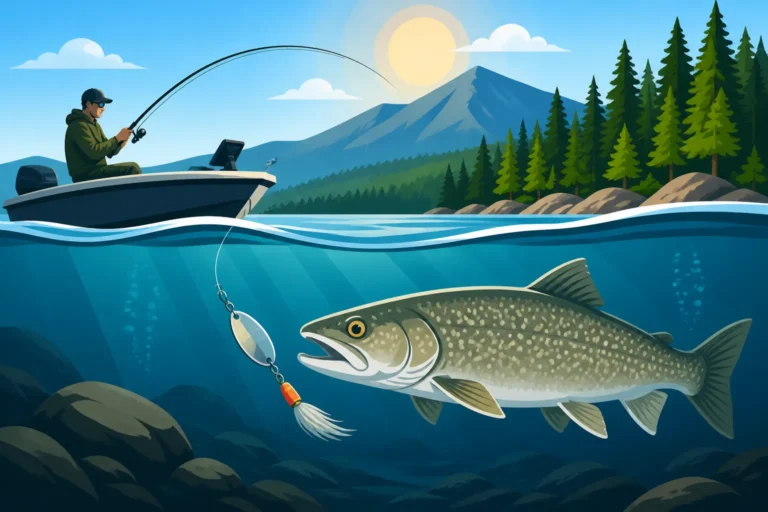
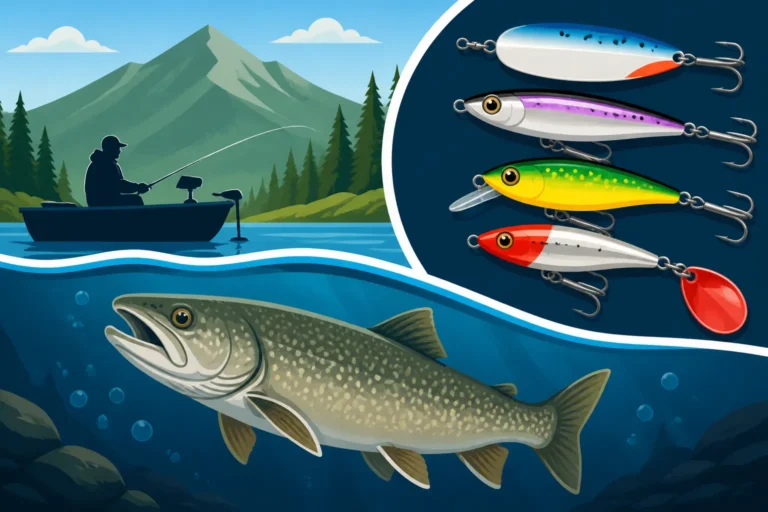
Lake trout are the kings of the deep in many of New Hampshire's larger, colder lakes like Winnipesaukee, Sunapee, and Newfound. While often associated with larger boats and downriggers, kayak anglers can absolutely target these powerful fish. The key is to understand their preferred depths and adapt your presentation. During spring and fall, lake trout can be found shallower, but in summer, they retreat to the cold, oxygen-rich waters found in the deepest parts of the lake.
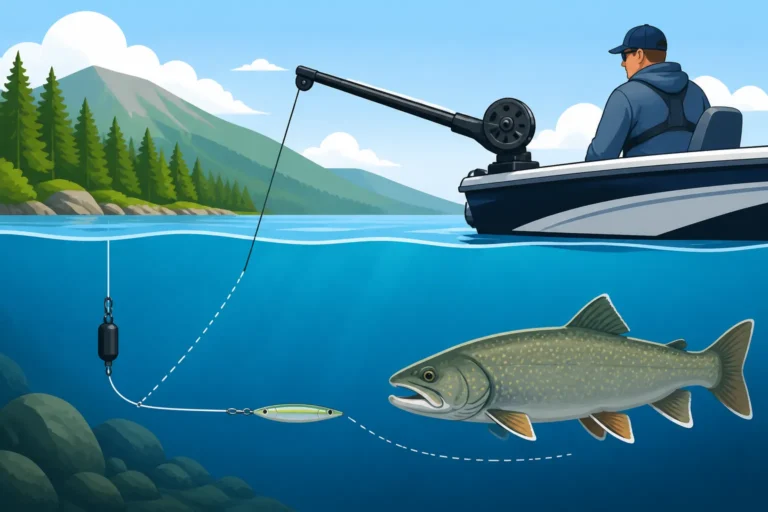
Trolling from a kayak is one of the most effective methods for lake trout. This involves slowly paddling or pedaling a lure behind your kayak at a consistent speed. Small spoons, stickbaits, and even live bait like shiners can be very effective. To get your lures down to the required depths, you'll need to employ tactics like lead core line, weighted lines, or even small planer boards for spreading lines. A portable fish finder is invaluable for identifying baitfish schools and bottom structure where lake trout might be lurking. For deeper insights into this, read about Trolling Techniques for New Hampshire Lake Trout. Vertical jigging over deep structure, especially when marked by a fish finder, is another productive technique. Consider bringing along a Best portable fish finder for kayak fishing to maximize your chances.
Strategies for Panfish and Pickerel in Shallow Waters
New Hampshire's shallower ponds and lake coves are often brimming with panfish like yellow perch, crappie, and sunfish, as well as the ever-present chain pickerel. These species offer fantastic action for kayak anglers, especially for beginners or those looking for a high-numbers day. The kayak’s stealth allows you to quietly explore weed beds, lily pad fields, and submerged timber where these fish hide.
For panfish, light tackle is the name of the game. Small jigs tipped with a piece of worm, tiny spinners, or even a simple bobber and bait setup will yield plenty of bites. Focus on areas with vegetation or submerged brush, as these offer both food and cover for panfish. For pickerel, which are ambush predators, cast spinnerbaits, spoons, or weedless soft plastics into the thickest cover you can find. They are aggressive and will often strike with surprising force. Their sharp teeth, however, necessitate a wire leader or heavy fluorocarbon to prevent bite-offs. Both panfish and pickerel offer consistent action and are excellent targets for honing your casting and boat handling skills from a kayak. While less glamorous than lake trout, they offer reliable fun and can often be found in more sheltered areas, making for a less challenging paddle.
Navigating New Hampshire Lakes by Kayak: Safety and Strategy
Kayaking on New Hampshire's lakes can be a truly serene experience, but it also demands a healthy respect for the water, the weather, and other boaters. Being prepared and strategic in your approach ensures not only a successful fishing trip but also a safe one.
Understanding Lake Conditions and Weather Patterns
New Hampshire weather can be fickle, especially around large bodies of water, and understanding its impact is paramount for kayak safety. Always check the forecast before heading out, paying close attention to wind speed and direction, potential for thunderstorms, and water temperatures. On larger lakes, even a gentle breeze can whip up significant chop, making paddling difficult and potentially dangerous. If the wind is projected to be above 10-15 mph, especially from an unfavorable direction (e.g., creating a long fetch across the lake), it might be wiser to choose a more sheltered cove or a smaller pond, or even postpone your trip.
Water temperature is another critical factor. New Hampshire's lakes, even in summer, can have surprisingly cold deep water, and spring and fall temperatures are downright frigid. If you find yourself in the water, hypothermia can set in quickly. Always dress for immersion, meaning wear layers that will still insulate when wet (avoid cotton!), and wear your PFD. Carry a dry bag with spare clothes, a first-aid kit, and a whistle for signaling. A marine VHF radio or a fully charged cell phone in a waterproof case is also a smart addition for emergencies. Being mindful of these conditions is part of New Hampshire Boating Laws for Anglers.
Launch and Landing Logistics
One of the great advantages of kayak fishing is the flexibility in launching, but thoughtful planning here can save you a lot of hassle. While you can often launch from nearly any accessible shoreline, public boat ramps are usually the easiest option, providing ample parking and paved access. However, these can be busy, especially on weekends, with larger powerboats creating wakes. Consider less-used access points or "carry-in" launches at state parks, which are often designated for smaller crafts and offer a more peaceful start to your day.
When launching, try to do so with your kayak oriented into the wind to minimize the chance of it being blown around. Have all your gear secured and ready to go before you push off. For larger lakes, understanding where designated public access points and boat launches are located is crucial for planning your day. For instance, if you're eyeing Lake Winnipesaukee, knowing the Best kayak launch points on Winnipesaukee can save you valuable time. When returning, scout your landing spot in advance. A good landing is often into the wind or current, allowing for better control. Secure your kayak immediately to prevent it from floating away or being battered by waves while you unload.
Respecting Other Boaters and the Environment
Sharing New Hampshire's beautiful lakes means being courteous and aware of other users. Kayaks are small and sit low in the water, making them less visible to larger powerboats, especially at high speeds. Always assume larger boats don't see you. Avoid fishing in busy navigation channels and always yield the right-of-way to larger vessels. Use a bright flag or light, especially in low light conditions, to increase your visibility.
Beyond safety, practicing Leave No Trace principles is essential. Pack out everything you pack in, including fishing line scraps, bait containers, and any other trash. Be mindful of fishing regulations specific to the water body you're on, including New Hampshire Fishing Regulations Explained and specific species limits. If you're using live bait, ensure it's allowed and dispose of unused bait responsibly to prevent the spread of invasive species. Minimize disturbance to wildlife, give other anglers space, and release fish carefully, especially if they are protected or out of season. A strong ethic of conservation ensures that New Hampshire's lakes remain pristine and productive for generations of anglers to come.
Advanced Kayak Fishing Tips and Tricks for New Hampshire
Once you've got the basics down, you can start exploring advanced techniques that will significantly enhance your kayak fishing experience in New Hampshire. These tips focus on maximizing your efficiency, staying on fish, and adapting to different scenarios.
Effective Anchoring and Positioning Techniques
Maintaining your position is one of the biggest challenges and opportunities in kayak fishing. While a standard anchor works, advanced techniques involve precise positioning. An anchor trolley system, which allows you to move your anchor line from the bow to the stern (or anywhere in between) along the side of your kayak, is a game-changer. This lets you orient your kayak precisely how you want it, whether to cast parallel to a shoreline, hold steady against a crosswind, or present your bait perfectly in a current. You can find excellent anchor trolley kits and components on Amazon.
Another effective technique, especially for subtle adjustments, is using a stakeout pole in shallow water or a drift sock (also called a sea anchor) in deeper, windy conditions. A stakeout pole allows for silent, instant anchoring in depths up to 8-10 feet, perfect for quietly working a weed line for largemouth bass or sight fishing for cruising fish. Drift socks, on the other hand, slow down your drift, giving you more time to work an area thoroughly without using your paddle. They are invaluable for covering large flats or deep structure in a controlled manner, allowing you to focus on fishing rather than constantly battling the wind. For more detailed insights, check out Best Anchor for Fishing Moving River Current, which can be adapted for lake use.
Using Electronics and Fish Finders from a Kayak
Modern electronics have revolutionized kayak fishing, making it possible to pinpoint fish and structure with incredible accuracy. Portable fish finders, often with SideScan or Down Imaging capabilities, are compact units that can be easily mounted to a kayak. They allow you to see bottom contours, submerged structures like brush piles or rock formations, and even individual fish or bait balls. Understanding what these images tell you is crucial for targeting specific species. For example, knowing the Best Fish Finders for New Hampshire Lakes can give you a significant advantage.
When integrating a fish finder, consider how it will be powered (usually a small 12V battery), where the transducer will be mounted (often through-hull or on a temporary arm), and how the display will be positioned for easy viewing without obstructing your paddling or casting. The ability to mark waypoints on a GPS-enabled unit allows you to return to productive spots repeatedly. Imagine marking a submerged hump where you caught lake trout, and then easily navigating back to it on your next trip! This technology is particularly beneficial for deep-water trolling or vertical jigging, allowing you to stay precisely on target. Many great options for kayak-specific fish finders are available through retailers like Amazon.
Seasonal Adjustments for Year-Round Kayak Success
New Hampshire's distinct seasons demand adaptability from kayak anglers. What works in spring won't necessarily work in summer or fall. In spring, as ice-out occurs and waters begin to warm, fish become more active in shallower areas. This is a prime time for targeting trout in stocked ponds and streams, and smallmouth bass preparing to spawn on rocky flats. Look for sunny coves that warm up fastest.
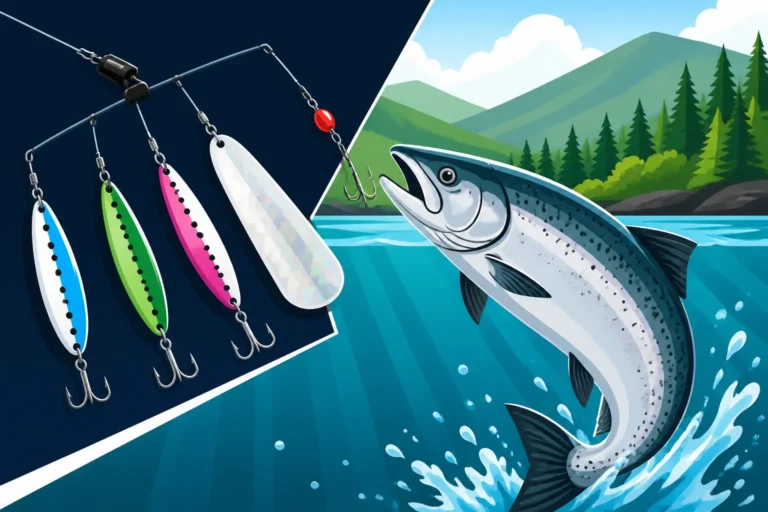
Summer brings warmer surface temperatures, often driving species like lake trout and landlocked salmon deeper. Focus your efforts on deep-water trolling or vertical jigging over thermoclines. Bass, however, will be active earlier and later in the day, seeking shade and cover in the midday sun. Topwater action can be phenomenal at dawn and dusk.
As fall approaches, waters cool, and many species become incredibly active, feeding aggressively before winter. Lake trout and salmon move shallower again, offering excellent opportunities for trolling or casting. Bass can be found gorging on baitfish in preparation for colder months. This is often considered one of the most productive times of year. Even winter opens up opportunities for ice fishing, though that involves a different set of techniques and safety considerations. Understanding New Hampshire Fishing Seasons by Month is paramount to planning your trips effectively and maximizing your catch.
| Gear Item | Primary Function | Why it's Essential for NH Kayak Fishing | Considerations for Purchase |
|---|---|---|---|
| Fishing Kayak | Watercraft | Stealth, access to remote spots, exercise | Sit-on-top for stability; pedal drive for hands-free; length/width for lake size |
| PFD (Life Jacket) | Safety | Crucial for cold water immersion, legal requirement | Fishing-specific with pockets; comfortable for paddling/casting |
| Anchor System | Position Holding | Maintain location in wind/current, fish structure | Grapnel/drag chain; anchor trolley system for versatility |
| Dry Bag | Gear Protection | Keeps electronics, wallet, keys dry | Waterproof roll-top; appropriate size for essentials |
| Portable Fish Finder | Locating Fish/Structure | Pinpoints depths, baitfish, bottom features | Battery life; imaging type (Down/SideScan); easy mounting |
| Rod Leashes | Gear Retention | Prevents loss of rods overboard | Coiled leash; strong clips for security |
| Landing Net | Fish Handling | Safe, controlled landing of fish | Rubberized mesh to protect fish; long handle for reach |
| Polarized Sunglasses | Vision | Reduces glare, helps spot fish/structure | UV protection; comfortable fit for all-day wear |
| Whistle/Signal Mirror | Safety | Alert others in emergency situations | Small, easily accessible on PFD |
Disclaimer
Please remember that fishing regulations and boating laws in New Hampshire can change. Always consult the most current New Hampshire Fish and Game Department regulations before heading out on the water. This guide is for informational purposes only and does not constitute legal advice. Stay safe and have fun out there!