Best Bass Fishing Techniques for Squam Lake
Squam Lake, with its pristine clear waters and breathtaking mountainous backdrop, offers a truly unique bass fishing experience in New Hampshire. However, its beauty often masks a challenging reality: bass here can be elusive, wary, and highly responsive to subtle changes in conditions and angler pressure. This comprehensive guide is designed to cut through the confusion and equip you with the best techniques to consistently find and catch both smallmouth and largemouth bass on this magnificent body of water.
Understanding Squam Lake's Bass Fishery
Before you even think about casting a line, getting to know Squam Lake itself is paramount. It’s not your average bass pond; it’s a deep, oligotrophic lake with specific characteristics that dictate how and where bass live and feed. Ignoring these unique attributes is a surefire way to come back with an empty livewell and a frustrated spirit.
Unique Habitat and Forage
Squam Lake is famous for its crystal-clear, cold waters and diverse underwater landscape. Unlike many warmer, shallower lakes, Squam features extensive rocky points, steep drop-offs, deep humps, and numerous islands, all providing crucial habitat for smallmouth bass. You'll find fewer expansive, dense weed beds, though pockets of sparse vegetation, especially in shallower coves, do hold largemouth. The clarity of the water means fish have excellent visibility, making stealth and long casts absolutely essential.
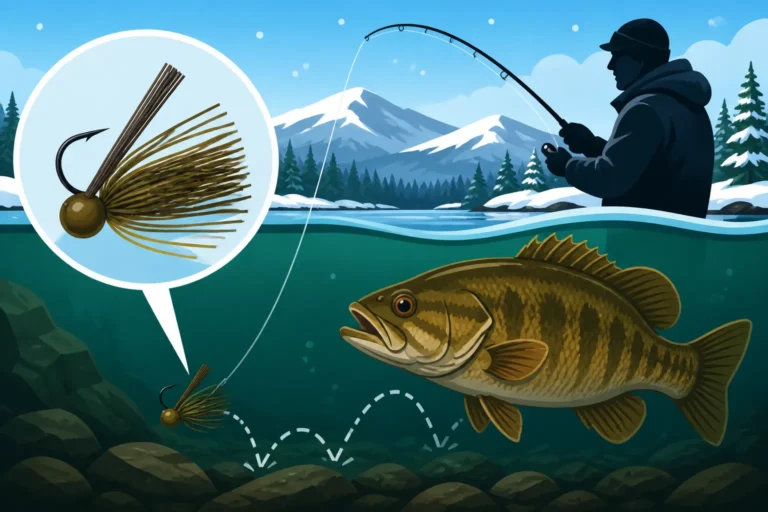
The primary forage base for bass in Squam includes rainbow smelt, various minnow species, crayfish, and juvenile perch. Understanding this diet is critical because matching your lure presentation and color to these natural food sources can dramatically increase your success. Think natural hues and baitfish profiles rather than overly flashy or unnatural presentations that might work in murkier waters. The abundance of crayfish, for instance, makes jigs and soft plastics in brown and green pumpkin colors incredibly effective, especially around rocky areas.
Largemouth vs. Smallmouth Dynamics
Squam Lake is home to healthy populations of both largemouth and smallmouth bass, but they tend to inhabit different zones and exhibit distinct behaviors. Smallmouth are the true kings of Squam's vast open waters and deep, rocky structures. They thrive in the colder, oxygen-rich depths, often schooling around offshore humps, ledges, and rocky points on the main lake. You'll find them cruising clear water, often suspended over deep water, or tucked into the shaded sides of a rock pile.
Largemouth bass, on the other hand, prefer the shallower, warmer, and more vegetated areas of Squam. Look for them in the protected coves, along shorelines with fallen trees (laydowns), under docks, and near any sparse lily pads or submerged weed patches that offer cover and ambush points. While not as prevalent as in some other New Hampshire lakes, a skilled angler can certainly find quality largemouth by focusing on these specific, often overlooked, shallow zones. Recognizing these distinct preferences is key to formulating an effective game plan for your day on the water. For a more in-depth look at specific locations, be sure to check out our Squam Lake Largemouth Bass Fishing guide.
Seasonal Movements of Squam Bass
Bass behavior on Squam Lake is heavily dictated by the changing seasons and, more specifically, by water temperature. Their patterns shift dramatically from the cold pre-spawn period to the warm depths of summer and the aggressive feeding of fall.
In early spring, as ice-out occurs and water temperatures slowly climb from the low 40s into the 50s, both species will begin to move from their deep wintering grounds toward shallower staging areas. Smallmouth will often congregate on main lake points and humps adjacent to spawning flats, while largemouth will seek out warmer, sun-exposed coves. The spawn typically happens when water temperatures hit the mid-to-high 50s and low 60s, usually from late May into June, depending on the year. During this time, bass are focused on reproduction and can be extremely territorial, making sight fishing an option in Squam's clear waters. However, it's crucial to respect the fish and release them quickly and carefully, especially during the crucial New Hampshire Bass Catch-and-Release Season, Explained.
As summer progresses and water temperatures rise into the 70s, bass scatter. Smallmouth often move to deeper offshore structures, following baitfish like rainbow smelt, or they might suspend over deep water. Largemouth will hold tight to cover in their shallow haunts, seeking shade and cooler water deeper in structure or under docks. Fall sees a dramatic shift again as water temperatures begin to drop. Both species become highly active, feeding aggressively to build reserves for winter. They will often school up, chasing baitfish in both shallow and mid-depth ranges, offering some of the most exciting fishing of the year. Understanding these annual cycles is vital for planning your trip and selecting the right techniques.
Essential Gear and Tackle for Squam Lake
Fishing on Squam Lake demands a specific approach to gear and tackle. Its clear water, rocky bottom, and often deep bass necessitate thoughtful choices to maximize your chances of success. Generic setups might land you a fish or two, but specialized equipment will put you firmly in the strike zone.
Rods, Reels, and Lines for Clear Water
Given Squam's exceptionally clear water, long casts and stealth are critical, especially for smallmouth. This calls for spinning gear for most finesse presentations. Look for medium-light to medium power spinning rods, typically 6'10" to 7'6" in length, with a fast action tip for sensitivity and precise hook sets. Longer rods aid in casting distance and line management. Pair these with high-quality spinning reels in the 2500-3000 size range, spooled with a sensitive braided main line (8-15 lb test).
The real secret weapon, however, is your leader. Because of the water clarity, a fluorocarbon leader is non-negotiable. Fluorocarbon is nearly invisible underwater, has excellent abrasion resistance (crucial around Squam's rocks), and sinks, helping your baits get down. A 6-10 lb test fluorocarbon leader, typically 6-10 feet long, tied to your braid with a strong knot like an FG or Alberto knot, is standard. For a deeper dive into line choices, you might find our guide on Best Fluorocarbon Line for Clear Lake Water particularly helpful. Many anglers, myself included, often purchase these specialty lines from trusted online retailers like Amazon, comparing different brands and reviews before making a choice.
Lure Selection for Squam's Conditions
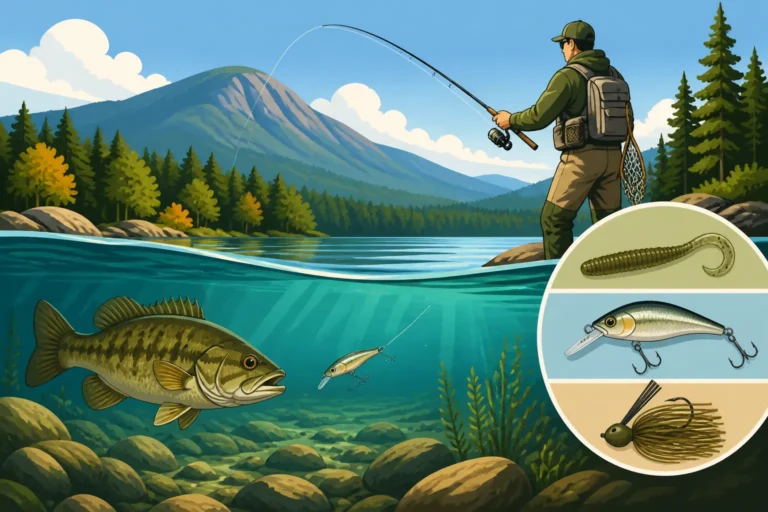
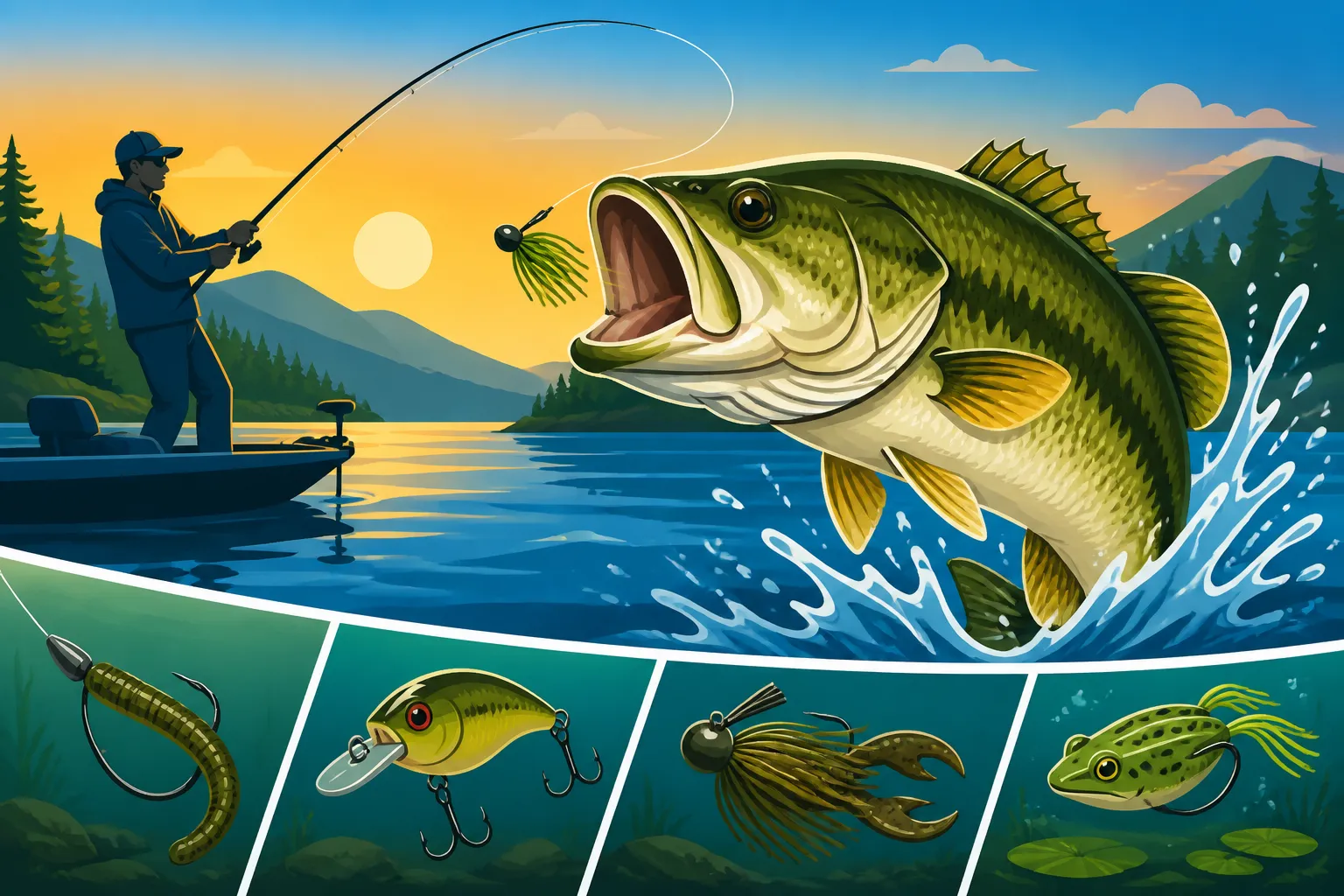
Lure selection on Squam should prioritize natural colors, subtle actions, and baitfish or crayfish profiles. For smallmouth, finesse baits are paramount. Drop shot rigs, Ned rigs, tube jigs, and small swimbaits in natural colors (green pumpkin, watermelon, brown, smoke, pearl white) are consistent producers. Small crankbaits and jerkbaits that mimic smelt are also excellent choices when fish are aggressive.
For largemouth, focus on soft plastics like Texas-rigged worms, creature baits, and jigs for pitching into cover. Topwater lures such as frogs, poppers, and walking baits can be incredibly exciting in low-light conditions around shallow vegetation. Small-profile spinnerbaits and bladed jigs can also be effective for covering water along weed edges. When choosing your lures, consider the specific forage in Squam Lake. A clear or silver jerkbait that mimics a smelt will often outperform a brightly colored one, especially on sunny days.
Sonar and Navigation Aids
Fishing Squam Lake effectively, especially for smallmouth, often means locating subtle offshore structures that hold fish. A quality fish finder with GPS and mapping capabilities is an invaluable tool. Side imaging and down imaging are particularly helpful for scouting vast areas quickly and identifying rock piles, humps, and baitfish schools that don't show up on traditional 2D sonar. Brands like Humminbird, Lowrance, and Garmin offer excellent units that provide the detail needed to pinpoint structure in Squam's deep, clear waters.
The GPS feature is essential not only for marking productive spots but also for safe navigation. Squam Lake has many islands, hidden rocks, and shallow shoals that can be hazardous, especially for those unfamiliar with the lake. Having detailed lake maps loaded into your unit allows you to avoid danger zones and find prime fishing locations with confidence. Using your electronics to identify depth contours and transitions, where hard bottom meets soft bottom, is a fundamental strategy for consistent success on Squam. You can find a wide range of these advanced electronics on platforms like Amazon, often with detailed specifications to help you choose the right one for your boat.
Top Techniques for Smallmouth Bass on Squam Lake
Smallmouth bass on Squam Lake are renowned for their aggressive fights and often spooky nature due to the clear water. Mastering a few key techniques can dramatically increase your catch rate for these bronze beauties.
Finesse Presentations for Spooky Smallmouth
When the water is gin-clear, the sun is high, or fishing pressure is intense, smallmouth become incredibly wary. This is when finesse tactics shine brightest. The goal is to present a small, natural-looking bait with minimal disturbance, mimicking a vulnerable baitfish or crayfish.
The drop shot rig is arguably the most effective finesse technique on Squam. It allows you to present a soft plastic bait precisely at the depth fish are holding, keeping it off the bottom and highly visible. Use small, straight-tail worms, minnow imitations, or tiny creature baits on a specialized drop shot hook (often size 1 or 2). Tie your hook directly to your fluorocarbon leader, leaving a tag end of 6-18 inches, to which you attach a pencil weight. Lightly shake your rod tip to impart action, or simply let it soak near structure. You can find a great selection of drop shot weights and hooks on Amazon to build your perfect rig.
Another deadly finesse presentation is the Ned rig. This involves a small, mushroom-shaped jig head paired with a short, buoyant soft plastic stick bait. The buoyancy of the plastic causes it to stand upright off the bottom, mimicking a feeding minnow or crayfish. It's incredibly subtle and effective when bass are reluctant to chase. Cast it out, let it sink, and retrieve it with short hops or drags along the bottom. The tube jig is also a perennial favorite for smallmouth, especially when mimicking crayfish. Rig it on an internal jig head and drag, hop, or twitch it along rocky bottom. The spiraling fall of a tube can often trigger strikes when nothing else will. Our guide on Best Tackle for New Hampshire Smallmouth Bass offers more detailed options.
Covering Water with Reaction Baits
While finesse rules for spooky fish, there are times when Squam's smallmouth are active and willing to chase. This is when reaction baits come into play, allowing you to cover water efficiently and locate aggressive fish.
Crankbaits are excellent for covering rocky points, humps, and transition areas. Choose diving crankbaits that reach the depths where smallmouth are holding, typically 8-20 feet. Colors should again be natural – chrome, silver, bluegill patterns, or crayfish patterns work best. Vary your retrieve speed and occasionally pause or deflect the crankbait off rocks to trigger strikes. For colder water or when fish are less active, a jerkbait can be a game-changer. Suspending jerkbaits that mimic smelt are particularly effective. Cast them out, twitch them aggressively, and then pause for several seconds. Many strikes occur on the pause. Consider reading our guide on Best Crankbaits for New Hampshire Smallmouth Bass for more tailored advice.
Small swimbaits (2.5-4 inches) on a jig head can also be highly effective for smallmouth, especially when they are keying on smelt. Cast them out and retrieve them steadily, just above the depth where you're seeing baitfish or marking bass. The subtle tail kick of a swimbait is often all it takes to entice a strike. These baits are particularly useful for fish suspended over deep water or cruising ledges.
Targeting Deepwater Structure
Squam Lake's smallmouth often relate to deepwater structure, especially during the summer and fall. This includes offshore humps, rock piles, ledges, and deep main lake points. Locating and effectively fishing these areas is crucial for consistent success.
The first step is to use your sonar to identify these features. Look for distinct changes in bottom contour, hard returns indicating rock, and schools of baitfish, often with larger arches (bass) nearby. Once you've found a promising spot, make precise casts with your finesse baits (drop shots, Ned rigs, tubes) to the edges and top of the structure. Pay close attention to your electronics to see how fish are positioned relative to the structure. Are they on top, along the sides, or suspended above it?
Vertical jigging can also be highly effective on deep structure. Small metal spoons, blade baits, or heavy drop shots can be dropped directly onto fish marked on your sonar. Jig them with short, sharp snaps or subtle quivers to entice a bite. This is a particularly effective technique when fish are tightly grouped on a specific piece of structure. Patience and persistence are key when fishing deep water; it often takes time to locate the sweet spots, but the rewards can be substantial.
Effective Strategies for Largemouth Bass on Squam Lake
While smallmouth tend to dominate the clear, deep expanses of Squam, savvy anglers can still find excellent largemouth action by focusing on specific, often shallower, habitats. These green bass prefer cover and ambush points, making distinct techniques necessary.
Pitching and Flipping Shallow Cover
Largemouth bass in Squam Lake are creatures of cover. They love to hide in the shadows and ambush unsuspecting prey. This makes pitching and flipping heavy cover a highly effective strategy, especially in the shallower, warmer coves and around the lake's many islands.
Look for areas with docks, fallen trees (laydowns), sparse lily pads, or submerged brush. These are prime ambush locations. Use a stout baitcasting rod (7'-7'6" heavy action) and a powerful reel spooled with 15-20 lb fluorocarbon or 30-50 lb braided line. Your baits should be weedless and compact to penetrate cover without snagging. Texas-rigged soft plastics, such as creature baits, soft plastic worms, or even jig-and-trailer combinations, are ideal. Use heavy tungsten weights (3/8 oz to 1 oz) to ensure your bait quickly punches through vegetation or falls swiftly past boat docks.
The technique involves making short, accurate casts or pitches into tight openings or against vertical cover. Let the bait fall on a semi-slack line, watching your line for any subtle twitch or jump that indicates a bite. Often, largemouth will grab the bait on the initial fall. After it hits bottom, give it a few subtle shakes or hops before retrieving and pitching to the next piece of cover. This is a close-quarters combat technique that requires precision and quick reflexes.
Topwater Action in Early Morning and Evening
Few things are as exhilarating as a largemouth bass exploding on a topwater lure, and Squam Lake offers some fantastic opportunities for this, particularly during low-light conditions.
Target areas where largemouth typically reside: shallow coves, along vegetated shorelines, near docks, or where submerged grass comes close to the surface. The best times are typically dawn and dusk, or on overcast days, when the fish feel more secure feeding near the surface.
There are several types of topwater lures that excel. Walking baits (like a Heddon Super Spook) can be highly effective, mimicking a wounded baitfish with their side-to-side sashaying action. Poppers create a loud "bloop" or splash, drawing aggressive strikes, while frogs are perfect for working over dense lily pads or matted vegetation where other lures would snag. Cast your topwater lure to the edges of cover or into open pockets, and work it back with varying pauses and retrieves. Sometimes a fast, erratic retrieve triggers strikes, while other times a slow, deliberate walk-the-dog or "pop-and-pause" is more effective. For specific lure recommendations, refer to our Best Topwater Lure for Dawn Smallmouth Fishing article.
Slow-Rolling Jigs and Worms Near Structure
When largemouth aren't actively chasing reaction baits or hitting topwater, a slower, more deliberate presentation can often coax them into biting. This is where jigs and soft plastic worms truly shine, especially when fished near bottom structure.
A jig-and-trailer combo (often a rubber-skirted jig paired with a craw-style or chunk trailer) is a versatile bait for largemouth. Cast it to the edges of weed lines, around dock pilings, or near fallen timber, and slowly drag or hop it along the bottom. The jig mimics a crayfish or a baitfish digging in the mud. Vary your trailer choice and color to match the forage and water conditions – natural greens, browns, and black-and-blue are perennial favorites.
Soft plastic worms, particularly Texas-rigged worms, are also highly effective for slow presentations. Whether it's a straight-tail worm, a ribbon-tail worm, or a stick bait, these plastics can be fished weightless, lightly weighted, or Texas-rigged with a bullet weight. Cast them to cover, let them sink, and slowly drag, shake, or hop them back. The subtle action of a plastic worm is often irresistible to a largemouth that is not actively feeding. Experiment with different worm sizes and colors to find what the fish are keying on.
Adapting to Squam Lake's Challenges
Squam Lake's beauty comes with unique fishing challenges that can frustrate unprepared anglers. Successfully adapting to these conditions is what separates consistent bass anglers from those who merely get lucky.
The Impact of Clear Water and Sun
Squam's exceptionally clear water is a double-edged sword. While it allows for incredible sight fishing opportunities, it also makes bass incredibly wary. Fish have a wider field of vision and can easily spot unnatural lines, bright lures, or even the silhouette of your boat.
To combat this, stealth is paramount. Make long casts to keep your boat at a distance, use fluorocarbon leaders to reduce line visibility, and wear natural-colored clothing to blend in. Fishing during low-light conditions (dawn, dusk, or overcast days) can also significantly improve your success, as bass feel more comfortable moving into shallower, more exposed areas. On bright, sunny days, fish will often retreat to deeper water or seek dense shade, making presentations that get down quickly or mimic a dying baitfish under cover more effective. Adjust your lure colors to natural, subtle hues rather than bright or flashy ones, which can often spook fish in clear water.
Navigating Rocky Bottoms and Shallow Hazards
Squam Lake is known for its rocky structure, which is fantastic for smallmouth bass habitat but can be treacherous for boaters. There are numerous shallow rock piles, ledges, and shoals, many of which are not immediately obvious, especially when motoring at speed.
Always consult detailed lake charts and your GPS unit to identify hazards before you go. Utilize your depth finder and fish finder's mapping capabilities to stay in safe water. When fishing shallower, rocky areas, be extremely cautious. Trim your motor up, motor slowly, or even use your trolling motor to navigate. Having a good understanding of where the hazards are located is essential for both your safety and the longevity of your boat's lower unit. Many experienced Squam anglers use tough, abrasion-resistant lines and leaders, like some of the robust options available on Amazon, to mitigate the risk of break-offs when fishing around sharp rocks.
| Hazard Type | Description | Navigation Strategy | Fishing Strategy |
|---|---|---|---|
| Rock Piles | Submerged clusters of rocks, often rising abruptly from deeper water. | Use detailed charts & sonar; go slow, especially when entering new areas. | Prime smallmouth habitat; target with drop shots, tubes, jigs. |
| Ledges/Drop-offs | Sudden changes in depth, often rocky, providing transition zones. | Mark on GPS; approach slowly, check depth constantly. | Excellent for both species; smallmouth on deeper edges, largemouth on shallower shelves. |
| Shoals | Broad, shallow areas, often sandy or rocky, near islands or shorelines. | Avoid fast travel; rely on charts; look for surface indicators like ripples. | Largemouth might be found on the edges; smallmouth may feed on baitfish. |
| Fallen Timber | Submerged trees or logs, particularly in coves and near shore. | Identify visually or with side imaging; approach slowly to avoid propeller damage. | Excellent largemouth cover; pitch jigs & soft plastics into branches. |
| Docks | Man-made structures providing shade and overhead cover. | Be mindful of boat traffic; approach slowly; respect private property. | Top largemouth ambush points; pitch under them with worms or jigs. |
Respecting the Lake's Ecosystem and Regulations
Squam Lake is a precious natural resource, and respecting its ecosystem and adhering to all regulations is paramount. This includes practicing catch-and-release, especially for larger breeding bass, minimizing disturbance to spawning areas, and properly disposing of all trash.
Familiarize yourself with the New Hampshire Fishing Regulations Explained, including specific size and bag limits for bass. Squam Lake has specific management objectives, and responsible angling helps ensure a healthy fishery for generations to come. This also extends to boating regulations, such as no-wake zones around shorelines and islands, and maintaining safe distances from other boats and swimmers. Always ensure you have a valid New Hampshire Fishing License Guide for 2026 and understand all local rules. A healthy lake is a productive lake, and every angler plays a role in its preservation.
Seasonal Fishing Calendar for Squam Lake Bass
Bass fishing on Squam Lake is a dynamic pursuit, constantly changing with the seasons. A technique that worked wonders in spring might be completely ineffective in summer. Understanding these seasonal shifts is crucial for consistent success.
Spring Fishing: Pre-Spawn to Spawn
Spring on Squam is a period of transition, driven by rising water temperatures after the long winter. As the ice recedes, typically in April, bass begin to emerge from their deep wintering areas. The pre-spawn period (late April to mid-May) is characterized by fish moving towards shallower staging areas adjacent to traditional spawning grounds. Smallmouth will stack up on rocky points, humps, and channels leading into protected coves. Largemouth will seek out the warmest, most sun-exposed coves with some emergent vegetation or shallow structure.
During pre-spawn, bass are often feeding aggressively, trying to bulk up before the energy-intensive spawning ritual. Jerkbaits, crankbaits, and swimbaits can be highly effective for these actively feeding fish. As water temperatures hit the mid-to-high 50s and low 60s, the spawn begins, typically late May into early June. Bass become extremely territorial, guarding their nests in shallow, hard-bottomed areas. Sight fishing with soft plastics or jigs can be effective, but remember to minimize disturbance and release fish quickly. Always consult the When New Hampshire bass season reopens for harvest rules to ensure you are compliant with regulations regarding harvest.
Summer Fishing: Post-Spawn and Deepwater Tactics
Summer on Squam Lake brings warmer water and can present a challenge as bass scatter and often move deeper. The post-spawn period (late June into early July) can be tough, as bass are recovering from spawning and may be less aggressive. They often move to nearby cover or slightly deeper breaks.
As the heat of summer sets in (July and August), smallmouth will frequently abandon the shallows for cooler, deeper water. Look for them on offshore humps, deep rock piles, and submerged ledges, often suspending over deep water following baitfish. This is prime time for vertical jigging with spoons or blade baits, deep drop shots, and slow-trolling small swimbaits or tube jigs. Early mornings and late evenings can also bring smallmouth shallow to feed on topwater in certain areas.
Largemouth, while still in their shallow haunts, will seek refuge in dense cover, under docks, or in shaded areas during the heat of the day. Pitching and flipping jigs and soft plastics into these shaded pockets are your best bet. Topwater action can still be good during low-light hours. Don't be afraid to fish slowly and deliberately for these deep or heavily covered fish.
Fall Fishing: Feeding Frenzy
Fall on Squam Lake is arguably one of the most exciting times to fish for bass. As water temperatures begin to drop from late September through November, bass enter an intense feeding frenzy, gorging themselves in preparation for winter.
Both smallmouth and largemouth often become more aggressive and predictable. Smallmouth will typically school up, chasing baitfish in both mid-depth and shallow areas. They might be found on offshore humps one day, and then cruising rocky points the next. This is an excellent time for reaction baits like crankbaits, jerkbaits, and spinnerbaits, as well as casting swimbaits to schooling fish. Watching for active baitfish on your sonar or surface activity (gulls diving) can lead you to hot spots.
Largemouth will also become more active, often moving shallow to feed on baitfish pushed into coves. Pitching jigs, Texas-rigged worms, and even throwing medium-diving crankbaits along weed edges or near docks can produce big fish. As water temperatures continue to fall, fish will eventually move to their deep wintering holes, but until then, fall offers some of the best opportunities for trophy bass on Squam.
Disclaimer
Fishing regulations and conditions can change rapidly. Always consult the latest New Hampshire Fish and Game Department regulations before heading out on the water. This guide is for informational purposes only and does not constitute legal advice. Adherence to all local, state, and federal laws is the responsibility of the angler.