Best time of day to catch landlocked salmon on Sunapee
It can be incredibly frustrating to head out onto beautiful Lake Sunapee, hoping to hook into one of those magnificent landlocked salmon, only to spend hours without a bite. You know they're in there, but pinpointing when they're most active can feel like solving a cryptic puzzle. This guide is here to unravel that mystery, offering practical, experience-based advice on the best times of day to target landlocked salmon on Sunapee, helping you make the most of your precious time on the water.
Understanding Landlocked Salmon Behavior in Sunapee
To truly understand the best time of day to catch landlocked salmon on Sunapee, we first need to get inside their heads a little – or at least understand their basic biology and preferred habits. These fish are predators, highly attuned to their environment, and their activity patterns are deeply influenced by light, water temperature, and the movements of their primary food source: rainbow smelt.
The Impact of Light Levels on Salmon Activity
Landlocked salmon, much like many predatory fish, are often most active during periods of low light. Think about it from a biological standpoint: dim light provides them with a tactical advantage. Their eyesight is excellent, allowing them to spot prey (like those small, silvery rainbow smelt) more easily in low light than the smelt can spot them. This is why you'll hear seasoned anglers consistently talk about "the bite" being strongest at dawn and dusk.
When the sun is low, or before it even crests the horizon, the water column isn't fully illuminated. This makes the salmon feel more secure coming up from deeper waters or moving along shallower structures to hunt. They become bolder, more willing to chase. As the sun climbs higher and penetrates the water more deeply, they tend to retreat to deeper, darker, or more shaded areas, where they feel less exposed and more comfortable. This isn't to say they never bite midday, but their aggression typically wanes, and they become more selective or hold tighter to structure.
Water Temperature and Oxygen Preferences
Lake Sunapee is a deep, cold-water lake, which is exactly why it's such prime habitat for landlocked salmon. These fish thrive in cold, well-oxygenated water, typically preferring temperatures in the mid-40s to low 60s Fahrenheit. However, these preferred temperature bands change throughout the year and even throughout the day.
In the spring, right after ice-out, the entire water column might be relatively cool, allowing salmon to range more freely, often shallower. As summer progresses, a distinct thermocline forms in Sunapee – a layer where the water temperature rapidly changes with depth. The salmon will almost invariably hold just above, within, or just below this thermocline, seeking out that perfect balance of cold water and ample oxygen. This means that even if it's early morning, if the surface water has warmed significantly due to a hot spell, they might still be deeper than you expect. Understanding Landlocked Salmon Life Cycle in New Hampshire Lakes helps you anticipate these thermal preferences.
Conversely, strong winds can mix the water, sometimes breaking up the thermocline temporarily or pushing colder water closer to the surface, which can stir up salmon activity at unexpected times. Always keep an eye on water temperatures, either with a boat's electronics or a simple handheld thermometer, to better predict where the fish will be holding.
Forage Fish Movements (Smelt)
The life of a landlocked salmon revolves around rainbow smelt. These small, silvery baitfish are their primary food source, and where the smelt go, the salmon follow. Smelt are also sensitive to light. During bright daylight, smelt typically disperse and move to deeper, darker parts of the lake to avoid predation. But as light levels decrease – at dawn, dusk, and even on very overcast days – smelt will often move up in the water column or into shallower areas to feed on zooplankton.
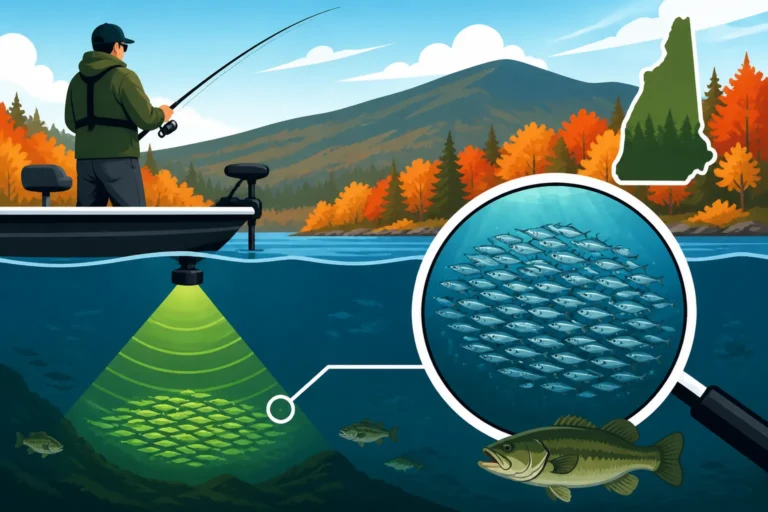
This daily migration of smelt dictates the daily feeding patterns of salmon. When smelt rise, salmon rise. When smelt school up, salmon key in on those schools. Experienced anglers pay close attention to their fish finders for signs of baitfish. A good fish finder can be an invaluable tool to locate these schools, whether you're looking for one on a site like Amazon or checking out local tackle shops. If you see arches (representing salmon) mixed in with clouds of bait, you've likely found a prime feeding zone and time. Understanding How to rig smelt for landlocked salmon trolling shows you just how crucial this baitfish is to successful salmon fishing.
Prime Time Windows for Sunapee Landlocked Salmon
Considering the factors above, there are definitely specific windows throughout the day that offer the best chances for hooking into a Sunapee landlocked salmon. These aren't hard and fast rules, as fishing always has its unpredictable elements, but they are strong guidelines.
Early Morning: The Golden Hour
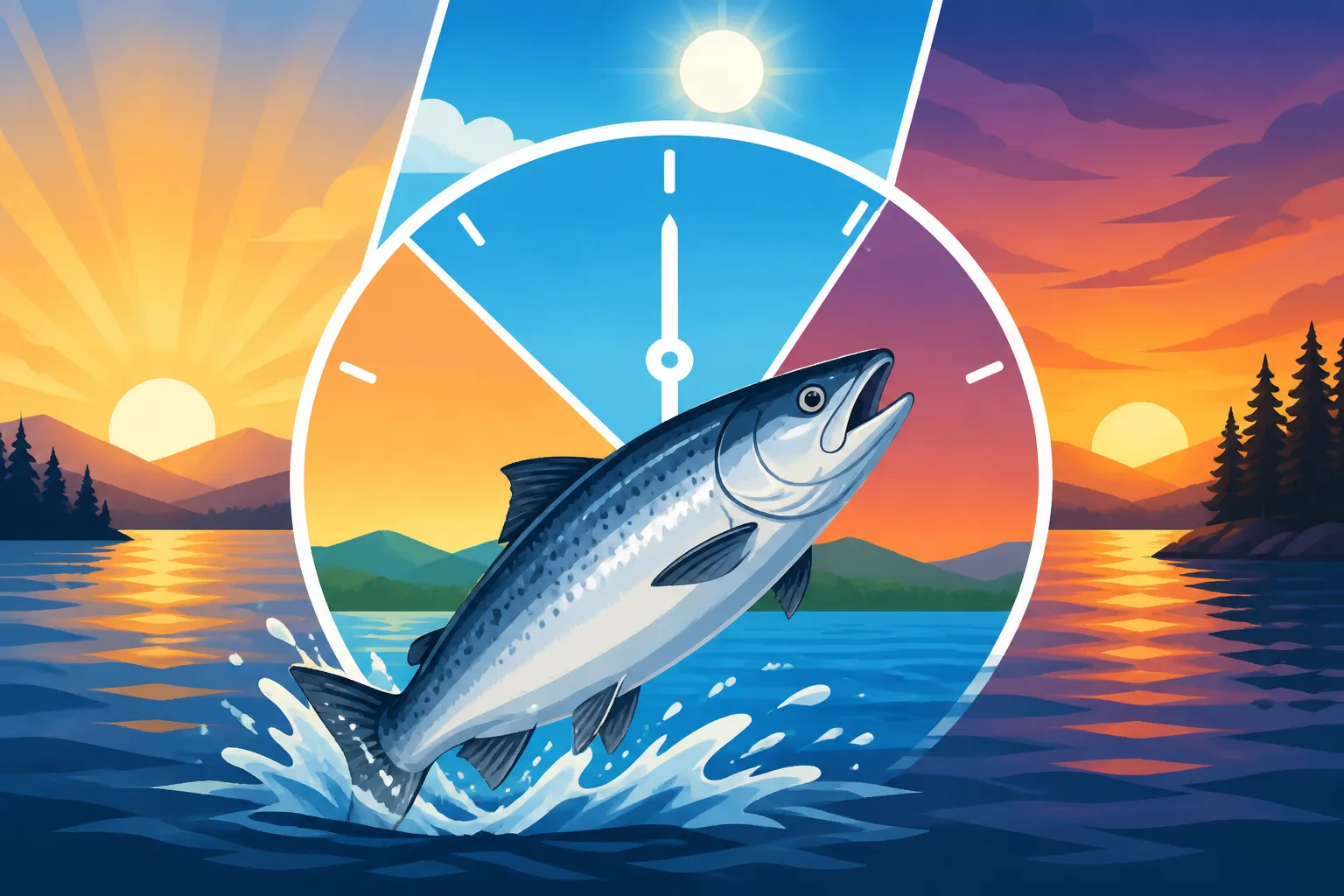
Without a doubt, the period from first light until an hour or two after sunrise is often the most productive time for landlocked salmon on Lake Sunapee. This "golden hour" (which often stretches into two or three hours) sees salmon at their most aggressive and active.
As the pre-dawn glow starts to paint the sky, the light levels are ideal for salmon to move up from their deeper holding areas. They're often hungry after a night of less intense feeding (though they do feed at night, too!) and are actively seeking out smelt that are also rising in the water column. This is when you'll often see explosive strikes on topwater lures if they're feeding very high, or strong pulls on trolled baits.
For those dedicated enough to be on the water before the sun even peeks over the eastern shore, the rewards can be significant. This often means launching your boat in the dark or getting your gear ready by headlamp. Many anglers will start trolling a variety of baits, like spoons or small stickbaits, at different depths to locate the active feeding zone. A good starting point is often just below the surface down to about 20-30 feet, depending on the season and water temperatures. This is often the time when you're most likely to catch your limit or land a trophy fish. If you're looking for more general strategies, How to Catch Landlocked Salmon in New Hampshire is an excellent resource.
Late Afternoon and Dusk: Another Peak Opportunity
While often overshadowed by the morning bite, the late afternoon and dusk period can be just as productive, offering another prime window of opportunity. As the sun begins its descent towards the western horizon, the light intensity again diminishes, mirroring the conditions that make dawn so effective.
Salmon that have been hunkered down in deeper, cooler water throughout the brightest part of the day will start to become more active, moving up to hunt for smelt. This period, from roughly two hours before sunset until complete darkness, can be fantastic. The lake also tends to quiet down as recreational boaters head back to shore, which can make the fish less wary.
The strategies for evening fishing are similar to morning: focus on trolling lures at various depths where you suspect salmon and smelt are interacting. Pay close attention to structure, such as underwater points, humps, and sudden drop-offs, as these are often ambush points for salmon. The visual aspect of a stunning Sunapee sunset while reeling in a salmon is just an added bonus!
Midday Challenges and Strategies
Fishing for landlocked salmon on Sunapee during the bright midday hours is definitely more challenging, but it's not impossible. This is the period when the sun is highest, light penetration is deepest, and surface temperatures are warmest, causing salmon to retreat.
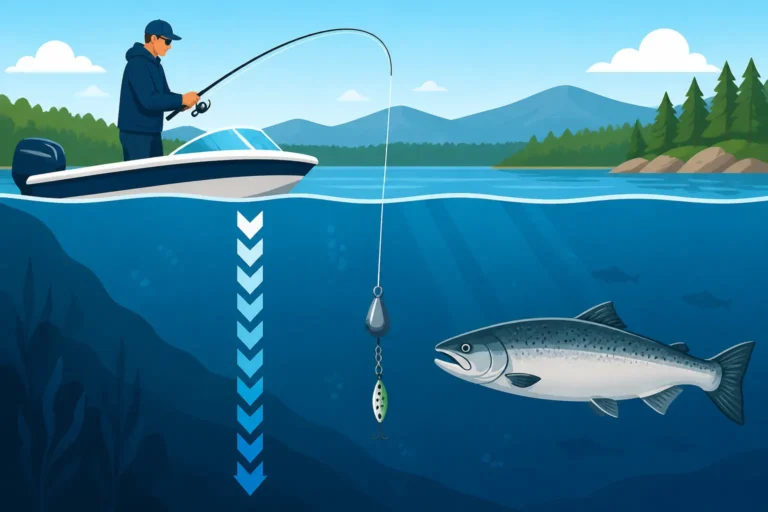
However, if you find yourself on the water during midday, you can still find success by adjusting your tactics. This means going deeper. Salmon will often suspend in the deepest, coolest, and darkest parts of the thermocline. Using downriggers or weighted lines to present your baits at depths of 40, 60, or even 80 feet (or more in summer) is crucial. A good sonar unit, like those you can find on Amazon, becomes indispensable here for marking fish and bait schools in the depths. You might also want to look at Best Trolling Gear for New Hampshire Lake Trout as much of that gear crosses over for deep-water salmon fishing.
Another strategy for midday is to focus on cloudy, overcast days. A thick cloud cover acts like a natural dimmer switch, reducing light penetration and sometimes extending those productive morning and evening bites well into the day. On these days, salmon might stay shallower for longer periods, making them more accessible.
Seasonal Variations and Their Effect on Daily Timing
The "best time of day" isn't a static concept on Sunapee; it shifts dramatically with the seasons. A salmon's daily routine in April looks very different from its routine in August. Understanding these seasonal nuances is key to consistent success.
Spring: Post Ice-Out and Early Season Bites
Spring on Lake Sunapee, particularly after ice-out, is a fantastic time for landlocked salmon fishing, and the daily timing is often less restrictive. With the entire water column uniformly cold, salmon can be found throughout the lake, from just under the surface to moderate depths. They are often cruising shallower flats, rocky points, and near tributary mouths, feeding aggressively as they recover from winter and prepare for warmer months.
During this period, the "golden hour" of early morning is still excellent, but the active feeding window can often extend for several hours longer into the late morning, and sometimes even into the early afternoon, especially on overcast days. The evening bite is also strong. Many anglers find success trolling spoons and stickbaits fairly close to the surface, typically within the top 20 feet. This is an exciting time because the fish are very active and often willing to chase. The New Hampshire Fishing Season Dates and Closures are important to review so you know exactly when you can start targeting these spring salmon.
Summer: Deep Water and Thermocline Tactics
Summer brings warmth, and with it, a significant change in salmon behavior on Sunapee. As the lake stratifies and a distinct thermocline forms, landlocked salmon will retreat to the colder, deeper water that provides their preferred temperatures and oxygen levels. This means the prime feeding times become much more concentrated to those low-light periods.
In summer, the very early morning, right at first light, and the hour or two before dark are paramount. During these times, salmon will make forays up into the upper reaches of the thermocline, or even briefly above it, to hunt for smelt. However, they rarely venture far into the warm surface waters. Midday fishing requires dedicated deep-water tactics, as discussed earlier.
Anglers targeting summer salmon often rely heavily on downriggers, lead core line, or heavy weights to present lures at specific depths, sometimes 60-100 feet down. The key is to find the thermocline and fish right in it or just above it. This is precision fishing, and it makes those brief morning and evening windows all the more critical for success. For more specific insights on deep-water trolling, check out How deep to troll for salmon at Winnipesaukee – the principles often apply to Sunapee as well.
Fall: Pre-Spawn Aggression and Cooling Waters
Fall is another fantastic season for landlocked salmon on Sunapee, often rivaling spring in terms of consistent action. As the lake's surface temperatures begin to drop and the water starts to cool and "turn over" (mixing the layers), salmon become increasingly active and aggressive. They are packing on weight in preparation for the upcoming spawning season and the lean winter months.
During the fall, the daily prime times often extend again, similar to spring. The morning bite is excellent, but salmon can remain active and accessible throughout the day, especially on cooler, cloudier days. The afternoon bite, leading into dusk, is also very strong. As the season progresses and surface temperatures continue to drop, salmon will move shallower more frequently, often cruising near rocky shorelines, reefs, and river mouths where they will eventually spawn.
This is a great time to troll a variety of spoons and stickbaits, often at slightly higher speeds, as the fish are very willing to chase. Keep an eye out for surface activity – jumping baitfish or splashing salmon – which signals an active feeding frenzy. Fall fishing can provide some of the biggest and most beautiful landlocked salmon of the year, and the stunning foliage around Lake Sunapee makes it an unforgettable experience. If you’re looking for trophy fish, you might want to read Best Lakes for Trophy Landlocked Salmon in New Hampshire.
Other Factors Influencing Salmon Feeding Times
While light, temperature, and baitfish are primary drivers, other environmental factors can subtly (or not so subtly) influence when landlocked salmon decide to feed on Sunapee. Savvy anglers pay attention to these details to maximize their chances.
Weather and Barometric Pressure
The weather plays a significant role in fish activity. Overcast days, for instance, naturally reduce light penetration into the water, effectively extending those "low light" conditions that salmon prefer. This can turn a typical two-hour morning bite into a four or five-hour affair. Conversely, extremely bright, clear days can push salmon deeper and make them more lethargic, shortening those prime windows.
Barometric pressure is another factor often discussed among anglers. A stable, high-pressure system generally leads to less active fish, as the increased pressure can make fish feel uncomfortable and less inclined to feed. However, a falling barometric pressure, often associated with an approaching storm front, can trigger a feeding frenzy. Fish often sense these changes and will feed aggressively before the weather turns foul. After a front passes and the pressure stabilizes again, fishing can slow down significantly until the fish adjust.
It's a good idea to check the weather forecast, including barometric trends, before heading out. Sometimes, timing your trip to coincide with a falling barometer can make all the difference, even if it means fishing midday under cloudy skies.
Moon Phases and Solunar Tables
The moon's gravitational pull influences tides in saltwater, but it also affects freshwater bodies, albeit in a less obvious way. Many anglers believe that certain moon phases, particularly the new and full moons, can stimulate fish activity, leading to better fishing. The increased gravitational pull is thought to affect fish behavior and the movement of their prey.
Solunar tables, which predict periods of increased fish and wildlife activity based on the moon and sun's positions, are popular tools for some anglers. While not foolproof, many swear by them. These tables usually highlight "major" and "minor" feeding times throughout the day, often coinciding with moonrise, moonset, and times when the moon is directly overhead or underfoot. For Sunapee, you'll want to use freshwater-specific solunar tables. You can often find these in fishing almanacs or through various fishing apps on your smartphone. While these don't replace being on the water, they can offer additional guidance.
Local Intelligence and Fishing Reports
One of the most valuable resources for determining the best time of day to catch landlocked salmon on Sunapee is local intelligence. No matter how much you read, nothing beats talking to anglers who are regularly fishing the lake or stopping by local bait and tackle shops like those found in the Sunapee region.
Shop owners and guides often have their finger on the pulse of the fishery. They know what's been working, what depths fish are being caught at, and crucially, when those bites have been happening. They can tell you if the morning bite has been strong, or if the evening has been surprisingly productive. They might even share insights on Sunapee Lake Landlocked Salmon Fishing specifically.
Many local shops also keep informal fishing reports. Online forums and local fishing groups on social media can also provide real-time updates. While you should always take reports with a grain of salt (anglers love to exaggerate a little!), they can offer a general idea of trends and help you adjust your strategy for the day. Combining this local knowledge with your understanding of salmon behavior and the weather can significantly increase your odds of success.
Here's a quick reference table summarizing the general best times:
| Season | Primary Peak Times | Secondary/Opportunistic Times | Key Considerations |
|---|---|---|---|
| Spring | First Light to Late Morning (2-3 hours after SR) | Late Afternoon to Dusk | Whole water column cold, salmon shallower, extended feeding windows |
| Summer | Very Early Morning (First Light to 1 hour after SR) | Dusk (1 hour before SS to dark) | Thermocline dictates depth, deep water tactics crucial midday |
| Fall | First Light to Late Morning (2-3 hours after SR) | Midday (especially overcast), Late Afternoon to Dusk | Water cooling, pre-spawn aggression, salmon moving shallower, extended windows |
| Winter | Varies with ice fishing, but generally midday hours for consistency | First light and late afternoon can be good, but often short | Ice fishing; fish activity often related to light penetration through ice/snow, less predictable low-light bite |
Note: SR = Sunrise, SS = Sunset. Times are approximate and vary based on weather, specific day, and fish behavior.
Disclaimer
The information provided in this guide is for general informational purposes only. Fishing conditions, regulations, and fish behavior can change rapidly. Always consult the most current New Hampshire Fish and Game Department regulations before heading out. Fishing involves inherent risks; please exercise caution and good judgment on the water.