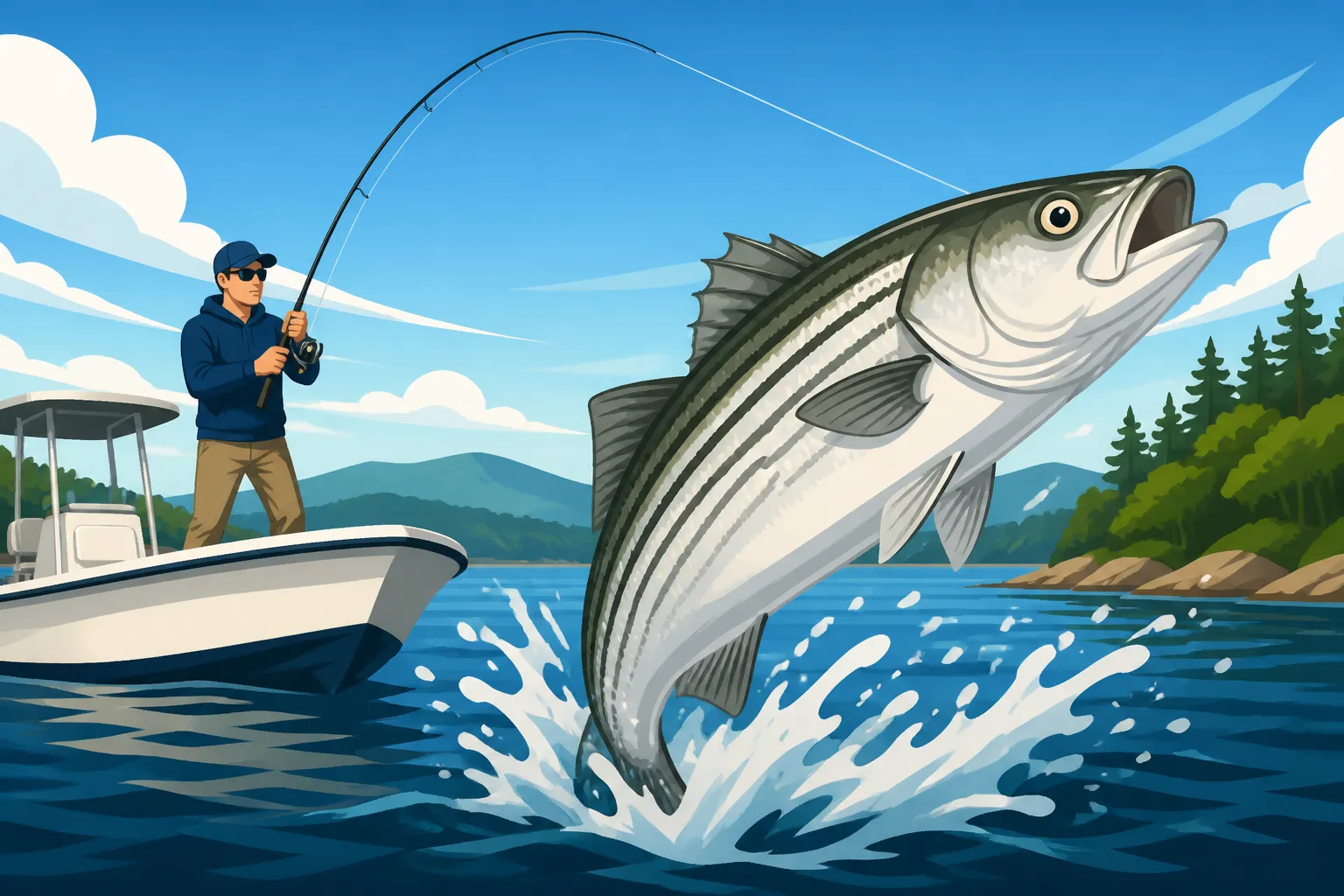
How to Catch Striped Bass in Great Bay
Fishing for striped bass in Great Bay can be an incredibly rewarding experience, but it often presents unique challenges. From navigating the strong tidal currents to understanding the migration patterns of these powerful fish, many anglers feel overwhelmed trying to consistently locate and catch stripers in this complex estuarine system. This comprehensive guide is designed to break down the nuances of Great Bay striped bass fishing, offering practical strategies and insights to help you improve your success on the water.
Understanding Great Bay's Unique Environment for Striped Bass
Great Bay isn't just any body of water; it's a dynamic estuarine system where freshwater rivers meet the incoming saltwater from the Atlantic Ocean. This constant flux creates a fascinating and often challenging environment for anglers and striped bass alike. Understanding these core environmental factors is key to unlocking consistent success.
The Tidal Influence and Salinity Gradients
The most significant factor influencing striped bass behavior in Great Bay is the tide. Twice a day, vast amounts of ocean water surge into the bay and then recede, creating powerful currents that funnel baitfish and influence where stripers choose to feed and rest. During an incoming tide, cooler, saltier ocean water pushes into the bay, often bringing with it a fresh supply of baitfish and creating oxygen-rich conditions that can energize stripers. Conversely, an outgoing tide pulls warmer, often less saline water and baitfish out of the bay and into the deeper channels leading to the ocean.
These strong currents can be intimidating, but they also create predictable feeding lanes and ambush points for stripers. They'll often position themselves behind structure, like rocks, points, or channel edges, waiting for bait to be swept past them. The salinity gradient, the mixing of fresh and saltwater, also plays a role. Striped bass are anadromous, meaning they can tolerate a wide range of salinities, but they often follow the optimal conditions for feeding. They might push further upriver into brackish water during certain tides or linger closer to the more saline bay mouth. Paying close attention to the tide charts for coastal New Hampshire and observing how the current moves around various structures will give you a significant advantage. It's not just about high or low tide, but about understanding the flow and how it concentrates bait and fish.
Forage Fish and Their Movements
Striped bass are opportunistic predators, and their presence and feeding patterns in Great Bay are intricately linked to the availability and movement of their primary food sources. The bay is a nursery and feeding ground for a variety of baitfish, including river herring (alewives and blueback herring), mackerel, sand eels, and even various crabs and shrimp. In the spring, river herring runs up the various tributaries feeding Great Bay are a major draw for migratory stripers. These anadromous fish are a high-protein meal, and bass will gorge themselves on them as they move upstream to spawn.
As the season progresses, other baitfish become more prevalent. Mackerel, though typically an ocean species, can push into the bay during certain conditions, and their presence almost guarantees hungry stripers. Sand eels, small, slender baitfish, are a staple, particularly in shallower, sandier areas. Crabs and other crustaceans also make up a significant portion of a striper's diet, especially for fish foraging along the bottom or near rocky structures. Understanding the lifecycle and migration patterns of these forage fish is paramount. If you can locate the bait, you're usually not far from the stripers. Observing bird activity, especially diving terns or gulls, is often a dead giveaway that baitfish are being pushed to the surface, and hungry bass are likely below.
Seasonal Migrations and Resident Fish
The striped bass population in Great Bay consists of both transient migratory fish and a smaller, more localized resident population. The main wave of migratory stripers typically begins to arrive in early to mid-May, following the warming water temperatures and the initial runs of river herring. These fish have traveled up the coast from their overwintering grounds, often from as far south as the Chesapeake Bay. They are hungry and eager to feed after their long journey, making early season fishing particularly productive.
As summer progresses, many of these larger migratory fish will move out of Great Bay and onto the open coast, or further north into Maine, seeking cooler waters and different food sources. However, Great Bay often holds a significant population of "schoolie" stripers (smaller fish, usually under 28 inches) throughout the summer. These fish may be younger, non-spawning adults, or simply individuals that choose to remain in the bay due to ample food and suitable conditions. These resident fish provide consistent action even when the larger fish are elsewhere. In the fall, usually from late September through October, there's a strong "fall run" as migratory fish move back south, often pausing in Great Bay to feed heavily before their long journey. This period can offer some of the most spectacular fishing opportunities for larger fish. For a deeper dive into the movements of these incredible fish, check out our article on Striped Bass Migration into Great Bay.
Essential Gear for Great Bay Striped Bass Fishing
Having the right tackle is crucial when pursuing striped bass in Great Bay. The powerful currents, potential for large fish, and diverse fishing techniques demand a thoughtful approach to selecting your rods, reels, lines, and terminal tackle. Skimping on quality can lead to frustration and lost fish.
Rod and Reel Setups for Various Techniques
For general Great Bay striped bass fishing, you'll want a versatile rod and reel combo that can handle casting various lures and baits while still having enough backbone to fight a strong fish. A medium-heavy spinning rod, typically 7 to 8 feet long, is an excellent all-around choice. This length provides good casting distance from shore or boat, and the medium-heavy action offers a balance of sensitivity for detecting subtle bites and power for battling larger fish. Look for rods with a fast action tip, which helps with lure presentation and hook sets. Brands like St. Croix, Tsunami, and Penn offer excellent options for saltwater use. For purchasing quality gear, many anglers find a wide selection and competitive prices on platforms like Amazon.
Paired with this, a robust spinning reel in the 4000 to 6000 series size range is ideal. It needs to have a smooth drag system, good line capacity, and be corrosion-resistant for saltwater environments. Brands like Shimano, Daiwa, and Penn are popular choices known for their durability. If you plan on doing a lot of heavy bait fishing or targeting truly large cows (trophy-sized stripers), you might consider stepping up to a heavy action conventional (baitcasting) setup, particularly if you're fishing from a boat and deploying heavier lead or live baits. However, for most Great Bay situations, a medium-heavy spinning setup will serve you well. Our guide on Best Rods for New Hampshire Lakes might offer some transferable insights, though specific saltwater models are key here.
Line, Leader, and Terminal Tackle
Your line choice is fundamental. For your main line, braided line is the way to go for striped bass fishing. Its lack of stretch provides excellent sensitivity, allowing you to feel every bump and bite, and its thin diameter for its strength allows for longer casts. A 20 to 30 lb test braided line is a good starting point for most Great Bay applications. Go lighter for more finesse or heavier for more robust fishing scenarios. While braid is strong, it's highly visible in clear water and not very abrasion resistant against structure or a striper's rough mouth. This is where a fluorocarbon leader comes in.
A 3 to 6-foot section of 20 to 40 lb test fluorocarbon leader, tied to your main braided line with a strong knot like an FG knot or a double uni-knot, is essential. Fluorocarbon is nearly invisible underwater and offers superior abrasion resistance. The specific leader strength will depend on the size of fish you're targeting and the amount of structure in the area. For detailed guidance on leader construction, check out our specialized article on Best Leader for Striped Bass in Great Bay. Terminal tackle will vary based on your chosen technique:
- Hooks: Circle hooks are mandatory for natural bait fishing when targeting striped bass in New Hampshire to promote higher survival rates for released fish. Sizes typically range from 5/0 to 8/0, depending on bait size.
- Swivels: High-quality barrel or ball-bearing swivels (size 1/0 to 3/0) prevent line twist when casting or retrieving lures and act as a connection point for leaders.
- Sinkers: Various weights and styles, from bank sinkers to egg sinkers, will be needed for bait fishing, depending on current strength. Have a range from 1/2 oz to 4 oz on hand.
Essential Boating and Safety Gear
Fishing Great Bay from a boat opens up a world of possibilities, allowing you to access prime fishing grounds that are inaccessible from shore. Many anglers find success in various vessel types, from robust center console boats to smaller skiffs and even kayaks. Center consoles offer stability and speed, ideal for covering lots of water and handling choppier conditions at the bay's mouth. Skiffs are fantastic for navigating shallower flats and river estuaries. Even a sturdy fishing kayak can be incredibly effective, allowing for stealthy approaches to calm coves and shallow structures, though you must always be mindful of the strong currents and boat traffic. Our guide on Best Kayaks for New Hampshire Fishing offers great insights if you're considering this option.
Regardless of your vessel choice, safety should always be your top priority. Great Bay can be deceptive, with rapidly changing conditions and significant commercial and recreational boat traffic. Always ensure you have:
- Life Jackets: Everyone on board must have a properly fitting USCG-approved life jacket, readily accessible or worn. For specific regulations, our article on Life Jacket Requirements for New Hampshire Boaters is a must-read.
- Navigation: A reliable GPS and chart plotter are crucial for navigating channels, avoiding shoals, and marking productive fishing spots.
- Communication: A VHF radio is essential for marine communication, particularly in an emergency. Cell phones can be unreliable in certain areas of the bay.
- Anchoring System: A sturdy anchor appropriate for the bottom type (often mud/sand or rocky) and sufficient rode (rope and chain) is vital for holding position in strong currents.
- Other safety items: Flares, a sound-producing device (horn or whistle), a fire extinguisher, and a first-aid kit are all non-negotiable. Always check the weather forecast before heading out, and be prepared for sudden changes.
Top Baits and Lures for Great Bay Stripers
Striped bass are not particularly picky eaters, but understanding what they prefer and when can dramatically increase your catch rates. The key is often to "match the hatch" – to present baits or lures that mimic the natural food sources available to them at that specific time and location.
Live and Natural Baits
There's an old adage that "fresh bait is best bait," and for striped bass, it often holds true. Live bait can be incredibly effective, especially when stripers are actively feeding on a particular forage species.
- Live River Herring (Alewives/Blueback Herring): In the spring, when these baitfish make their spawning runs, live-lining a herring is arguably one of the most effective ways to catch large stripers. They are irresistible to hungry bass. Rig them carefully through the nose or back with a large circle hook, allowing them to swim naturally. You'll need to catch these yourself with a cast net or buy them where permitted; always check local regulations as these are often protected. Our article on How to Rig Live Bait for Great Bay Striped Bass offers step-by-step instructions.
- Live Mackerel: When mackerel are present, particularly closer to the bay mouth, live-lining a small mackerel can be deadly for larger stripers. Like herring, they are energetic and visually appealing.
- Sea Worms (Clam Worms/Bloodworms): These are fantastic general-purpose baits, especially for smaller to medium-sized stripers, or when fishing from shore. The scent trail they emit is very attractive. They can be threaded onto a hook or fished in a chunk. You can often buy these at local bait shops in coastal towns like Portsmouth or Dover.
- Crabs: Green crabs, fiddler crabs, or small blue crabs are excellent choices when stripers are feeding on crustaceans, particularly around rocky areas or shellfish beds. Crabs can be rigged whole or in pieces, often fished on the bottom with a sinker.
Soft Plastics and Jigs
Soft plastics are incredibly versatile and have become a cornerstone of modern striped bass fishing. They can imitate a wide range of baitfish and crustaceans, and their lifelike action often fools even wary fish.
- Soft Plastic Paddle Tails: These are probably the most popular and effective soft plastics for Great Bay. Brands like Keitech, Tsunami, and Savage Gear make excellent paddle tails. They come in various sizes (typically 4-inch to 9-inch) and colors. White, chartreuse, olive, and pearl are perennial favorites. Rig them on a jig head that matches the size of the plastic and the depth/current you're fishing (1/2 oz to 2 oz is common). Cast them out, let them sink, and retrieve with a steady swim or a jigging motion. They are fantastic for imitating swimming baitfish. You can find a huge variety of these on Amazon.
- Soft Plastic Finesse Baits (e.g., Slug-Go, Hogy): These unweighted or lightly weighted soft plastics are designed to mimic injured baitfish or eels. They require a specific retrieve style, often a twitch-and-pause, to give them an erratic, lifelike action. They excel in calmer conditions or when fish are being finicky.
- Bucktail Jigs: A classic for a reason, bucktail jigs are incredibly effective. Their natural hair pulsates in the water, mimicking baitfish or even squid. They can be fished straight, tipped with a soft plastic trailer, or even a piece of pork rind. They are excellent for probing deeper channels, working current seams, or bouncing along the bottom. Vary retrieve speed and jigging motion until you find what the fish want.
Hard Baits and Topwater Lures
Sometimes, stripers want a more aggressive presentation, or they're keying in on surface activity. Hard baits and topwater lures can be incredibly exciting and effective in these situations.
- Minnow Imitations (Plugs): Lipped swimming plugs, like those from Yo-Zuri, Rapala, or SP Minnow, dive to various depths on the retrieve. They are excellent for imitating fleeing baitfish and can be very effective when trolled or cast in areas with moving water. Look for natural baitfish colors like silver, blue, and green, but don't shy away from brighter colors on overcast days or in murky water.
- Metal Lips and Dives: Larger wooden or plastic plugs with metal lips can get down deeper and offer a substantial profile, appealing to bigger fish. These are often thrown in current or around structure.
- Topwater Lures (Poppers, Walk-the-Dogs): Nothing beats the thrill of a striper exploding on a topwater lure! Poppers create a "splash and bloop" sound, while "walk-the-dog" lures (like a Zara Spook or a Jumpin' Minnow) glide enticingly side-to-side across the surface. These are most effective during low light conditions (dawn, dusk), on overcast days, or when stripers are actively pushing bait to the surface. Look for subtle boils or splashes on the water to indicate surface feeding, and then cast your topwater lure into the commotion. The visual strike is absolutely addictive.
Mastering Techniques for Great Bay Striped Bass
Catching striped bass in Great Bay isn't just about having the right gear; it's about employing the right techniques for the conditions. Whether you're casting from the shoreline or navigating the bay in a boat, understanding how to approach different situations will make a significant difference.
Shoreline and Wading Strategies
Many fantastic opportunities exist for anglers without a boat to catch stripers in Great Bay. Shoreline access points and areas suitable for wading can be incredibly productive, especially during the spring and fall runs, or during periods of active bait movement.
- Identifying Productive Shoreline Spots: Look for areas with moving water, current breaks, and access to deeper channels or rocky structures. River mouths that feed into Great Bay, prominent points, jetties, and bridges can all be striper magnets. Public access points like those around the Bellamy River in Dover or parts of Stratham Hill Park offer good starting points. For more detailed locations, our Best Shore Fishing Spots in New Hampshire article can provide specific ideas, though Great Bay demands a focus on tidal influence.
- Stealth and Approach: Stripers can be surprisingly spooky, especially in shallower waters. Approach your chosen fishing spot quietly, avoiding loud noises or casting long shadows over the water. Make long, accurate casts to cover more water and reach feeding lanes. Often, the best fishing is at dawn or dusk when fish move closer to shore under the cover of low light.
- Understanding Tidal Movement: When fishing from shore, the tide is your absolute dictator. During an incoming tide, focus on points and eddies where stripers might ambush bait moving in. As the tide turns and begins to go out, focus on channels and outflows where bait is being swept back towards the ocean. Fishing the first and last two hours of both the incoming and outgoing tide cycles are often the most productive. Use bucktail jigs, soft plastics, or weighted plugs that can be cast far and worked effectively in the current.
Boat Fishing: Trolling, Drifting, and Casting
Having a boat opens up vast stretches of Great Bay, allowing you to chase schools of fish, explore remote coves, and fish structure that's out of reach from shore. Different boat-based techniques cater to various conditions and fish behaviors.
- Trolling: This technique involves dragging lures or rigged baits behind a moving boat. It's an excellent way to cover a lot of water and locate schools of active fish, especially in deeper channels or across open flats. Tube-and-worm rigs (a plastic tube worm threaded with a hook, often scented, and trolled behind a weight) are a classic and highly effective trolling setup for stripers. You can also troll swimming plugs or umbrella rigs to imitate schools of baitfish. Adjust your trolling speed and depth until you find the sweet spot where fish are hitting.
- Drifting with Bait: This method allows your bait to move naturally with the current, mimicking an injured or disoriented baitfish. Position your boat upstream or upcurrent from a likely holding area (like a channel edge, rock pile, or oyster bed) and deploy live bait (herring, mackerel) or chunks of cut bait. Allow the current to carry your offering downstream. This can be very effective for finicky fish that might be hesitant to chase a fast-moving lure. Just be sure to use enough weight to keep your bait in the strike zone, but not so much that it's dragging unnaturally.
- Casting to Structure and Schools: This is often the most active and exciting form of boat fishing. Use your fish finder to locate underwater structure, baitfish schools, or even individual stripers. Cast soft plastics, jigs, or hard baits to these targets. Look for bird play (gulls diving on bait) as a clear indicator of active feeding. When you see surface activity, motor upwind or upcurrent, cut the engine, and drift into the feeding frenzy, casting at the edges to avoid spooking the school. Kayak anglers find this particularly effective for stealthy approaches; for more, see our guide on Best Kayak Fishing Spots in New Hampshire.
Reading the Tides and Current
The Great Bay system is a tidal powerhouse, and understanding how tides and currents affect striped bass is the single most critical factor for consistent success. This isn't just about knowing high tide versus low tide; it's about anticipating the flow.
- Incoming Tide: As the tide floods into the bay, it pushes cooler, saltier, and often more oxygenated water in from the ocean. This can energize stripers, and they'll often move into shallower areas, flats, and up into the tributary mouths to feed on baitfish being carried in. Focus your efforts on the edges of channels, points that jut out into the current, and any structure that creates an eddy or current seam. Stripers will often sit in these slacker areas, waiting for bait to be swept by. The first two hours of the incoming tide and the last two hours before high slack are often prime feeding windows. This is a great time to focus on our How to Catch Striped Bass on the Incoming Tide strategies.
- Outgoing Tide: When the tide begins to recede, it pulls water and baitfish out of the bay and back towards the ocean. Stripers will position themselves to intercept this outflow. Focus on river mouths, major channels, and choke points where the outgoing current is strongest. Bass will often stack up in these areas, especially as the last of the bait is being flushed out of the shallower areas. The last two hours of the outgoing tide, especially as it approaches low slack, can be incredibly productive, as baitfish are concentrated and vulnerable.
- Slack Tide: The periods of slack water (high slack and low slack) occur when the tide momentarily pauses before reversing direction. While some anglers pack up during slack tide, it can still be productive. Fish might spread out from current-focused ambush points and might be found cruising edges or deeper pockets. It can be a good time for a more subtle presentation or probing deeper holes. However, for active feeding, the moving water is usually superior. Always consult local tide charts, and don't just note the times, but also the predicted current strength, as this directly impacts fish behavior.
Prime Fishing Locations and Times in Great Bay
Knowing when and where to cast your line in Great Bay can transform a slow day into a memorable one. The bay offers a variety of habitats, each with its own rhythm and appeal to striped bass throughout the season.
Key Productive Areas within Great Bay
Great Bay is a complex mosaic of channels, flats, rivers, and estuaries. Certain areas consistently hold stripers due to structure, depth, or proximity to baitfish.
- The Mouth of Great Bay (Little Bay/Piscataqua River): The transition zone where the Great Bay opens into Little Bay and the Piscataqua River is a major highway for stripers. Strong currents, deeper channels, and rocky structures make this a prime feeding area, especially during peak migration. Areas around the General Sullivan Bridge and the channels leading towards Portsmouth often hold fish. The river system itself, with its numerous bends and deeper holes, also provides excellent ambush points.
- River Estuaries and Tributaries: The various rivers feeding into Great Bay – the Bellamy River, Cocheco River, Oyster River, Lamprey River, and Winnicut River – are critical habitats. In the spring, their lower reaches are teeming with river herring, attracting large numbers of stripers. As summer progresses, these brackish waters can hold resident schoolie stripers, particularly in deeper bends or near submerged cover. Look for areas where these rivers empty into the bay, creating current seams and attracting bait.
- Deeper Channels and Flats: Throughout the main body of Great Bay, there are deeper navigation channels and extensive shallow flats. Stripers will use the deeper channels as travel routes and ambush points, especially during strong tidal flows. The edges of these channels are often productive. The shallow flats, especially those with eelgrass beds or oyster reefs, can hold stripers at high tide, where they root around for crabs and other crustaceans. As the tide recedes, these fish will drop into the nearest channels. Our comprehensive Great Bay Fishing Guide for Striped Bass provides more detailed charts and specific spot recommendations.
Best Times of Day and Seasonal Windows
Timing is everything in Great Bay, whether it's the time of day or the time of year.
- Time of Day: As with most predatory fish, low light conditions often provide the best fishing. Dawn and dusk are prime times for stripers in Great Bay. The reduced light gives them a predatory advantage, and they'll often move into shallower water to feed actively. On overcast days, this low-light advantage can extend throughout the day. Night fishing for stripers can also be incredibly productive, particularly for larger fish, as they become more confident under the cloak of darkness.
- Seasonal Windows:
- Spring Run (May-early June): This is the eagerly anticipated start of the season. Migratory stripers arrive, following the river herring. Fish are hungry and aggressive. Focus on river mouths and the inner bay.
- Summer (June-August): While some larger fish may move to the open coast, Great Bay still holds a healthy population of schoolie stripers. Early mornings and late evenings are key, and fishing the deeper channels or around structure becomes more important during the heat of the day.
- Fall Run (September-October): This is another peak period, as stripers migrate south and stage in Great Bay to feed heavily. The fish are often larger and more aggressive, feeding on a mix of baitfish as they prepare for their long journey. Look for blitzes (stripers actively busting bait on the surface). This period can offer some of the most exciting action. Our guide on Great Bay striped bass season dates provides precise timelines for these windows.
Navigating Special Regulations and Conservation
Fishing for striped bass in New Hampshire, particularly in Great Bay, comes with a set of specific regulations designed to manage the stock and promote conservation. It's not just about catching fish, but about being a responsible angler.
- Length and Bag Limits: New Hampshire generally adheres to regional striped bass regulations, which typically involve a "slot limit." This means you can only keep fish within a certain size range (e.g., 28 to 31 inches). Fish below or above this slot must be immediately released. The exact slot limit and bag limit (usually one fish per person per day) can change annually, so it's absolutely crucial to consult the most current New Hampshire Fish and Game Department regulations before you head out. Ignorance of the law is not an excuse, and penalties for violations can be steep. Our New Hampshire Fishing Regulations Explained article covers the general framework, but always verify for striped bass specifically.
- Circle Hooks for Bait Fishing: As mentioned earlier, if you are fishing with natural bait (live or dead), the use of non-offset circle hooks is mandatory. This regulation is in place because circle hooks significantly reduce gut hooking, increasing the survival rate of released fish, especially those outside the legal slot.
- Conservation and Catch-and-Release: Many anglers, recognizing the importance of this iconic species, practice catch-and-release for most of their striped bass catches, only keeping a legal-sized fish for the table when desired. If you do practice catch-and-release, handle the fish carefully. Minimize its time out of the water, use wet hands or gloves to avoid removing their protective slime coat, and revive the fish gently before releasing it. For specific details on the slot limits, especially relevant in Great Bay, refer to our article on New Hampshire Striped Bass Slot Limit. These regulations are in place to ensure healthy populations for future generations to enjoy, so let's all do our part!
Advanced Tips and Tricks for Consistent Striper Success
Once you've mastered the basics, taking your Great Bay striped bass fishing to the next level involves a deeper understanding of environmental cues and strategic approaches. It's about becoming a detective on the water, piecing together clues to find and catch more fish.
Interpreting Water Conditions and Weather
Striped bass are highly sensitive to changes in their environment. Learning to "read" the water and the sky can give you a significant advantage.
- Water Temperature: This is perhaps the most critical factor for migratory fish like stripers. They prefer a certain temperature range, generally between 55°F and 70°F. In spring, as water temperatures rise into this range, stripers become more active. In summer, they might seek out cooler, deeper water, or become more active during low light hours when surface temperatures drop. A good fish finder with a water temperature gauge is invaluable.
- Water Clarity: In Great Bay, water clarity can vary dramatically with tides and rainfall. Murky water (often caused by heavy rain or strong currents stirring up sediment) can make stripers less reliant on sight and more on scent and vibration. This is a good time for scented baits, darker colored lures, or those with strong vibrations. Clear water demands more subtle presentations, natural bait colors, and longer fluorocarbon leaders.
- Wind and Barometric Pressure: Wind creates chop on the water, which can break up light penetration and make stripers feel more secure, often moving into shallower areas. A strong wind, however, can make boat control and casting difficult. Falling barometric pressure (often associated with approaching storms) can sometimes trigger a feeding frenzy, while a stable or rising barometer might mean a more consistent bite. Pay attention to how the fish react to these changes over time, and you'll start to notice patterns.
Locating Bait Schools and Structure
The adage "find the bait, find the fish" is incredibly true for striped bass. They are constantly on the hunt, and if you can locate their food source, you're usually in the money.
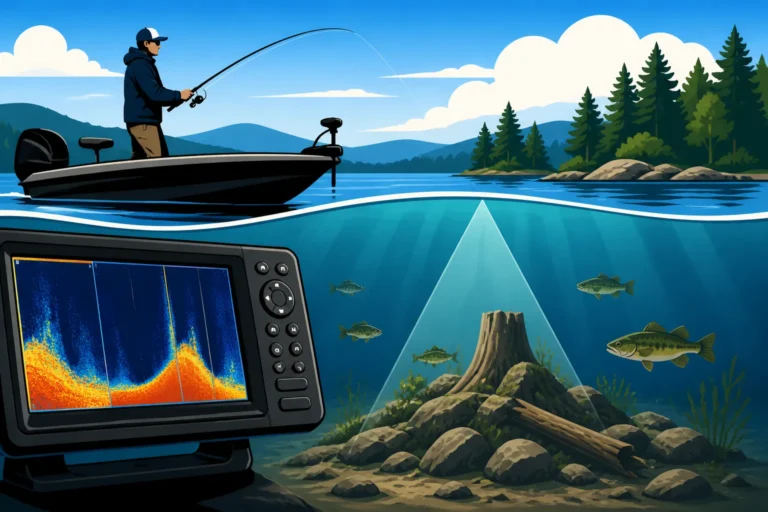
- Using Electronics: A quality fish finder (sonar) is your best friend on the boat. Learn to interpret its readings to identify bait balls, individual fish arches, and underwater structure like rock piles, humps, and channel edges. Many advanced units also show side-imaging or down-imaging, giving you a detailed view of the bottom. You can find excellent, feature-rich fish finders on Amazon that can significantly boost your success. Take the time to learn your unit – it's an investment that pays dividends.
- Observing Bird Activity: Keep a keen eye on the sky. Diving terns, gulls, or even ospreys often indicate that baitfish are being driven to the surface from below. This is a classic sign of a striper blitz. When you see this, approach cautiously to avoid spooking the fish, and cast your lures (especially topwater or soft plastics) into the edges of the commotion.
- Identifying Underwater Structure: Stripers love structure. It provides ambush points, current breaks, and often holds bait. Look for rocky shorelines extending into the water, submerged humps, bridge pilings, mussel beds, and channel markers. These are all prime areas where stripers will hold, waiting for an easy meal. Even subtle depth changes, like a drop-off from a flat into a channel, can be a holding area. Learn to read nautical charts to identify these structures before you even leave the dock.
The Art of Presentation and Patience
Even with all the right gear and knowledge, consistent success often boils down to the subtle nuances of presentation and the virtue of patience.
- Natural Bait Presentation: When using live or cut bait, strive for the most natural presentation possible. Use minimal weight to allow the bait to drift or swim freely with the current. Hide your hook as much as possible. A natural presentation is often the difference between a curious sniff and a committed strike.
- Varying Retrieve Speeds and Actions: Don't be afraid to experiment with your lures. If a steady retrieve isn't working, try twitching, pausing, speeding up, or slowing down. Sometimes, an erratic, injured-baitfish retrieve is what triggers a strike. Other times, a slow, deliberate presentation is required. Stripers can be finicky, and figuring out their mood is a continuous puzzle.
- Patience and Persistence: Striped bass fishing can have its lulls. There will be times when the bite is slow, and it's easy to get discouraged. That's when patience and persistence truly pay off. Keep making casts, keep moving to new spots, and keep trying different lures and techniques. The fish are there; sometimes it just takes time to figure them out. Remember, the journey and the challenge are part of what makes catching a Great Bay striper so rewarding.
Table: Common Lures & Baits for Great Bay Stripers
| Lure/Bait Type | Ideal Conditions | Typical Size Range | Common Colors | Average Cost (per item/pack) |
|---|---|---|---|---|
| Live Herring/Mackerel | Spring run, actively feeding fish | 6-12 inches | Natural | Varies (caught or purchased) |
| Sea Worms | Shore fishing, general bait, all tides | 4-8 inches | Red, brown | $10-20 (per dozen) |
| Soft Plastic Paddle Tail | All-around, imitating baitfish | 4-9 inches | White, Chartreuse, Olive | $5-15 (per pack) |
| Bucktail Jig | Deeper channels, current, bottom fishing | 1/2 oz – 3 oz | White, Chartreuse, Blue | $5-15 (each) |
| Minnow Plugs | Trolling, casting, imitating baitfish | 4-7 inches | Silver, Blue, Green | $10-25 (each) |
| Topwater Poppers | Low light, active surface feeding | 4-6 inches | White, Bone, Chrome | $12-25 (each) |
Disclaimer
The information provided in this guide is for general informational purposes only. Fishing regulations, season dates, and license requirements for New Hampshire and Great Bay can change. It is the responsibility of the angler to consult the most current New Hampshire Fish and Game Department regulations before engaging in any fishing activity. Always prioritize safety on the water and adhere to all local, state, and federal laws.