Ice Fishing in New Hampshire
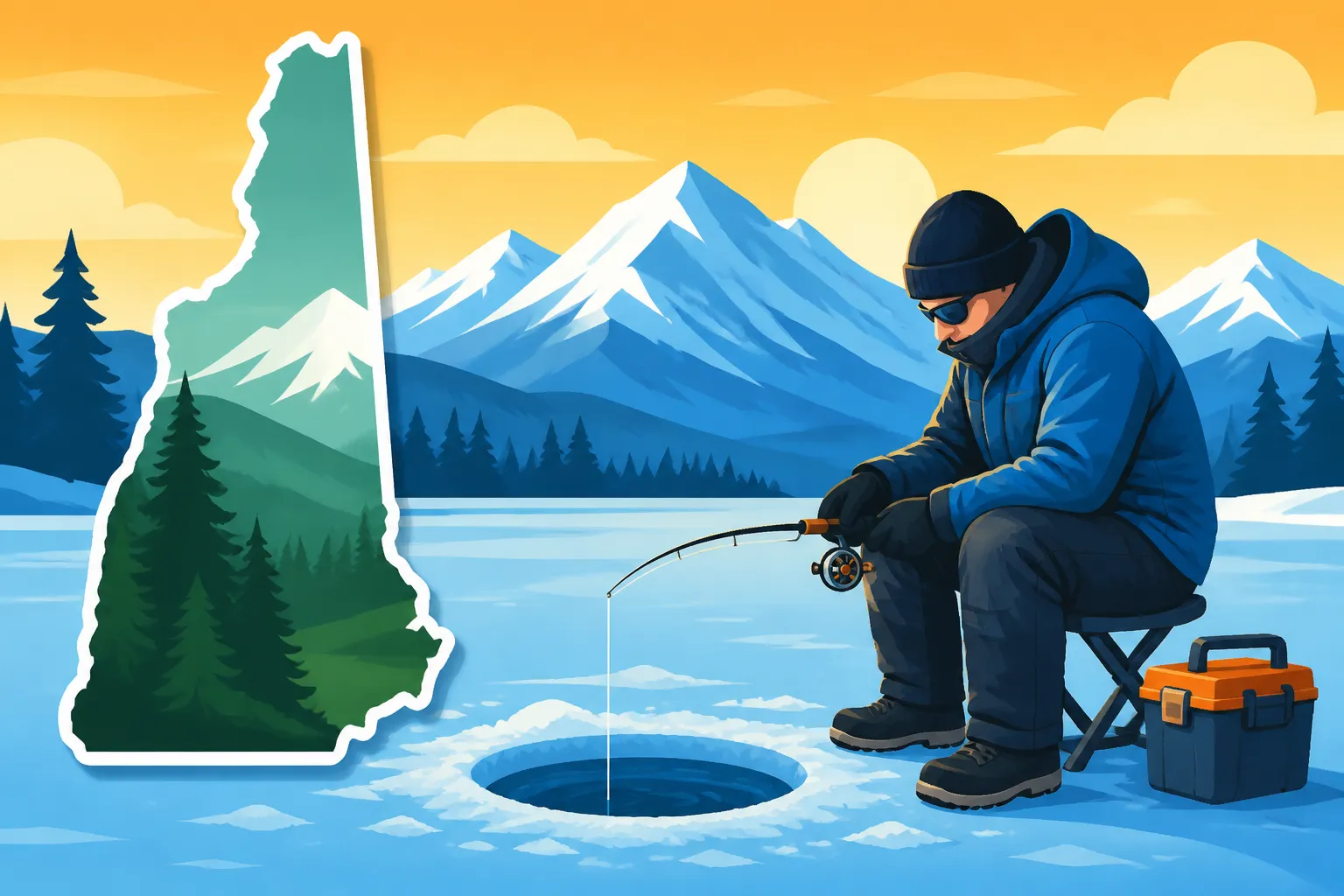
When the crisp New Hampshire air bites and the lakes and ponds freeze over, many anglers put away their gear for the season, lamenting the long wait until spring. But for those in the know, winter isn't an end—it's an exciting new beginning on the hard water! Ice fishing in New Hampshire offers a unique thrill, combining outdoor adventure with the satisfaction of catching fish through a hole in the ice. This comprehensive guide will equip you with the knowledge and confidence to embrace the winter fishing season and discover the magic beneath the frozen surface.
The Allure of Ice Fishing in the Granite State
There's something incredibly special about spending a day out on a frozen lake, surrounded by the serene beauty of a New Hampshire winter. It’s an experience that’s equal parts challenging and rewarding, often leading to some of the most memorable fishing trips of the year.
Why Brave the Cold for New Hampshire Ice Fishing
Stepping onto the hard water opens up a whole new world of angling possibilities. For starters, the sheer tranquility of a frozen lake, especially on a calm winter morning, is unparalleled. You're out in nature, away from the hustle and bustle, often sharing the vast expanse with only a few other hardy souls. It's an opportunity to truly disconnect and focus on the subtle dance between you and the fish below.
One of the biggest draws is the ability to access parts of lakes and ponds that are simply unreachable by boat during the open water season. Those hidden coves, expansive flats, or deep-water humps become easily accessible on foot, opening up new potential hotspots. Imagine walking directly over that submerged structure you could only previously hit with a long cast from your boat! This unique access can lead to incredible fishing opportunities, especially for species that prefer deeper, colder water or areas with thick weed cover that boats can't navigate. It’s also a fantastic social activity. Many families and groups of friends gather for ice fishing outings, setting up multiple tip-ups, sharing stories, and even cooking meals right on the ice. The camaraderie is a huge part of the appeal, turning a cold outdoor activity into a warm, shared experience.
A Winter Wonderland of Species
New Hampshire's diverse waterways provide an incredible array of fish species that remain active under the ice, offering varied challenges and rewards for ice anglers. You're not just limited to one type of fish; the Granite State offers a veritable smorgasbord for the hardwater enthusiast.
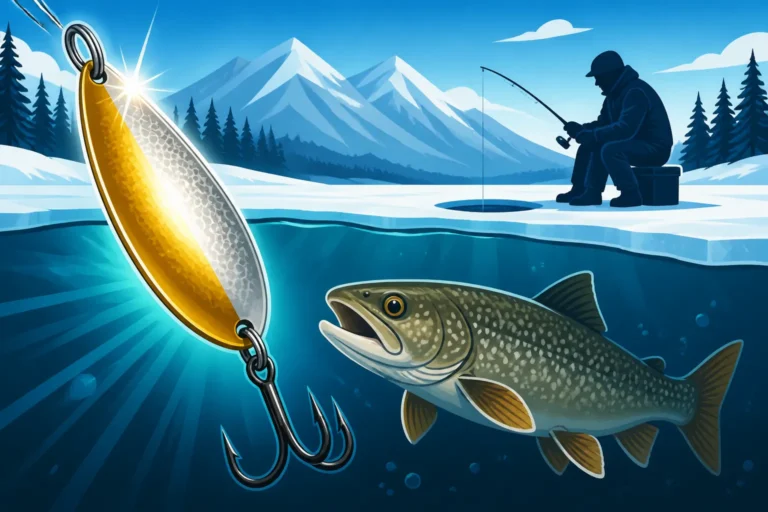
For many, the chase for larger game fish like lake trout and landlocked salmon is the ultimate winter pursuit. These magnificent cold-water predators thrive in the deep, clear waters of lakes such as Winnipesaukee, Squam Lake, and Newfound Lake. Catching a large lake trout through a modest hole in the ice is a test of skill, patience, and proper gear, often resulting in an unforgettable battle. You might be interested in checking out our guide on Lake Trout Fishing in New Hampshire for more detailed information.
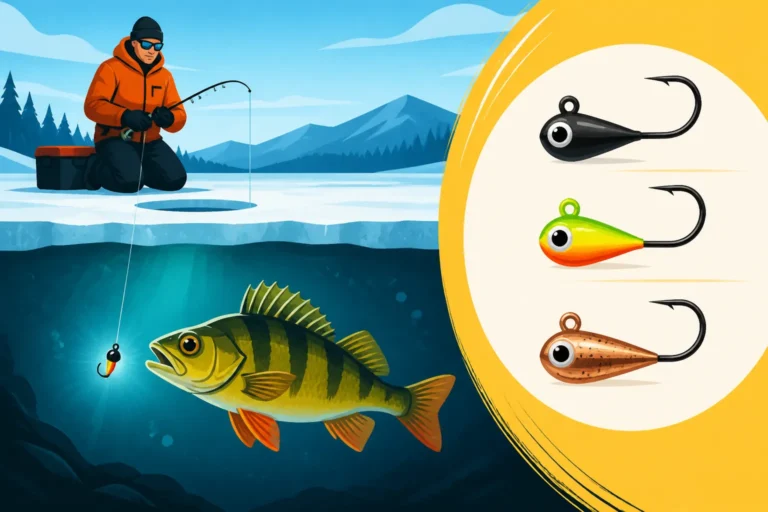
But it's not all about the big ones. New Hampshire also boasts fantastic panfish opportunities. Yellow perch, black crappie, and bluegill are abundant in many smaller ponds and even the shallower bays of larger lakes. These feisty panfish provide constant action, making them perfect targets for beginners or families with children. They're also delicious, offering a fresh meal after a successful day on the ice.
Then there are the aggressive predators like chain pickerel and both largemouth and smallmouth bass. Pickerel are notorious for their voracious appetites, often striking baits aggressively even in frigid water. Bass, while perhaps a bit more lethargic in winter, can still be enticed with the right presentation, especially during warmer spells or around structural features. Knowing the specific New Hampshire Bass Limits and Slot Rules can help you plan your catch. This variety means you can tailor your ice fishing trip to your preferences, whether you're seeking a trophy, a meal, or just a fun day of steady action.
Understanding Ice Conditions and Safety First
Before you even think about drilling a hole, the absolute most critical aspect of ice fishing is safety. Ice is never 100% safe, and conditions can change rapidly. Always, always prioritize safety over catching fish. A general rule of thumb is that a minimum of four inches of clear, solid ice is required for safe walking, and five to seven inches for a snowmobile or ATV. However, this is just a guideline. Numerous factors can affect ice thickness and strength, even on the same body of water.
Rivers and areas with currents, pressure ridges, coves, and areas near inlets or outlets are notoriously dangerous, as the current can thin the ice from below, creating hidden hazards. Never assume ice is safe just because others are on it, or because it was safe yesterday. Always test the ice as you go, especially when venturing onto a new spot. A spud bar or an auger can be used to check thickness every few yards. Look for clear, black ice, which is generally the strongest. Milky or white ice, which contains air bubbles, is weaker. Snow can also insulate the ice, preventing it from thickening, and can hide cracks or weak spots.
Always tell someone where you're going and when you expect to return. Consider fishing with a buddy. Equip yourself with essential safety gear, which we'll discuss later. Falling through the ice is a real danger, and being prepared can literally save your life. The New Hampshire Fish and Game Department regularly issues warnings and recommendations, so it’s always wise to check their official channels before heading out.
Essential Gear for New Hampshire Ice Anglers
Just like open water fishing, having the right tools for the job makes all the difference when you’re out on the ice. The gear is specialized for the unique challenges of hardwater angling, designed for efficiency, comfort, and safety in cold conditions.
Drilling Through the Ice: Augers and Skimmers
To get to the fish, you first need to make a hole, and that's where an auger comes in. There are a few main types, each with its pros and cons.
- Manual Augers: These are human-powered, requiring you to crank a handle to cut through the ice. They are lightweight, relatively inexpensive, and require no fuel or batteries. For occasional outings, targeting panfish in shallower ice, or if you prefer a good workout, a manual auger is a solid choice. Brands like Eskimo and Strikemaster make reliable manual augers. They typically come in 6-inch or 8-inch diameters. A 6-inch auger is perfect for panfish and smaller trout, while an 8-inch is better for larger game fish like lake trout or if you anticipate thick ice. They can be a bit of a workout, especially on ice thicker than 12-18 inches.
- Power Augers (Gas, Propane, Electric): These are the heavy hitters, designed for speed and ease, especially in deep or very thick ice.
- Gas Augers: These are traditional workhorses, offering robust power and quick drilling. They're great for drilling many holes quickly, but they're heavier, require fuel mixing (for 2-stroke models), produce exhaust fumes, and can be noisy. Maintenance is also a consideration.
- Propane Augers: A cleaner alternative to gas, propane augers run on small propane cylinders, which are easy to swap out. They produce fewer fumes than gas and start reliably in cold weather. They are typically quieter than gas models.
- Electric Augers (Battery-Powered): These have gained immense popularity recently. They are quiet, fume-free, lightweight, and incredibly efficient. Modern lithium-ion batteries offer impressive run times, allowing anglers to drill dozens of holes on a single charge. Brands like ION and Strikemaster Lithium are popular choices. Their main drawback is battery life in extreme cold, but keeping spare batteries warm can mitigate this. For drilling a lot of holes on thick New Hampshire ice, especially for larger species, an electric auger like the ION G2 is a game-changer. You can find a good selection of these, along with accessories, on Amazon.
No matter which auger you choose, always use an auger cover when transporting it and never leave a hole unattended without marking it, especially if it's a larger hole.
After drilling, you'll inevitably have slush and ice chips in your hole. This is where a skimmer (also called an ice scoop or dipper) comes in. It's a simple tool, usually a long-handled scoop with holes, used to clear out ice fragments and keep your fishing hole clear. It's inexpensive and absolutely essential for maintaining a clean fishing area and preventing your line from freezing up.
Here's a quick comparison of common auger types:
| Feature | Manual Auger | Gas Auger | Propane Auger | Electric Auger (Lithium) |
|---|---|---|---|---|
| Cost | Low | Moderate to High | Moderate to High | High |
| Weight | Light | Heavy | Moderate to Heavy | Light to Moderate |
| Noise | Silent | Loud | Moderate | Silent |
| Fumes | None | Yes | Minimal | None |
| Maintenance | Low | Moderate (Engine) | Low | Low |
| Hole Drilling | Slow, labor-intensive | Fast, powerful | Fast, powerful | Fast, smooth |
| Portability | Excellent | Fair | Good | Excellent |
| Ideal Use | Panfish, thin ice, budget-friendly | Many holes, thick ice, remote areas | Many holes, thick ice, cleaner than gas | Many holes, portability, quiet, clean |
Rods, Reels, and Line for the Hardwater
Ice fishing requires specialized tackle, distinct from what you'd use for open water. These components are designed to perform effectively in confined spaces and cold temperatures.
- Ice Fishing Rods: These are significantly shorter than traditional fishing rods, typically ranging from 24 to 36 inches in length. Their short stature allows for comfortable fishing inside a small shelter or while kneeling by a hole. They come in various actions, from ultra-light for delicate panfish presentations to heavy-action rods capable of handling powerful lake trout. The shorter length also means you have more leverage over a fish when fighting it through a small hole. Many ice rods have sensitive tips for detecting subtle bites, which are common in cold water. You'll find different models designed for jigging (active presentation) versus deadsticking (stationary bait).
- Ice Fishing Reels: Spinning reels are common, but specific ice fishing reels are also popular. These often feature an inline design, similar to a fly reel, which prevents line twist, a common issue when dropping light baits down a hole. Brands like 13 Fishing and Clam offer excellent ice-specific reels. For panfish, a small 500 or 1000 series spinning reel works well. For larger species, a 2000 or 2500 series will provide the necessary drag and line capacity. Ensure your reel is rated for cold weather and has a smooth, reliable drag system, as cold can sometimes stiffen components.
- Fishing Line: The choice of line is crucial. Monofilament, fluorocarbon, and braided lines all have their place:
- Monofilament: Affordable and stretchy, which can be an advantage when fish hit hard or for cushioning headshakes. However, it can absorb water and freeze, and its stretch makes it less sensitive for detecting subtle bites.
- Fluorocarbon: Less stretch than mono, nearly invisible underwater, and more abrasion-resistant. It's excellent for clear water conditions or for leader material when stealth is key. It also sinks faster than mono, helping jigs get to depth quickly.
- Braided Line: Extremely sensitive with virtually no stretch, allowing you to feel even the lightest taps. It’s also very strong for its diameter. The downside is that braid can absorb water and freeze, making it stiff and prone to tangles. Many anglers use braided main line with a fluorocarbon leader for sensitivity and stealth. Common ice fishing line weights range from 2-4 lb test for panfish to 8-15 lb test for lake trout and salmon. You can find a vast array of fishing lines suitable for ice fishing on Amazon, often with cold-weather specific formulations.
Shelter and Warmth: Shanties, Heaters, and Layering
Staying warm and comfortable is paramount for an enjoyable and safe ice fishing experience. New Hampshire winters can be brutal, so proper shelter and clothing are non-negotiable.
- Ice Fishing Shanties (Shelters): These provide protection from the wind, snow, and cold, making long days on the ice much more tolerable.
- Portable Pop-Up Shelters: These are lightweight, easy to transport, and quick to set up. Brands like Clam, Eskimo, and Otter offer hub-style (pop-up) and flip-over models. Hub-style shelters offer more interior space and are great for groups, while flip-overs (often on a sled base) are incredibly fast to deploy and ideal for run-and-gun fishing. Many are insulated, which significantly helps in retaining heat.
- Permanent Shanties: These are more robust, often wooden structures that can be left on the ice for extended periods. They offer more comfort, space, and a true "ice cabin" experience. However, they are heavy, require significant effort to move, and are subject to strict New Hampshire Ice Shanty Registration Rules and removal dates, which must be adhered to.
- Heaters: Even in an insulated shanty, a portable heater is a luxury that quickly becomes a necessity. Propane-fueled catalytic heaters (like those from Mr. Heater) are popular because they produce radiant heat, operate quietly, and are generally safe for enclosed spaces as long as you provide adequate ventilation to prevent carbon monoxide buildup. Always ensure good airflow and consider a battery-powered carbon monoxide detector for absolute peace of mind.
- Layering Clothing: This is the golden rule for cold-weather comfort.
- Base Layer: Moisture-wicking material (merino wool or synthetic) against your skin is crucial to pull sweat away and keep you dry. Avoid cotton, which retains moisture.
- Mid-Layers: Fleece or down insulation provides warmth. Multiple thinner layers are better than one thick one, as they trap more air and allow for better temperature regulation.
- Outer Layer: A waterproof and windproof jacket and bibs or pants are essential to protect against the elements. Look for ice fishing specific suits (like those from Striker or Clam) that often include flotation assistance for added safety.
- Extremities: Don't forget a warm hat (most body heat escapes through your head), insulated, waterproof gloves or mittens (keep a spare pair!), and insulated, waterproof boots with good traction. Traction aids like ice cleats or "yak-traks" are highly recommended to prevent slips and falls on slick ice.
Navigational and Fish Finding Electronics
Technology has revolutionized ice fishing, making it far more efficient and productive. These tools help you understand the underwater world, locate fish, and determine depth and structure.
- Flashers/Vexilars: These are specialized sonar units that provide a real-time, circular display of what's directly beneath your hole. They show your bait, fish, and the bottom simultaneously. The colored segments indicate signal strength and depth, allowing you to see fish approaching your lure and even their reaction to your presentation. This immediate feedback is invaluable for fine-tuning your technique. Popular brands include Vexilar, Marcum, and Humminbird.
- Fish Finders (LCD Graphs): Many modern open-water fish finders can be adapted for ice fishing with a special ice transducer. These units provide a more traditional scrollable display, often with advanced features like GPS mapping, side imaging (on some models), and CHIRP sonar, giving you a detailed view of the bottom contour and structure. They’re excellent for marking waypoints, finding subtle drop-offs, and scouting new areas.
- Underwater Cameras: While not for finding fish in the same way sonar does, an underwater camera provides incredible visual insight. You can see the fish, their behavior, how they react to your bait, and the actual bottom structure. This is especially fun when fishing with kids, as they can watch the fish on screen. It’s also a great learning tool to understand fish responses. Brands like Aqua-Vu and Marcum offer popular ice fishing camera systems.
These electronics can be a significant investment, but many anglers consider them essential for consistent success on the ice, especially when targeting deeper-water species in New Hampshire's larger lakes. You can explore a wide range of these high-tech gadgets on Amazon.
Key Techniques for Successful New Hampshire Ice Fishing
Once you have your gear and are safely on the ice, it’s time to learn how to entice those winter bites. Ice fishing involves specific techniques that differ from open-water angling, focused on working a small area and responding to subtle cues.
Jigging and Deadsticking Strategies
These are the two fundamental approaches to presenting bait through a single ice hole, often used in conjunction for maximum effectiveness.
- Jigging Strategies: Jigging is an active fishing technique where you repeatedly raise and lower your lure or bait, imparting action to attract fish. The idea is to mimic a struggling baitfish or insect, triggering a predatory response.
- Active Jigging: This involves a rhythmic up-and-down motion, often punctuated by pauses. The specifics of the jigging motion will depend on the species you're targeting and their mood. For aggressive fish like yellow perch or crappie, a more energetic jig with quick snaps and drops might work. For finicky lake trout or salmon, a subtle lift, hold, and slow fall can be more effective.
- Lure Selection: Small spoons, jigs (often tipped with a minnow head, wax worm, or plastic), and blade baits are popular jigging lures. Experiment with colors and sizes. Flashy lures can attract fish from a distance, while natural colors might be better for wary fish.
- Using Electronics: A flasher or fish finder is incredibly useful when jigging. You can see your lure, any fish approaching it, and how they react. If a fish rises to your lure but doesn't strike, try slowing down, speeding up, or even raising the lure slightly to "play keep-away" and trigger a chase. Often, a subtle lift or a complete stop is what finally gets them to commit.
- Deadsticking Strategies: This is a more passive technique, where a bait is left relatively still in the water, often suspended at a specific depth. It's often used in a second hole nearby your jigging hole, or set up with multiple lines (where regulations allow, such as the maximum two lines per angler in New Hampshire, though check specific water body rules).
- Setup: A deadstick rod is typically set up with a simple hook and sinker, or a small jig, baited with live bait like a shiner or a worm. The rod is placed in a holder, often with a bobber or spring bobber to indicate bites.
- Targeting Species: Deadsticking is extremely effective for more lethargic fish that prefer a stationary meal, such as large lake trout, landlocked salmon, or even bass. The natural movement of live bait is often irresistible.
- Bait Presentation: The key is to suspend the bait at the desired depth, often just off the bottom or at the depth where you’re marking fish. Live bait can often be purchased at local bait shops across New Hampshire, but ensure it meets state regulations regarding species and origin.
Combining jigging and deadsticking allows you to actively prospect for fish while also offering a stationary, enticing meal. This two-pronged approach maximizes your chances of success.
Tip-Ups for Wider Coverage and Larger Fish
Tip-ups are iconic ice fishing tools that allow anglers to cover a larger area and effectively target larger game fish. They are passive devices that signal a bite when a flag "tips up."
- How Tip-Ups Work: A tip-up consists of a spool of line submerged in the water, a trigger mechanism, and a flag. When a fish takes the bait and pulls the line, the spool rotates, releasing the trigger and causing the flag to spring up, alerting the angler to a bite. This allows you to set multiple lines (within legal limits) across a wider area, increasing your chances of intercepting cruising fish.
- Setting Up Tip-Ups:
- Drill a hole: Use your auger to create a hole of sufficient size (often 8-10 inches for larger fish).
- Attach a leader: Most anglers use a strong fluorocarbon or monofilament leader (10-20 lb test) tied to the main line on the tip-up spool.
- Add weight and hook: A lead sinker or a small jig head is typically used to get the bait down, followed by a sharp hook. For toothy critters like pickerel, a wire leader might be advisable to prevent bite-offs.
- Baiting: Live bait is the go-to for tip-ups. Shiners, suckers, or smelt are excellent choices for lake trout, salmon, and bass. Hook them carefully through the back or lips to keep them lively.
- Setting the depth: Suspend the bait at a specific depth—just off the bottom, in the middle of the water column, or at the depth you've marked fish on your electronics.
- Positioning the tip-up: Place the tip-up over the hole, ensuring the reel mechanism is submerged to prevent the line from freezing. Set the flag mechanism, and you're ready!
- Monitoring and Running Tip-Ups: The real art of tip-up fishing is in monitoring them. Keep an eye on all your flags. When a flag goes up, don't rush! Allow the fish some time to take the bait and swim away with it, ensuring a solid hookset. Approach slowly and quietly, then carefully pick up the line. You'll feel the fish on the other end. Hand-lining a large fish through an ice hole is an exhilarating challenge. Make sure to retrieve the line smoothly and use a gaff or large net to help land bigger fish. For an even deeper dive, consider our guide on Ice Fishing in New Hampshire.
Lures and Baits That Entice Winter Bites
The right presentation is crucial, but so is the right lure or bait. Fish metabolism slows in cold water, making them less likely to chase. Your offering needs to be enticing and often presented right in their strike zone.
- Jigs: Small jigs (1/32 to 1/8 oz) are bread and butter for panfish. Teardrop jigs, tungsten jigs, and horizontal jigs are popular. Tipping them with a small piece of live bait (like a wax worm, spike, or minnow head) significantly increases their appeal. For larger fish, heavier jigs (1/4 to 1 oz) with plastic trailers or whole minnows are effective.
- Spoons: Jigging spoons are highly effective for a wide range of species, especially lake trout, salmon, and bass. Their flash and flutter imitate injured baitfish. Colors like silver, gold, chartreuse, and perch patterns are popular. Brands like Swedish Pimple, Kastmaster, and Do-Jigger are ice fishing classics. Tip them with a minnow head for added scent and appeal.
- Blade Baits: These vibrating lures, like the Rapala Rippin' Rap or Sebile Vibrato, create a lot of commotion and vibration, which can call in fish from a distance. They are excellent for aggressive bass and sometimes lake trout.
- Soft Plastics: Tiny soft plastic baits, often mimicking larvae, minnows, or worms, are fantastic for panfish. They offer subtle action and come in a myriad of colors. Pairing them with a small tungsten jig head increases sensitivity and gets them down quickly.
- Live Bait: This is often the undisputed king for passive presentations.
- Shiners/Minnows: Essential for tip-ups targeting lake trout, salmon, bass, and pickerel. Keep them lively in a portable bait bucket.
- Worms: Nightcrawlers or smaller worms are great for trout and panfish, particularly when deadsticking.
- Wax Worms/Spikes: Small larvae that are irresistible to panfish and trout when tipped on a jig.
- Smelt: A natural forage fish in many New Hampshire lakes, making them an excellent choice for targeting landlocked salmon and lake trout, especially if local regulations allow their use.
Always check New Hampshire Fishing Regulations Explained for any restrictions on bait types, particularly when fishing certain water bodies or if live bait is caught from a different watershed.
Prime Ice Fishing Destinations Across New Hampshire
New Hampshire truly shines as an ice fishing destination, offering a plethora of frozen playgrounds. From vast, iconic lakes to quiet, secluded ponds, there’s a spot for every type of angler and every target species.
Iconic Large Lakes for Trophy Catches
For those seeking the thrill of a lifetime and the chance at a true trophy, New Hampshire’s big lakes are the undisputed champions. These expansive bodies of water hold significant populations of large, sought-after species.
- Lake Winnipesaukee: The largest lake in New Hampshire, Winnipesaukee is an ice fishing mecca. It’s renowned for its incredible lake trout and landlocked salmon fishing. Anglers often target depths of 60-120 feet for these powerful cold-water predators, using heavy jigging spoons, blade baits, or live smelt on tip-ups. The "broads" area and deep basins around islands are prime spots. You can also find good populations of large smallmouth bass and various panfish in shallower coves. Navigating its vastness requires careful attention to ice conditions and a good understanding of its underwater topography. For more detailed information, check out our Lake Winnipesaukee Fishing Guide.
- Squam Lake: Famous for its stunning beauty and healthy populations of landlocked salmon and lake trout, Squam Lake offers a more serene experience than Winnipesaukee, though its fishing can be equally rewarding. Depths can reach over 100 feet, providing ideal habitat for salmon and lakers. Anglers often focus on rocky points, deep humps, and drop-offs. Like Winnipesaukee, it also holds good numbers of both largemouth and smallmouth bass, as well as decent panfish. Our dedicated Squam Lake Fishing Guide provides a wealth of information for planning your trip.
- Newfound Lake: Known for its crystal-clear water and deep, glacial origins, Newfound Lake is another top-tier destination for lake trout and landlocked salmon. Its depths can exceed 180 feet, making it a challenging but rewarding fishery. Anglers often find success jigging with heavy spoons or using live bait on tip-ups. The lake also has respectable populations of rainbow trout and chain pickerel, offering diverse opportunities. Its clear waters often mean the fish are spooky, requiring stealthy approaches and fluorocarbon leaders.
Fishing these large lakes successfully often means venturing further out, so reliable transportation (snowmobile, ATV, or sturdy sleds) and a good GPS are essential. Always be aware of the specific New Hampshire Lake Trout Limit and Possession Rules and New Hampshire Landlocked Salmon Regulations for these waters.
Smaller Ponds and Lakes for Panfish and Pickerel
Not everyone wants to brave the vastness and deep cold of the big lakes. New Hampshire also boasts countless smaller ponds and lakes that offer fantastic, more accessible ice fishing, perfect for families, beginners, or those targeting panfish and aggressive predators.
- Pawtuckaway Lake (Nottingham): This larger pond is a fantastic option for chain pickerel, largemouth bass, and a variety of panfish like yellow perch and crappie. Its relatively shallow nature and abundant weed beds (even under the ice) make it ideal for tip-ups baited with shiners for pickerel and bass, and small jigs for panfish. It's easily accessible and popular with local anglers.
- Winnisquam Lake (Laconia/Tilton): While a larger lake, Winnisquam offers excellent mixed-bag ice fishing. It’s known for good populations of lake trout, landlocked salmon, rainbow trout, and particularly, excellent yellow perch and black crappie fishing. Its diverse structure and depths provide opportunities for both aggressive predators and abundant panfish. It’s a great option for those looking to target multiple species in one outing.
- Silver Lake (Hollis/Hollis Center): A popular southern New Hampshire pond, Silver Lake is a great spot for largemouth bass, chain pickerel, and panfish. Its shallower depths and extensive coves are ideal for setting tip-ups near submerged structure or along weed lines. It’s a very accessible body of water, making it a good choice for a quick trip.
- Northwood Lake (Northwood): This lake is well-regarded for its largemouth bass, chain pickerel, and panfish opportunities through the ice. It’s another excellent choice for more relaxed fishing, often yielding consistent action for panfish on small jigs and larger aggressive strikes on tip-ups.
- Stocked Trout Ponds: Many smaller ponds throughout the state are regularly stocked with rainbow and brook trout, offering excellent opportunities once they freeze over. These spots are often well-maintained and offer high catch rates, especially early in the ice season. Check the New Hampshire Trout Stocking Report and Map for specific locations and stocking schedules.
These smaller waters typically have safer ice earlier and later in the season due to their size and often shallower depths. They are perfect for a family outing or teaching kids the ropes of ice fishing.
Boundary Waters Considerations
New Hampshire shares borders with several states, and some of these shared waterways offer unique ice fishing opportunities, but they come with specific regulatory nuances.
- Connecticut River: As a boundary water with Vermont, the Connecticut River offers excellent ice fishing in certain calmer sections and oxbows. You can target walleye, northern pike, perch, and various trout species. However, special reciprocal licensing agreements may apply. Generally, a New Hampshire fishing license is valid for fishing the mainstem of the Connecticut River from either shore or from a boat, provided you abide by the regulations of the state whose side of the river you are on. Always double-check the latest regulations for boundary waters, as they can be complex.
- Other Shared Waters (Maine, Massachusetts): For other shared waters along state lines, similar reciprocal agreements might exist. It's absolutely crucial to consult the New Hampshire Fish and Game Department's current regulations or contact them directly before fishing any boundary water to ensure you are properly licensed and adhering to the correct rules for that specific body of water.
Always consult the official New Hampshire Fish and Game Department website or the latest Reading the New Hampshire Freshwater Fishing Digest for the most up-to-date information on regulations, special rules, and reciprocal agreements for any specific water body.
Navigating Regulations and Staying Legal on the Ice
New Hampshire has a clear set of regulations designed to manage its fisheries and ensure sustainable fishing practices. As an ice angler, it's your responsibility to know and follow these rules. Ignoring them can lead to significant penalties, including fines and loss of fishing privileges.
Understanding New Hampshire Fishing Licenses
The first and most fundamental requirement for ice fishing in New Hampshire is a valid fishing license.
- Who Needs One: Generally, anyone 16 years of age or older needs a license to fish in New Hampshire waters.
- Resident vs. Non-Resident: License fees and options differ significantly for residents and non-residents.
- Residents: Must meet specific residency requirements (e.g., permanent domicile, voter registration, vehicle registration in NH for at least six consecutive months). There are various resident license options, including annual freshwater, combination hunting and fishing, and specific senior or disabled options. You can explore the New Hampshire Resident Fishing License Cost 2026 for detailed pricing.
- Non-Residents: Visitors to the Granite State have several choices, including annual, 7-day, 3-day, and 1-day non-resident fishing permits. These are excellent options for vacationers. Our guide on New Hampshire 1-Day and 3-Day Nonresident Fishing Permits offers more insights.
- Age Exemptions: Children under the age of 16 typically do not need a fishing license, which makes ice fishing a great family activity for youngsters. However, they must still abide by all other fishing regulations, including bag and possession limits. You can find more details in Do Kids Need a Fishing License in New Hampshire?.
- Where and How to Buy: Licenses can be purchased conveniently in several ways:
- Online: The easiest and quickest method is through the New Hampshire Fish and Game Department's online licensing system. This allows you to purchase and print your license from home, and you can also carry a digital version on your phone. See How to Buy a Fishing License Online in New Hampshire for a step-by-step guide.
- Local Vendors: Many bait and tackle shops, general stores, and town clerks throughout New Hampshire are authorized license agents. This is a great way to support local businesses and get current fishing reports.
- NH Fish and Game Offices: You can also purchase licenses directly at New Hampshire Fish and Game Department offices.
Always carry your license with you while fishing, either a physical copy or a valid digital one, as it must be presented upon request by a conservation officer.
Specific Ice Fishing Rules and Limits
Beyond the general fishing regulations, ice fishing has its own set of rules, particularly regarding the number of lines and ice shanties.
- Number of Lines: In New Hampshire, typically an angler is permitted to use two lines while ice fishing. This means you could use two jigging rods, two tip-ups, or a combination of one jigging rod and one tip-up. However, it's absolutely critical to check the specific regulations for the water body you intend to fish. Some "special regulation waters" may have different rules, including restrictions on bait or even fewer lines allowed. Always refer to the New Hampshire Fishing Regulations Explained or the current fishing digest.
- Species-Specific Limits: Each fish species has its own daily bag and possession limits, as well as minimum length requirements. These are crucial to conserve fish populations. For example, New Hampshire Lake Trout Limit and Possession Rules will dictate how many lake trout you can keep and their size, which can vary by lake. The same applies to New Hampshire Bass Limits and Slot Rules and other species like salmon and trout. It's your responsibility to know these limits for the fish you are targeting in the water body you are fishing.
- Closed Seasons: While many species are open to ice fishing, some may have specific closed seasons or catch-and-release only periods. For instance, some trout streams may be closed, or there might be specific regulations for the New Hampshire Bass Catch-and-Release Season, Explained. Always verify the season dates before heading out.
Ice Shanty Regulations and Removal Dates
If you plan to use an ice shanty, especially a permanent one, you must be aware of and adhere to New Hampshire's specific regulations regarding their use and removal.
- Registration: All ice fishing shanties that remain on the ice for more than one day must be registered with the New Hampshire Fish and Game Department. This involves displaying your name and address (or customer ID number) clearly on the exterior of the shanty. This helps officials identify owners and enforce regulations.
- Removal Dates: This is one of the most critical regulations. To prevent hazards to navigation and pollution of waterways when the ice breaks up, all ice fishing shanties must be removed from the ice before the mandatory statewide removal date. This date typically falls on April 1st, but it can be earlier for specific water bodies (e.g., March 15th for designated lakes south of U.S. Route 4, and March 31st for designated lakes north of U.S. Route 4). These dates are strictly enforced, and leaving a shanty on the ice past the deadline can result in significant fines and removal costs being charged to the owner. Always confirm the exact removal dates for your fishing location in the current fishing digest or on the NH Fish and Game website.
- Construction: While not strictly regulated for safety, it's recommended to build shanties responsibly, ensuring they are sturdy and don't pose a danger to others or the environment. Avoid using materials that could contaminate the water if the shanty breaks up.
Respecting these regulations ensures that everyone can enjoy New Hampshire’s ice fishing opportunities safely and sustainably for years to come.
Ice Fishing Safety Beyond the Ice Thickness
While ice thickness is the primary safety concern, it's far from the only one. New Hampshire's winter environment presents several other serious hazards that ice anglers must be prepared for.
Hypothermia, Frostbite, and Cold Weather Awareness
Exposure to cold can quickly turn a fun day on the ice into a life-threatening situation. Understanding and preventing cold-weather injuries is paramount.
- Hypothermia: This occurs when your body loses heat faster than it can produce it, causing your core body temperature to drop dangerously low.
- Symptoms: Early signs include shivering, chattering teeth, confusion, clumsiness, slurred speech, and drowsiness. As it progresses, shivering may stop, and the victim may become unresponsive.
- Prevention: The best defense is proper layering (as discussed earlier) and staying dry. Avoid cotton clothing. Limit alcohol consumption, as it impairs judgment and speeds up heat loss. Eat regularly and stay hydrated with warm, non-alcoholic beverages.
- First Aid: If someone shows symptoms, get them into a warm shelter immediately. Remove any wet clothing and replace it with dry, warm layers. Give them warm, sugary drinks. For severe cases, seek immediate medical attention.
- Frostbite: This is an injury caused by freezing of the skin and underlying tissues, most commonly affecting fingers, toes, ears, and nose.
- Symptoms: Skin may look waxy, gray, or blue, and feel numb or hard to the touch. It may also blister.
- Prevention: Ensure all exposed skin is covered. Wear insulated, waterproof gloves or mittens and warm headwear. Avoid tight clothing or boots that restrict circulation.
- First Aid: Get to a warm place. Gently rewarm the affected area with body heat (e.g., tucking hands under armpits). Do NOT rub the affected area, as this can cause further tissue damage. Seek medical attention.
- Cold Weather Awareness: Always be aware of weather forecasts, including wind chill. Wind significantly increases the rate of heat loss. Don't underestimate how quickly conditions can change on a large, exposed lake. If you start to feel uncomfortably cold, it's time to head in or take a break in a heated shanty.
Essential Safety Gear Checklist
Having the right safety equipment on hand can make the difference between a close call and a tragedy. Don't leave shore without these items:
- Ice Picks: These are two sharp, spiked handles connected by a rope, worn around your neck. If you fall through the ice, you use them to get a grip on the ice and pull yourself out. They are inexpensive and absolutely vital.
- Throw Rope: A floating rope, typically 50-75 feet long, stored in a bag. If someone else falls in, you can throw them the rope from a safe distance.
- Spud Bar: A heavy metal bar with a chisel-like end, used to test ice thickness as you walk. Each tap indicates the ice's strength. It's also useful for chipping open frozen holes.
- Headlamp/Flashlight: Essential for early morning starts, late evening finishes, or in case of unexpected delays.
- First-Aid Kit: A basic kit to treat minor cuts, scrapes, and other injuries.
- Navigation Device (GPS/Map & Compass): Especially on large lakes like Winnipesaukee, it’s easy to get disoriented in whiteout conditions or fog. A reliable GPS (with extra batteries) or a detailed map and compass can guide you back safely.
- Communication Device: A fully charged cell phone (kept warm to preserve battery life) or a satellite communication device for emergencies. Service can be spotty in remote areas of New Hampshire, so plan accordingly.
- Whistle: For signaling for help if you become separated from your group or need assistance.
- Change of Clothes: Kept in a dry bag, preferably in your vehicle or a heated shanty. If you get wet, you'll need dry clothes immediately.
- Life Jacket/Flotation Suit: While many ice fishing suits offer flotation, wearing a Life Jacket Requirements for New Hampshire Boaters is always a good idea, especially during early and late ice when conditions are most unpredictable.
Fishing with Company and Communication
Solitary ice fishing can be wonderfully peaceful, but it significantly increases the risk if something goes wrong.
- Never Fish Alone: Whenever possible, fish with a buddy or a group. In an emergency, having others nearby drastically improves rescue chances.
- Tell Someone Your Plans: If you must venture out alone, always inform someone of your exact location, your planned route, and your estimated return time. Stick to your plan.
- Stay in Communication: If fishing in a group, agree on a communication plan, especially on large lakes. Have a signal for help, and check in with each other regularly. If you hear a distress signal (like repeated whistles), always investigate safely.
- Check the Weather: Before and during your trip, monitor weather forecasts. Rapidly dropping temperatures, strong winds, or heavy snowfall can quickly create dangerous conditions, reduce visibility, and make traveling on the ice treacherous.
By being prepared and practicing vigilance, you can greatly reduce the risks associated with ice fishing and enjoy the tranquility and excitement of New Hampshire's winter wonderland.
Advanced Tips for Experienced Ice Anglers
Once you've mastered the basics and feel comfortable on the hard water, there are always ways to refine your techniques and increase your success rate. Advanced ice fishing often comes down to keen observation, strategic thinking, and adapting to ever-changing conditions.
Reading the Landscape and Bottom Structure
Just as in open water, understanding what lies beneath the surface is critical for locating fish. For experienced ice anglers, this goes beyond just looking at a sonar screen directly beneath their hole.
- Topographic Maps: Invest in detailed contour maps of your target lakes. Many fishing apps and marine GPS units offer excellent bathymetric (underwater topography) charts. These maps reveal hidden features like humps, submerged islands, points, drop-offs, and old river channels—all prime fish habitat. Before you even drill a hole, study the map to identify potential hotspots. A subtle breakline or an isolated hump can hold a significant concentration of fish.
- Identifying Key Structural Features:
- Drop-offs/Breaklines: Fish often cruise along these depth changes, moving between shallow feeding grounds and deeper safety zones.
- Humps and Submerged Islands: These elevated features attract baitfish, which in turn attract predators. Fish can be found on top of the humps or along their edges.
- Points: Areas where land extends into the water often create current breaks and diverse habitat, concentrating fish.
- Weed Lines: Even under the ice, green weeds provide oxygen, cover, and food for many species. These are especially productive for panfish, bass, and pickerel. Use your flasher or camera to identify healthy weed beds.
- Transitions: Look for areas where the bottom composition changes (e.g., from rock to sand, or mud to gravel). These transition zones often hold a variety of forage and attract different fish species.
- Using Electronics for Scouting: Modern fish finders with GPS and mapping capabilities allow you to drive or walk over potential areas, scouting for structure and marking waypoints before you commit to drilling. Some units even offer "ice mode" with detailed zoom capabilities to help you pinpoint subtle features. Once you've identified a promising area, drill a series of holes along a contour or across a point to effectively cover the structure.
Adapting to Weather and Barometric Pressure Changes
Fish behavior is heavily influenced by weather, and this is especially true in the colder, more stable environment under the ice. Paying attention to atmospheric conditions can give you a significant edge.
- Barometric Pressure: This is one of the most significant weather factors.
- Falling Pressure (Pre-Frontal): Often associated with approaching storms or changing weather, falling pressure can stimulate fish activity. Fish may feed more aggressively in anticipation of a pressure change. This can be a prime time for active jigging.
- Stable/High Pressure (Post-Frontal): After a cold front moves through, high pressure typically settles in, often accompanied by clear skies and colder temperatures. Fish tend to become more lethargic and less willing to chase. This is when subtle presentations, smaller baits, and deadsticking often become more effective. Fish might hug the bottom or suspend in schools, requiring careful observation on your electronics.
- Temperature and Wind: While a shanty protects you from the direct impact of wind and air temperature, these factors can still influence fishing.
- Warmer Days: Mild winter days can sometimes bring fish into shallower water or stimulate more aggressive feeding.
- Cold Snaps: Prolonged cold snaps often lead to less active fish. Adjust your approach to more finesse techniques.
- Wind: While not directly affecting fish under the ice, strong winds can make travel and setting up tip-ups difficult, and they'll rapidly cool your gear and exposed parts of your body, even inside a shanty if it's not well-sealed.
Keep a mental (or actual) fishing log to track weather patterns and how they correlate with your success. Over time, you'll develop a better understanding of how New Hampshire fish react to different conditions. You might want to refer to our article on How Barometric Pressure Affects New Hampshire Bass Fishing for more insights.
Early Ice and Late Ice Strategies
The beginning and end of the ice fishing season present unique opportunities and challenges. The fish behave differently, and ice conditions require extra vigilance.
- Early Ice Strategies (First Safe Ice):
- Safety First: This is arguably the most dangerous time to be on the ice. Always verify ice thickness frequently. Early ice can be deceptively thin in spots.
- Shallow Water Focus: Many species, including bass, pickerel, and panfish, will still be relatively shallow, often in 5-15 feet of water, feeding aggressively before the harsh deep winter sets in. Target remaining green weeds, rocky points, and shallow drop-offs.
- Aggressive Presentations: Fish tend to be more active and willing to chase at this time. Use more aggressive jigging motions and larger baits.
- Accessibility: Fewer people are typically out on early ice, meaning less fishing pressure on prime spots.
- Late Ice Strategies (Approaching Thaw):
- Extreme Caution: Like early ice, late ice is highly unpredictable. Ice can deteriorate rapidly, especially around shorelines, inlets, and outlets. Watch for "rotten" or "honeycomb" ice. Have your safety gear readily accessible.
- Fish Moving Shallow: As spring approaches and sunlight penetrates the ice, many fish species begin to move towards shallower water in anticipation of the spawn. They will often be found near inlets where fresh water enters, or near shorelines.
- Feeding Frenzy: Just before ice-out, many fish experience a pre-spawn feeding surge. This can lead to some of the best fishing of the season, with aggressive bites and large catches. Target areas with new weed growth, rocky structures, and sun-warmed bays.
- Focus on Inlets/Outlets: Melting snow and increased water flow in rivers and streams create current near inlets and outlets. These areas often attract fish looking for warmer water and increased oxygen.
- Shanty Removal Deadline: Remember those mandatory ice shanty removal dates! Don't get caught out.
By understanding these seasonal nuances and adjusting your tactics accordingly, you can extend your ice fishing season and enjoy success from the first safe ice to the final days before the thaw.
Disclaimer
Please be aware that fishing regulations, ice conditions, and safety recommendations can change. Always consult the most current New Hampshire Fish and Game Department regulations, weather forecasts, and ice reports before heading out on the ice. Safety is your personal responsibility.