How to catch trout in a beaver pond stream
Fishing for trout in a beaver pond stream in New Hampshire can feel like trying to find a needle in a haystack—or more accurately, a trophy brook trout in a maze of submerged logs and tangled brush. These unique, often overlooked spots hold incredible potential, but they also present a distinctive set of challenges that can leave many anglers scratching their heads. This comprehensive guide will walk you through everything you need to know, from understanding these dynamic ecosystems to selecting the right gear and mastering the subtle techniques required to successfully catch trout in these wild, enchanting waters.
Understanding the Unique Ecosystem of a Beaver Pond Stream
Beaver pond streams are truly a world apart from your typical freestone river or stocked pond. They are dynamic, ever-changing environments shaped almost entirely by the industrious work of beavers. Recognizing these unique characteristics is the first step to unlocking their hidden angling potential.
How Beaver Activity Transforms a Stream
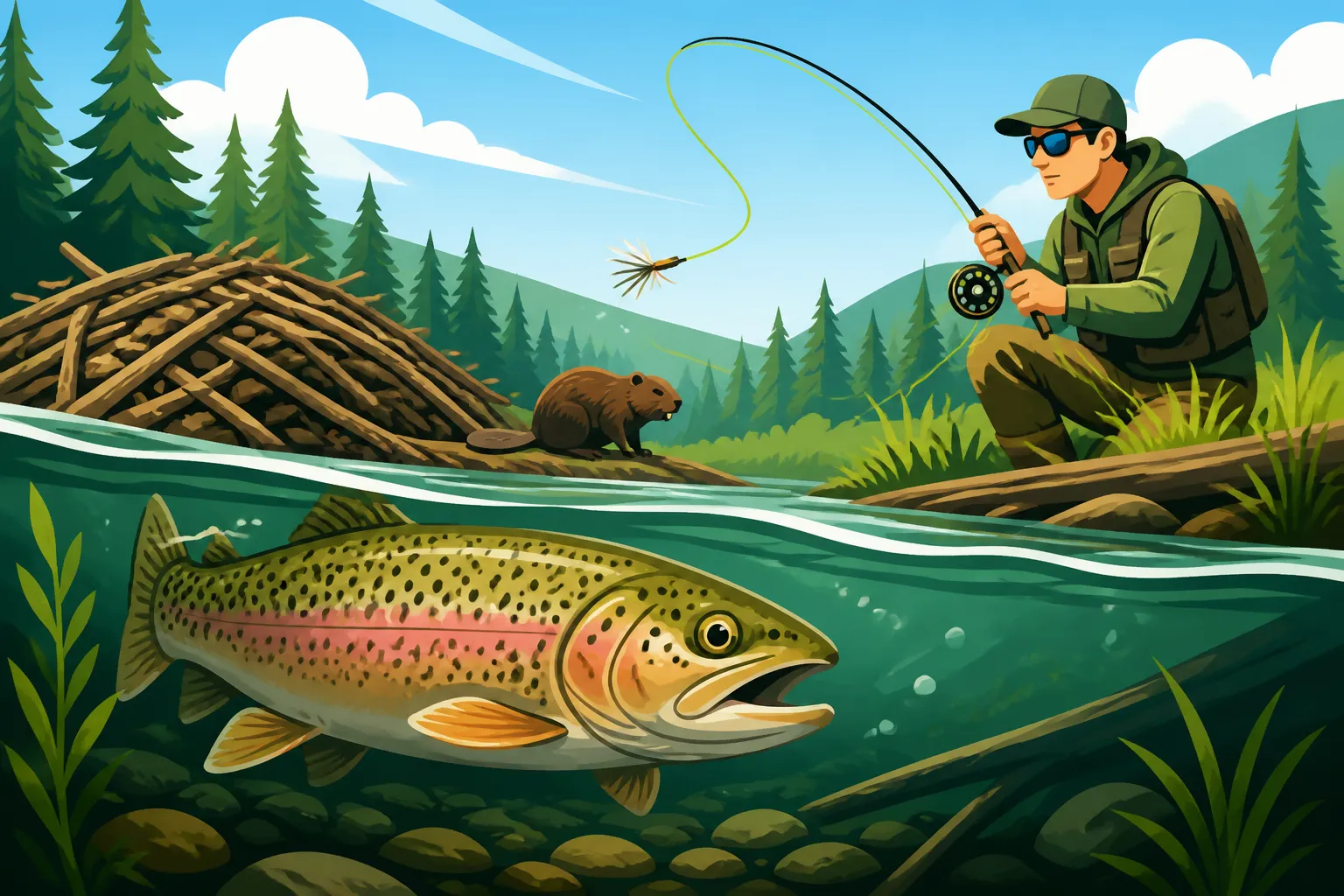
Imagine a small, fast-flowing stream, perhaps just a few feet wide, tumbling over rocks and gravel. Then, picture a beaver colony moving in. Over time, these incredible engineers build dams, diverting water, flooding low-lying areas, and creating a series of interconnected ponds and slower-moving channels. This transformation fundamentally alters the stream's hydrology and habitat. The swift current gives way to deeper, often murky pools, back eddies, and slack water. Submerged timber—fallen trees, branches, and the dam itself—becomes a dominant feature, creating complex cover and structure that trout adore.
The creation of these ponds also leads to sediment accumulation, which changes the streambed from rocky to silty and mucky in many areas. This soft bottom, combined with standing and slow-moving water, encourages the growth of aquatic vegetation and a different array of insects and forage. For trout, especially native brook trout, these conditions offer a haven: abundant food, protection from predators (like ospreys or mergansers), and thermal refuge in deeper pockets during warmer months. The downside for anglers, of course, is the sheer number of snags and the challenge of navigating such an obstruction-rich environment.
The Trout Species You'll Encounter
While a few holdover rainbow or brown trout might occasionally find their way into larger beaver pond systems, the true king of these unique waterways in New Hampshire is often the native brook trout. These beautiful, vibrant fish, with their distinctive worm-like markings and crimson bellies, are perfectly adapted to the cold, oxygen-rich, and often acidic waters that characterize many beaver pond streams, particularly in more remote, forested areas. You can learn more about Brook Trout: New Hampshire's Native Trout to understand their importance.
Brook trout thrive in the complex cover provided by submerged logs and undercut banks, ambushing insects and small baitfish. While they typically don't grow to massive sizes in these smaller systems, a brook trout from a beaver pond stream is often exceptionally colorful and feisty. In some larger, more established beaver flowages, particularly those fed by bigger rivers, you might also find brown trout, which are notoriously resilient and can grow larger, offering a different kind of challenge. Understanding their typical behaviors – where they hold, what they eat, and how they react to pressure – is crucial for success. These are wild fish, often unpressured, and their instincts are sharp, making the experience all the more rewarding when you finally entice one to bite.
Essential Gear and Tackle for Beaver Pond Streams
Successfully navigating the snags and landing trout in a beaver pond stream requires a thoughtful approach to your gear. You'll need equipment that prioritizes accuracy, stealth, and durability over brute force.
Rod, Reel, and Line Selection
For spinning gear, an ultralight or light-action rod, typically between 5 to 6.5 feet long, is ideal. This length offers the precision needed for short, accurate casts into tight pockets and allows for better maneuverability around dense vegetation. Pair this with a small spinning reel, spooled with 4-6 pound test monofilament or fluorocarbon line. Monofilament offers a bit more stretch, which can be forgiving with aggressive takes, while fluorocarbon provides excellent abrasion resistance, a huge plus when fishing around submerged timber, and is virtually invisible underwater. Many anglers find good, reliable options on platforms like Amazon, offering a balance of performance and value for these specialized needs.
If you're a fly angler, a short, sensitive fly rod, perhaps a 7 to 8-foot, 3 to 5-weight, is your best friend here. This length allows for roll casts and short presentations without getting snagged on overhead branches. A weight-forward floating line will handle most situations, allowing for delicate dry fly presentations or the ability to turn over nymphs and small streamers. A short leader, around 7.5 feet, with a 4x or 5x tippet, is generally sufficient. For more in-depth fly fishing advice, check out Fly Fishing for Trout in New Hampshire and specific recommendations for Best Fly Rods for New Hampshire Trout Streams. The goal with either setup is to have enough backbone to fight a fish out of cover but enough finesse to present your offering naturally.
Lures, Baits, and Flies
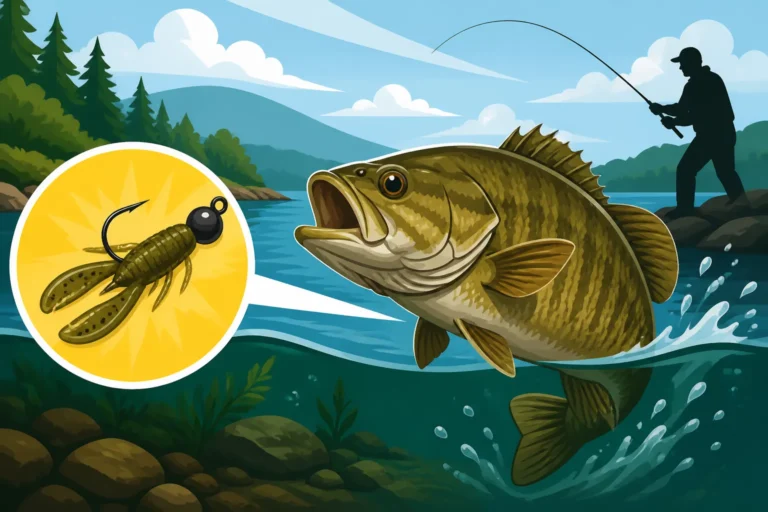
When it comes to tempting trout in beaver pond streams, subtle and natural presentations often win the day. For spinning anglers, small inline spinners (like Rooster Tails or Mepps in sizes #0 or #1), tiny spoons (Little Cleos or Kastmasters), or micro jigs (1/32 to 1/16 oz, tipped with a small plastic grub or piece of worm) are highly effective. Natural baits like worms or crickets fished under a small bobber or free-drifting can also be incredibly potent, especially after a fresh rain. Ensure your hooks are sharp and, if possible, consider pinching down barbs for easier release, which is crucial for the health of these wild fish.
Fly anglers will want a selection of patterns that mimic the local insect life. Woolly Buggers (black, olive, brown) are a must-have for probing deeper pockets and structure, as discussed in How to fish a wooly bugger for trout. Nymphs like Hare's Ears, Pheasant Tails, and Prince Nymphs are excellent for subsurface feeding trout. For topwater action, small dry flies such as Adams, Elk Hair Caddis, or even terrestrial patterns like grasshoppers and ants can be deadly, particularly in the summer months. Don't forget some small foam beetles or hoppers, which are great for dapping near overhanging branches. For more specific patterns, explore Fly Patterns for New Hampshire Trout Streams. A compact tackle box or fly box filled with these essentials, easily available on Amazon, will cover most scenarios.
Wading and Safety Gear
Wading in a beaver pond stream is not for the faint of heart. The bottom can be incredibly soft, silty, and uneven, with hidden logs, sharp branches, and sudden deep drop-offs. Breathable chest waders are often a necessity, allowing you to venture into deeper areas created by the beaver dams. Pair them with sturdy wading boots, preferably with aggressive soles or felt bottoms (where legal) for traction on slippery mud and submerged wood. You can find excellent selections for both in Best Waders for New Hampshire Trout Streams.
Perhaps the most critical piece of safety equipment is a reliable wading staff. This isn't just for balance; it's a probe to test depth and identify submerged hazards before you step. A compact, foldable model that attaches to your vest or pack is ideal. Beyond wading gear, bring a small backpack or sling pack to carry essentials: water, snacks, bug spray (the mosquitoes and black flies can be legendary), a small first-aid kit, and a pair of polarized sunglasses to cut glare and spot submerged structure. A small net with a rubber bag is also highly recommended for gentle catch and release, minimizing stress on the fish.
Mastering Techniques for Beaver Pond Trout
Catching trout in a beaver pond stream isn't about covering vast expanses of water; it's about precision, patience, and understanding where these wary fish hide. Every cast needs to be deliberate, and every presentation thoughtful.
Approaching the Water Stealthily
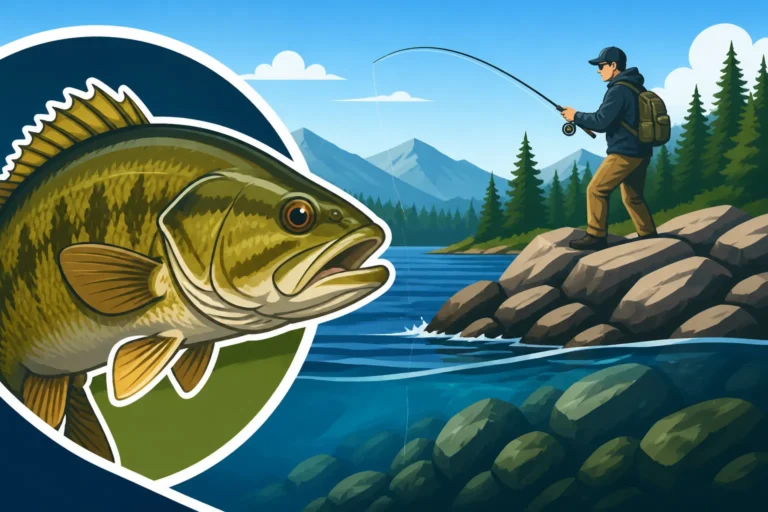
Beaver pond streams, especially those with clear water, often hold trout that are acutely aware of their surroundings. Heavy footsteps, sudden movements, or a visible silhouette can send fish scattering. Your approach needs to be as subtle as possible. Move slowly, staying low to the ground and utilizing bankside vegetation for cover. Avoid casting a shadow over the water you intend to fish. It's often best to cast from a distance, allowing your lure or fly to land gently without a loud splash that would spook the fish.
Consider what you're wearing too. Earth-toned clothing that blends into the natural environment can make a surprising difference. Think like a hunter, not a casual stroller. If you're wading, move deliberately and quietly, feeling your way rather than crashing through the water. Remember, these are often wild trout, not hatchery-raised fish accustomed to human presence, so their natural instincts for self-preservation are strong. A quiet approach can be the difference between a successful outing and an empty creel.
Targeting Key Structures
The beauty and challenge of beaver pond streams lie in their abundant, yet often tricky, structure. Trout, being opportunistic predators, will position themselves in places that offer both cover and a reliable food source. Your job is to identify these high-percentage spots and present your offering to them. The areas directly above and below the beaver dam itself are prime locations, as the dam creates deeper pools and funnels current, concentrating food. Cast your lure or fly upstream of the dam, letting it drift naturally over the structure.
Submerged logs, fallen trees, and brush piles are also incredible fish magnets. Trout will hold tight to these obstacles, using them as ambush points. Cast as close to the cover as possible without getting snagged, letting your bait or lure "tick" or drift alongside the wood. Undercut banks, where the stream has eroded the soil beneath the bank, create shaded hideouts perfect for larger trout. Quietly approach these areas and make a precise cast. Don't forget about any deeper, darker pockets you might spot; these often indicate a prime holding area, especially during brighter days or warmer water temperatures. For more general guidance on how to fish specific structures, Wading Techniques for New Hampshire Trout Streams can offer helpful insights, though adapted for the beaver pond environment.
Presenting Your Lure or Fly Effectively
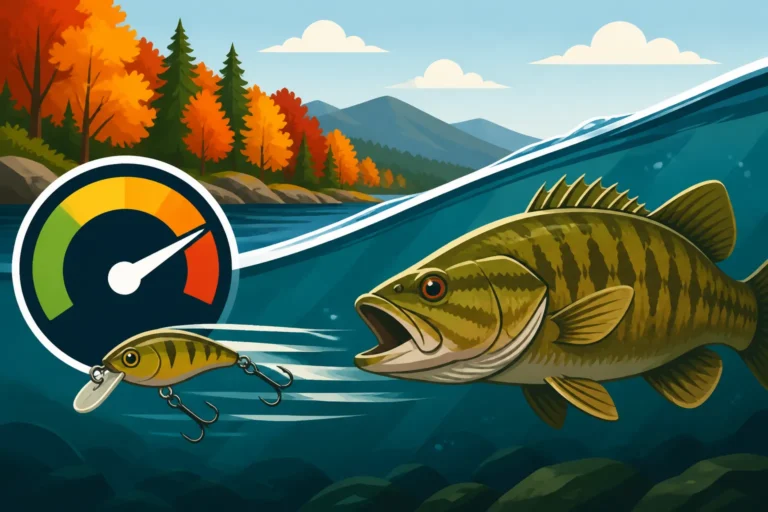
Once you've identified a promising spot, the presentation of your lure or fly is paramount. For spinning gear, a slow, steady retrieve for spinners and spoons is usually best, mimicking natural forage. If using micro jigs or bait, let them sink to the desired depth and work them slowly, with subtle twitches or drifts, allowing the current to do most of the work. Often, trout in these environments prefer a more deliberate, less aggressive presentation.
Fly anglers should focus on achieving a natural, drag-free drift. When fishing nymphs or wet flies, high-sticking can help keep excess line off the water, minimizing drag and improving your ability to detect subtle strikes. If using dry flies, mend your line frequently to ensure the fly floats naturally without being pulled unnaturally by the current. In extremely tight quarters with overhanging branches, a technique called "dapping" where you simply let a fly dangle and touch the water surface, can be incredibly effective. Remember that these trout are often feeding on smaller insects or crustaceans, so matching the hatch or offering a versatile pattern like a Woolly Bugger will likely yield results. Mastering the subtleties of presentation is key to outsmarting these wild fish.
Navigating Challenges and Maximizing Your Success
Beaver pond streams are rewarding, but they demand a certain resilience and adaptability from the angler. It's rarely easy, but that's part of the appeal.
Dealing with Overgrown Vegetation and Obstacles
The dense, often chaotic environment of a beaver pond stream is its defining characteristic, but also its biggest challenge. Overhanging branches, thick bankside brush, and a labyrinth of submerged logs and stumps mean snags are not just possible, they're inevitable. This is where patience and precise casting really pay off. Instead of trying to force a long cast through a small opening, opt for shorter, more controlled pitches. Learn to roll cast if you're fly fishing, or use a gentle underhand cast with spinning gear.
When you do get snagged – and you will – resist the urge to violently yank your line. Often, a gentle jiggle or a change in angle can free your lure or fly. If all else fails, it's better to break off and re-tie than to spook every fish in the area with a noisy recovery. Bringing extra lures, hooks, and leader material is always a good idea. Consider using weedless hooks on your soft plastics if you're fishing jigs, or single hooks on spinners to reduce snagging. The goal is to spend more time fishing and less time untangling.
Understanding Seasonal and Weather Influences
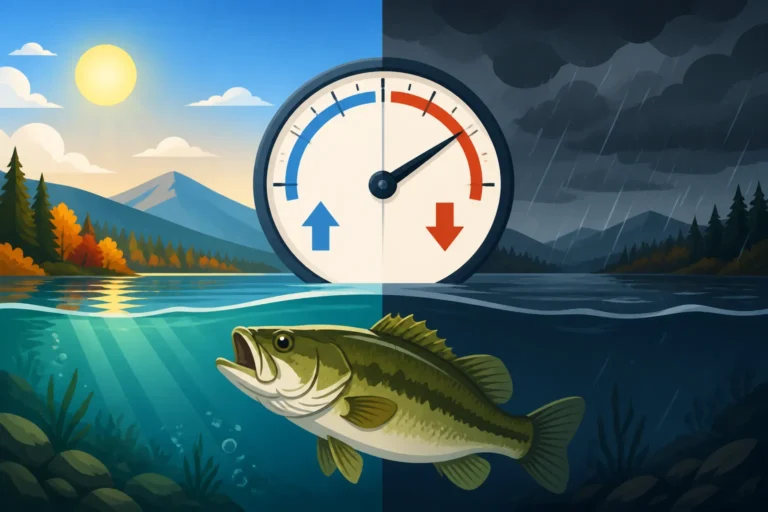
Like all fishing, success in beaver pond streams is heavily influenced by the season and weather. Spring, especially after ice-out, can be phenomenal. The water is cold and oxygenated, and trout are often actively feeding after a long winter. As the season progresses into summer, low water levels and higher temperatures can make fishing tougher. Trout will seek out thermal refuges in deeper pools, near cool spring seepage, or in the shade of dense cover during the hottest parts of the day. Early mornings and late evenings become the prime windows during summer. Conversely, check out Spring Trout Fishing Techniques for New Hampshire Ponds for tips on early season fishing.
Rain can be a mixed blessing. A light rain can often trigger a feeding frenzy, washing insects into the water and breaking up the surface for a more stealthy approach. However, heavy rains can muddy the water, making it difficult for trout to see your offering, or cause water levels to rise dramatically, making wading unsafe. Always check local weather and stream conditions before heading out. Understanding these patterns will allow you to plan your trips for optimal success and safety.
Catch and Release Best Practices
Many of New Hampshire's beaver pond streams hold native brook trout, a precious resource that we as anglers have a responsibility to protect. Practicing responsible catch and release is paramount to ensure these populations thrive for future generations. Use barbless hooks whenever possible, or crimp down the barbs on your existing hooks with pliers. This makes removal much easier and less traumatic for the fish.
When you land a fish, handle it as little as possible. Keep it in the water if you can. If you need to pick it up for a quick photo, wet your hands thoroughly beforehand. Dry hands can remove the fish's protective slime layer, leaving it vulnerable to disease. Support the fish horizontally, never vertically by the jaw or tail, which can damage its internal organs. If the fish seems sluggish, hold it gently in the current until it vigorously swims away. Always be mindful of New Hampshire's specific New Hampshire Trout Limit and Possession Rules and regulations for the waters you are fishing, ensuring you're compliant with any size or creel limits for certain species.
| Aspect | Spinning Gear Recommendation | Fly Fishing Gear Recommendation | Key Technique Focus | Prime Target Spots |
|---|---|---|---|---|
| Rod | Ultralight/Light action, 5-6.5 ft | 3-5 weight, 7-8 ft | Short, accurate casts; delicate presentations | Overhanging branches, tight pockets |
| Reel & Line | Small spinning reel, 4-6 lb mono/fluorocarbon | Small fly reel, WF floating line, 4x-5x tippet | Stealth, abrasion resistance | Around submerged wood, dense cover |
| Lures/Flies | Small spinners, micro jigs, tiny spoons, worms | Woolly Buggers, Nymphs, Terrestrials, Small Dries | Natural drift, slow retrieve | Deeper pools, current seams, dam structure |
| Wading Gear | Chest waders, sturdy boots, wading staff | Chest waders, sturdy boots, wading staff | Safety, navigating uneven/mucky bottom | Under current, near bank erosion |
| Approach | Slow, low profile, cast from distance | Slow, low profile, cast from distance | Minimize spooking fish | Wherever trout have cover and food |
| Obstacle Mgmt. | Short casts, single hooks, gentle retrieval | Roll casts, short leaders, barbless hooks | Reduce snags, minimize disturbance | Around all submerged timber and brush |
| Best Season/Time | Spring, early summer, early/late day in summer | Spring, early summer, early/late day in summer | Optimal water temps, insect activity | Cooler, shaded areas during warmer months |
| Fish Handling | Wet hands, minimize handling, quick release | Wet hands, barbless hooks, gentle revival | Conserve native trout populations | All fish caught, especially native brook trout |
Disclaimer
This article is for general informational purposes only and does not constitute professional advice. Laws, prices and regulations vary by location and change over time. Consult a qualified professional for guidance on your specific situation.