Best technique for post-spawn smallmouth bass
Trying to dial in your smallmouth bass fishing techniques after the spawn can feel like a whole new ballgame in New Hampshire's diverse waters. Those aggressive pre-spawn bites often disappear, leaving anglers scratching their heads as bass become more elusive. This guide is all about understanding the post-spawn period and equipping you with the best techniques, gear, and strategies to successfully target these recovering yet still catchable fish across our beautiful lakes and rivers.
Understanding Post-Spawn Smallmouth Behavior
The post-spawn period for smallmouth bass in New Hampshire is a critical time, and it's when their behavior shifts dramatically from the energetic frenzy of the spawn. If you keep fishing the same way you did in late spring, you're likely to be disappointed. Understanding why they behave differently is the first step to catching them.
The Immediate Post-Spawn Blues: Recuperation and Recovery
Right after smallmouth bass complete their spawning duties, they enter a recuperation phase. Think about it: building nests, defending eggs, and constantly fanning them takes a tremendous toll on their energy reserves. Males, especially, are exhausted from guarding the fry. During this immediate post-spawn window, which can last anywhere from a few days to a couple of weeks depending on water temperatures and individual fish, their primary focus isn't aggressive feeding. They are typically lethargic, often still hanging around the shallower spawning flats or retreating to nearby cover. Their metabolism slows, and they're not chasing down fast-moving baits. This is when finesse presentations really shine. They're still hungry, but they're not willing to expend a lot of energy for a meal. You might find them suspended over cover or tucked into shady spots, just resting and slowly regaining strength.
Transition to Deeper Water and Forage
As they recover from the rigors of spawning, smallmouth bass begin to transition out of the shallow flats. The fry have hatched and dispersed, or they've been successfully guarded by the male bass. Now, the adults are looking to refuel. This often means moving towards deeper water, especially structure that offers both cover and access to food sources. They'll start relating to rocky points, humps, ledges, submerged timber, and drop-offs. Their diet will expand to include crayfish, shiners, perch, and even emerging insects. This movement isn't always a direct dive to the deepest part of the lake; it's more about finding comfortable temperatures and an abundant, easy-to-catch food supply. These transition zones become crucial fishing grounds. Understanding where the fish are moving and what they're eating is paramount to success during this period.
Why the Shift Matters for Anglers
For us anglers, this behavioral shift is everything. It means the techniques that worked so well during the pre-spawn – like aggressive jerkbaits or spinnerbaits in the shallows – might now be ignored entirely. Trying to force a fast retrieve on a lethargic, recuperating bass is a recipe for frustration. Instead, you need to slow down, lighten up your tackle, and present baits in a way that mimics an easy meal. The fish are still there, often in good numbers, but they've just changed their priorities. They're less interested in chasing and more interested in conserving energy while still needing to eat. Recognizing this transition is key. You might find fish spread out, some still shallow and recovering, while others have already moved to their summer haunts. This often requires a more diversified approach, combining different techniques until you crack the code for that particular day or body of water.
Key Techniques for Post-Spawn Smallmouth
Once you understand why smallmouth bass are behaving the way they are, you can start applying the how. The post-spawn period demands adaptability and often a more nuanced approach than other times of the year.
Finesse Presentations for Finicky Fish
During the initial post-spawn recuperation, finesse techniques are absolutely deadly. These fish are often wary and unwilling to chase, so your presentation needs to be subtle, natural, and irresistible.
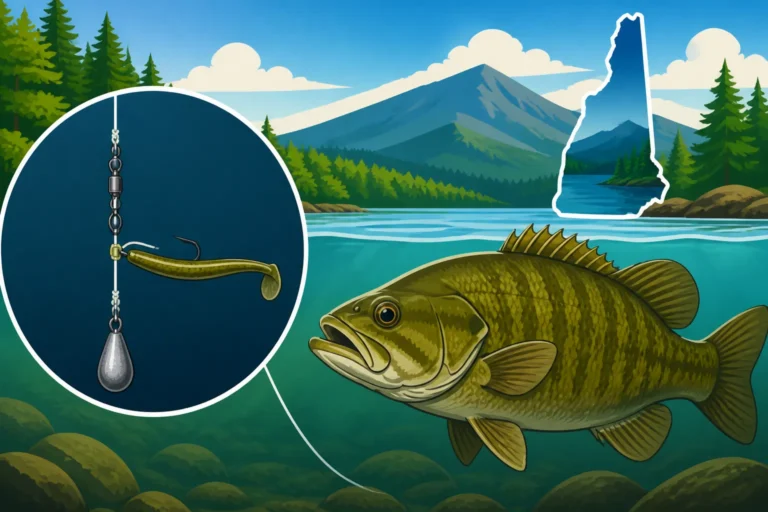
- Drop-Shotting: This is a perennial favorite for a reason. A small worm, soft plastic minnow, or creature bait presented on a drop-shot rig allows the bait to suspend tantalizingly off the bottom, right in the strike zone. You can shake it gently without moving the weight, making it appear like an easy, vulnerable meal. This technique is particularly effective when fish are suspended over deep structure or schooling tightly. You can find a vast array of drop-shot weights and hooks on Amazon to suit various conditions.
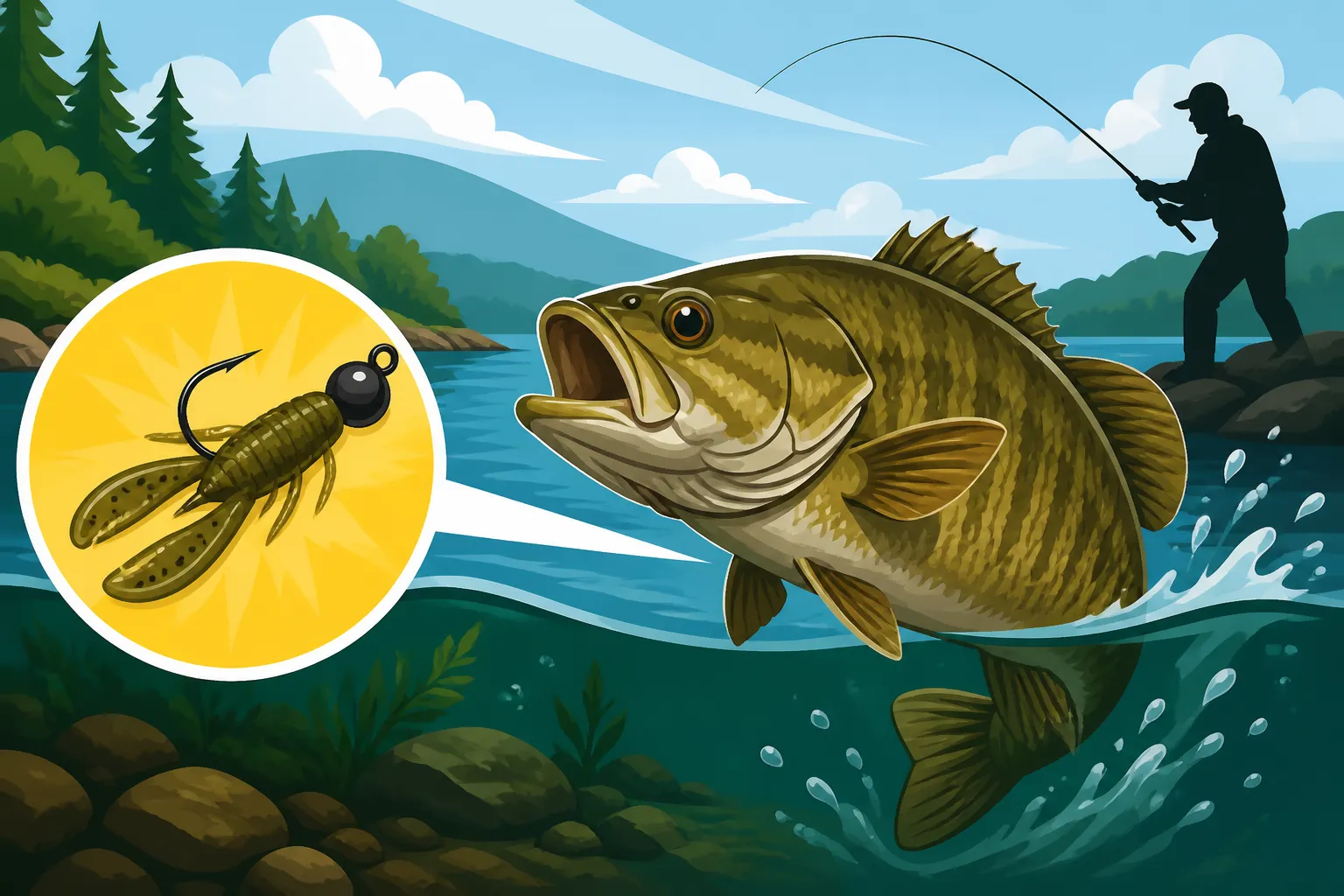
- Ned Rig: The Ned Rig is another finesse powerhouse, especially for smallmouth that are still somewhat shallow or relating to rock piles. A small, buoyant soft plastic mushroom-head jig allows the bait to stand straight up off the bottom, mimicking a foraging creature. Its subtle action and compact profile are often too much for even the most finicky bass to resist. Cast it out, let it sink, and use a very slow drag-and-pause retrieve.
- Weightless Wacky Rigs or Neko Rigs: A weightless wacky-rigged Senko-style worm, or a Neko rig (wacky with a nail weight in one end), provides a slow, natural fall that's often irresistible to bass suspended near cover or shallow flats. The shimmy on the fall is incredibly lifelike, and it's a presentation that requires minimal effort from the bass. This is great for targeting isolated cover like docks, stumps, or rock piles.
Targeting Structure and Transitions
As smallmouth move out of the shallows, they become structure-oriented. They're looking for underwater features that provide ambush points, shade, and proximity to deeper water.
- Rocky Points and Ledges: These are classic smallmouth havens. Cast crankbaits, jigs, or Texas-rigged plastics parallel to the point, allowing them to bounce off the rocks. Fish the edges where the shallow water meets the deeper drop-off. Smallmouth will often stage here, waiting for baitfish to swim by.
- Humps and Submerged Islands: In larger lakes like Lake Winnipesaukee, humps and submerged islands are prime locations. Use your electronics to find these structures and look for baitfish or arches marking bass. Drop-shotting, football jigs, or even slow-trolling deep diving crankbaits can be effective here. This is also where understanding "Smallmouth Bass Habits on Winnipesaukee" can give you a real edge.
- Deep Water Docks and Brush Piles: While smallmouth typically prefer rock, they will use docks and brush piles, especially if they are in deeper water or near a drop-off. Pitch jigs or Texas-rigged plastics into the shadows and under the dock pontoons. If a brush pile is visible or marked on your sonar, a vertical presentation like a drop shot or a jig can pick off hesitant fish.
Power Fishing for the Recovered Aggressors
While finesse often rules the early post-spawn, as fish recover and get more aggressive, you can reintroduce some power fishing techniques. This is particularly true a few weeks after the spawn when water temperatures stabilize and baitfish become more active.
- Swimbaits and Paddle Tails: These are excellent for covering water and imitating baitfish that smallmouth are now actively chasing. Cast them around points, ledges, and over submerged weed beds. Vary your retrieve speed until you find what the fish want. You can rig them weightless for shallow presentations or on a weighted swimbait hook for deeper water. Many effective swimbaits are available on Amazon.
- Deep Diving Crankbaits: Once bass move to deeper structure, deep diving crankbaits become indispensable. Look for models that dive to the depth where you're marking fish or structure, and try to make them "crash" into rocks or timber. The deflection often triggers a reaction strike. The "Best smallmouth bass lures for Winnipesaukee in summer" will certainly include some of these.
- Jerkbaits: While often considered a pre-spawn staple, jerkbaits can still be very effective in post-spawn, especially if you retrieve them with longer pauses. Work them over rocky flats, points, or the edges of submerged vegetation. The darting, pausing action can entice strikes from still-lethargic but opportunistically feeding bass.
Essential Gear and Tackle for Success
Having the right tools for the job can make a world of difference when targeting post-spawn smallmouth bass. Your gear needs to be versatile enough to handle both subtle finesse presentations and more aggressive power fishing techniques.
Rods, Reels, and Line for Finesse and Power
A balanced setup is key to feeling those subtle bites and having the power to land a feisty smallmouth.
- Finesse Setups: For drop-shotting, Ned rigs, and wacky rigs, a medium-light to medium power spinning rod, 6'6" to 7'2" in length, with a fast action tip is ideal. This allows for sensitive bite detection and accurate casting of lighter baits. Pair it with a 2000 or 2500 series spinning reel spooled with 8-10 lb braided line, topped with a 6-8 lb fluorocarbon leader. The braid gives you sensitivity, while the fluorocarbon leader provides invisibility and abrasion resistance. Many anglers swear by the sensitivity offered by this setup, and you can explore various options for "Best Spinning Rods for Smallmouth Bass" to find one that fits your style.
- Power Fishing Setups: When you're throwing crankbaits, swimbaits, or heavier jigs, a medium to medium-heavy power casting rod, 6'8" to 7'6" in length, with a moderate-fast to fast action is more appropriate. This provides the backbone needed for heavier lures and wrestling bigger fish. Match it with a high-speed baitcasting reel (7.1:1 gear ratio or higher) spooled with 10-12 lb fluorocarbon line or 15-20 lb braided line with a fluorocarbon leader. Fluorocarbon is often preferred for crankbaits due to its low stretch and abrasion resistance, especially when fishing around rock. For those clear New Hampshire waters, using "Best Fluorocarbon Line for Clear Lake Water" is crucial.
Lure Selection for Post-Spawn Conditions
The key to post-spawn lure selection is versatility and matching the hatch (or what they would eat).
- Soft Plastics: These are your bread and butter. Think finesse worms (4-6 inches), creature baits (imitating crawfish), tube baits (mimicking goby or crawfish), and small paddle tail swimbaits. Colors like green pumpkin, watermelon red, and natural crawfish patterns are always reliable. Having a variety on hand means you can adapt to different light conditions and water clarity. Remember to check out stores or even Amazon for a wide selection of these versatile baits.
- Hard Baits: Jerkbaits (3-5 inches), medium to deep diving crankbaits in natural baitfish or crawfish colors, and even smaller topwater poppers or walking baits can be effective as fish recover and become more aggressive. Topwater can be particularly exciting during low light conditions or over shallow flats in the morning.
- Jigs: Football jigs (1/4 – 1/2 oz) with crawfish or creature trailers are fantastic for working rocky bottom structure. Finesse jigs (1/8 – 1/4 oz) with smaller trailers are excellent when fish are still a bit finicky. Black and blue, green pumpkin, and brown are staple colors.
Electronics and Navigation Aids
Modern electronics are invaluable for finding post-spawn smallmouth, especially as they move to deeper, less obvious structures.
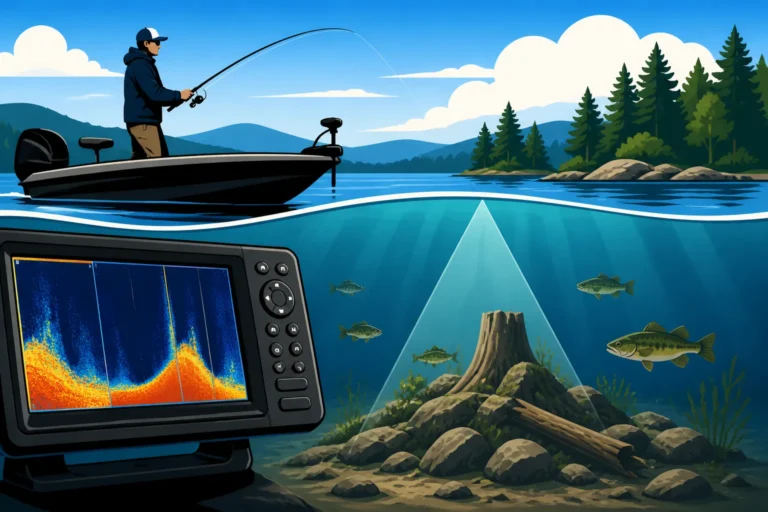
- Sonar/Fish Finder: A good fish finder with down imaging and side imaging capabilities can help you locate humps, ledges, rock piles, and even individual fish or schools of baitfish quickly. Pay close attention to temperature breaks, as bass will often gravitate towards their preferred temperature zones. Look for "arches" on your traditional 2D sonar or distinct shapes on your side/down imaging that indicate structure or fish.
- GPS/Mapping: Detailed lake maps, whether on your fish finder or a dedicated GPS unit, are essential for identifying potential post-spawn holding areas. Mark successful spots as waypoints to return to them later. Knowing the contours, depths, and bottom composition will significantly improve your efficiency. This is particularly helpful on larger bodies of water. For navigating lakes and finding new spots, your boat or kayak's GPS system, often integrated with a fish finder, is a huge advantage.
Seasonal Nuances and New Hampshire Hotspots
Fishing for post-spawn smallmouth isn't a one-size-fits-all affair. Conditions change, and different bodies of water in New Hampshire will present unique opportunities and challenges.
Early Summer Patterns and Lake Specifics
As New Hampshire moves fully into early summer, the post-spawn period concludes, and smallmouth settle into their summer patterns. Water temperatures will generally be warmer and more stable, leading to more consistent feeding.
- Big Lakes: On large, deep bodies of water like Lake Winnipesaukee, Squam Lake, or Newfound Lake, smallmouth will often move to offshore humps, deep rock piles, and main lake points. They’ll school up in these areas, feeding on smelt and other baitfish. Trolling with spoons or deep diving crankbaits, or vertically jigging with tubes and dropshots, can be incredibly effective when you locate a school. If you're looking for prime locations, consider checking out guides like "Best Fishing Lakes in New Hampshire" for more specific spots.
- Smaller Lakes/Ponds: In smaller lakes and ponds with less deep-water structure, smallmouth might stay closer to shore but will relate to deeper docks, rocky banks, or submerged timber. They might also suspend more in the water column if there's an abundance of open-water baitfish. Early mornings and late evenings will often see them shallower, feeding on topwater.
- River Systems: New Hampshire's rivers, like the Merrimack or Connecticut, also hold excellent smallmouth populations. Post-spawn, river smallmouth will seek out current breaks, eddies behind boulders, submerged log jams, and deeper pools. Look for them holding in slower water adjacent to faster current, where they can ambush baitfish. Jigs, tube baits, and small crankbaits worked with the current are often productive. For river-specific advice, you might want to read up on "Best Fishing Rivers in New Hampshire".
River Systems vs. Lake Systems
The subtle differences between lakes and rivers demand a tailored approach.
- Lakes: In lakes, smallmouth often group up more tightly on specific structures. Once you find them, you can typically catch several fish from the same spot. The search can be more challenging, but the reward is often greater. Sonar is your best friend here, helping you pinpoint those offshore sweet spots. Consider exploring "Best Kayak Fishing Spots in New Hampshire" if you prefer a more mobile and stealthy approach to lake fishing.
- Rivers: River smallmouth are more about reading the current and identifying ambush points. They tend to be more spread out but are often found in predictable locations. Focus on seam lines, current breaks, and areas where the river widens into deeper pools. Wading or using a small boat or kayak allows you to cover water efficiently and target these specific areas.
Adapting to Weather and Water Conditions
Smallmouth bass are sensitive to changes in their environment, and adapting to conditions is paramount during the post-spawn.
- Water Temperature: Keep an eye on water temperatures. If there's a sudden cold front, fish might become even more lethargic and retreat to deeper water, requiring slower, more finesse presentations. Conversely, warming trends can make them more active and willing to chase.
- Light Conditions: Overcast days or low-light conditions (dawn/dusk) often bring smallmouth shallower and make them more aggressive. This is a great time for topwater lures or reaction baits. Bright, sunny days usually mean fish will be deeper or tightly associated with shade and cover, requiring more subtle approaches.
- Wind: A light chop on the water can actually improve smallmouth fishing, as it breaks up the surface and makes fish less wary. Wind also pushes baitfish, concentrating them in certain areas, and smallmouth will follow. However, strong winds can make boat control difficult and finesse fishing a challenge.
By understanding the progression of post-spawn behavior, employing the right techniques and gear, and adapting to the specific conditions of New Hampshire's incredible fishing spots, you'll greatly increase your chances of finding success with these amazing fish. Remember to always be mindful of "New Hampshire Bass Limits and Slot Rules" to ensure you're fishing responsibly and sustainably. Good luck out there!
Disclaimer
This article is for general informational purposes only and does not constitute professional advice. Laws, prices and regulations vary by location and change over time. Consult a qualified professional for guidance on your specific situation.