Best multi-day paddle fishing trips in New Hampshire
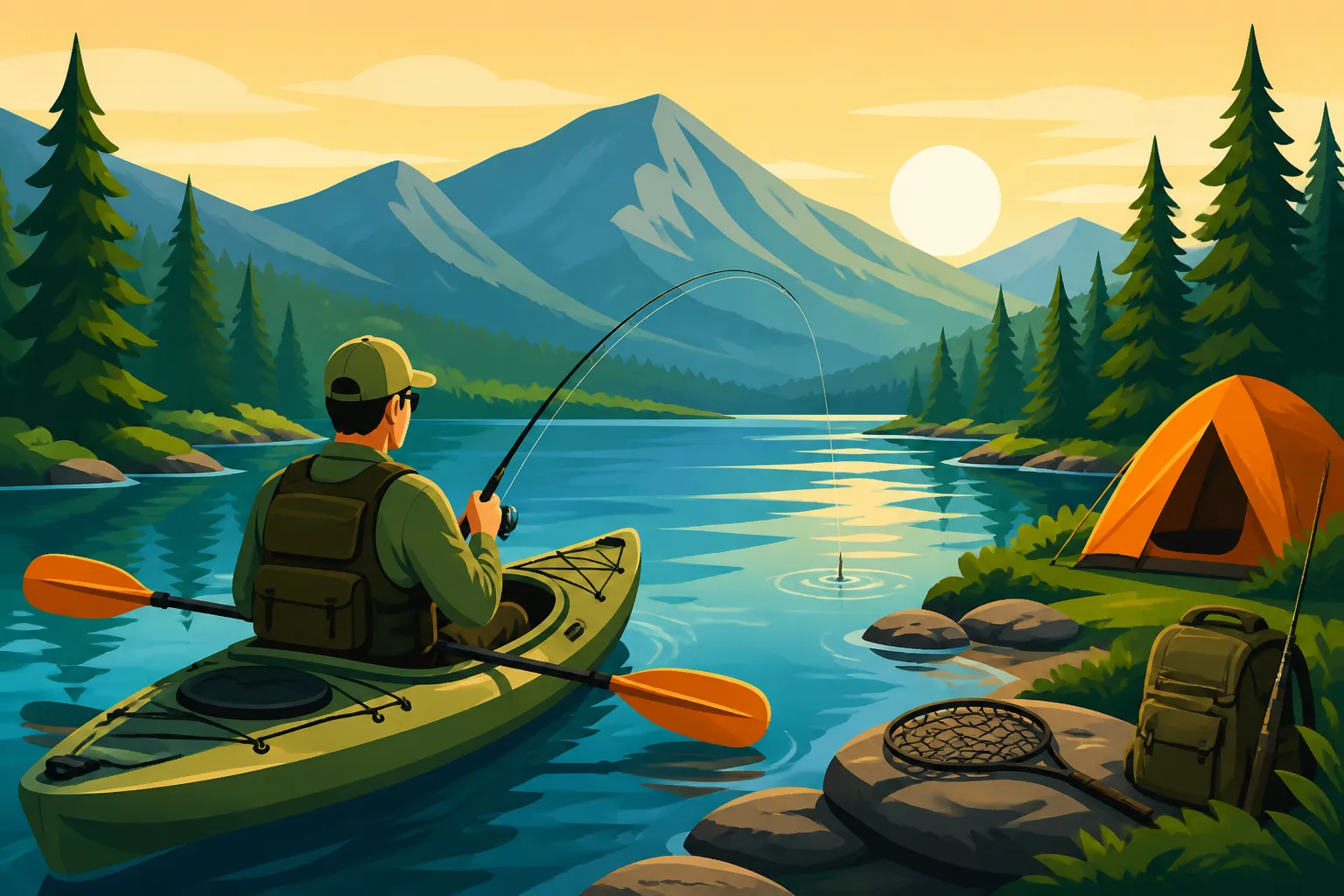
There’s nothing quite like the feeling of watching the sunrise paint the mountains as you sip coffee on a remote shore, knowing you’ve paddled deep into the wilderness, far from the bustling boat launches and crowded fishing spots. If you've ever felt that a single day on the water just isn't enough to truly unwind and connect with nature, you're not alone. This comprehensive guide will walk you through everything you need to know about planning and executing unforgettable multi-day paddle fishing trips across the diverse and stunning waters of New Hampshire.
Why Embrace Multi-Day Paddle Fishing in New Hampshire?
For many anglers, the lure of a multi-day paddle fishing trip isn't just about catching more fish; it's about a complete immersion into the wild. It’s a chance to truly disconnect, recharge, and experience New Hampshire's natural beauty in a way few others do.
Escaping the Crowds and Finding Solitude
One of the most compelling reasons to plan a multi-day paddle fishing trip is the unparalleled solitude it offers. New Hampshire has many popular lakes and rivers, and while they offer fantastic fishing, they can get quite busy, especially on summer weekends. By loading up your canoe or kayak and heading out for a few days, you can paddle past the immediate access points and into areas that are simply inaccessible to larger, motorized boats or even day-tripping anglers.
Imagine spending an entire evening casting to rising trout on a pond where you haven't seen another person all day, or waking up to a pristine, glassy lake surface, knowing you're the only one there. This isn't a fantasy; it's the reality of multi-day trips. You trade the convenience of easy access for the profound peace of true wilderness, and in doing so, you often find that the fish are less pressured, too.
Accessing Remote, Untapped Fisheries
The beauty of paddle craft lies in their ability to go where bigger boats simply cannot. This includes navigating shallow rivers, gliding over submerged boulders, or portaging between remote ponds. When you embark on a multi-day trip, you extend your reach significantly, opening up vast tracts of untouched or lightly fished waters.
Many of New Hampshire's hidden gems – small, pristine trout ponds, secluded river bends, or quiet coves on larger lakes – are often a paddle and a short portage away. These are the places where brook trout might be a bit more eager, or where a trophy smallmouth bass has never seen a lure. The effort required to get there discourages many, leaving these rich fishing grounds for those willing to venture further. It’s an angler's paradise waiting to be discovered, one paddle stroke at a time.
The Full Outdoor Immersion Experience
A multi-day paddle fishing trip is more than just fishing; it’s a full-fledged camping adventure intertwined with your passion for angling. You'll be setting up camp on a sandy beach, an island, or a remote riverbank, cooking meals over a campfire, and falling asleep to the sounds of loons or crickets. It’s a holistic outdoor experience that rejuvenates the soul.
This kind of trip allows you to slow down, observe wildlife, and truly appreciate the cycles of nature. You might spot a moose at dawn, watch an eagle snatch a fish from the water, or simply marvel at the star-studded night sky, undimmed by city lights. It’s a profound way to disconnect from the constant demands of modern life and reconnect with yourself and the natural world, all while pursuing your favorite hobby. It provides a deeper sense of accomplishment and peace that a quick day trip rarely can.
Planning Your New Hampshire Paddle Fishing Expedition
A successful multi-day trip requires careful planning. From choosing the right location to packing the essential gear and understanding regulations, a little foresight goes a long way in ensuring a safe and enjoyable adventure.
Choosing the Right Water Body and Route
New Hampshire offers an incredible diversity of waterways, each with its own character and fishing opportunities. Deciding where to go depends largely on your experience level, desired species, and how remote you want to be.
For those new to multi-day trips, a larger lake with designated island camping sites, like Lake Winnipesaukee or Squam Lake, can be a great starting point. These offer the ability to paddle to a campsite, set up a base, and then explore different fishing spots daily. You'll find excellent populations of smallmouth bass, lake trout, and landlocked salmon in these waters. If you're keen on exploring some of the most productive fishing grounds, you might consult a guide via a service like FishingBooker to understand which coves and structures are most active. For a deeper dive into the state's options, you can check out guides on the Best Fishing Lakes in New Hampshire or the Best Fishing Rivers in New Hampshire.
If you're seeking true wilderness, the northern part of the state, particularly around Umbagog Lake and the Androscoggin River, provides incredible opportunities for wild brook trout and other cold-water species, though it requires more self-sufficiency. Smaller, remote ponds in the White Mountains, often accessible via short portages, are also excellent choices for brook trout if you're willing to hike a bit with your gear. Consider the current if planning a river trip; paddling upstream can be exhausting, so mapping out a downstream journey with a shuttle plan is often wise.
Essential Gear for Multi-Day Trips
Packing smart is crucial for comfort, safety, and fishing success on a multi-day trip. Your gear choices will dictate much of your experience.
Your paddle craft is paramount. Canoes often offer more carrying capacity, which is great for multiple days of gear, while fishing kayaks provide excellent stability for casting and often have integrated storage. For advice on selecting the right vessel, refer to our guide on Best Kayaks for New Hampshire Fishing. Beyond the boat, a lightweight, durable tent, a warm sleeping bag appropriate for New Hampshire's variable nights, and a compact cooking system (stove, fuel, pots) are essential for camp life.
For fishing, think versatility. A medium-light spinning rod paired with a selection of lures for bass, trout, and panfish will cover most bases. Pack extra line, hooks, sinkers, and lures, as resupply won't be an option. For specific species, you might want to bring specialized tackle; for example, if targeting trout in streams, our guide on the Best Gear for New Hampshire Trout Fishing has excellent recommendations. Don't forget safety essentials: a PFD (Personal Flotation Device) is mandatory and critical, as highlighted in the Life Jacket Requirements for New Hampshire Boaters, along with a first-aid kit, a whistle, a reliable headlamp, and a fully charged communication device (satellite messenger for truly remote areas, as cell service can be spotty).
Permits, Licenses, and Regulations
Before you even dip a paddle, understanding New Hampshire's regulations is non-negotiable. Fishing without the proper license or violating regulations can lead to hefty fines and a ruined trip.
Every angler aged 16 and over needs a valid New Hampshire fishing license. This applies whether you're a resident or non-resident. You can find comprehensive details in our New Hampshire Fishing License Guide for 2026. If you're bringing a motorized boat, even a small one, ensure it meets all New Hampshire Boating Laws for Anglers and is properly registered. Paddle crafts like canoes and kayaks usually don't require registration in New Hampshire unless they have a motor.
Beyond licenses, familiarize yourself with the specific fishing regulations for the waters you plan to visit. Bag and possession limits, length limits, and season dates vary by species and even by water body. The Reading the New Hampshire Freshwater Fishing Digest is an invaluable resource, providing all the current rules. Some areas, especially within state parks or federal lands like the White Mountain National Forest, may also require special camping permits or have specific rules regarding campfires and bear-resistant food storage. Always check with the local land management agency before you go.
Food, Water, and Resupply Logistics
Keeping yourself nourished and hydrated is paramount, especially when you're exerting energy paddling and fishing for days.
Plan your meals carefully. Dehydrated camping meals are lightweight and convenient, but you can also pack non-perishable items like pasta, rice, canned goods, and shelf-stable jerky or protein bars. Consider the caloric needs for active days on the water. A robust cooler with plenty of ice can keep perishables fresh for a few days, especially if you're not in intense heat.
Water is critical. Calculate how much drinking water you'll need, remembering that paddling and physical activity increase your intake. While some rivers and lakes may appear pristine, it's always safest to bring a water filter or purification tablets for any water you plan to drink from natural sources. Many experienced paddlers carry a few liters of water from home and then rely on a good quality filter like a Sawyer Squeeze or Katadyn BeFree for refills. Avoid sugary drinks that can actually dehydrate you.
| Trip Type | Difficulty Level | Target Fish Species | Typical Duration | Key Considerations |
|---|---|---|---|---|
| Large Lake | Moderate | Smallmouth Bass, Lake Trout, Landlocked Salmon | 2-4 days | Weather exposure, boat traffic, island camping |
| Wilderness River | Moderate-High | Brook Trout, Smallmouth Bass, Pickerel | 2-5 days | Current, portages, shuttle logistics |
| Remote Pond | Easy-Moderate | Brook Trout, Panfish | 1-3 days | Hiking access, limited campsites, dense bugs |
| Boundary Water | Moderate | Smallmouth Bass, Pike, Trout | 2-4 days | Reciprocity rules, varied access points |
Top New Hampshire Destinations for Multi-Day Paddle Fishing
New Hampshire boasts a variety of stunning locations perfect for multi-day paddle fishing. Your choice will depend on the type of adventure you're looking for.
Northern New Hampshire Wilds
For the true wilderness enthusiast, the remote regions of northern New Hampshire offer unmatched solitude and pristine fishing. The Umbagog Lake area, straddling the Maine border, is a prime example. This expansive lake and its surrounding rivers, like the Magalloway and Androscoggin, offer fantastic opportunities for brook trout, salmon, and smallmouth bass. You can find more specific fishing information in our Umbagog Lake Fishing Guide. Camping is available on various islands and remote shorelines, often requiring reservations through New Hampshire State Parks. Paddling here requires attention to weather, as the lake can get choppy. A local guide can be extremely helpful in navigating this vast wilderness, and services like FishingBooker are excellent for connecting with experienced local outfitters who understand the nuances of the region.
Further south, within the White Mountain National Forest, numerous smaller ponds and high-elevation streams provide incredible brook trout fishing. Many of these require a paddle-in or a short hike-in with a packraft or inflatable kayak, offering a truly primitive camping and fishing experience. Areas around the Swift River and Ellis River are popular for day trips, but by pushing deeper, you can find quiet stretches that hold impressive fish. Don't forget to consult the White Mountains Trout Stream Access guide for specific spots.
Central Lakes Region Adventures
The famous Lakes Region, while popular, still holds secrets for multi-day paddlers. Lake Winnipesaukee, New Hampshire's largest lake, offers numerous islands with designated campsites, making it perfect for an island-hopping fishing expedition. While the main channels can be busy, the countless coves and inlets offer fantastic smallmouth bass fishing, especially during the Best summer smallmouth spots on Winnipesaukee around rocky points and deep structure. You can set up camp on an island and explore different fishing grounds daily. Similarly, Squam Lake and Newfound Lake provide stunning scenery and excellent fishing for smallmouth, lake trout, and landlocked salmon, with plenty of quiet coves to explore from a base camp. Our detailed Squam Lake Fishing Guide and Newfound Lake Fishing Guide can help you pinpoint productive areas. These larger lakes sometimes benefit from local knowledge, and booking a short guided trip through a platform like FishingBooker can give you an invaluable head start on understanding the best spots and techniques.
Connecticut River Expeditions
The Connecticut River, forming New Hampshire’s western border, offers unique multi-day paddle fishing opportunities. While much of it is broad and slow-moving, certain sections provide excellent smallmouth bass fishing, northern pike, and even various trout species. Planning a multi-day float trip involves finding appropriate put-in and take-out points, often with a vehicle shuttle. Access points are scattered along its length, and you can find more information in the Connecticut River Fishing Access in New Hampshire guide. Camping can be done on islands (where permitted) or at designated riverside sites.
An interesting aspect of fishing the Connecticut River is the reciprocity agreements with Vermont. For portions of the river, a New Hampshire fishing license is valid on both sides, or vice-versa, which simplifies things immensely for anglers. You can learn more about these specifics in the New Hampshire fishing license reciprocity on Vermont boundary waters article. This creates a vast, relatively unpressured waterway for exploration, offering a different kind of multi-day experience compared to the deep woods or large lakes. Again, for complex river systems, local insights are golden, and FishingBooker can link you with guides familiar with the Connecticut River.
Safety and Leave No Trace Principles
Embarking on a multi-day trip means taking on greater responsibility for your safety and for preserving the pristine environment you're enjoying.
Prioritizing Safety on the Water
Safety should always be your top concern. New Hampshire's weather can change rapidly, especially in mountainous or large lake regions. Always check the forecast before and during your trip, and be prepared to take shelter or cut your trip short if severe weather approaches. Cold water is a year-round threat in many of New Hampshire's lakes and rivers; even in summer, a capsize can lead to hypothermia. Always wear your PFD, especially when paddling in cold water or rough conditions.
Let someone reliable know your float plan – your route, expected departure, and return times. This provides a crucial safety net. Pack a comprehensive first-aid kit and know how to use it for common injuries. In remote areas where cell service is non-existent, a satellite communication device is a smart investment for emergencies. Remember that self-rescue and self-reliance are key tenets of wilderness travel.
Practicing Leave No Trace Ethics
As anglers and outdoor enthusiasts, it's our duty to protect the very environments we cherish. Practicing Leave No Trace principles ensures that these beautiful fishing spots remain wild and healthy for future generations.
The core principle is simple: Pack it in, pack it out. This means absolutely everything you bring with you, including all trash, food scraps, and even fish guts (unless regulations allow gutting and dispersing far from shore). Minimize campfire impacts by using existing fire rings, keeping fires small, and ensuring they are completely out before leaving. When nature calls, move at least 200 feet from water sources, trails, and campsites, and properly bury human waste. Respect wildlife by observing from a distance and never feeding them. Avoid disturbing native vegetation and leave historical artifacts as you find them. By adhering to these simple yet powerful ethics, we ensure that the remote beauty of New Hampshire's paddle fishing destinations endures.
Disclaimer
Please note that fishing regulations, license requirements, and local conditions can change. Always consult the official New Hampshire Fish and Game Department website or relevant land management agencies for the most current information before planning and embarking on any fishing trip. Safety should always be your top priority.