Best canoe fishing routes in New Hampshire
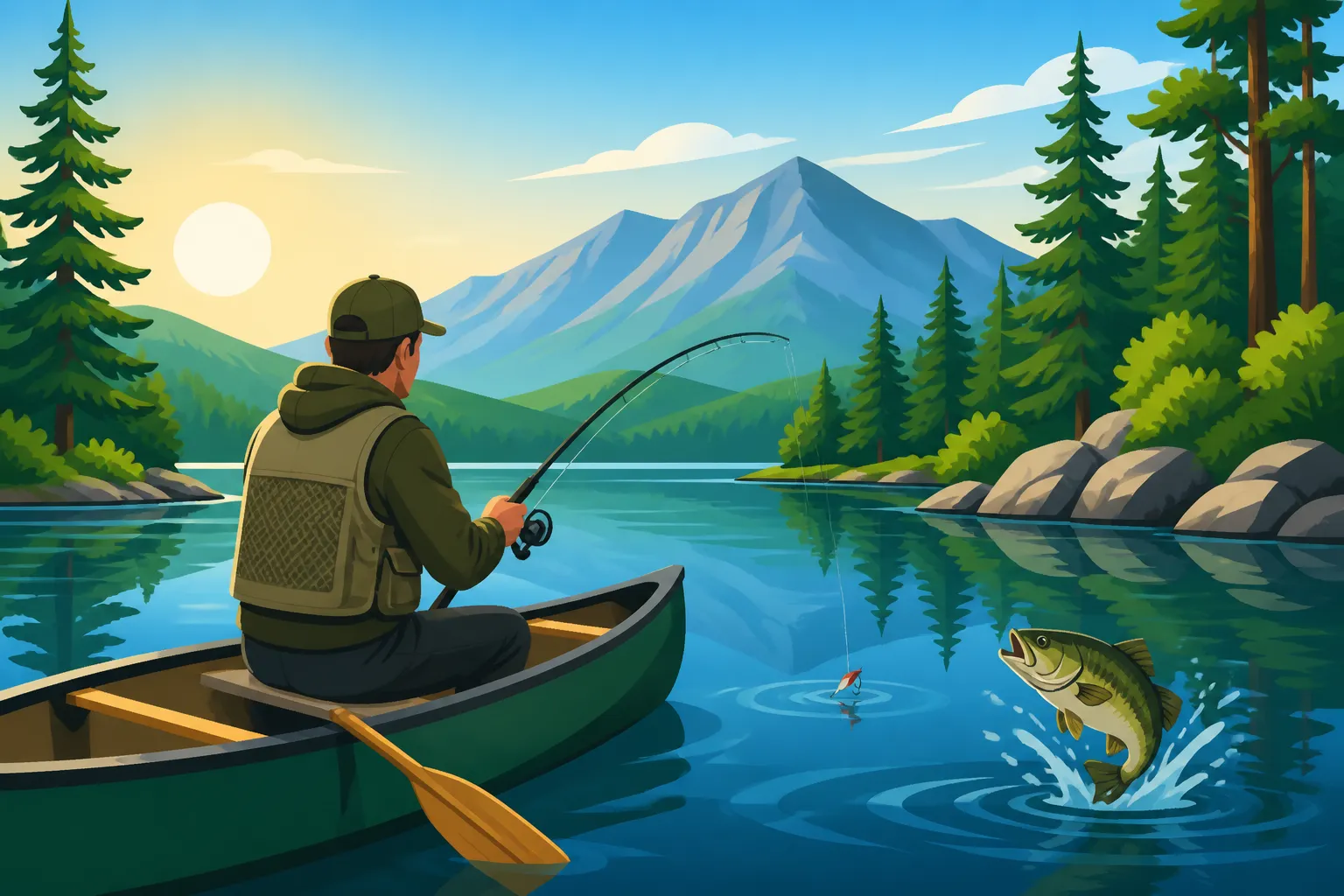
There's nothing quite like the feeling of paddling silently across a glassy New Hampshire lake or navigating a gentle river, with the only sounds being the dip of your paddle and the occasional splash of a rising fish. While motorboats can be great for covering vast distances, they often limit you to larger, more accessible waters, leaving many pristine, remote fishing spots untouched. This guide is all about helping you unlock those hidden gems, providing a comprehensive look at the best canoe fishing routes across New Hampshire and how to make the most of your peaceful angling adventure.
The Undeniable Appeal of Canoe Fishing in the Granite State
For many anglers, canoe fishing isn't just a method; it's a philosophy. It’s about slowing down, connecting with nature, and accessing waters that remain largely undisturbed. New Hampshire, with its countless lakes, ponds, and rivers, offers an idyllic backdrop for this pursuit, providing opportunities for both tranquil solitude and exciting angling.
Accessing Remote Waters and Unpressured Fish
One of the biggest frustrations for any angler is arriving at a prime fishing spot only to find it crowded with other boats, jet skis, or shoreline anglers. This is where canoe fishing truly shines. The shallow draft and maneuverability of a canoe allow you to reach areas that larger boats simply cannot, whether it's navigating through narrow channels, pushing into shallow coves, or portaging around small rapids to get to an upstream honey hole. These less-pressured areas often harbor healthier, less wary fish, leading to a more productive and ultimately more satisfying fishing experience. Imagine gliding silently into a remote pond known for its trophy brook trout, or slipping into a secluded river bend where smallmouth bass lurk, places you’d never reach with an outboard motor. It’s about earning your catch, and the reward is often a memorable one.
Stealth and Serenity on the Water
The quiet nature of a canoe is a tremendous advantage when fishing. Unlike a motorboat that can spook fish with its engine noise and wake, a canoe allows for a stealthy approach. This is particularly effective when targeting wary species like trout or finicky bass in clear water. You can paddle within casting distance of a rise or a structure without alerting your quarry, increasing your chances of a successful hook-up. Beyond the angling benefits, the serenity of canoe fishing is a huge draw. Surrounded by the natural beauty of New Hampshire, you'll experience a profound sense of peace. The absence of engine hum allows you to truly immerse yourself in the sounds of the wilderness – birds chirping, wind rustling through the trees, and the gentle lapping of water against your hull. It’s not just about catching fish; it’s about the entire outdoor experience, and New Hampshire's scenic beauty only enhances that.
Planning Your New Hampshire Canoe Fishing Adventure
Before you dip your paddle into the water, a little planning goes a long way. New Hampshire's diverse waterways mean there's a perfect spot for every skill level and desired catch, but understanding the nuances of each can make your trip much more successful.
Choosing the Right Waterbody for Your Canoe
New Hampshire offers a rich tapestry of fishing environments, each with its own character and opportunities for canoe anglers. Rivers provide dynamic, current-driven fishing, often requiring different techniques and a good understanding of water flow. Smaller rivers like sections of the Pemigewasset River or the Swift River are fantastic for drifting and wading, offering a peaceful experience where you can target trout and smallmouth bass. Larger rivers, such as the Connecticut River, offer vast stretches of water with varying depths and structures, but can also present stronger currents and more challenging conditions, so always be mindful of river conditions.
Lakes and ponds, on the other hand, offer more stable conditions, ideal for exploring shorelines, coves, and submerged structures. Small, remote ponds, often requiring a short portage, can be absolute goldmines for brook trout or feisty chain pickerel. Larger lakes like Squam Lake or Winnipesaukee (though be mindful of heavy boat traffic in peak season) have countless islands and coves perfectly suited for quiet canoe exploration, especially if you're targeting bass or panfish. When choosing, consider the size of the waterbody, the typical wind conditions, and how much paddling you're comfortable with. If you're new to canoe fishing, starting with a smaller, sheltered pond or a slow-moving river section is a great way to build confidence.
Navigating Regulations and Safety on the Water
Fishing in New Hampshire, as with any state, comes with its own set of rules, and understanding them is crucial for a smooth trip. First and foremost, you'll need a New Hampshire Fishing License Guide for 2026. This guide will outline specific requirements, including age exemptions and various license types. Beyond just the license, it’s vital to be familiar with the broader New Hampshire Fishing Regulations Explained, as these cover everything from season dates to specific tackle restrictions. For example, some waters might be fly-fishing only, or have specific bait restrictions.
Safety should always be your top priority. While canoes might seem simple, understanding Life Jacket Requirements for New Hampshire Boaters is non-negotiable. Everyone on board must have a properly fitting PFD (Personal Flotation Device), and children typically have stricter wearing requirements. Beyond PFDs, always carry a whistle, a bailing device (like a small bucket or sponge), and a throw rope. Let someone know your float plan – where you're going, when you expect to return, and what your canoe looks like. Weather can change quickly in New Hampshire, so check forecasts before heading out and be prepared to get off the water if conditions deteriorate. For a comprehensive overview, it's always a good idea to consult the New Hampshire Fish and Game Department website or pick up a copy of the latest Freshwater Fishing Digest.
Premier Canoe Fishing Routes in the Granite State
New Hampshire is a paddler's paradise, and for anglers, that means endless opportunities to explore. From tranquil ponds to meandering rivers, here are some top spots where a canoe truly enhances the fishing experience. If you’re ever looking for local expertise or want to try a new spot without all the planning, checking out local guides on FishingBooker can be a fantastic way to learn the ropes or discover secret spots.
The Mighty Pemigewasset River for Trout and Bass
The "Pemi," as it's affectionately known, is one of New Hampshire's most iconic rivers and offers diverse canoe fishing experiences depending on the section. For much of its length, the Pemigewasset is wide enough for comfortable paddling but shallow enough in many areas to maintain a healthy trout population. You can find excellent stretches for both brown and rainbow trout, especially in its upper reaches and around its confluence with smaller tributaries. The river also boasts a fantastic smallmouth bass fishery, particularly from Franklin south, where the water warms up.
Canoe access is relatively good, with numerous public boat launches and informal put-in spots along its course. A popular float for trout and smallmouth takes you from Livermore Falls State Forest down to Campton, offering a mix of riffles, runs, and deeper pools perfect for drifting nymphs, casting spinners, or working small crankbaits. For those seeking solitude, look for sections that require a bit more effort to access, or plan a longer float. Always check the New Hampshire Fish and Game's Pemigewasset River Fishing Guide for specific regulations and stocking information, as trout stocking often happens in various sections.
The Serene Waters of Umbagog Lake for Remote Trout and Landlocked Salmon
Tucked away on the New Hampshire-Maine border, Umbagog Lake offers a truly remote wilderness canoe fishing experience. Part of the Umbagog National Wildlife Refuge, this expansive lake is surrounded by untouched forest, providing a sense of solitude that's hard to find elsewhere. While it's a large lake, its numerous islands, secluded coves, and shallow marshy areas make it ideal for canoe exploration. The fishing here is exceptional, with opportunities for brook trout, lake trout, and landlocked salmon, alongside healthy populations of smallmouth bass and chain pickerel.
Paddling through the lake's various channels and bays, you'll feel miles away from civilization. The remoteness means you're more likely to encounter wildlife like moose, loons, and eagles than other anglers. Access can be found at public boat launches, though be prepared for a drive. The sheer size of Umbagog means you could spend days exploring. Consider launching from the New Hampshire side and spending time around the numerous islands or paddling up into the Magalloway River arm for some incredible fishing. For deep dives into what this unique fishery offers, check out the Umbagog Lake Fishing Guide. Remember to pack all essentials, as services are limited.
Hidden Gems in Bear Brook State Park Ponds for Panfish and Stocked Trout
For a more accessible and family-friendly canoe fishing adventure, Bear Brook State Park in Allenstown offers several ponds that are perfect for a day trip. This expansive state park is one of New Hampshire's largest, providing a peaceful escape not far from bustling areas like Manchester and Concord. Beaver Pond, Bear Hill Pond, and Catamount Pond are often stocked with trout, making them excellent spots for beginners or those looking for consistent action. These ponds are typically smaller, minimizing long paddles and making them easy to navigate.
Canoes are ideal here because motorboats are often restricted or limited in size, ensuring a quieter experience. You can easily paddle around the shorelines, casting for panfish like yellow perch and black crappie, or drift in deeper sections for stocked rainbow and brook trout. The park also offers miles of hiking trails and camping, making it a great destination for a multi-activity outing. Always consult the New Hampshire State Park Fishing Guide for specific rules regarding fishing and boating within the park. These ponds are fantastic for teaching kids to fish, and the easy access makes for a stress-free day on the water.
Exploring Squam Lake's Numerous Coves for Bass
Squam Lake, famously known as the setting for "On Golden Pond," is a true New Hampshire treasure, renowned for its pristine waters, stunning scenery, and fantastic bass fishing. While it's a large body of water, its complex shoreline, numerous islands, and countless coves make it an absolute paradise for canoe anglers. The lake boasts healthy populations of both largemouth and smallmouth bass, with opportunities for trophy fish. The quiet nature of a canoe is perfect for sneaking into shallow, rocky coves and around lily pad fields where bass love to hide.
Paddling around Squam's many islands, you can target smallmouth bass on rocky points and drop-offs, or venture into the warmer, weedier bays for largemouth. The lake's clear water means stealth is key, and a canoe allows you to approach fishing spots silently. Public boat launches are available, but once on the water, you can easily find solitude away from the main channels. Consider launching from Squam Lake State Park or a similar access point and dedicating your day to exploring specific sections. The Squam Lake Fishing Guide provides a wealth of information on seasonal patterns and prime locations for different species. This lake is truly a special place, and a canoe lets you experience its magic up close.
Upper Connecticut River's Diverse Fishery
The Connecticut River, forming much of New Hampshire's western border, offers a different kind of canoe fishing experience – one of broad stretches, occasional rapids, and diverse fisheries. While some sections can be challenging for canoes due to strong currents or dams, its upper reaches and many slower sections are perfect for multi-day trips or long day floats. Here, you can expect to find a mix of coldwater and warmwater species.
The upper Connecticut, particularly north of Hanover, is known for its excellent trout fishing, including brown trout and rainbow trout, with some impressive holdovers in its deeper pools. Further south, the river transitions into prime smallmouth bass habitat, with rocky stretches and current breaks holding feisty fish. Canoes are ideal for navigating the river's varied terrain, allowing you to drift through productive stretches, pull over to wade promising riffles, or paddle to quieter backwaters. The Connecticut River Fishing Access in New Hampshire guide will help you find suitable put-in and take-out points. Always be aware of dam locations and portage routes, and respect private property along the banks. A local guide can be incredibly helpful for navigating this expansive river, and you might find options on FishingBooker for different sections.
Essential Gear and Smart Practices for Canoe Anglers
Beyond the canoe and your fishing rod, a few key pieces of gear and smart habits can make your New Hampshire canoe fishing trips safer, more comfortable, and more successful.
Recommended Canoes and Paddles for Fishing
Choosing the right canoe depends largely on the type of water you plan to fish and your group size. For solo anglers or a pair looking for maximum maneuverability on smaller rivers and ponds, a shorter, lighter canoe (14-16 feet) made of Royalex or a similar durable, lightweight material is ideal. These are easier to portage and more responsive to paddle strokes. For larger lakes or if you plan on carrying more gear or fishing with children, a longer canoe (16-18 feet) will offer better stability and tracking in choppier water. Brands like Old Town Canoes, Wenonah, and Mad River Canoe offer excellent models designed for stability and touring, many of which are popular among New Hampshire paddlers.
When it comes to paddles, opt for lightweight, durable options that are appropriately sized for your height and the canoe's width. A spare paddle is always a good idea – it’s a long swim back if you lose your primary one! Consider investing in a good quality canoe seat with a backrest if you plan on long days on the water; comfort can significantly extend your fishing time.
Essential Fishing Tackle and Management for Canoe Anglers
Keeping your fishing gear organized and secure in a canoe is paramount. Space is at a premium, and losing tackle overboard is a frustrating reality for many. Start with a compact tackle box or a soft-sided tackle bag that can be easily stowed and secured. For rods, consider shorter, medium-light to medium-action spinning rods (6-7 feet) that are easy to cast from a seated position and less likely to snag on overhead branches. A multi-piece travel rod can also be a smart choice for portability.
Bring only the lures and baits you genuinely expect to use. For trout and salmon, small spinners, spoons, stickbaits, and fly fishing gear are excellent. For bass, jigs, worms, crankbaits, and topwater lures are always effective. Don't forget a small, collapsible landing net – it's invaluable for safely landing fish, especially when you're restricted by the canoe's confines. Remember that different species in New Hampshire have different limits, so knowing the New Hampshire Bass Limits and Slot Rules and New Hampshire Trout Limit and Possession Rules before you go is essential. Always have a pair of pliers or forceps for hook removal and a small cutting board and knife if you plan to keep your catch.
Safety First: Beyond the Paddle
While we touched on life jackets, there are other crucial safety considerations. Always carry a dry bag containing essentials: your phone (fully charged, in a waterproof case), a first-aid kit, a headlamp or flashlight, a map of the area (even if you have GPS), and extra layers of clothing. Even on warm days, the weather can turn, and getting wet in a canoe can quickly lead to hypothermia if you’re unprepared.
Tell someone your plans: your route, estimated put-in and take-out times, and who you're with. If you're going into truly remote areas, consider carrying a satellite communication device like a Garmin inReach or a SPOT device for emergencies. Always pack enough water and snacks, and bring sunscreen and insect repellent. Respect wildlife, maintain a safe distance, and never approach animals. Lastly, understand your own skill level. Don't attempt rivers with rapids beyond your paddling capability, and be honest about the distances you can comfortably paddle, especially if you're battling wind on a large lake. A little caution goes a long way in ensuring a safe and enjoyable outing on New Hampshire's beautiful waterways.
Disclaimer
The information provided in this guide is for general informational purposes only and does not constitute legal or professional advice. Fishing regulations, conditions, and access points in New Hampshire can change frequently. Always consult the latest official New Hampshire Fish and Game Department regulations and local authorities before planning any fishing trip. Safety is paramount; exercise caution and judgment when on or near the water.