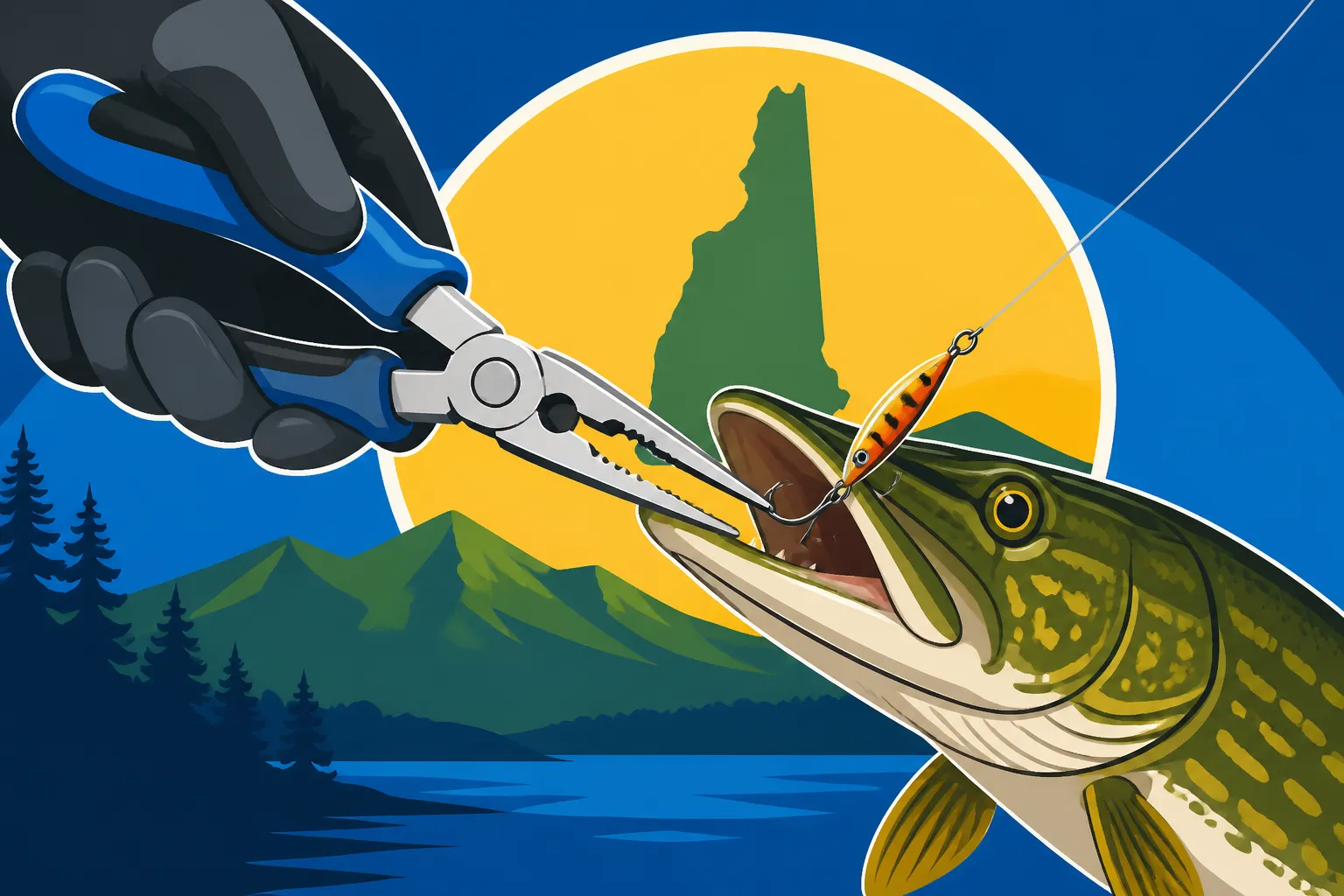
Best pliers for unhooking pickerel
If you've spent any time fishing the lakes and ponds of New Hampshire, you know the exhilarating tug of a chain pickerel on your line. But that initial thrill often gives way to a familiar frustration: how on earth do you get the hook out of that toothy maw without losing a finger or gravely injuring the fish? It's a common struggle for anglers, and a good pair of specialized pliers isn't just a convenience – it's an absolute necessity for safety and successful catch-and-release. This guide will help you navigate the world of fishing pliers to find the perfect tool for those feisty New Hampshire pickerel.
Why Pickerel Are So Tricky to Unhook (and Why Good Pliers Are Essential)
Ah, the chain pickerel. They're undeniably fun to catch, with their aggressive strikes and spirited fights. But let's be honest, unhooking them can feel like performing delicate surgery in a blender full of razor blades. Their unique anatomy and feeding habits make them one of the trickiest fish to safely release, and if you're not prepared, you're in for a frustrating — and potentially painful — experience.
The Pickerel's Toothed Grin and Gill Plate Defenses
The most obvious challenge with a pickerel is its mouth. Unlike bass or trout, which have somewhat smoother jaws, pickerel are armed to the teeth – literally. Their mouths are packed with rows of needle-sharp, inward-pointing teeth designed to hold onto struggling prey. These teeth aren't just a hazard to your fingers; they can also shred fishing line, making it tough to even retrieve a deeply swallowed lure. Trying to reach in with short, flimsy pliers or your bare hands is a recipe for a trip to urgent care or, at best, a mangled lure.
Beyond the visible teeth, pickerel also have incredibly sharp gill plates. If a fish thrashes, those gill plates can easily cut your hand or arm as you try to hold it steady. This combination of a toothy interior and sharp exterior means you need a tool that can keep your hands well away from the danger zones while still allowing you to precisely grip the hook. It's not just about getting the hook out; it's about doing it quickly and efficiently to minimize stress on the fish and keep you safe.
The Deep-Hooking Predicament
Pickerel are ambush predators, and they attack with gusto. This aggressive feeding behavior often means they swallow lures deeply, sometimes down into their gullet, especially when using smaller baits or lures. A regular pair of short, multi-purpose pliers simply won't have the reach to get to a hook that's buried deep. You'll find yourself struggling to maneuver, potentially causing more harm to the fish by tearing tissue or prolonging the unhooking process, which can drastically reduce its chances of survival after release.
Imagine you're out on a beautiful New Hampshire pond, perhaps targeting Chain Pickerel Habits in New Hampshire Ponds, and you've just landed a decent-sized pickerel. You're eager to get it back into the water, but the tiny treble hook from your spoon is nowhere in sight. This is precisely when specialized pliers earn their keep. Without the right length and jaw design, you're left either fumbling awkwardly, risking a bite, or having to cut the line, leaving the hook in the fish – a less than ideal outcome for the fish’s long-term health.
Key Features to Look for in Pickerel Unhooking Pliers
Choosing the right pliers for pickerel isn't just about grabbing the first long-nose pair you see. There are specific features that can make a huge difference in effectiveness, durability, and your personal safety. Think of it as investing in a tool that protects both you and the fish, ensuring those exciting catches can be properly released to fight another day.
Length and Reach: Getting Past the Jaws
This is arguably the most critical feature when it comes to pickerel pliers. You need significant length to keep your hands clear of those sharp teeth and gill plates, especially when a fish is thrashing. Pliers in the 6-inch to 11-inch range are generally recommended. For most New Hampshire pickerel, a 9-inch pair offers a good balance of reach and maneuverability. If you find yourself frequently fishing for larger specimens or using lures with multiple treble hooks, going for the longer options will provide an extra layer of safety.
Consider a scenario where you've hooked a pickerel in a tricky spot, like the roof of its mouth or just inside the gill plate. A shorter pair of pliers would force you to get dangerously close to the fish's jaws. With a longer pair, you can maintain a comfortable distance, allowing you to focus on precisely grasping and twisting the hook out. This extra reach also helps when you're dealing with a deeply swallowed lure, letting you navigate past the initial set of teeth to get to the hook itself. Many anglers find tools available on platforms like Amazon or in stores like Bass Pro Shops clearly label the length, making it easier to choose.
Durability and Corrosion Resistance: Built for Battle
Fishing gear lives a tough life. It gets wet, it gets slimy, it gets dropped, and it’s exposed to varying elements, whether you're Best techniques for Winter Pickerel or enjoying a warm summer day on a lake. For pliers, this means they need to be constructed from materials that can withstand abuse and resist corrosion. Stainless steel is a popular choice, known for its strength and decent rust resistance, but it's not entirely rust-proof, especially with frequent exposure to water. Look for "high-grade" or "marine-grade" stainless steel for better longevity.
Even better, many high-quality fishing pliers are made from anodized aluminum. This material is incredibly lightweight, surprisingly strong, and highly resistant to corrosion, making it perfect for both freshwater and saltwater environments (though we're focused on freshwater for pickerel). The handles might feature rubberized grips or a textured finish to provide a secure hold even when wet and slimy. Investing in durable pliers means they’ll last for many seasons of Chain Pickerel Fishing in New Hampshire, reducing the need for frequent replacements. Remember to always rinse your pliers with fresh water after each trip and dry them thoroughly, regardless of the material.
Jaw Design and Grip: Securely Holding the Hook
The business end of your pliers is critical. The jaws need to be strong enough to grip a hook firmly without slipping or bending, and precise enough to get into tight spaces. Many pliers feature serrated jaws, which provide an excellent grip on hooks, especially if they're embedded tightly. However, overly aggressive serrations can sometimes damage the hook or the fish if you're not careful. Some anglers prefer a combination, with a smooth tip for delicate work and serrated sections further back for stronger grip.
Bent-nose pliers are another excellent option, offering a unique advantage for working around awkward angles or when a hook is stubbornly stuck. We'll delve into these more shortly. Regardless of the specific design, ensure the jaws meet flush and have minimal play when closed. A good pair of pliers will allow you to confidently grasp the hook, apply pressure, and twist it free without feeling like the tool is going to slip or fail. This secure grip is paramount for quick and clean hook removal, minimizing stress on the fish.
Ergonomics and Comfort: A Helping Hand
When you're wrestling a feisty pickerel, often with wet and slimy hands, the last thing you want is an uncomfortable or slippery tool. Good ergonomics are key to both safety and efficiency. Look for handles that fit well in your hand, offering a secure, non-slip grip. Many pliers come with rubber, soft-touch plastic, or even EVA foam grips that provide comfort and traction.
Consider the spring-loaded action that many fishing pliers offer. This keeps the jaws open, ready for use, and reduces hand fatigue during a busy fishing session. It might seem like a small detail, but when you're trying to quickly unhook several pickerel, or just one particularly difficult one, having a tool that feels natural and comfortable in your hand makes a huge difference. After all, you want to focus on the fish, not on struggling with your gear.
Types of Pliers Best Suited for New Hampshire Pickerel
Given the unique challenges presented by pickerel, not all fishing pliers are created equal for this task. While your trusty multi-purpose tool might work for some species, pickerel demand something a bit more specialized. Let's break down the best types that anglers in New Hampshire rely on.
Long-Nose Pliers: The Go-To Choice
These are the workhorses of pickerel unhooking. As we discussed, their extended length is crucial for keeping your hands safe from those sharp teeth. Most long-nose pliers designed for fishing will feature sturdy jaws, often with serrations, for a firm grip on hooks. They come in various lengths, typically from 6 to 11 inches, allowing you to choose the reach that best suits your fishing style and the size of pickerel you expect to encounter.
A high-quality pair of long-nose pliers, especially those made from corrosion-resistant materials like stainless steel or anodized aluminum, will serve you well for years. They're incredibly versatile, not just for pickerel, but also for removing hooks from other toothy species or for general tackle adjustments. Whether you’re fishing a deep pond in the White Mountains or a local lake closer to the southern part of the state, these pliers are an indispensable part of your Best Tackle Box Setup for New Hampshire Anglers. Many anglers pick up their preferred pair from fishing specialty stores or online retailers.
Bent-Nose Pliers: For Those Awkward Angles
Sometimes, a pickerel decides to swallow a lure in a truly inconvenient way, embedding a hook at an odd angle or deep in its throat. This is where bent-nose pliers truly shine. The angled tip allows you to reach around corners and into tight spaces that a straight-nose plier simply can't access effectively. They provide a different leverage point, making it easier to twist and extract a stubborn hook without causing additional harm to the fish.
Imagine a treble hook lodged against the side of a pickerel's mouth, with one point buried deep. A straight plier might just push the hook further in or make it impossible to get a good grip. A bent-nose plier, however, can get behind the hook bend, allowing you to apply upward and outward pressure more effectively. While not always the first choice for every angler, having a pair of bent-nose pliers in your tackle box can be a lifesaver on those challenging days, especially if you're frequently encountering deeply-hooked fish.
Forceps or Hemostats: Precision for Smaller Hooks
While less common for larger pickerel and their often sizable lures, fishing forceps (sometimes called hemostats) can be incredibly useful for delicate situations, particularly with smaller fish or when using tiny hooks. These tools offer exceptional precision and a locking mechanism that allows you to clamp onto a hook and keep it secured while you manipulate the fish.
They don't offer the same hand protection as longer, sturdier pliers, so they're best used when you can safely control the fish or if the hook is only lightly embedded. For example, if you're ice fishing for Best Jig for Winter Pickerel Through the Ice with smaller jigs and accidentally hook a pickerel in the lip, a pair of forceps might offer the most precise removal. They're definitely a niche tool for pickerel, but for the angler who appreciates surgical precision, they have their place.
Here's a quick comparison of these common pickerel plier types:
| Plier Type | Key Benefit | Best For | Consideration |
|---|---|---|---|
| Long-Nose Pliers | Excellent reach, versatile, common | Most pickerel unhooking scenarios, general tackle work | Can be challenging for very awkward angles |
| Bent-Nose Pliers | Superior access to awkward angles, deep hooks | Deeply swallowed hooks, difficult hook placements | Less common, may require getting slightly closer to fish |
| Forceps/Hemostats | Precision grip, locking mechanism | Smaller pickerel, lightly hooked fish, delicate removal | Limited reach, less hand protection, generally for smaller hooks |
Practical Tips for Unhooking Pickerel Safely and Efficiently
Having the right pliers is just one part of the equation; knowing how to use them effectively and handle the fish properly is equally important. When you're fishing for Chain Pickerel Fishing in New Hampshire, especially if you plan on catch and release, these techniques will make a world of difference for both you and the fish.
Holding the Fish Securely (and Safely for You!)
Before you even think about pliers, you need to secure the pickerel. These fish are notorious for thrashing and twisting, and a loose pickerel is a dangerous pickerel. The key is a firm but gentle grip. Many anglers use a technique where they grasp the fish just behind the head, compressing its gill plates gently but firmly. This typically immobilizes the fish enough to work on the hook. Always keep your fingers away from the mouth!
Another popular and safer method is to use a fish gripper or a wet towel. A good gripper holds the fish's lower jaw securely, keeping its head stable and its mouth open, providing you with ample space to operate your pliers. Remember, if you're handling the fish directly, wet your hands first. This helps protect the fish's protective slime coat, which is crucial for its health when released. This goes for all fish, whether you're targeting New Hampshire Trout Limit and Possession Rules or a large bass.
The Unhooking Process: Step-by-Step
Once the pickerel is secure, it's time for the pliers. Here's a general process:
- Locate the Hook: Carefully assess where the hook is embedded. If it's visible and shallow, great. If it's deep, you'll need to use the length of your pliers to reach.
- Grip the Hook Shank: Insert the pliers and firmly grip the bend of the hook or the shank, as close to the point of entry as possible. Avoid grabbing the line or the lure itself, as this can make removal harder.
- Apply Gentle Pressure and Twist: Once you have a firm grip, apply gentle, steady pressure and twist the hook in the opposite direction of how it went in. Often, a slight twisting motion combined with outward pressure is all it takes. Avoid jerking or yanking, as this can cause unnecessary damage to the fish's mouth.
- Confirm Release: Once the hook is free, gently back the pliers and hook out of the fish's mouth. Double-check that all points of a treble hook are clear before releasing your grip on the fish.
- Release Promptly: Get the fish back into the water as quickly as possible. If it seems stunned, gently hold it upright in the water and move it back and forth to push oxygen over its gills until it swims away under its own power. This is especially important if you are practicing catch and release for What chain pickerel eat in New Hampshire ponds to maintain a healthy ecosystem.
Care and Maintenance of Your Pliers
Your fishing pliers are an investment, and like any good tool, they deserve proper care. This is especially true for gear that's frequently exposed to water and fish slime. Neglecting your pliers can lead to rust, stiff joints, and ultimately, failure when you need them most.
After every fishing trip, regardless of whether your pliers were exposed to freshwater or saltwater, take a moment to rinse them thoroughly with fresh water. A quick spray with the hose or a dip in a bucket of clean water is usually sufficient. Pay attention to the pivot points and jaw mechanisms where dirt and grime can accumulate. Once rinsed, dry them completely with a towel or let them air dry. For an extra layer of protection, particularly with stainless steel pliers, apply a light coat of a corrosion-inhibiting spray or a drop of lubricating oil to the pivot points. This simple routine will ensure your pliers remain smooth, functional, and ready for your next adventure on the waters of New Hampshire. You can often find suitable sprays and oils at your local Bass Pro Shops or through online retailers like Amazon.
Disclaimer
This article is for general informational purposes only and does not constitute professional advice. Laws, prices and regulations vary by location and change over time. Consult a qualified professional for guidance on your specific situation.