Best Rain Gear for New Hampshire Anglers
There's nothing quite like planning a perfect fishing trip in New Hampshire, only to have a sudden, unexpected downpour roll in and utterly soak you to the bone. From the misty morning fog lifting off Lake Winnipesaukee to an afternoon thunderstorm popping up over a remote White Mountain trout stream, our weather can be notoriously unpredictable. This guide is all about helping you understand what makes great rain gear for anglers, so you can stay comfortable, dry, and focused on the fish, no matter what Mother Nature throws your way.
Why Your Regular Rain Jacket Won't Cut It on New Hampshire Waters
When you're out on the water, whether it's the sprawling expanse of Lake Winnipesaukee or a serene, babbling brook deep in the forest, the rain hits differently. It's not just a quick dash from the car to the store; you're often exposed for hours, sometimes miles from shelter. Many anglers make the mistake of thinking their everyday rain jacket is sufficient, but New Hampshire's conditions often demand more specialized protection.
The Problem with Everyday Rain Gear
Your standard rain jacket, the one you might wear walking the dog or running errands, is typically designed for short bursts of exposure. It might repel water well enough for a quick shower, but it often lacks the robust waterproofing, breathability, and durability needed for a full day of fishing. Imagine trying to cast a fly rod on the Pemigewasset River during a steady drizzle with a jacket that restricts your movement and starts to "wet out" after an hour. The seams might not be fully taped, allowing water to seep in, and the fabric itself might not be truly waterproof under sustained pressure from sitting or leaning. You'll quickly find yourself clammy and cold, ruining what should be an enjoyable experience.
Beyond just staying dry, comfort is paramount. A cheap rain jacket often feels stiff, crinkly, and isn't designed with active movement in mind. When you're constantly casting, netting a fish, or maneuvering a boat, you need gear that moves with you, not against you. Plus, many basic jackets lack essential features like adjustable cuffs, roomy hoods that fit over a hat, or strategically placed pockets that are actually waterproof and accessible while you're focused on fishing. It’s not just about avoiding a drenching; it’s about maintaining functionality and enjoyment throughout your time outdoors.
Unique New Hampshire Weather Challenges for Anglers
New Hampshire's climate presents a unique set of challenges. We experience everything from humid summer downpours that can feel oppressive, to chilly spring rains that bring a biting wind off the mountains, to the relentless, cold drizzle of a fall day. The sheer variety means one "rain jacket" might not fit all scenarios. For instance, a light, packable shell is great for unexpected summer showers while Kayaking Fishing Techniques for New Hampshire Lakes, but it won't cut it for a frosty late-season trip targeting lake trout.
Consider the diverse fishing environments: you might be in a boat on one of the larger lakes like Lake Winnipesaukee, where spray from waves can be as much of a factor as rain, or you could be wading in a swift-flowing river where water can splash up from beneath. The dense forests of the White Mountains mean damp air and persistent moisture, while coastal areas around Great Bay can experience driving rain and strong winds. Each scenario places different demands on your gear, from the need for superior abrasion resistance in brushy areas to highly articulated designs for repetitive casting. This is where specialized fishing rain gear truly shines, offering protection that's tailored to the demands of the sport and the vagaries of New England weather.
Key Features to Look for in Fishing Rain Gear
Choosing the best rain gear for New Hampshire angling isn't just about grabbing the first "waterproof" item you see. It's about understanding the nuances of specialized design and materials that will keep you genuinely dry and comfortable. Let's dive into the critical features that make all the difference.
Superior Waterproofing and Breathability
This is the holy grail of fishing rain gear. You need a material that completely stops water from penetrating while also allowing your body's moisture (sweat) to escape. If sweat can't escape, you'll feel clammy and wet from the inside out, even if the rain isn't getting in. This is especially crucial when you're exerting yourself, whether it's paddling a Best Kayaks for New Hampshire Fishing or hiking to a remote Best Fly Fishing Rivers in New Hampshire. Look for garments with a high waterproof rating, often measured in millimeters (mm), and a good breathability rating, often measured in grams (g). Many top brands employ advanced membrane technologies that are micro-porous, meaning they have pores too small for water droplets to enter but large enough for water vapor to escape.
Beyond the fabric itself, pay close attention to seam sealing. Even the most waterproof fabric is useless if water can seep through the stitching. Quality rain gear will have all its seams fully taped or welded, creating an impenetrable barrier. YKK AquaGuard zippers, storm flaps over zippers, and tightly woven cuffs and collars also contribute significantly to preventing water ingress. Without a combination of excellent fabric waterproofing and meticulous construction, you'll eventually find yourself damp and miserable, especially during a long, steady New Hampshire rain.
Durability and Abrasion Resistance
Fishing can be tough on gear. You're constantly brushing against tree branches, kneeling in a boat, or rubbing against rocks while wading. A thin, delicate rain shell might keep you dry once or twice, but it won't stand up to the rigors of regular angling. Look for fabrics that are designed for durability, often with ripstop weaves or reinforced high-wear areas like the elbows, shoulders, and seat. The denier (D) rating of the fabric can give you an idea of its toughness; higher denier generally means more durable. While you don't want something so heavy it feels like a tarp, a good balance of protection and flexibility is key.
The overall construction should feel robust. Double-stitched seams, heavy-duty zippers, and strong hardware are indicators of a garment built to last. Remember, investing in durable gear often pays off in the long run, as it won't need to be replaced as frequently. A well-made rain suit can last for years of hard use, making those foul-weather days much more bearable. When browsing options at "Bass Pro Shops" or on "Amazon," read reviews specifically mentioning durability from other active outdoors enthusiasts to gauge real-world performance.
Functional Fit and Thoughtful Features
The fit of your rain gear is incredibly important for both comfort and performance. It needs to be roomy enough to allow for layering underneath (especially crucial during those colder New Hampshire Fishing Seasons by Month) but not so baggy that it becomes cumbersome or catches on things. Articulated elbows and knees, gusseted underarms, and adjustable waists ensure a full range of motion, which is essential for casting and maneuvering. A well-designed hood is another must-have; it should be adjustable, fit comfortably over a hat or even a light beanie, and allow for good peripheral vision without impeding your ability to hear.
Beyond the basic fit, think about practical features. Waterproof pockets that are easily accessible, even when wearing a life jacket, are invaluable for storing small tackle, your phone, or a map. Internal pockets can offer extra protection for sensitive items. Adjustable cuffs with hook-and-loop closures or neoprene gaskets prevent water from running down your sleeves when you reach into the water or cast. A D-ring or tool attachment point can be a small but mighty feature for clipping on pliers or a net. These thoughtful design elements might seem minor individually, but together, they significantly enhance your overall fishing experience in wet conditions.
Types of Rain Gear for Different New Hampshire Fishing Scenarios
New Hampshire offers such a diverse array of fishing opportunities, from battling striped bass in Great Bay to chasing native brook trout in remote mountain streams. Just as you wouldn't use a surf rod for ice fishing, your rain gear needs can vary wildly depending on your chosen adventure. Let's explore the common types of rain gear and when they shine.
Lightweight Shells vs. Heavy-Duty Suits
When we talk about rain gear, there's a spectrum from feather-light, packable shells to robust, multi-piece suits. Lightweight shells are fantastic for those unpredictable summer days or for situations where weight and packability are paramount. Think about hiking to a backcountry pond or a small trout stream; you want something that can be easily stowed in a backpack and deployed quickly if a shower pops up. These often sacrifice some durability for weight savings and might not offer the same level of protection in a sustained downpour or driving wind. They're excellent for warding off unexpected sprinkles or for mild weather where you just need a little extra insurance.
On the other hand, heavy-duty rain suits, often sold as jackets and bib pants, are built for serious weather. These are your go-to for persistent, cold rain, strong winds, or when you know you'll be exposed for extended periods, like deep-water trolling for Lake Trout Fishing in New Hampshire or enduring a relentless coastal storm. They typically feature more robust fabrics, enhanced seam sealing, heavier zippers, and often have additional insulation or fleece lining. While less packable and often pricier, their superior protection and durability make them an essential investment for dedicated anglers who won't let a little (or a lot of) rain deter them.
Jackets, Pants, and Bibs: A Mix-and-Match Approach
Most anglers find the most versatile approach is to combine a waterproof jacket with either rain pants or bibs.
-
Rain Jackets: The cornerstone of any rain gear system, a good fishing rain jacket should be cut longer in the back to prevent water from running down your backside when sitting, and have a hood that offers excellent coverage without obstructing vision. Look for articulated sleeves and adjustable cuffs to keep water out when casting or reaching. Some jackets even feature hand-warmer pockets, which are a godsend on chilly, wet days.
-
Rain Pants: These are typically worn over your regular fishing pants. They need to be easy to put on and take off, often with leg zippers that go up to the knee or hip. Durability in the seat and knees is key, especially if you're frequently kneeling in a boat or sitting on wet surfaces. Look for an elastic or adjustable waist for a comfortable fit. Rain pants are a good choice when you need flexibility and ease of movement, or if you prefer separate pieces.
-
Rain Bibs: Bibs offer superior protection, particularly for boat anglers or those who spend a lot of time sitting. They extend higher up the torso than pants, preventing water from seeping in where your jacket and pants meet. This eliminates the dreaded "wet gap" that can occur when leaning, bending, or sitting. Many bibs include additional pockets, tool loops, and reinforced areas for added durability. For serious foul-weather fishing, especially on open water where spray is a factor, bibs are often the preferred choice. While less convenient to don and doff than simple rain pants, the increased coverage and warmth they provide are invaluable.
Ponchos and Specialized Gear
While less common for dedicated anglers, ponchos still have their place, particularly for casual, fair-weather fishing or as an emergency backup. A lightweight, disposable poncho can be a lifesaver if you're caught unexpectedly, but they offer minimal protection in wind and don't allow for much active movement. They're also not very durable.
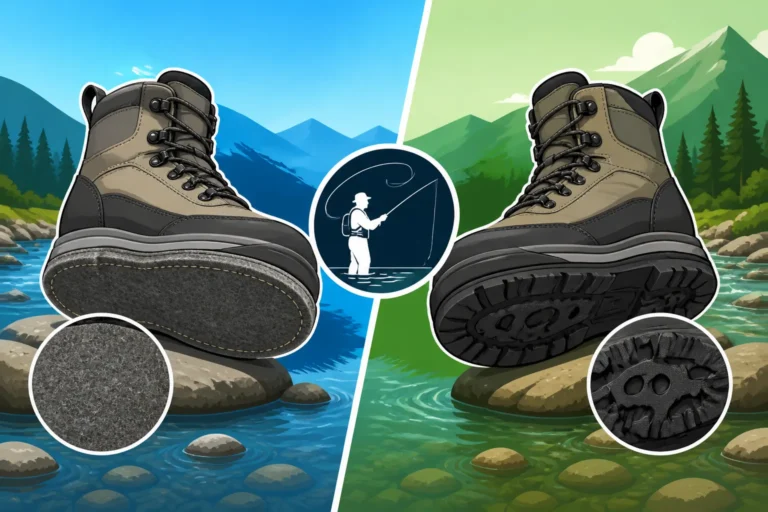
Beyond the main categories, some specialized pieces of gear can complement your rain protection. Waterproof hats with wide brims are excellent for keeping rain off your face and neck. Waterproof gloves can make a huge difference in comfort and dexterity on cold, wet days. Some anglers even opt for fully waterproof footwear or gaiters to keep their feet and lower legs dry, especially when Wading Techniques for New Hampshire Trout Streams are involved. These ancillary items, while not full rain gear, complete the protective ensemble and contribute to overall comfort when facing New Hampshire's unpredictable weather.
Material Matters: Understanding Waterproofing and Breathability Technologies
Understanding the materials and technologies behind rain gear can feel like decoding a secret language. But trust me, knowing the difference between a DWR coating and a true membrane can save you from a soggy fishing trip. It's all about how these fabrics manage water on the outside and moisture on the inside.
Membrane Technologies: Gore-Tex and Proprietary Options
At the heart of high-performance rain gear lies a waterproof, breathable membrane. The most famous of these is Gore-Tex, which has become almost synonymous with waterproof breathable fabric. Gore-Tex works by having billions of microscopic pores that are too small for liquid water droplets to pass through, but large enough for water vapor (sweat) to escape. This is what keeps you dry from the outside elements and prevents you from getting clammy from your own body heat. While Gore-Tex is a gold standard, it often comes with a higher price tag. You can find gear with Gore-Tex available at many retailers, including major outdoor specialists and "Bass Pro Shops."
However, many brands have developed their own proprietary membrane technologies that offer similar performance at various price points. Brands like Simms, Helly Hansen, Columbia, and others have invested heavily in creating their own waterproof/breathable solutions. These might go by names like Omni-Tech, eVent, FutureLight, or simply "H2No Performance Standard." While the exact chemistry and structure might differ, the goal is the same: to provide a durable barrier against rain while allowing internal moisture to escape. It's important to note that the quality and performance of these proprietary membranes can vary, so it's wise to read reviews and research specific technologies when considering a purchase. Often, these alternatives offer excellent value and performance for the typical New Hampshire angler, making high-quality rain protection more accessible.
DWR Coatings and Seam Sealing
Beyond the membrane, a crucial component of effective waterproofing is the Durable Water Repellent (DWR) coating. This is a chemical treatment applied to the outer fabric of your rain gear. Its job is to make water bead up and roll off the surface, rather than soaking into the fabric. Think of it like a freshly waxed car – water just slides right off. A good DWR coating prevents the outer fabric from becoming "wetted out," which can reduce breathability and make the garment feel heavier and colder. While DWR isn't the primary waterproofing (that's the membrane's job), it's vital for optimal performance. Over time and with use, DWR coatings wear off, which is why you'll sometimes see water start to soak into the fabric instead of beading up. Fortunately, DWR can be reapplied with specialized sprays or wash-in treatments, helping to extend the life and performance of your gear.
Equally important to the membrane and DWR is seam sealing. Even a perfectly waterproof fabric will leak if the seams aren't sealed. When a garment is sewn, needles create tiny holes in the fabric. To prevent water from entering through these holes, a waterproof tape is applied to the inside of all seams, heat-sealed to create an impenetrable barrier. This is why you'll hear terms like "fully seam-taped" or "critically seam-taped" (meaning only the most exposed seams are taped). For fishing, especially when you might be sitting in wet conditions or dealing with sustained rain, "fully seam-taped" is generally the gold standard. Without proper seam sealing, your rain gear is just a glorified windbreaker in a real downpour.
Understanding Fabric Construction and Layers
Rain gear isn't just about a single layer of magic material; it's often a system. You'll frequently see terms like 2-layer, 2.5-layer, and 3-layer construction.
- 2-layer construction typically involves the outer fabric bonded to a waterproof/breathable membrane, with a separate mesh or liner fabric on the inside to protect the membrane. This is often found in more affordable rain gear.
- 2.5-layer construction (or "half-layer") has the outer fabric, the membrane, and then a very thin, usually printed, protective layer on the inside instead of a full liner. This makes the garment lighter and more packable. It's a common choice for everyday active use but might not be as durable for heavy fishing.
- 3-layer construction is the most robust and usually the most expensive. Here, the outer fabric, the membrane, and a durable inner liner are all permanently bonded together. This creates a very durable and protective fabric that can withstand significant abuse, making it ideal for hardcore fishing in tough conditions.
When choosing, consider how much protection and durability you need versus how much weight and packability you prioritize. For a deep dive into comparing options, searching on "Amazon" or checking out outdoor brand websites can provide detailed specifications on these fabric constructions.
| Feature | 2-Layer Construction | 2.5-Layer Construction | 3-Layer Construction |
|---|---|---|---|
| Durability | Moderate (liner protects membrane) | Lower (thin inner print) | High (fully bonded, robust) |
| Weight/Packability | Moderate | High (lightest, most packable) | Lower (heaviest, least packable) |
| Comfort | Often softer internal feel | Can feel clammy against skin | Smooth, comfortable inner surface |
| Typical Use | General purpose, less intense activity | Hiking, emergency, fair-weather use | Heavy-duty, extreme conditions, fishing |
| Cost | Entry to Mid-range | Entry to Mid-range | High-end |
Layering Strategies for All-Season Comfort
Staying dry is crucial, but staying comfortable is the ultimate goal, and that often means staying warm enough without overheating. New Hampshire's variable temperatures, especially during Spring Trout Fishing Techniques for New Hampshire Ponds or late fall Ice Fishing in New Hampshire, demand a smart approach to layering your clothing underneath your rain gear. The right layers will work with your breathable rain shell to manage moisture and regulate your body temperature.
The Foundation: Base Layers
A good layering system starts right against your skin with a base layer. The primary function of a base layer is to wick moisture (sweat) away from your body. When you're active, even in cold weather, you'll sweat. If that sweat stays against your skin, it will cool rapidly and make you feel cold and clammy, even if your outer shell is keeping rain out. This is a common pitfall for anglers who just throw a rain jacket over a cotton t-shirt. Cotton absorbs moisture and holds it, which is the exact opposite of what you want.
Instead, opt for base layers made of synthetic materials like polyester or polypropylene, or natural fibers like merino wool. Both excel at wicking moisture. Synthetics are often more affordable and dry very quickly, while merino wool provides excellent warmth-to-weight, natural odor resistance, and can still insulate even when damp. Choose the weight of your base layer based on the expected temperature and your activity level: a lightweight base for warmer days or high exertion, and a mid-weight or heavy-weight base for colder conditions. This foundational layer is key to letting your breathable rain gear do its job effectively.
Insulation and Mid-Layers
Once you've got your base layer working to wick moisture, your mid-layer comes into play for insulation. This is the layer that traps air and provides warmth, preventing your body heat from escaping. Just like base layers, it's critical to avoid cotton here. Instead, think about fleece jackets, down vests, or synthetic insulated jackets. Fleece is a popular choice for fishing because it's relatively lightweight, provides good warmth even when slightly damp, and is breathable. Different thicknesses of fleece offer varying degrees of warmth.
For colder conditions or less active fishing, a puffy jacket with down or synthetic insulation can be a lifesaver. Down offers superior warmth-to-weight, but its insulating properties are severely compromised if it gets wet. Synthetic insulation, while bulkier, maintains more warmth when damp, making it a safer bet for truly wet and cold fishing days in New Hampshire. The key is to choose a mid-layer that provides adequate warmth without being overly bulky, allowing your rain jacket to fit comfortably over it without restricting movement. Your mid-layer should be easy to put on or take off as temperatures fluctuate throughout the day, ensuring you can adapt to changing conditions.
The Outer Shell: Your Rain Gear
Finally, your fishing rain gear acts as the ultimate outer shell. Its job is twofold: to provide a waterproof barrier against external precipitation and wind, and to allow the moisture wicked away by your base and mid-layers to escape to the outside atmosphere. This is where the waterproofing and breathability we discussed earlier truly shine. If your base and mid-layers aren't effectively managing moisture, even the best rain jacket will struggle, and you'll still feel damp.
When layering, ensure your rain jacket is sized to comfortably fit over your chosen base and mid-layers without feeling tight. Tight clothing compresses insulation, reducing its effectiveness, and can impede the movement of moisture vapor. On milder, rainy days, you might only need a lightweight base layer under your rain jacket. For a frigid spring morning fishing for New Hampshire Landlocked Salmon Regulations, you might wear a heavy base layer, a thick fleece, and then your heavy-duty rain jacket and bibs. The beauty of the layering system is its adaptability, allowing you to fine-tune your warmth and moisture management for any of New Hampshire's seasons and fishing scenarios.
Top Considerations for Specific New Hampshire Fishing
New Hampshire's fishing landscape is incredibly diverse, from expansive lakes to intimate streams, and even a vibrant coastal fishery. The "best" rain gear isn't a one-size-fits-all solution; it depends heavily on where and how you typically wet a line. Tailoring your rain gear choice to your specific fishing style can significantly enhance your comfort and overall experience.
Lake Boating and Open Water Fishing
If your passion lies in fishing the larger lakes of New Hampshire, like Winnipesaukee, Squam, or Newfound Lake, especially from a boat, your rain gear needs are distinct. On open water, you're not just dealing with falling rain; you're also contending with wind-driven spray, waves, and potentially extended exposure. For these conditions, heavy-duty rain suits, particularly bibs and a matching jacket, are often the superior choice.
Bibs offer crucial coverage up your torso, preventing water from splashing up and soaking your midsection when sitting in the boat or leaning over the gunwale. Look for bibs with reinforced knees and seat areas, as these spots take a lot of abuse from kneeling, sitting, and moving around the boat. A jacket designed for boating will often have a longer cut in the back to cover your seat, a highly adjustable hood that can cinch down tight in windy conditions, and storm cuffs to keep water from running down your arms when you cast or handle fish. Durability is paramount here, as boat decks, engines, and tackle can be abrasive. For these scenarios, investing in high-quality, 3-layer Gore-Tex or similar robust proprietary material will pay dividends in comfort and longevity. Don't forget to ensure your chosen rain gear doesn't interfere with your Life Jacket Requirements for New Hampshire Boaters.
River and Stream Wading
Anglers who prefer the challenge of river and stream fishing, especially fly fishing for trout in places like the Swift or Pemigewasset Rivers, have a different set of requirements. Here, mobility, comfort, and protection from unexpected plunges or deep wading are key. Your rain gear will likely be worn over waders, so fit is critical to avoid bulkiness.
For wading, a light to mid-weight waterproof, breathable jacket is often preferred. You're likely more active, walking, casting, and moving through varied terrain, so something that allows a full range of motion without being overly cumbersome is essential. Look for articulated sleeves and a hood that provides coverage without hindering your casting stroke or peripheral vision. Hand-warmer pockets can be very beneficial on chilly days. While bibs aren't typically worn over waders, a good pair of waterproof wading pants or a longer rain jacket can protect your upper waders and prevent water from running down into your boots. Durability in the lower arms and shoulders is important for brushy approaches. The emphasis here is on breathability to manage the sweat generated from walking and wading, alongside reliable waterproofing.
Shore Fishing and Bank Access
If you primarily fish from the shore or access easily from a bank, your rain gear needs might be a bit more flexible but still require thoughtful consideration. You might not face the same level of spray as a boat angler, but prolonged exposure to rain and wind can still lead to discomfort. Here, a versatile, mid-weight rain jacket paired with durable rain pants often hits the sweet spot.
The focus should be on comfort, ease of movement, and reliable weather protection. You might be walking a bit to your spot, setting up chairs, or constantly moving along the bank, so gear that doesn't restrict you is key. Look for plenty of functional, waterproof pockets for quick access to bait, tools, or a phone. Leg zippers on the rain pants that go up to the knee or hip are a huge plus for easy on-and-off over boots. While less demanding than deep-water boating, don't skimp on quality. Even a short walk in a downpour can turn unpleasant quickly if your gear wets out. Many affordable yet effective options can be found online at "Amazon" or at local retailers.
Ice Fishing Specifics
When it comes to Ice Fishing in New Hampshire, rain gear takes on a completely different role, and often, anglers wear specialized insulated suits rather than just rain shells. However, if you're using a traditional layering system, your outer shell still needs to be waterproof. The primary concern is often warmth, but preventing slush, melting snow, and unexpected liquid precipitation from soaking through is also vital.
For ice fishing, your outer layer needs to be highly insulated and completely waterproof, often an ice fishing specific suit which combines these features. If you're using separate rain gear, look for a heavy-duty, insulated jacket and bibs. Water protection is critical not just from rain, but also from slush when kneeling on the ice or handling fish. Durability is also key, as you're often dragging equipment, drilling holes, and moving around in rough conditions. Some specialized ice fishing suits even offer flotation assistance, which is an added safety benefit. While distinct from typical rain gear, the core principle of keeping external moisture out and internal moisture managed remains crucial.
Disclaimer
This article is for general informational purposes only and does not constitute professional advice. Laws, prices and regulations vary by location and change over time. Consult a qualified professional for guidance on your specific situation.