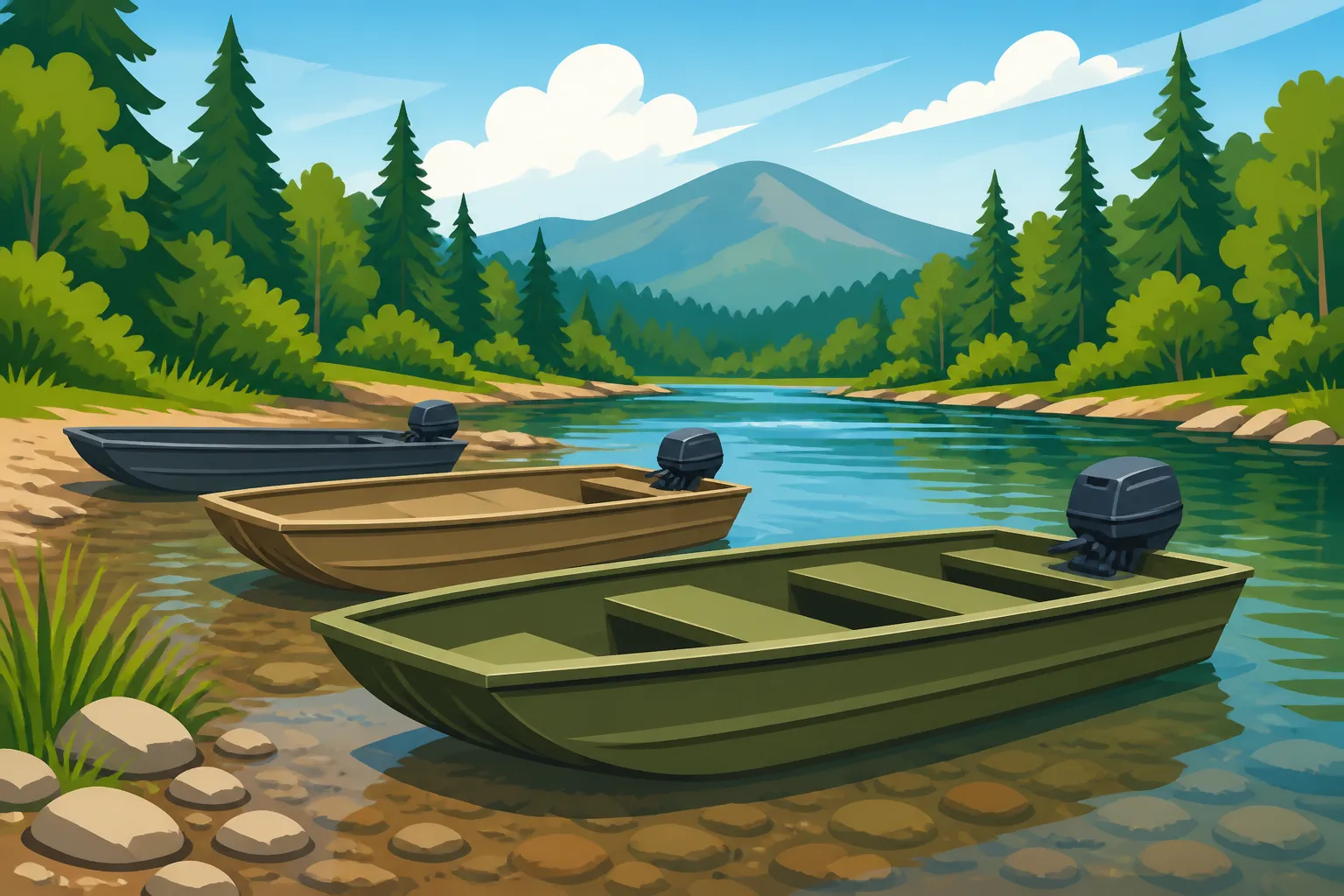
Best Jon Boats for Shallow Rivers
It's a familiar scene for many of us who love to fish in New Hampshire: you're standing on the bank of a beautiful river, looking at a promising stretch of water just out of casting range, or perhaps you're in a regular V-hull boat, constantly worrying about hitting submerged rocks or dragging bottom. The frustrations of navigating our state's often shallow, rocky, and winding rivers with anything other than a purpose-built vessel are very real. This guide is all about cutting through that frustration by helping you discover the ideal solution for accessing those untouched fishing spots: the humble, yet incredibly effective, jon boat, specifically tailored for the unique challenges of New Hampshire's shallow river systems.
What Makes a Jon Boat the Perfect Vessel for New Hampshire's Rivers?
New Hampshire's rivers are a magnificent tapestry of deep pools, swift currents, boulder-strewn rapids, and long stretches of water so shallow they'd make most traditional fishing boats cringe. This diverse terrain demands a boat that isn't just tough, but also specifically designed to float high and navigate tight spots. That's where the jon boat truly shines, offering a distinct advantage over other craft.
The Flat-Bottom Advantage: Skimming Over Obstacles
The defining feature of a jon boat is its flat bottom. Unlike a V-hull boat that draws water even when static, a jon boat disperses its weight over a wider, flatter surface, allowing it to "skim" across remarkably shallow water. Imagine drifting over a section of the Pemigewasset River where the depth might only be six inches – a V-hull would be stuck solid, but a jon boat can often glide right over it. This minimal draft is absolutely critical for reaching those secluded fishing holes that are often overlooked because they're simply inaccessible to larger or deeper-drafting boats. This design also contributes to a stable fishing platform, which is a huge plus when you're casting or moving around the boat, especially in a current.
Durability Against River Obstacles: Built to Take a Beating
New Hampshire rivers aren't gentle. They're often littered with rocks, fallen trees, and shallow gravel beds. A jon boat is typically constructed from aluminum, a material renowned for its resilience and ability to withstand impact. While a fiberglass boat might suffer significant damage from a glancing blow on a submerged rock, an aluminum jon boat is more likely to dent or scratch, which is far easier and less costly to repair. The robust construction means you can have more confidence exploring unfamiliar waters, knowing your boat can handle the inevitable bumps and scrapes that come with river navigation. This inherent toughness means less time worrying about your vessel and more time focused on the fish.
Maneuverability in Tight Spaces: Navigating Winding Waterways
Our rivers are rarely straight. They twist, turn, and narrow, presenting a challenge for longer, less nimble boats. Jon boats, especially the shorter models, are incredibly agile. Their flat bottom and often lighter weight allow for quick turns and precise navigation, which is essential when you're trying to work a seam along a bank, drift through a small channel, or avoid an unexpected obstruction. Pairing a jon boat with an efficient outboard or a strong electric trolling motor makes it a truly versatile tool for exploring every nook and cranny of a river system. The ability to pivot quickly and hold your position against a current provides a significant advantage when targeting fish in dynamic river environments.
Key Features to Look for in a Shallow River Jon Boat
Choosing the right jon boat isn't just about picking the first one you see. There are specific features that can make a huge difference in its performance and your overall experience, especially when you're tackling the unique demands of New Hampshire's shallow rivers. Thinking through these details before you buy will save you a lot of headaches on the water.
Aluminum Gauge and Construction: Welded vs. Riveted
The material thickness, or "gauge," of the aluminum is paramount for river fishing. Thicker aluminum (lower gauge number) means a more durable hull that can better withstand impacts from rocks and submerged timber. While a lighter boat is easier to launch and retrieve, sacrificing too much thickness for weight can lead to frequent repairs. When it comes to construction, you'll primarily find two types: welded and riveted.
Welded jon boats are often considered more robust for heavy river use. The seams are fused together, creating a solid, watertight hull that is less prone to leaks over time, even with repeated jarring and flexing. This construction method generally leads to a slightly heavier, but also more rigid and durable boat. They tend to be a bit pricier up front, but for serious river anglers tackling tough conditions, the long-term reliability can be worth the investment. Riveted jon boats, on the other hand, are typically lighter and more affordable. They can be a great option for those who plan to drag their boat often or need something easier to transport by hand. However, the rivets can loosen or leak over years of heavy use and impacts. Regular inspection and maintenance, like re-tightening or sealing rivets, might be necessary. It's a trade-off between initial cost and maintenance versus outright durability.
Size and Layout Considerations: Finding Your Sweet Spot
The size of your jon boat – its length and beam (width) – will directly impact its performance in different river scenarios. Smaller boats, say 10 to 12 feet, are incredibly easy to launch, retrieve, and maneuver in very tight, winding streams or even to portage around small rapids. They're perfect for solo anglers or two people with minimal gear. However, they offer less stability and can feel cramped with too much equipment. Larger jon boats, in the 14 to 16-foot range, provide more deck space for gear, better stability for multiple anglers, and a smoother ride if you venture into wider, choppier sections of rivers like the lower Connecticut. But they are heavier, harder to handle alone, and can struggle in extremely narrow or overgrown waterways.
Beyond length, consider the interior layout. Many jon boats come with open layouts, offering maximum flexibility for seating and gear placement. Some might have built-in bench seats, which are simple and durable, while others might feature false floors that create a flatter, more usable deck space. Think about how much gear you typically bring, how many people usually fish with you, and whether you prefer to stand and cast. A clean, uncluttered interior allows for easier movement and prevents snagged lines.
Transom Height and Motor Match: Powering Your Adventure
The transom, the flat part at the back of the boat where the motor attaches, is a critical feature that needs to match your intended use and motor choice. For shallow rivers, a "short shaft" outboard motor (typically 15 inches) is almost always the correct choice. This means you need a jon boat with a "short transom" designed to accommodate it. Using a long shaft motor on a short transom boat will result in the propeller being too deep, hitting bottom frequently. Conversely, putting a short shaft motor on a long transom (20 inches) means the prop might not be deep enough, cavitating and losing thrust.
Always verify the transom height and choose a motor that’s appropriate. For New Hampshire's rivers, a 9.9hp or 15hp outboard is often plenty of power to navigate currents and cover water, while still being manageable and fuel-efficient. Some anglers might even opt for smaller 4-6hp motors for very small streams or to reduce weight. The goal is to have enough power to get where you need to go without overpowering the boat or constantly worrying about your prop.
Storage and Customization Potential: Making it Your Own
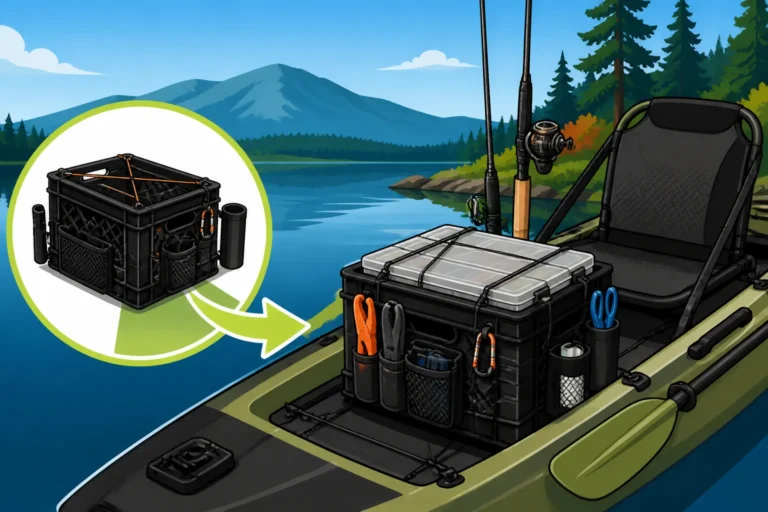
While many jon boats are simple, open vessels, their design lends itself incredibly well to customization. Think about how you store your rods, tackle, and other essentials. Some models come with basic under-seat storage, but many anglers opt to add their own solutions. You might consider installing rod holders, tool holders, or even building a small casting platform with dry storage underneath. Best Tackle Box Setup for New Hampshire Anglers offers some great ideas for organizing your gear, no matter your boat setup.
Companies like Tracker Boats or Lowe Boats often provide accessory rails or mounting points that make adding customization easier. You can find a vast array of aftermarket accessories at retailers like Bass Pro Shops or online at Amazon, from portable livewells to custom-fit boat covers. This ability to personalize your jon boat means you can create a highly functional fishing machine perfectly suited to your specific needs and the rivers you intend to fish.
Common Types of Jon Boats for New Hampshire's Rivers
When you're looking at jon boats for New Hampshire's varied rivers, you'll quickly realize there's more than one "type." While they all share that signature flat bottom, the subtle differences in their construction and hull design can significantly impact their performance and durability for river fishing. Understanding these distinctions is key to making an informed choice.
Welded Jon Boats: The Robust Workhorses
Welded aluminum jon boats are often considered the heavy-duty option for serious river anglers. Instead of rivets holding the aluminum sheets together, the metal is fused using heat, creating a single, continuous structure. This results in an incredibly strong, rigid, and leak-resistant hull that can withstand repeated impacts from rocks, logs, and other submerged obstacles without compromising its integrity. If you plan on pushing your boat into unforgiving territory, dragging it over gravel bars, or regularly bumping into riverbank structures, a welded boat is often the preferred choice.
While generally heavier than their riveted counterparts, which can make them slightly harder to launch solo or carry, their superior durability offers peace of mind. The added rigidity also means they tend to track a bit straighter in current and may feel more solid underfoot. Many manufacturers, including some popular ones, offer robust welded jon boat lines. They might come with a higher price tag initially, but for those who value longevity and resilience in challenging river conditions, a welded jon boat is a wise, long-term investment. They're less likely to develop leaks over time, which means less maintenance and more time on the water.
Riveted Jon Boats: Lightweight and Accessible Options
Riveted aluminum jon boats are a classic for a reason: they are typically lighter and more affordable than welded models, making them an excellent entry point for many anglers. In a riveted boat, aluminum sheets are joined together with mechanical fasteners (rivets), often sealed with a marine-grade sealant. Their lighter weight is a significant advantage if you're frequently car-topping your boat, launching from unimproved banks, or need to portage it short distances around obstacles or to new stretches of river. For example, navigating a smaller stream like the Swift River or Ellis River might necessitate a lighter boat that can be easily managed by one or two people.
However, the nature of riveted construction means there's a slight trade-off in ultimate durability compared to welded boats. Over many years of flexing, impacts, and exposure to different temperatures, rivets can potentially loosen or the sealant can degrade, leading to minor leaks. These issues are often easily repairable with marine-grade sealants or by replacing a rivet, but they require periodic inspection. For anglers who fish less frequently, or primarily in less aggressive river environments, a riveted jon boat offers excellent value and performance. Many reliable riveted models are available at local marine dealers or big box outdoor stores.
Modified V-Hull Jon Boats: The Versatile Compromise
While the traditional flat-bottom jon boat is king for absolute shallow water access, some manufacturers offer "modified V-hull" jon boats. These boats feature a slight V shape in the bow that gradually flattens out towards the stern. This design is an attempt to blend the best characteristics of both V-hull and flat-bottom boats. The slight V in the bow helps the boat cut through chop and provide a somewhat smoother ride in choppier water, which you might encounter on larger, more open stretches of the Connecticut River or a wider section of the Merrimack. It also makes them track a little better in a straight line, especially at higher speeds.
Despite the "modified V," these boats still retain much of the shallow-draft capability of a true flat-bottom jon boat, making them quite versatile for river fishing. They won't float in quite as little water as a pure flat-bottom, but the difference is often negligible for most practical river applications. This type of jon boat can be a great option for anglers who want a boat that performs well in shallow rivers but might also occasionally venture into larger lakes or wider river sections where a bit more comfort and wave-handling capability are appreciated. They offer a good balance of stability, shallow-water performance, and ride comfort.
Here's a quick comparison of these common jon boat types:
| Feature | Welded Jon Boat | Riveted Jon Boat | Modified V-Hull Jon Boat |
|---|---|---|---|
| Durability | Excellent (rigid, leak-resistant) | Good (can develop minor leaks over time) | Very Good (good impact resistance) |
| Shallow Draft | Excellent (true flat bottom) | Excellent (true flat bottom) | Very Good (slight V in bow, flattens towards stern) |
| Weight | Heavier | Lighter | Moderate |
| Cost | Higher | Lower | Moderate to Higher |
| Ride in Chop | Fair (can be bumpy) | Fair (can be bumpy) | Good (cuts waves better) |
| Maneuverability | Very Good | Very Good | Good (tracks straighter) |
| Typical Use | Heavy river use, rocky areas, commercial | General river fishing, easy transport | Versatile, river/some lake use, choppy water |
Matching Your Jon Boat to Specific New Hampshire Rivers
New Hampshire boasts an incredible array of rivers, each with its own character and challenges. From the wide, powerful stretches of the Connecticut to the rocky, intimate flows of the Pemigewasset, choosing a jon boat isn't a one-size-fits-all decision. The best jon boat for you will largely depend on which rivers you plan to explore most frequently.
Navigating the Connecticut River: Wider Waters and Varying Depths
The Connecticut River, particularly its wider sections, presents a unique set of demands. While it certainly has its shallow areas and rapids, there are also long, deep stretches where you might encounter more open water and even some wind chop. For these conditions, a slightly larger jon boat, perhaps in the 14 to 16-foot range, can be a great choice. The extra length and beam will provide more stability, a bit more comfort in choppy conditions, and ample space for multiple anglers and their gear. While still maintaining that crucial shallow draft, these larger models offer better tracking and can handle a slightly more powerful outboard motor, which can be beneficial for covering longer distances on this majestic river.
Consider a welded model for the Connecticut, as its ruggedness will stand up well to any unexpected encounters with submerged obstacles, which can be plentiful, especially during lower water periods. You'll still appreciate the flat bottom for accessing side channels, smaller tributaries, and backwater coves that are often full of fish. Remember to check out Connecticut River Fishing Access in New Hampshire for prime spots along this impressive waterway.
Merrimack and Pemigewasset River Challenges: Rocks, Rapids, and Intimacy
The Merrimack River and especially the Pemigewasset River are often characterized by their rock gardens, faster currents, and more intimate, winding stretches. Here, extreme shallow-water capability and maneuverability become paramount. For these rivers, a smaller, more nimble jon boat, perhaps 10 to 14 feet in length, often proves ideal. A riveted boat might be suitable for lighter use, but if you plan on frequent trips through rocky sections, a welded hull will provide superior peace of mind.
The ability to quickly respond to changes in current and navigate around boulders is critical. A powerful, yet shallow-running electric trolling motor on the bow can be a game-changer for holding position and quietly working fishing spots. These rivers are less about covering vast distances at high speed and more about precise boat control and stealth. When planning your trip, consider checking Merrimack River Fishing Spots or Pemigewasset River Fishing Guide to get a feel for the specific challenges and opportunities each section presents. You'll want a boat that can take a bump and keep going, ensuring your fishing day isn't cut short by hull damage.
Smaller Streams and Remote Access: Lightweight Portability
For the truly wild and remote small streams of New Hampshire, like those tucked away in the White Mountains, portability is king. Sometimes, you need a boat that can be launched by hand, dragged over short portages, or even cartopped to distant access points. In these scenarios, the smallest and lightest jon boats, typically 10 to 12 feet long, are your best bet. Some anglers even use inflatable jon boat-style tenders for extreme portability, though these lack the ultimate durability of aluminum.
The focus here shifts from raw power to ease of transport and minimal draft. A small outboard, perhaps 2-5 horsepower, or even just oars and a strong electric trolling motor, might be all you need. The goal is to get into those hard-to-reach places where fish rarely see a lure. While exploring these hidden gems, you'll appreciate a boat that's easy to clean out after navigating muddy banks or weed beds. For these adventures, also consider what other craft could work, as covered in Best Kayaks for New Hampshire Fishing, especially for single-person trips.
Essential Accessories for Shallow River Jon Boat Fishing
Once you've chosen your perfect jon boat, it's time to think about equipping it. The right accessories can elevate your shallow river fishing experience from good to exceptional, making your boat safer, more efficient, and more comfortable. For a jon boat navigating New Hampshire's tricky waterways, some items are almost non-negotiable.
Trolling Motors and Anchoring Systems: Precision Control
A powerful and reliable trolling motor is arguably one of the most critical accessories for shallow river fishing from a jon boat. Bow-mount electric trolling motors from brands like Minn Kota or MotorGuide allow for precise boat control, letting you hold position against currents, sneak silently into coves, or follow a shoreline without spooking fish with an outboard. For shallow rivers, look for models with shorter shafts to avoid hitting bottom. Many can be purchased at Bass Pro Shops, or you can find competitive options on Amazon. These motors dramatically improve your ability to present baits effectively and maximize your time fishing rather than fighting the current.
Equally important is an effective anchoring system. While a traditional anchor on a rope works, shallow water anchors, such as Power-Pole or Talon units, are game-changers. These hydraulic or electric poles deploy silently and rapidly into the riverbed, instantly holding your boat in place even in moderate current. This is invaluable when you want to thoroughly work a single productive spot or need to hold steady to land a fish. For more manual options, a stout grappling anchor with plenty of rope can still be very effective in varied river bottom conditions, but always ensure it's securely cleated and easily releasable in an emergency.
Safety and Navigation Gear: Prepared for Anything
Safety should always be your top priority, especially when navigating unfamiliar or challenging river environments. Even in a jon boat, you are legally required to carry specific safety equipment. Personal Flotation Devices (PFDs) are a must for everyone on board, and Life Jacket Requirements for New Hampshire Boaters details who needs to wear one and when. Beyond PFDs, always carry a first-aid kit, a whistle or horn for signaling, and a fire extinguisher if your boat has an onboard fuel tank. A reliable paddle or two can get you out of a bind if your motor quits or you run out of fuel.
For navigation, even if you know the river well, a basic GPS or a mapping app on your phone can be incredibly helpful for marking productive spots, avoiding hazards, and finding your way back to the launch. A simple fish finder, even an entry-level portable unit, can reveal depth changes, submerged structure, and even fish, further enhancing your success. Bright navigation lights are essential if there's any chance you'll be on the water around dusk or dawn. Remember to keep all this gear easily accessible but securely stowed so it doesn't get in the way.
Rod Holders and Storage Solutions: Keeping Things Tidy and Safe
Fishing from a jon boat often means an open layout, which can quickly become cluttered without proper organization. Installing rod holders, either flush-mount or rail-mount, keeps your rods safely stowed when not in use and prevents them from getting stepped on or tangled. These are particularly useful when you're moving between spots or when a second rod is rigged for a different presentation.
Beyond rod holders, consider dry storage solutions. A watertight dry box or bag is essential for protecting your phone, keys, wallet, and any electronics from spray or rain. Many anglers also add small tackle storage systems that can be easily accessed. These might include small tackle trays, bait containers, or even custom-built compartments. A good cooler, like one designed for marine use, is also indispensable for keeping drinks and snacks cool, and for icing down your catch. All these items contribute to a more enjoyable and efficient day on the water, reducing distractions and keeping you focused on the fishing.
Maintenance Tips for Your Shallow River Jon Boat
Investing in a jon boat for New Hampshire's shallow rivers is a smart move for accessing incredible fishing, but like any piece of treasured fishing gear, it requires a little love and attention. Proper maintenance will ensure your boat remains reliable, safe, and ready for adventure for many seasons to come. Neglecting basic care can lead to costly repairs and lost time on the water.
Regular Cleaning and Inspection: Keeping an Eye on Things
After every trip, especially after navigating muddy or weed-choked rivers, give your jon boat a good rinse. Remove any accumulated mud, sand, or plant debris. These can not only contribute to corrosion but also hide potential issues. While cleaning, take a few minutes to thoroughly inspect the hull. Look for any new dents, deep scratches, or signs of wear, particularly on the bottom and chines (the edges where the bottom meets the sides).
If you have a riveted boat, pay close attention to the rivets. Are any loose or showing signs of leakage? If so, address them promptly with a marine-grade sealant. For welded boats, check for any hairline cracks in the welds, which are rare but can occur with extreme impact. Also, inspect your transom for any signs of stress around the motor mount. A visual check of your trailer (if you use one) – tires, lights, and hitch – is also a good habit to prevent roadside trouble. Keeping things clean not only extends the life of your boat but also makes it easier to spot minor problems before they become major headaches.
Winterization and Storage: Preparing for the Cold Months
New Hampshire winters mean your jon boat will likely be out of commission for several months. Proper winterization is crucial to protect your investment. First and foremost, completely drain all water from the boat, including any livewells or bilges. Remove any electronics, batteries, and fuel tanks for storage in a warm, dry place. Your outboard motor will need specific winterization, which typically involves flushing the engine with freshwater, stabilizing the fuel, fogging the cylinders, and changing the lower unit gear oil. If you're not comfortable doing this yourself, a reputable marine mechanic can handle it.
Store your boat on its trailer, ideally in a garage or under a sturdy boat cover to protect it from snow, ice, and harsh UV rays. If storing outside, make sure the cover is tightly secured and allows for proper air circulation to prevent mold and mildew. Raising the bow slightly can help rainwater drain and prevent ice accumulation. Proper storage will prevent structural damage from freezing water, protect your motor, and ensure your boat is ready to hit the water come spring. For broader legal guidelines, remember to consult New Hampshire Boating Laws for Anglers.
Minor Repairs and Upgrades: Extending Your Boat's Life
Aluminum jon boats are incredibly tough, but accidents happen. Minor dents and scratches are almost inevitable with regular river use. Small dents can often be worked out with specialized tools, or simply left alone if they're not impacting performance or causing leaks. Deep scratches that penetrate the aluminum can be sanded and sealed with marine-grade epoxy or even painted over with appropriate aluminum primer and paint to prevent corrosion. For small punctures, marine repair kits with aluminum patches and epoxy are readily available at stores like Bass Pro Shops or on Amazon.
Beyond repairs, consider periodic upgrades. Maybe you want to add a new rod holder, upgrade your fish finder, or install more comfortable seating. Many of these small projects are well within the scope of a DIY angler. Regularly inspecting and addressing minor issues, coupled with thoughtful upgrades, will not only keep your jon boat functional but also improve your overall enjoyment on the water. A well-maintained boat is a happy boat, and it ensures you're always ready for your next adventure on New Hampshire's beautiful and challenging rivers.
Disclaimer
This article is for general informational purposes only and does not constitute professional advice. Laws, prices and regulations vary by location and change over time. Consult a qualified professional for guidance on your specific situation.