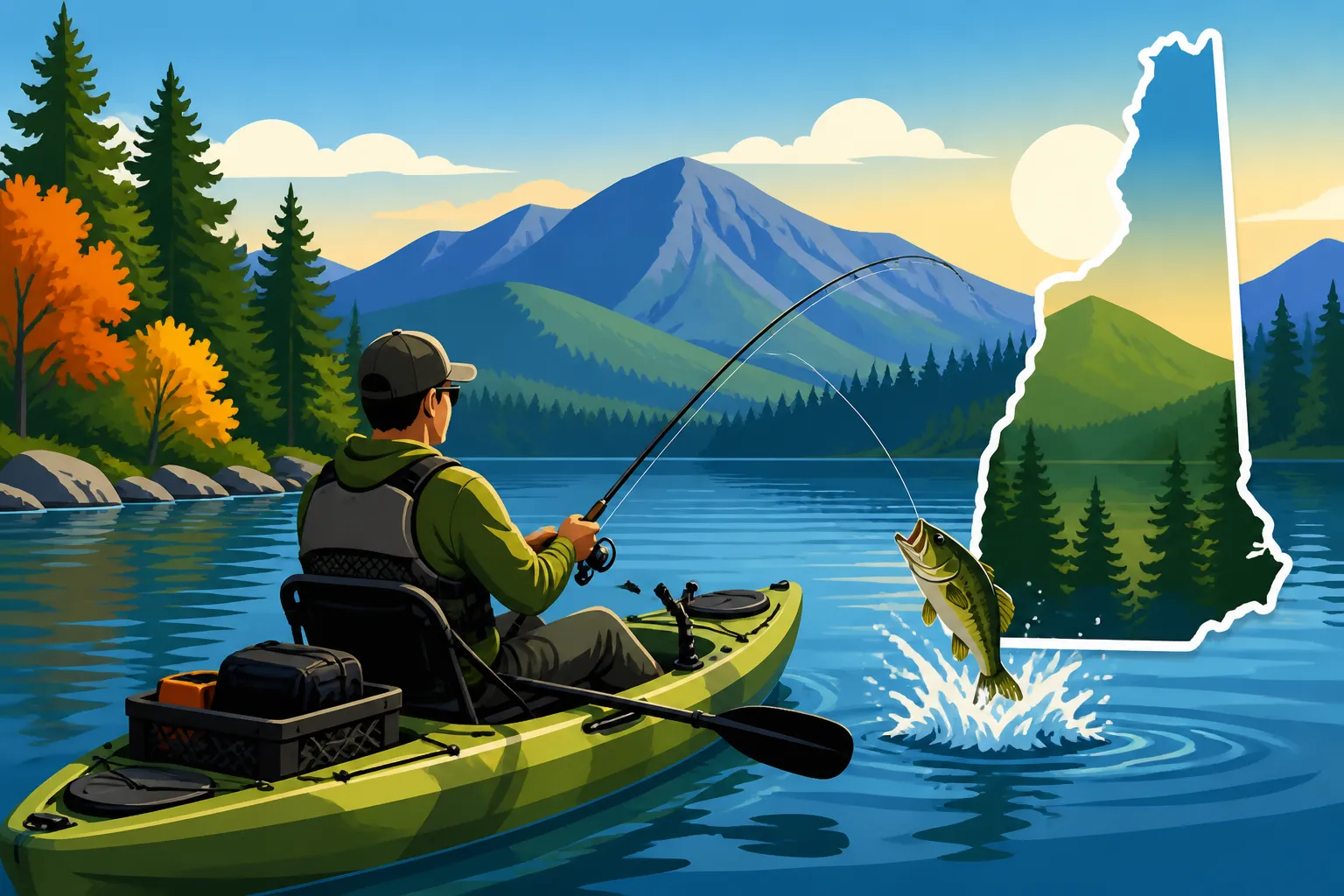
Best Kayaks for New Hampshire Fishing
Oh, the freedom of a kayak on New Hampshire's waters, it's truly something special! But let's be honest, trying to figure out which kayak is the "best" for fishing here can feel like trying to catch a trophy brook trout with a bare hook – overwhelming and frustrating. With so many options, from tiny ponds to vast lakes and even our coastal estuaries, you need a boat that's going to genuinely enhance your fishing experience, not become another piece of gear gathering dust. This comprehensive guide is going to walk you through everything you need to consider, helping you navigate the choices and find the perfect fishing kayak to unlock those hidden honey holes across the Granite State.
Why Kayak Fishing in New Hampshire is Such a Game-Changer
There's a unique magic to kayak fishing, especially here in New Hampshire. It's not just about catching fish; it's about the entire experience – the stealth, the solitude, and the ability to access waters that larger boats simply can't reach. Many anglers find themselves drawn to kayaks after years of shore fishing or frustration with the limitations of larger, more expensive powerboats. It's an intimate connection with the water and the environment that's hard to replicate.
The Undeniable Advantages of Kayak Fishing
One of the biggest draws is the stealth factor. Imagine silently paddling into a quiet cove on Lake Winnipesaukee, your paddle barely disturbing the glassy surface, as you approach a patch of lily pads where bass are likely hiding. Unlike the rumble of a gas motor, a kayak allows you to get incredibly close to fish without spooking them. This stealth is paramount for targeting wary species like trout in smaller streams or bass in shallow, clear water. It gives you a genuine edge, making your presentation more natural and your approach less intrusive.
Beyond stealth, there's the accessibility. Think about all those smaller ponds and narrow river stretches, like parts of the Contoocook River or even remote, high-elevation trout ponds in the White Mountains, that are impossible to reach with a traditional boat and often tough to fish from shore. Kayaks can be launched from almost anywhere – a sandy bank, a small trail, or even just carried down to the water's edge. This opens up a whole new world of fishing opportunities, letting you explore untouched waters and discover spots that others miss. It's about getting back to nature in the most direct way possible, finding peace in places only a kayak can take you.
Connecting with New Hampshire's Waters on a Deeper Level
Kayak fishing in New Hampshire fosters a much deeper connection to the diverse aquatic environments we're so lucky to have. You're sitting right on the water, experiencing every ripple, every gust of wind, and every subtle change in the current. This low-to-the-water perspective changes how you perceive the landscape and how you approach fishing. You become acutely aware of the bottom structure, the submerged cover, and the subtle movements of baitfish, enhancing your understanding of the ecosystem. It's an immersive experience that trains your eye to see more, feel more, and ultimately, fish more effectively.
This deeper connection also extends to the physical experience. Paddling or pedaling your kayak provides a gentle workout, adding an element of active engagement to your fishing trip. It's a healthy way to spend time outdoors, combining the thrill of the catch with the tranquility of paddling. Many kayakers describe feeling a sense of accomplishment after a long day on the water, having relied on their own strength and skill to navigate and fish. It’s a rewarding pursuit that nourishes both the body and the soul, allowing you to truly appreciate the beauty of New Hampshire's natural resources.
Understanding Kayak Types: Which One Fits Your Fishing Style?
Choosing the right type of fishing kayak is perhaps the most crucial decision you'll make. It’s not a one-size-fits-all situation; what works for a serene pond might be a nightmare on a windy lake or a choppy bay. Each type has its own strengths and weaknesses, designed for different fishing approaches and water conditions. Don't just grab the first one you see; take some time to really think about where and how you'll be fishing most often.
Sit-on-Top (SOT) Kayaks: The Angler's Favorite
Sit-on-top kayaks are, by far, the most popular choice for fishing, and for good reason. You sit on top of the deck rather than inside an enclosed cockpit, which offers several key advantages. The primary benefit is stability, making them incredibly difficult to capsize and very easy to re-enter if you do happen to take a spill. This inherent stability is a huge confidence booster, especially for beginners or those who like to stand up to sight fish. They also tend to have ample deck space for gear, which is a major plus when you're loaded down with tackle boxes, rods, and coolers.
Another great feature of SOT kayaks is their self-bailing design. Scupper holes in the deck allow any water that splashes in to drain out, keeping you relatively dry. This is incredibly practical for New Hampshire's unpredictable weather or when you're bringing in a lively catch. They're also generally easier to customize with accessories like rod holders, fish finders, and anchor systems, as there's more surface area to work with. If you're planning on fishing a variety of waters, from large lakes like Winnisquam Lake to the open waters of Great Bay, a sit-on-top kayak provides a versatile and forgiving platform.
Sit-in (SIK) Kayaks: Traditional Comfort and Efficiency
While less common for dedicated fishing, sit-in kayaks still have their place, particularly for those who prioritize efficient paddling and protection from the elements. You sit inside a cockpit, with your legs enclosed, which often makes them faster and easier to paddle over long distances. If your fishing involves covering a lot of ground quickly, perhaps navigating winding rivers like the Pemigewasset River or crossing a large lake to reach a specific spot, a sit-in kayak's hydrodynamics can be a real asset. They also offer more protection from wind, spray, and cold water, which can be a significant comfort during cooler New Hampshire seasons or on blustery days.
The main trade-off with sit-in kayaks for fishing is generally less open deck space for gear and the potential for a more challenging re-entry if you capsize. However, some touring or recreational sit-ins can be outfitted for fishing with proper planning. For those who enjoy a more traditional paddling experience and fish primarily in calm, sheltered waters where stability isn't a primary concern, a sit-in kayak might still be a viable, and perhaps more comfortable, option for long hours on the water.
Pedal vs. Paddle Kayaks: Propelling Your Fishing Adventure
This is where fishing kayaks have seen some of the most exciting innovations. Traditional paddle kayaks require you to use a double-bladed paddle for propulsion. They are simple, lightweight, and often more affordable. They offer a great workout and are perfect for stealthy approaches in shallow waters or tight spaces, like navigating through dense marsh grasses. Many anglers start with a paddle kayak and find it perfectly suits their needs, especially for shorter trips or when portaging is necessary.
Pedal kayaks, on the other hand, utilize a foot-powered drive system – think bicycle pedals that turn a propeller or fins (like Hobie's MirageDrive system) beneath the boat. The massive advantage here is hands-free fishing. You can constantly position your kayak with your feet, keeping your hands free for casting, retrieving, and fighting fish. This is a game-changer when trolling for lake trout or landlocked salmon, or trying to stay on a school of bass in windy conditions. While they are generally more expensive and heavier, the efficiency and hands-free operation make them incredibly popular for serious anglers who spend extended periods on the water. Many consider them the ultimate fishing machine for their ability to cover water and maintain position with ease.
Inflatable and Hybrid Kayaks: Niche Solutions
Inflatable fishing kayaks have carved out a niche for themselves, especially for anglers with limited storage space or those who need extreme portability. Modern inflatables are incredibly durable, often made from military-grade PVC, and surprisingly stable. They can be deflated and packed into a large duffel bag, making them ideal for apartment dwellers, RV campers, or anyone who wants to hike into a remote pond. While they might not offer the rigid platform for standing that some hard-shell kayaks do, many come equipped with excellent fishing features, including rod holders and ample storage. Check out options available through retailers like Bass Pro Shops for a good selection.
Hybrid kayaks often blend features of traditional kayaks and canoes, offering a wide, stable platform that sometimes resembles a small skiff. These boats prioritize stability and capacity, often allowing for standing and carrying significant amounts of gear. They can be excellent for tandem fishing or for those who want a very open deck. Think of them as a middle ground between a kayak and a small boat, offering enhanced stability and storage, sometimes at the expense of paddling efficiency. These can be a fantastic choice for leisurely days on wider rivers or calm lakes, where you want maximum comfort and room to move around.
Key Features to Look for in a New Hampshire Fishing Kayak
Once you have a general idea of the kayak type that appeals to you, it's time to dive into the nitty-gritty features. The right combination of these elements can truly make or break your fishing experience, impacting everything from your comfort level to your ability to stay on the fish. This isn't just about bells and whistles; it's about practical design that enhances functionality.
Stability and Maneuverability: The Foundation of Your Fishing Platform
For kayak fishing, stability is often king. A stable kayak means you can move around, reach for gear, battle a fish, and even stand up to cast with confidence, without feeling like you're going to take an unexpected swim. Wider kayaks, especially those with flatter hulls or pontoon-style designs, offer superior primary stability (how stable it feels when sitting still). This is critical for New Hampshire's often rocky shorelines and unexpected wakes from powerboats on larger lakes. However, too much width can reduce paddling efficiency, making the kayak slower and harder to maneuver.
Maneuverability, on the other hand, relates to how easily the kayak turns and tracks (stays in a straight line). Shorter kayaks are generally more maneuverable, excellent for winding rivers or tight coves. Longer kayaks track better and are faster, ideal for covering open water. You'll need to weigh these two factors based on your primary fishing grounds. If you're mostly exploring small, winding streams and ponds, a more maneuverable kayak is key. If you're out on the expansive waters of Lake Winnipesaukee, a kayak with good tracking will save you a lot of effort. Best Kayak for River Fishing in New Hampshire might prioritize maneuverability, while Best Kayak for Winnipesaukee would lean towards tracking and stability for open water.
Comfort and Ergonomics: Long Days on the Water
Let's be real: if you're not comfortable, you won't enjoy your time on the water, no matter how good the fishing is. A quality seat is paramount. Look for kayaks with adjustable, elevated seats that offer good back support and can be customized to your height and paddling style. Many fishing kayaks feature stadium-style seats that are raised off the deck, providing a better vantage point for casting and reducing leg fatigue. This is especially important for those dawn-to-dusk trips where you're spending hours in the seat.
Footpegs or rudder controls should also be adjustable to ensure proper leg extension and control. Consider the deck layout – is it clutter-free, allowing for easy movement? Are there comfortable places to rest your feet? Small details, like padded gunwales or comfortable grab handles, can make a huge difference over a long day. If you're planning to fish extensively, investing in a kayak with superior comfort features will pay dividends in enjoyment and endurance.
Storage and Rigging Options: Bringing Your Gear Aboard
Fishing inevitably involves gear, and you need a kayak that can handle it. Look for ample storage, both visible and concealed. Large tank wells or cargo areas with bungee cords are perfect for coolers, tackle crates, or dry bags. Hatches with waterproof seals protect valuables and extra clothing. Some kayaks even have specialized rod storage, either horizontal rod holders along the gunwales or vertical rod holders for easy access.
The ability to easily rig and customize your kayak is also critical. Look for tracks or molded-in attachment points that allow you to add rod holders, fish finders, camera mounts, and other accessories without drilling directly into the hull. This flexibility means you can tailor your setup precisely to your fishing needs, and even change it up for different trips. Many popular fishing kayak brands offer a wide array of proprietary rigging solutions, and third-party accessories are widely available from retailers like Amazon and Bass Pro Shops. Make sure there’s enough room for a Best Portable Fish Finder for Kayak Fishing and the appropriate mounts.
Matching Your Kayak to New Hampshire's Diverse Waters
New Hampshire offers an incredible array of fishing environments, each with its own characteristics. The kayak that excels on a quiet pond might struggle in the turbulent currents of a river, or feel out of its element on the open ocean. Thinking about where you'll spend most of your time fishing is key to narrowing down your choices.
Lake Fishing: From Calm Ponds to Large Bodies of Water
New Hampshire's lakes and ponds are a kayak angler's paradise, but they vary greatly. For smaller, calmer ponds like those found in Bear Brook State Park, almost any fishing kayak will do. You might prioritize portability and light weight for easy car-topping or even portaging. A simple paddle kayak, perhaps a sit-on-top, would be perfectly adequate for targeting panfish, pickerel, or even bass. New Hampshire fishing license age exemptions summary also means a kayak is great for getting kids out on these smaller, safer waters.
When you venture onto larger lakes like Squam Lake, Newfound Lake, or the mighty Lake Winnipesaukee, different considerations come into play. Here, you'll encounter open water, potential wind chop, and boat traffic. Stability becomes paramount, as does tracking ability. A wider, more stable sit-on-top, perhaps with a pedal drive, would be ideal for covering distances and dealing with variable conditions. The ability to carry a cooler, multiple rods, and potentially a fish finder is also important for full days on these expansive waters. You'll want a kayak that feels secure even when a powerboat wake rolls through.
River and Stream Fishing: Navigating Currents and Obstacles
River fishing, whether it's for trout in the Swift River or smallmouth bass in the Merrimack, presents a unique set of challenges and opportunities for kayak anglers. Here, maneuverability is often more important than sheer speed or open-water tracking. Shorter, more agile kayaks that can turn quickly to avoid obstacles like submerged rocks or fallen trees are a huge advantage. Sit-on-top kayaks with scupper holes are great for shedding any water that splashes in during rapids or quick maneuvers.
If you're fishing smaller, shallower streams, a kayak with a relatively flat hull and a shallow draft will allow you to glide over submerged obstacles without getting hung up. Paddle kayaks often excel here due to their simplicity and lighter weight, making them easier to portage around dams or unnavigable sections. For those venturing into more dynamic river environments, like the Connecticut River with its varying flows, a rudder system can be incredibly helpful for steering and maintaining course in current, allowing you to focus on your fishing rather than constantly correcting your drift.
Coastal and Estuary Fishing: Tackling Saltwater Challenges
New Hampshire's brief but beautiful coastline, including the vast Great Bay estuary, offers fantastic saltwater kayak fishing opportunities, particularly for striped bass. This environment brings its own set of demands: tidal currents, stronger winds, and potentially choppier water. For coastal fishing, stability and seaworthiness are paramount. You'll want a robust sit-on-top kayak, ideally one that's a bit longer for better tracking in open water and capable of handling mild waves.
Pedal drive kayaks are particularly popular for saltwater fishing because they allow you to fight strong tidal currents or stay on a school of stripers without constantly paddling, freeing your hands for casting and reeling. You'll also need a kayak with plenty of storage for tackle, bait, and safety gear, as saltwater trips often involve more equipment and longer distances. Be sure your chosen kayak has enough deck space and capacity for the gear needed for Great Bay Striped Bass Fishing Rules and general offshore safety equipment.
Essential Gear and Accessories for Your Fishing Kayak
Getting the right kayak is only half the battle; outfitting it with the necessary gear and accessories is what truly transforms it into a functional fishing machine. Safety should always be your top priority, followed closely by comfort and fishing utility. Don't skimp on these essentials, as they can significantly enhance your experience and keep you safe on the water.
Safety First: PFDs, Whistles, and Visibility
This cannot be stressed enough: a properly fitting Personal Flotation Device (PFD), or life jacket, is non-negotiable. Even if you're an excellent swimmer, conditions can change rapidly, and a PFD is your best insurance policy. Look for a fishing-specific PFD with pockets for small tackle, pliers, and even a whistle. The US Coast Guard requires you to have a sound-producing device (like a whistle) on board, and it's always a good idea to have a bright flag or light for visibility, especially if you're on larger bodies of water or fishing near boat channels. Consider the Life Jacket Requirements for New Hampshire Boaters to ensure you're compliant.
Beyond the PFD, a basic first-aid kit, a small dry bag for your phone and keys, and a headlamp or flashlight (if there's any chance you'll be out at dusk or dawn) are crucial. A tow rope or line can be a lifesaver if you or another kayaker gets into trouble. Always let someone know your float plan – where you're going, when you expect to return, and what your kayak looks like. These simple precautions can make all the difference in an emergency.
Rod Holders and Storage: Keeping Your Rods Organized
Dedicated rod holders are a game-changer for kayak fishing, freeing up your hands for paddling, rigging, or landing a fish. Most fishing kayaks come with at least a couple of flush-mount rod holders behind the seat, which are great for safely stowing rods while paddling. However, many anglers prefer adjustable, rail-mounted rod holders for active fishing, allowing them to keep a rod pointed towards the water for trolling or to easily grab a rod when a bite occurs.
Consider how many rods you typically bring. If you like to carry a variety of setups for different species or techniques, ensure your kayak has the capacity and mounting options for multiple rod holders. Beyond the holders, think about how you'll store extra rods, landing nets, and even your paddle when not in use. Leashes for your rods and paddle are also highly recommended to prevent accidental loss, especially on moving water or when reaching for a feisty fish.
Anchoring and Positioning: Staying on the Spot
Kayaks are light, and New Hampshire's lakes and rivers can be windy or have currents. An anchor system is essential for holding your position over a promising drop-off, a submerged weed bed, or in a river eddy. A small grappling anchor (1.5-3 lbs) or a stake-out pole (for shallow water) are popular choices. However, how you deploy and retrieve that anchor is just as important. An Best Kayak Anchor Trolley System allows you to deploy your anchor from the bow or stern of your kayak while still sitting in the middle, offering optimal positioning and making anchor management much safer and easier.
For hands-free positioning, especially with pedal kayaks, a small trolling motor can be a fantastic addition. Brands like Minn Kota offer kayak-specific models or adaptation kits. A trolling motor allows for precise control, slow trolling, and effortless movement against wind or current. This is particularly useful for covering large areas efficiently or holding a position while working a specific piece of structure. Just remember to account for battery weight and charging when considering this option.
Budgeting for Your New Hampshire Fishing Kayak Setup
Let's talk money, because investing in a fishing kayak setup involves more than just the initial price tag of the boat itself. It's easy to get carried away with all the cool accessories, but a smart budget will help you get on the water without breaking the bank. Think of it as a tiered investment; start with the essentials, and you can always upgrade later.
Kayak Pricing: What to Expect Across Categories
The cost of fishing kayaks varies widely, primarily based on type, features, materials, and brand.
- Entry-Level Paddle Kayaks: These typically range from around what you might pay for a good fishing rod and reel combo, up to several hundred dollars. They're often shorter, simpler sit-on-tops or recreational sit-ins, perfect for calm ponds or occasional use. They might have basic seating and limited rigging options but are excellent for getting started. You can often find great deals on these at big box retailers or online through platforms like Amazon.
- Mid-Range Paddle Kayaks: Moving up, expect to spend into the four-figure range. These kayaks offer enhanced stability, more comfortable adjustable seats, better material quality, and more integrated features like accessory tracks, flush-mount rod holders, and improved storage. They're a solid choice for anglers who fish regularly across a variety of New Hampshire waters.
- High-End Paddle and Pedal Kayaks: These are the big investments, often starting from a couple thousand dollars and going up significantly, especially for sophisticated pedal-drive models. They boast advanced hull designs, premium seating, extensive rigging capabilities, and durable construction. These are designed for serious anglers who demand performance, comfort, and the ultimate hands-free experience. Brands that specialize in fishing kayaks will fall into this category, and you'll find them at specialty shops or large outdoor retailers like Bass Pro Shops.
It's also worth noting that composite kayaks (fiberglass, carbon fiber) will be significantly more expensive than rotomolded polyethylene kayaks, though they offer lighter weight and often better performance. For most New Hampshire anglers, rotomolded polyethylene offers the best balance of durability, cost, and repairability.
The Cost of Essential Accessories
Remember, the kayak itself is just the beginning. You'll need to factor in the cost of crucial accessories:
- Personal Flotation Device (PFD): Essential. Expect to pay a fair amount for a comfortable, fishing-specific PFD.
- Paddle: If you choose a paddle kayak, a good quality, lightweight paddle can make a huge difference in comfort and efficiency. Even pedal kayakers should carry a backup paddle.
- Safety Gear: Whistle, dry bag, basic first-aid kit, paddle leash, rod leashes. These are generally inexpensive but vital.
- Rod Holders: If your kayak doesn't come with enough, or you prefer different styles, you'll want to add these.
- Anchor System: A small anchor and rope, or a stake-out pole, plus an anchor trolley system, are key for holding position.
- Transport: Roof rack system for your car, kayak cart for moving the boat from vehicle to water. These can be significant investments depending on your vehicle and kayak weight.
- Fish Finder: Many anglers eventually add a portable fish finder. The Best Portable Fish Finder for Kayak Fishing can vary in price but offers a huge advantage.
Don't forget about potential storage solutions for your kayak at home, whether it's wall-mounts, a stand, or a cover. While it might seem like a lot initially, many of these accessories are one-time purchases that will last for years, truly elevating your kayak fishing adventures.
Maintaining Your Fishing Kayak for Longevity and Performance
A fishing kayak is an investment, and like any good piece of gear, it benefits from proper care and maintenance. Taking a few simple steps after each trip and performing regular checks will ensure your kayak performs reliably for years to come, keeping you on the water and out of the repair shop.
Post-Trip Care and Cleaning
The most important maintenance step is often the simplest: cleaning your kayak after every use. This is especially true if you've been in saltwater, like fishing the Piscataqua River, where salt can corrode metal components and break down plastics over time. Freshwater, too, can leave behind algae, dirt, and even invasive species spores.
- Rinse thoroughly: Use a hose to rinse off the entire kayak, inside and out. Pay special attention to scupper holes, crevices, and any nooks where sand or debris can accumulate. If you have a pedal drive, rinse it thoroughly, especially after saltwater use, to prevent salt crystallization and corrosion.
- Wash with mild soap: For a deeper clean, use a mild soap (like dish soap) and a soft brush or sponge to remove stubborn grime, fish slime, or bait residue. This not only keeps your kayak looking good but also prevents unpleasant odors.
- Dry completely: Before storing, allow your kayak to air dry completely. Trapped moisture can lead to mildew, especially in storage compartments, or contribute to material degradation. Wipe down metal components, like rudder cables or pedal drive parts, to remove any lingering moisture.
Regular cleaning also gives you a chance to inspect your kayak for any potential issues, allowing you to catch small problems before they become major headaches.
Storage Tips to Protect Your Investment
How you store your kayak significantly impacts its lifespan. Improper storage can lead to hull deformation, UV damage, or even pest infestation.
- Protect from UV rays: Sunlight is one of the biggest enemies of polyethylene kayaks. Prolonged exposure can degrade the plastic, making it brittle and fading its color. Store your kayak indoors if possible, or use a UV-resistant kayak cover if it must be stored outside.
- Support the hull evenly: Never store your kayak resting on its hull on a hard, flat surface for extended periods, especially in warm weather. This can lead to flat spots or deformation. Instead, use proper kayak racks, cradles, or even sawhorses that support the hull evenly across its widest points. Hanging it by the scupper holes is often a good option for sit-on-tops.
- Prevent pest entry: If storing indoors, ensure hatches are closed to prevent insects or rodents from making a home inside your kayak. If storing outside, consider plugging scupper holes to keep critters out.
Following these storage guidelines will ensure your kayak retains its shape, color, and structural integrity, ready for your next adventure.
Addressing Minor Repairs and Wear
Over time, even the most durable kayaks will show signs of wear and tear. Knowing how to address minor issues can save you money and keep your boat in top shape.
- Scratches and Gouges: Small scratches are normal and rarely a concern structurally for polyethylene kayaks. Deeper gouges, however, can be filled with a polyethylene repair kit, often available from marine supply stores or from the kayak manufacturer. These kits involve melting plastic into the gouge, creating a strong, permanent bond.
- Hardware and Fittings: Regularly check all screws, bolts, and rivets on rod holders, handles, and other accessories. Tighten anything loose and replace corroded fasteners. Carry spare hardware for common attachments if you're venturing on long trips. Retailers like Bass Pro Shops or Amazon often stock a variety of kayak hardware.
- Rudder and Pedal Drive Maintenance: If your kayak has a rudder or pedal drive, pay special attention to these moving parts. Rinse them thoroughly, especially the drive unit after each use. Apply a marine-grade lubricant to pivot points and cables periodically. Check rudder lines for fraying and ensure the rudder deploys and retracts smoothly. Following the manufacturer's specific maintenance schedule for these complex systems is crucial for their longevity and performance. Replacing a lost New Hampshire fishing license is usually easier than replacing a neglected pedal drive!
By being proactive with maintenance, you'll not only extend the life of your kayak but also avoid frustrating breakdowns when you're out on the water, eager to fish.
Where to Find Your Perfect Fishing Kayak in New Hampshire
You've done your research, you know what you're looking for – now it's time to actually acquire your dream fishing kayak! New Hampshire offers several avenues for purchase, each with its own advantages, from local shops to large retailers and online platforms.
Local Specialty Shops: Expert Advice and Service
Supporting local businesses often comes with significant perks. New Hampshire has a number of outdoor and paddling shops, particularly around popular water bodies or major towns, that specialize in kayaks and paddling gear. The main advantage of a local specialty shop is the expert advice you'll receive. Staff members are often passionate paddlers and anglers themselves, with firsthand knowledge of local waters and conditions. They can offer personalized recommendations based on your specific fishing goals and the types of water you'll be frequenting in New Hampshire.
These shops also often allow you to physically see and sit in different kayaks, which is invaluable for judging comfort and fit before you buy. Some may even offer demo days where you can try out a kayak on the water. Beyond the sale, local shops typically provide excellent after-sales support, including rigging services, maintenance advice, and access to replacement parts. While prices might sometimes be slightly higher than online, the value of personalized service and ongoing support can easily outweigh the difference, especially for a significant purchase like a fishing kayak.
Large Outdoor Retailers: Selection and Competitive Pricing
Big box outdoor retailers, such as Bass Pro Shops, offer a vast selection of kayaks from numerous brands, often at competitive prices. You'll find everything from entry-level recreational kayaks to high-end fishing machines under one roof. The advantage here is the sheer breadth of options and the ability to compare several models side-by-side. These stores often have dedicated paddling sections where you can walk through different models and get a feel for their size and features.
While the staff expertise might not always be as deep as a specialized local shop, you can still get valuable information, especially if you've already done your research. Keep an eye out for sales and promotions, as these larger retailers often have excellent deals throughout the year. The ability to bundle your kayak purchase with other fishing gear, apparel, and accessories can also be convenient.
Online Retailers: Convenience and Broadest Selection
Online platforms like Amazon, as well as direct-to-consumer websites from kayak manufacturers, offer unparalleled convenience and an even broader selection than physical stores. You can browse hundreds of models, read countless reviews, and compare specifications from the comfort of your home. This is particularly appealing if you live in a more rural part of New Hampshire or simply prefer to shop digitally. Many online retailers offer free shipping, though kayaks often incur special freight charges due to their size.
The downside, of course, is that you can't physically inspect the kayak before purchasing. You can't sit in it, feel its weight, or visualize how it will fit your frame. This makes detailed research, including watching video reviews and scrutinizing dimensions, even more important. However, for those who know exactly what they want or are comfortable with the idea of a mail-order kayak, online retailers can often provide excellent value and access to niche brands or models not readily available elsewhere in New Hampshire.
| Kayak Acquisition Method | Pros | Cons | Best For |
|---|---|---|---|
| Local Specialty Shop | Expert advice, try before you buy, support, after-sales service | Potentially higher prices, limited brand selection | Beginners, those seeking guidance/support, specific local needs |
| Large Outdoor Retailer | Wide selection, competitive pricing, one-stop shopping | Staff expertise can vary, less personalized service | Intermediate buyers, price-conscious, comparing multiple brands |
| Online Retailer | Ultimate convenience, broadest selection, customer reviews | Cannot physically inspect, shipping costs, self-reliance for rigging/support | Experienced buyers, niche models, remote buyers |
No matter where you choose to buy, remember that the goal is to find a kayak that will faithfully carry you to countless fishing adventures across New Hampshire. Take your time, do your due diligence, and you'll soon be paddling your way to memorable catches.
Disclaimer
This article is for general informational purposes only and does not constitute professional advice. Laws, prices and regulations vary by location and change over time. Consult a qualified professional for guidance on your specific situation.